
Michelin Plate
Our verdict
The address on Mạc Đĩnh Chi puts it squarely in the neighbourhood that defines Hanoi's working noodle-shop tradition, making it a reference point for the rolled-pho format.

Pearl is the En Primeur Club membership app, where members save venues, book tables and use the concierge.
A Street Address That Tells You Everything
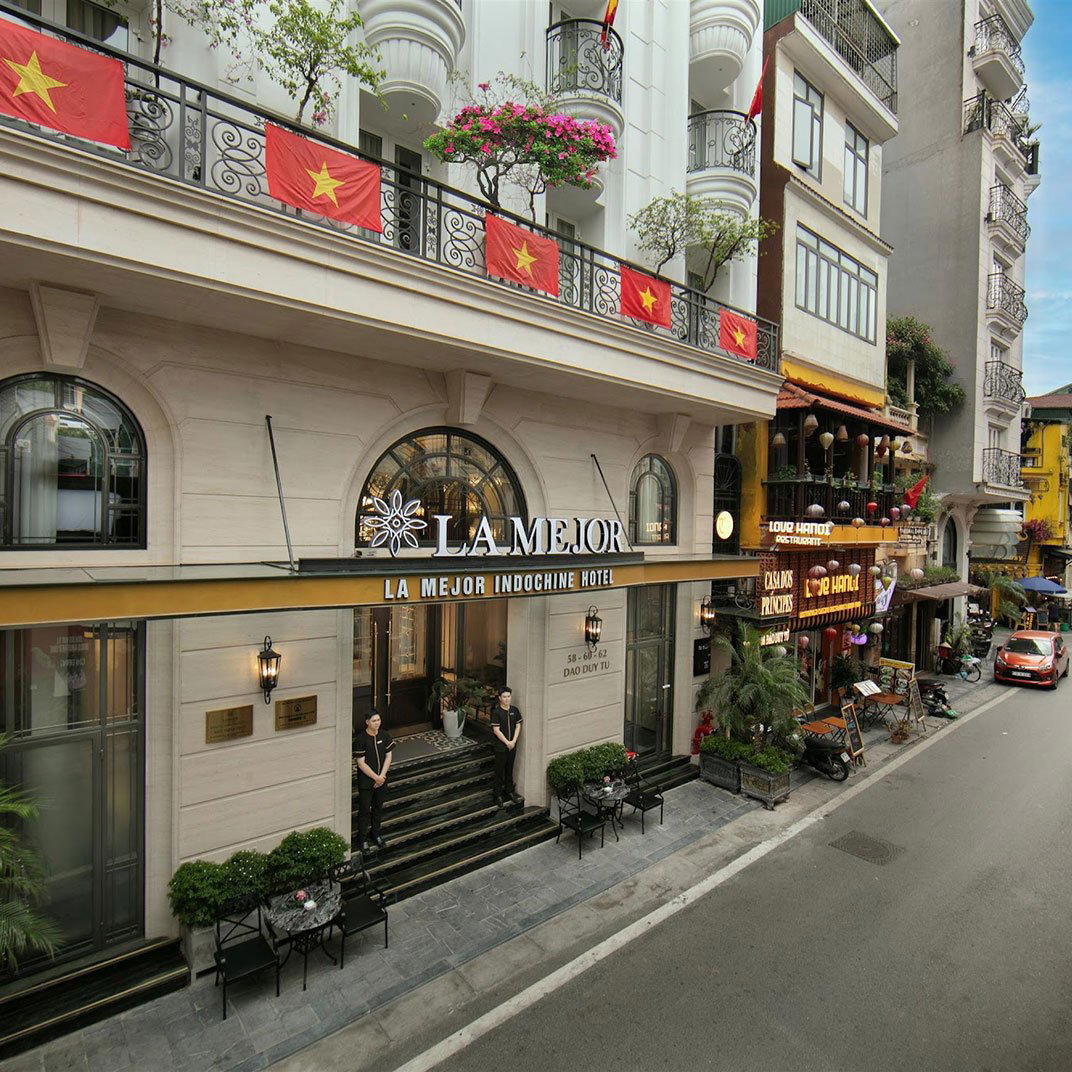
On Mạc Đĩnh Chi in Ba Đình, the pavement narrows and the plastic stools multiply by mid-morning.enprimeurclub.enprimeurclub.com/restaurants/la-maison-1888-da-nang-restaurant">La Maison 1888 in Da Nang. Mạc Đĩnh Chi belongs to a different and arguably older register: the single-dish street address, where the physical container is stripped to its essentials so the food can do all the work. Phở Cuốn Chinh Thắng operates at number 7 inside exactly that tradition, and the Michelin Plate it received in 2025 signals that the tradition has finally received the critical attention it deserves.
The Physical Container and What It Signals
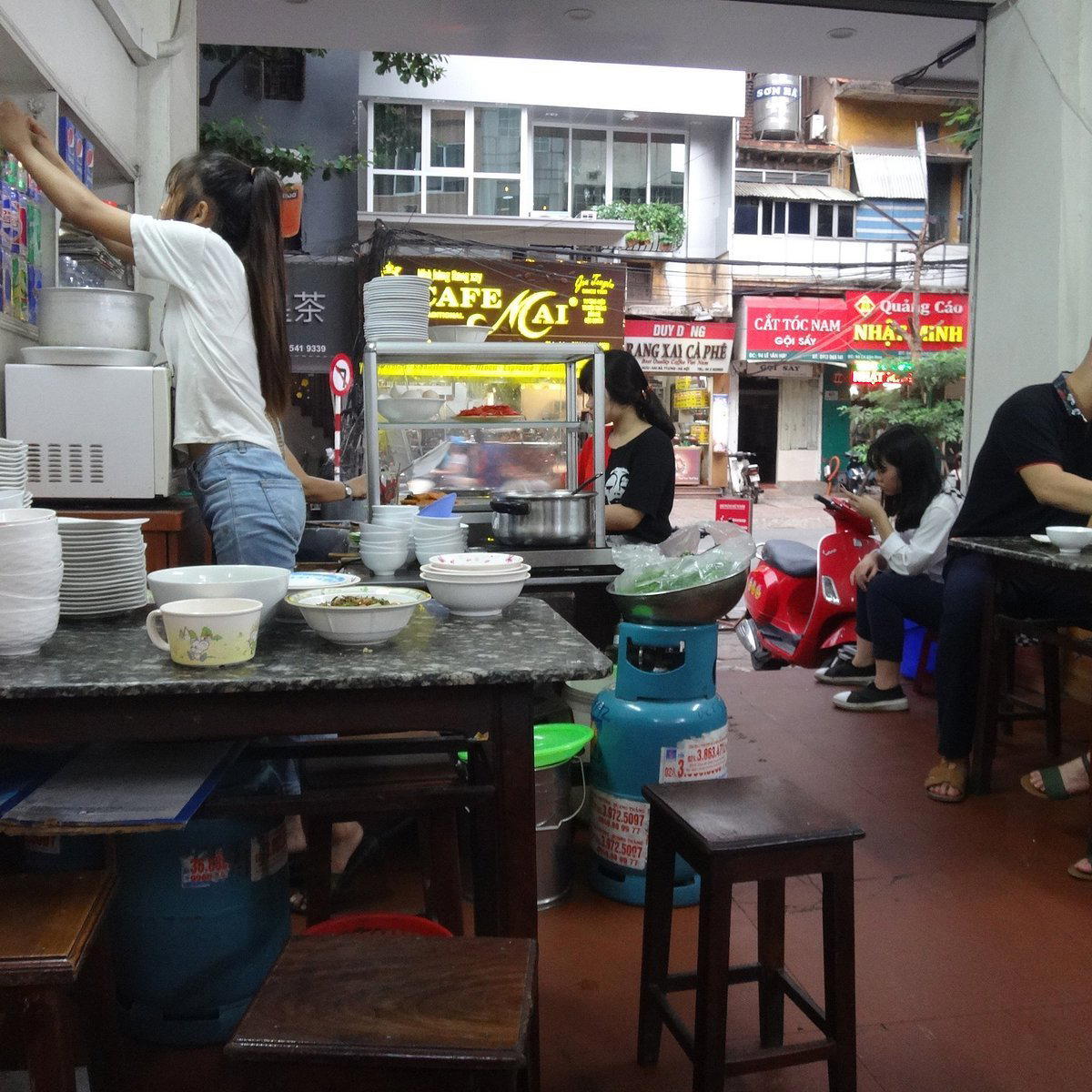
The design logic of Hanoi's specialist noodle shops is worth understanding before you arrive. These are not spaces built around ambience in any Western hotel-restaurant sense. Tables are close, stools are low, and the kitchen is typically open or visible from the dining area, a practical arrangement that keeps the gap between prep and service short. At this price tier (a single ₫ symbol, placing it at the floor of Hanoi's dining cost range), the architecture communicates efficiency and focus rather than decoration. The lighting is functional. The walls are not curated. What you see instead are the working signals of a specialised kitchen: the mise en place for rolling, the herbs stacked in quantity, the rhythm of cooks who have done this particular task thousands of times.
That physical directness is, in its own way, a design choice. Hanoi's single-dish shops earn loyalty precisely because the space does not compete with the food for attention. Neither is wrong, but they answer different questions. Phở Cuốn Chinh Thắng answers the question of what a specific dish looks like when a kitchen has organised its entire operation around it.
Phở Cuốn in Its Culinary Context
Phở cuốn is a distinct preparation from the broth-based phở bò or phở gà most international visitors arrive expecting. The rolled format is closely associated with the Ngũ Xã area of Hanoi's Tây Hồ district, though addresses like this one in Ba Đình have extended its geography across the city. It occupies a related but separate category from other noodle formats: more tactile than a bowl, closer in logic to a fresh spring roll, and dependent on the quality of the rice sheet and the balance of the filling.
Hanoi's noodle specialisation runs deep. The city has distinct addresses for eel vermicelli, for fish-roe rice noodles, for bún chả. That same impulse toward specificity governs the phở cuốn format. Across the city, venues like Bun Cha Ta on Nguyen Huu Huan Street and Bún Chả Chan demonstrate how single-dish focus at the lowest price tier can accumulate serious reputations. For regional noodle comparison, see also how similar single-dish discipline plays out at addresses like A Niang Mian Guan in Shanghai and A Kun Mian in Taichung, formats change, but the logic of the specialist address is consistent across East and Southeast Asian noodle traditions.
What the Numbers Suggest
High-volume, low-cost noodle shops accumulate reviews quickly, the customer base is large, repeat visits are frequent, and the barrier to leaving a rating is low. A bowl of phở can forgive broth variation day to day; a rolled noodle sheet is less forgiving, the wrap needs to hold, the herbs need to be fresh, and the dipping sauce balance needs to be reliable.
A Bing Bao Shan Mian in Hangzhou or Ajisai in Taichung, which earn recognition without repositioning toward the fine-dining tier. That refusal to reposition is, in the Hanoi context, a form of integrity.
Hanoi Noodle Specialists: The Wider Map
Visitors building a Hanoi noodle itinerary around the specialist-address tradition have several strong reference points. Hiệu Lực Canh Cá Rô Hưng Yên on Hai Ba Trung works the braised fish-rice noodle format in a different district. Miến Lươn Chân Cầm in Hoan Kiem and Miến Lươn Đông Thịnh address the eel-vermicelli category. A Xin Xian Lao on Gongnong Road in Fuzhou provides a useful comparative point from the Chinese noodle tradition. Together these addresses sketch a regional picture in which the specialist noodle address is a durable, geographically widespread format, not a Hanoi quirk but a broader phenomenon of focused, low-cost precision cooking.
For broader planning across the city's dining, drinking, and hotel options, see our full Hanoi restaurants guide, our full Hanoi hotels guide, our full Hanoi bars guide, our full Hanoi wineries guide, and our full Hanoi experiences guide.
Planning Your Visit
Phở Cuốn Chinh Thắng sits at 7 Phố Mạc Đĩnh Chi in Ba Đình, one of Hanoi's older residential and administrative districts. The price tier is the lowest available in the city's dining range, making it accessible without advance financial planning. Hours, booking method, and dress code are not formally published, consistent with the operating logic of this category of address, where you arrive, find a seat at a free table, and order directly. Arriving outside peak meal-service windows (early to mid-morning or mid-afternoon) typically reduces wait time at high-review-count addresses of this type. No booking infrastructure is expected or required.
Frequently asked questions
Is Phở Cuốn Chinh Thắng suitable for families with children?
At the ₫ price tier in Hanoi, specialist noodle addresses like this one tend to be informal, low-pressure environments where children are a normal part of the customer mix. The format, rolled noodles with herbs and dipping sauce, is direct for younger eaters, though the fresh herb component and dipping sauce flavour profile may require adjustment for very young palates.
How would you describe the atmosphere at Phở Cuốn Chinh Thắng?
It reads as a working Hanoi noodle shop at the most direct end of the format: close tables, functional space, and a kitchen rhythm oriented entirely around throughput of a single dish. In a city where the ₫₫₫₫ bracket offers venues designed to signal arrival or occasion, this address signals the opposite, competence accumulated over time, recognised now by a 2025 Michelin Plate and a 4.6 aggregate score, but unchanged in its physical register. If you arrive expecting the atmosphere of a restaurant, recalibrate. If you arrive expecting the atmosphere of a specialist shop that has been doing one thing well for a long time, you will find it.
What should you order at Phở Cuốn Chinh Thắng?
The dish is phở cuốn: wide rice noodle sheets rolled with beef and fresh herbs, served with dipping sauce. At an address that earned a Michelin Plate in 2025 on a single-dish format, the reasonable inference is that the rolling noodle is the only order worth placing. The Michelin Plate recognises cooking quality at accessible price points, not the full star tier, but an inspector's judgment that the kitchen is worth the detour. Ordering anything else would miss the point of the address.
Booking and Cost Snapshot
Comparable venues nearby, for context on price, style, and recognition.
| Venue | Cuisine | Price | Awards | Notes |
|---|---|---|---|---|
| Phở Cuốn Chinh ThắngThis venue (the venue you are viewing) | Traditional Vietnamese Phở Cuốn | $1–10 | Michelin Plate | Not listed |
| Maison 1929 | Modern Vietnamese | $10–20 | Michelin Plate | Hoan Kiem, Modern Vietnamese |
| Senté (Nguyen Quang Bich Street) | Modern Vietnamese Lotus Cuisine | $10–20 | Michelin Plate | Hoan Kiem, Modern Vietnamese Lotus Cuisine |
| Cafe Giang | Not listed | $1–10 | Not listed | Old Quarter, Hoan Kiem District, Vietnamese Egg Coffee & Traditional Coffee |
| Duong's (Ngo Huyen Street) | Modern Vietnamese Fine Dining | $10–20 | Michelin Plate | Hoan Kiem, Modern Vietnamese Fine Dining |
| Bánh Cuốn Bà Hoành | Traditional Vietnamese Bánh Cuốn | $1–10 | Michelin Plate | Hai Ba Trung, Traditional Vietnamese Bánh Cuốn |
Recognition history
Dated appearances from independent guides and award organizations, with the underlying list record or original source where available.
Michelin Plate
Michelin
Full recognition history (2 entries)
Michelin Plate
Michelin
Continue exploring
More in Hanoi
Restaurants in Hanoi
All restaurants in Hanoi →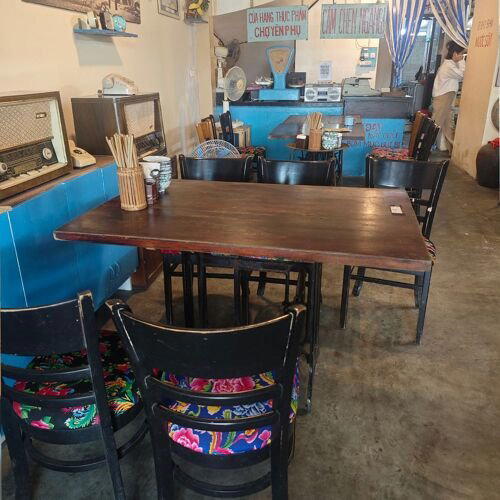
Details
- Classic
- Rustic
- Casual Hangout
- Standalone
- Street Scene
- A La Carte
Current opening hours
- Monday
- 10 AM–2:30 PM, 4:30–9 PM
- Tuesday
- 10 AM–2:30 PM, 4:30–9 PM
- Wednesday
- 10 AM–2:30 PM, 4:30–9 PM
- Thursday
- 10 AM–2:30 PM, 4:30–9 PM
- Friday
- 10 AM–2:30 PM, 4:30–9 PM
- Saturday
- 10 AM–2:30 PM, 4:30–9 PM
- Sunday
- 10 AM–2:30 PM, 4:30–9 PM
Hours can change for holidays and private events. Hours as of .
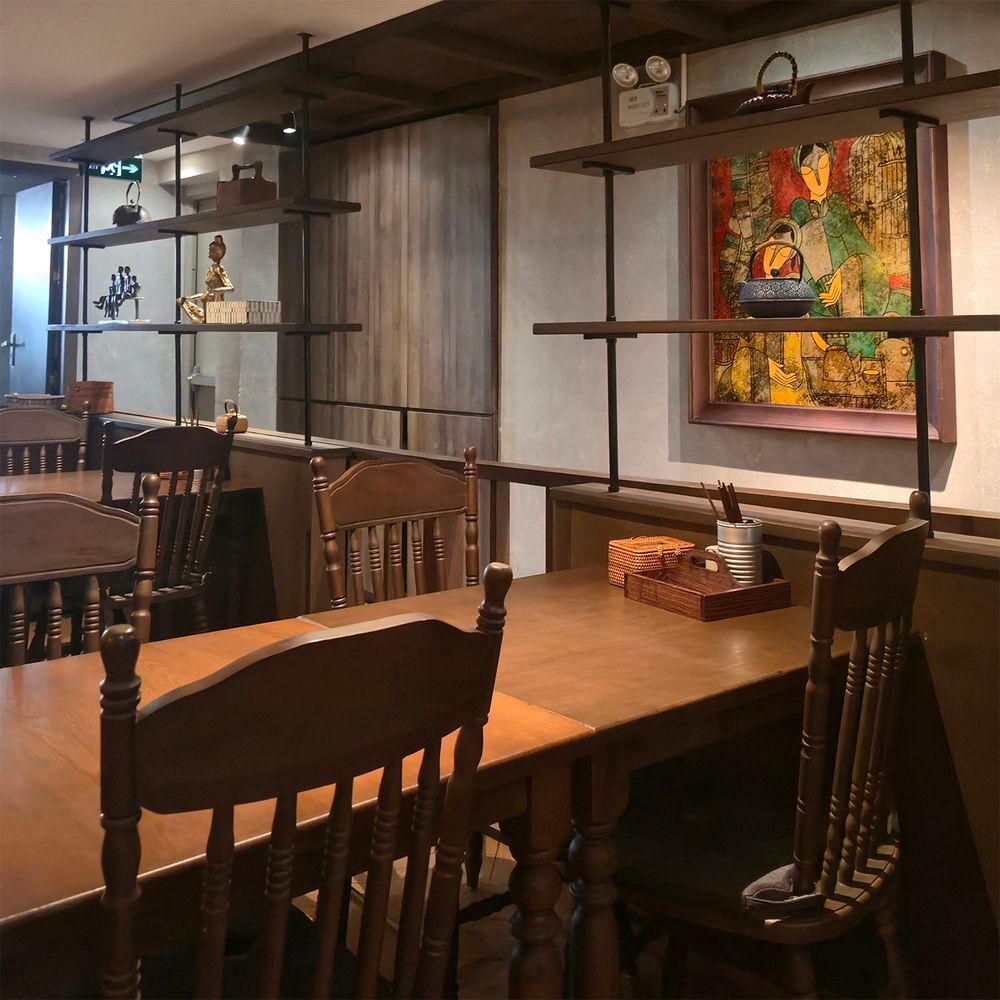
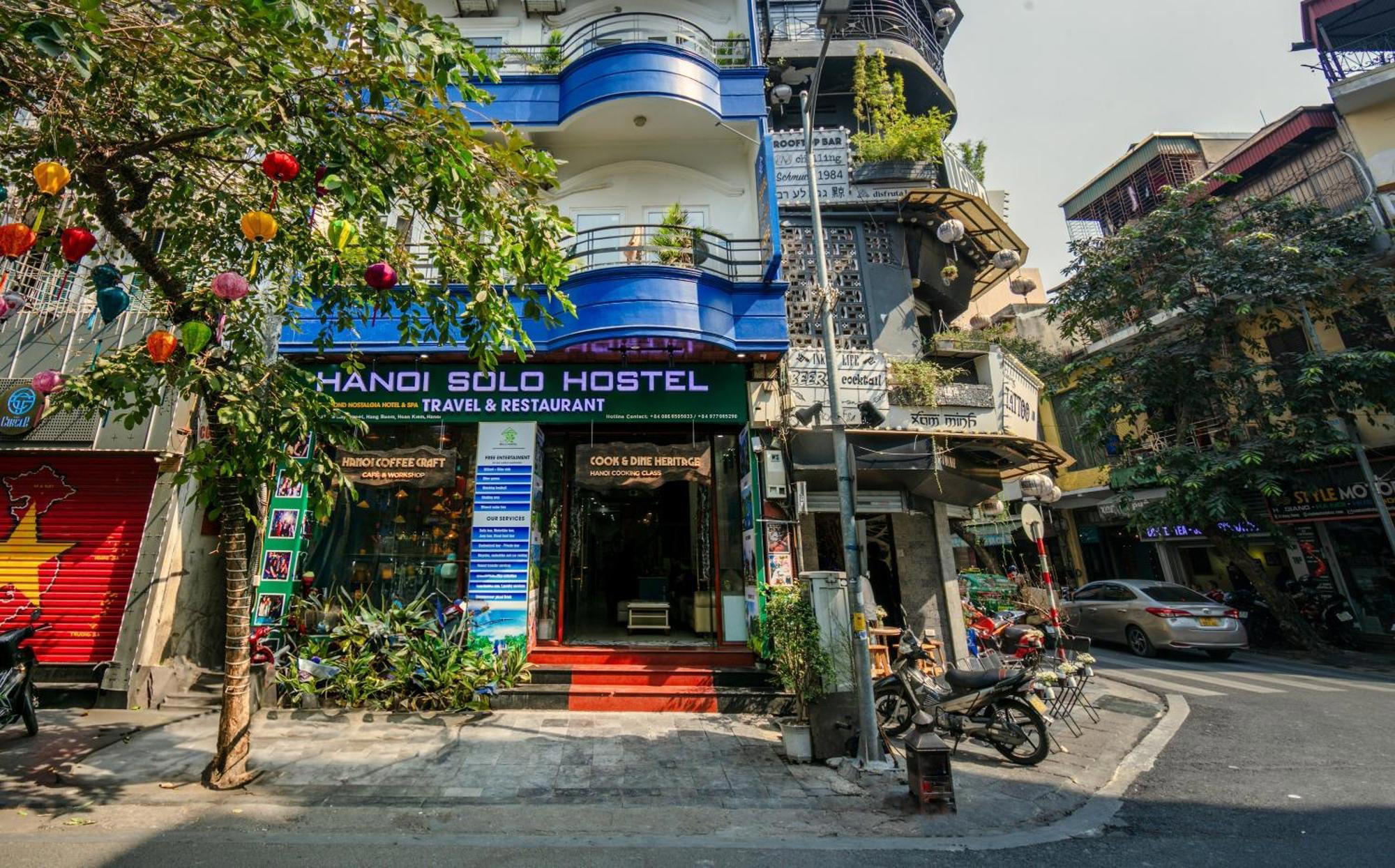
Airy sidewalk space providing an authentic street food experience in a traditional Hanoi noodle shop setting.