
Michelin Plate
Our verdict
A Hanoi street food address that has earned consecutive Michelin Plate recognition in 2024 and 2025, Bánh Cuốn Bà Hoành on Tô Hiến Thành serves the city's signature steamed rice rolls at prices that make it one of the most compelling value propositions in Vietnamese dining.

Pearl is the En Primeur Club membership app, where members save venues, book tables and use the concierge.
The menu
What to order
- Bánh Cuốn Bà Hoành
- Bún Chả
Morning Steam and the Architecture of a Hanoi Bowl
On Tô Hiến Thành street in the Nguyễn Du ward of Hoàn Kiếm, the early hours carry a particular kind of theatre. Thin sheets of rice batter stretch across heated drums, filled with seasoned pork and wood ear mushroom, then folded and lifted with a practiced economy of movement that takes years to make look effortless. This is bánh cuốn in its daily, unglamorous, essential form, and the address at number 66 has been doing it long enough to have become a reference point for the dish in a city that takes its breakfast seriously.
Hanoi's street food culture operates on a logic that formal restaurant culture rarely matches: hyper-specialisation at minimal price. The stalls and shophouses that do one thing, one bowl, one preparation, one time of day, often outperform larger, more varied kitchens. Bánh Cuốn Bà Hoành sits inside that tradition, and its consecutive Michelin Plate awards (2024 and 2025) confirm what the neighbourhood has known for considerably longer.
What the Michelin Plate Means at This Price Point
Michelin's Plate designation, awarded to kitchens producing food of good quality without reaching the star threshold, carries a specific significance when it appears on a street food address at the lowest price tier. It signals that the guide's inspectors found something worth documenting at a category level where most of their attention lands on formal dining rooms. Across Southeast Asia, a handful of street food specialists have received this kind of recognition, among them Hill Street Tai Hwa Pork Noodle in Singapore, 545 Whampoa Prawn Noodles, and A Noodle Story, also in Singapore. In that company, Bánh Cuốn Bà Hoành represents Vietnam's own version of that documented street food tradition: a single-dish specialist, priced in the single-symbol range, holding recognition across two consecutive guide cycles.
The value arithmetic here is stark. Hanoi has Michelin-starred tables, Gia at the contemporary Vietnamese end of the spectrum, Tầm Vị at a more mid-range price point, where a single sitting will cost multiples of what a full meal here demands. For the informed traveller, that spread matters less as a hierarchy than as a map of where different kinds of value live. At number 66 Tô Hiến Thành, what you are paying for is craft at the base level of Vietnamese culinary identity, not a tasting menu or a room.
Bánh Cuốn in the Context of Hanoi's Noodle and Rice Roll Tradition
Hanoi claims several dishes as definitional to its food culture: phở, bún chả, bún riêu, and bánh cuốn among them. Each has its specialist addresses, its debates about who does it correctly, and its morning windows when quality peaks. Bánh cuốn, the steamed rice roll, sits in that canon as one of the older preparations, requiring a different skill set than broth-based noodles. The batter-to-drum technique, the filling balance, and the quality of the accompanying nước chấm dipping sauce are the variables that separate the addresses worth returning to from those that simply serve the dish.
For context on the broader street food circuit, Hanoi's bún chả specialists, including Bún Chả Hương Liên on Hai Ba Trung and Bún Chả Đắc Kim on Hang Manh Street, operate on a similar model: one dish, one focus, consistent reputation. The phở circuit has its own reference points at Phở Bò Lâm and Phở Bò Ấu Triệu. Bánh Cuốn Bà Hoành occupies a different lane in that landscape: the steamed rice roll specialist, now with external validation to match its local standing. A close comparison within the same dish category is Bánh Cuốn Bà Xuân, another address that has built its reputation on the same preparation.
The Value Proposition, Stated Clearly
At the single-₫ price tier, this is among the most cost-efficient ways to encounter Michelin-acknowledged cooking anywhere in Southeast Asia. The parallel in George Town would be something like 888 Hokkien Mee on Lebuh Presgrave; in Phuket, A Pong Mae Sunee operates in the same tier-and-recognition category. What unites these addresses is that the credentialing comes without the overhead: no reservation required, no tasting menu format, no wine list to navigate. The cost of entry is the price of a bowl.
That accessibility is precisely what makes a Michelin Plate at this level worth reading carefully. It is not a consolation designation below a star, it is the guide's acknowledgment that this kitchen is producing food with consistent quality and technique, priced at a point that most of its star-rated peers cannot approach. For a traveller building a Hanoi itinerary, that combination sits at a different point on the value curve than Akuna in Ho Chi Minh City or La Maison 1888 in Da Nang, which represent Vietnam's upper dining tier. Both ends of the spectrum are worth knowing; this address makes the case for the lower end with some force.
That figure, alongside two consecutive Michelin Plates, forms a trust signal that does not depend on marketing.
Planning Your Visit
Bánh Cuốn Bà Hoành is at 66 Phố Tô Hiến Thành, in the Nguyễn Du area of Hoàn Kiếm district, a walkable part of central Hanoi. Bánh cuốn is a morning and early-midday dish in Hanoi convention, so arriving in the first half of the day aligns with both tradition and availability. No booking infrastructure is attached to this address; the format is walk-in, order at the counter or table, and eat. The price point means a full meal for two falls well within what a single coffee costs at most hotel lobbies in the same district. For a fuller picture of where this fits within the city's dining circuit, see our full Hanoi restaurants guide, and for broader planning, our Hanoi hotels guide, bars guide, wineries guide, and experiences guide cover the rest of the city's offer.
Frequently asked questions
Is Bánh Cuốn Bà Hoành expensive?
Pricing at Bánh Cuốn Bà Hoành is listed as ₫.
What's the address for Bánh Cuốn Bà Hoành?
Bánh Cuốn Bà Hoành is located at 66 P. Tô Hiến Thành, Nguyễn Du, Hoàn Kiếm, Hà Nội, Vietnam, Hanoi.
What kind of recognition has Bánh Cuốn Bà Hoành received?
Bánh Cuốn Bà Hoành has received recognition including: Michelin Plate (2025); Michelin Plate (2024).
What do people recommend at Bánh Cuốn Bà Hoành?
The menu centres on bánh cuốn: steamed sheets of fermented rice batter, typically filled and served with dipping broth. That preparation is the reason this address holds a Michelin Plate for both 2024 and 2025 at a single-₫ price point. Arrive in the morning, when bánh cuốn is traditionally eaten in Hanoi and the kitchen is at full production.
Credentials Lens
| Venue | Cuisine | Price | Awards | Notes |
|---|---|---|---|---|
| Bánh Cuốn Bà HoànhThis venue (the venue you are viewing) | Traditional Vietnamese Bánh Cuốn | $1–10 | Michelin Plate | Not listed |
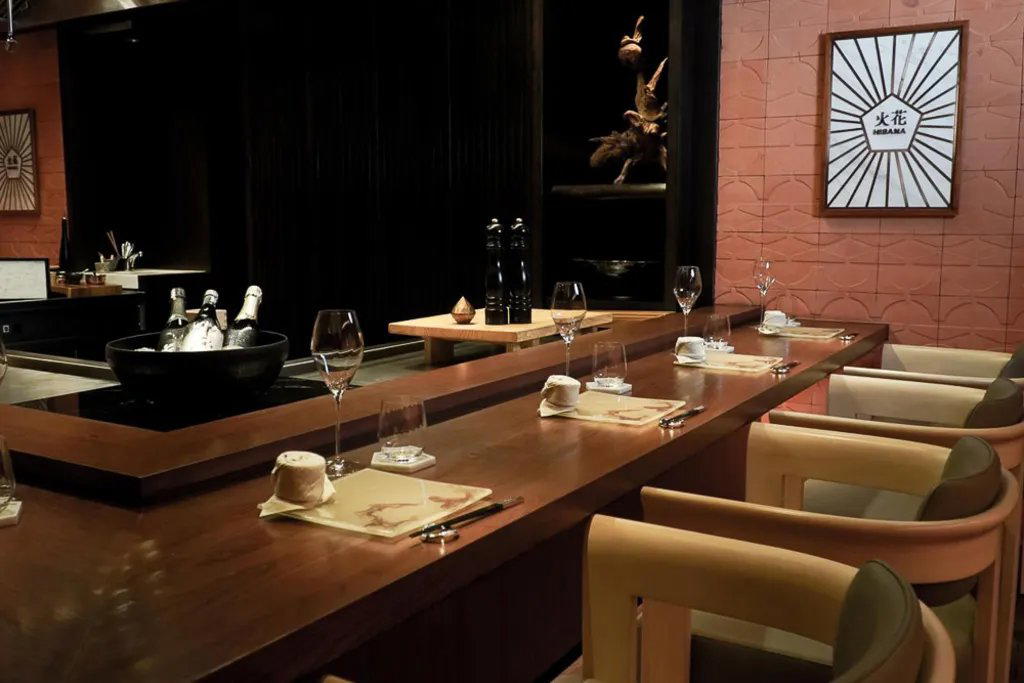
| Hibana by Koki | Michelin-Starred Japanese Teppanyaki | $200–300 | 1 Michelin Star · La Liste Top Restaurants | Teppanyaki, ₫₫₫₫ |
| Tầm Vị | Northern Vietnamese Home-Style | $10–20 | 1 Michelin Star | Vietnamese, ₫₫ |
| Gia | Modern Vietnamese Fine Dining | $100–150 | 1 Michelin Star · La Liste Top Restaurants | Vietnamese Contemporary, ₫₫₫₫ |
| 1946 Cua Bac | Northern Vietnamese | $10–20 | Michelin Bib Gourmand | Not listed |
| Bun Cha Ta (Nguyen Huu Huan Street) | Authentic Vietnamese Bun Cha | $1–10 | Michelin Bib Gourmand | Not listed |
Recognition history
Dated appearances from independent guides and award organizations, with the underlying list record or original source where available.
Michelin Plate
Michelin
Full recognition history (3 entries)
Michelin Plate
Michelin
Michelin Plate
Michelin
Continue exploring
More in Hanoi
Restaurants in Hanoi
All restaurants in Hanoi →
Bars in Hanoi
All bars in Hanoi →
Details
- Rustic
- Lively
- Casual Hangout
- Solo
- Open Kitchen
- A La Carte
- Vegetarian Friendly
Current opening hours
- Monday
- 6 AM–8 PM
- Tuesday
- 6 AM–8 PM
- Wednesday
- 6 AM–8 PM
- Thursday
- 6 AM–8 PM
- Friday
- 6 AM–8 PM
- Saturday
- 6 AM–8 PM
- Sunday
- 6 AM–8 PM
Hours can change for holidays and private events. Hours as of .
Casual, bustling street food atmosphere with low plastic chairs and communal seating; crowded during peak hours with a local, unpretentious vibe.