On Saint-Dominique Street in the Petite-Patrie neighbourhood, Petros Little Italy occupies a stretch of Montreal where Italian immigrant cooking has shaped the block for generations. The kitchen works within a tradition that prioritises sourcing and seasonal rhythm over spectacle, placing it in a different register from the city's high-concept modern dining rooms. A neighbourhood address with genuine roots in the Italian-Canadian table.
Pearl is the En Primeur Club membership app — saves, bookings, and concierge access live there. Same editors, same standards.
- Address
- 6896 Saint Dominique St., Montreal, Quebec H2S 3B2, Canada
- Phone
- +15142715222
- Website
- jardinpetros.ca
- Directions
- Get directions
 Saves & bookings on Pearl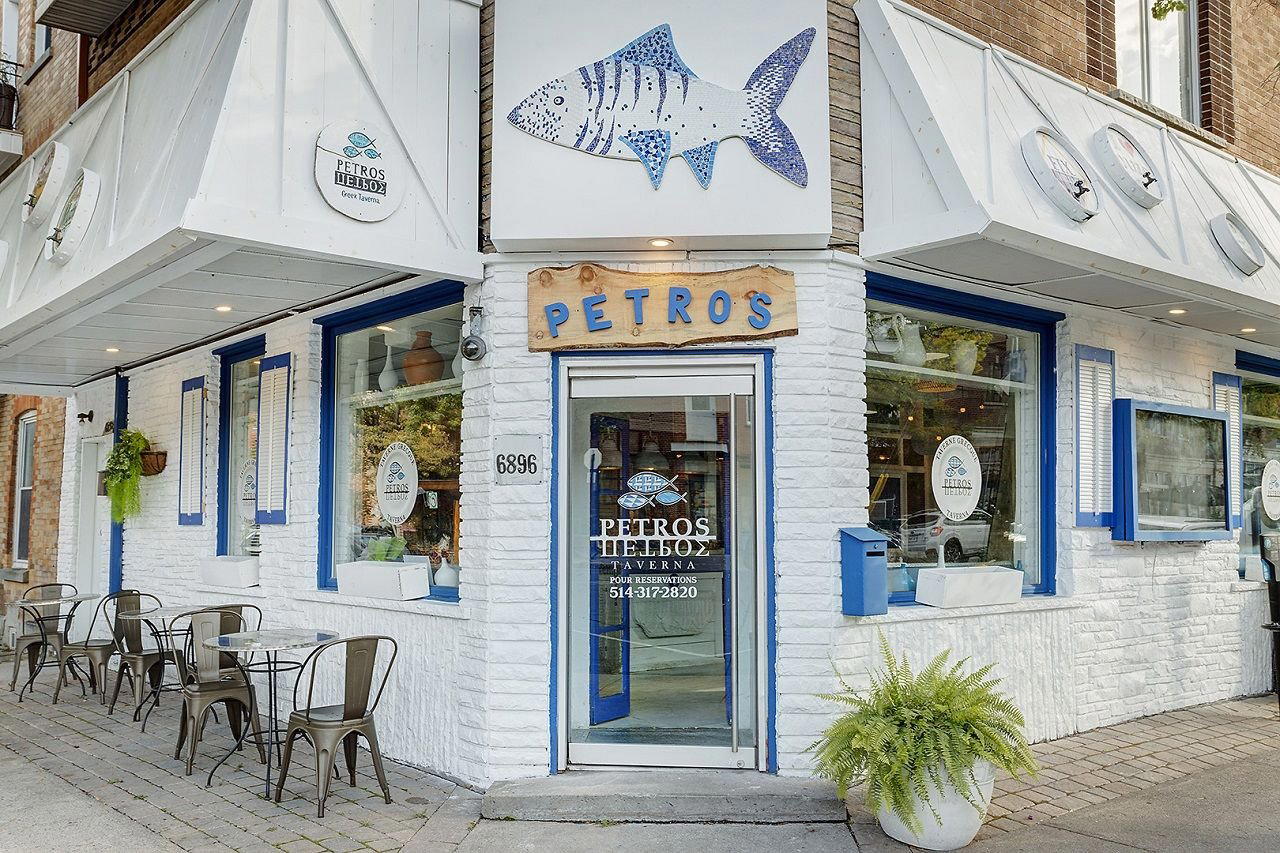
Saint-Dominique Street and the Italian Table It Kept Alive
Montreal's Little Italy corridor runs north from Jean-Talon Market along Saint-Laurent and spills into the quieter residential streets beside it. Saint-Dominique Street sits at that edge, residential enough to feel unhurried but close enough to the market's daily rhythm to shape what arrives in a kitchen. That geography matters for a restaurant built around Italian-Canadian cooking, because Jean-Talon is one of the few urban markets in Canada where a kitchen can source Québec-grown tomatoes, imported Calabrian peppers, and local cheese curds within the same morning run. The ingredient pipeline that defines serious Italian cooking in this city runs directly through this neighbourhood, and Petros Little Italy sits within it.
Walking along Saint-Dominique, the surrounding blocks have the low-density character of a neighbourhood that gentrified slowly and unevenly. Triplexes with wrought-iron staircases press close to the sidewalk. The commercial strip is thin. This is not the tourist-facing stretch of Little Italy that fills on Sunday afternoons; it is the working-residential layer that sustained the community through the decades when the Italian immigrant population was still a plurality, not a memory. For a dining room that takes its name from that heritage, the address is a kind of argument: the food draws from a tradition rooted in place, not from a culinary concept applied to a convenient neighbourhood.
Why Sourcing Defines Italian Cooking in Montreal
Italian-Canadian cooking in Montreal occupies a distinct position in the broader Canadian Italian diaspora. The community that arrived here, primarily from Calabria, Sicily, and the Molise region, brought a cooking culture grounded in preservation, seasonal eating, and hyper-local ingredient logic. Tomatoes were grown and canned at summer's end. Charcuterie was made through winter. The table calendar was dictated by what the land and the season could provide, then extended through technique. That tradition is closer in spirit to contemporary ingredient-sourcing philosophy than most people recognise, because it predates the locavore framing by decades.
What separates the better Italian kitchens in this neighbourhood from the merely functional ones is whether they maintain that seasonal discipline. A restaurant that sources its tomatoes from Jean-Talon during the Quebec summer and transitions its menu as the season closes is making a different argument than one running the same dishes year-round from industrial supply. The proximity of Petros Little Italy to the market at 6896 Saint-Dominique positions it within reach of that seasonal loop. Montreal's Italian dining options now span from high-concept modern interpretations to direct red-sauce rooms, but the most coherent of the neighbourhood institutions are those that hold to the sourcing logic the community established.
For context on how Montreal's Italian dining fits into the wider Quebec restaurant conversation, Tanière³ in Quebec City represents one pole of Quebec's ingredient-driven cooking, where hyper-local sourcing anchors a modernist format. The Italian-Canadian tradition in Montreal operates on different aesthetics but shares an underlying commitment to place-specific ingredients as the primary editorial statement of a kitchen.
Where Petros Sits in Montreal's Dining Geography
Montreal's restaurant options now sort into a few distinct tiers. The upper end is occupied by French-influenced modern kitchens like Jérôme Ferrer - Europea and Mastard, both operating at the $$$ to $$$$ range with tasting formats or composed plating that signals ambition above comfort. Sabayon works in similar territory. Below that tier, neighbourhood institutions like Schwartz's Deli hold a different kind of authority: single-product focus, decades of consistency, a loyal local crowd. L'Express operates as the standard-bearer for the French bistro tradition, running a fixed identity across decades without significant format shifts.
Italian neighbourhood restaurants in Montreal occupy a middle position: less theatrical than the modern French dining rooms, less specialised than Schwartz's, but anchored by a cuisine with its own deep internal logic. The comparison set for Petros Little Italy is not Toqué or Europea but the other Italian institutions in the Petite-Patrie and Little Italy area that have maintained continuity with the neighbourhood's immigrant cooking culture. Within that set, what distinguishes one kitchen from another is largely the sourcing relationship: who is buying from Jean-Talon, who is preserving their own, and who is running a fixed supply chain regardless of season.
For readers building a Montreal itinerary that moves between neighbourhood character and serious cooking, 3 Pierres 1 Feu and Abu el zulof represent other neighbourhood-anchored options in the city with distinct cultural identities. The full picture of where Montreal's dining sits in the Canadian context can be found in our Montreal restaurants guide. For comparison across Canadian cities, Alo in Toronto and AnnaLena in Vancouver mark different points on the spectrum of serious Canadian cooking outside Quebec.
The Seasonal Calendar and the Italian-Canadian Table
Late summer in Little Italy still produces one of the more arresting spectacles in Montreal food culture: the tomato canning weekend, when families move production outdoors and the smell of cooked tomatoes carries across several blocks. This is not nostalgia performance. It is a functional preservation practice that many Italian-Canadian households continue because it produces a product materially different from commercial alternatives. The cooking tradition that Petros Little Italy draws from was built around exactly this kind of seasonal intensity, and understanding that context reframes what might otherwise look like a simple red-sauce kitchen.
The rhythm of serious Italian cooking here follows Jean-Talon's produce calendar: asparagus in May, tomatoes from July through September, squash and root vegetables from October onward, preserved goods pulling through the winter. Kitchens that track this calendar are making constant small decisions about sourcing that accumulate into a fundamentally different product than one running a static menu. That discipline is harder to market than a tasting format or a star rating, but it is the real measure of whether a neighbourhood Italian kitchen is operating with integrity or merely occupying a traditional address.
Canadian restaurant culture at its most ambitious, from Eigensinn Farm in Singhampton to Restaurant Pearl Morissette in Lincoln and Narval in Rimouski, has consistently returned to the same sourcing-first argument. The Italian-Canadian table in Montreal reached that conclusion through a different path, rooted in immigrant necessity rather than chef philosophy, but the destination is recognisably similar.
Know Before You Go
Planning Notes
- Address: 6896 Saint-Dominique St. Montreal, Quebec H2S 3B2
- Neighbourhood: Petite-Patrie, adjacent to Little Italy and Jean-Talon Market
- Nearest Market: Jean-Talon Market is walkable and worth visiting before or after, particularly on weekend mornings
- Booking: Specific booking details are not confirmed; contact the restaurant directly or arrive early for walk-in availability
- Leading Season: Late summer through early autumn, when the Quebec tomato season peaks and the neighbourhood's Italian food culture is most visible
- Context: Fits well in an itinerary that includes the market and the surrounding Little Italy corridor rather than as a standalone destination
- grilled whole fish
- octopus
- lamb chops
- spanakopita
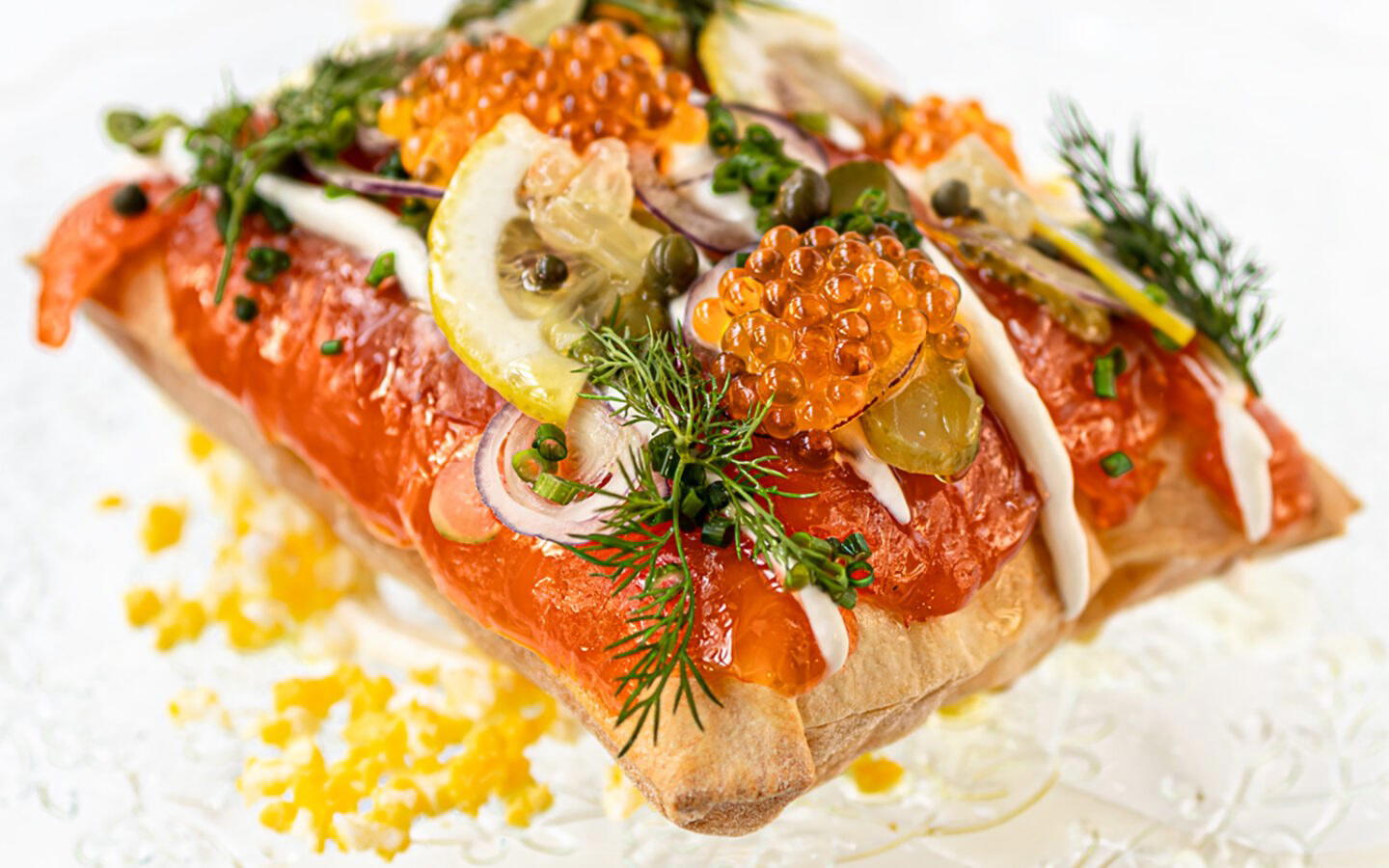
- salmon flambé with Ouzo
- moussaka
How Petros Little Italy Montréal compares with similar nearby venues.
| Venue | Cuisine | Price |
|---|---|---|
| Le Petit Alep | Middle Eastern | $$ |







At a Glance
- Cozy
- Classic
- Rustic
- Group Dining
- Casual Hangout
- Date Night
- Terrace
- Standalone
- Byob
- Beer Program
- Local Sourcing
- Sustainable Seafood
Current opening hours
- Monday
- Closed
- Tuesday
- 11:30 AM–2:30 PM, 5–10 PM
- Wednesday
- 11:30 AM–2:30 PM, 5–10 PM
- Thursday
- 11:30 AM–2:30 PM, 5–10 PM
- Friday
- 11:30 AM–2:30 PM, 5–10 PM
- Saturday
- 5–10 PM
- Sunday
- 5–10 PM
Hours can change for holidays and private events. Last verified .
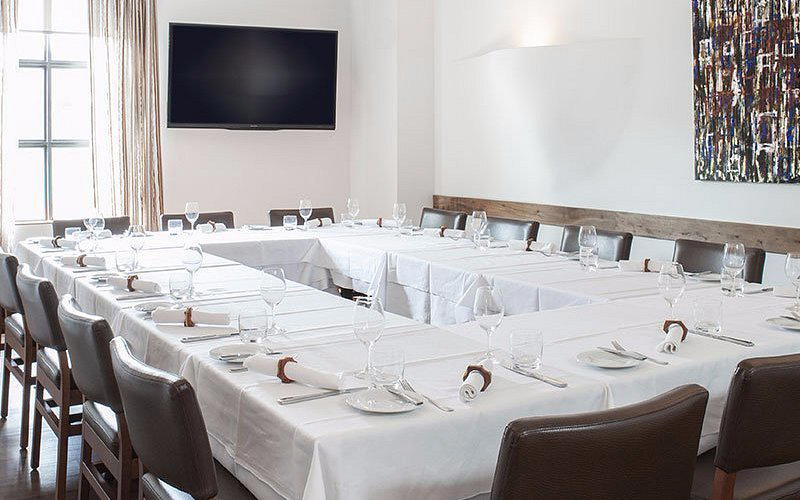
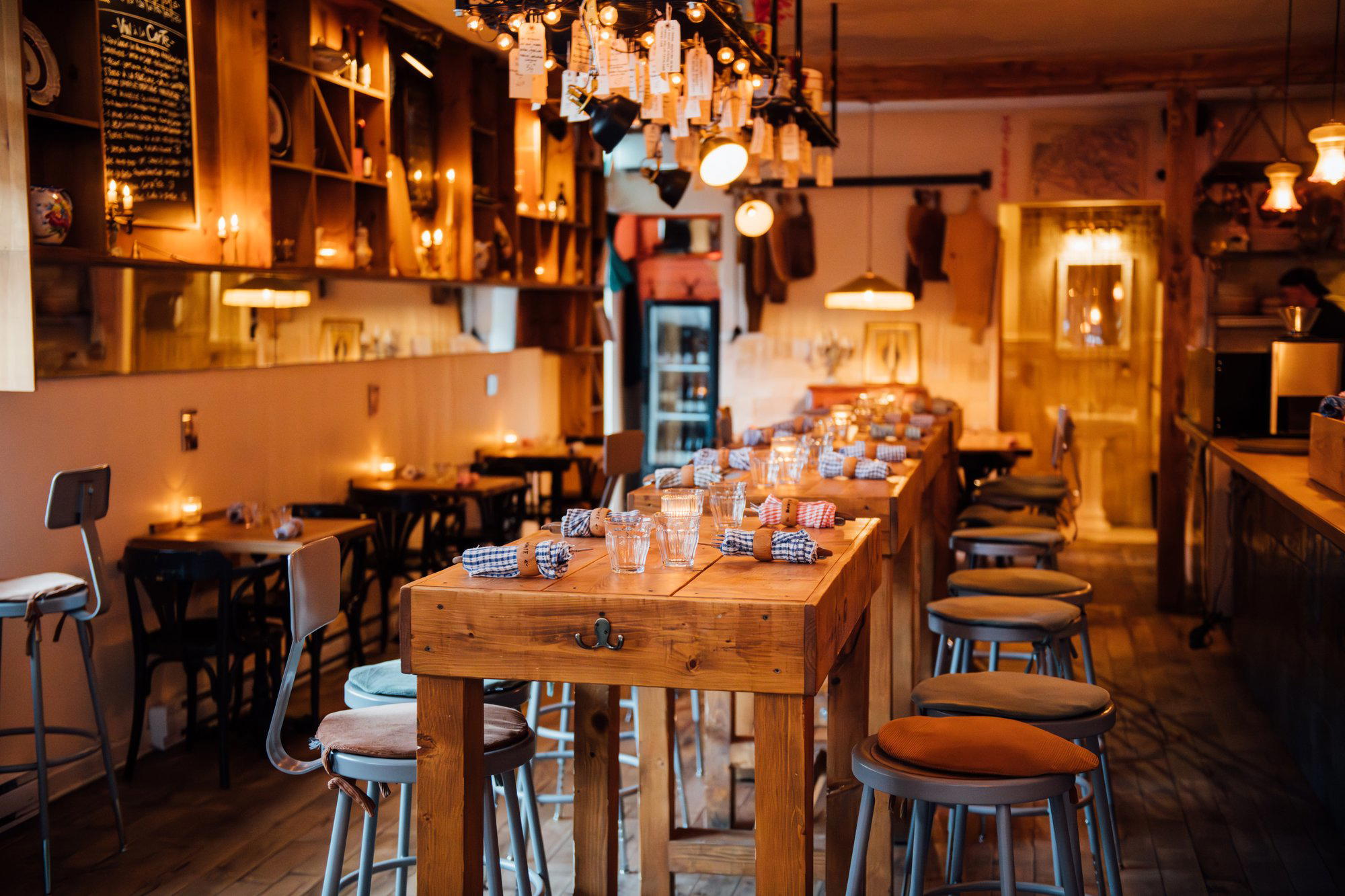
Sunny and colorful Mediterranean atmosphere enhanced with fresh herbs and spices; warm and welcoming with a traditional Greek tavern aesthetic.
Know Before You Go
- Getting there
- 6896 Saint Dominique St., Montreal, Quebec H2S 3B2, Canada