


On a quiet stretch of Hackenstraße in Munich's Old Town, Landersdorfer & Innerhofer presents a deliberately understated exterior that gives little away. Inside, the kitchen delivers Mediterranean-rooted cooking serious enough to earn a place on the Opinionated About Dining Classical in Europe list, ranked 214th in 2025, up from 272nd the year prior. It operates Tuesday through Friday at lunch and dinner, closing on weekends.
Pearl is the En Primeur Club membership app — saves, bookings, and concierge access live there. Same editors, same standards.
- Address
- Hackenstraße 6-8, 80331 München, Germany
- Phone
- +49 89 26018637
- Directions
- Get directions
 Saves & bookings on Pearl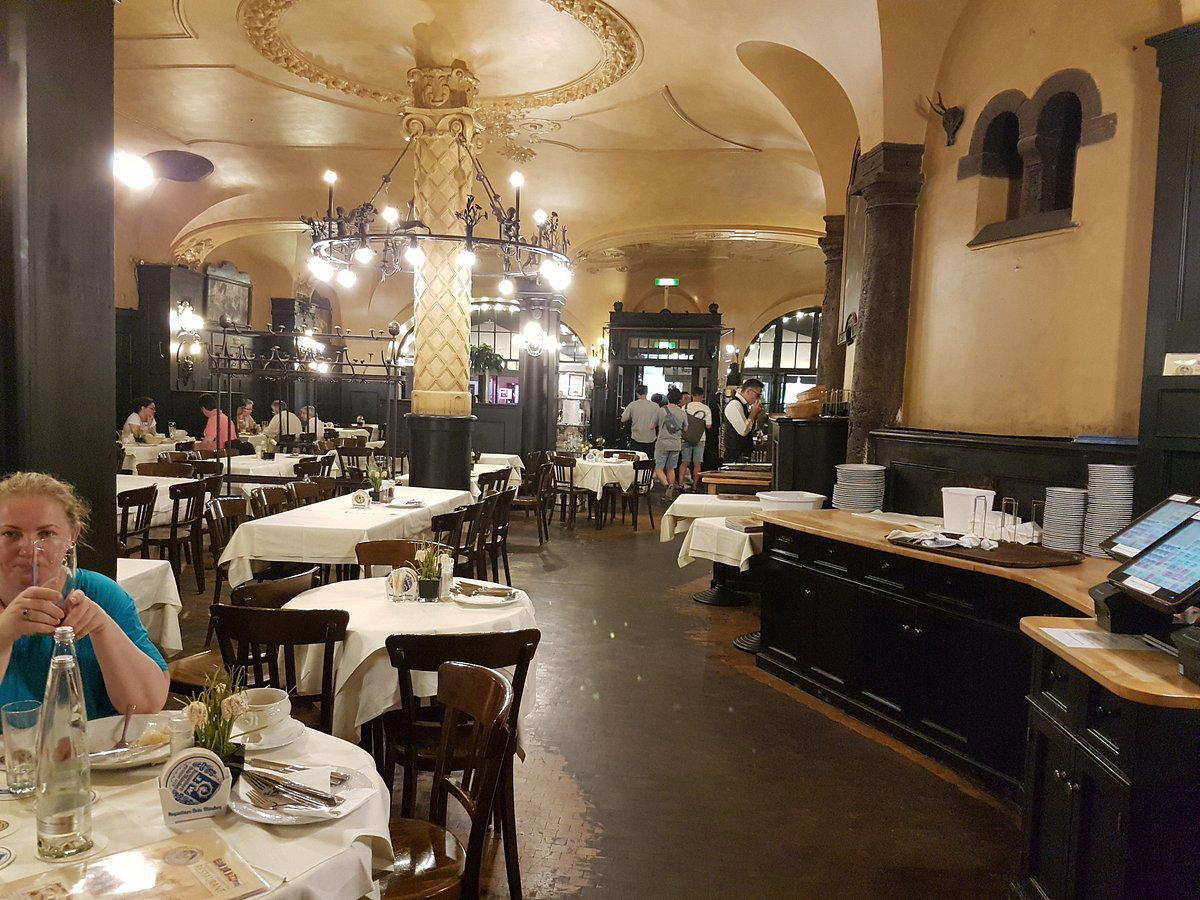
The Unassuming Address That Critics Keep Returning To
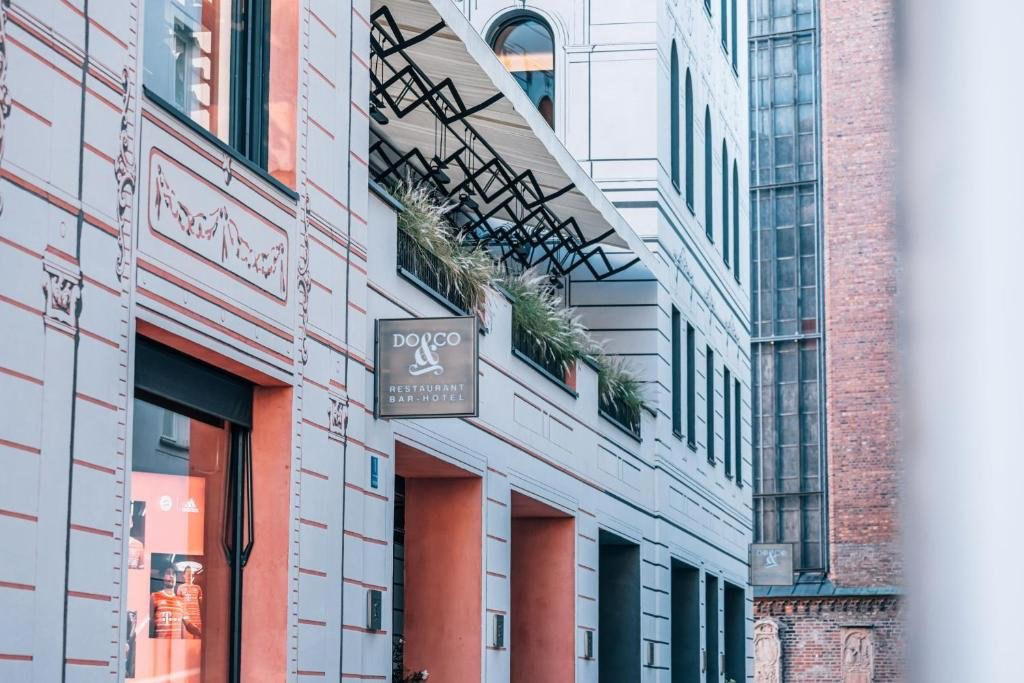
Munich's Old Town concentrates a disproportionate share of the city's serious dining. Along Hackenstraße, a side street that runs through the medieval core near Sendlinger Straße, the exteriors offer few clues about what lies behind their doors. Landersdorfer & Innerhofer occupies this register entirely: a façade that passes without ceremony, a room that does not announce itself. That quality, restraint at the threshold, turns out to be consistent with the cooking inside, and it may partly explain why the restaurant has accumulated a following among the kind of diners who read reviews before they book rather than after.
Landersdorfer & Innerhofer belongs clearly to the second category, and the critical record suggests that the approach has been rewarded accordingly.
What the Rankings Actually Signal
Opinionated About Dining has tracked Landersdorfer & Innerhofer across three consecutive cycles. The restaurant moved from a Recommended designation in 2023 to a ranked position of 272nd in Europe in 2024, then climbed to 214th in 2025. For context, the OAD Classical Europe list covers the entire continent; movement of nearly 60 places in a single year, within a survey that weights consistency heavily, suggests the kitchen is operating with growing confidence rather than coasting on an established position.
The classification matters too. The OAD Classical category is reserved for restaurants working within recognisable culinary traditions rather than pursuing avant-garde formats. Mediterranean cooking, Landersdorfer & Innerhofer's stated orientation, fits naturally here: a tradition with deep roots, a defined product vocabulary, and enough regional variation that execution and sourcing decisions carry real weight. The ranking places the restaurant in a comparable set that, across Germany, includes properties such as Schwarzwaldstube in Baiersbronn, Aqua in Wolfsburg, and Vendôme in Bergisch Gladbach, restaurants that have sustained critical attention over multiple years. Appearing in that company, even at a lower position, is a credible signal.
8 across 278 reviews adds a different layer of evidence. Guest-facing scores at this level, sustained across a meaningful sample, typically indicate that the restaurant delivers its proposition reliably rather than performing well only when critics are present. The two data points, specialist survey recognition and diner satisfaction, are pointing in the same direction.
Mediterranean Cooking in a Continental City
Mediterranean cuisine in a landlocked German city presents a specific set of questions about sourcing, seasonality, and the gap between aspiration and execution. Munich sits far from the coastlines that define the Mediterranean pantry, the olive oils, the fish, the produce that arrives at its peak because the distance from field to kitchen is measured in kilometres rather than days. Restaurants working this territory in northern or central European cities must make deliberate decisions about how faithfully to reproduce the source material versus how intelligently to adapt it to their actual supply chains.
The OAD Classical designation implies that Landersdorfer & Innerhofer is working within the tradition rather than reimagining it. Chef Johann Landersdorfer's name on the door suggests a long-term proprietorial commitment to the format, with a continuity of kitchen direction. Within Munich's fine dining bracket, the restaurant occupies a different position from Tohru in der Schreiberei, which fuses German and Japanese approaches, or Atelier and Alois - Dallmayr Fine Dining, which operate within creative French frameworks. Tantris remains the city's longest-standing reference point for formal European dining. JAN represents the more contemporary creative end. Landersdorfer & Innerhofer's Mediterranean register sits between those poles, less iconoclastic than the new-format kitchens, more geographically specific than the broad European fine dining category.
For comparison beyond Germany, the Mediterranean fine dining conversation includes addresses such as Apolonia in Chicago and Balear in Madrid, each navigating the tradition from different vantage points. The Munich context adds its own particular constraints and advantages: a prosperous, well-travelled diner base with appetite for serious cooking, and a city that does not rely on tourism alone to sustain its restaurant economy.
Elsewhere in the German critical conversation, CODA Dessert Dining in Berlin, ES:SENZ in Grassau, and Restaurant Haerlin in Hamburg each represent different approaches to European fine dining, useful reference points for understanding where a classically-oriented Mediterranean restaurant sits within the national picture.
Planning Your Visit
The Hackenstraße address places the restaurant within easy reach of the Old Town's central points.
For a fuller picture of Munich's dining options across price points and formats, the EP Club Munich restaurants guide covers the city's range. Travellers building a broader itinerary will find relevant context in our Munich hotels guide, Munich bars guide, Munich wineries guide, and Munich experiences guide.
Credentials Lens
Comparable venues nearby, for context on price, style, and recognition.
| Venue | Cuisine | Price | Awards | Notes |
|---|---|---|---|---|
| Landersdorfer & InnerhoferThis venue — the venue you are viewing | Modern Bavarian Fine Dining | $$$$ | Not listed | Not listed |
| THE CLOUD by Käfer | Modern Global Fusion Tasting | $$$$ | Michelin Plate | Milbertshofen |
| Das Obers | Modern Austrian-Inspired Bistro | $$$ | Michelin Plate | Gern |
| Käfer-Schänke | Pan-European Fine Dining with Bavarian Heritage | $$$$ | Michelin Plate | Haidhausen |
| Matsuhisa Munich | Japanese-Peruvian Fusion | $$$$ | Michelin Plate | Altstadt |
| JAPATAPA TOSHIBAR | High-end Japanese Sushi and Kaiseki | $$$$ | Michelin Plate | Schwabing |
Recognition history
Dated appearances from independent guides and award organizations, with the underlying list record or original source where available.
Michelin Plate
Michelin · 2026 Michelin Plate
Opinionated About Dining Casual in Europe Recommended
Opinionated About Dining
Star Wine List
Star Wine List
Opinionated About Dining Classical in Europe Ranked #214
Opinionated About Dining
Opinionated About Dining Classical in Europe Ranked #272
Opinionated About Dining
Opinionated About Dining Classical in Europe Recommended
Opinionated About Dining
At a Glance
- Cozy
- Elegant
- Intimate
- Classic
- Date Night
- Business Dinner
- Special Occasion
- Open Kitchen
- Extensive Wine List
- Local Sourcing
- Street Scene
Current opening hours
- Monday
- 11:30 AM–1:30 PM, 6:30–9:30 PM
- Tuesday
- 11:30 AM–1:30 PM, 6:30–9:30 PM
- Wednesday
- 11:30 AM–1:30 PM, 6:30–9:30 PM
- Thursday
- 11:30 AM–1:30 PM, 6:30–9:30 PM
- Friday
- 11:30 AM–1:30 PM, 6:30–9:30 PM
- Saturday
- Closed
- Sunday
- Closed
Hours can change for holidays and private events. Last verified .
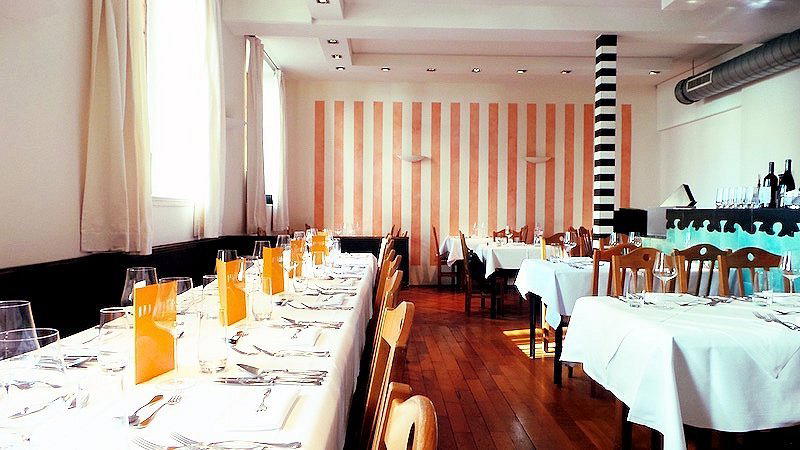
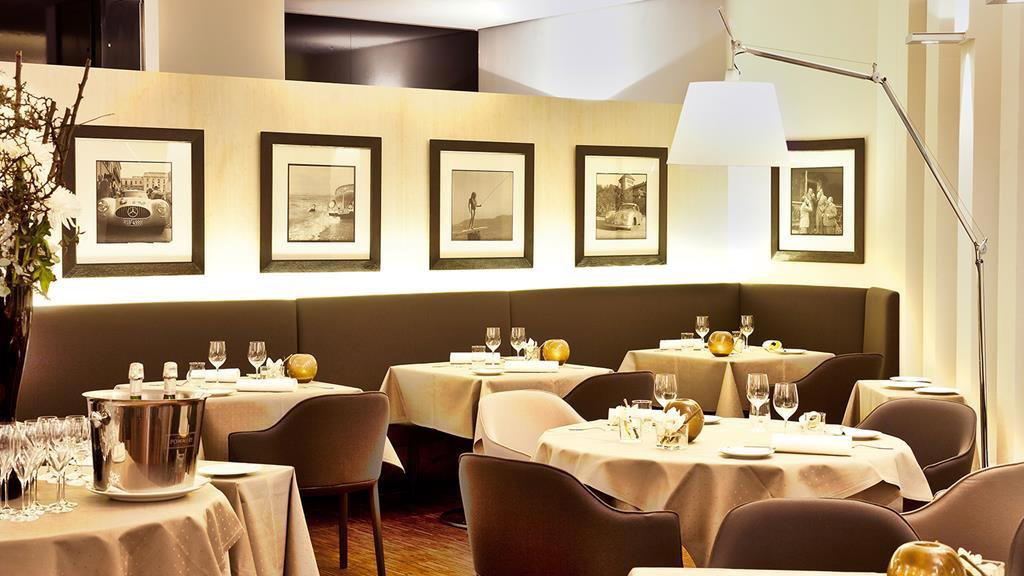
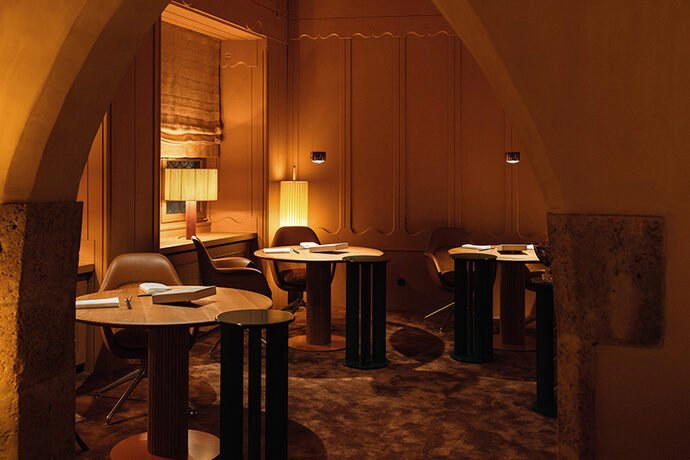
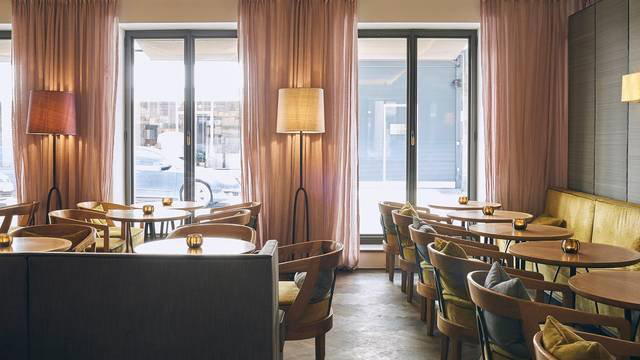
Warm, welcoming with simple, understated dining room featuring starched white tablecloths and rich wooden interior.