Perilla L.A.

LA Times 101 Best Restaurants #18
Our verdict
Perilla L.A. operates out of a converted garage in Chinatown, serving Korean banchan as the centerpiece of the meal rather than an accompaniment. Chef Jihee Kim's daily selection draws directly from farmers market produce, prepared through variations of freshness and fermentation. Ranked #19 on the LA Times 101 Best Restaurants 2024 list, it is one of the few lunch spots in Los Angeles that rewards both a sit-down visit and a take-home haul.

Pearl is the En Primeur Club membership app — saves, bookings, and concierge access live there. Same editors, same standards.
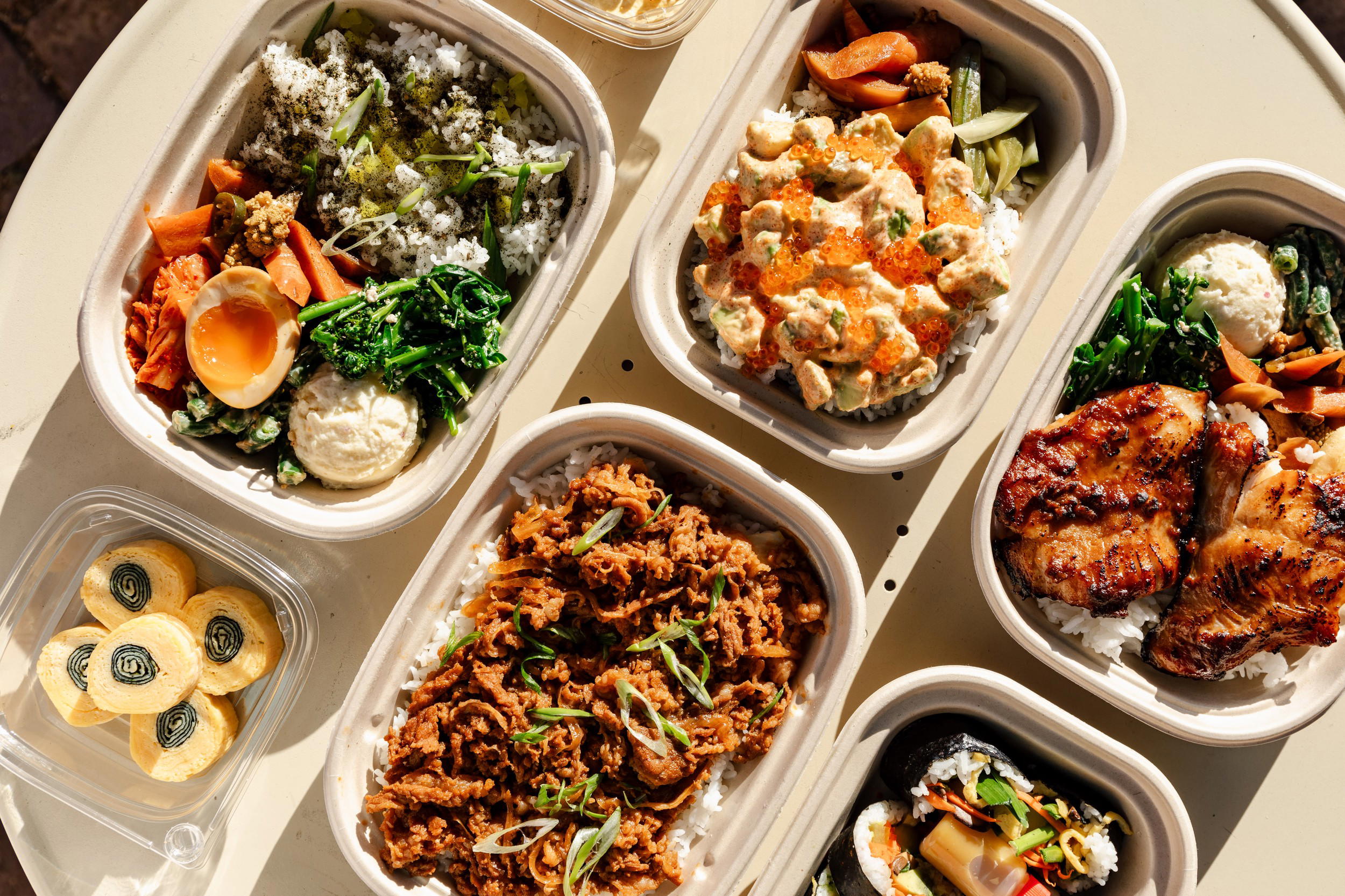
The menu
What to order
- Cod Dosirak
- Rolled Omelet
- Collard Green Kimchi
- Gimbap
- Avocado & Mentaiko Rice
Chinatown as a Platform for Korean Reinvention
Los Angeles has long used its immigrant neighborhoods as testing grounds for food formats that don't fit neatly into existing categories. Chinatown, historically underestimated relative to Koreatown or the Westside dining corridors, has in recent years become home to a cluster of operations that prioritize specificity over scale. Perilla L.A. fits that pattern precisely. Tucked into a converted garage on Alpine Street, it occupies a format that is almost deliberately modest: a small gabled structure, outdoor shaded tables, a menu built around banchan.
The address itself matters. This is not the high-foot-traffic stretch of Broadway, nor is it the polished Koreatown blocks where Korean cuisine has long commanded a mainstream LA audience. Operating from Chinatown's quieter industrial fringe means Perilla L.A. draws an intentional visitor, someone who looked it up, made a plan, showed up for a reason. That self-selecting audience shapes the experience as much as anything on the tray.
The Argument for Banchan as a Main Event
Korean banchan has always occupied an ambiguous position in Western dining contexts. In traditional Korean meals, the array of small side dishes arrives alongside rice and a central protein, designed to be eaten in combination rather than sequence. The convention is generous and communal, but it also means banchan is rarely the named reason someone books a table. Perilla L.A. inverts that hierarchy entirely.
Here, banchan is the offer. The daily selection changes based on what Jihee Kim sources from farmers markets, which means the menu is genuinely seasonal in a way that tasting-menu restaurants sometimes claim but rarely execute at this price accessibility. Preparations move between freshness and fermentation: garlicky eggplant sits alongside sesame-speckled green beans, and kimchi arrives made from collard greens or daikon rather than the standard napa cabbage. The seaweed-rolled omelet, cut into circles with spiraling centers, has become one of the most visually recognizable dishes in the city.
This is a format with no direct peer in LA. Korean fine dining operates at a different register entirely. Atomix in New York City represents the tasting-menu end of Korean cuisine's contemporary evolution, a ten-course progression with wine pairings and a price point that reflects it. Perilla L.A. makes no argument in that direction. Its ambition is compression rather than expansion: to prove that a handful of small dishes, sourced well and prepared with precision, can be the entire point of a meal.
Where It Sits in the LA Dining Conversation
The LA Times 101 Best Restaurants list is the closest thing Los Angeles has to a definitive annual survey, and the 2024 edition placed Perilla L.A. at number 19. That ranking positions it ahead of many full-service restaurants operating at multiples of its price point. The list evaluates across all formats and cuisines, which makes a banchan shop ranking in the leading twenty a meaningful editorial statement about what LA dining values at this moment.
For comparison, the upper tier of the LA dining market is anchored by operations like Providence (contemporary seafood, long-standing critical authority), Kato (New Taiwanese, among the most technically precise restaurants in the city), and Hayato (Japanese kaiseki, reservation-driven, high ceremony). Somni operates at the molecular end of the spectrum, while Osteria Mozza anchors the Italian category at a more accessible price tier. Perilla L.A. shares no format, price bracket, or service style with any of them, yet it appears on the same list. That's either a statement about the list's range, or about what Perilla is doing, and in this case it reads as both.
Nationally, Korean cuisine's critical recognition has accelerated considerably. Beyond Atomix, the conversation increasingly includes Korean-influenced tasting formats and fermentation-focused menus from coast to coast. But the banchan-forward, walk-in lunch format that Perilla L.A. represents has very few equivalents. It is not attempting to do what Le Bernardin, The French Laundry, or Alinea do. The reference points are different: a farmers market stall with culinary depth, a Korean grandmother's kitchen translated through professional technique.
The Dosirak Format and How to Use It
Beyond the banchan selection itself, Perilla L.A. offers a compartmented dosirak tray: the day's banchan arranged over rice, served with either doenjang-marinated chicken or cod. The dosirak format is a Korean tradition rooted in packed lunches, historically functional, now a vehicle for something more considered. At Perilla L.A. it consolidates the day's selection into a single, portable logic.
The practical case for a Monday visit is well-established among regulars. Eating a dosirak on-site at one of the outdoor tables, then purchasing four or five additional banchan to take home, turns a single lunch into a week of midday meals. The banchan hold well and often improve over a day or two as fermented preparations continue to develop. This is the kind of operational intelligence that separates a destination from a one-time visit.
For those planning a broader LA food itinerary, Perilla L.A. pairs naturally with Chinatown's other specialist producers and the neighborhood's growing density of serious food operations. It also fits into a wider exploration of the city's Korean food culture, which extends well beyond Koreatown into formats like this one that are harder to categorize but no less serious. See our full Los Angeles experiences guide and our full Los Angeles bars guide for surrounding options. Those planning overnight stays should consult our full Los Angeles hotels guide.
Planning Your Visit
| Venue | Format | Service | Booking | Price Tier |
|---|---|---|---|---|
| Perilla L.A. | Banchan shop, daytime | Counter/takeaway | Walk-in | $ |
| Kato | Tasting menu, evening | Full service | Advance reservation | $$$$ |
| Hayato | Kaiseki, evening | Full service | Advance reservation | $$$$ |
| Osteria Mozza | Italian, lunch and dinner | Full service | Reservation recommended | $$$ |
Perilla L.A. is located at 1027 Alpine St, Building E, Los Angeles, CA 90012. Street parking is available in the surrounding blocks. The operation is lunch-focused, and the daily banchan selection sells out: arriving early or mid-week typically offers the broadest range of preparations. For a deeper read on the city's dining options across formats and price tiers, see our full Los Angeles restaurants guide.
Frequently asked questions
What should I order at Perilla L.A.?
The banchan selection changes daily based on farmers market sourcing, so the specific preparations vary. The dosirak tray, which combines the day's banchan over rice with a choice of doenjang-marinated chicken or cod, is the most complete single-order option. Regulars commonly supplement the tray with additional banchan containers to take home. The seaweed-rolled omelet, when available, is among the most discussed preparations. Given the format, ordering broadly across whatever is on offer that day makes more sense than targeting specific dishes.
Do I need a reservation for Perilla L.A.?
Perilla L.A. operates as a walk-in counter, not a reservation-based dining room. The constraint is not table availability but supply: the banchan selection is prepared in finite quantities each day and sells out. This places it in a different category from, say, the advance-booking requirements at Kato or Hayato, where lead time is measured in weeks. At Perilla L.A. the practical strategy is to arrive early rather than book ahead. The LA Times 101 ranking at #19 for 2024 has increased its profile, so midweek mornings and early lunch hours are likely to offer the most options.
The Essentials
A quick snapshot of similar venues for side-by-side context.
| Venue | Cuisine | Price | Awards | Notes |
|---|---|---|---|---|
| Perilla L.A.This venue (the venue you are viewing) | Korean Banchan & Seasonal Sides | $20–30 | LA Times 101 Best Restaurants #18 | Not listed |
| Kato | Modern Taiwanese Fine Dining | $300–500 | 2 Michelin Stars · World's 50 Best #49 | New Taiwanese, Asian |
| Hayato | Traditional Japanese Kaiseki | $300–500 | 2 Michelin Stars · La Liste Top Restaurants | Japanese |
| Vespertine | Avant-Garde Tasting Menu | $200–300 | 2 Michelin Stars · La Liste Top Restaurants | Progressive, Contemporary |
| Camphor | Modern French with Southeast Asian influences | $150–200 | Michelin Plate · World Best Burgers World's 101 Best Burgers #15 | French-Asian, French |
| Gwen | Contemporary American Steakhouse | $50–100 | Michelin Plate · Wine Spectator Best of Award of Excellence | New American, Steakhouse |
Recognition history
Dated appearances from independent guides and award organizations, with the underlying list record or original source where available.
LA Times 101 Best Restaurants #18
LA Times
Full recognition history (2 entries)
LA Times 101 Best Restaurants #19
LA Times
Continue exploring
More in Los Angeles
Restaurants in Los Angeles
All restaurants in Los Angeles →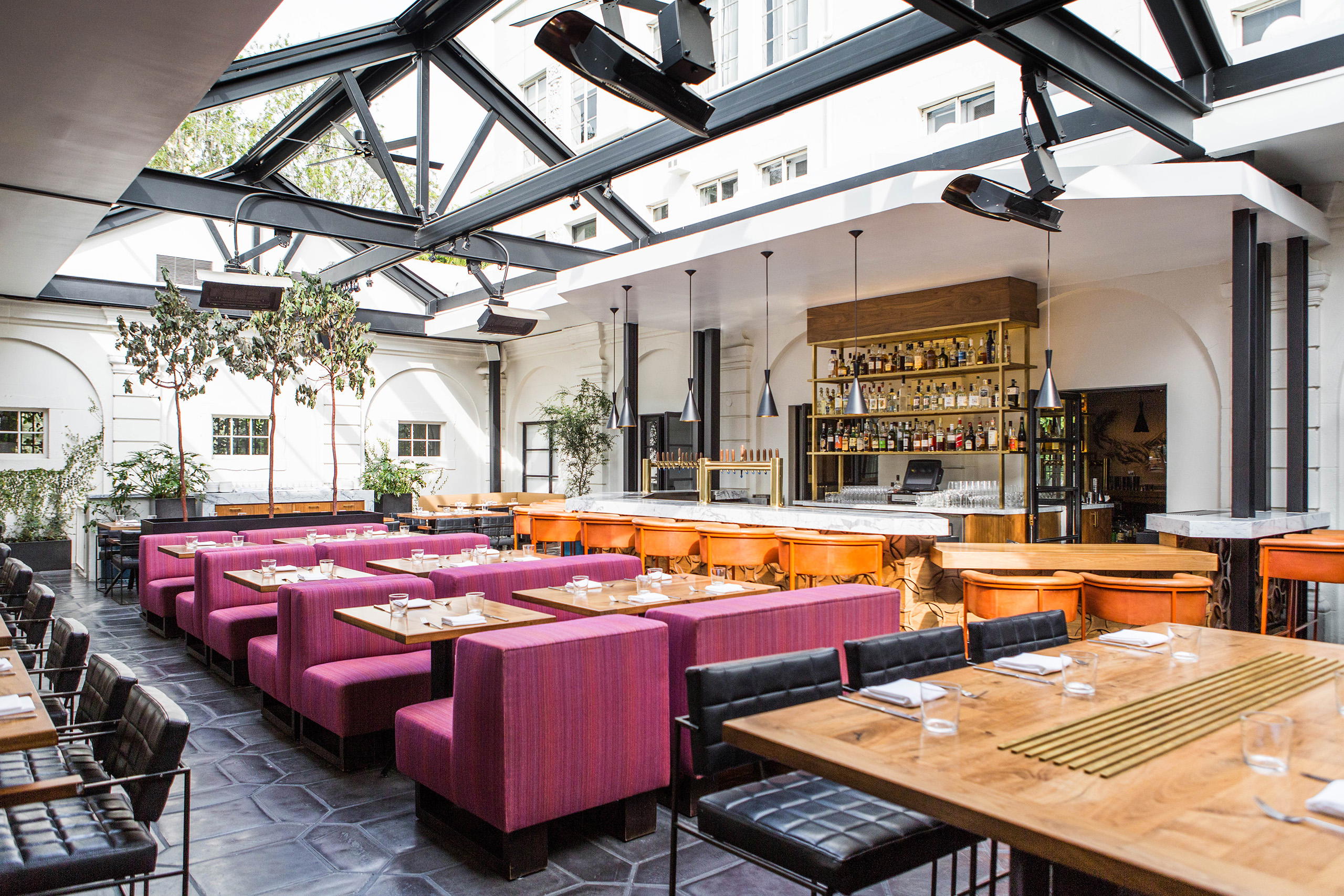
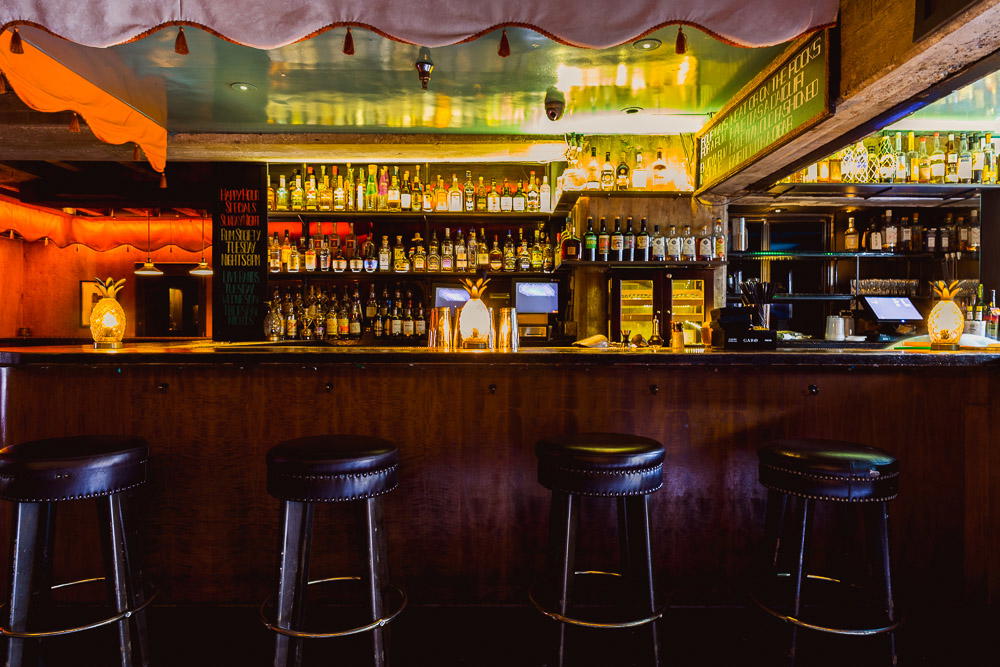
Bars in Los Angeles
All bars in Los Angeles →
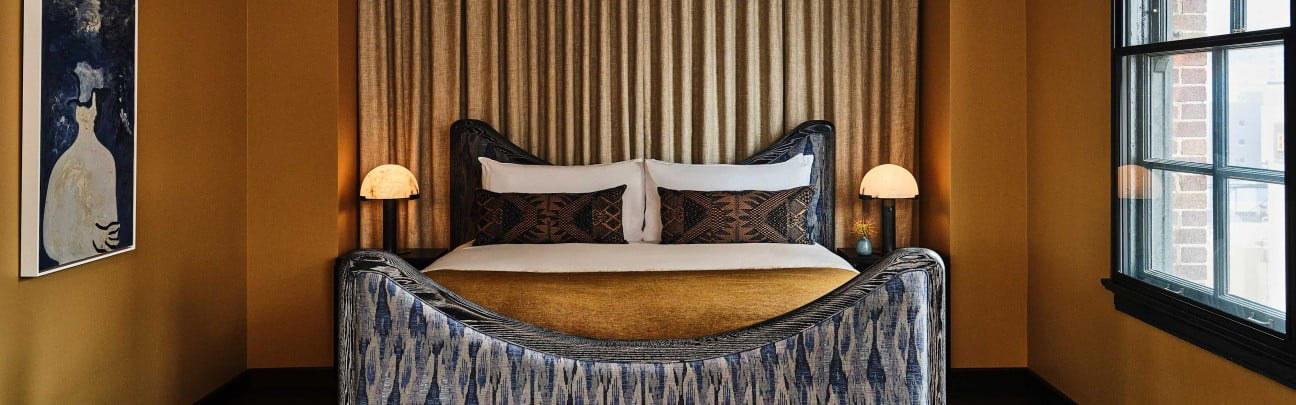
Hotels in Los Angeles
All hotels in Los Angeles →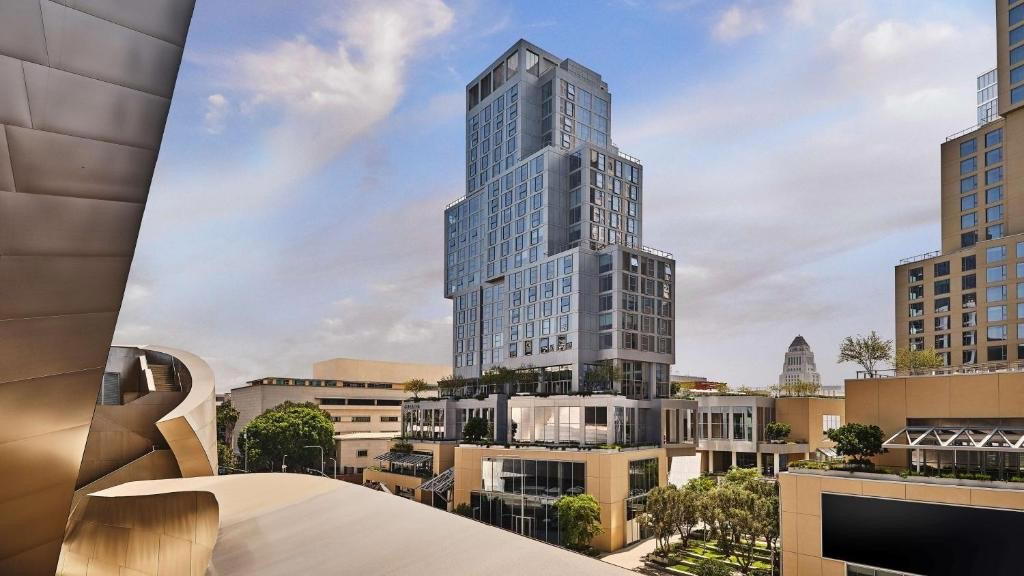
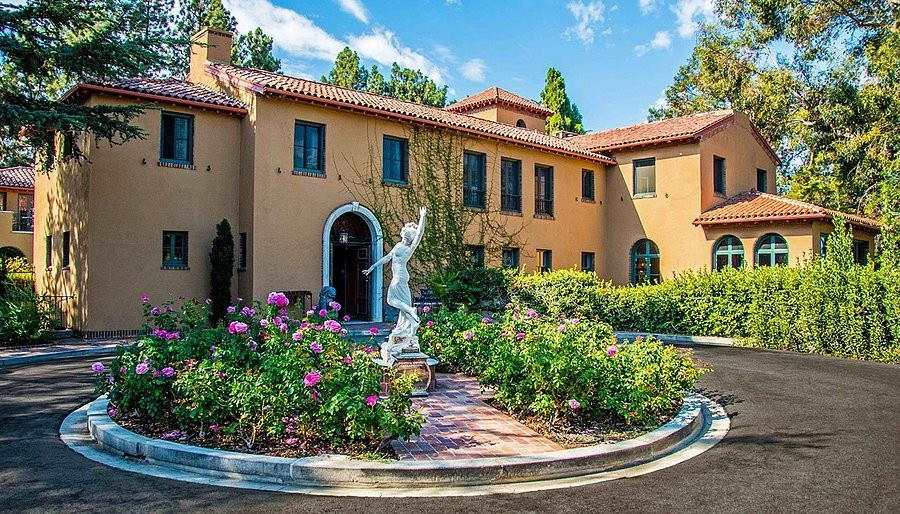

Wineries in Los Angeles
All wineries in Los Angeles →
Details
- Trendy
- Cozy
- Bohemian
- Casual Hangout
- Group Dining
- Solo
- Garden
- Courtyard
- Standalone
- Beer Program
- Farm To Table
- Local Sourcing
- Garden
- Small Plates
- A La Carte
- Family Style
- Wine
- Beer
- Vegetarian Friendly
- Pescatarian Friendly
Current opening hours
- Monday
- 11 AM–3 PM
- Tuesday
- Closed
- Wednesday
- 11 AM–4:30 PM
- Thursday
- 11 AM–4:30 PM
- Friday
- 11 AM–4:30 PM
- Saturday
- 11 AM–4:30 PM
- Sunday
- 11 AM–4:30 PM
Hours can change for holidays and private events. Last verified .
Bright, airy daytime cafe with natural light, leafy garden patio with banana trees and umbrellas, communal outdoor seating that feels like a friend's backyard rather than a restaurant.