Borit Gogae

LA Times 101 Best Restaurants #66
Our verdict
Ranked #72 on the LA Times 101 Best Restaurants 2024, Borit Gogae delivers a set-menu feast of barley rice, banchan, and seasonal sides from a communal Koreatown dining room for $30 per person. The name references mid-20th century Korean food scarcity; the experience runs counter to that history, arriving as an near-overwhelming spread of seasoned vegetables, soups, and acorn jelly salad.

Pearl is the En Primeur Club membership app — saves, bookings, and concierge access live there. Same editors, same standards.
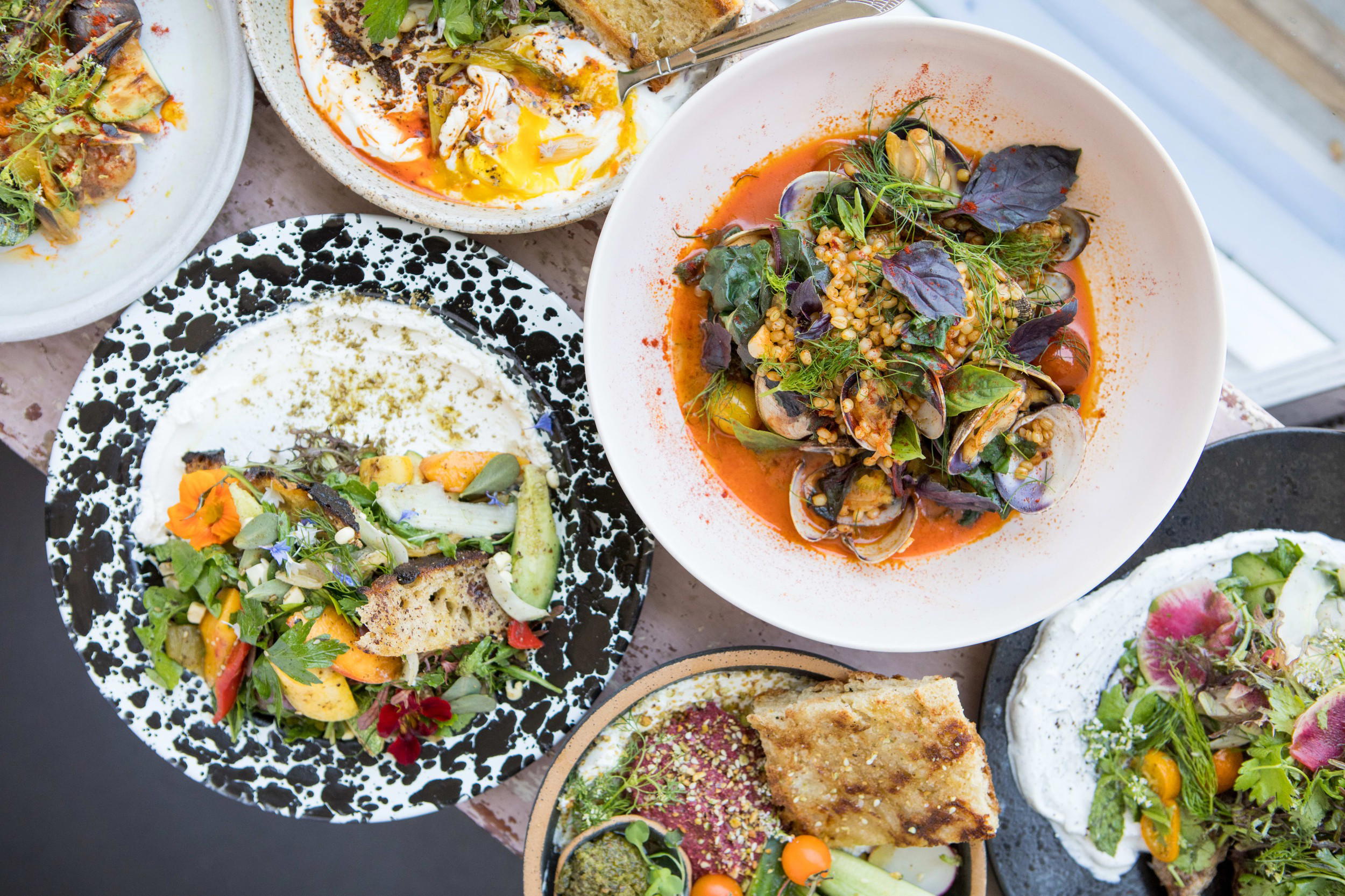
The menu
What to order
- Barley rice bibimbap
- Perilla seed soup
- Chicken soup
What the Name Carries
Country-style Korean cuisine in the United States occupies a quieter register than the Korean barbecue format that dominates American commercial imagination. Where BBQ culture emphasizes spectacle and protein-forward abundance, the home-cooking tradition it draws from is subtler, organized around rice, fermentation, and an accumulation of small vegetable preparations. Borit Gogae sits squarely in that second tradition. The name translates as "barley hump," a phrase referencing the period of food scarcity in mid-20th century Korea when barley, a hardier and cheaper grain than white rice, became the staple of necessity. The siblings who run the restaurant have reframed the reference as a celebration rather than a memorial, which is an act of cultural reclamation with real meaning for the Korean community the dining room serves. By the time your meal ends, the gap between the phrase's origin and the table in front of you feels deliberate and intentional.
The Set Menu in Practice
The format is fixed and it does not negotiate with you. The meal begins with soups and a mild pumpkin porridge, then a salad built around bouncy cubes of acorn jelly and crunchy mung bean pancakes, before the main event: a woven basket carrying an array of banchan-style seasoned vegetables that includes tea leaf, spinach, various mushrooms, and a rotating selection of kimchi. Bowls of barley rice complete the spread. Assembly is the point. You build each mouthful from the surrounding dishes, finishing with sesame oil and gochujang to personal taste, in a rhythm not unlike bibimbap but with considerably more variables to work with. For those who want protein alongside the vegetables, grilled short rib patties described as deeply savory are available as a supplemental order.
Critical Reception and What It Signals
Landing on the LA Times 101 Best list in 2024 within two years of opening is a meaningful data point. The list has historically recognized venues across price tiers and cuisine traditions, but placement in the top 100 signals a degree of editorial confidence that takes time to accumulate. That combination, critical endorsement alongside genuine neighborhood patronage, is rarer than either signal alone suggests.
To place this in regional context: the LA Times list also includes restaurants with Michelin stars and covers well above $100. The fact that a $30 set-menu Korean restaurant from Koreatown sits at #72 says something specific about what that critical consensus values in 2024. It is the same logic that has seen Atomix in New York reframe Korean fine dining at the top of the prestige bracket while simultaneously Korean comfort-food formats gain traction elsewhere. The category is expanding from both ends. It is one of the most densely eating-focused districts in the country, with a range of Korean regional cooking that goes well beyond what most non-Korean diners encounter. Country-style and home-cooking formats have always existed within the community, but they have historically operated without much crossover attention from critics whose primary reference points were the neighborhood's barbecue rooms or the city's broader fine-dining circuit. That is shifting. Borit Gogae is part of a wider pattern in which the LA Times and other critical platforms have been looking harder at the mid-tier of Koreatown, at places that are not trying to translate Korean food into a Western prestige format but are cooking for their actual community first.
Who This Is For
The informal and communal atmosphere means this is not the room to choose if you are looking for the kind of choreographed service that frames meals at places like Osteria Mozza. The value of Borit Gogae is in the density and integrity of the food itself, and in a dining experience that operates on its own terms rather than on the aesthetic conventions of Western restaurant hospitality. It is the kind of place where the dining room stays full throughout the day because the community around it treats it as a regular destination, not an occasion. That is a different kind of validation than an award, and in this case the restaurant has managed to accumulate both.enprimeurclub.com/restaurants/le-bernardin">Le Bernardin, Lazy Bear, or The French Laundry, should note that the $30 format here requires no sacrifice of seriousness. The critical apparatus has made that argument already.
Frequently asked questions
What's the must-try dish at Borit Gogae?
The set menu is the only format on offer, and it functions as a single composed meal rather than a collection of individual choices. Barley rice arrives alongside a spread of banchan-style seasoned vegetables, soups, pumpkin porridge, and an evolving kimchi selection arrayed on a woven basket. For $30 per person, the volume and range of what lands on the table is substantial. Grilled short rib patties are available as an add-on for those wanting a more substantial protein component.
How hard is it to get a table at Borit Gogae?
Placement on the LA Times 101 Best Restaurants list in 2024, within two years of opening, expanded the restaurant's audience well beyond the Koreatown community that initially kept the dining room full. Siblings Bu Gweon Ju and Sung Hee Jung operate an informal, communal room at 3464 W 8th St, and current demand reflects the wider recognition. Arriving early or during off-peak hours is the most reliable approach given the venue's growing profile.
What has Borit Gogae built its reputation on?
Two things define the restaurant's standing: the fixed $30 set-menu format, which delivers a high volume of traditional, country-style Korean dishes without negotiation or upselling, and the cultural weight carried by its name. "Borit gogae" references a period of food scarcity in mid-20th century Korea, and the siblings who run the restaurant have reframed that history as a statement of abundance rather than hardship. The LA Times 101 Best Restaurants ranking in 2024 confirmed what the local Koreatown community had already established through consistent patronage.
Quick Comparison
| Venue | Cuisine | Price | Awards | Notes |
|---|---|---|---|---|
| Borit GogaeThis venue (the venue you are viewing) | Korean Home-Style Barley Rice | $30–50 | LA Times 101 Best Restaurants #66 | Not listed |
| Kato | Modern Taiwanese Fine Dining | $300–500 | 2 Michelin Stars · World's 50 Best #49 | New Taiwanese, Asian |
| Hayato | Traditional Japanese Kaiseki | $300–500 | 2 Michelin Stars · La Liste Top Restaurants | Japanese |
| Vespertine | Avant-Garde Tasting Menu | $200–300 | 2 Michelin Stars · La Liste Top Restaurants | Progressive, Contemporary |
| Camphor | Modern French with Southeast Asian influences | $150–200 | Michelin Plate · World Best Burgers World's 101 Best Burgers #15 | French-Asian, French |
| Gwen | Contemporary American Steakhouse | $50–100 | Michelin Plate · Wine Spectator Best of Award of Excellence | New American, Steakhouse |
Recognition history
Dated appearances from independent guides and award organizations, with the underlying list record or original source where available.
LA Times 101 Best Restaurants #66
LA Times
Full recognition history (2 entries)
LA Times 101 Best Restaurants #72
LA Times
Continue exploring
More in Los Angeles
Restaurants in Los Angeles
All restaurants in Los Angeles →
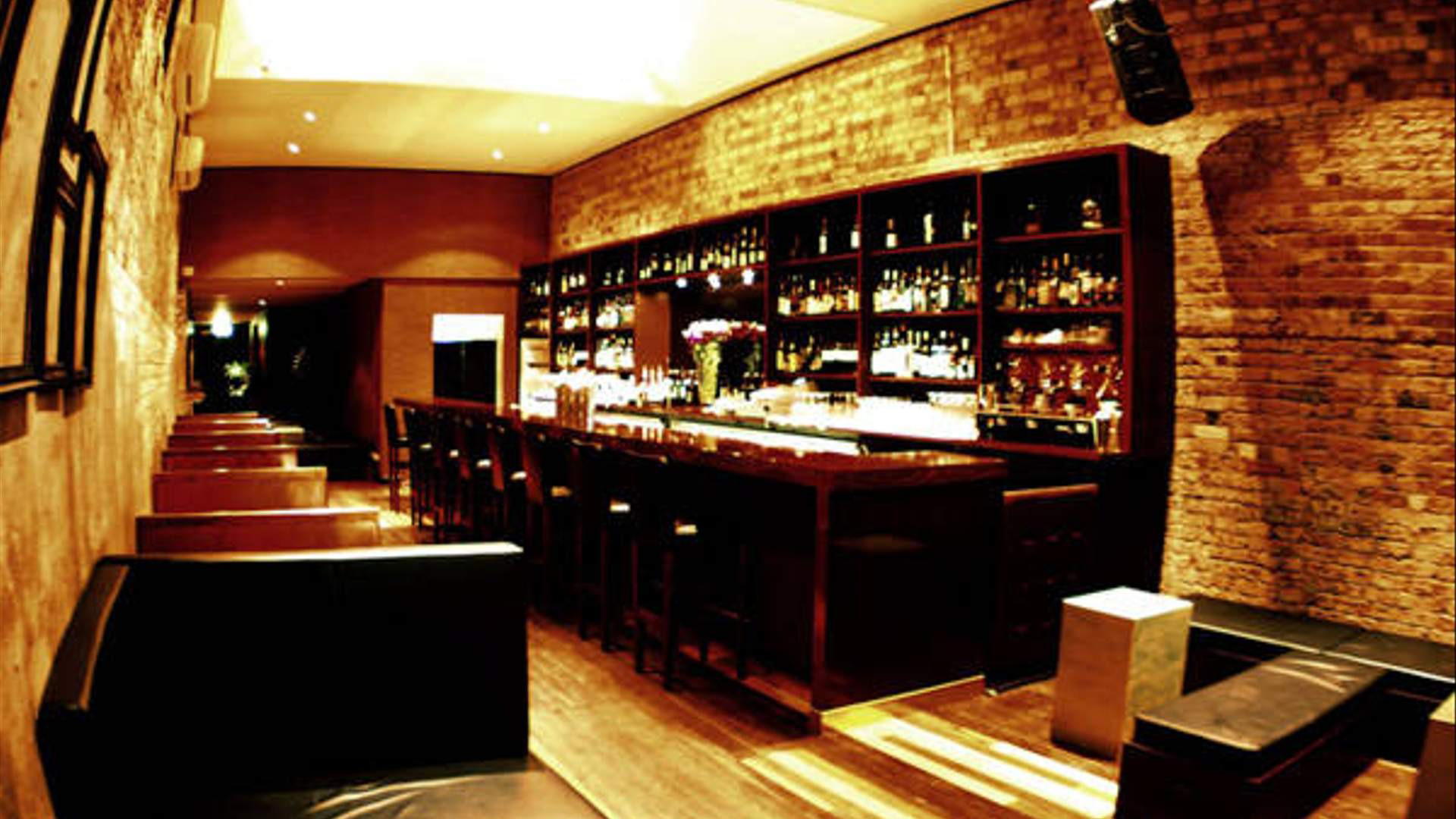
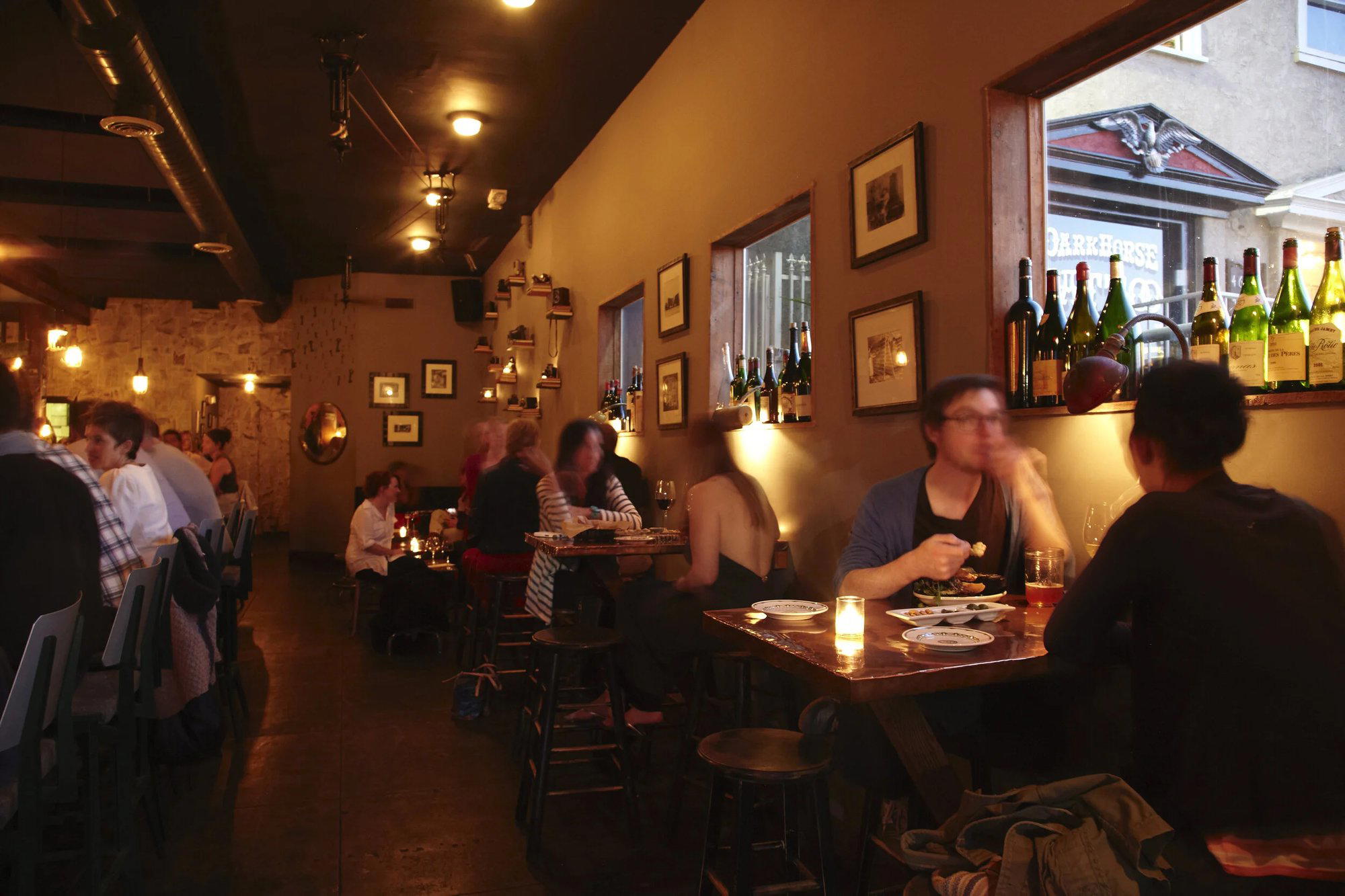
Bars in Los Angeles
All bars in Los Angeles →

Hotels in Los Angeles
All hotels in Los Angeles →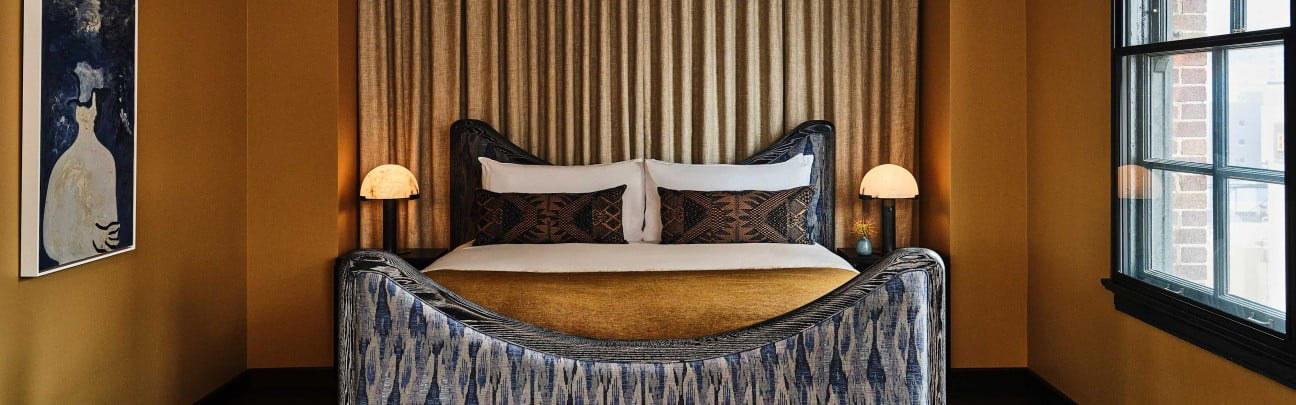


Wineries in Los Angeles
All wineries in Los Angeles →
Details
- Cozy
- Modern
- Intimate
- Casual Hangout
- Open Kitchen
- A La Carte
- Set Menu
- Vegetarian Friendly
Current opening hours
- Monday
- 11 AM–9 PM
- Tuesday
- 11 AM–9 PM
- Wednesday
- 11 AM–9 PM
- Thursday
- 11 AM–9 PM
- Friday
- 11 AM–10 PM
- Saturday
- 11 AM–10 PM
- Sunday
- 11 AM–9 PM
Hours can change for holidays and private events. Last verified .
Immaculate cool cafe ambiance mixing home cooking with art, calming music, luxe and soothing atmosphere.