Pecan Square Café
Pecan Square Café sits in Austin's Clarksville neighbourhood at 1200 W 6th Street, a corner of the city where old-Austin character and newer dining energy converge. The café format places it in a tier that values daily-use accessibility over destination-dining formality, making it a reference point for the kind of neighbourhood anchor that Austin's western corridors have historically produced well.
Pearl is the En Primeur Club membership app — saves, bookings, and concierge access live there. Same editors, same standards.
- Address
- 1200 W 6th St #B, Austin, TX 78703
- Phone
- +15122651612
- Website
- pecansquarecafe.com
- Directions
- Get directions
 Saves & bookings on Pearl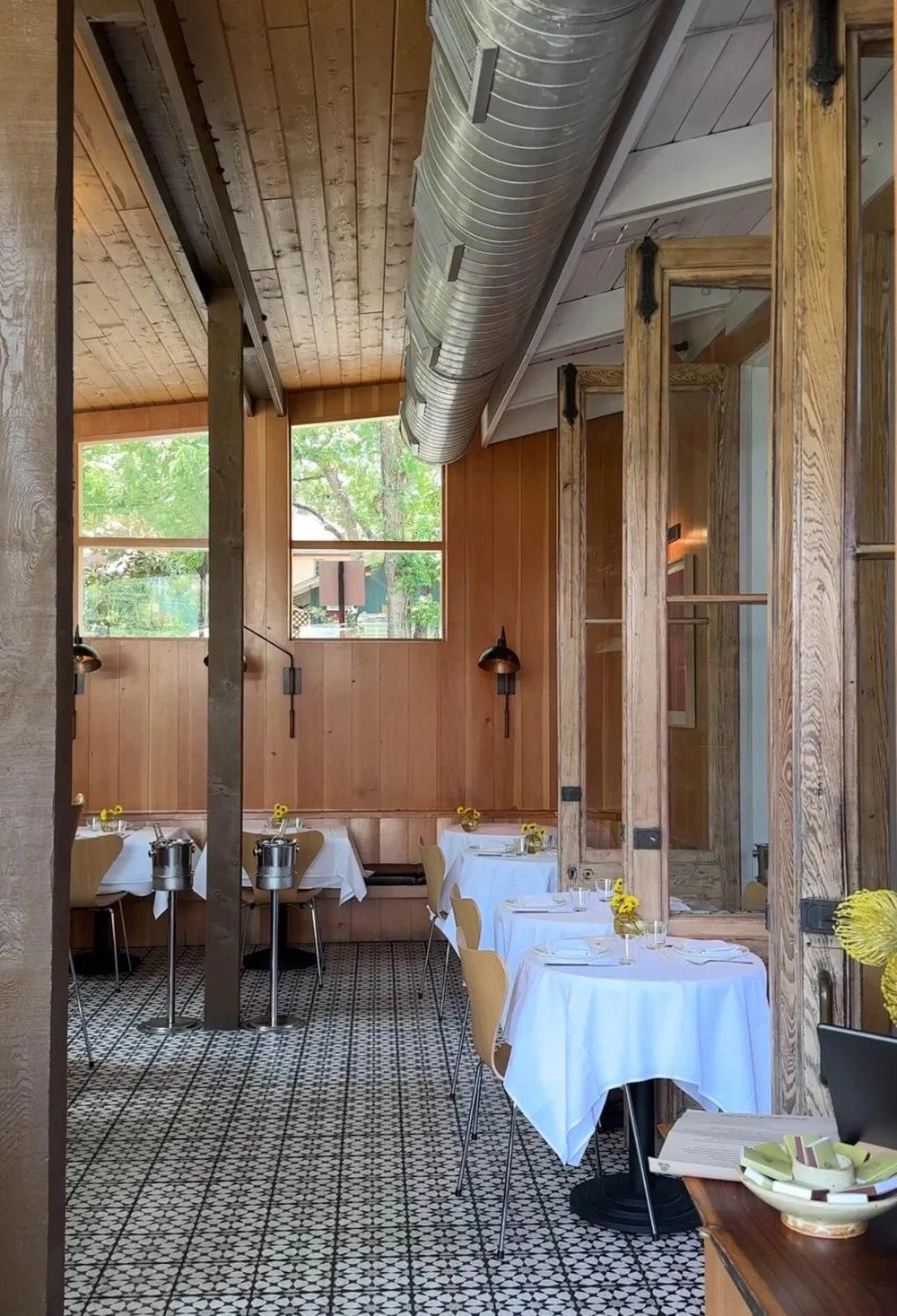
Clarksville and the Café Tradition That Sustains a Neighbourhood
West 6th Street's Clarksville stretch has long operated as Austin's counterweight to the downtown dining circuit. Where East Austin draws attention for its newer, louder openings, this corridor has tended toward the kind of places that locals return to on a Tuesday rather than reserve weeks in advance for a Saturday. Pecan Square Café at 1200 W 6th St sits inside that tradition: a neighbourhood address in a city that increasingly needs them.
The café as a format carries particular cultural weight in Texas. Before the barbecue pilgrimage culture that now draws visitors from across the country to spots like la Barbecue and InterStellar BBQ, before the tasting-menu wave that positioned Austin alongside cities like Chicago (home to Alinea) and New York (where Atomix represents the precision end of the spectrum), the café was the connective tissue of Southern and Texan community life. Counter seating, coffee that arrives without ceremony, food that references home rather than aspiration: these are not limitations of the format but its defining features.
Clarksville itself was founded in the 1870s as one of Austin's first freedmen's communities, and the neighbourhood's identity has been shaped by that history even as decades of gentrification have altered its demographics. Understanding the area means understanding that a café here operates in a loaded context, where the idea of a local gathering place carries both social and historical resonance. The name Pecan Square is not incidental: the pecan is Texas's state tree, and invoking it signals a particular kind of rootedness in local identity.
Where This Format Sits in Austin's Current Dining Architecture
Austin's dining scene has bifurcated sharply over the past decade. On one end, ambitious restaurants like Barley Swine and Hestia compete for national recognition in the New American category, drawing comparisons to destination restaurants elsewhere in the country. On the other end, the café and casual-dining tier serves a different but equally important function: it keeps neighbourhoods liveable for residents who are not dining out for the occasion but for the meal.
The comparison is worth spelling out because it clarifies what Pecan Square Café is and is not. It is not competing with the precision-fermentation format of Craft Omakase or the farm-to-counter ambition of Odd Duck. It competes, in practice, with the kind of daily-use café that every neighbourhood in a growing city needs more of. In Austin, where rapid population growth has strained neighbourhood character, a well-executed café at an accessible address functions as an anchor.
Nationally, the café format has been reconsidered in the wake of pandemic-era shifts in how people use space. The morning-to-afternoon daypart, once treated as a lower-margin footnote by serious restaurateurs, has attracted genuine culinary attention. Southern café traditions specifically have received scholarly and critical re-evaluation, with food writers pointing to the genre's underappreciated role in preserving regional food culture. Venues at the higher end of this discussion, like Blue Hill at Stone Barns in Tarrytown and Single Thread Farm in Healdsburg, have each made arguments for grounding menus in local agricultural identity. Pecan Square Café operates at a different scale and price point, but the underlying question, what does food rooted in a specific place actually taste like, is the same.
Southern Café Food as a Cultural Argument
Texas café food draws from multiple traditions simultaneously. The biscuit culture of the American South, the breakfast taco that is now so associated with Austin it has become a point of civic pride, the pecan-laden pastry tradition of Hill Country German and Czech settlers: these are not a unified cuisine but a set of overlapping influences that a café in this city can legitimately claim all at once. That layered inheritance is worth taking seriously, because it is genuinely different from what a café in, say, Los Angeles or New York would be drawing on.
At the serious end of Southern-rooted restaurant culture, you find places like Emeril's in New Orleans, where the cuisine's French and Creole roots have been formalised into a fine-dining argument. The café format works the opposite direction: it keeps the food accessible and fast-moving while still being specific about place. When it works, the specificity is the point. A pecan-centric baked good at a Clarksville café is making an argument about Austin's food culture that a generic pastry case is not.
This is also where Austin's café tier differentiates itself from, for instance, the hyper-technical tasting menu culture of The French Laundry in Napa or Providence in Los Angeles. Those venues make arguments through technique and restraint. The Southern café makes its argument through familiarity and recurrence: the same customer, the same order, the relationship built over months of mornings. That is a different kind of dining value, but it is a real one.
The Neighbourhood Pull of W 6th
The broader W 6th Street corridor has evolved into one of Austin's more reliably interesting daytime dining zones, distinct from the bar-heavy nighttime character that the street is also known for. Clarksville's residential density means foot traffic from people who live within walking distance, a demographic that rewards consistency and quality over novelty. A café that gets the basics right, strong coffee, food that tastes like someone made it that morning, seating that does not rush you, builds a repeat-customer base that sustains it through the opening-week noise.
For visitors to Austin, the W 6th area offers a more grounded read on the city than the tourist-facing corridors. The dining options in this stretch, from casual to mid-range, reflect how Austinites actually eat rather than how the city markets itself to outsiders. That distinction matters if you are trying to understand Austin's food culture rather than simply photograph it. Our full Austin restaurants guide maps the broader scene for visitors who want to move across multiple formats and price points.
Know Before You Go
- Address: 1200 W 6th St #B, Austin, TX 78703
- Neighbourhood: Clarksville, West Austin
- Format: Café
- Booking: Walk-in format typical for café operations at this address; confirm current policy directly with the venue
- Parking: Street parking on W 6th and surrounding residential streets; the area is also accessible on foot from several nearby residential blocks
- When to visit: Morning and midday dayparts align with the café format; weekends typically draw higher foot traffic in this neighbourhood
How Pecan Square Café Austin compares with similar nearby venues.
| Venue | Cuisine |
|---|---|
| 24 Diner | Diner |
Continue exploring
More in Austin
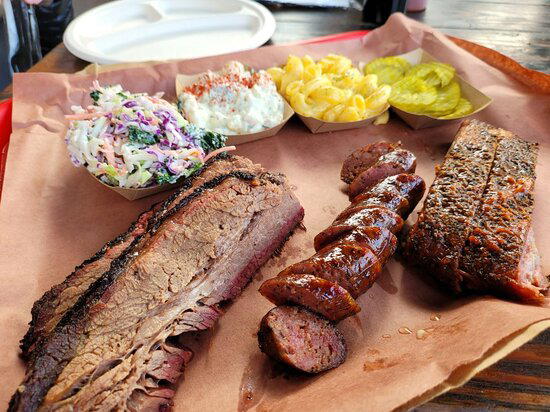
Restaurants in Austin
Browse all →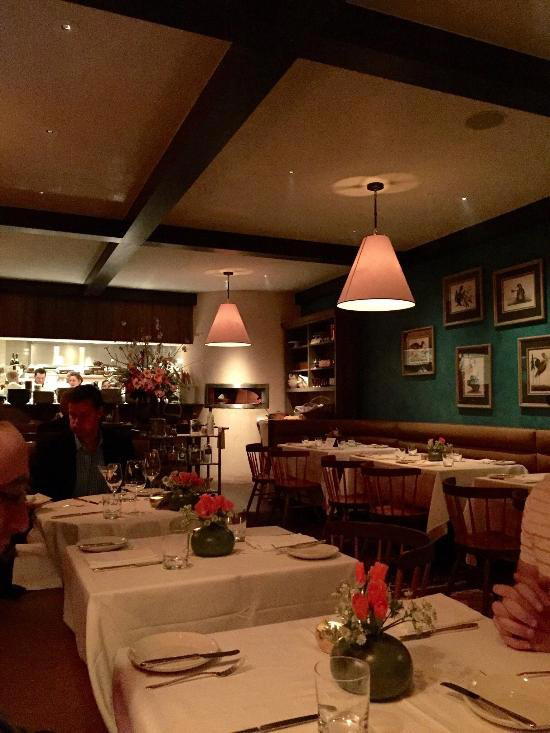
Bars in Austin
Browse all →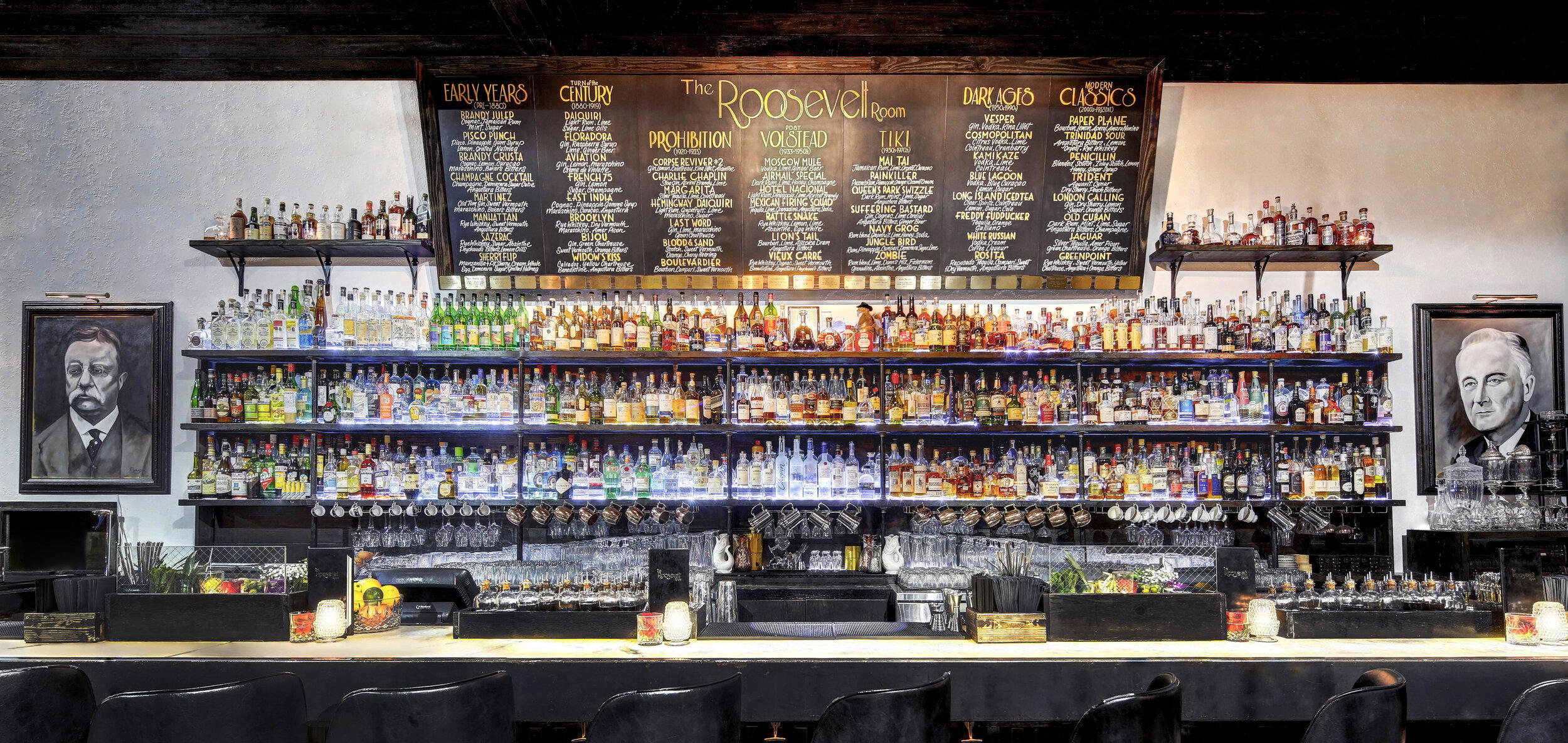
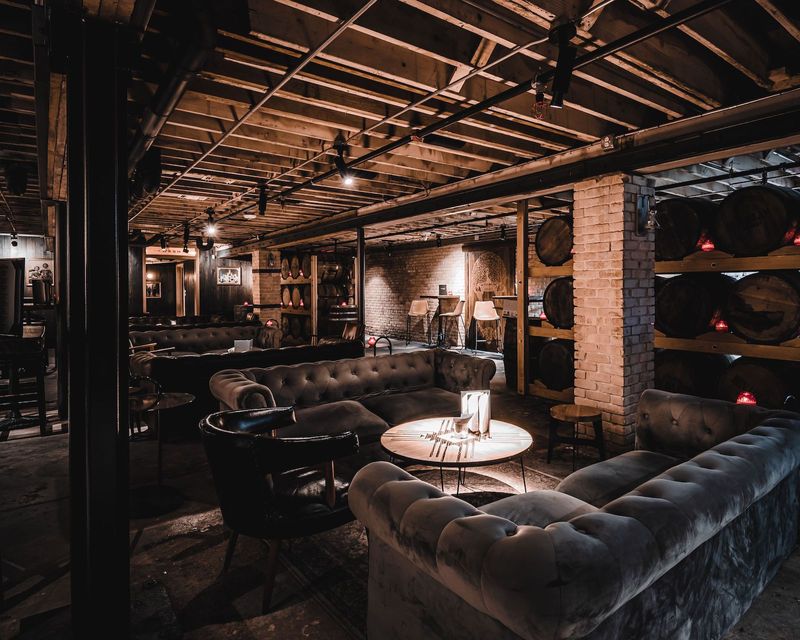

Hotels in Austin
Browse all →
At a Glance
- Cozy
- Rustic
- Trendy
- Elegant
- Brunch
- Casual Hangout
- Date Night
- Open Kitchen
- Craft Cocktails
- Local Sourcing
Current opening hours
- Monday
- 11 AM–10 PM
- Tuesday
- 11 AM–10 PM
- Wednesday
- 11 AM–10 PM
- Thursday
- 11 AM–10 PM
- Friday
- 11 AM–11 PM
- Saturday
- 11 AM–11 PM
- Sunday
- 11 AM–10 PM
Hours can change for holidays and private events. Last verified .
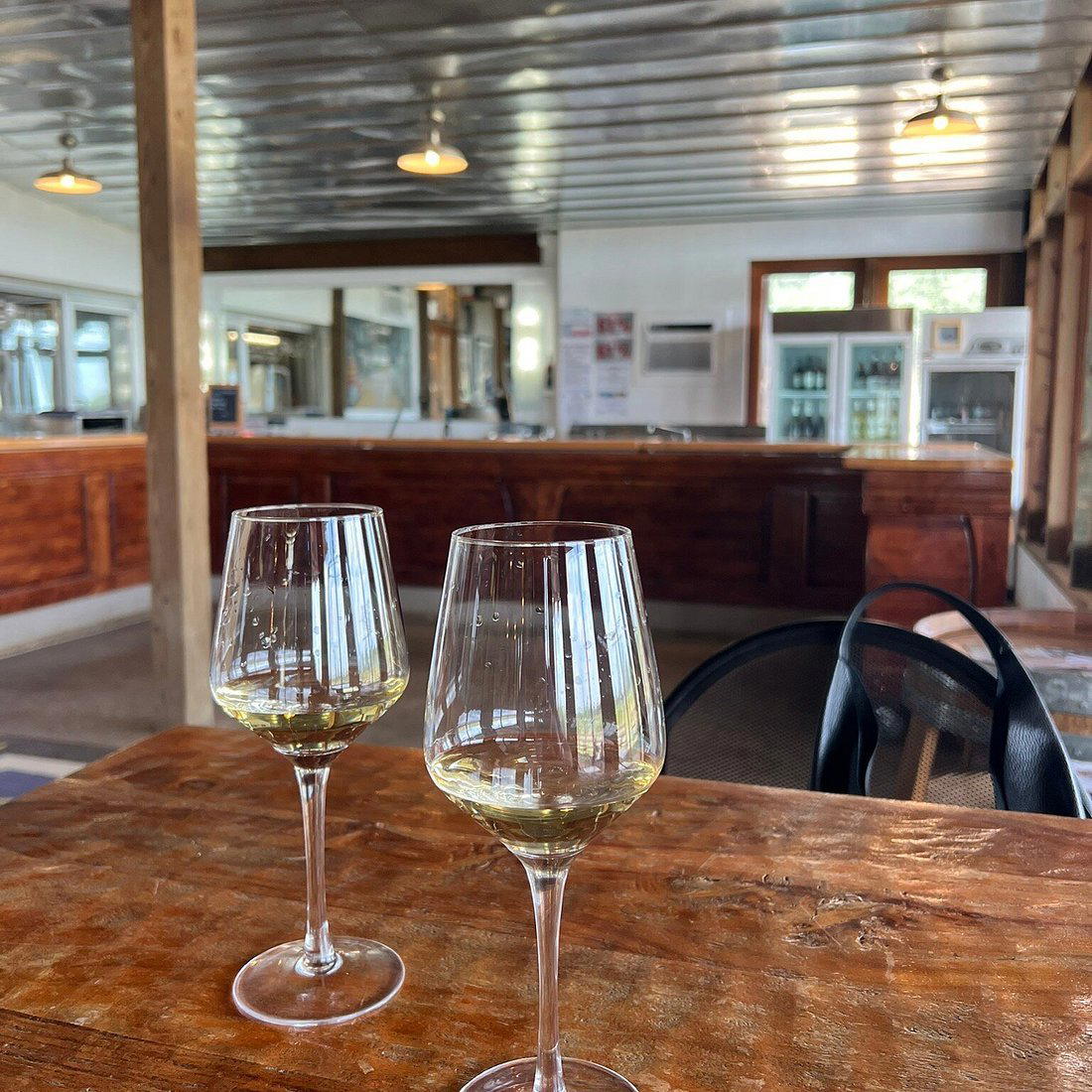
Relaxed yet sophisticated atmosphere with warm hospitality and casually elegant service.
Know Before You Go
- Getting there
- 1200 W 6th St #B, Austin, TX 78703