Josephine House
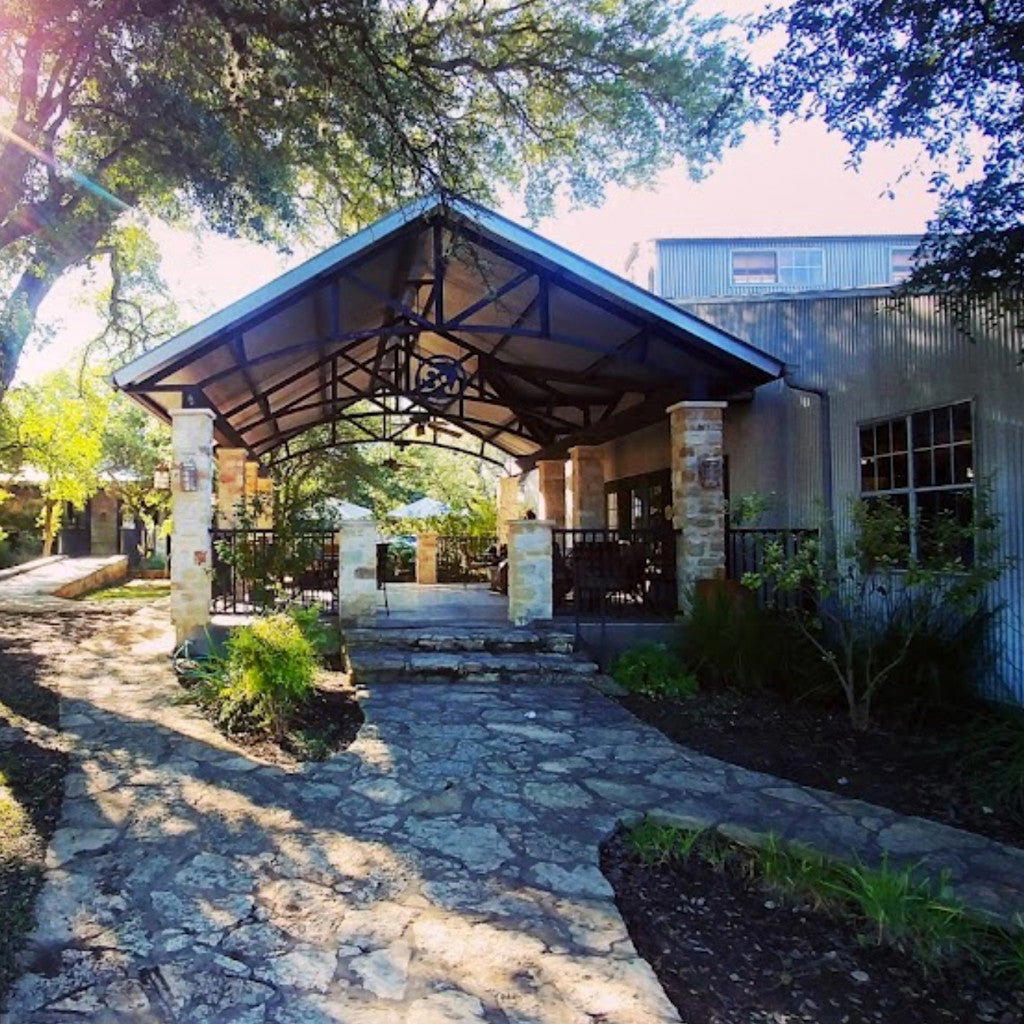
Josephine House occupies a restored bungalow on Waterston Avenue in Austin's Clarksville neighbourhood, offering a setting that reads more residential than restaurant. The space draws a loyal following from the surrounding streets and positions itself in a quieter register than the city's more theatrical dining rooms, making it a reliable counterpoint to Austin's louder, higher-concept options.
Pearl is the En Primeur Club membership app — saves, bookings, and concierge access live there. Same editors, same standards.
- Address
- 1601 Waterston Ave, Austin, TX 78703
- Phone
- +15125038033
- Website
- josephineofaustin.com
- Directions
- Get directions
 Saves & bookings on Pearl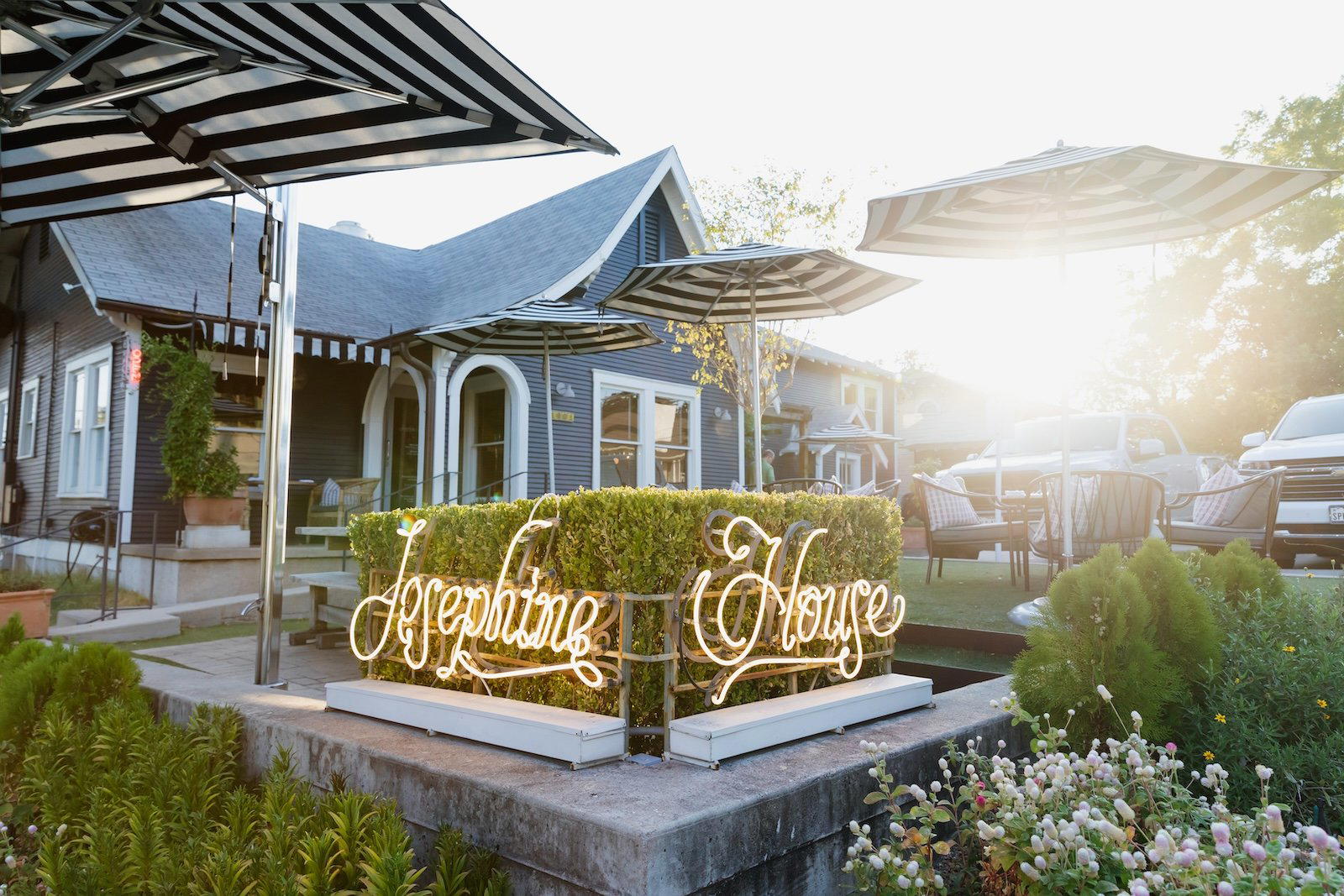
A Clarksville Bungalow and the Architecture of Ease
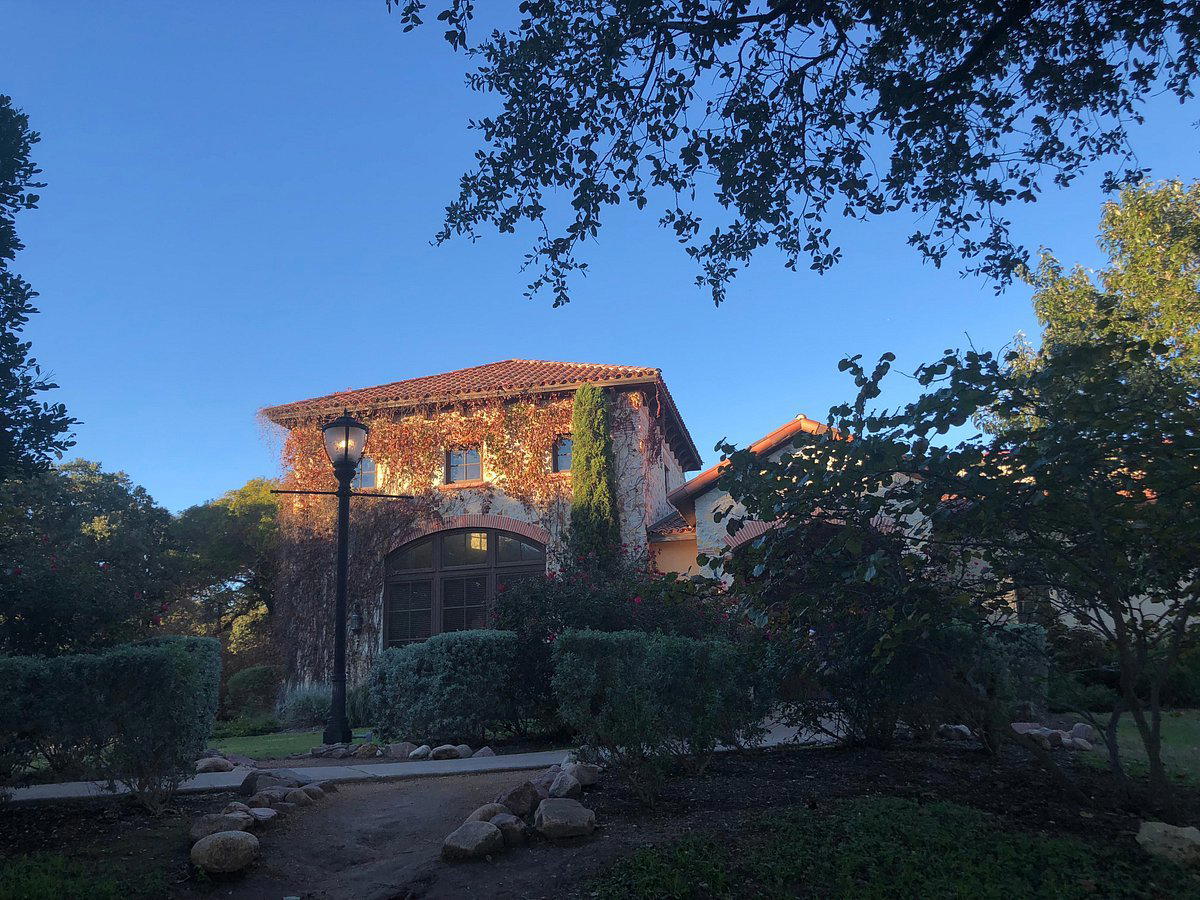
There is a particular type of dining room that Austin has always done quietly well: the converted house, where the decision to preserve rather than demolish shapes every experience that follows. Josephine House, at 1601 Waterston Avenue in the Clarksville neighbourhood, belongs to that tradition. The building reads as residential from the street, with the proportions and materials of a bungalow that predates the commercial density now pressing in from nearby West 6th. That contrast is not incidental. It is the entire editorial premise of the space.
In a city where dining rooms increasingly compete on spectacle, scale, or production value, the low-ceiling, natural-light logic of a preserved house functions as a deliberate counterargument. The physical container at Josephine House prioritises intimacy over capacity, and that choice cascades into everything: the pace of service, the noise level, the sense that the room is not trying to turn tables quickly. For context, Austin's more high-concept end of the market, represented by venues like Hestia with its live-fire format and dramatic central hearth, makes the architectural statement central to the experience. Josephine House makes the opposite bet: that restraint in the physical environment is itself a form of distinction.
Clarksville as Context
The neighbourhood matters here more than it does at most Austin addresses. Clarksville is one of the city's oldest intact residential areas, with Victorian-era cottage stock surviving alongside mid-century bungalows, and a street-level character that resists the glass-and-steel development pattern dominant closer to downtown. Restaurants operating in this context inherit a certain obligation: they either acknowledge the neighbourhood's texture or they ignore it at cost to their own coherence. Josephine House, by virtue of its address and building type, sits squarely in the former camp.
That positioning places it in a different competitive conversation than, say, Barley Swine, whose New American tasting-menu format and $$$$ pricing signal a different occasion entirely, or la Barbecue, which operates in the outdoor, communal, high-volume register that defines one dominant strand of Austin food culture. Josephine House reads closer in spirit to the neighbourhood-restaurant category, where the primary value proposition is consistency, setting, and the sense that you are eating somewhere with a genuine local address rather than a concept dropped into a zip code.
The Design Logic of Residential Dining
Austin's dining scene has experimented with the converted-house format across several decades and price points. What separates the successful examples from the merely nostalgic ones is usually a question of spatial honesty: does the building's domestic scale inform the menu and service register, or does the kitchen attempt fine-dining ambition inside rooms that cannot absorb it? The more coherent examples in this city genre tend toward approachable, produce-driven menus that match the intimacy of the rooms. The physical container sets a ceiling on formality, and the leading operators treat that ceiling as a creative constraint rather than a limitation.
At the higher end of the national spectrum, restaurants like Blue Hill at Stone Barns in Tarrytown have used architectural heritage and agricultural setting as central to their identity in ways that inform menu philosophy across every season. Josephine House operates at a different scale and price register, but the underlying logic, that the building should be legible in the food, is a principle the leading residential-format restaurants share regardless of geography.
For readers comparing across Austin's broader restaurant options, our full Austin restaurants guide maps the city's dining character across neighbourhoods and price points, from the barbecue tradition represented by InterStellar BBQ to the Japanese precision of Craft Omakase.
Josephine House in the Austin Middle Market
The middle tier of Austin dining, roughly the $$-$$$ band, has become the most competitive segment in the city as population growth has driven restaurant openings at every price point. Within that band, venues differentiate on format, neighbourhood allegiance, and culinary identity. The residential-bungalow format is one available differentiator, and Josephine House has held that position in Clarksville with enough consistency to maintain a neighbourhood following that reflects the area's demographic character: professionals, long-term residents, and visitors staying west of Congress who want something that does not require advance planning at the level of Austin's more reservation-intensive options.
That comparison set nationally includes venues that have turned the approachable-house-restaurant format into something with significant critical mass: Lazy Bear in San Francisco operates a communal-table format inside a domestic-scale building and has earned sustained recognition for it. The formats differ, but both reflect a broader trend in American dining toward spaces that signal warmth through architecture rather than through service scripting alone.
Planning a Visit
Josephine House sits on Waterston Avenue in Clarksville, a walkable neighbourhood from much of West Austin. The address is accessible by rideshare from downtown in under ten minutes during normal traffic. Given the residential setting and the neighbourhood's street-parking constraints, arriving by rideshare is the practical choice for most visitors. Because specific booking policies and hours were not available at time of writing, confirming current reservation availability directly with the venue before visiting is advisable, particularly for weekend dining when Clarksville foot traffic is highest.
For readers building a wider Austin itinerary that includes higher-concept options alongside neighbourhood staples, the range runs from the New American seriousness of Barley Swine through to the live-fire ambition of Hestia. Josephine House occupies a different register in that range, closer to the end where the building and the neighbourhood are part of what you are paying for.
How Josephine House Austin compares with similar nearby venues.
| Venue | Cuisine | Price |
|---|---|---|
| Jeffrey's | French - Steakhouuse, Contemporary | $$$$ |
Continue exploring
More in Austin
Restaurants in Austin
Browse all →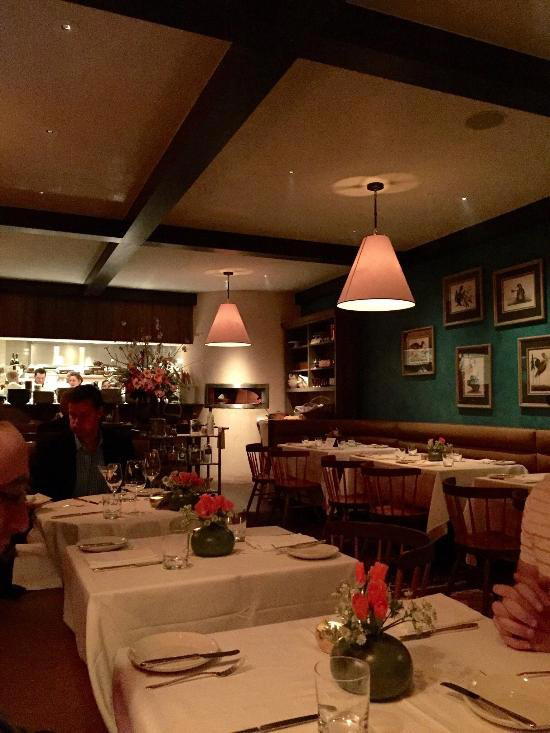
Bars in Austin
Browse all →
Hotels in Austin
Browse all →
At a Glance
- Cozy
- Romantic
- Classic
- Intimate
- Brunch
- Date Night
- Special Occasion
- Casual Hangout
- Group Dining
- Standalone
- Garden
- Private Dining
- Craft Cocktails
- Farm To Table
- Local Sourcing
Current opening hours
- Monday
- 9 AM–10 PM
- Tuesday
- 9 AM–10 PM
- Wednesday
- 9 AM–10 PM
- Thursday
- 9 AM–10 PM
- Friday
- 9 AM–10 PM
- Saturday
- 9 AM–10 PM
- Sunday
- 9 AM–10 PM
Hours can change for holidays and private events. Last verified .
Cozy and intimate with distressed hardwood floors, white marble bar, upholstered benches with green pillows, shaded patio nooks, and a grassy front lawn for lounging.
Know Before You Go
- Getting there
- 1601 Waterston Ave, Austin, TX 78703