
We're Smart World 5 Radishes
Our verdict
Patrick Devos pairs modern French-Belgian fine dining with a sommelier-led, extensive wine list and 2025 recognition from We're Smart World.

Pearl is the En Primeur Club membership app, where members save venues, book tables and use the concierge.
Plant-Forward Dining in a City That Runs on Butter
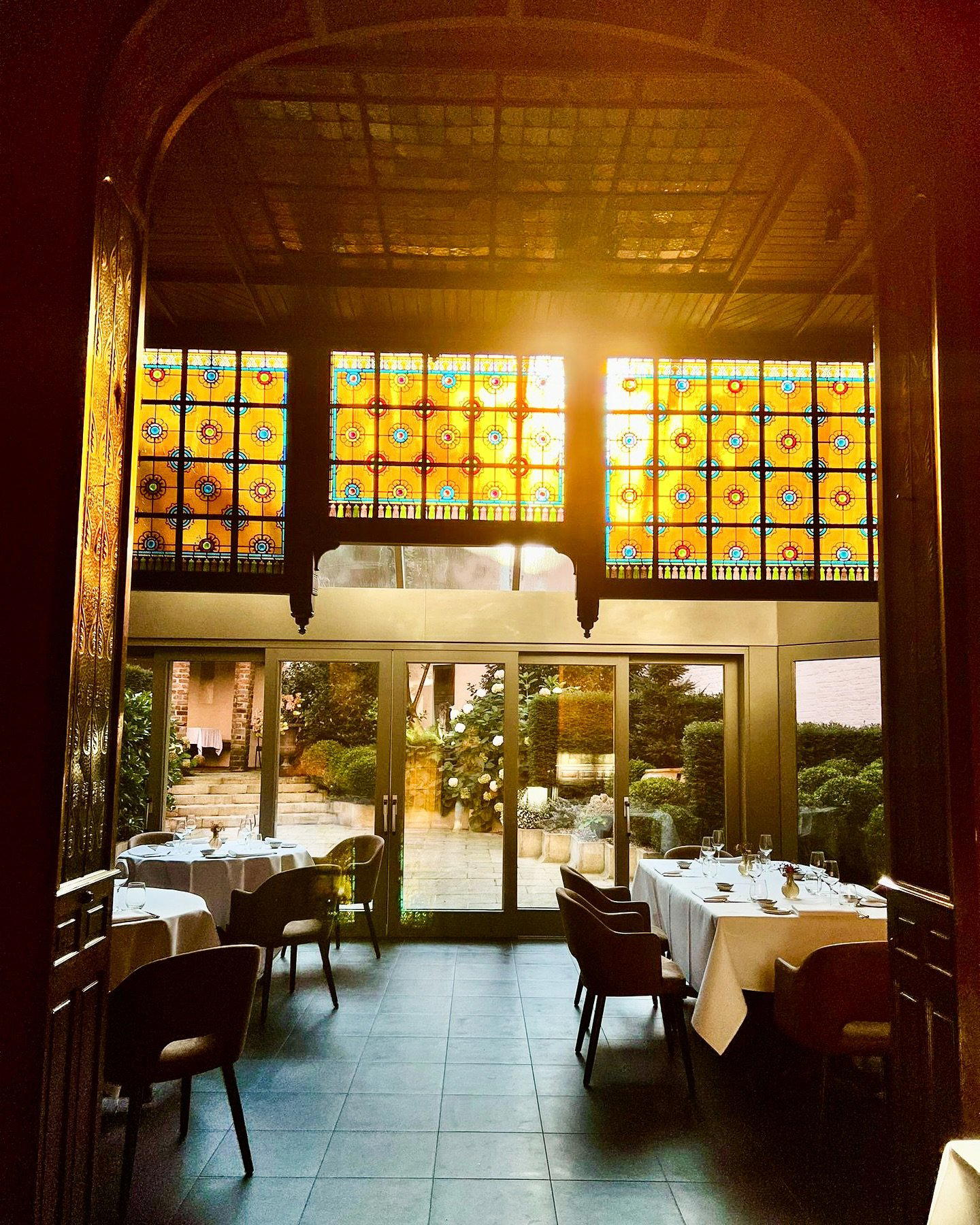
Bruges is, culinarily speaking, a city shaped by classical Flemish instincts: rich stocks, quality proteins, and a deep respect for technique built over generations. Against that backdrop, a restaurant operating an entirely plant-based menu with custom fermented non-alcoholic pairings occupies a genuinely distinct position. Patrick Devos, on Zilverstraat in the medieval core, sits at that crossroads between the city's fine-dining heritage and a more ingredient-focused, plant-first approach that has taken hold at a handful of serious European restaurants over the past decade. The address places it within easy reach of the historic centre, and the building itself carries the weight of old Bruges architecture, with the kind of structural bones that communicate permanence rather than trend-chasing.
What the Plant-Based Shift Means Here
Across Belgium, the top tier of fine dining has largely moved in a direction that prioritises provenance and seasonal discipline, with vegetable-forward menus appearing at addresses that once anchored their identities in meat and fish. What makes the Patrick Devos approach editorially interesting is not merely the absence of animal protein, but the decision to pair that menu with fermented non-alcoholic drinks produced specifically for the kitchen's output. This is a more demanding pairing philosophy than simply offering a juice flight or a selection of teas. Fermentation introduces acidity, complexity, and length to a drink in ways that mirror what wine does at a traditional tasting menu, and getting that calibration right alongside a plant-driven menu requires sourcing logic to run from the garden or supplier all the way through to the drinks programme. Few Belgian restaurants have committed to that full-stack approach. For context on how Belgium's fine-dining tier operates across cuisines and formats, see our full Brugge restaurants guide, which maps the city's current range from classical Flemish to more progressive tables.
Ingredient Sourcing as the Central Argument
The editorial angle that matters most at Patrick Devos is not what appears on the plate, but what had to happen before anything reached the kitchen. A 100% plant menu at fine-dining level is only coherent if the sourcing is specific enough to carry the full weight of the experience. At restaurants operating in this way, the relationship between the kitchen and its growers tends to be the structural fact on which everything else depends. Seasonality is non-negotiable, which means the menu changes not by choice but by necessity. Fermented drink production requires similar sourcing precision: the raw material for a good lacto-fermented vegetable drink or a wild-fermented fruit beverage needs to come from somewhere with enough character to survive the transformation process. This is the kind of sourcing discipline that the We're Smart Green Guide, which has formally recognised Patrick Devos, exists specifically to track. The Guide's recognition signals that the kitchen's relationship to plant ingredients meets a threshold of seriousness that separates it from restaurants that offer a vegetarian option as an accommodation rather than a philosophy.
Belgium has produced several kitchens where ingredient sourcing has become the primary identity signal. Willem Hiele in Oudenburg has drawn attention for its coastal and terroir-driven sourcing logic. Boury in Roeselare operates at the €€€€ level with a Creative French-Flemish sensibility where seasonal discipline is visible throughout. Both offer useful reference points for what serious sourcing looks like in West Flanders and the broader Belgian fine-dining tier, even if their menus are not plant-exclusive. Internationally, the question of how a kitchen translates ingredient conviction into plate architecture is one that surfaces at very different price points and traditions, from the product-driven rigour at Le Bernardin in New York City to the regional ingredient focus at Emeril's in New Orleans.
Where Patrick Devos Sits in the Bruges Fine-Dining Tier
The Belgian fine-dining scene tends to cluster around two orientations: classical French-Flemish technique at the leading price tier, and a younger wave of creative-modern tables that draw on Flemish ingredients while referencing broader European cooking movements. Patrick Devos occupies a third position, one defined by its plant commitment and fermentation programme rather than by stylistic affiliation. Within Belgium, the comparison set is thin, which is precisely what makes the We're Smart Green Guide's re-engagement with the restaurant significant. The Guide acknowledged having overlooked Patrick Devos and expressed conviction in correcting that, describing the 100% plant menu and custom fermented drinks as something that warranted serious attention from its community. That kind of re-evaluation by a specialist guide is a more meaningful trust signal than routine award inclusion, because it implies that the kitchen's identity had moved forward to a point where it demanded renewed scrutiny.
For broader reference across Belgian fine dining, Hof van Cleve in Kruishoutem and Zilte in Antwerp represent the classical and modernist poles of the country's top tier. De Jonkman in Sint-Kruis, a short distance from Bruges, brings a Modern Flemish and creative approach to an audience with similar expectations. Castor in Beveren and Cuchara in Lommel round out the creative end of the Belgian restaurant map at comparable price positioning. Elsewhere in the country, Bozar Restaurant in Brussels, Bartholomeus in Heist, d'Eugénie à Emilie in Baudour, and L'Eau Vive in Arbre each reflect distinct regional and stylistic commitments that collectively illustrate how broad the Belgian fine-dining conversation has become.
Planning Your Visit
Patrick Devos is located at Zilverstraat 41 in central Bruges, an address that sits in the older residential and commercial fabric of the city rather than on its most tourist-facing streets. That positioning is consistent with the kind of restaurant that relies on a local and returning clientele rather than passing footfall. Bruges is accessible by train from Brussels in under an hour, making a dinner visit viable as a day-trip from the capital, though the city rewards an overnight stay. For accommodation context, our full Brugge hotels guide covers the range from canal-side historic properties to smaller design-led options. For drinks before or after, our Brugge bars guide maps the city's current drinking culture. If you are building a longer itinerary around the region's food and drink, our Brugge wineries guide and our Brugge experiences guide offer further orientation.
Frequently asked questions
Is Patrick Devos suitable for children?
The format at Zilverstraat 41 is a structured plant-based tasting menu with custom fermented non-alcoholic drink pairings, which places it firmly in fine-dining territory. This works best for adults or older teenagers with a genuine interest in the format, rather than younger children expecting flexibility in ordering.
How would you describe the vibe at Patrick Devos?
Patrick Devos occupies a specific position in Bruges: an established name in the city's fine-dining tier that has pivoted to a 100% plant menu, a move the We're Smart Green Guide describes as something to behold. The atmosphere reflects that seriousness of intent, expect a kitchen-led experience rather than the convivial warmth of a classical Flemish brasserie.
Is Patrick Devos award-winning?
Patrick Devos has received recognition including: An established name in Bruges, we can certainly call the restaurant Patrick Devos, but honestly, we at We're Smart Green Guide had somewhat forgotten about this fantastic chef. So it is with great conviction that we want to make up for this….
What's the must-try dish at Patrick Devos?
If there is a single reason to book, that pairing programme is it.
Where is Patrick Devos located?
Patrick Devos is located at Zilverstraat 41, 8000 Brugge, Belgium, Brugge.
At-a-Glance Comparison
| Venue | Cuisine | Price | Awards | Notes |
|---|---|---|---|---|
| Patrick DevosThis venue (the venue you are viewing) | Modern French-Belgian Fine Dining | $100–150 | We're Smart World 5 Radishes | Not listed |
| Boury | Creative French Fine Dining | $300–500 | 3 Michelin Stars · La Liste Top Restaurants | Modern Frlemish, Creative French |
| Comme chez Soi | French - Belgian, Classic Cuisine | Not listed | Michelin 1 Star | Not listed |
| Castor | Modern French Fine Dining | Not listed | 2 Michelin Stars · La Liste Top Restaurants | Modern European, Modern French |
| Cuchara | Modern Creative Cuisine with Asian Influences | $200–300 | 2 Michelin Stars · La Liste Top Restaurants | Modern European, Creative |
| De Jonkman | Modern Flemish Seafood Fine Dining | $100–150 | 2 Michelin Stars · La Liste Top Restaurants | Modern Flemish, Creative |
Recognition history
Dated appearances from independent guides and award organizations, with the underlying list record or original source where available.
We're Smart World 5 Radishes
We're Smart World
Full recognition history (2 entries)
We're Smart World Top 100 #55
We're Smart World
Continue exploring
More in Bruges
Restaurants in Bruges
All restaurants in Bruges →
Bars in Bruges
All bars in Bruges →
Hotels in Bruges
All hotels in Bruges →
Wineries in Bruges
Browse all →
Patrick Devos
The wine
- Wine program
- Deep wine list
- Extensive wine list
- Sommelier-led
Details
- Elegant
- Classic
- Intimate
- Sophisticated
- Date Night
- Special Occasion
- Historic Building
- Private Dining
- Extensive Wine List
- Sommelier Led
- Local Sourcing
- Organic
- Garden
- Tasting Menu
- Vegetarian Friendly
- Vegan Options
Current opening hours
- Monday
- 12–1 PM, 6:30–8:30 PM
- Tuesday
- 12–1 PM, 6:30–8:30 PM
- Wednesday
- Closed
- Thursday
- 12–1 PM, 6:30–8:30 PM
- Friday
- 12–1 PM, 6:30–8:30 PM
- Saturday
- 6:30–8:30 PM
- Sunday
- Closed
Hours can change for holidays and private events. Hours as of .
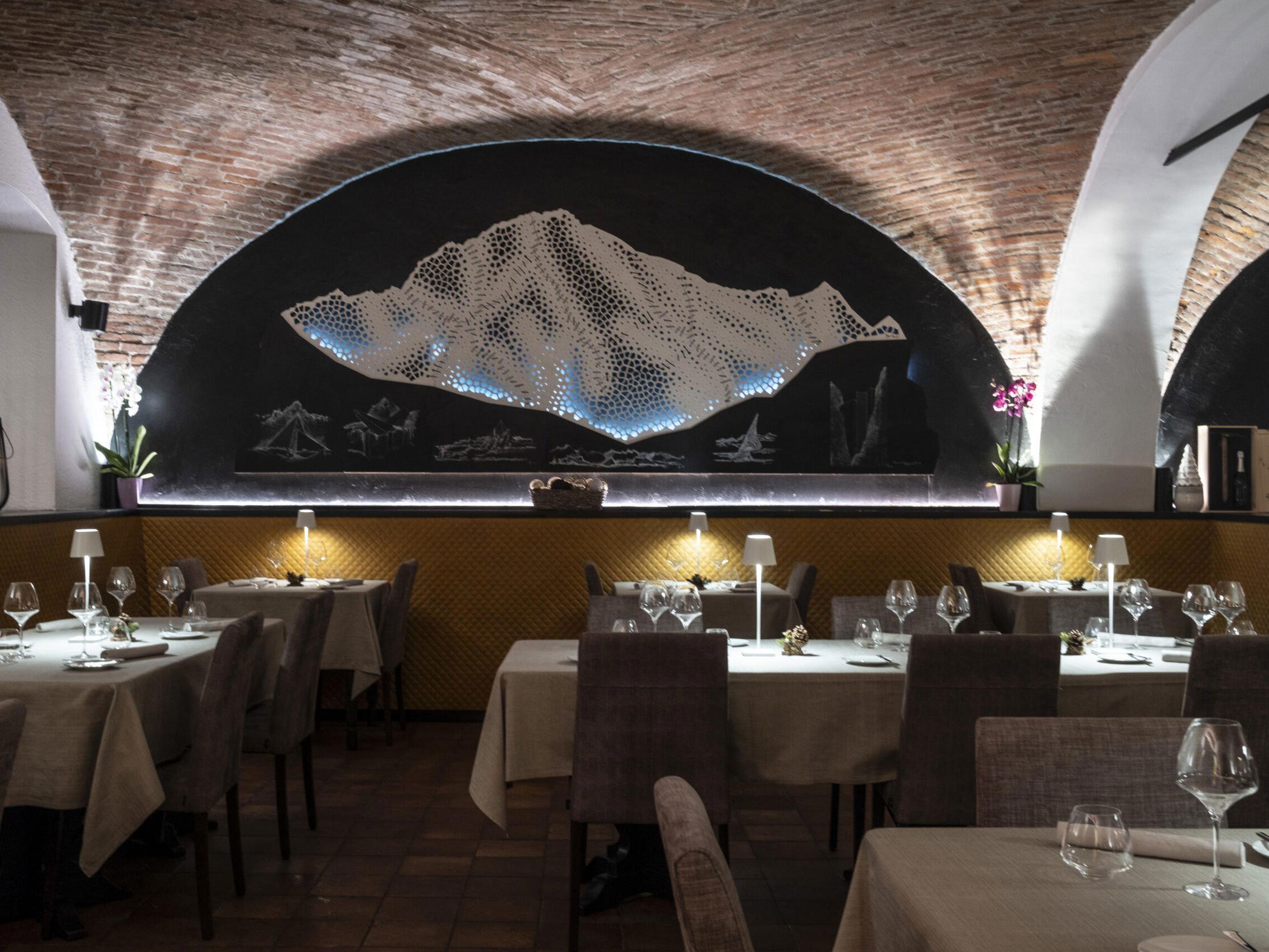
Classy Art Deco dining room with well-spaced tables, quiet atmosphere, winter garden terrace view, and authentic historic interiors.