Passion Tree sits within Sydney's evolving plant-forward dining scene, where ingredient provenance and seasonal discipline shape the menu more than any single culinary tradition. With a focus on produce-driven cooking, it occupies a niche that positions it alongside Sydney's more considered, sourcing-conscious restaurants rather than its high-volume dining circuit.
- Address
- Sydney, Australia
- Directions
- Get directions
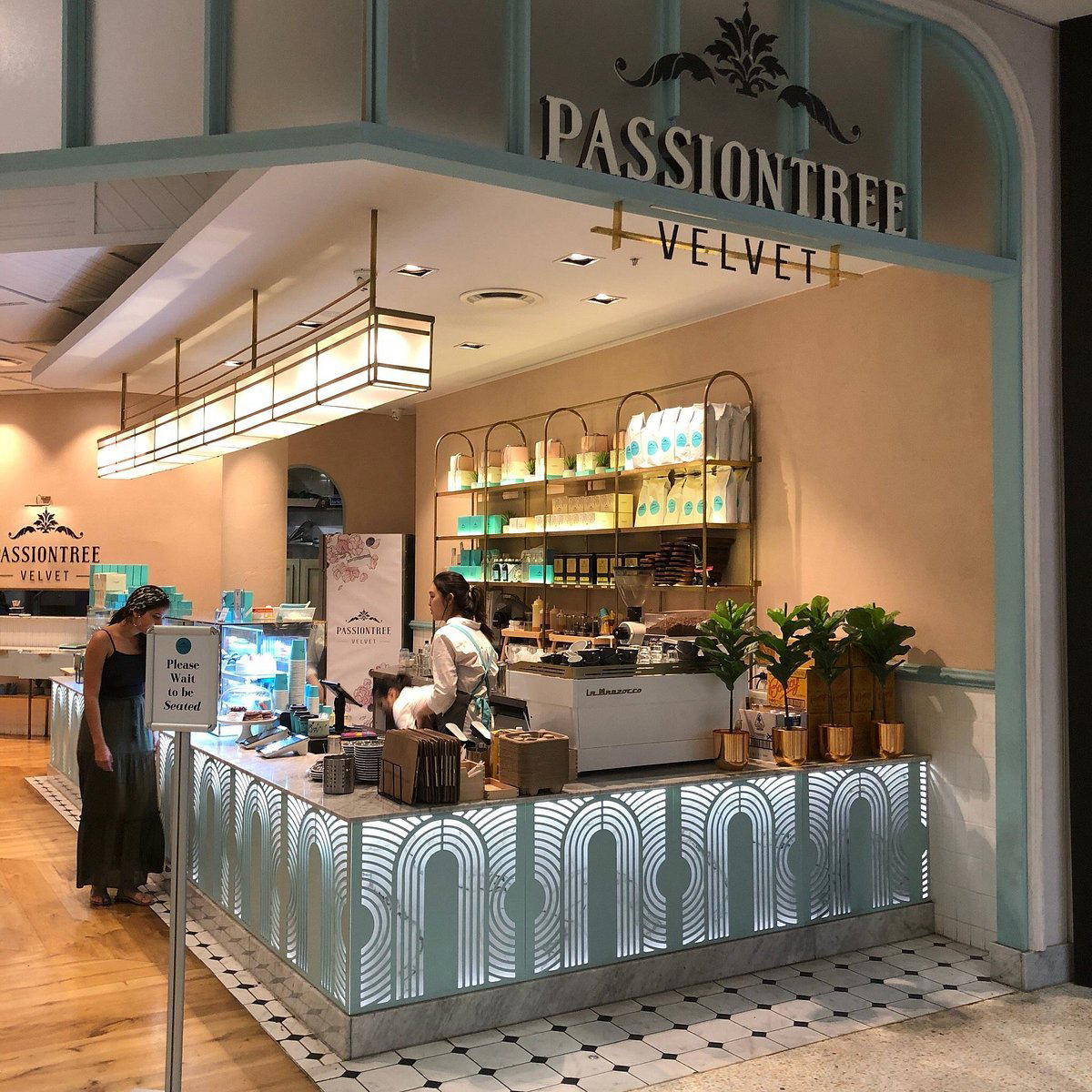
Where Sydney's Produce-Driven Dining Finds Its Voice
Sydney's dining culture has spent the better part of two decades pulling in two directions at once: outward toward the global influences that define a port city with deep multicultural roots, and inward toward the continent's own extraordinary larder. The restaurants that have aged leading are those that found a way to do both, grounding ambitious cooking in what the land and sea around them actually produce. Passion Tree belongs to that inward-looking current, operating in a city where the conversation about ingredient sourcing has moved well past trend status and into something closer to orthodoxy among serious kitchens.
Sydney's restaurant scene has produced a number of kitchens that treat sourcing as the editorial spine of the menu rather than a footnote on the back page. Saint Peter made whole-fish cookery and Australian coastal produce its entire argument. Rockpool built its reputation on premium Australian beef and an obsessive approach to raw material quality. In Melbourne, Attica and Brae have set international benchmarks for what Australian-grown ingredients can express when a kitchen commits fully to the local ecosystem. Passion Tree enters a conversation with that lineage, even if its own voice within it is still being defined publicly.
The Atmosphere Before the First Course
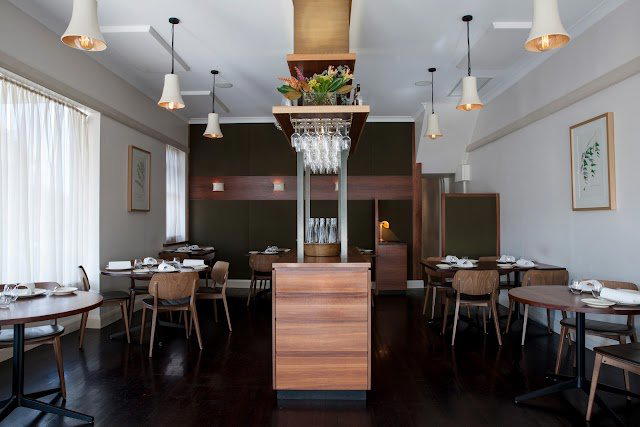
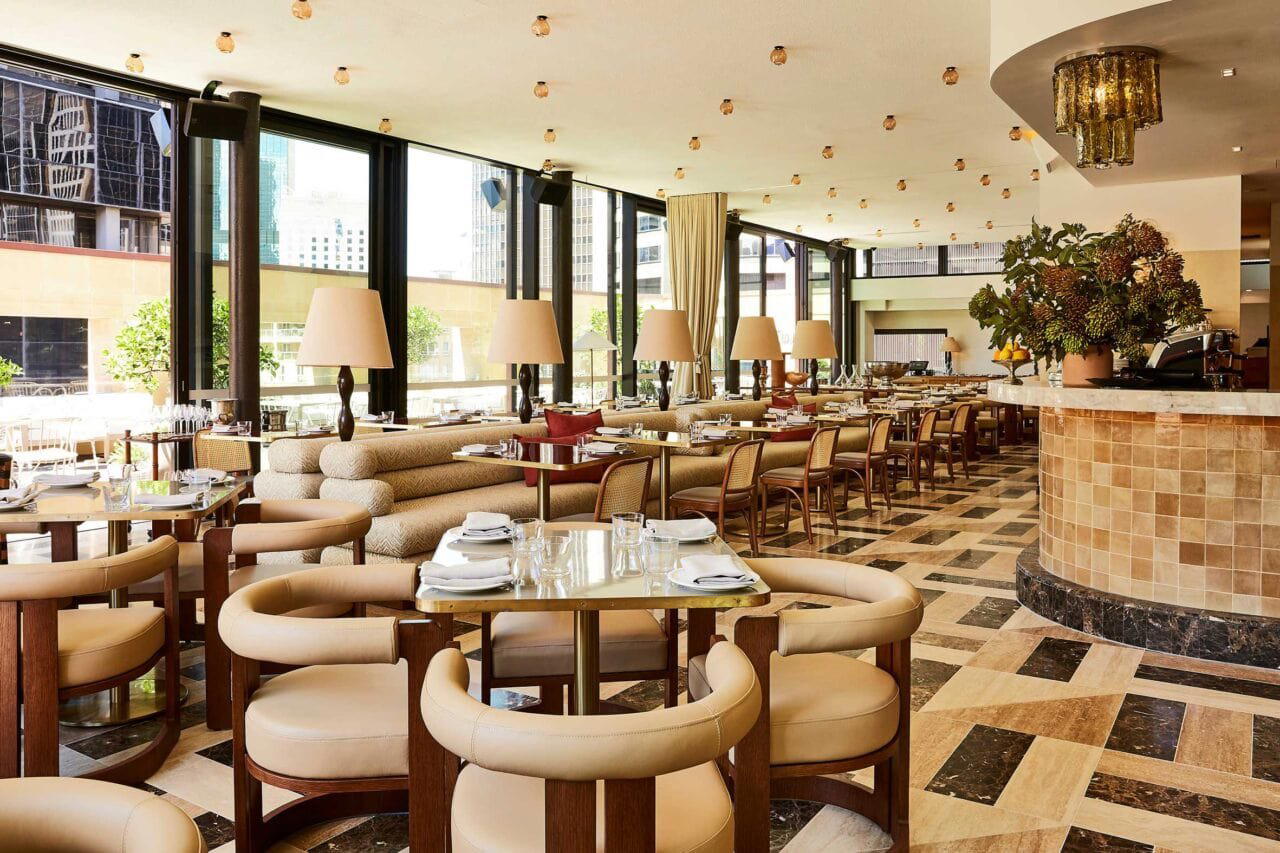
In Sydney's more ingredient-conscious dining rooms, the physical environment tends to follow the same logic as the kitchen: less ornamentation, more attention to material. Warm timber, natural light where available, tableware that feels considered rather than decorative. The approach signals to the diner that what arrives on the plate is the point of focus, not the spectacle surrounding it. Whether Passion Tree follows this aesthetic grammar or departs from it remains something leading verified on arrival, but the name itself suggests a sensibility more closely aligned with growth, cultivation, and the organic rhythms of produce than with the high-gloss formality of Sydney's harbour-view dining tier.
Sydney's restaurant geography matters here. The city's dining weight is distributed across distinct precincts, each carrying different expectations. Surry Hills rewards a certain thoughtful-casual register. The CBD and Circular Quay anchor fine dining with theatre and view. Neighbourhoods like Newtown and Marrickville have become proving grounds for produce-first cooking with less financial pressure on the room. Where Passion Tree sits within that geography shapes what you should expect before you walk through the door. For Sydney neighbourhood context across a wider range, our full Sydney restaurants guide maps the city's dining precincts with the specificity this kind of decision deserves.
What Ingredient Sourcing Actually Means in a Sydney Kitchen
The sourcing conversation in Australian fine dining is often misunderstood from the outside. It is not simply a preference for local over imported. It is a set of decisions that cascades through every part of the kitchen's operation: what grows seasonally in the region, which farmers and fishers a kitchen has direct relationships with, how a menu's shape changes as those relationships evolve across the year. The most rigorous versions of this approach produce menus that look dramatically different in February than they do in August, with the kitchen's creative constraints determined not by a chef's mood but by what arrived that morning.
Australia's agricultural diversity makes this approach genuinely compelling. The country produces world-calibre beef, some of the southern hemisphere's most interesting seafood, extraordinary stone fruit and citrus from inland growing regions, and native ingredients, from finger limes to wattleseed to saltbush, that carry flavour profiles unavailable anywhere else on earth. A kitchen in Sydney that commits to that larder seriously has access to an ingredient palette that needs no apology on any global stage. Compare that to the sourcing context at Le Bernardin in New York City, where the kitchen operates at the top of the seafood sourcing hierarchy but draws from a very different coastal ecosystem, or Atomix in New York City, where Korean produce logic drives the menu's structure. The sourcing philosophy shapes the character of the cooking at a fundamental level, not merely its flavour profile.
Sydney's mid-tier and upper-casual dining bracket has grown increasingly competitive. Restaurants like 10 William St have carved durable positions through disciplined wine programming and food that knows its own scale. 1021 Mediterranean brings a different regional sourcing lens to the city's table. 10 Pounds occupies its own niche within the city's evolving casual-serious register. What distinguishes venues that hold their position over time in this bracket is not novelty but conviction: a clear point of view about what belongs on the menu and why, repeated consistently enough that the kitchen develops genuine depth in a chosen direction.
The broader Sydney dining scene, as surveyed through venues like bills in Bondi Beach, Bayly's Bistro in Kirribilli, and Johnny Bird in Crows Nest, shows a city comfortable operating across registers simultaneously. Sydney does not require its kitchens to choose between ambition and accessibility in the way some other cities implicitly do. That tolerance creates room for venues like Passion Tree to develop a following without needing to declare themselves fine dining or to dilute their approach for volume.
Regional comparisons are instructive too. Bar Carolina in South Yarra and Barry Cafe in Northcote show how Melbourne's neighbourhood dining can hold serious produce credentials without formal dining room posture. Kulcha Restaurant in Wollongong and Hungry Wolfs in Newcastle demonstrate that ingredient-serious cooking is extending beyond Australia's two largest cities at pace. Jaani Street Food in Ballarat brings a different cultural sourcing logic to regional Victoria. The pattern across all of these is that produce identity is becoming a baseline expectation, not a differentiator, which raises the standard that any Sydney kitchen claiming that territory must meet.
Planning Your Visit
Verify current specifics directly with the venue before visiting.
| Dimension | Passion Tree | Saint Peter | 10 William St |
|---|---|---|---|
| Cuisine focus | Produce-driven / plant-forward | Australian seafood | Italian-leaning wine bar |
| Booking lead time | Verify directly | Several weeks ahead advised | Walk-ins often possible |
| Price tier | Verify directly | Premium | Mid-range |
| Format | Verify directly | A la carte / tasting | Sharing plates |
| Leading season to visit | Varies with sourcing calendar | Year-round; peak in summer | Year-round |
Peers You’d Cross-Shop
| Venue | Cuisine | Price |
|---|---|---|
| Passion TreeThis venue — the venue you are viewing | This venue | Not listed |
| Rockpool | Australian Cuisine | Australian Cuisine |
| Saint Peter | Australian Seafood | Australian Seafood |
| BENTLEY Restaurant & Bar | Australian Modern | Australian Modern |
| Bennelong | Australian Cuisine | Australian Cuisine |
Continue exploring
More in Sydney
Restaurants in Sydney
Browse all →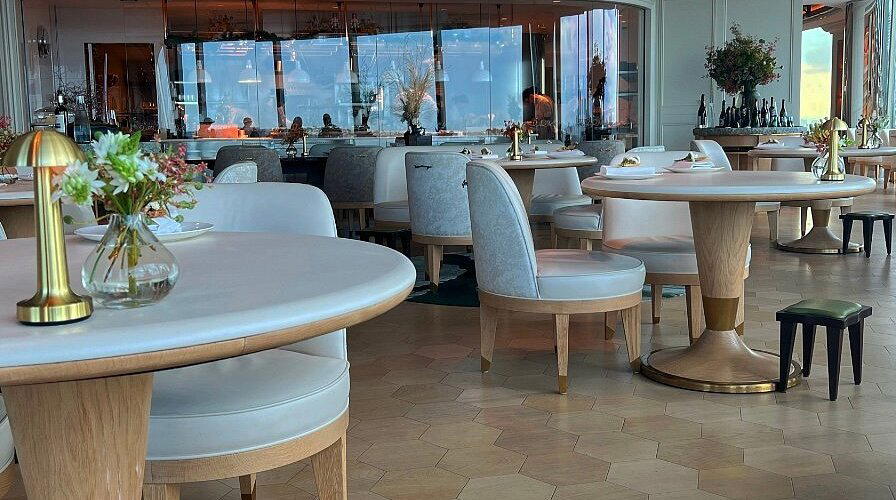

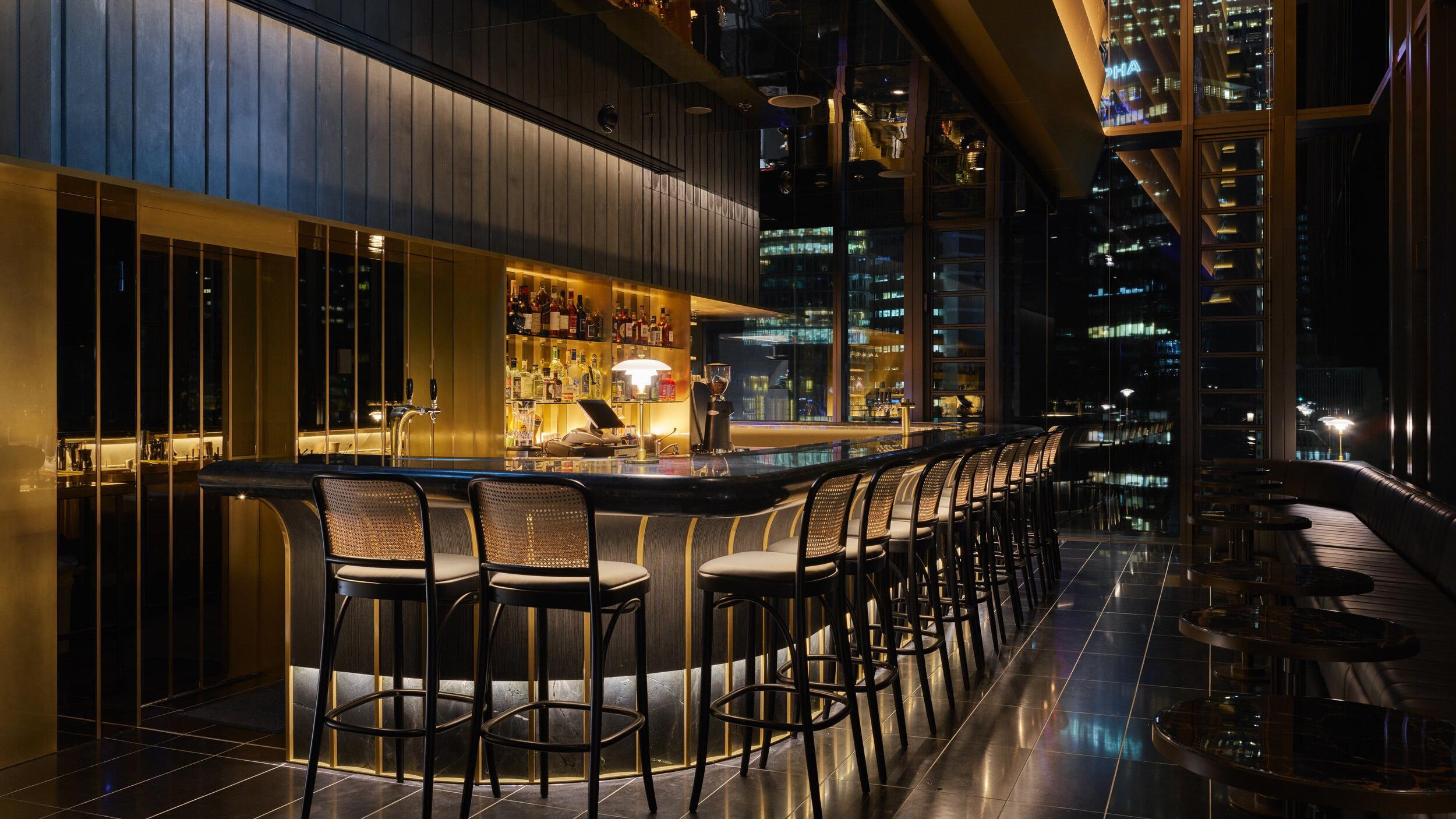
Bars in Sydney
Browse all →
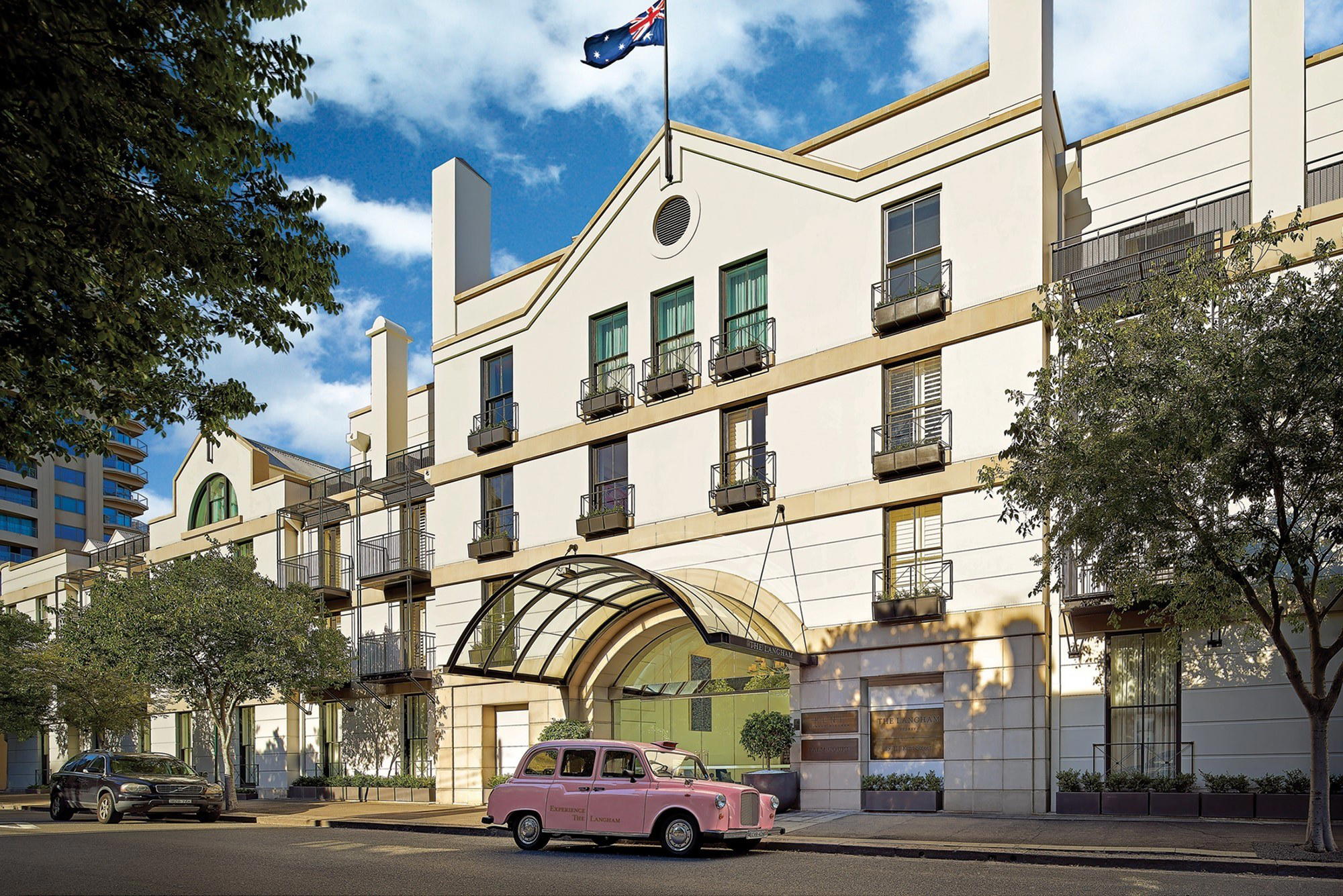
Hotels in Sydney
Browse all →


At a Glance
- Modern
- Cozy
- Brunch
- Casual Hangout
- Open Kitchen
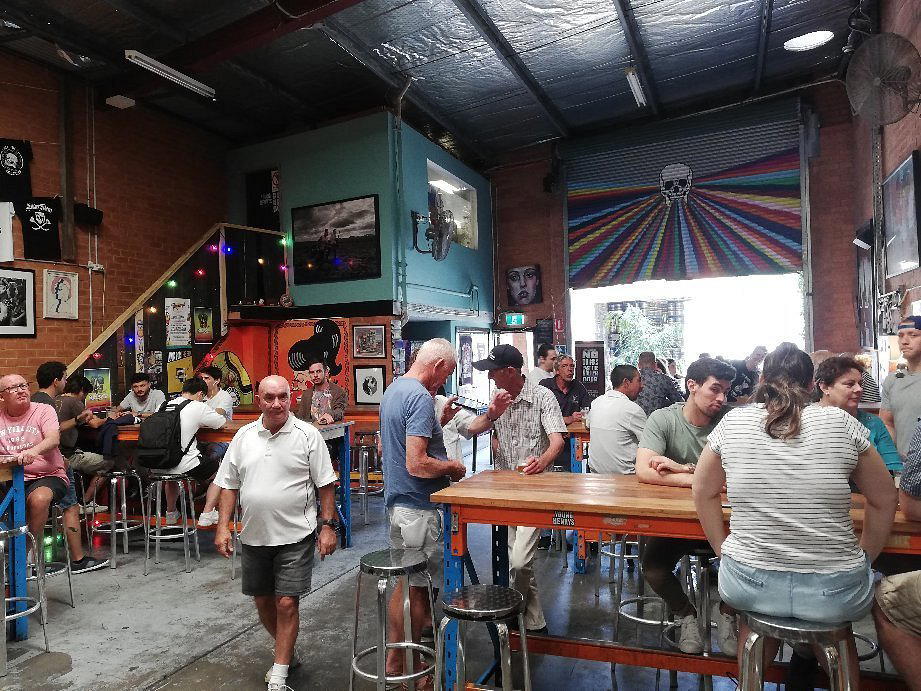
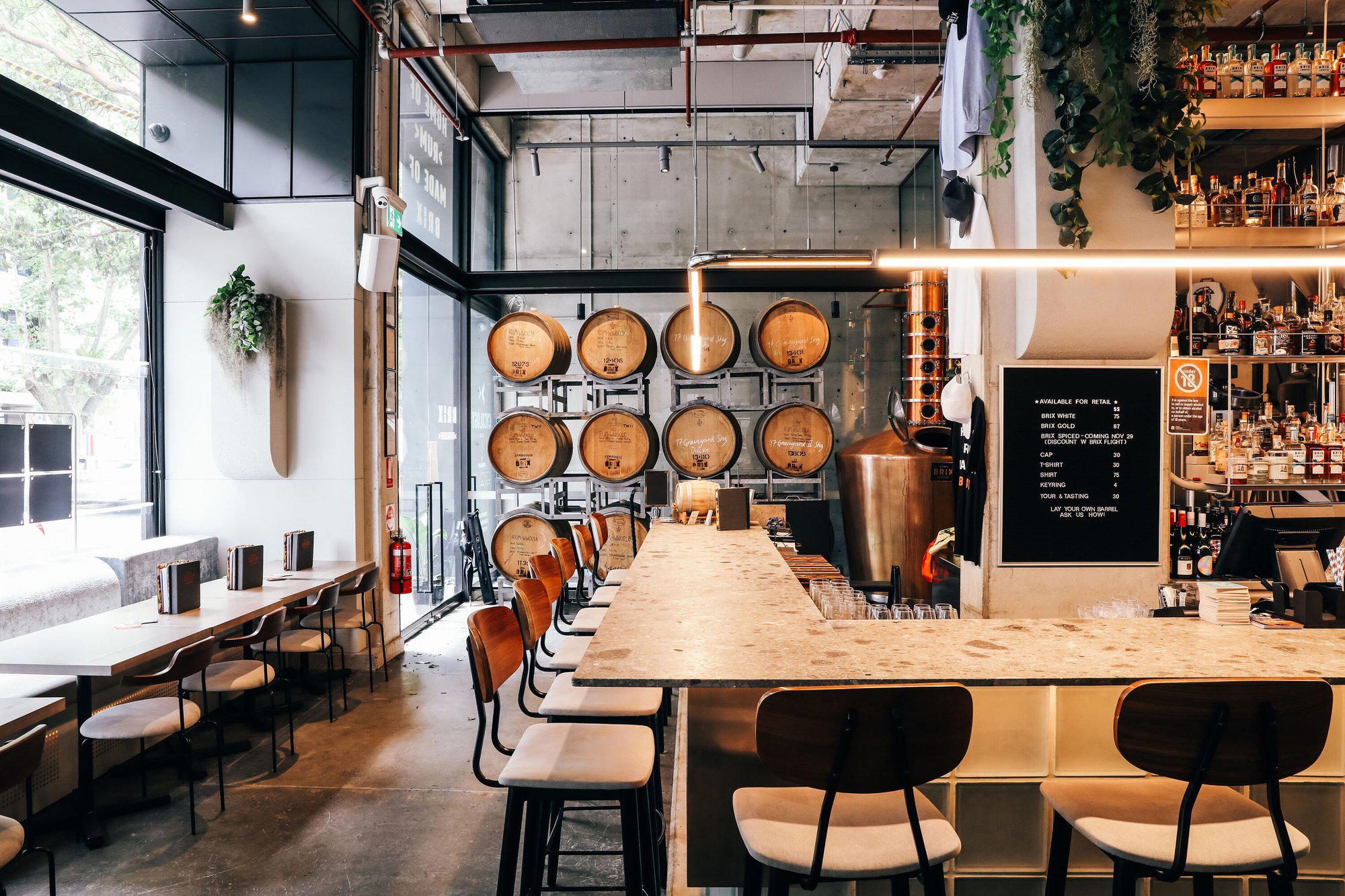
Bright cafe atmosphere in a busy shopping mall with modern decor; can be somewhat noisy during peak times.