

Star Wine List
Our verdict
Pasania has occupied a corner of Nakanoshima's cultural district for more than half a century, earning a reputation among serious wine drinkers that extends well beyond Osaka. Positioned on the third floor of a building in Kita Ward, it operates in a bracket where wine depth and front-of-house collaboration define the experience as much as the kitchen. Few addresses in western Japan carry comparable historical weight in this category.

Pearl is the En Primeur Club membership app, where members save venues, book tables and use the concierge.
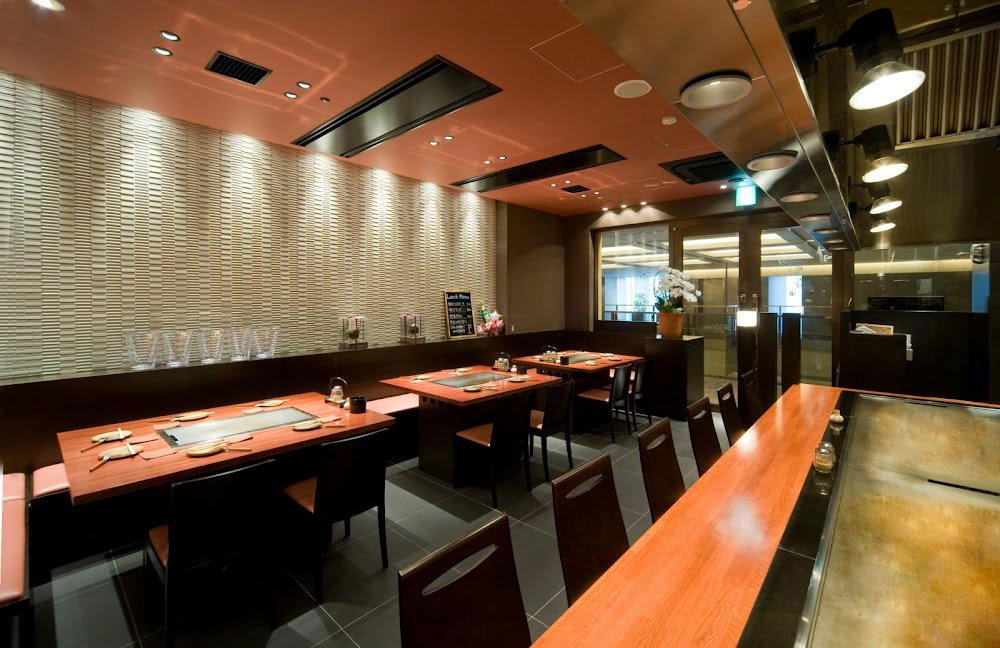
Nakanoshima and the Long Game
Osaka's Nakanoshima island, flanked by the Dojima and Tosabori rivers and anchored by museums, concert halls, and municipal architecture, has long functioned as the city's civic and cultural spine. Restaurants that have survived here across multiple decades have done so not through trend-chasing but through the kind of sustained credibility that a district built around institutions tends to demand. Pasania sits within that context: a third-floor address in Kita Ward's Nakanoshima 3-chome, operating for more than fifty years in a city that generates and discards dining concepts at a rate that would exhaust most operators.
That longevity is the first signal worth reading carefully. Osaka's serious dining scene, which now includes Michelin-starred French rooms like HAJIME and La Cime, alongside kaiseki institutions such as Kashiwaya Osaka Senriyama and Taian, is competitive in the specific way that osaka-dori culture makes it, guests are knowledgeable, price-sensitive in the sense of demanding clear value, and unforgiving about quality drift over time. An address that commands attention from wine lovers internationally while operating from this particular postcode for half a century is doing something structurally right.
The Wine-First Model and What It Requires
Pasania's public reputation, as documented in the wine community, clusters around one consistent claim: that it operates as one of its kind for serious wine drinkers in Osaka, with a scope and depth that positions it against peer venues nationally rather than locally. In Japan's wine-focused dining tier, that kind of positioning is earned through a combination of cellar depth, purchasing history, and front-of-house literacy that most restaurants, regardless of cuisine quality, cannot replicate across fifty-plus years without deliberate institutional commitment.
The wine-first model in a country with Japan's dining culture carries specific implications. Where Tokyo's leading sommelier-led rooms, including addresses like Harutaka, tend to operate around the omakase counter format with wine as a secondary or parallel track, Osaka's version of the serious wine restaurant has historically been more European in orientation: a room where the cellar is the anchor, the service team's knowledge is the differentiator, and the kitchen's role is to support rather than compete. Pasania's longevity suggests it has held that balance consistently across a period that saw Japan's wine culture transform from a specialist niche into a mainstream conversation.
For context on how rare that track record is in western Japan, consider that Kyoto's comparably serious dining addresses, Gion Sasaki is one reference point, operate in a kaiseki tradition where wine is increasingly integrated but rarely primary. Nara's akordu represents a newer generation of wine-integrated fine dining in the Kansai region. Pasania predates all of them in this specific format.
Collaboration as the Operating Model
In the category of wine-driven fine dining, the service dynamic between kitchen, sommelier, and floor staff is not incidental, it is the product. At addresses where the cellar is the draw, the sommelier's ability to read a table, pace a pairing, and communicate across the pass to the kitchen determines whether the experience coheres or fragments into two parallel tracks that happen to share a room.
Japan's hospitality culture, the concept of omotenashi, or anticipatory service without the guest needing to articulate a need, provides a structural foundation for this kind of collaboration that Western fine dining rooms often have to cultivate deliberately. At a venue with Pasania's operating history, that culture is embedded rather than performed. The front-of-house team at an address of this age has typically developed institutional knowledge that no training program can compress: which producers a regular guest gravitates toward, how to manage a cellar that spans decades of vintage depth, and when to guide versus when to step back.
This is the model that venues like Fujiya 1935 approach from the innovative cuisine side, where kitchen and floor are in dialogue about the structure of an evening, but Pasania's version is grounded in wine service as the primary language of that dialogue. Internationally, the analogy sits closer to the sommelier-led rooms of Burgundy or to New York addresses like Le Bernardin, where the floor team's technical depth is as legible to the guest as the menu.
Nakanoshima as a Planning Framework
Staying on or near Nakanoshima gives access to one of Osaka's most coherent cultural itineraries. The National Museum of Art, the Osaka City Central Public Hall, and the cluster of concert venues within the island's footprint make it a district where a serious dinner is a natural endpoint rather than a detour. For visitors building a Kansai circuit, Nakanoshima functions as a reference point from which Kyoto is under thirty minutes by rail and Nara under an hour, making it possible to combine Pasania with venues like Gion Sasaki or akordu across consecutive evenings without logistical friction.
For the broader Osaka dining picture, our full Osaka restaurants guide maps the city's dining tiers across neighbourhoods. If you are planning accommodation near the venue, our Osaka hotels guide covers the relevant options. The city's bar and wine bar scene, increasingly sophisticated around the Namba and Shinsaibashi corridors, is documented in our Osaka bars guide, and for those whose interest extends to production, our Osaka wineries guide and our Osaka experiences guide cover the relevant specialist formats.
Japan's broader regional fine dining network extends the conversation further: Goh in Fukuoka, Bleston Court Yukawatan in Nagano, and giueme in Akita each represent the kind of regional depth that rewards travellers willing to move beyond the Tokyo-Kyoto axis. Pasania, in this reading, belongs to that same cohort of addresses that repay the effort to seek them out, not as a secondary option to the capital's restaurants, but as the specific thing they are, doing what they do, in the place they have always been.
Planning Your Visit
Pasania is located on the third floor at 3 Chome-3-23 Nakanoshima, Kita Ward, Osaka. Given its reputation within the wine community and the limited capacity that a third-floor independent operation in this district typically implies, contacting the venue directly in advance is advisable; walk-in availability at addresses of this type and reputation is rarely reliable, particularly for guests who want to engage with the cellar at any depth. The venue's proximity to Nakanoshima's cultural institutions makes an early evening reservation a practical anchor for a full day in the district. For visitors arriving from outside Japan, the address sits within direct reach of Osaka's central transport network, with Higobashi Station and Watanabebashi Station both within a short walk of the Nakanoshima district.
Frequently asked questions
Does Pasania have a Michelin star or similar recognition?
Pasania has received recognition including: Not only for locals but for all the wine lovers in the world, I think Pasania is one of its kind in Osaka. It's located in Nakanoshima, and their history spans over more than half a century. People co....
Where exactly is Pasania?
Pasania is located at Japan, 〒530-0005 Osaka, Kita Ward, Nakanoshima, 3 Chome−3−23 3F, Osaka.
What's the signature dish at Pasania?
Pasania's defining offer, as documented across the wine community, is the integration of a deep cellar with a highly trained service team rather than any single dish. The kitchen exists to support the wine program, not the other way around.
Is Pasania reservation-only?
Given Pasania's documented status within Japan's wine community and a format built around cellar-led pairings, walk-in availability at the third-floor Nakanoshima address should not be assumed. check the venue's official channels to confirm.
What's Pasania best at?
The consistent signal across the wine community points to the depth and coherence of the wine program, developed over more than fifty years at the Nakanoshima address. The collaboration between sommelier and kitchen, the pairing logic applied course by course, is what distinguishes Pasania within Osaka's fine dining tier.
Cuisine Context
Comparable venues nearby, for context on price, style, and recognition.
| Venue | Cuisine | Price | Awards | Notes |
|---|---|---|---|---|
| PasaniaThis venue (the venue you are viewing) | Okonomiyaki with Natural Wines | Not listed | Star Wine List | Not listed |
| Manryo Higobashi ten | Osaka Yakiniku & Wagyu Grill | $30–50 | Tabelog 100 #38 | Nishi |
| Roan Oosaka doujima ten | Japanese Soba | $20–30 | Tabelog 100 #8 | Kita |
| Niku Ryori PINE | Meat-focused Japanese standing bar | $20–30 | Tabelog 100 #63 | Kita |
| New Babe | Tonkatsu | $20–30 | Tabelog 100 #25 | Chūō |
| Mensho Yashima | Traditional Osaka Udon Shop | $10–20 | Tabelog 100 #48 | Moriguchi |
Recognition history
Dated appearances from independent guides and award organizations, with the underlying list record or original source where available.
Star Wine List
Star Wine List
Opinionated About Dining Casual in Japan Highly Recommended
Opinionated About Dining
Continue exploring
More in Osaka
Restaurants in Osaka
All restaurants in Osaka →


Bars in Osaka
All bars in Osaka →


Hotels in Osaka
All hotels in Osaka →



Wineries in Osaka
Browse all →
Details
- Cozy
- Trendy
- Intimate
- Sophisticated
- Date Night
- After Work
- Casual Hangout
- Wine Cellar
- Natural Wine
- Sake Program
- Natural Wine
- A La Carte
- Small Plates
- Natural Wine
- Vegetarian Friendly
Current opening hours
- Monday
- Closed
- Tuesday
- 5:30–11 PM
- Wednesday
- 5:30–11 PM
- Thursday
- 5:30–11 PM
- Friday
- 5:30–11 PM
- Saturday
- 3–10 PM
- Sunday
- Closed
Hours can change for holidays and private events. Hours as of .
Cozy and welcoming with a focus on wine enjoyment, popular among chefs and sommeliers for post-shift relaxation.