Parma Cucina Italiana
On Fifth Avenue in Hillcrest, Parma Cucina Italiana occupies a stretch of San Diego's most food-literate neighbourhood and pitches itself squarely within the city's Italian dining tradition. The address at 3850 Fifth Ave places it alongside a mix of independent operators whose staying power depends on kitchen consistency rather than novelty. For San Diego diners tracking the Italian category, it represents a neighbourhood anchor worth understanding on its own terms.
 Discover on Pearl
Pearl is the En Primeur Club membership app — saves, bookings, and concierge access live there. Same editors, same standards.
- Address
- 3850 Fifth Ave, San Diego, CA 92103
- Phone
- +16195430049
- Website
- parmaitaliankitchen.com
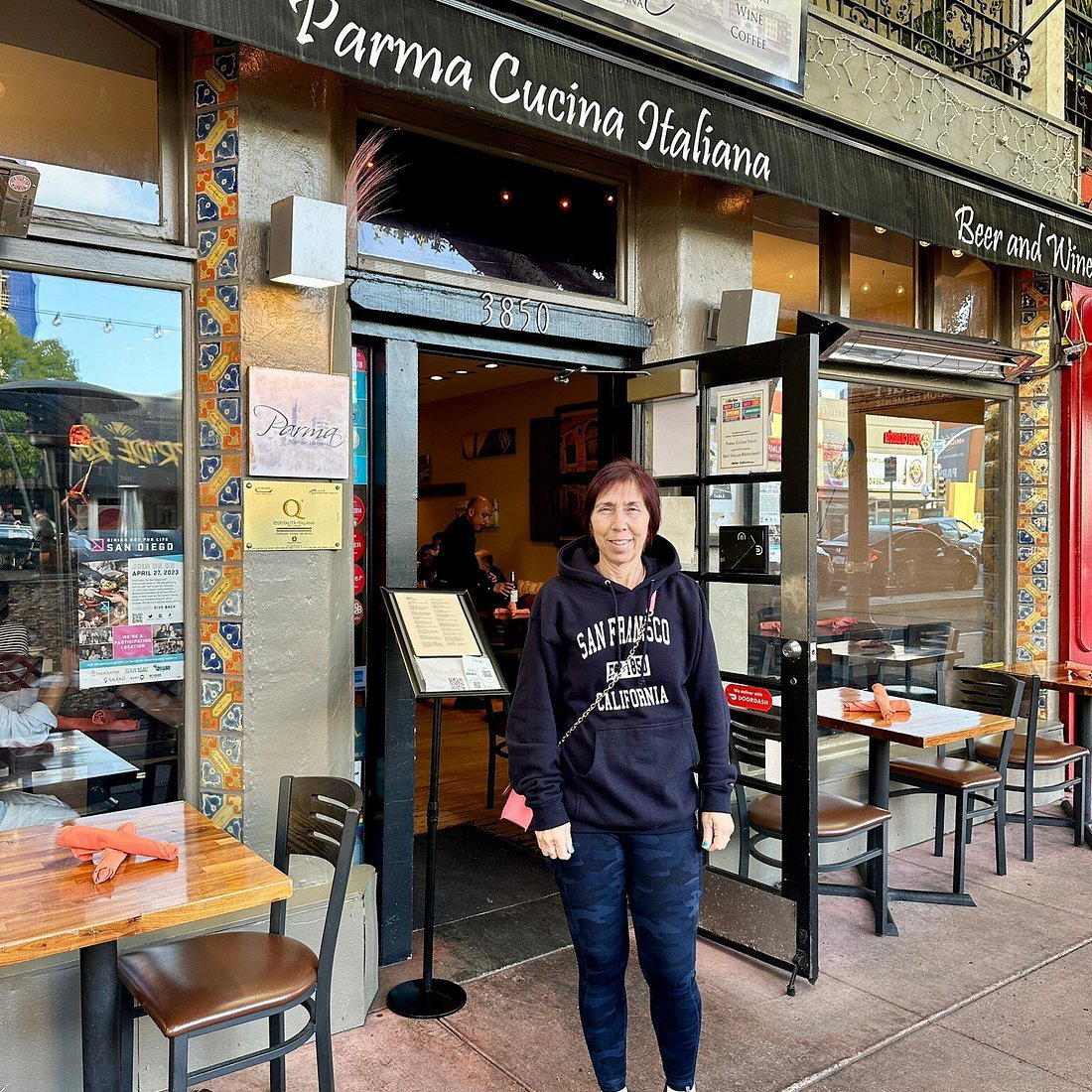
Fifth Avenue, Hillcrest, and the Logic of Neighbourhood Italian
San Diego's Italian dining scene is not concentrated in a single district the way its Japanese or contemporary American tiers are. Instead, it distributes across neighbourhoods in a pattern shaped more by foot traffic and residential density than by culinary clustering. Hillcrest, where Parma Cucina Italiana sits at 3850 Fifth Ave, has long been one of the city's most food-aware corridors: a walkable strip where independent operators compete against each other rather than against chain formats, and where repeat custom from local residents does the work that hotel dining rooms assign to concierge referrals.
That context matters when reading any Italian restaurant in this postcode. The neighbourhood rewards consistency over theatre. A cucina italiana in Hillcrest is measured against the memory of last Tuesday's dinner, not against a once-a-year special occasion. That creates a different kind of pressure than the one facing, say, Addison, San Diego's French and contemporary standard-bearer, where each meal carries the weight of a four-figure bill and Michelin expectation. Italian at this address operates closer to the rhythm of daily life.
The Cultural Roots of Cucina Italiana in an American City
The phrase cucina italiana, when it appears in a restaurant name rather than a marketing tagline, signals something about intent. It frames the kitchen not as Italian-American, with its own distinct and legitimate tradition of adapted recipes, but as an attempt to hold closer to the source: the regional cooking of Italy's twenty administrative zones, each with its own pasta shapes, fat preferences, and protein hierarchies.
American cities have absorbed Italian cooking in waves, and the current wave, at least in serious dining circles, runs toward specificity. The Emilia-Romagna school, which gives us handmade egg pasta, Parmigiano-Reggiano as a structural ingredient rather than a garnish, and slow braises built on soffritto, sits at one end of the spectrum. Neapolitan and Sicilian traditions, leaner and more tomato-forward, sit at another. Restaurants that name themselves after a region or a city tend to signal which pole they are drawn toward. Parma, the city in Emilia-Romagna, is the source of prosciutto di Parma and Parmigiano-Reggiano, two of the most protected and geographically specific food products in European law. A restaurant trading on that name is making a claim, even if implicitly, about richness, cured meat, and aged cheese as organising principles.
That tradition sits in interesting contrast to San Diego's broader dining tendency, which leans toward coastal lightness, fresh produce from Baja California and the inland valleys, and a Californian-Mediterranean register that shapes everything from the city's Greek-inflected spots to its contemporary American kitchens. Venues like Soichi on the Japanese side and 1450 El Prado on the Balboa Park edge each occupy a defined lane in the city's dining geography. Italian at the cucina level occupies a different lane: comfort-adjacent, carbohydrate-centred, wine-friendly in a Sangiovese-and-Nebbiolo rather than a Chardonnay-and-Pinot register.
Where This Fits in San Diego's Italian Tier
San Diego does not have a concentration of Italian restaurants competing at the award-circuit level the way New York or Chicago does. The Italian tier here is largely mid-market, driven by neighbourhood loyalty and pasta quality rather than by tasting menus and sommelier programs. That reflects what the market asks for and what independent operators can sustain.
For comparison: at the national level, the Italian fine-dining conversation centres on a handful of addresses. 8 1/2 Otto e Mezzo Bombana in Hong Kong represents the export model of Italian fine dining, while American-Italian at the upper tier tends to fold into broader European fine-dining programs at places like Le Bernardin in New York City. San Diego's Italian category operates well below those stratospheric price points and has little interest in competing with them. The comparison set is local: which Hillcrest or Mission Hills Italian kitchen is producing pasta with the correct texture, using good imported ingredients, and running a room that feels worth returning to on a Wednesday evening.
Against that local comparison, the address on Fifth Avenue places Parma Cucina Italiana within easy reach of a dense residential catchment and in a stretch that also includes the kind of bar, cafe, and retail mix that makes neighbourhood dining feel embedded rather than destination-driven. San Diego diners who track this stretch alongside 94th Aero Squadron and other established independents will read Parma through the lens of what the neighbourhood has historically supported.
The Wider Field: Italian Cooking in an American Context
Italian cuisine has one of the longest acclimation histories in American restaurant culture. What began as immigrant home cooking in the late nineteenth century formalised into red-sauce trattorias, then shifted again through the influence of chefs who had trained in Italy and returned with a commitment to regional specificity. That shift is now several decades old, and the current question for Italian restaurants in cities like San Diego is not whether to do it authentically, but how to calibrate authenticity against local ingredient availability, American appetite preferences, and price-point realities.
The broader American fine-dining conversation, represented by places like Lazy Bear in San Francisco, Alinea in Chicago, or Providence in Los Angeles, has largely moved away from European cuisine as a primary reference point and toward American regional and seasonal frameworks. Italian restaurants that want to hold a distinct position now need to do so on the strength of ingredient sourcing, pasta craft, and wine program depth rather than on the general prestige of the cuisine category. The venues that have sustained critical attention in this space, from Blue Hill at Stone Barns in Tarrytown to The Inn at Little Washington, have done so by being specific about provenance and process rather than by trading on category prestige alone.
For a neighbourhood Italian in Hillcrest, the operating logic is different but the underlying principle is similar: specificity and consistency earn the repeat custom that keeps independent restaurants solvent in a city where rents on Fifth Avenue are not forgiving.
Standing Among Peers
Comparable venues nearby, for context on price, style, and recognition.
| Venue | Cuisine | Price | Awards | Notes |
|---|---|---|---|---|
| Parma Cucina ItalianaThis venue — the venue you are viewing | Northern Italian Trattoria | $$ | , | |
| Farmer's Bottega | Farm-to-Table Italian | $$ | , | Uptown |
| Filippi's Pizza Grotto | Traditional Italian Pizza and Pasta | $$ | , | Downtown |
| Tribute Pizza | Modern Wood-Fired Pizza | $$ | 1 recognition | North Park |
| Tavola Nostra Pizzeria e Cucina | Modern Pinsa Romana & Italian Pizzeria | $$ | , | Uptown |
| Nonna | Sicilian Italian Comfort Food | $$ | , | Downtown |
Continue exploring
More in San Diego
Restaurants in San Diego
Browse all →
Bars in San Diego
Browse all →
At a Glance
- Cozy
- Charming
- Classic
- Date Night
- Casual Hangout
- Special Occasion
- Open Kitchen
- Extensive Wine List
- Street Scene
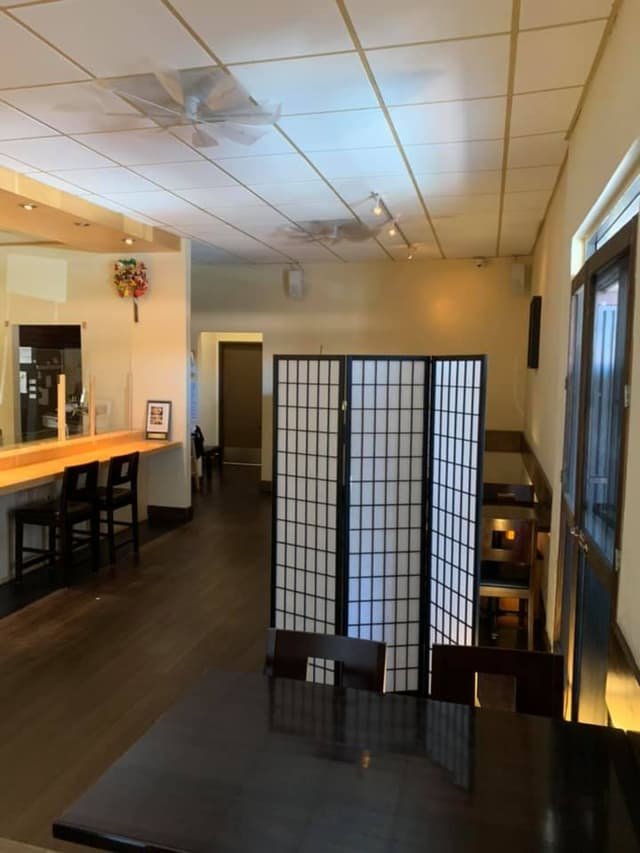
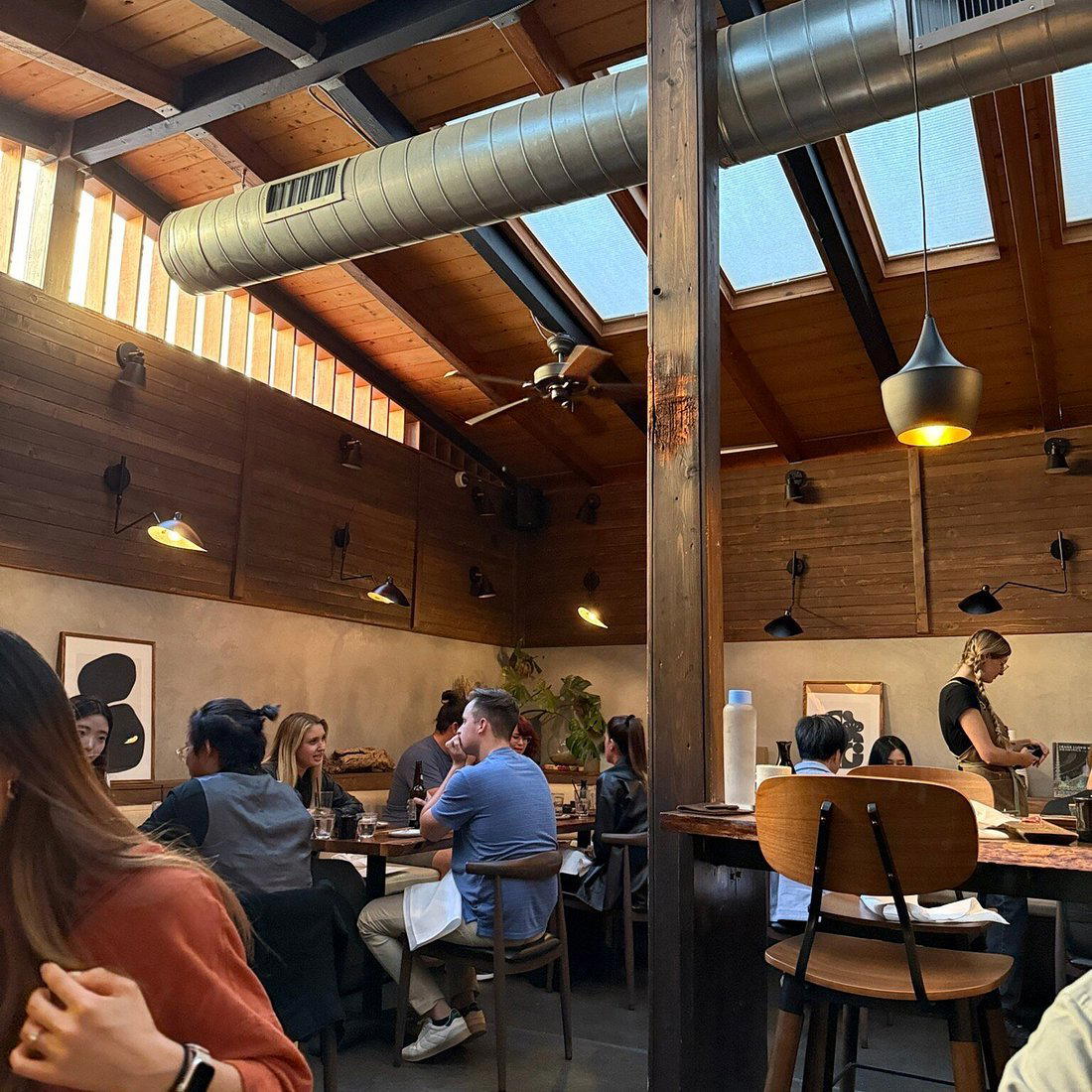
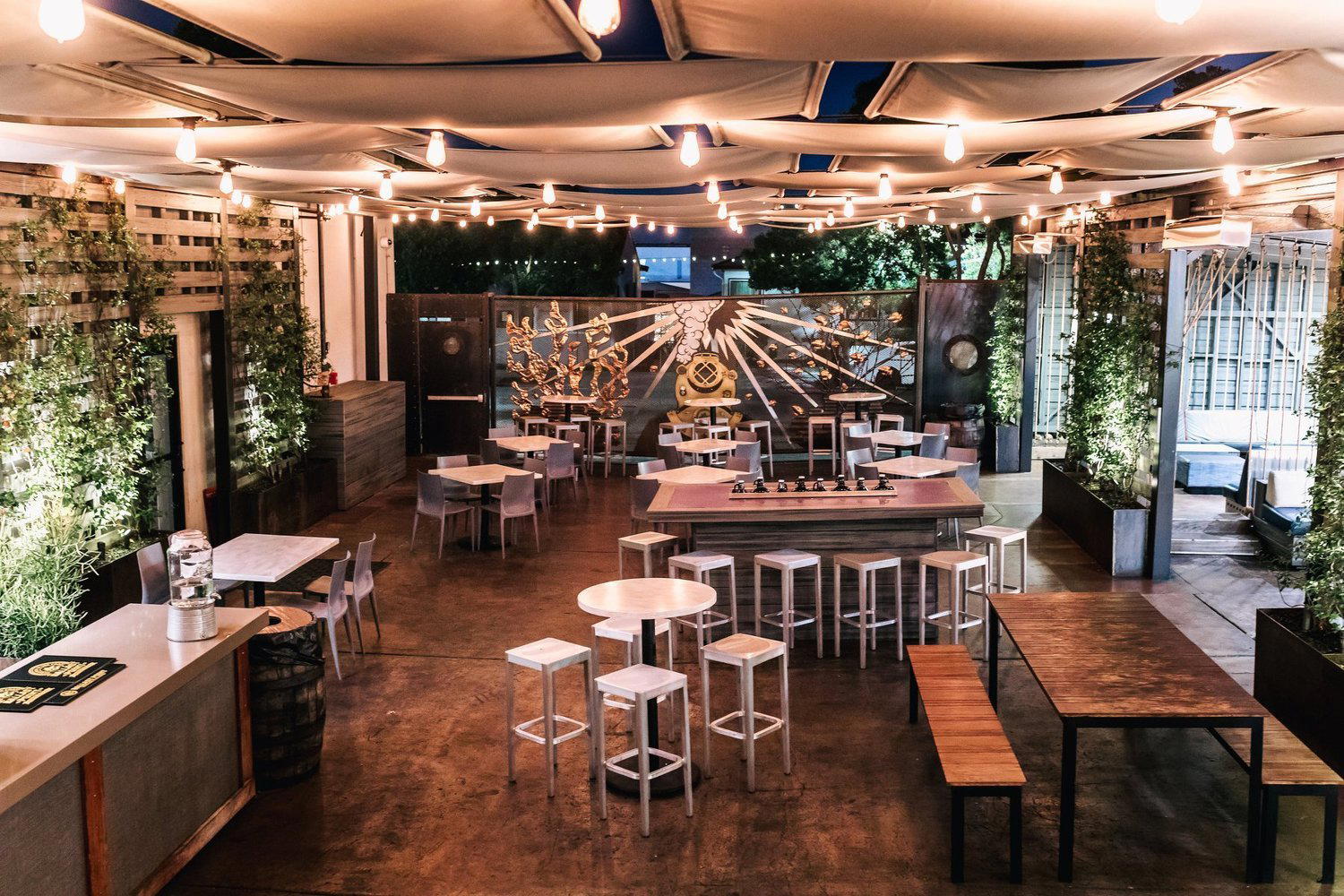
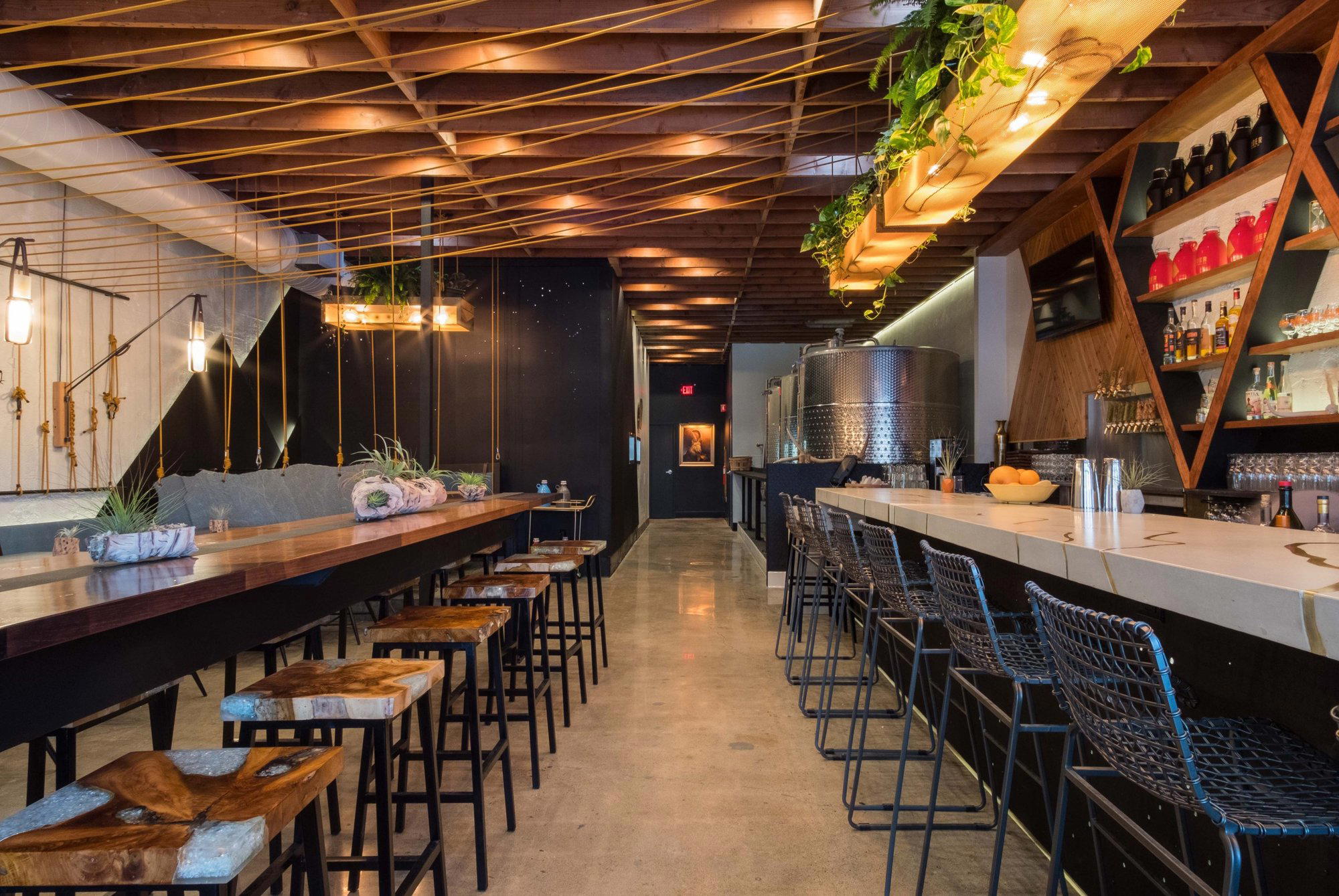
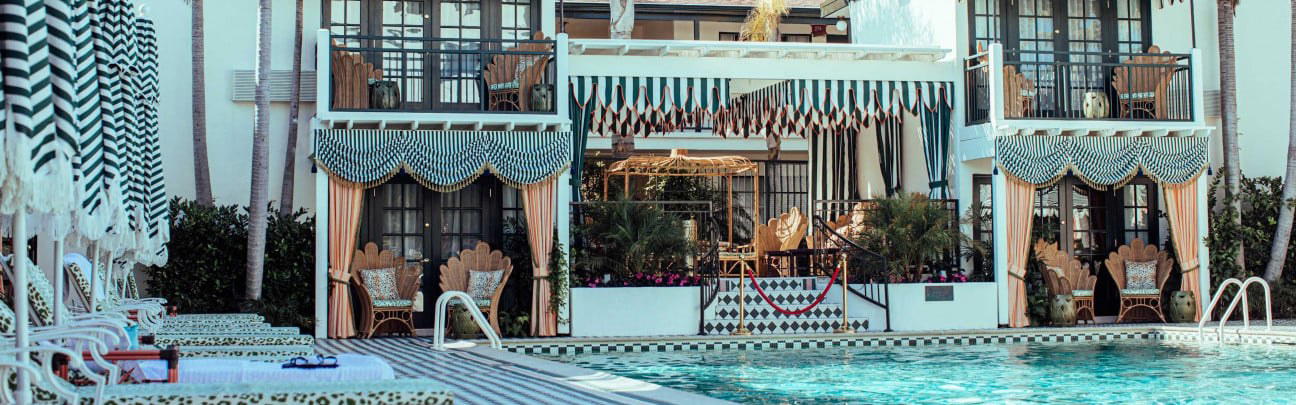
Charming and cozy atmosphere with indoor and outdoor seating immersing guests in Hillcrest's vibrant street scene.