Google: 4.7 · 242 reviews

A Michelin-starred creative restaurant set in a 17th-century parish house in Hallwang, just outside Salzburg, Pfefferschiff pairs bold, ingredient-driven cooking with a wine list weighted toward Austrian producers, including grapes from the Vignés' own Kamptal vineyard. Open Tuesday through Saturday evenings, with Saturday lunch service, it draws a focused audience willing to travel beyond the city centre for serious seasonal cooking.
 Discover on Pearl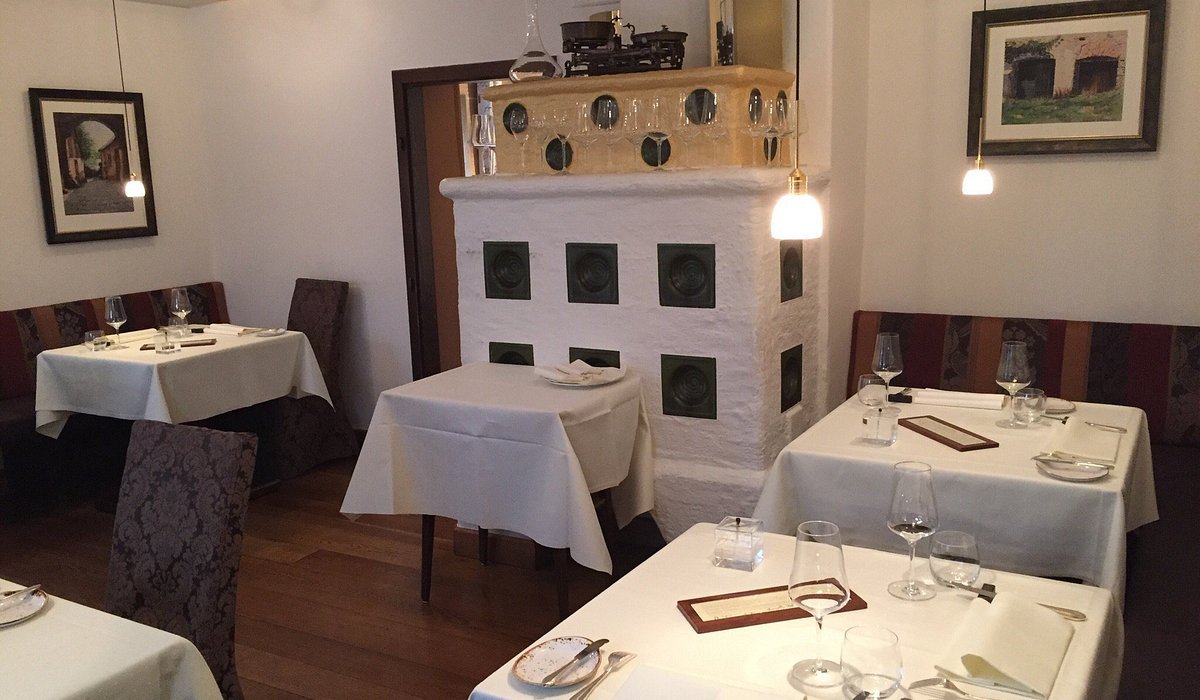
Outside the City Walls, Inside the Argument
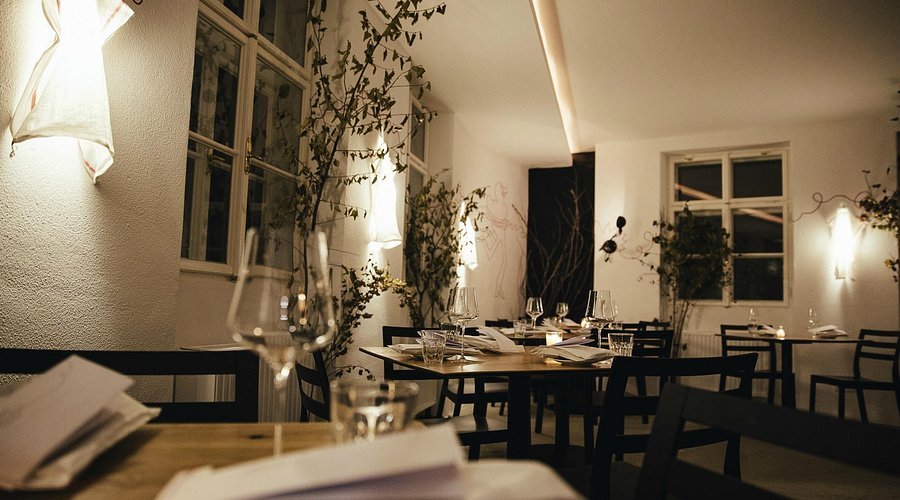
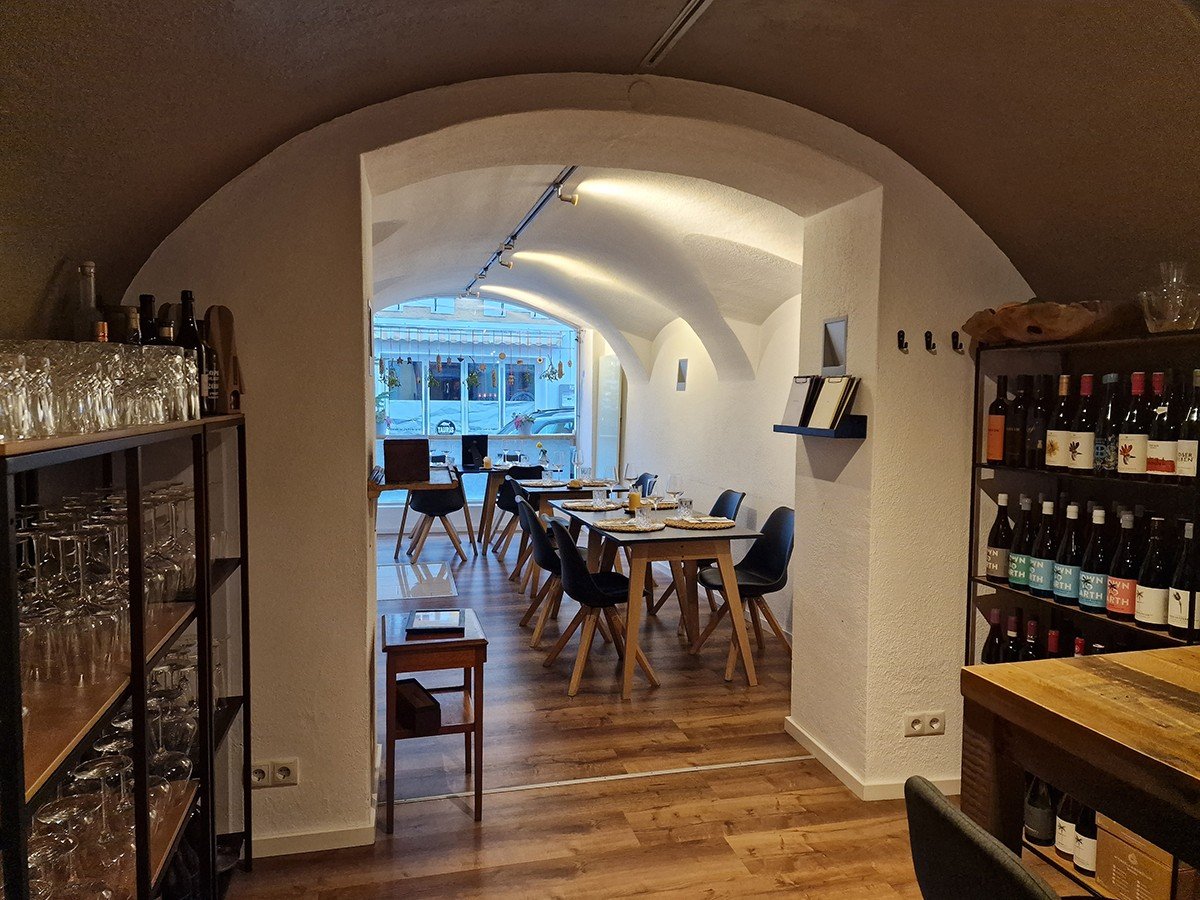
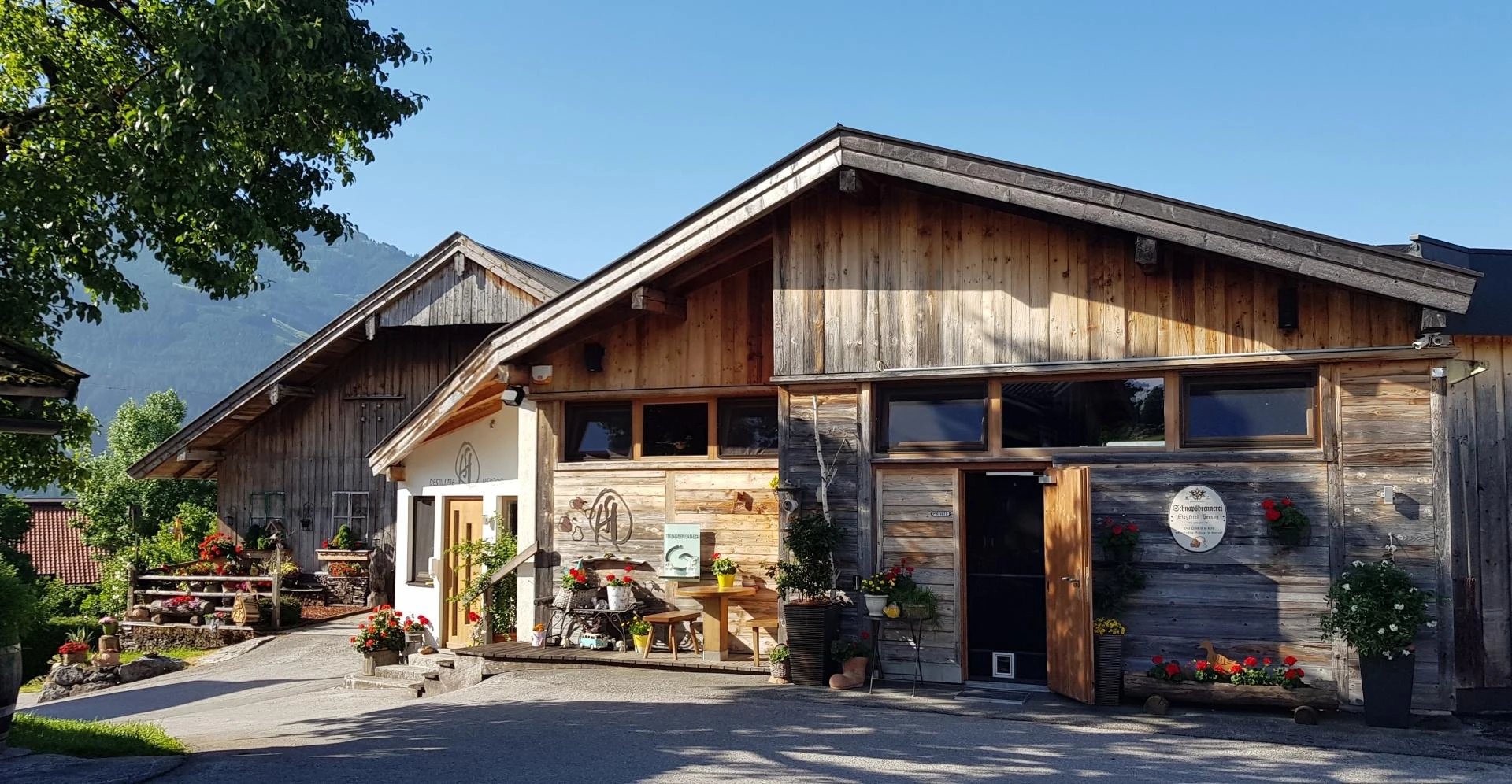
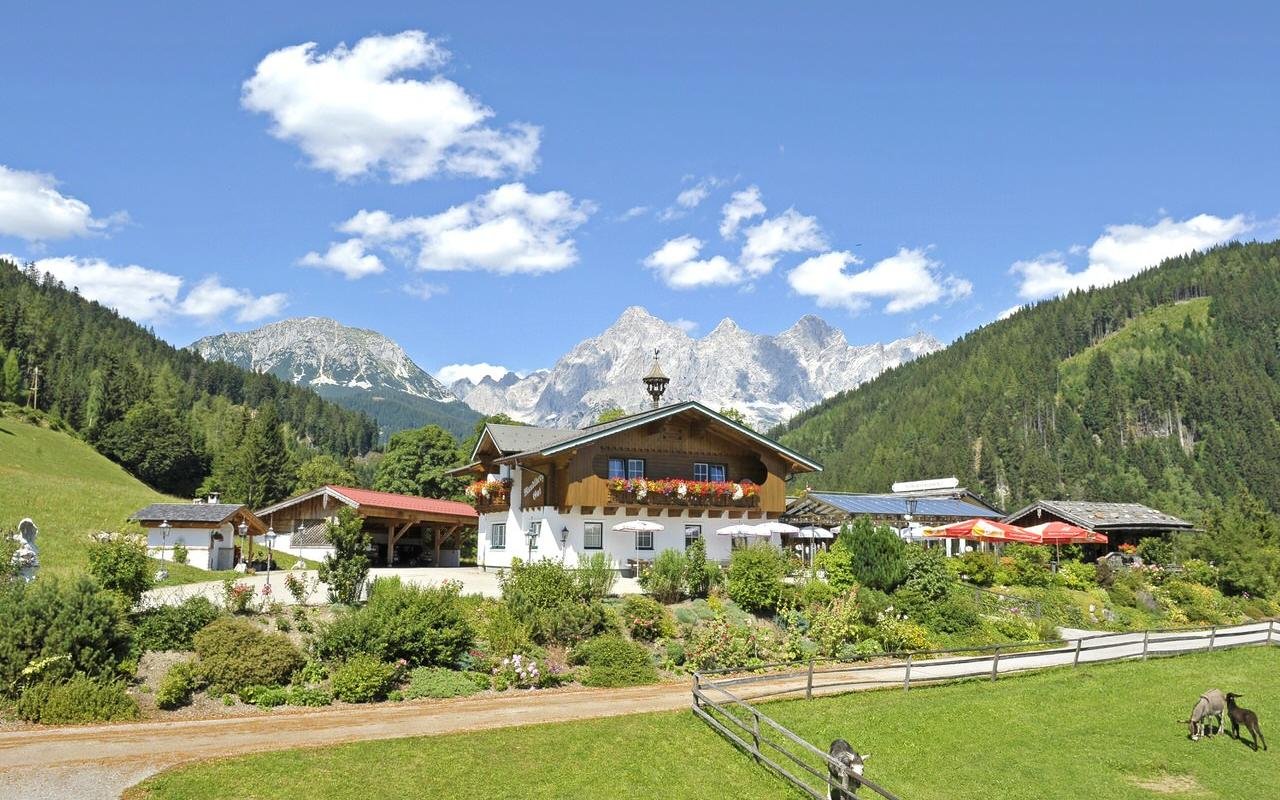
The road out of Salzburg toward Hallwang is one of those short drives that recalibrates expectations. Within ten minutes of the old town, the festival crowds and cobblestone theatrics fall away, replaced by the kind of quiet rural architecture that defines the Salzburg hinterland. Pfefferschiff occupies a 17th-century parish house in Söllheim, and the building makes its case before you open a menu: stone walls, a terrace that earns its keep in warmer months, and interior rooms that read as genuinely cosy rather than designed-to-seem-so. The scale is domestic, the atmosphere unhurried.
This is where Austria's more serious creative cooking tends to live. Not in hotel dining rooms or festival-district showpieces, but in converted historical buildings a short distance outside the centre, where the economics allow for tighter menus and longer attention spans. Döllerer in Golling an der Salzach and Obauer in Werfen follow a similar logic: remove the venue from the tourist gravitational pull and you attract a more deliberate kind of guest.
The Intersection of Local Produce and European Technique
Austria's creative fine dining tier has spent the last decade negotiating a productive tension: European classical technique — French-trained precision, Central European acidity and richness in balance, the structural confidence of long tasting menus — applied to ingredients that are resolutely regional. Pfefferschiff sits squarely in that tradition. The kitchen's approach prioritises direct sourcing relationships, with produce selection shaped by what is available rather than what a fixed seasonal calendar prescribes.
The practical result is a market menu of five courses that shifts with supply, alongside two set menus , one vegetarian , each running to five, seven, or eight courses depending on how far the guest wants to commit. This format, common across Austria's Michelin tier, reflects a broader confidence in letting the ingredient lead the structure. Esszimmer in Salzburg operates within a comparable framework, and Kräuterreich by Vitus Winkler in Sankt Veit im Pongau pushes the seasonal sourcing argument even further into its Alpine context.
What distinguishes the cooking at Pfefferschiff, per the Michelin assessment that awarded it a star in 2024, is the combination of inventive construction and technical discipline in handling contrasting elements. The documented example , foie gras terrine with cauliflower and passion fruit , places the kitchen in a specific European conversation: the kind of dish where classical luxury ingredients meet high-acidity tropical or cruciferous counterpoints, a format that Alléno Paris au Pavillon Ledoyen and Enrico Bartolini in Milan have each explored from their own national vantage points. At Pfefferschiff, the underlying materials remain local or Austrian where possible, with the technique doing the work of translation.
What the Wine List Tells You
A wine list focused on Austrian labels is a positioning statement as much as a practical decision. Austria's wine identity has shifted considerably since the 1980s scandal that effectively forced a quality reckoning on the industry, and what emerged was a tier of producers in Wachau, Kamptal, Kremstal, and the Burgenland who now draw serious international attention. Grüner Veltliner and Riesling from the Kamptal, in particular, have developed a critical reputation that makes a list weighted toward them a defensible editorial choice, not a default patriotic one.
The Vignés go further than curation: they cultivate their own vineyard in the Kamptal, which puts them in a small group of Austrian restaurateurs with direct production involvement. The line between kitchen sourcing philosophy and wine philosophy closes considerably when the same household grows grapes and chooses suppliers. This is worth noting when considering the menu pairing logic at the table: the connections between dish construction and wine selection are likely more intentional than they would be at a restaurant working purely from a purchased list.
For broader orientation across Austrian regional wine producers, our full Salzburg wineries guide covers the regional landscape in more detail.
The Salzburg Creative Tier in Context
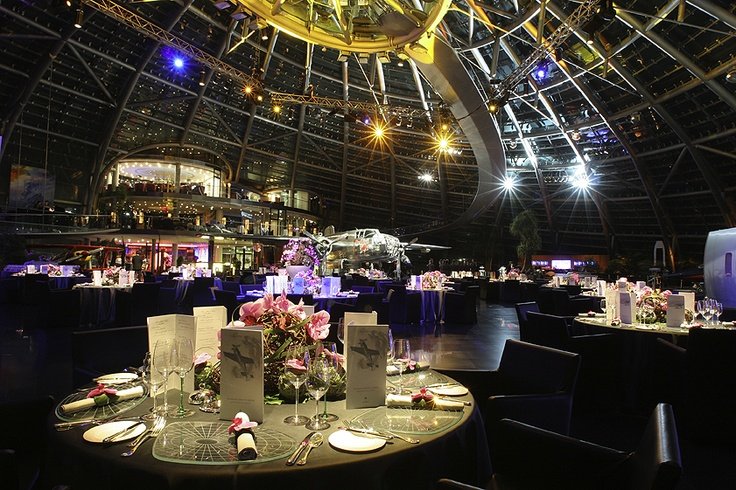
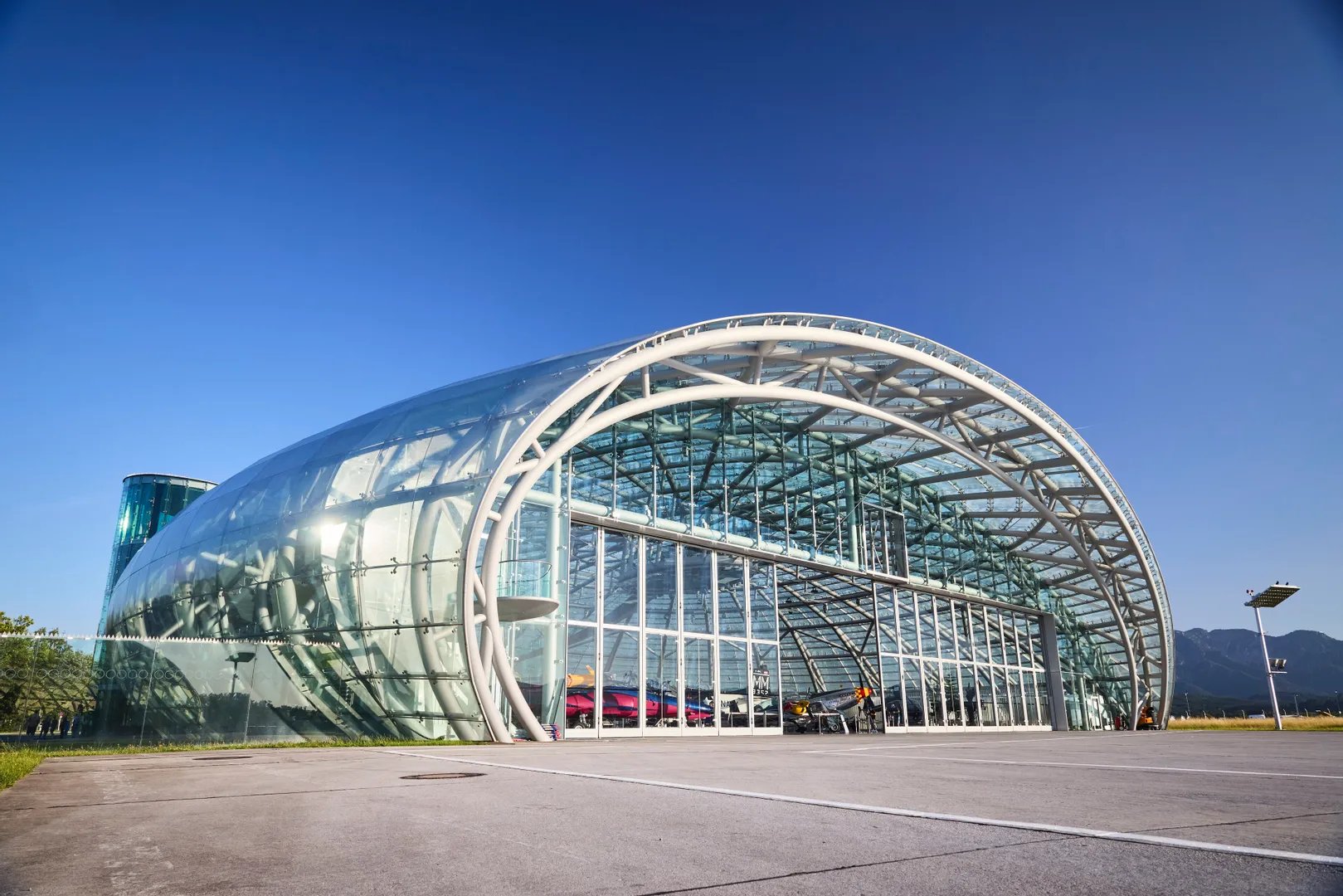
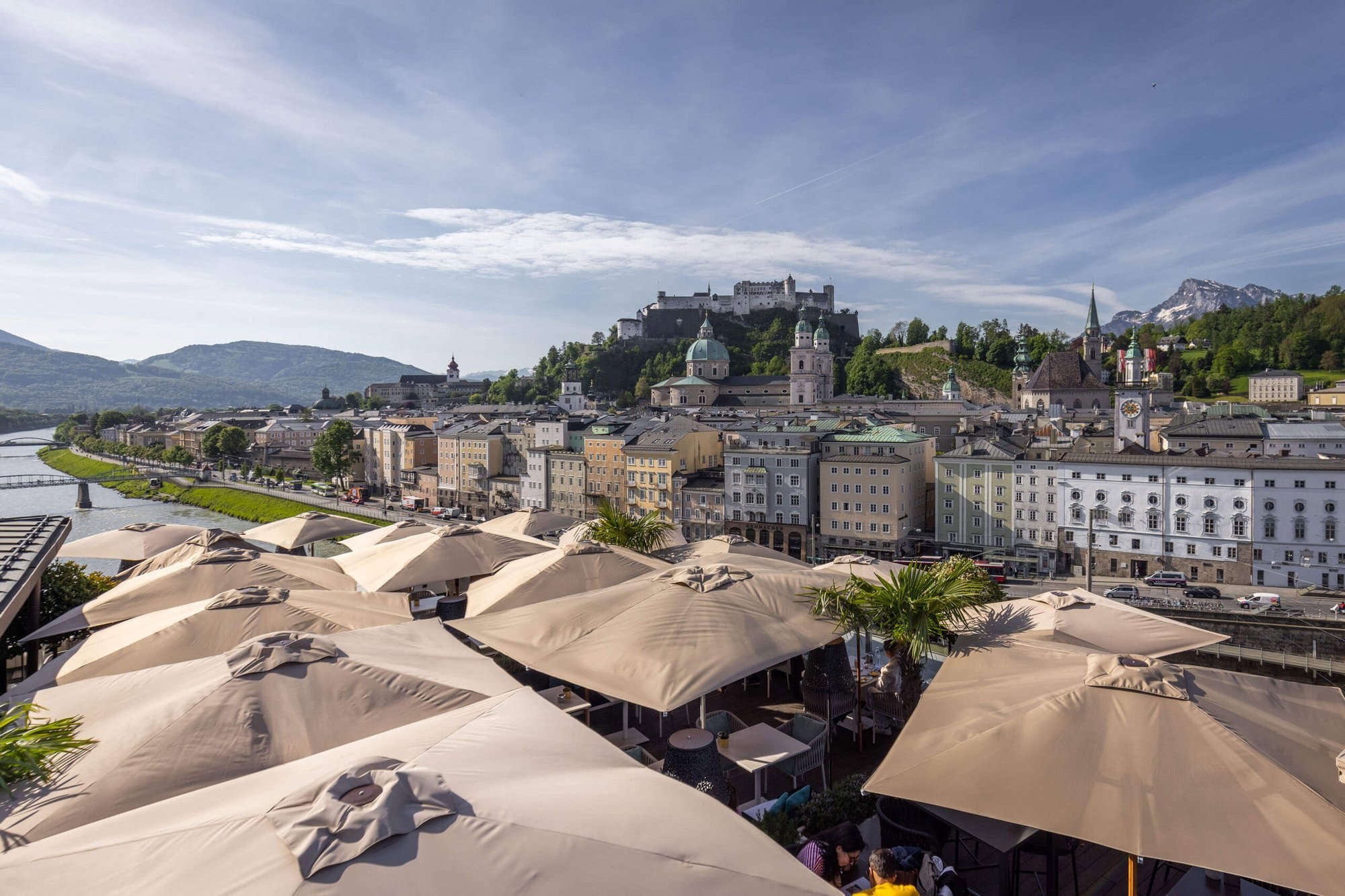
Salzburg's serious dining scene punches considerably above what its population size would predict. The festival calendar , above all the summer Festspielhaus programme , creates annual demand spikes from international visitors with high expectations, which over time has supported a tier of restaurants capable of competing with Vienna and the Alpine luxury belt. Ikarus at Hangar-7 occupies the most visible position in that tier, rotating visiting chefs through a format that is closer to a programme than a restaurant. Senns and The Glass Garden represent different points on the spectrum from Austrian classical to European creative. das Schrei occupies the more experimental end.
Pfefferschiff sits outside this city-centre grouping in every sense. The Hallwang address means it draws guests who have specifically chosen to leave the centre, which tends to filter for a more considered dining audience. The opening hours reinforce this: evenings Tuesday through Friday, with Saturday offering both lunch from midday and evening service. Sunday and Monday are closed. The late closing time of 1 AM is unusual for a fine dining property and suggests a house style that is comfortable with a long table rather than quick turns. At the price tier , €€€€, matching Ikarus and above Esszimmer's €€€ , the expectation is a full evening commitment.
For a wider read on where Pfefferschiff sits relative to the full range of options in the city, our full Salzburg restaurants guide provides the complete picture. If you are building a broader trip around the Salzburg region, Gourmetrestaurant Tannenhof in Sankt Anton am Arlberg and Griggeler Stuba in Lech represent the Alpine luxury dining tier at its most resolved. Nationally, Steirereck im Stadtpark in Vienna remains the reference point against which Austria's creative fine dining measures itself.
Hospitality as a Distinct Variable
The front-of-house dimension at restaurants like Pfefferschiff tends to be underweighted in food-focused coverage, but in a house of this scale it functions as a structural element of the experience. Iris Vigné's role in service creates the kind of continuity that larger operations with rotating floor teams cannot replicate. The Michelin documentation specifically notes the quality of welcome, which in Michelin's assessors' language is not a courtesy remark , it signals that the room dynamic materially affects the dining outcome. A Google rating of 4.7 across 235 reviews, while not a precise instrument, is consistent with that assessment: at this price point and remove from the centre, guests who make the journey tend to have definite views, and the aggregate score suggests those views are largely favourable.
Planning Your Visit
Pfefferschiff is located at Söllheim 3, 5300 Hallwang bei Salzburg , a short drive or taxi from the city centre, not walkable from the Altstadt. The restaurant is closed Sunday and Monday. Tuesday through Friday service begins at 6 PM, with the kitchen running to 1 AM; Saturday offers an additional lunch window opening at noon. Given the extended hours and the multi-course menu formats on offer, guests should plan for an unhurried evening rather than a quick dinner. The vegetarian menu runs alongside the standard set menu at the same course increments , five, seven, or eight courses , making it a substantive option rather than an afterthought. The market menu at five courses offers a lower-commitment entry point for first visits.
For accommodation close to the venue and broader Salzburg trip planning, our full Salzburg hotels guide, bars guide, and experiences guide cover the options.
Cost and Credentials
A compact comparison to help you place this venue among nearby peers.
| Venue | Price | Awards | Notes |
|---|---|---|---|
| Pfefferschiff | €€€€ | Michelin 1 Star | This venue |
| Ikarus | €€€€ | Michelin 2 Star | Modern European, Creative, €€€€ |
| Esszimmer | €€€ | Michelin 1 Star | Modern Austrian, Creative, €€€ |
| Senns | Michelin 2 Star | Austrian | |
| The Glass Garden | €€€ | Michelin 1 Star | Creative, €€€ |
| Animo by Aigner | €€ | Mediterranean Cuisine, €€ |
At a Glance
- Elegant
- Cozy
- Rustic
- Scenic
- Special Occasion
- Date Night
- Garden
- Historic Building
- Extensive Wine List
- Local Sourcing
- Garden
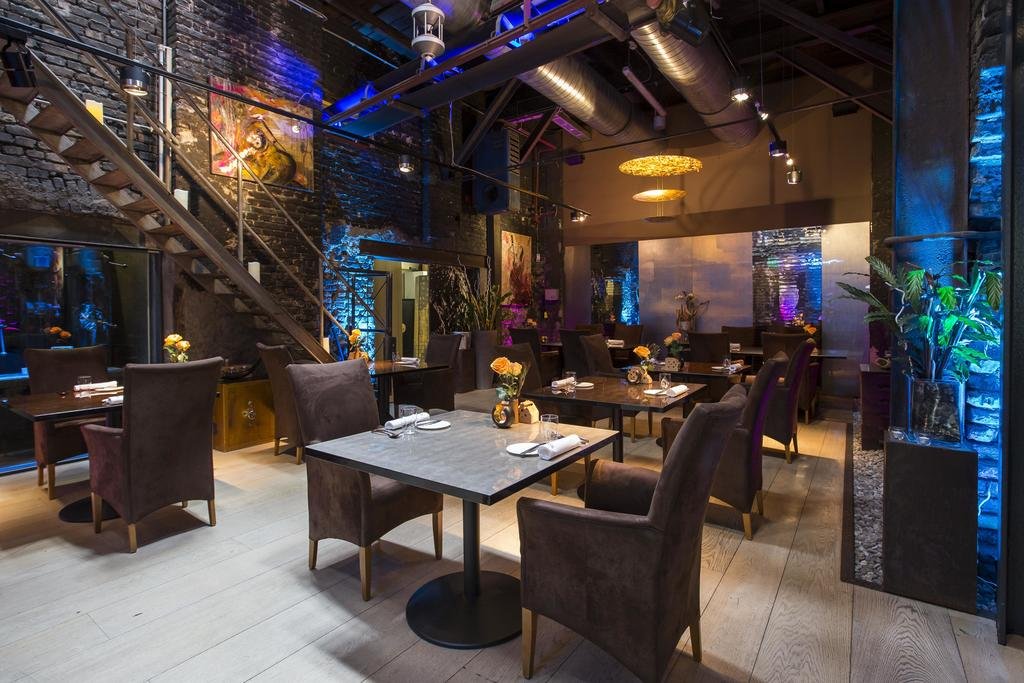
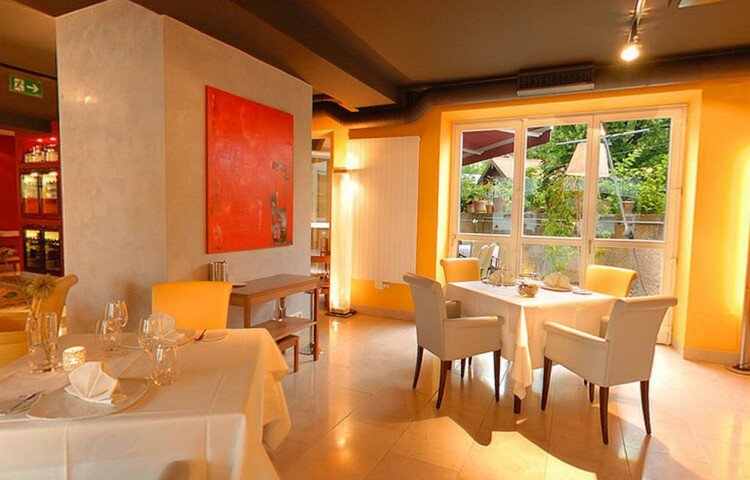
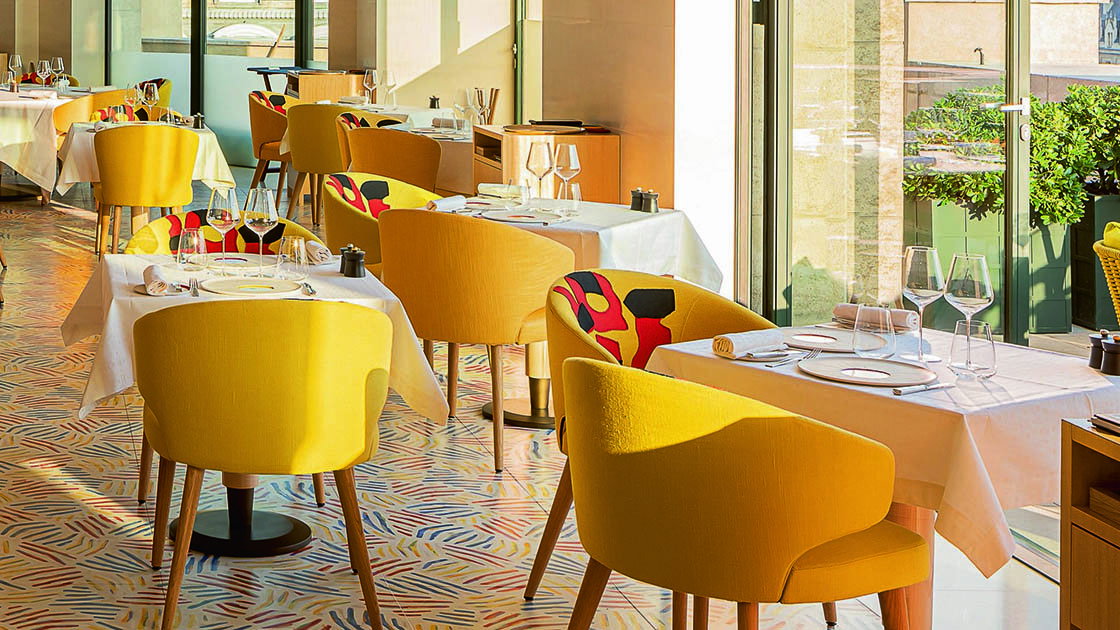
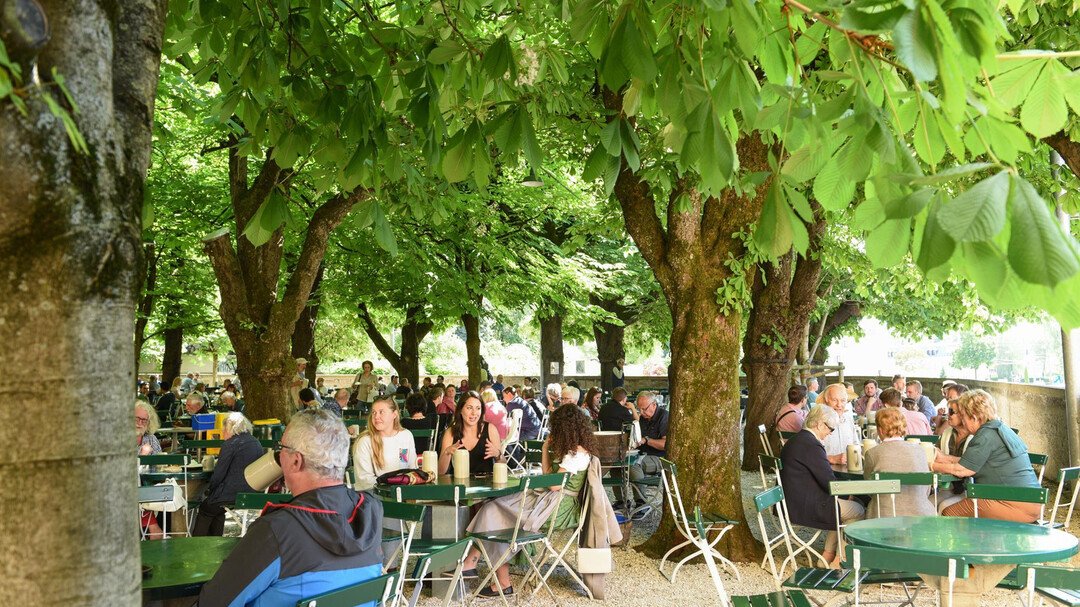
Rustic yet elegant parlours blending historic charm with modern art, complemented by a pretty garden terrace in summer