Paradiso Hi-Fi
Our verdict
On Pine Street in Burlington's South End arts district, Paradiso Hi-Fi occupies a creative corner where Vermont's seasonal larder meets a broader range of culinary influences. The venue draws a crowd that values both the music program and the kitchen's approach to local sourcing. Check the calendar before visiting, programming shifts with the season.

Pearl is the En Primeur Club membership app, where members save venues, book tables and use the concierge.
The menu
What to order
- Lobster_fagatonni
- Venison_tartare
- Fried_squash_blossoms
Pine Street and the South End Format
Burlington's South End has been running its own quiet experiment in what a small-city creative district can sustain. The corridor along Pine Street, once defined by warehouses and light industry, now holds galleries, breweries, and a cluster of hospitality operations that don't fit neatly into the restaurant or bar binary. Paradiso Hi-Fi, at 388 Pine St, sits in that hybrid tier: a venue where the sound system is as programmed as the food, and where the line between a dining night and a music night is deliberately blurred. In a city whose restaurant scene otherwise trends toward the traditional (see the Roman trattoria model at Bardō Brant, or the wood-fired focus at American Flatbread), this format occupies a distinct position.
That format matters because it shapes everything downstream: the pacing of a meal, the noise threshold, the kind of kitchen work that's practical when a DJ set is running in parallel. Venues structured this way, part cultural space, part food program, appear in most mid-sized American cities now, but the ones that hold are the ones where the kitchen doesn't treat its role as secondary. The calibration between audio programming and food quality is where these venues either find their identity or lose it.
Vermont's Seasonal Supply Chain as Editorial Context
Whatever the specific menu at Paradiso Hi-Fi on any given evening, the broader kitchen context in Burlington is shaped by one of the more genuinely productive local food systems in the northeastern United States. Vermont's agricultural density, dairy, root vegetables, heritage grains, foraged ingredients across four sharply differentiated seasons, gives kitchens here raw material that venues in larger markets often have to source from further afield. The parallel in American fine dining is visible at operations like Blue Hill at Stone Barns in Tarrytown or Single Thread Farm in Healdsburg, where the farm-to-kitchen pipeline is the editorial center of the whole project. Burlington's independent venues operate at a different price point and scale, but the ingredient access is structurally comparable.
This matters for how the EA-GN-15 lens applies here: the intersection of imported technique and local product is not just a branding position in Vermont, it's a practical reality imposed by what's available. Autumn harvest windows produce abundance (squash, alliums, apple varieties, cured meats); late winter produces scarcity that forces kitchens to think in terms of preserved, fermented, and aged ingredients. A kitchen operating on Pine Street in February is working with a fundamentally different set of inputs than the same kitchen in September. Visitors whose frame of reference is the more climate-stable sourcing environments of California restaurants, Addison in San Diego or Providence in Los Angeles, will notice that Vermont kitchens operate with sharper seasonal constraints and, often, more pronounced seasonal identity as a result.
The Hybrid Venue Model: What It Asks of the Kitchen
The cultural-venue-with-serious-kitchen format has a specific set of challenges that pure restaurant formats don't face. Menu complexity is bounded by service realities: when the room shifts from dinner mode to late-night programming, the kitchen's output window narrows and the audience changes. The venues that handle this successfully tend to build menus with a strong small-plates or sharing architecture, formats that hold at varying paces and don't require the orchestrated sequencing of a tasting menu. Contrast this with the kind of precise, coursed experience at Alinea in Chicago or Atomix in New York City, where the kitchen's control over timing is total. In a Hi-Fi context, flexibility is the operative value.
Burlington's existing comparable venues offer some reference points. Barra Fion works in a natural wine and small-plates register that has some formal overlap with what a venue like Paradiso Hi-Fi likely operates within. A Single Pebble, with its long-running Chinese-American format, and black & blue Steak and Crab sit in more conventional dining registers. What distinguishes the South End venues from Church Street operations is an implicit agreement with the audience about what the evening is for: discovery over formality, programming over service ritual.
Technique Import in a Local-Sourcing Context
The interesting tension in Burlington's kitchen culture isn't between local and global in terms of ingredients, it's in terms of technique. A kitchen working with Vermont dairy, foraged mushrooms, and heritage-breed proteins can apply preparations drawn from Japanese fermentation tradition, French charcuterie methodology, Korean banchan structure, or contemporary American wood-fire cooking. The ingredient is rooted; the method is portable. This is the same dynamic visible in how Le Bernardin in New York City applies classical French precision to product sourced globally, or how Emeril's in New Orleans built a signature around applying trained technique to Louisiana-specific supply. The scale is different; the structural logic is the same.
For a venue operating in a music-forward environment, the expression of that tension tends to show up in preserved and fermented preparations, items that can be made ahead, held well, and presented consistently across a variable service rhythm. Pickled vegetables, house-cured charcuterie, aged cheeses from Vermont producers, grain-based preparations using local wheat or rye: these are the categories where technique import and Vermont product most naturally converge, and where a kitchen in this format can build a genuine identity without requiring the split-second timing of a fine-dining line.
Planning a Visit
Paradiso Hi-Fi is located at 388 Pine St, Suite 2, in Burlington's South End, walkable from the Church Street core but positioned in the arts district rather than the retail strip, which affects both the crowd and the atmosphere. The South End is most active on weekend evenings and during the Art Hop in September, when foot traffic along Pine Street reaches its seasonal high point. Visitors arriving in summer will find the neighborhood at its most accessible; winter visits require more deliberate planning given Vermont's parking and weather conditions, but the indoor programming format means the season doesn't diminish the experience once you're inside. For a broader orientation to Burlington's dining options across neighborhoods and price points, the full Burlington restaurants guide covers the field. Specific hours, booking arrangements, and current programming should be confirmed directly with the venue before visiting, as these details shift with the event calendar. The French Laundry in Napa and The Inn at Little Washington represent the advance-reservation end of the American dining spectrum; Paradiso Hi-Fi operates in a format where the evening's character is more fluid and drop-in culture may apply, though confirming current policy directly is advisable. Equally, Lazy Bear in San Francisco offers a useful contrast: a venue that built a communal, event-style dining format into a permanent kitchen program, the conceptual lineage that Vermont's hybrid venues draw from, even at a fraction of the scale.
Frequently asked questions
Is Paradiso Hi-Fi better for a quiet night or a lively one?
The hybrid format at 388 Pine St, Suite 2 shifts depending on the evening's programming. When a live set or DJ night is scheduled, the room tips toward high energy; off-night visits to Burlington's South End arts corridor tend to run quieter. Checking the calendar before arriving will tell you more than any blanket description of the atmosphere.
Where exactly is Paradiso Hi-Fi?
Paradiso Hi-Fi is located at 388 Pine St Suite 2, Burlington, VT 05401, Burlington.
What kind of venue is Paradiso Hi-Fi in Burlington's South End arts district?
Paradiso Hi-Fi sits at 388 Pine St, Suite 2, placing it inside Burlington's South End creative corridor rather than the downtown Church Street core. The venue operates as a hybrid format that pairs a music or social programming offer with a kitchen component, a model that requires the kitchen to function within event-night constraints. That context shapes everything from menu scope to service pacing, making it a different proposition from Burlington's standalone restaurant options.
What's the signature dish at Paradiso Hi-Fi?
Burlington's South End venues in this format generally keep menus tight and rotation-led rather than anchored to a single signature plate. Visiting the venue directly or checking their current programming will give the clearest picture of what's on.
Do they take walk-ins at Paradiso Hi-Fi?
For event nights in Burlington's South End, capacity tends to be managed at the door, so arriving early is a reasonable hedge. Contacting the venue directly before a visit is the most reliable approach.
What is Paradiso Hi-Fi known for?
Paradiso Hi-Fi operates within Burlington's Pine Street arts corridor, a South End stretch that has built a reputation for sustaining independent creative businesses at scale unusual for a city of Burlington's size. The venue's name signals a deliberate pairing of sound culture and hospitality, positioning it within the hybrid music-and-kitchen format that has defined the more interesting end of Vermont's small-city scene. It draws from that Pine Street identity as much as from any single kitchen or programming concept.
Comparable Venues
Comparable venues nearby, for context on price, style, and recognition.
| Venue | Cuisine | Price | Awards | Notes |
|---|---|---|---|---|
| Paradiso Hi-FiThis venue (the venue you are viewing) | Modern American Small Plates | $50–100 | Not listed | Not listed |
| Burlington Beer Company | Craft Beer Gastropub | $20–30 | Not listed | South End |
| Bluebird Barbecue | Regional American Barbecue | $30–50 | Diners, Drive-Ins and Dives Featured Restaurant | Riverside |
| Honey Road | Eastern Mediterranean Mezze | $50–100 | James Beard Award Semi Finalist | Church Street Marketplace |
| May Day | Seasonal American Small Plates | $30–50 | James Beard Award Semi Finalist | Old North End |
| Sorella | Modern Tuscan Italian | Not listed | Star Wine List | The District |
Continue exploring
More in Burlington
Restaurants in Burlington
All restaurants in Burlington →
Bars in Burlington
Browse all →
Details
- Modern
- Intimate
- Sophisticated
- Trendy
- Date Night
- Casual Hangout
- After Work
- Live Music
- Design Destination
- Standalone
- Craft Cocktails
- Beer Program
- Local Sourcing
- A La Carte
- Small Plates
- Cocktails
- Beer
- Wine
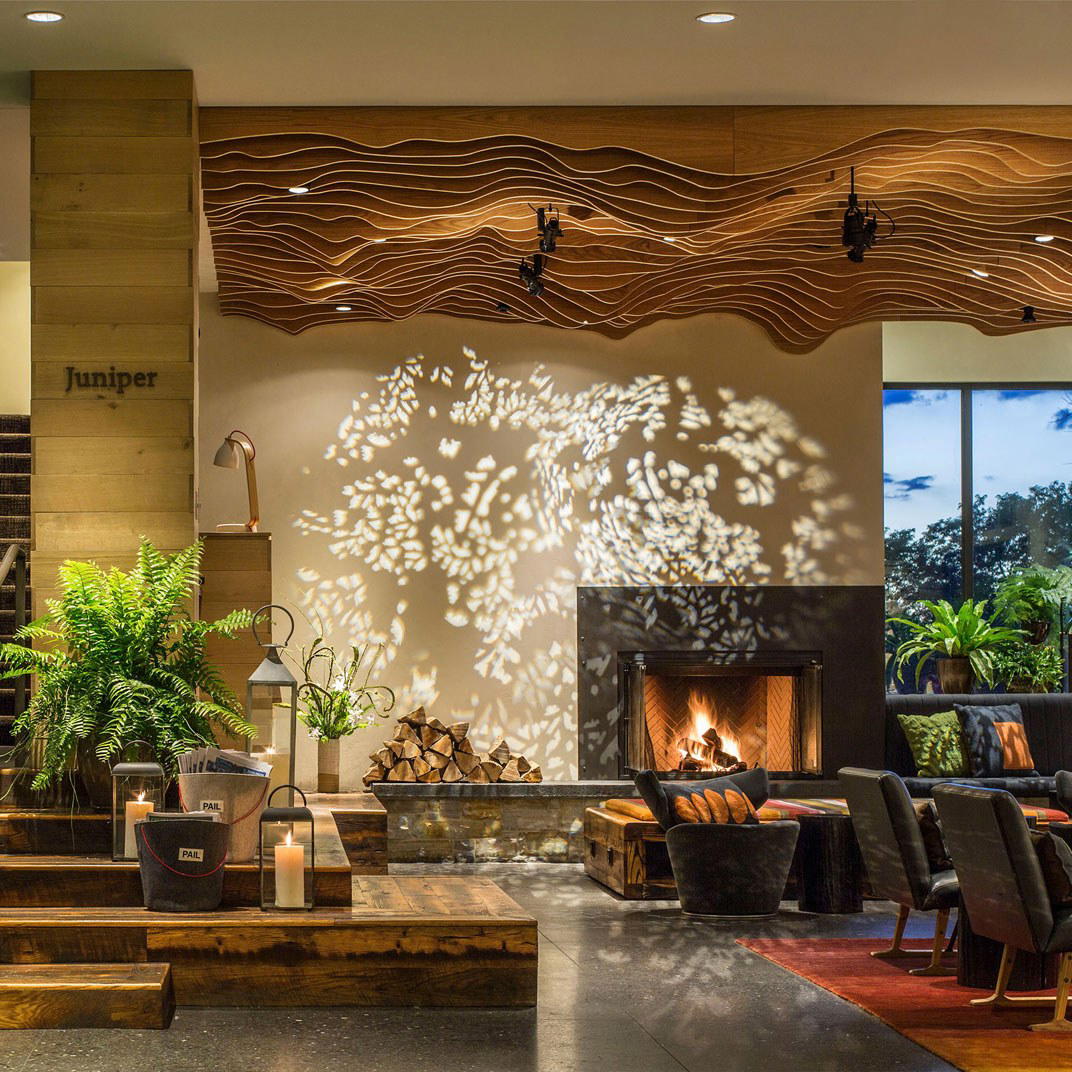
A highly designed, magnetic listening lounge with a refined, conversational atmosphere and warm, intimate energy.