American Flatbread
Our verdict
American Flatbread on St Paul Street occupies a particular corner of Burlington's dining scene where wood-fired craft and local sourcing intersect. The flatbreads are built around Vermont farm ingredients and fired in a wood-burning hearth, making it one of the more ingredient-transparent options in a city that has embraced farm-to-table dining with genuine commitment. A reliable choice for the kind of casual-serious meal Burlington does well.

Pearl is the En Primeur Club membership app, where members save venues, book tables and use the concierge.
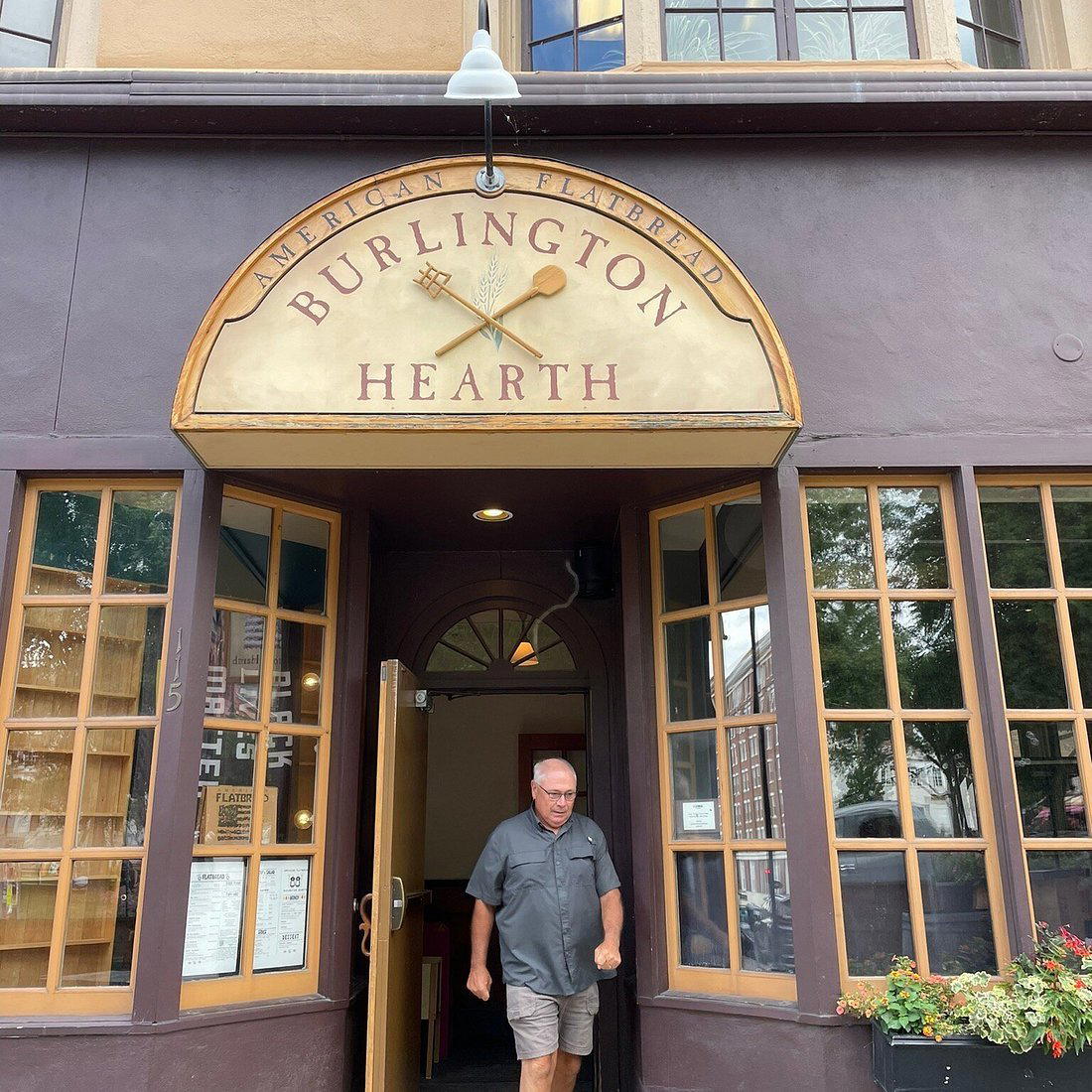
Wood, Fire, and the Vermont Supply Chain
Burlington has developed one of the more coherent farm-to-table dining cultures in the American Northeast, and American Flatbread at 115 St Paul Street sits squarely within that tradition. The wood-fired hearth format here is not decorative. It is the organizing principle of the menu, and what goes into that hearth reflects a deliberate sourcing logic that connects the kitchen to Vermont's agricultural producers more directly than most casual restaurants attempt. In a city where local sourcing is often claimed and rarely documented, the flatbread model enforces a kind of ingredient discipline: the toppings are what Vermont farms can reliably supply, and the format does not hide behind elaborate technique when the ingredient needs to do the work.
The broader context matters. American farm-to-table dining has split into two recognizable streams. On one end, you have destination-format restaurants, the kind represented nationally by operations like Blue Hill at Stone Barns in Tarrytown or Single Thread Farm in Healdsburg, where sourcing is dramatized across multi-course tasting menus at significant price points. On the other, there is a quieter and arguably more democratic version of the same principle: simple formats with short ingredient lists where provenance is legible in every bite. American Flatbread belongs to the latter category, and that positioning is part of what gives it staying power in a college city with a year-round local population that eats out with some regularity.
What the Wood-Fired Format Demands
Wood-fired cooking imposes constraints that most kitchens avoid. Temperature control is less precise than gas or electric. Recovery time between batches is longer. The flavor profile of the fire itself becomes part of the dish, which means the ingredients have to hold up to that smokiness without being overwhelmed. Flatbread, as a format, is well-suited to these constraints because the dough acts as both structure and canvas, and the topping quantities are disciplined by the physics of the format. You cannot pile a flatbread the way you might load a pizza with toppings that release excessive moisture; the fire will expose any ingredient that cannot perform under those conditions.
This is why the sourcing logic matters structurally, not just philosophically. Locally grown vegetables harvested at the right stage of ripeness and used quickly behave differently under heat than produce that has traveled thousands of miles and spent days in refrigerated transport. Vermont's short growing season concentrates its agricultural calendar, and kitchens that commit to local supply chains have to be responsive to what is actually available each week. That responsiveness shows up on the plate in ways that are harder to achieve with a fixed, year-round menu of globally sourced ingredients.
Burlington's dining scene has room for this kind of operation alongside more format-intensive restaurants. Barra Fion works within a different culinary tradition, and A Single Pebble occupies a distinct register with its Chinese cooking. American Flatbread is neither of those things. It is a wood-fired casual restaurant where the ingredient sourcing is the main editorial point of the menu, and where the format keeps everything else honest.
Burlington's Appetite for This Kind of Eating
Vermont has an agricultural identity that predates the national farm-to-table trend by decades. Dairy farming, apple orchards, maple syrup production, and a network of small vegetable farms have shaped the state's food culture from the ground up. Burlington, as the state's largest city and its cultural and commercial hub, sits at the center of that network. The Church Street area and the surrounding blocks have accumulated a range of restaurants that reflect this agricultural inheritance with varying degrees of seriousness, from operations where local sourcing is a marketing line to ones where it genuinely dictates what appears on the menu and when.
American Flatbread's address on St Paul Street places it in a walkable part of downtown Burlington with solid foot traffic from the University of Vermont community, Church Street retail, and the wider residential neighborhood. The format, casual and communal in the way that flatbread restaurants tend to be, fits that demographic mix. It is not a tasting-menu destination of the sort you would compare to Smyth in Chicago or Atomix in New York City, and it does not try to be. It sits in the tier of restaurants where the food is taken seriously but the format stays accessible, which is a tier Burlington supports well given its year-round population of students, academics, and long-term residents who eat locally as a matter of habit rather than occasion.
For comparison within Burlington, Bluebird Barbecue occupies a similarly casual-serious position in the city's dining landscape, as does Bardō Brant in its own format. The shared quality across these options is a Burlington preference for places that do one thing with genuine commitment rather than broad menus with thin execution. American Flatbread fits that preference, with wood-fired flatbread as the single organizing format and local sourcing as the reason that format makes sense here specifically.
Planning Your Visit
American Flatbread is located at 115 St Paul Street in downtown Burlington, within walking distance of Church Street and the waterfront district. The format, like most flatbread and pizza-adjacent operations, tends to run at a casual pace that suits both early-evening dinners and later arrivals. Burlington's dining scene is active enough on weekends that arriving without a reservation carries some risk, particularly during the University of Vermont academic calendar when foot traffic spikes. Visitors exploring the broader Burlington restaurant scene should consult our full Burlington restaurants guide for context on where American Flatbread sits relative to the city's wider options, from black and blue Steak and Crab on the steakhouse end to lighter, more vegetable-forward options in the Church Street corridor.
Frequently asked questions
Is American Flatbread suitable for children?
Wood-fired flatbread translates well to younger diners, and the format at 115 St Paul Street in Burlington is generally relaxed enough to accommodate families. The communal, casual approach to dining here sits closer to a neighborhood pizzeria than a formal restaurant, which tends to work in parents' favor. That said, confirm current seating arrangements before arriving with a group.
Is American Flatbread better for a quiet night or a lively one?
American Flatbread on St Paul Street draws a cross-section of Burlington locals, and the energy tracks with the night of the week. Weekends in a walkable downtown corridor, Church Street and the waterfront are both nearby, tend to bring fuller rooms and more noise. If a quieter dinner is the goal, earlier weeknight seatings are the more reliable option.
How does American Flatbread source its ingredients, and does that vary by season?
American Flatbread operates within Burlington's farm-to-table network, drawing on Vermont's documented agricultural output: dairy farms, apple orchards, maple producers, and regional grain growers. Vermont's farm supply is seasonal by nature, which means the flatbread menu shifts as the local harvest does rather than holding to a year-round roster. This direct sourcing model predates the national farm-to-table trend that caught up to Vermont much later. For the most current sourcing detail, contact the St Paul Street location directly.
What's the signature dish at American Flatbread?
The wood-fired flatbread is the core format of the entire menu, built around Vermont-sourced ingredients and the constraints of open-fire cooking. The specific flatbread combinations rotate with the regional supply chain rather than following a fixed menu, so what anchors a visit one season may shift the next. That variability is the point: the oven and the farm determine what lands on the table.
Where is American Flatbread in Burlington?
American Flatbread is located at 115 St Paul St, Burlington, VT 05401, Burlington.
Can I walk in to American Flatbread?
American Flatbread at 115 St Paul Street sits in a walkable section of downtown Burlington, making it a natural stop without advance planning on slower nights. Demand rises sharply on weekends given the location near Church Street, so walk-in availability becomes less predictable then. Calling ahead or arriving early in the service window improves your odds considerably.
Side-by-Side Snapshot
| Venue | Cuisine | Price | Awards |
|---|---|---|---|
| American FlatbreadThis venue (the venue you are viewing) | Wood-Fired Artisan Flatbread Pizza | $20–30 | Not listed |
| Cafe Escadrille | Classic American Seafood | $30–50 | Star Wine List · Wine Spectator Best of Award of Excellence |
| Isabelle | Modern Mediterranean with Middle Eastern influences | $50–100 | Star Wine List · Wine Spectator Award of Excellence |
| Sorella | Modern Tuscan Italian | Not listed | Star Wine List |
| Bardō Brant | American Pizza and Comfort Food | $30–50 | Not listed |
| Barra Fion | Spanish Tapas & Share Plates | $30–50 | Not listed |
Continue exploring
More in Burlington
Restaurants in Burlington
All restaurants in Burlington →
Bars in Burlington
Browse all →
Details
- Cozy
- Rustic
- Lively
- Casual Hangout
- Family
- Group Dining
- Open Kitchen
- Live Music
- Beer Program
- Farm To Table
- Organic
- Local Sourcing
- A La Carte
- Beer Program
- Vegetarian Friendly
- Vegan Options
- Gluten Free Options
Current opening hours
- Monday
- 11:30 AM–10 PM
- Tuesday
- 11:30 AM–10 PM
- Wednesday
- 11:30 AM–10 PM
- Thursday
- 11:30 AM–10 PM
- Friday
- 11:30 AM–11 PM
- Saturday
- 11:30 AM–11 PM
- Sunday
- 11:30 AM–10 PM
Hours can change for holidays and private events. Hours as of .
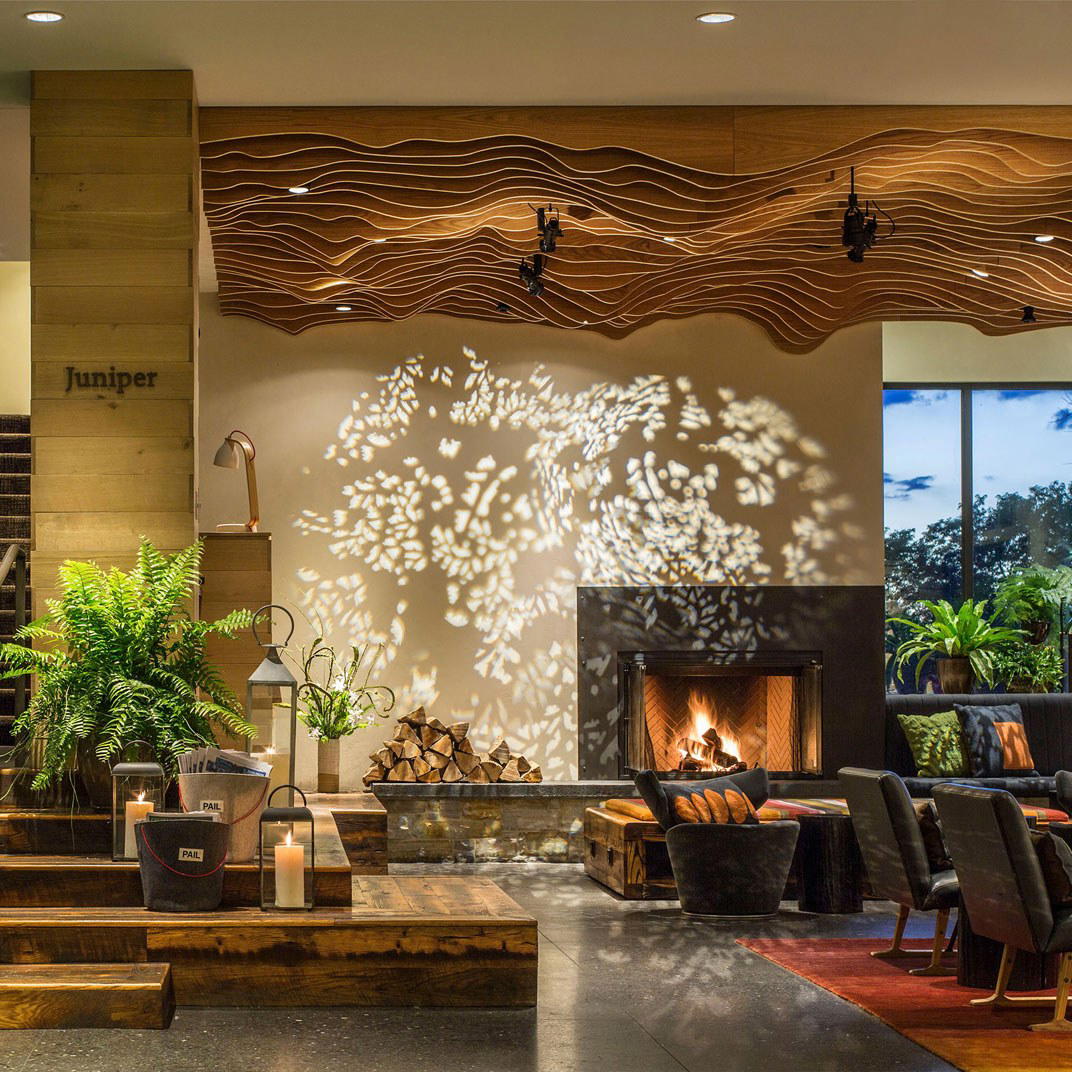
Cozy hearth atmosphere with warm wood-fired oven lighting and a welcoming community vibe.