Plane Food
At Heathrow Terminal 5, Plane Food operates in a category most airport dining never attempts: a sit-down restaurant designed for travellers who want a proper meal before or between flights. The room draws a steady population of frequent flyers who have learned to factor it into their transit time, treating it less as a stopgap and more as a reliable pre-departure ritual.
 Discover on Pearl
Pearl is the En Primeur Club membership app — saves, bookings, and concierge access live there. Same editors, same standards.
- Address
- Heathrow Airport, Terminal 5, Western Perimeter Rd, London TW6 2GA, United Kingdom
- Phone
- +44 20 8897 4545
- Website
- gordonramsayrestaurants.com
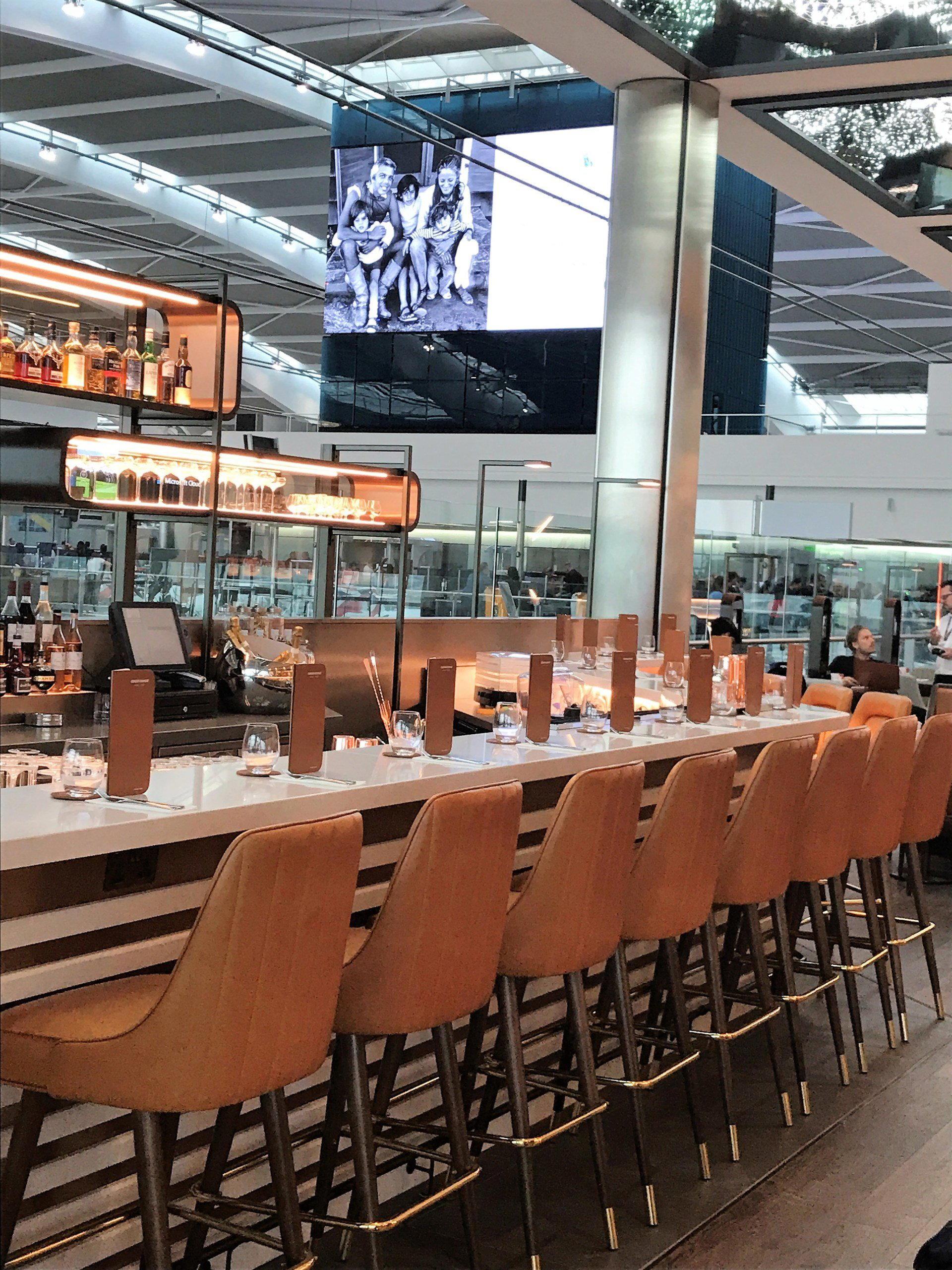
Terminal Dining, Taken Seriously
Most airport restaurants exist to capture distracted passengers with nowhere else to go. Plane Food is a restaurant at Heathrow Airport, Terminal 5, London, serving Modern British Airport Dining at about $35 per person. The more interesting question is what happens when a restaurant in an airport decides to compete on food rather than location. At Heathrow Terminal 5, Plane Food occupies that more demanding position, a full-service dining room inside one of the world's busiest international terminals, where the clientele is not a captive audience so much as a self-selecting one. The travellers who eat here tend to return, and their loyalty says something about what the restaurant has managed to build in a context where most operators settle for mediocrity.
Terminal 5 handles a disproportionate share of Heathrow's long-haul British Airways traffic. That means the dining room sees a consistent population of transatlantic and intercontinental travellers, people flying to New York to eat at Le Bernardin or Atomix, or arriving back from destinations where restaurant standards are high. Plane Food sits in front of that audience every day, which creates a pressure that most airport operators never face: the guests actually know what good food tastes like.
What the Regulars Have Figured Out
Regulars at Plane Food have generally worked out a few things that first-timers miss. Airport dining at this level is most useful when you treat it as a proper meal slot rather than a fallback. Regulars typically book ahead rather than walking in, which allows them to control their timing around departure gates and security. The rhythm of Terminal 5 means that certain windows, mid-morning for long-haul departures, early afternoon for transatlantic connections, tend to fill the dining room with a more settled crowd than the frantic pre-boarding rush.
Repeat visits speak to something consistent in the kitchen's output. In a city where the conversation about Modern British cooking tends to cluster around restaurants like CORE by Clare Smyth, The Ledbury, and Dinner by Heston Blumenthal, Plane Food is not competing in that tier. What it offers instead is a different kind of reliability: a kitchen that performs consistently in conditions, high volume, constrained logistics, compressed service windows, that would expose inconsistency fast. For frequent flyers who pass through T5 multiple times a year, that consistency becomes the point.
Airport Dining in Context
Category of serious airport dining is small globally. Most terminals, even in major hubs, default to branded fast-casual formats or mid-market chain restaurants where the only differentiator is the gate number outside. The airports that have managed to cultivate genuinely good sit-down dining tend to share a common factor: long-haul terminal traffic heavy enough to support a clientele with both the budget and the appetite for a proper meal. Heathrow T5 has those conditions in quantity.
Plane Food sits in a different competitive bracket from the £££-and-above restaurants that define London's serious dining scene. It is not in the same conversation as Restaurant Gordon Ramsay or Sketch, The Lecture Room and Library, nor should it be. Its comparable set is the small group of airport restaurants internationally that have managed to convert transient traffic into genuine regulars. That is a harder thing to do than it sounds, and the restaurants that manage it tend to share a focus on execution over ambition: menus calibrated to what can be delivered well under terminal conditions, service paced to the specific rhythm of pre-flight anxiety, and enough consistency that a traveller who ate well six months ago can reasonably expect the same result today.
For London dining more broadly, Plane Food reflects how the city's food culture has made its way into airport infrastructure. The same appetite for quality that supports restaurants like The Ledbury in Notting Hill has, over time, raised expectations at the airport level too. Travellers arriving at Heathrow and heading elsewhere in the UK, perhaps to The Fat Duck in Bray, L'Enclume in Cartmel, Moor Hall in Aughton, Gidleigh Park in Chagford, Hand and Flowers in Marlow, or Le Manoir aux Quat' Saisons in Great Milton, bring those same expectations through the terminal. Plane Food is one of the few airport restaurants positioned to meet them at the door.
Planning Your Visit
Plane Food is located airside in Heathrow Terminal 5, accessible after security on the Western Perimeter Road. The restaurant serves departing passengers and is most accessible to travellers on British Airways flights from T5. Reservations: Booking ahead is recommended, particularly during peak long-haul departure windows in the morning and early afternoon, walk-ins are possible but not guaranteed. Location: Heathrow Airport, Terminal 5, Western Perimeter Rd, London TW6 2GA. Access: Available to passengers who have cleared T5 security; allow sufficient time to reach your gate after dining.
City Peers
Comparable venues nearby, for context on price, style, and recognition.
| Venue | Cuisine | Price | Notes |
|---|---|---|---|
| Plane FoodThis venue — the venue you are viewing | Modern British Airport Dining | $$$ | |
| Boundary | Modern British Brasserie | $$$ | Bethnal Green |
| Brook House | Modern British Gastropub | $$$ | Parsons Green |
| Harvey Nichols | British Cafe | $$$ | Belgravia |
| Petersham | Modern British Fine Dining | $$$ | Richmond |
| The Swan | Modern British Gastropub | $$$ | Acton Green |
Continue exploring
More in London
Restaurants in London
Browse all →
Bars in London
Browse all →
Hotels in London
Browse all →
At a Glance
- Modern
- Elegant
- Business Dinner
- Casual Hangout
- Open Kitchen
- Hotel Restaurant
- Craft Cocktails
- Street Scene
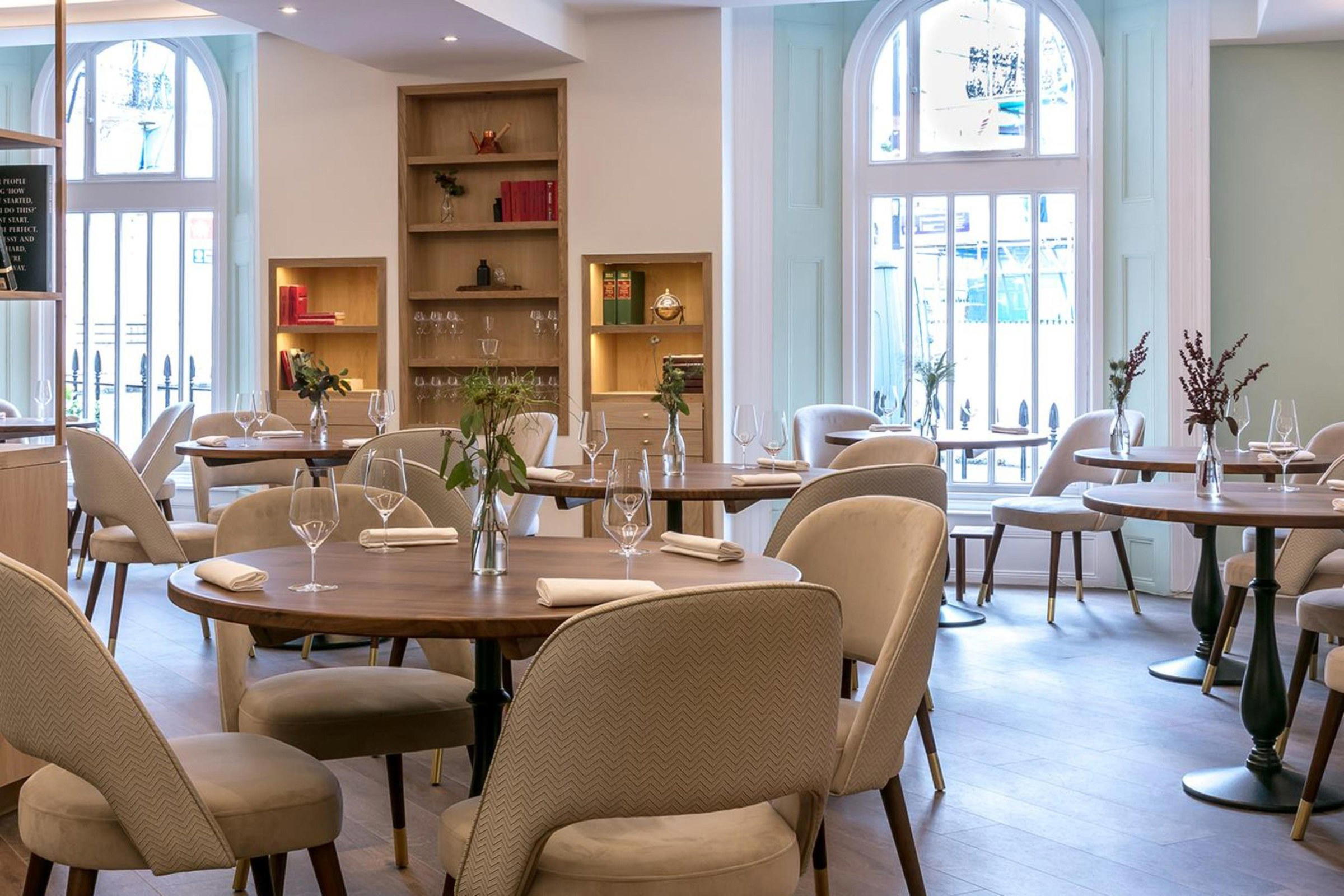
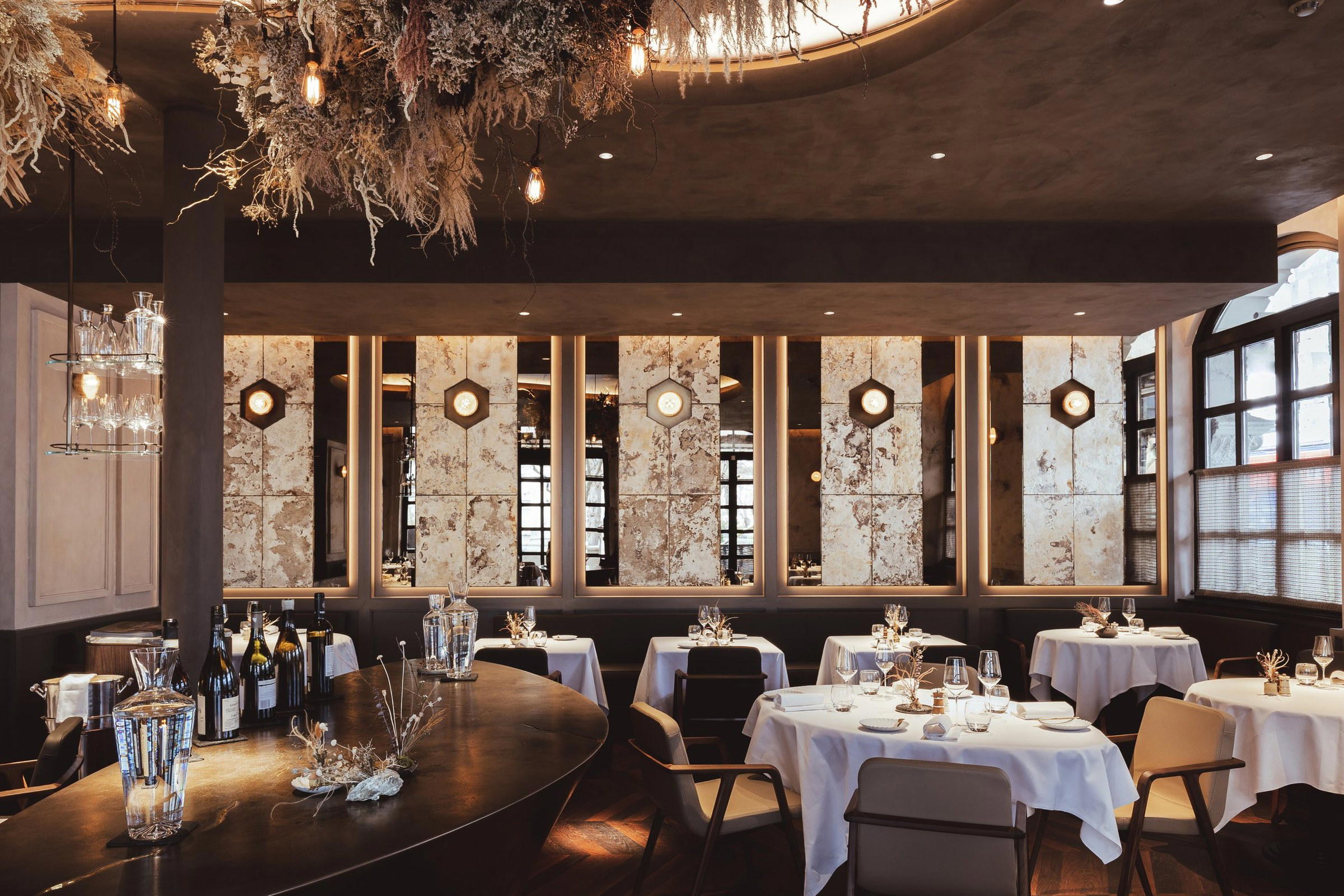
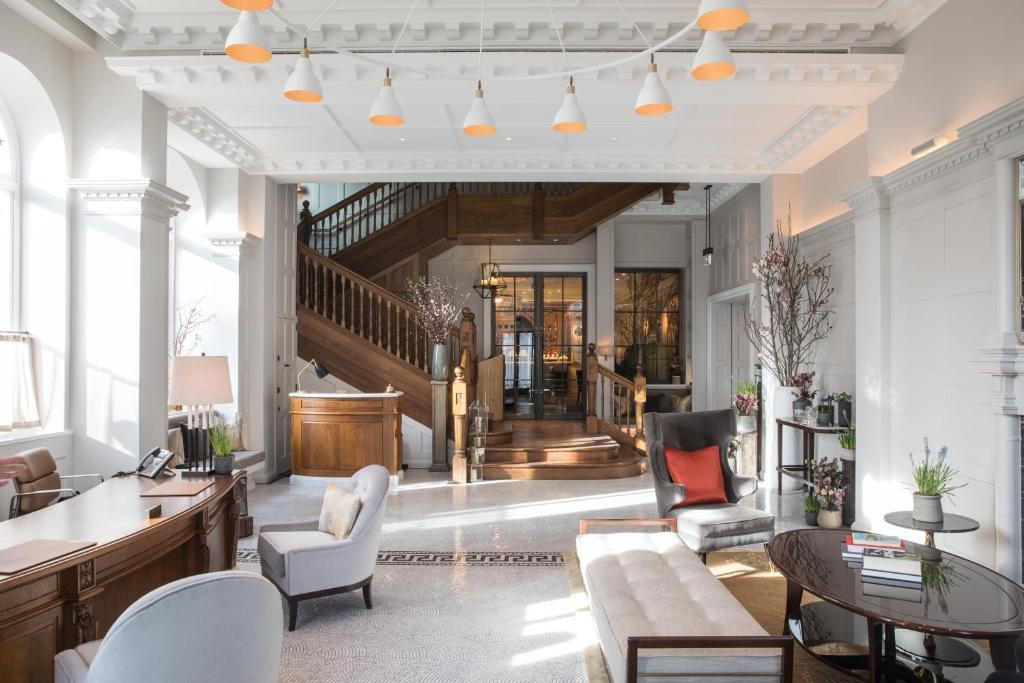
Modern decor with calming atmosphere, runway views, and comfortable seating providing a tranquil escape from terminal crowds.