
Papiamento Restaurant on Washington 61 in Noord has held its position as one of Aruba's most established dining addresses for decades, drawing on the island's Dutch-Caribbean heritage to anchor a menu where local ingredients meet European technique. Set in a historic plantation-era home, the atmosphere shifts the experience away from the resort strip and toward something considerably more grounded in Aruban place.
Pearl is the En Primeur Club membership app — saves, bookings, and concierge access live there. Same editors, same standards.
- Address
- Washington 61, Noord, Aruba
- Phone
- +297 586 4544
- Website
- papiamentoaruba.com
- Directions
- Get directions
 Saves & bookings on Pearl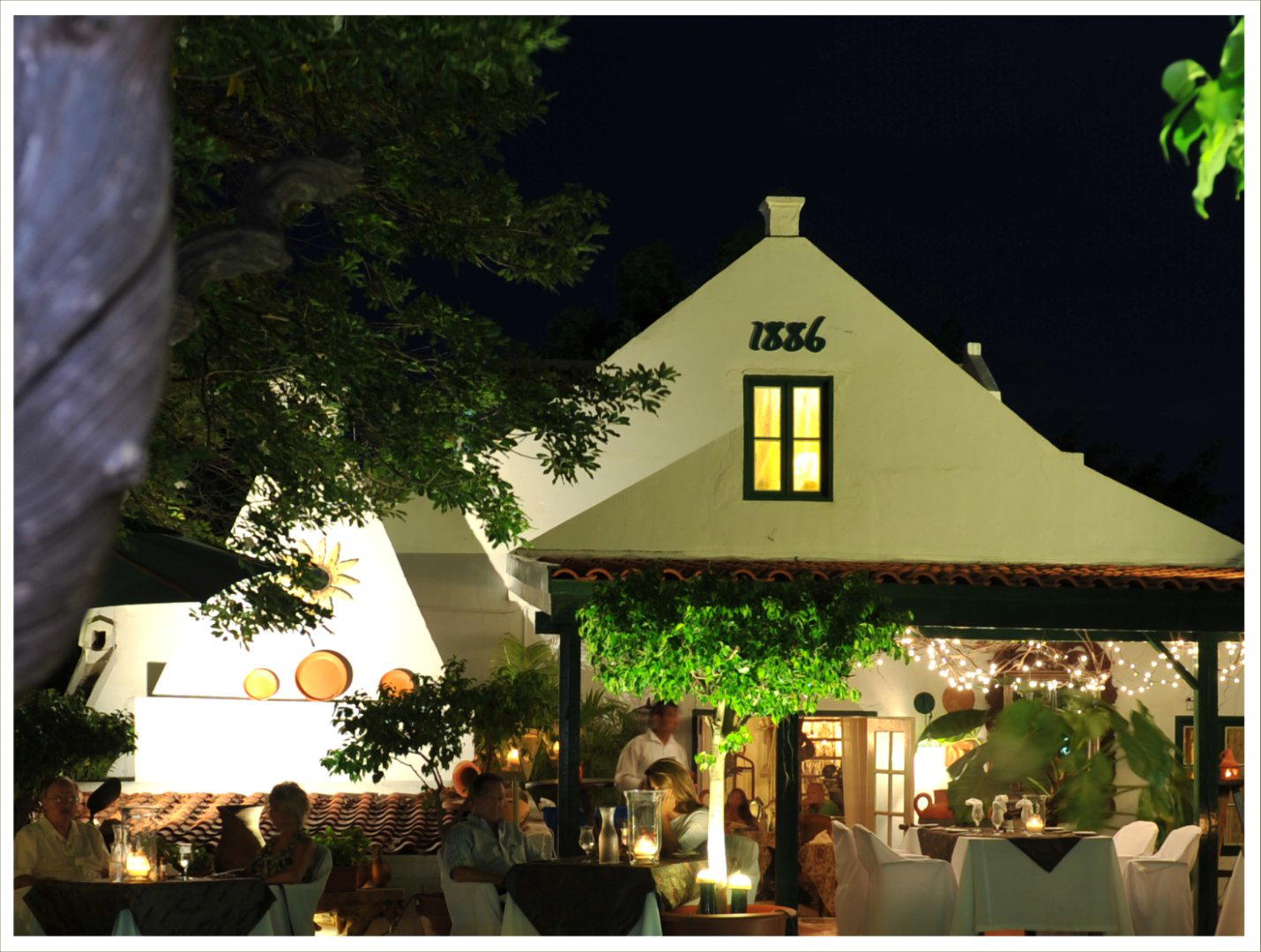
A House in Noord, and What It Says About Aruba's Dining Tradition
The northern residential district of Noord sits at a remove from the high-rise corridor of Palm Beach, and that distance matters when you're trying to understand what Papiamento Restaurant represents in the context of Aruban dining. Where resort-strip restaurants largely serve an international audience on international terms, venues that have survived decades in a residential neighbourhood tend to do so by offering something the transient market cannot easily manufacture: a genuine sense of place. Papiamento, at Washington 61, occupies a restored plantation-era mansion, and the architecture alone signals a different register from the glass-and-chrome hotel dining rooms a few kilometres south.
Dutch-Caribbean cuisine, as a category, rarely gets the analytical attention it deserves. Aruba's culinary tradition is a composite of Arawak indigenous techniques, Dutch colonial influence, significant Venezuelan proximity, and waves of labour migration from across the Caribbean and South America. What emerges is not fusion in the contemporary marketing sense but something longer-settled: a cooking tradition where cornmeal, fresh fish, local goat, and tropical produce exist alongside European preparation methods without obvious strain. Papiamento has operated within that tradition long enough to be considered a reference point by local standards, which places it in a different competitive set than the resort buffets or the international chains on the main tourist drag.
The Atmosphere of the House
Arriving at a colonial-era estate at dusk in the Caribbean operates on a specific sensory logic. The shift from the open road to a walled garden, from sun-bright asphalt to the filtered light of mature trees, reframes the mood before you've touched a menu. Historic plantation homes in the Dutch Caribbean tend to share certain architectural signatures: thick coral-stone walls that hold the night's coolness, open verandas designed for cross-ventilation, interior rooms with high ceilings and dark timber. At Papiamento, the property's age is part of the offering, not incidentally but structurally. The building's history as a private home, converted gradually into a dining space, gives it a domestic warmth that hotel restaurants rarely achieve regardless of budget.
Outdoor seating in the garden, where ambient sound is insects rather than piped music and the sky overhead is genuinely dark given Noord's distance from central Oranjestad's light pollution, anchors the experience in the island rather than abstracting it. This is the sensory distinction Papiamento offers within Noord's dining scene: not a curated version of the Caribbean, but a setting where the environment asserts itself without mediation. Compared to beach-adjacent places like Bugaloe or surf-facing terraces along the coast, the house-in-a-garden format creates an interior, quieter mode of engagement with the island.
How Papiamento Sits in Noord's Restaurant Scene
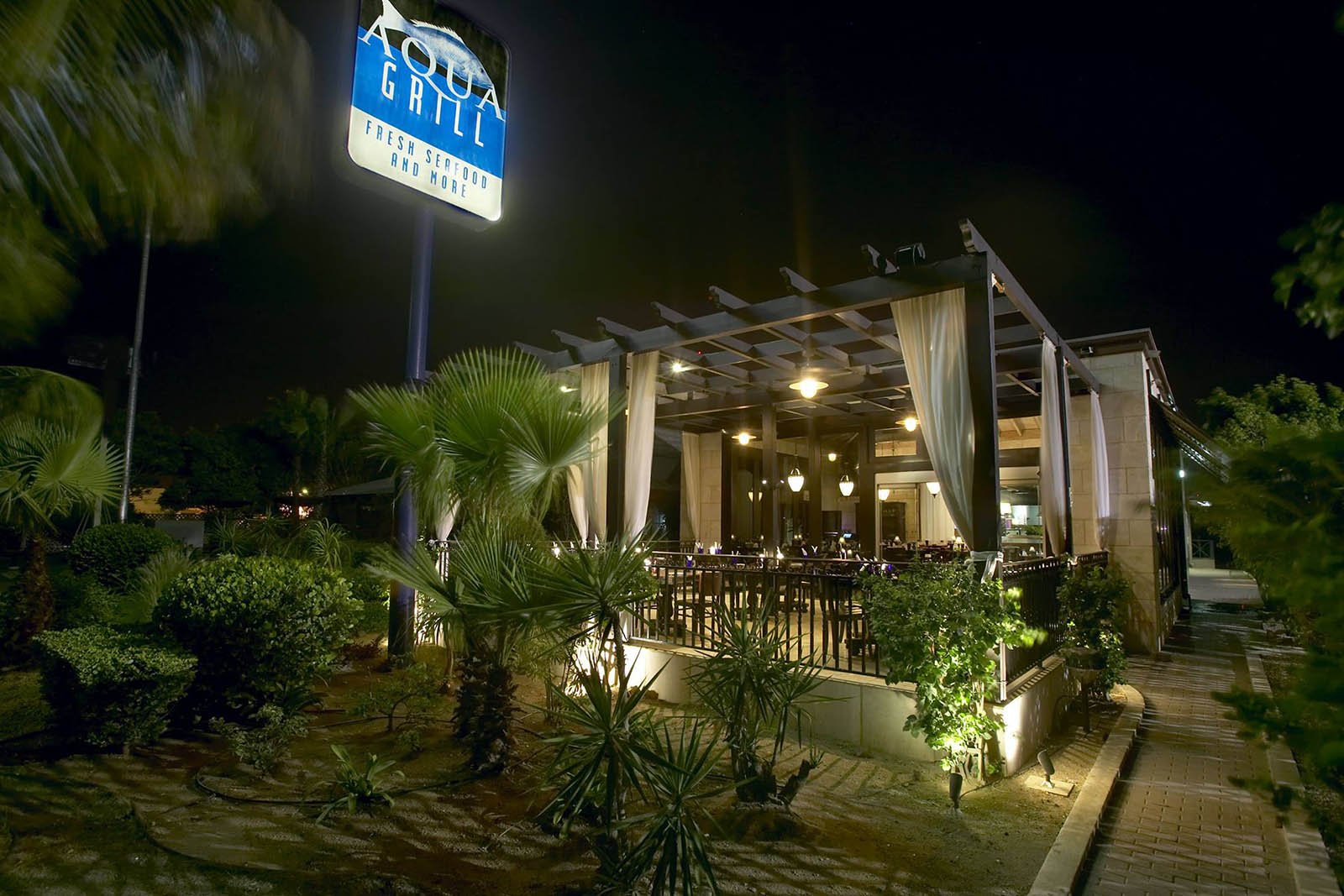
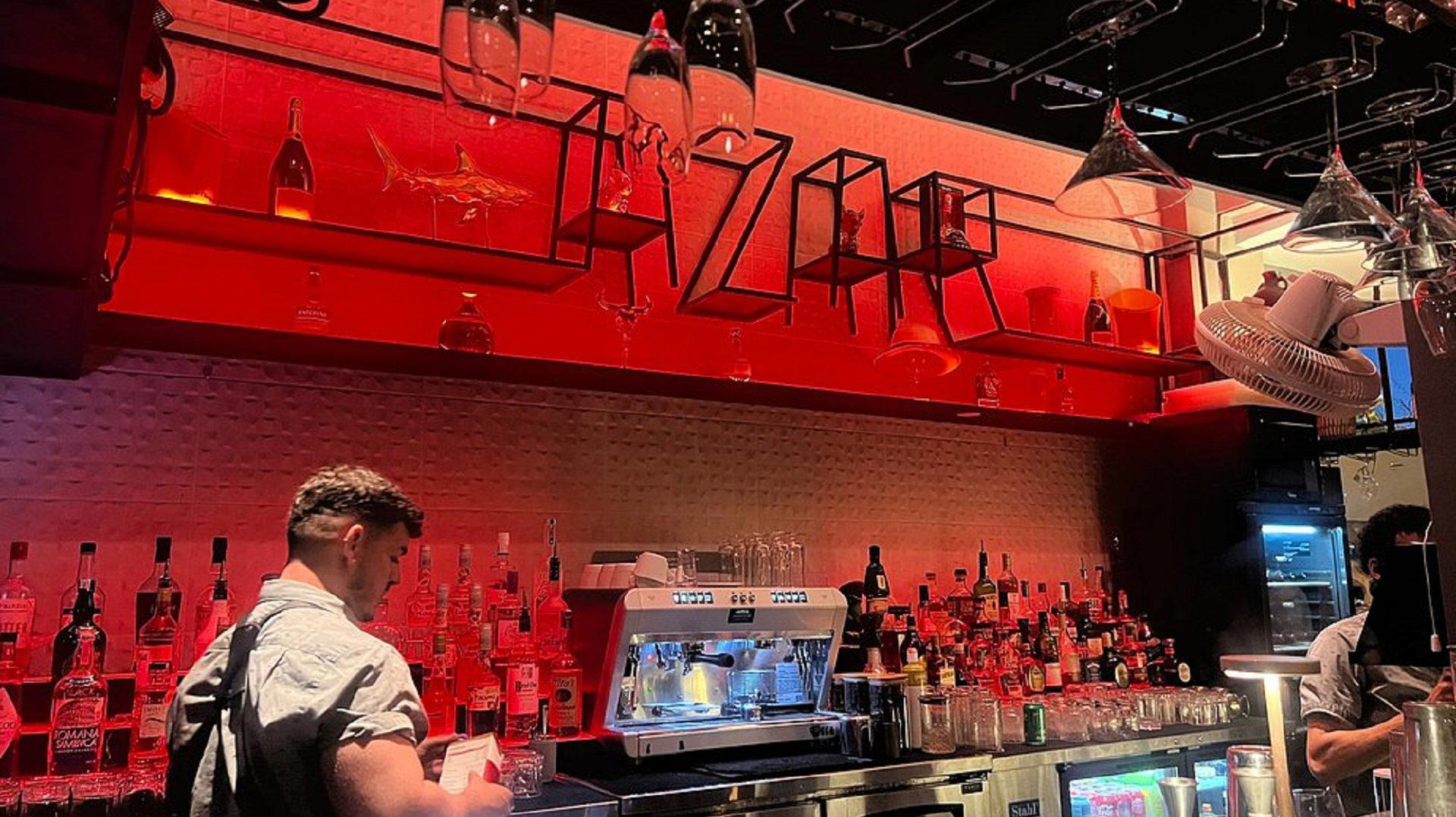
Noord's dining circuit is more varied than its residential character suggests. The neighbourhood holds a cluster of individually operated restaurants that together form a counterpoint to the resort corridor: 2 Fools And A Bull works a carnivore-forward format with local beef; Agave pulls on Mexican influences; Aqua Grill focuses on fresh seafood in a more casual register; Azar Aruba occupies a contemporary international lane. Papiamento's positioning within this set is toward the more formal, heritage-oriented end: a dinner-focused operation in a historic building, where the occasion itself carries some weight. For a broader map of where it fits, see our full Noord restaurants guide.
Elsewhere on the island, City Garden Bistro de Suikertuin in Oranjestad pursues a similar heritage-property format, while Kamini's Kitchen in San Nicolas and Aquarius in Oranjestad West represent the kind of local-facing, neighbourhood-embedded dining that exists apart from the tourist economy. Papiamento draws from both worlds: it attracts visitors specifically because it reads as authentically local, while remaining legible and comfortable for an international audience.
For reference points at the global end of formal dining in estate or heritage settings, comparable formats appear at Dal Pescatore in Runate and Quattro Passi in Marina del Cantone, where family-run houses converted into restaurants have maintained decades-long reputations through consistency rather than reinvention. In technically ambitious urban dining, the trajectory runs in a different direction: Atomix in New York City, Le Bernardin in New York City, and HAJIME in Osaka occupy a tier where innovation is the primary credential. Papiamento's credibility rests on different terms: longevity, atmosphere, and rootedness in local culinary tradition.
What to Eat, and How to Approach the Menu
Dutch-Caribbean cooking at its most coherent tends to foreground protein, particularly fresh reef fish, locally sourced crustaceans, and slow-cooked goat or lamb. Papiamento's menu has historically reflected these priorities. The island's fishing tradition means that fish preparations shift with availability, which at quality-focused local restaurants translates to genuine seasonal and supply-driven variation rather than a fixed menu rotating quarterly for marketing purposes. Aruban dishes like keshi yena (a stuffed and baked Edam cheese preparation, Dutch-inflected at its origin), stoba (a slow-cooked stew typically built on goat or fish), and fresh conch preparations appear in various forms across the island's more serious kitchens, and Papiamento's heritage positioning means these form the logical anchor of any meal there.
Visitors planning a first dinner at Papiamento are served better by approaching the menu as a document of local tradition than as a checklist of familiar categories. The preparation methods may feel familiar — roasted, braised, grilled — but the underlying ingredients and their seasonings carry a specifically Aruban register that rewards attention.
Planning a Visit
Papiamento is a dinner-oriented destination in a residential neighbourhood, and the practical logic follows from that. The restaurant draws enough regular international visitors that advance reservations are prudent, particularly during Aruba's high tourist season from January through April, when the island's hotels run at capacity and Noord's better restaurants fill earlier in the week than might be expected. The dry-season months carry another atmospheric advantage: Aruba sits outside the Atlantic hurricane belt, but its evenings in the January-to-April window are reliably clear and cooler, which makes the garden seating substantially more comfortable than the humid August-to-October shoulder period. If the garden setting is central to your decision to visit, and it should be, planning for a dry-season evening is worth the calendar effort. Washington 61 is reachable by taxi from the Palm Beach resort corridor in under ten minutes, and most hotel concierges will have the contact details on hand.
Recognition history
Dated appearances from independent guides and award organizations, with the underlying list record or original source where available.
Wine Spectator Best of Award of Excellence
Wine Spectator
At a Glance
- Romantic
- Elegant
- Intimate
- Scenic
- Sophisticated
- Date Night
- Special Occasion
- Celebration
- Garden
- Private Dining
- Wine Cellar
- Extensive Wine List
- Local Sourcing
- Garden
Current opening hours
- Monday
- 6–10:30 PM
- Tuesday
- 6–10:30 PM
- Wednesday
- 6–10:30 PM
- Thursday
- 6–10:30 PM
- Friday
- 6–10:30 PM
- Saturday
- 6–10:30 PM
- Sunday
- Closed
Hours can change for holidays and private events. Last verified .
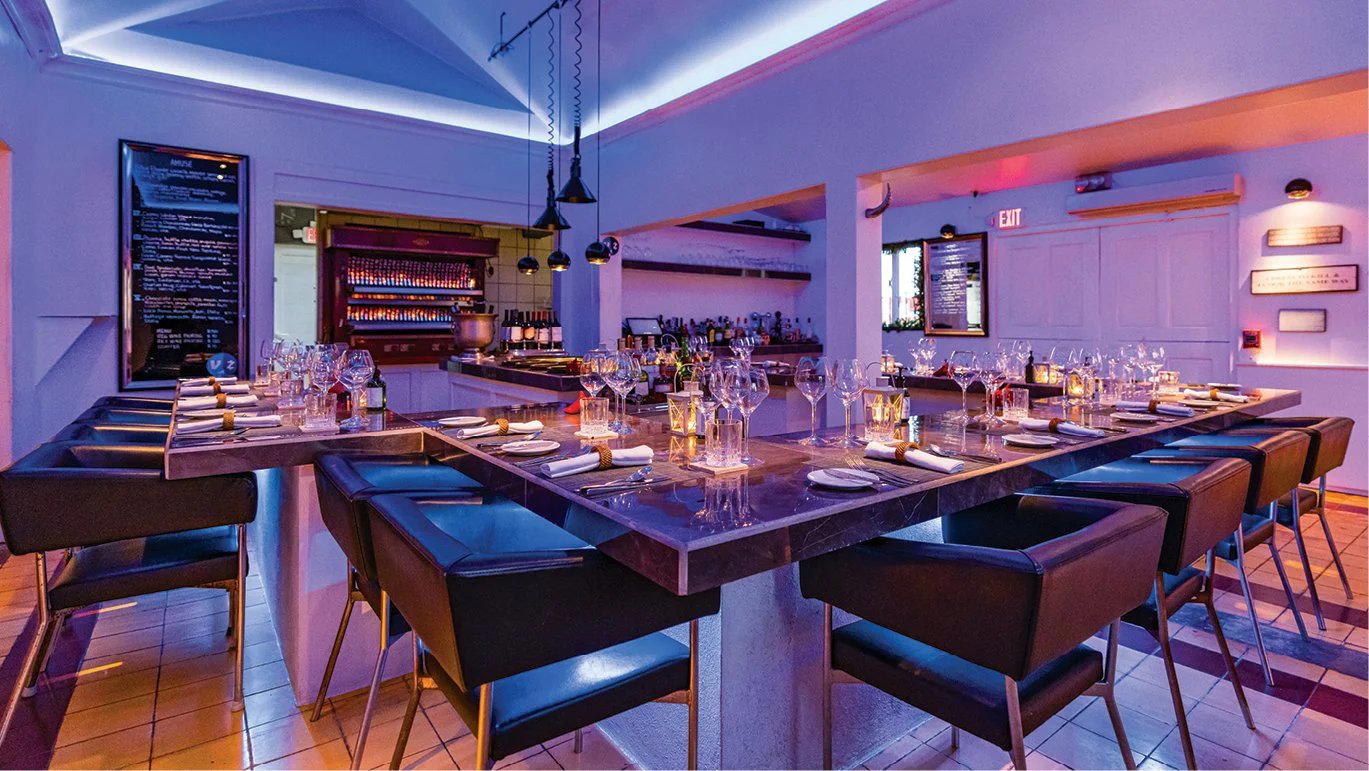
Romantic and elegant atmosphere with lush gardens, poolside tables under starlit trees, and air-conditioned rooms filled with European antiques.