PAPA ORO's Bremgarten
On Zürcherstrasse in the compact Aargau town of Bremgarten, PAPA ORO's occupies a address that rewards those willing to look beyond the obvious Swiss dining circuit. The name signals warmth and a certain southern ambition, and the restaurant sits in a part of Switzerland where Italian-inflected cooking has long found a receptive audience among locals who prize substance over spectacle.
Pearl is the En Primeur Club membership app — saves, bookings, and concierge access live there. Same editors, same standards.
- Address
- Zürcherstrasse 6, 5620 Bremgarten, Switzerland
- Phone
- +41764357676
- Website
- papaoros.ch
- Directions
- Get directions
 Saves & bookings on Pearl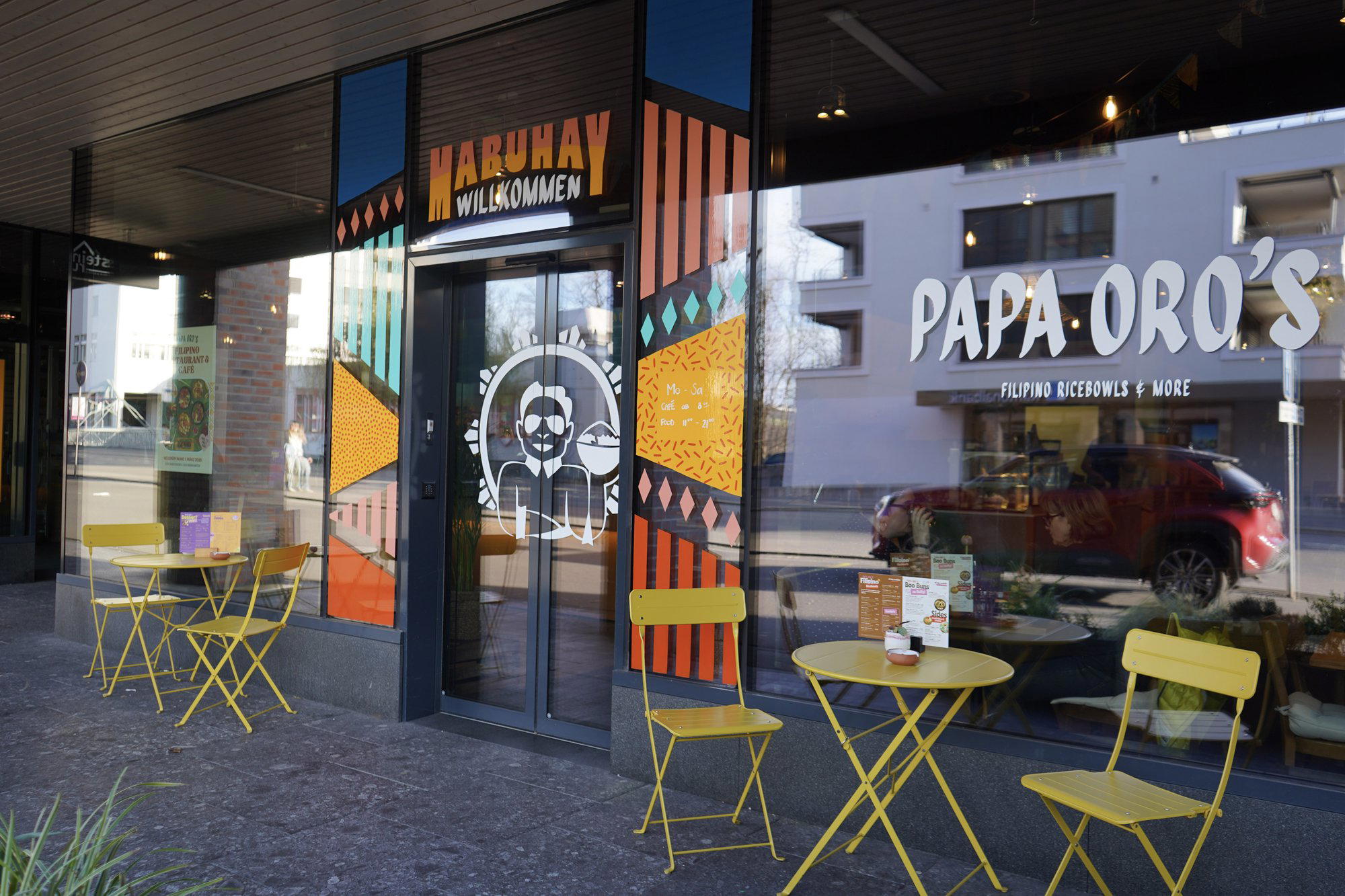
Bremgarten and the Case for Eating Outside the Circuit
Switzerland's restaurant conversation defaults quickly to the same coordinates: the three-Michelin-star rooms in Crissier and Fürstenau, the trophy tables in Basel and Zurich, the hotel dining rooms in St. Moritz and Vals. Places like Hotel de Ville Crissier, Schloss Schauenstein in Fürstenau, and Cheval Blanc by Peter Knogl in Basel represent the formal apex of Swiss fine dining, and they are worth every written word. But the circuit they anchor leaves most of the country's smaller towns functionally invisible to visiting food travellers. Bremgarten, a medieval Aargau town on the Reuss river roughly thirty kilometres southwest of Zurich, is a case in point. Its old town is intact, its bridges are wooden, and its restaurant scene operates largely for the people who live there rather than those passing through to collect dining experiences.
That context matters when thinking about what PAPA ORO's Bremgarten represents and who it is actually serving. On Zürcherstrasse 6, the restaurant sits in a town where Italian-rooted cooking has historically found a loyal audience — Aargau's proximity to the Italian-speaking cantons and Switzerland's long tradition of absorbing southern European culinary influence means that pasta, wood-fired preparations, and ingredient-led simplicity carry genuine cultural resonance here rather than reading as imported fashion.
The Name, the Room, and What It Suggests
PAPA ORO translates loosely as "golden father" — a name with obvious Italian warmth built into it. In Swiss restaurant culture, that kind of naming convention usually signals a certain register: family-oriented, generous in portion sensibility, rooted in the kind of cooking where a good piece of protein and a properly made sauce matter more than architectural plating. The address on Zürcherstrasse places it along one of the town's main approaches, accessible rather than tucked away, which reinforces the read that this is a room designed around regulars as much as occasion diners.
Walking along that street toward the old town, Bremgarten's compressed medieval centre makes itself felt quickly. The scale is domestic. Buildings press close. The Reuss, brown and fast after rain, cuts below the historic bridge. Restaurants in settings like this tend to succeed by leaning into their environment rather than working against it, oversized ambition in a small Aargau market town is a harder sell than a focused, well-sourced menu that matches the pace of the place.
Ingredient Sourcing in the Swiss Aargau Context
The editorial angle that matters most for a restaurant in this part of Switzerland is provenance. Aargau sits in German-speaking Switzerland's agricultural heartland. The canton produces beef, pork, dairy, and seasonal vegetables in quantities that dwarf what the French and Italian cantons manage, and proximity to that supply chain is a genuine structural advantage for any kitchen willing to work with it. Switzerland's food-sourcing culture generally runs toward quality over volume: smaller producers, shorter runs, and a domestic consumer base willing to pay for verified origin.
Italian-inflected kitchens operating in this environment face an interesting tension. The cuisine's spine, olive oil, cured meats, aged cheeses, certain varieties of tomato, is not locally produced, and importing quality versions of those ingredients adds cost and complexity. The kitchens that manage it well tend to be selective: they source the non-negotiable Italian components from credible Italian suppliers while threading in Swiss seasonal produce wherever the dish allows it. The result, when it works, is cooking that feels grounded rather than imported, Swiss produce given southern European treatment rather than Italian cooking replicated far from home.
Nothing in the available record for PAPA ORO's Bremgarten specifies its sourcing approach in verifiable detail, so those specifics belong to a conversation with the restaurant directly. What the location and name together suggest is a kitchen operating in a register where ingredient quality and cooking warmth carry more weight than format innovation. That is the dominant mode for Italian-rooted restaurants in Swiss market towns of this size, and it is a mode that has sustained loyal local clientele across the country for decades.
Where It Sits in the Swiss Dining Picture
The Swiss restaurant scene has split along familiar lines. At one end are the formal tasting-menu rooms, Memories in Bad Ragaz, focus ATELIER in Vitznau, IGNIV Zürich by Andreas Caminada, Magdalena in Schwyz, which compete on creativity, technique, and Michelin recognition. At the other end are the neighbourhood and market-town restaurants that feed Switzerland's actual daily life and do so without institutional recognition or media coverage. PAPA ORO's Bremgarten operates in this second tier, which is not a ranking so much as a description of function and audience.
Internationally, the comparison set for a restaurant of this type sits closer to the trattorias of northern Italian towns than to the starred rooms of Swiss cities. The reference points are not L'Atelier Robuchon in Geneva or La Table du Lausanne Palace, let alone Le Bernardin in New York City or Atomix. The relevant comparison is a kitchen that serves a community well, consistently, without the overhead of a destination dining operation. That is a harder thing to sustain than it looks, and the restaurants that manage it for years tend to do so because their sourcing and execution are genuinely reliable rather than because their PR is strong.
For context on what Bremgarten's restaurant scene offers more broadly, the full Bremgarten restaurants guide maps the town's dining options against each other. A place like Big Burger Bremgarten represents the casual end of the spectrum, which tells you something about the range the town accommodates. PAPA ORO's sits in a warmer, more ingredient-focused register than that.
Planning a Visit
Bremgarten is reachable from Zurich by regional train in under an hour, with connections through Baden making it a plausible evening out from the city without requiring a car. The old town is compact enough to walk entirely, and the restaurant's Zürcherstrasse address places it within easy reach of the historic centre. Given the absence of published booking details in the public record, contacting the restaurant directly in advance is the sensible approach, particularly for weekend evenings when local demand tends to concentrate. For further context on what the broader Swiss fine-dining circuit looks like, and how smaller-town restaurants relate to it, venues like Einstein Gourmet in Sankt Gallen, Colonnade in Lucerne, Da Vittorio in St. Moritz, and La Brezza in Ascona show how Italian-inflected cooking operates across very different Swiss contexts and price points. 7132 Silver in Vals represents the architectural hotel-dining end of the Swiss spectrum, useful as a counterpoint to understand exactly where a Bremgarten neighbourhood restaurant sits in the broader picture.
How PAPA ORO's Bremgarten compares with similar nearby venues.
| Venue | Cuisine | Price |
|---|---|---|
| Fahr | Regional Cuisine | €€€€ |
Continue exploring
More in Bremgarten
Restaurants in Bremgarten
Browse all →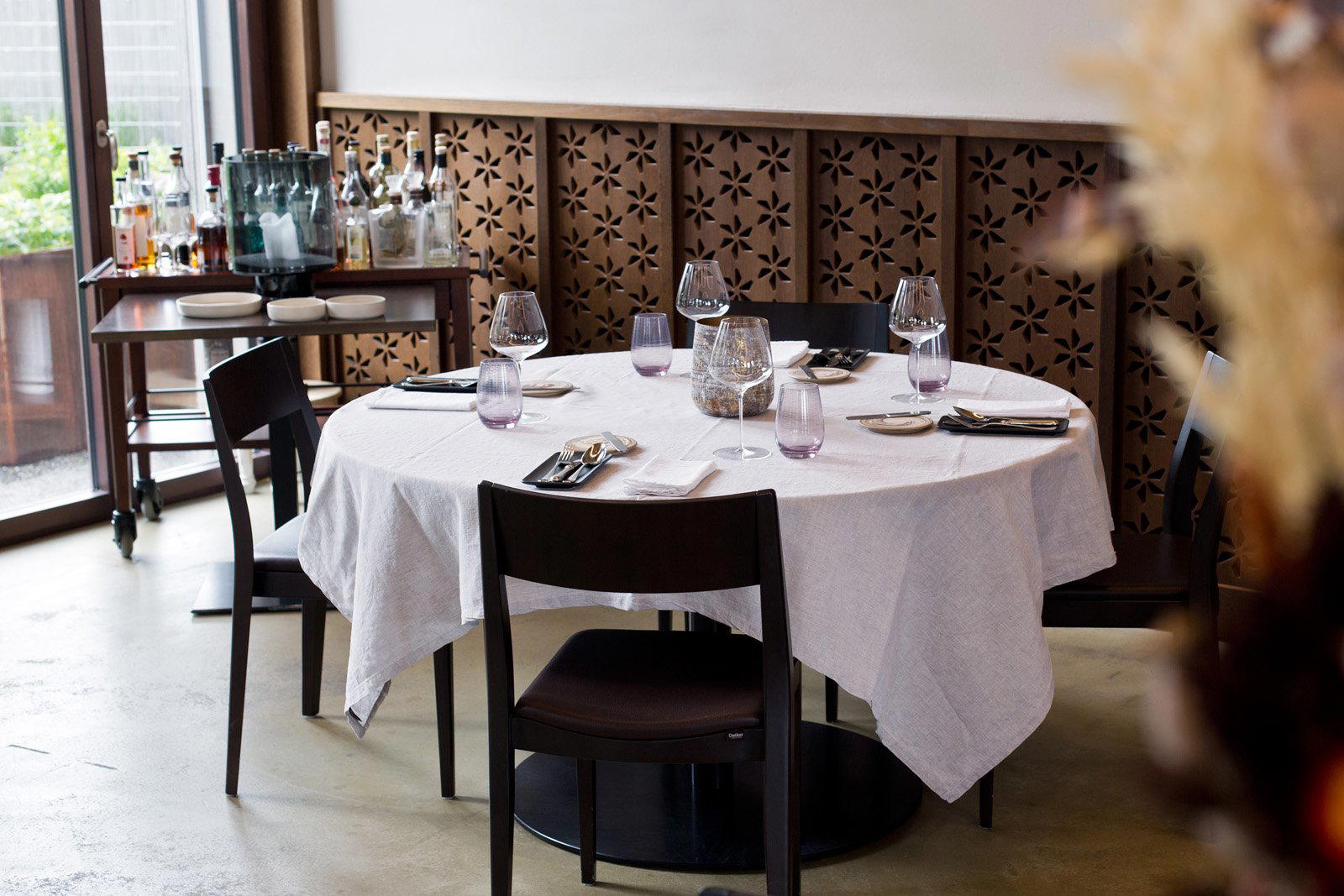
Bars in Bremgarten
Browse all →

Hotels in Bremgarten
Browse all →

At a Glance
- Cozy
- Lively
- Casual Hangout
- Group Dining
- Family
- Brunch
- Standalone
- Open Kitchen
- Craft Cocktails
Current opening hours
- Monday
- 9 AM–9 PM
- Tuesday
- 9 AM–9 PM
- Wednesday
- 9 AM–9 PM
- Thursday
- 9 AM–9 PM
- Friday
- 9 AM–9 PM
- Saturday
- 9 AM–9 PM
- Sunday
- 9 AM–9 PM
Hours can change for holidays and private events. Last verified .
Warm and welcoming atmosphere reflecting Filipino hospitality, with lively colors and a cozy, lively dining space that celebrates cultural traditions.
Know Before You Go
- Getting there
- Zürcherstrasse 6, 5620 Bremgarten, Switzerland