Qebaptore
Qebaptore on Käppelistrasse 6 brings a focused grilling tradition to Olten, a Swiss rail junction city more accustomed to transit than destination dining. The format centres on charcoal-cooked meats in the Balkan ćevap tradition, a cuisine defined by spiced minced meat, communal portions, and a directness that contrasts sharply with Switzerland's prevailing tasting-menu culture. For travellers passing through or residents seeking something outside the local classic-cuisine circuit, it represents a distinct alternative.
Pearl is the En Primeur Club membership app — saves, bookings, and concierge access live there. Same editors, same standards.
- Address
- Käppelistrasse 6, 4600 Olten, Switzerland
- Phone
- +41765499148
- Website
- yellow.local.ch
- Directions
- Get directions
 Saves & bookings on Pearl
Where Balkan Grill Culture Meets a Swiss Rail Town
That transit identity has shaped its dining scene in a particular way: the restaurants that thrive here tend to serve food that is direct, satisfying, and rooted in community rather than occasion. Käppelistrasse 6, where Qebaptore operates, sits within this everyday fabric. Qebaptore is a casual Balkan Grilled Meats restaurant at Käppelistrasse 6 in Olten, Switzerland, priced at about $25 per person. The address is not a destination strip or a tourist quarter, it is a working neighbourhood, and the restaurant's format aligns with that context.
The name itself signals the cuisine before you enter. Ćevabdžinica, often rendered in German-speaking countries as Qebaptore or similar phonetic approximations, is the Bosnian term for a restaurant specialising in ćevapi, the spiced minced-meat sausages that function as one of the Balkan region's most consistent culinary exports. In Bosnia and Herzegovina, ćevapi is practically a civic institution: it is served in flatbread with raw onion and kaymak (a clotted cream), eaten standing at counters or at communal tables, and priced for daily consumption. Transplanted to Switzerland, that format often adapts to local expectations around service and setting while retaining the core protein-forward, smoke-driven logic of the original.
The Ćevap Tradition and Its Place in European Migrant Cuisine
To understand what a restaurant like Qebaptore represents, it helps to trace the wider arc of Balkan cuisine in Western Europe. The large-scale migration of workers from Yugoslavia to Switzerland, Germany, and Austria during the 1960s and 1970s created communities that maintained food traditions with particular tenacity. Ćevapi, burek, and pljeskavica became the comfort anchors of diaspora life, and the restaurants that served them were not conceived as ethnic novelties but as functional community spaces.
Switzerland's Balkan population is substantial, concentrated particularly in the industrial and transit corridors of the Mittelland, the plateau that runs between the Alps and the Jura, and through which Olten sits. That demographic reality means Qebaptore is not serving a curiosity to outside diners; it is serving a cuisine that carries genuine cultural weight for a significant portion of the local population. That distinction matters when assessing a restaurant's position in a city's food culture. Olten already has established options across Italian and classic Swiss registers, National da Sergio (Italian), Salmen (Classic Cuisine), and Verena (Contemporary) cover those tiers, but the Balkan grill format occupies a separate lane entirely.
What the Format Means in Practice
Ćevabdžinice operate on a logic of specialisation rather than breadth. The menu at a focused ćevap restaurant typically centres on a small number of items, the ćevapi themselves in varying portion sizes, pljeskavica (a grilled spiced-meat patty), grilled chicken or lamb accompaniments, and the traditional sides of somun flatbread, raw onion, and ajvar (roasted pepper relish). This is food designed around the grill and served without elaboration. The discipline is in the meat blend, the charcoal temperature, and the speed of service.
That narrowness is a feature of the format, not a limitation. The same focus-through-specialisation logic applies to the tasting-menu restaurants at the other end of Switzerland's dining spectrum, places like Schloss Schauenstein in Fürstenau or Hotel de Ville Crissier in Crissier, where the format is equally constrained but in a different direction. Qebaptore operates in a price tier and cultural register that sits far below those reference points, but the underlying principle, do fewer things with commitment, is consistent.
For travellers who regularly eat at Cheval Blanc by Peter Knogl in Basel or book months ahead for a seat at Memories in Bad Ragaz, a visit to a neighbourhood ćevabdžinica in Olten represents a deliberate gear-shift.
Olten's Dining Scene and Where This Fits
Olten is a working-city dining scene shaped by commuters, families, and a culturally mixed residential population. What it has is a working-city restaurant scene shaped by commuters, families, and a culturally mixed residential population. Restaurant Aarhof represents the kind of mid-range, reliable Swiss hospitality that anchors this scene. Qebaptore operates in a different register, faster, more casual, more demographically specific, but it serves the same essential function of feeding people without ceremony.
Switzerland's fine-dining circuit is well documented and geographically distributed: Einstein Gourmet in Sankt Gallen, focus ATELIER in Vitznau, IGNIV Zürich by Andreas Caminada in Zurich, 7132 Silver in Vals, Colonnade in Lucerne, Da Vittorio - St. Moritz in St. Moritz, and L'Atelier Robuchon in Geneva form part of that upper tier. None of those reference points apply to Qebaptore, which belongs to a different category of dining entirely. Internationally, the comparison class would include New York's culturally specific, neighbourhood-anchored restaurants, the kind of focused, community-facing format that distinguishes Le Bernardin in New York City from Atomix in New York City, both of which represent high-end formalism that Qebaptore does not share. The point is not equivalence but category clarity.
Planning a Visit
Qebaptore is located at Käppelistrasse 6 in Olten's central postcode (4600), within walking distance of Olten's main railway station, which sits on the primary SBB lines connecting Zürich, Basel, and Bern. For rail travellers with a connection or a deliberate stopover, the address is reachable on foot in under ten minutes from the platform. Qebaptore is walk-in friendly and open daily from 10 AM to 10 PM.
A Pricing-First Comparison
Comparable venues nearby, for context on price, style, and recognition.
| Venue | Cuisine | Price | Awards | Notes |
|---|---|---|---|---|
| QebaptoreThis venue — the venue you are viewing | city center, Balkan Grilled Meats | $$ | Not listed | Not listed |
| Salmen | Not listed | $$$ | Michelin Plate | Olten, Classic European with Mediterranean Influences |
| National da Sergio | Olten Altstadt, Classic French-Italian | $$$ | Michelin Plate | Not listed |
| Restaurant Aarhof | Olten, Modern Swiss | $$$ | Not listed | Not listed |
| Verena | Not listed | $$$ | Michelin Plate | Bahnhofstrasse, Contemporary Swiss Farm-to-Table |
Continue exploring
More in Olten
Restaurants in Olten
Browse all →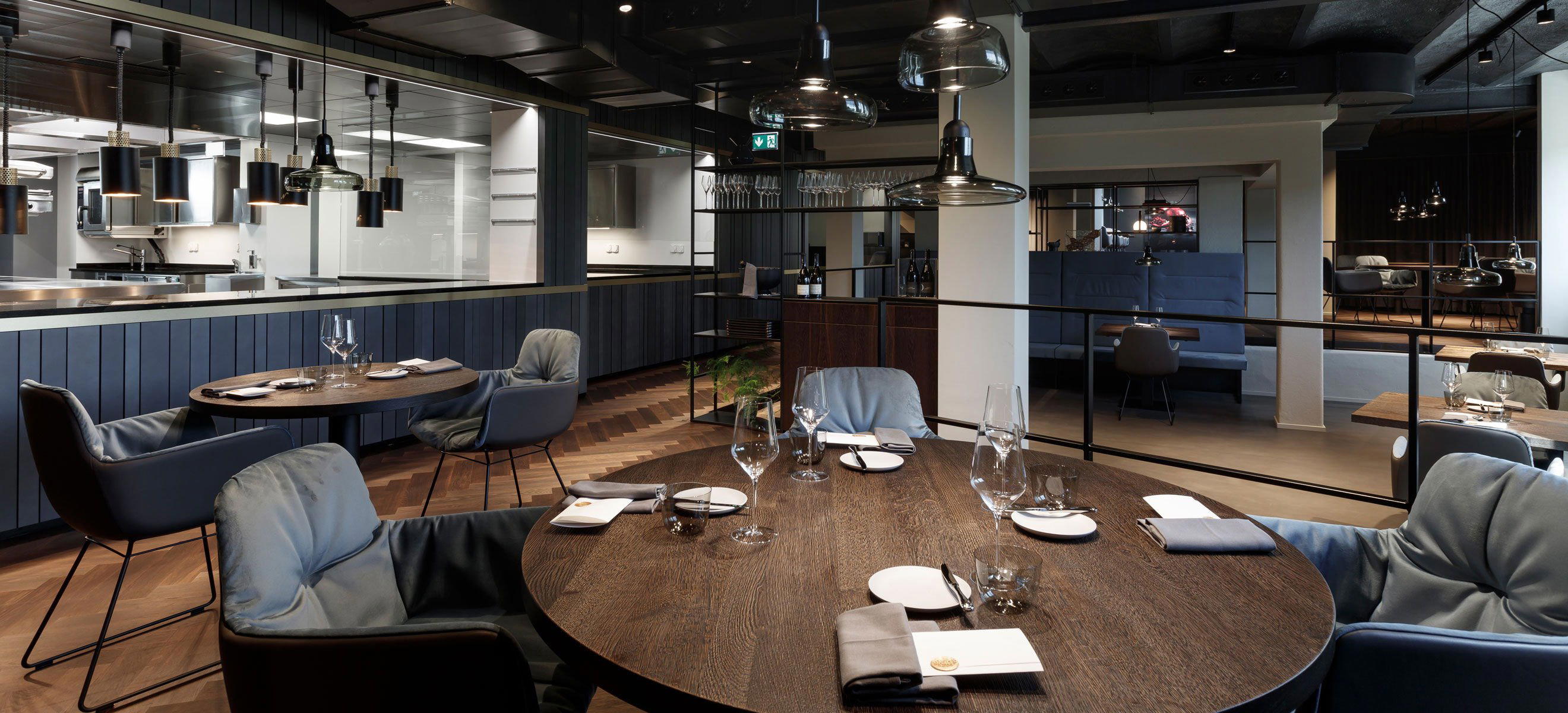
Bars in Olten
Browse all →

Hotels in Olten
Browse all →

At a Glance
- Cozy
- Lively
- Casual Hangout
- Open Kitchen
- Extensive Wine List
Current opening hours
- Monday
- 10 AM–10 PM
- Tuesday
- 10 AM–10 PM
- Wednesday
- 10 AM–10 PM
- Thursday
- 10 AM–10 PM
- Friday
- 10 AM–10 PM
- Saturday
- 10 AM–10 PM
- Sunday
- 10 AM–10 PM
Hours can change for holidays and private events. Last verified .
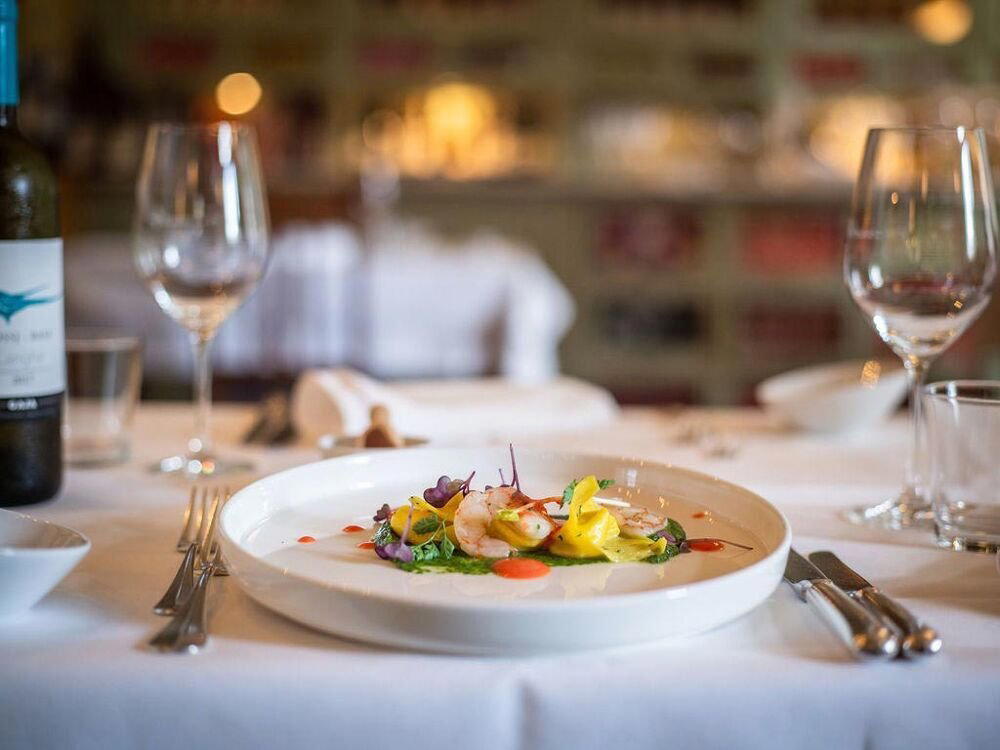
Cozy and welcoming with home-like comfort from the open grill and friendly Balkan hospitality.