
Pandano Restaurant reflects a quieter side of Tulum dining, built around local seafood, Mexican-Italian crossover cooking, and the slower rhythm of the coast north of the hotel-zone crush. The menu’s point is sourcing rather than spectacle: shrimp, lobster, octopus, tuna, pasta, gratin, and Milanese-style veal read as a kitchen working between Caribbean produce and familiar Italian comfort.
Pearl is the En Primeur Club membership app — saves, bookings, and concierge access live there. Same editors, same standards.
- Address
- Baia, Punta Soliman
- Website
- opentable.com
- Directions
- Get directions
 Saves & bookings on Pearl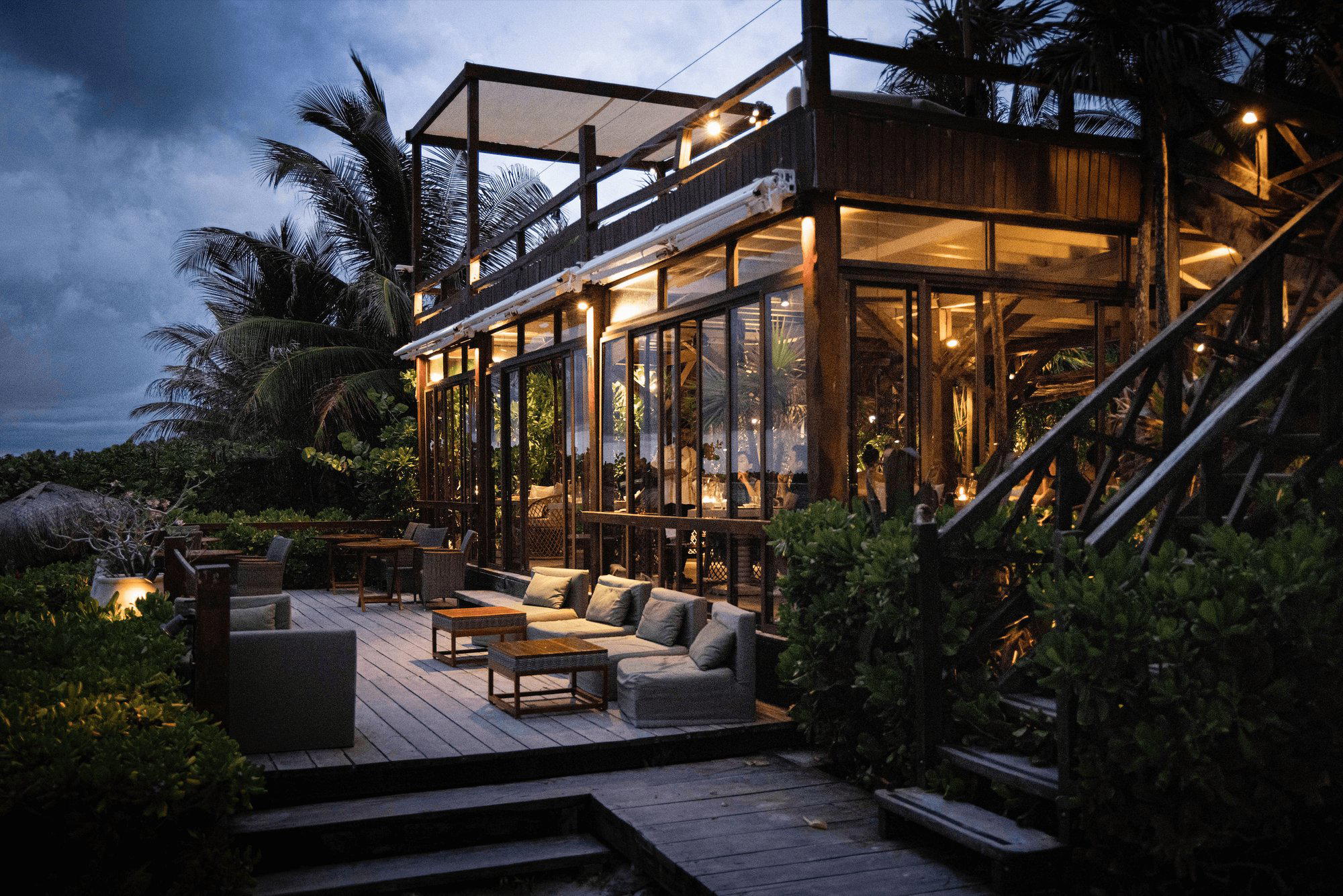
Approaching the quieter coastal reaches around Tulum changes the dining mood before a menu appears. The town’s restaurant culture often gets flattened into beach-club theatre and jungle-room design, but the more interesting question is what kitchens do with proximity: Caribbean seafood, Yucatán produce, and an audience that increasingly wants polish without losing the looseness of a coastal meal. Pandano Restaurant belongs to that conversation. Its cooking is framed as creative rather than doctrinaire, with Mexican and Italian references sharing the same table instead of being forced into a tasting-menu argument.
That matters in Tulum because the city’s dining identity is split. One side chases destination-restaurant intensity, with long-form menus and a design vocabulary built for international attention. Another side is rooted in casual local appetite: tacos, seafood, grilled meats, and meals that make sense after the beach. Pandano sits between those poles. It is not trying to turn the Riviera Maya into Rome or Mexico City; it uses Italian grammar where it helps, then lets local seafood and Mexican acidity keep the plate from drifting into resort sameness.
Local seafood gives the Mexican-Italian format its logic
The kitchen’s clearest signal is the seafood line-up. Grilled shrimp, lobster, octopus, and tuna tostada put the Caribbean pantry at the center, which is the right instinct in this part of Quintana Roo. Tulum diners have seen enough imported luxury cues; coastal restaurants earn authority when they treat local product as the main event rather than decoration. Here, the Mexican side is not limited to garnish or heat. A tuna tostada belongs to a broader Mexican seafood tradition where crunch, acid, chile, and freshness carry as much weight as richness.
The Italian thread works differently. Fettuccine Alfredo, cauliflower gratin, and Milanese-style veal cutlets are not regional Mexican cooking, but they explain the restaurant’s comfort register. In a city where dinner can become performative, these dishes pull the experience back toward familiarity. The stronger reading is not fusion for novelty; it is a coastal kitchen using Italian forms to give structure to a seafood-led meal. That distinction is important. Fusion fails when it treats cuisines as costume. It works when ingredients and technique solve a practical dining problem: what tastes right after sun, salt, and a long day outside.
For a broader read on how Tulum splits between local staples, contemporary cooking, and beachside formats, Our full Tulum restaurants guide is the useful starting point. The city’s range runs from street-level appetite at Antojitos La Chiapaneca to contemporary rooms such as Arca (Mexican, Contemporary), Autor (Contemporary), Amansala Restaurant, and Ambrosia. Pandano’s appeal is easier to understand against that spread: it reads less like a statement restaurant and more like a sourcing-led coastal table with recognizable dishes.
A quieter Tulum meal, away from the performance circuit
Tulum’s restaurant scene has matured into a set of choices rather than a single mood. The hotel-zone dinner can be social, expensive, and scene-heavy. The town center can be faster, cheaper, and more local in rhythm. The northern coastal pocket around Punta Soliman suggests another tempo: less about late-night movement, more about a meal shaped by the water, the drive, and the group at the table. That context suits a menu where lobster and octopus can sit beside pasta and gratin without needing a lecture from the kitchen.
The absence of a named chef in public-facing details also shifts the editorial reading. This is not a personality-led restaurant in the way many contemporary destination venues present themselves. The evidence points instead to a format-led proposition: Mexican and Italian flavors, local ingredients, and a menu broad enough for mixed appetites. For families, multi-generational groups, or travelers tired of tasting-menu rigidity, that breadth has real value. It lets one table order seafood, pasta, and cutlets without forcing everyone into the same culinary lane.
There is a trade-off. Diners looking for a tightly authored, chef-driven narrative may find the format too relaxed. Diners who care more about ingredient common sense than conceptual drama will understand the point quickly. In Tulum, where international demand can push restaurants toward imported luxury signals, a kitchen that foregrounds shrimp, lobster, octopus, and tuna is making the stronger local argument. The Italian dishes are not the headline; they are the stabilizing counterweight.
How to place it in a Tulum itinerary
Pandano Restaurant fits a day when the plan is already oriented north of central Tulum or when dinner is meant to slow the pace rather than extend the night. The practical decision is less about chasing a scene and more about matching the meal to geography. Tulum travel often punishes casual distance planning, especially when beach traffic and evening movement stack up. A restaurant in the Punta Soliman area works well when the surrounding day is coastal, villa-based, or deliberately removed from the hotel-zone circuit.
For trip planning beyond the table, the wider Tulum edit helps separate sleep, drink, and activity decisions: Our full Tulum hotels guide, Our full Tulum bars guide, Our full Tulum wineries guide, and Our full Tulum experiences guide. Travelers building a wider Mexico food route can also look to 10 Experiences Tour in Cozumel, 1890 in Todos Santos, 4 Fuegos in Riviera Maya, 4 Mori Interlomas in Jesus Del Monte, 4 Mori Santa Fe in Mexico City, and 7 Seas Seafood Grille in Los Cabos. For a wider lens on creative cooking outside Mexico, see A-Bay Beach Bar, Creative cooking in Stari Grad and Ars Vivendi, Creative cooking in Bad Laasphe.
The editorial case is clear: Pandano is for diners who want Tulum seafood filtered through an accessible Mexican-Italian lens, not for those seeking a rigid fine-dining script. Its strongest argument is ingredient proximity. When shrimp, lobster, octopus, and tuna are available in a coastal city, the smartest cooking often begins by not overcomplicating them.
Comparable Venues Nearby
Comparable venues nearby, for context on price, style, and recognition.
| Venue | Cuisine | Price | Notes |
|---|---|---|---|
| Pandano RestaurantThis venue — the venue you are viewing | Italian-Mexican Fusion | $$$ | Not listed |
| Mur Mur | Dining | Not listed | Tulum |
| Kitchen Table Tulum | Mexican-Caribbean Fusion | $$$ | Tulum |
| Kin Toh | Modern Global Fusion with Mayan Influences | $$$$ | Tulum |
| Wild | Modern Mexican Fusion with International Twists | $$$$ | Tulum |
| Lovely's by Casa Pueblo | Wood-Fired Pizza and Healthy Comfort Food | $$ | Tulum |
Recognition history
Dated appearances from independent guides and award organizations, with the underlying list record or original source where available.
Relais Chateaux Award
Relais Chateaux




At a Glance
- Romantic
- Scenic
- Intimate
- Elegant
- Sophisticated
- Date Night
- Special Occasion
- Celebration
- Group Dining
- Waterfront
- Terrace
- Hotel Restaurant
- Craft Cocktails
- Extensive Wine List
- Local Sourcing
- Waterfront
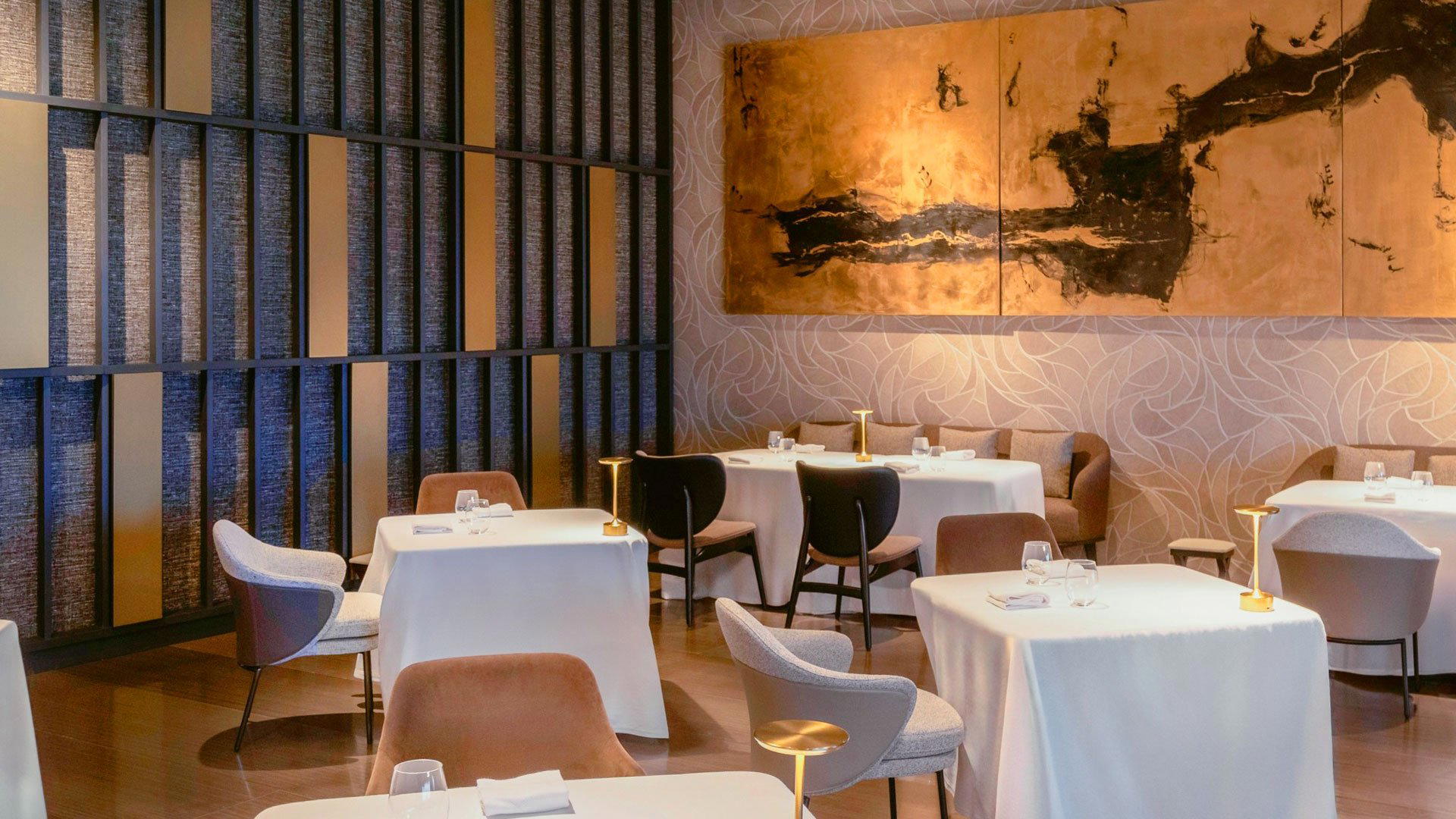
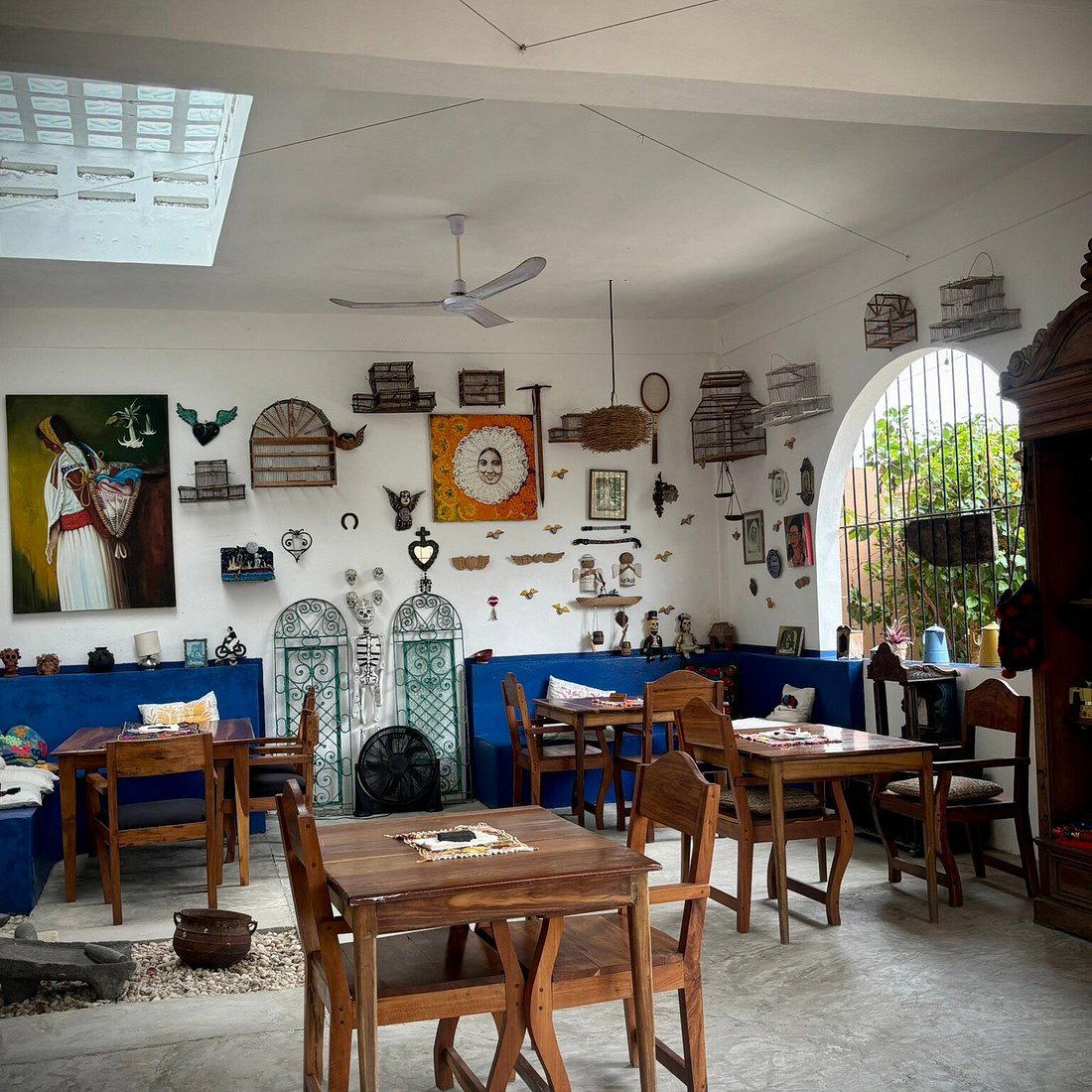
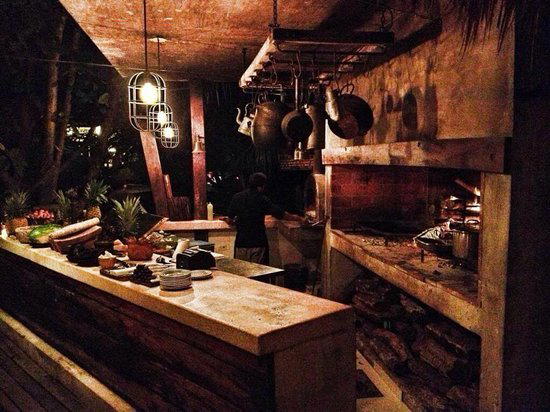
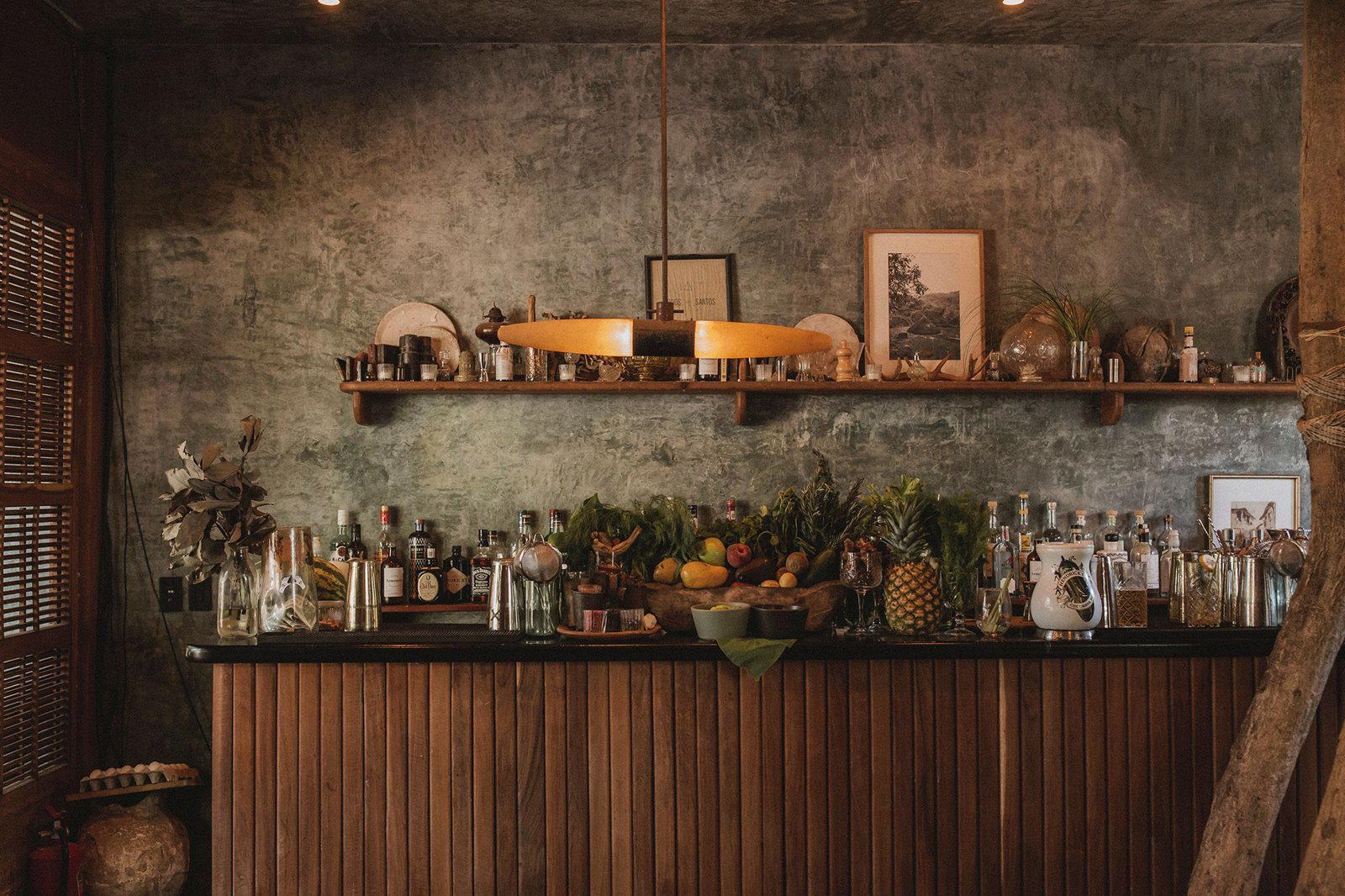
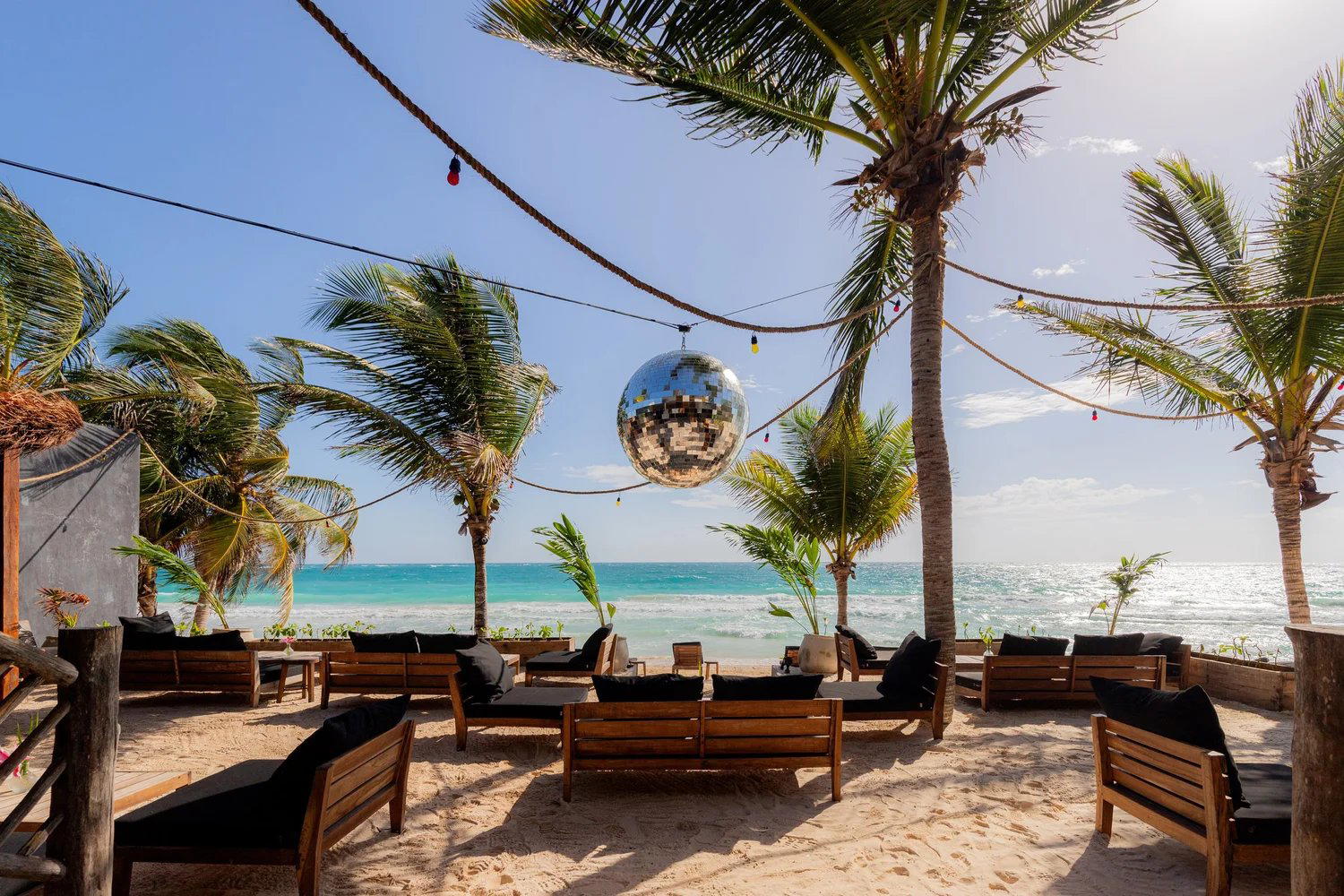
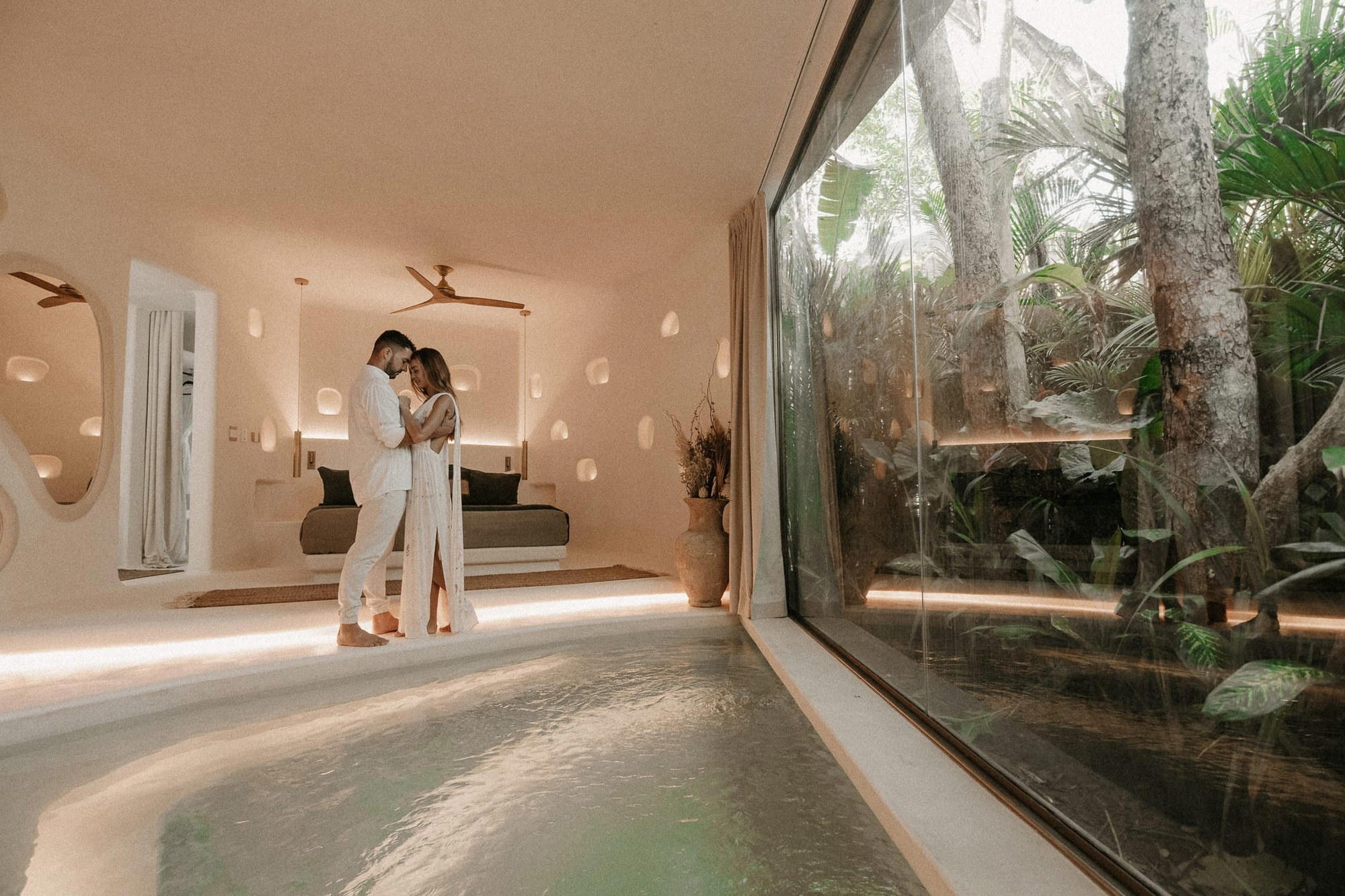
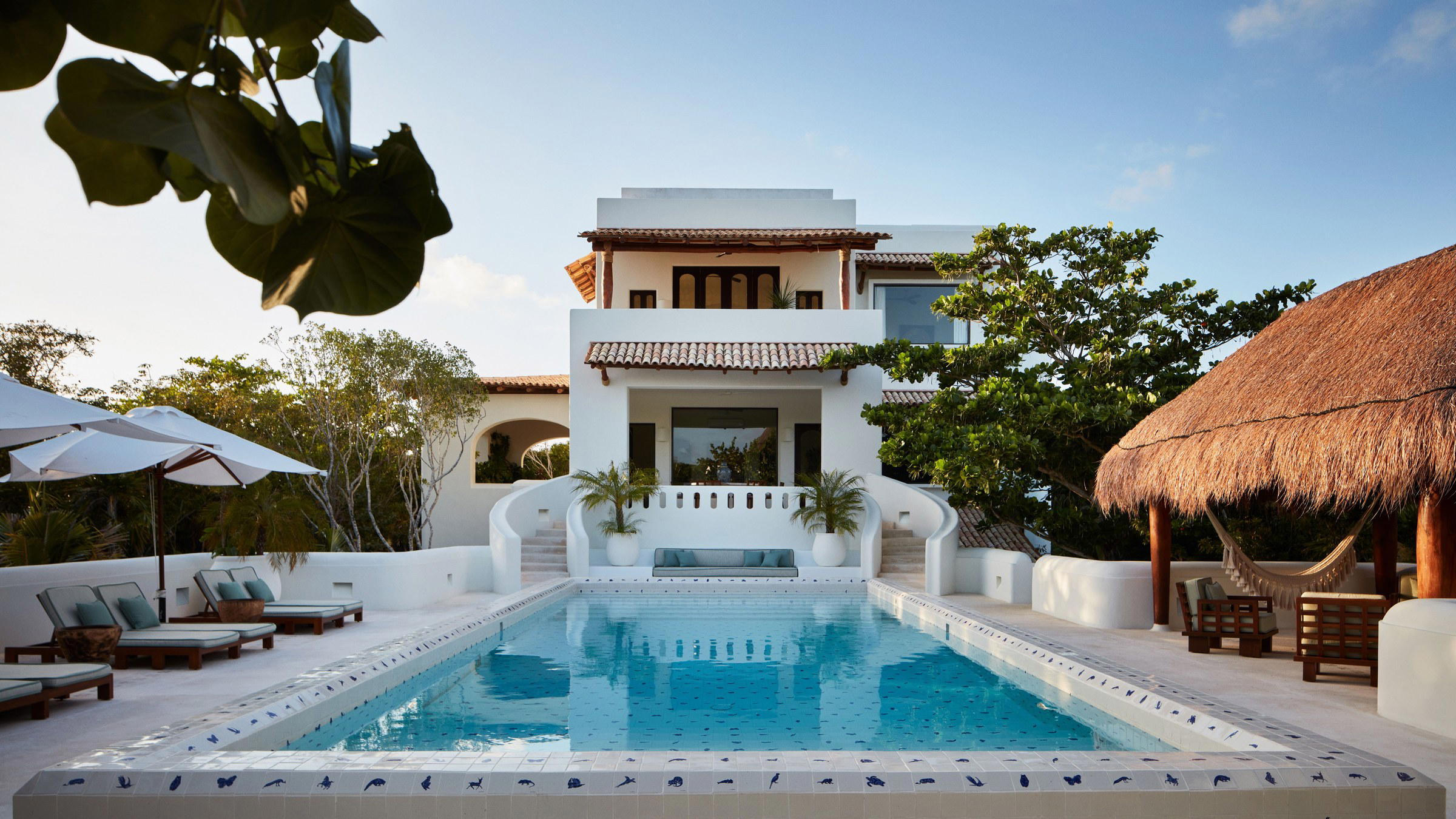
Romantic beachfront atmosphere with a serene bay setting, ocean sounds, and an elegant hotel-restaurant feel.