On Gürler Caddesi in Narlı Dere, Pamira Balık occupies the kind of address that Turkish coastal dining traditions were built around: a fish restaurant close enough to the water that sourcing decisions are made daily, not seasonally. The kitchen works within a regional seafood framework that prizes what arrived that morning over what appears on a printed menu. For travelers moving through the Aegean and Marmara corridor, it represents a grounded alternative to the resort-facing seafood dining that dominates the area.
Pearl is the En Primeur Club membership app — saves, bookings, and concierge access live there. Same editors, same standards.
- Address
- Altıevler, Gürler Cd. No
- Phone
- +905304308911
- Website
- pamirabalik.com
- Directions
- Get directions
 Saves & bookings on Pearl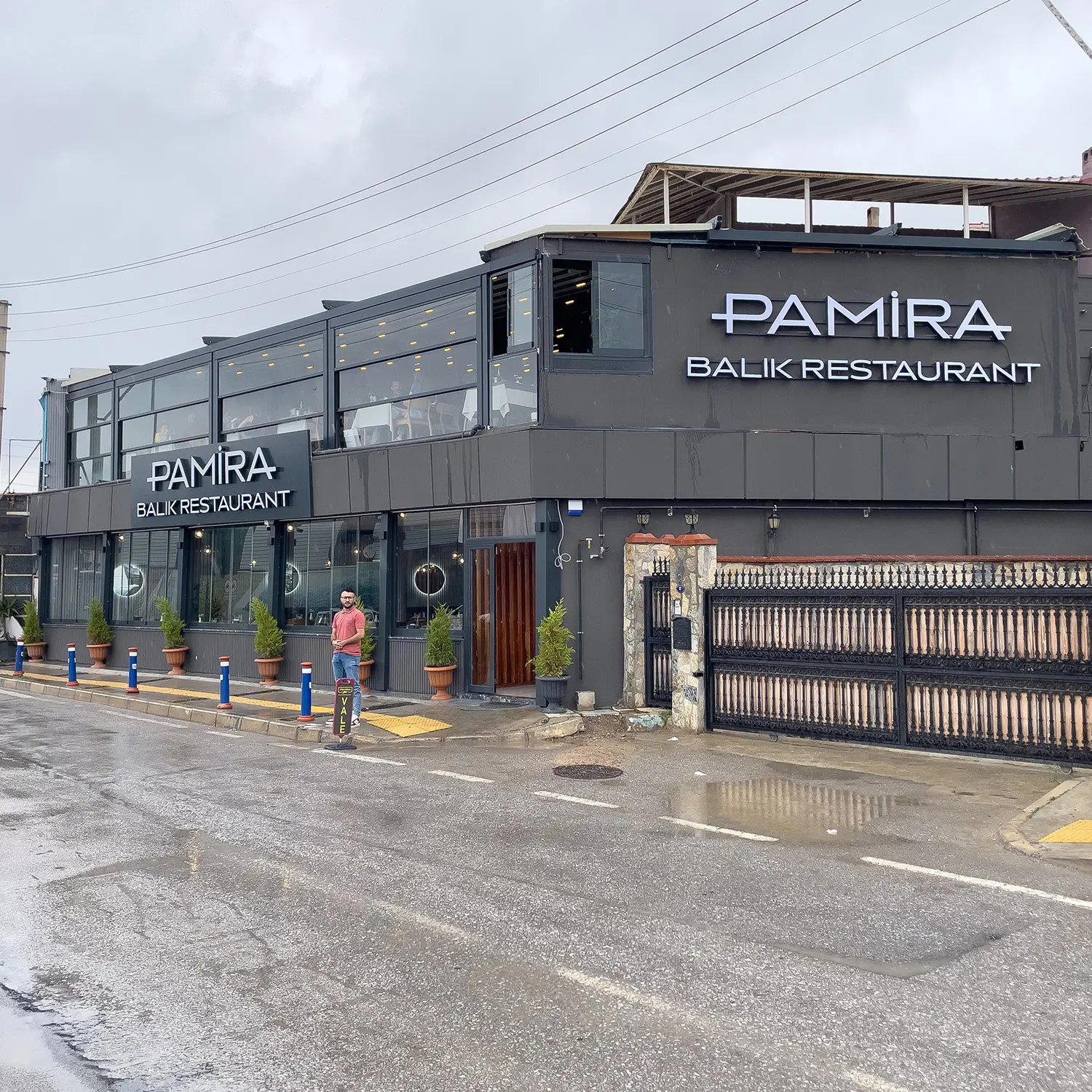
Where the Aegean Sourcing Tradition Shows Up in Practice
Turkish fish restaurants divide into two operating philosophies. The first displays its catch in a glass case near the entrance, priced by weight, with the server walking you through what the boats brought in that day. The second offers a fixed menu with seafood that may have traveled considerably farther than the signage implies. Pamira Balık on Gürler Caddesi in Narlı Dere operates within that older framework. The address, in the Altıevler district, sits in a part of Turkey where the fishing tradition is functional rather than decorative.
Narlı Dere is not a dining destination in the way that Istanbul's Arnavutköy or Bodrum's waterfront have become. That is partly why the sourcing logic at a place like Pamira Balık remains coherent: the kitchen is not feeding a tourist tide that demands year-round consistency. It is feeding a local population that has an established reference point for what fresh fish should look and taste like. That kind of clientele is one demanding audience a fish restaurant can have, and restaurants that survive it for any length of time tend to do so because the product is sound.
The Regional Seafood Framework
Turkish fish cookery in this corridor draws from a shared regional grammar. Whole fish grilled over charcoal, mezes built from whatever the kitchen had reason to pickle or cure that week, cold vegetable preparations dressed with good olive oil, and fish soups that function as a practical use of frames and offcuts rather than a showcase dish. Across comparable addresses, from Kritikos Meyhane in Mudanya to Hiç Lokanta in Urla, the thread connecting them is proximity to supply. The mezes change because the season changes. The fish on offer changes because the catch changes. Printed menus in this format are a loose guide, not a contract.
That sourcing-driven structure places Pamira Balık in a different comparable set than the high-concept modern Turkish seafood operations concentrated in Istanbul. Venues like Turk Fatih Tutak or the resort-facing dining at Maçakızı in Bodrum operate at the ₺₺₺₺ tier with tasting menus, formal service, and wine lists that function as editorial statements. The restaurant is not in that conversation. It belongs to the category that keeps the sourcing logic intact by keeping the format simple: fewer covers, fewer courses, more attention to what the sea actually produced this week.
Ingredient Sourcing as the Central Editorial Point
The ingredient sourcing argument for a restaurant like this is not a marketing claim about farm-to-table values. It is a structural observation about how the menu is built. In coastal Turkish communities where the fishing fleet is still active at a meaningful scale, the daily catch determines the kitchen's output rather than the reverse. A restaurant that operates this way is, by design, harder to review from a distance: the dish you read about in October may not exist in February, because the species that supported it has moved or the season has closed.
This is the same dynamic that governs the leading fish meyhanes in Istanbul's older neighborhoods and the tavernas along the northern Aegean coast. Narımor in Izmir operates within a comparable sourcing logic, as does Asitane in Fatih, which reconstructs Ottoman recipes from ingredients sourced to historical specification. The common thread is that the ingredient decision comes before the menu decision, not after it.
For seafood specifically, the practical implication for a visitor is this: arrive with category-level preferences rather than dish-level expectations. If you want grilled whole fish, you will find it. If you want a specific species at a specific preparation, you are better served by a restaurant that imports and freezes to meet that predictability standard, and that is a different kind of operation entirely.
Planning a Visit: What to Know Before You Go
Narlı Dere sits in the broader Istanbul metropolitan region, accessible via the road network connecting the city's western and southern periphery. For visitors based in central Istanbul, the journey is a commitment rather than a detour, which means the restaurant works better as a deliberate destination than as a spontaneous addition to a city itinerary. Travelers who are already moving through the Marmara coastal corridor, after visiting Bayramoğlu Döner in Beykoz or spending time along the southern Marmara shore, are better positioned to incorporate it naturally.
Reservations are recommended. The restaurant is open daily from 11 AM to 12 AM, so lunch and dinner are both practical options. The kitchen's output at noon is built on a morning delivery; by the evening, the selection may have narrowed.
For those planning a wider journey through Turkey's food geography, useful reference points include Dürümzade in Beyoglu for a contrasting format in central Istanbul, Kocak Baklava in Gaziantep for southeastern Turkish tradition, and Ciğerci Mahmut in Adana for a different regional register entirely. Turkey's restaurant culture rewards travelers who move across its geographic and culinary registers rather than staying within a single city's options.
A Quick Peer Check
Comparable venues nearby, for context on price, style, and recognition.
| Venue | Cuisine | Price | Notes |
|---|---|---|---|
| Pamira BalıkThis venue — the venue you are viewing | Turkish Seafood | $$ | Not listed |
| ÇARK balık Çeşme | Fresh Turkish Seafood Osteria | $$$ | Çeşme Merkez |
| Lades 2 Menemen | Traditional Turkish Menemen | $$ | Beyoğlu |
| Bottarga restaurant | Fresh Seafood Small Plates | $$$ | Turkmen Mah. |
| Gemibaşı Restaurant | Turkish Seafood | $$ | Bodrum City |
| La Cigale | Provenance-forward Mediterranean | $$ | Urla |
Continue exploring
More in Narl Dere
Restaurants in Narl Dere
Browse all →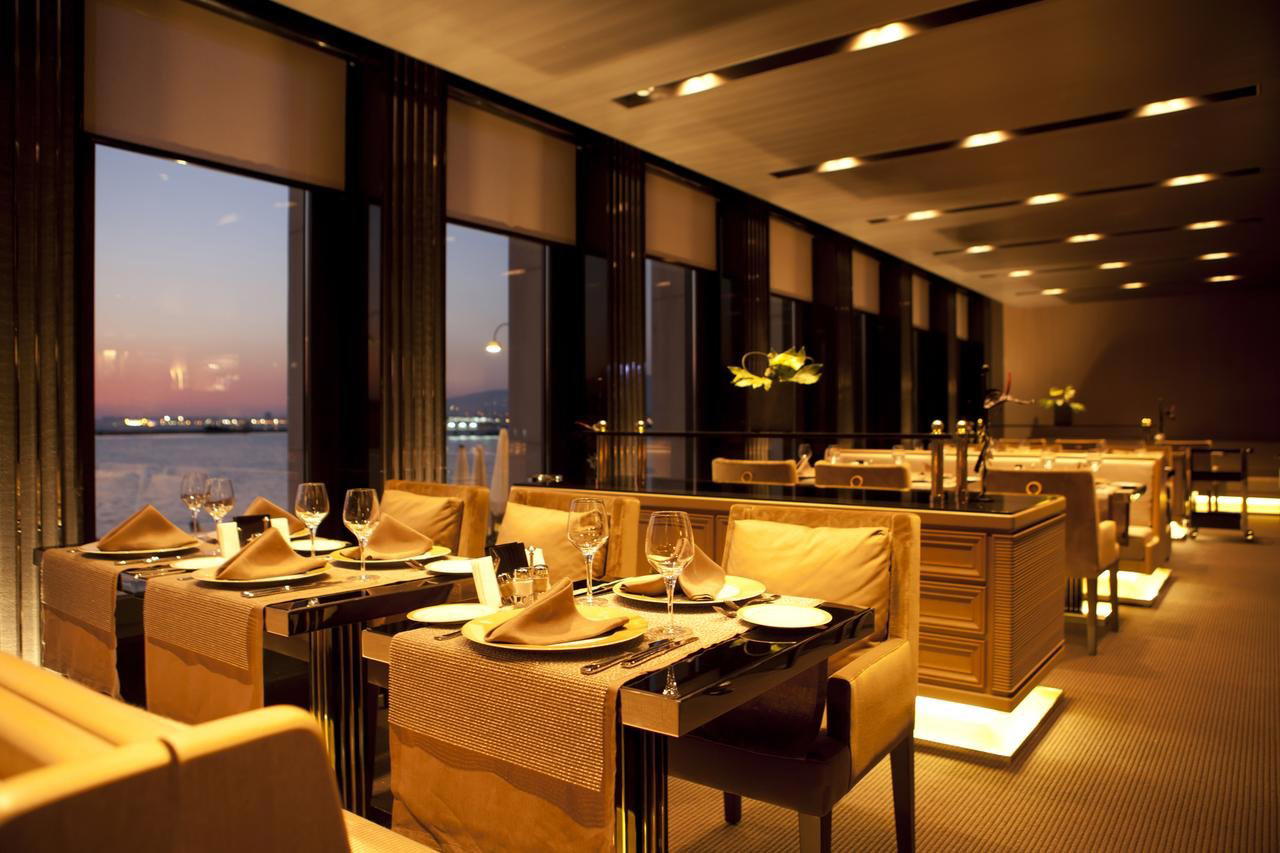
At a Glance
- Waterfront
- Beer Program
- Sustainable Seafood
Current opening hours
- Monday
- 11 AM–12 AM
- Tuesday
- 11 AM–12 AM
- Wednesday
- 11 AM–12 AM
- Thursday
- 11 AM–12 AM
- Friday
- 11 AM–12 AM
- Saturday
- 11 AM–12 AM
- Sunday
- 11 AM–12 AM
Hours can change for holidays and private events. Last verified .
Casual seafood dining atmosphere