On Rue François Miron in the Marais, Pamela Popo occupies one of Paris's most historically layered streets, where medieval timber-framed buildings have watched the neighbourhood shift from aristocratic enclave to contemporary dining destination. The address places it squarely in the 4th arrondissement's current dining scene, where casual neighbourhood tables and more considered cooking formats share the same cobblestoned corridors.
Pearl is the En Primeur Club membership app — saves, bookings, and concierge access live there. Same editors, same standards.
- Address
- 15 Rue François Miron, 75004 Paris, France
- Phone
- +33142741465
- Website
- pamelapopo.fr
- Directions
- Get directions
 Saves & bookings on Pearl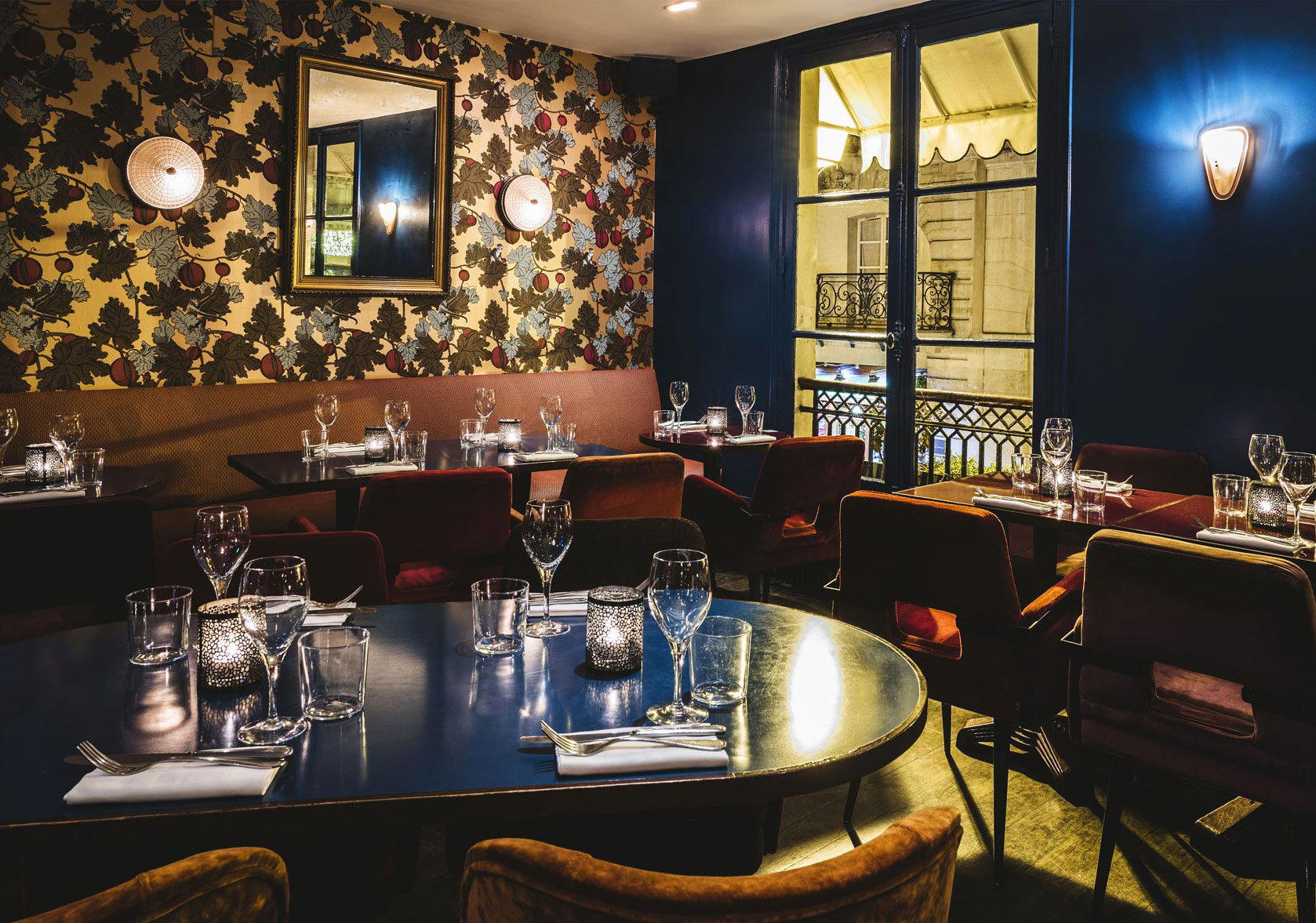
A Street With Memory: Dining on Rue François Miron
Few addresses in Paris carry as much accumulated history per metre as Rue François Miron, the 4th arrondissement thoroughfare that connects the Place Saint-Gervais to the neighbourhood's tighter residential grid. The medieval houses at numbers 11 and 13, among the oldest surviving timber-framed structures in Paris, have stood since the 15th century, and the street's character has shifted continuously around them: from ecclesiastical property to royal administration, from the old Jewish quarter's edge to one of the Marais's most photographed pedestrian corridors. When a dining address appears at number 15 today, it enters a context shaped by centuries of urban layering rather than the blank-slate conditions of newer dining districts.
That historical density is worth stating because it shapes the expectations a guest brings before sitting down. The Marais in 2024 is a neighbourhood where the dining ritual carries extra weight: the room is rarely just a room, and the meal unfolds against a backdrop that most European cities would struggle to match. For those tracking Paris's neighbourhood-by-neighbourhood dining evolution, this is relevant context. The 4th arrondissement's current restaurant scene spans a wide register, from tourist-facing brasseries around the Place de la Bastille perimeter to more considered, locally-oriented tables tucked into quieter side streets. Rue François Miron sits closer to the latter category, drawing residents and returning visitors rather than first-time arrivals working through a checklist.
The Marais Dining Ritual: Pacing, Format, and Expectation
One of the defining characteristics of neighbourhood dining in the Marais is that meals tend to expand to fill the time available. This is not the hurried lunch culture of the 8th arrondissement's business districts, where two-course formules serve a transactional purpose, nor the theatrical pacing of the grand Parisian tasting-menu format represented by addresses like Alléno Paris au Pavillon Ledoyen or Arpège. In the Marais, the dining ritual tends toward something more elastic: tables linger, courses arrive without excessive orchestration, and the relationship between the room and the kitchen feels conversational rather than ceremonial.
This distinction matters when considering where Pamela Popo sits within Paris's current dining spectrum. The address on Rue François Miron positions it within the neighbourhood's middle register, the tier of restaurants where the room is genuinely inhabited rather than performed. Parisian diners who navigate this tier regularly understand that the markers of quality here are different from those at the L'Ambroisie end of the spectrum, where the Place des Vosges address and the weight of classical tradition are inseparable from the experience, or from the Le Cinq format where hotel-luxury conventions dictate a particular kind of formality. The Marais neighbourhood table operates by different conventions: directness over ceremony, ingredient-led cooking over sauce-led architecture, and a room temperature that reads as inhabited rather than preserved.
Placing the Address in Paris's Broader Dining Geography
Paris's dining geography has always been more granular than arrondissement boundaries suggest, and the 4th is no exception. The neighbourhood's dining character diverges sharply between its tourist-saturated corridors near the Centre Pompidou and the quieter residential pockets that extend toward the Seine. Rue François Miron occupies one of those quieter pockets, a corridor where the foot traffic is lighter and the dining public tends toward the deliberately intentional rather than the accidentally hungry.
Within France's wider dining map, Paris's neighbourhood addresses occupy a specific and increasingly respected position. The country's most formally recognised tables, from Mirazur in Menton to Troisgros in Ouches and Flocons de Sel in Megève, draw on regional identity and destination-dining logic. Paris neighbourhood tables like those on Rue François Miron operate on a different axis: they serve a resident and semi-resident public that expects consistency and character rather than a singular pilgrim-worthy experience. The logic is closer to that of a well-considered bistrot than to the ambitions of Bras in Laguiole or Auberge de l'Ill in Illhaeusern, where the surrounding landscape is part of the proposition.
That is not a diminishment. Paris's neighbourhood-table tier is where the daily food culture of the city actually lives, and it is the format that visitors with multiple Paris trips behind them tend to prioritise. The question is less about starred credentials and more about whether the room has its own gravity. On a street like Rue François Miron, that gravity arrives free with the address.
Seasonal Timing and Practical Considerations
The Marais dining scene has two distinct tempos across the year. From late spring through early autumn, the neighbourhood operates at peak density, with outdoor terrasse seating in high demand and reservation windows compressing accordingly. The shoulder seasons, particularly late September through November and the post-January period in February and March, tend to offer more comfortable conditions for walking the neighbourhood and finding tables without extended forward planning. For an address on Rue François Miron, those quieter months also allow the street itself to be appreciated on its own terms, with the medieval facades and the relative quiet of a Tuesday evening in October constituting their own form of atmosphere.
Paris's dining scene in the 4th arrondissement also benefits from proximity to some of the city's more useful wine retail and specialist food shopping, which means that an evening meal in the area can extend naturally into a broader engagement with the neighbourhood's food culture. Visitors planning a longer Paris stay might reasonably use Rue François Miron as an anchor point for the Marais's food geography, with the understanding that the address forms part of a neighbourhood worth walking through slowly rather than arriving at directly by taxi.
Planning Your Visit
Pamela Popo is located at 15 Rue François Miron in the 4th arrondissement, accessible from the Saint-Paul Métro station (Line 1) within a short walk through the Marais's eastern grid. The street runs parallel to the Seine and sits between the historic Place Saint-Gervais and the Hôtel de Ville axis, making it a natural stop within a broader Marais evening. Pamela Popo is open Monday to Saturday from 7 PM to 2 AM and is closed on Sunday. Reservations are recommended.
Comparable Options
Comparable venues nearby, for context on price, style, and recognition.
| Venue | Cuisine | Price | Notes |
|---|---|---|---|
| Pamela PopoThis venue — the venue you are viewing | Modern French Brasserie | $$$ | Not listed |
| Aux Crus de Bourgogne | Classic French Bistro with Burgundian Specialties | $$$ | Montorgueil |
| Babille | Festive French Brasserie | $$$ | Grands Boulevards |
| Huguette | French Seafood Bistro | $$$ | Saint-Germain-des-Prés |
| Auberge Etchegorry | Traditional Basque & Southwest French | $$$ | 13e Arr. – Gobelins |
| CoCo | Modern French Seasonal Cuisine | $$$ | Opéra |
Continue exploring
More in Paris
Restaurants in Paris
Browse all →
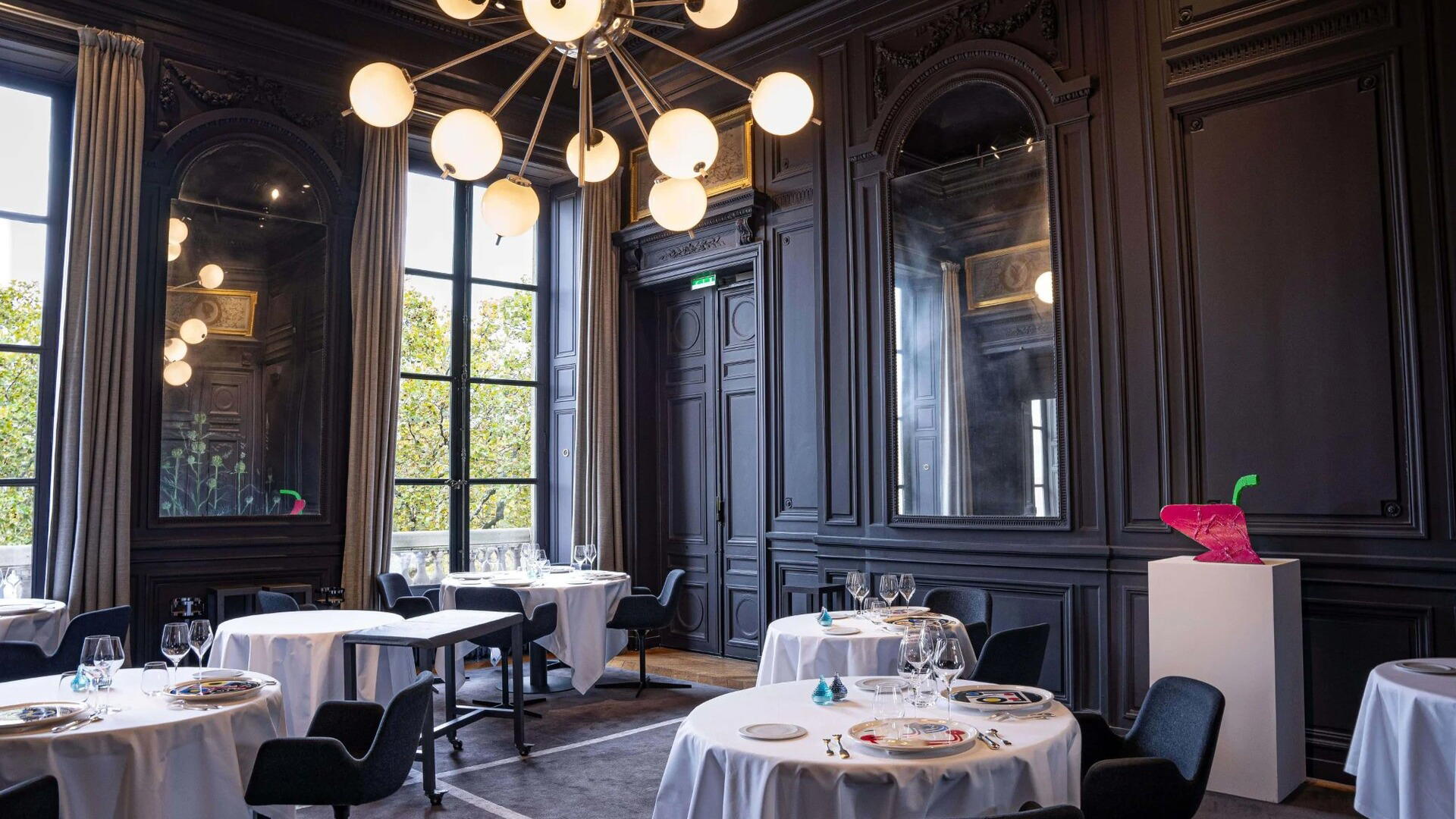
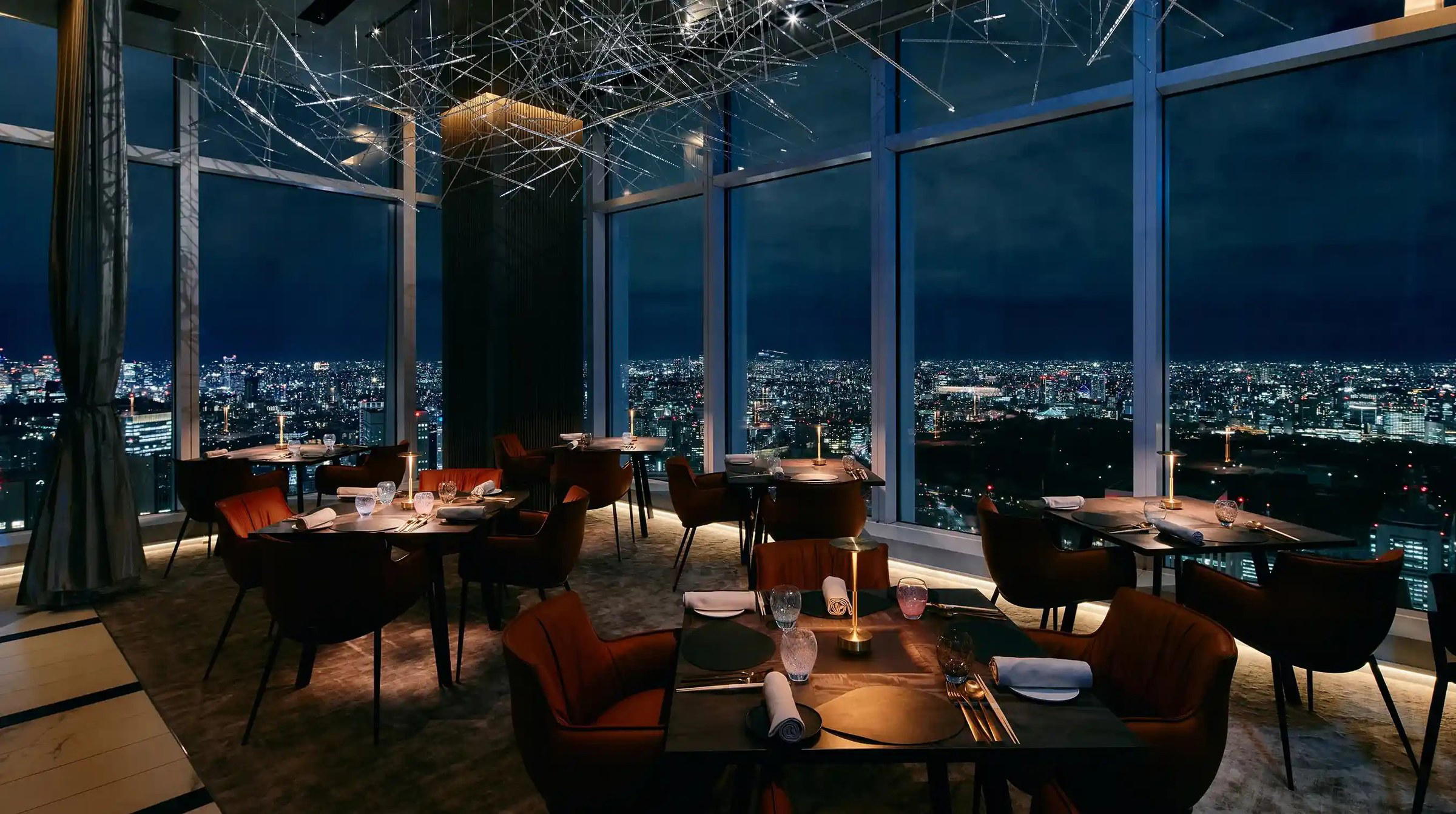
Bars in Paris
Browse all →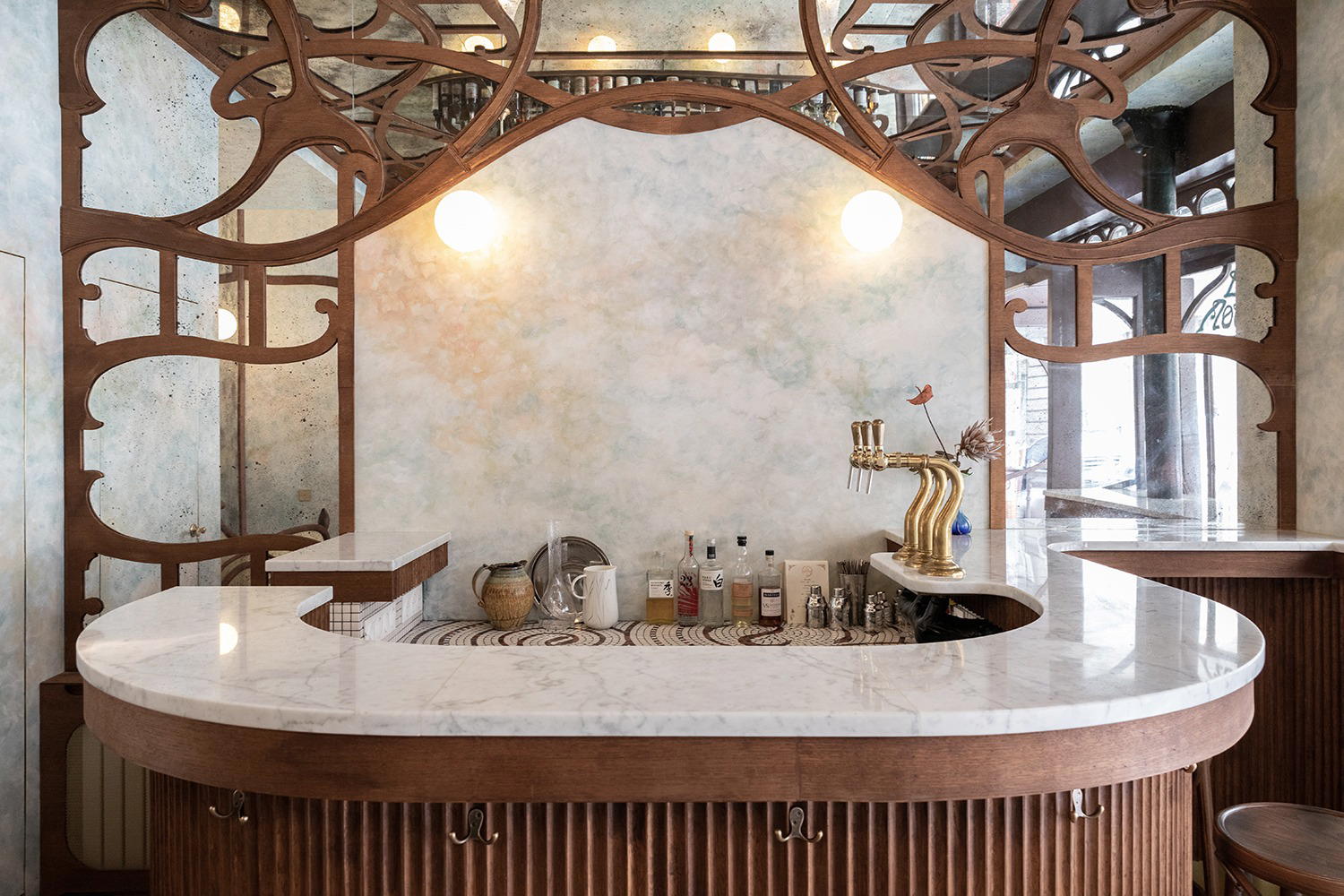
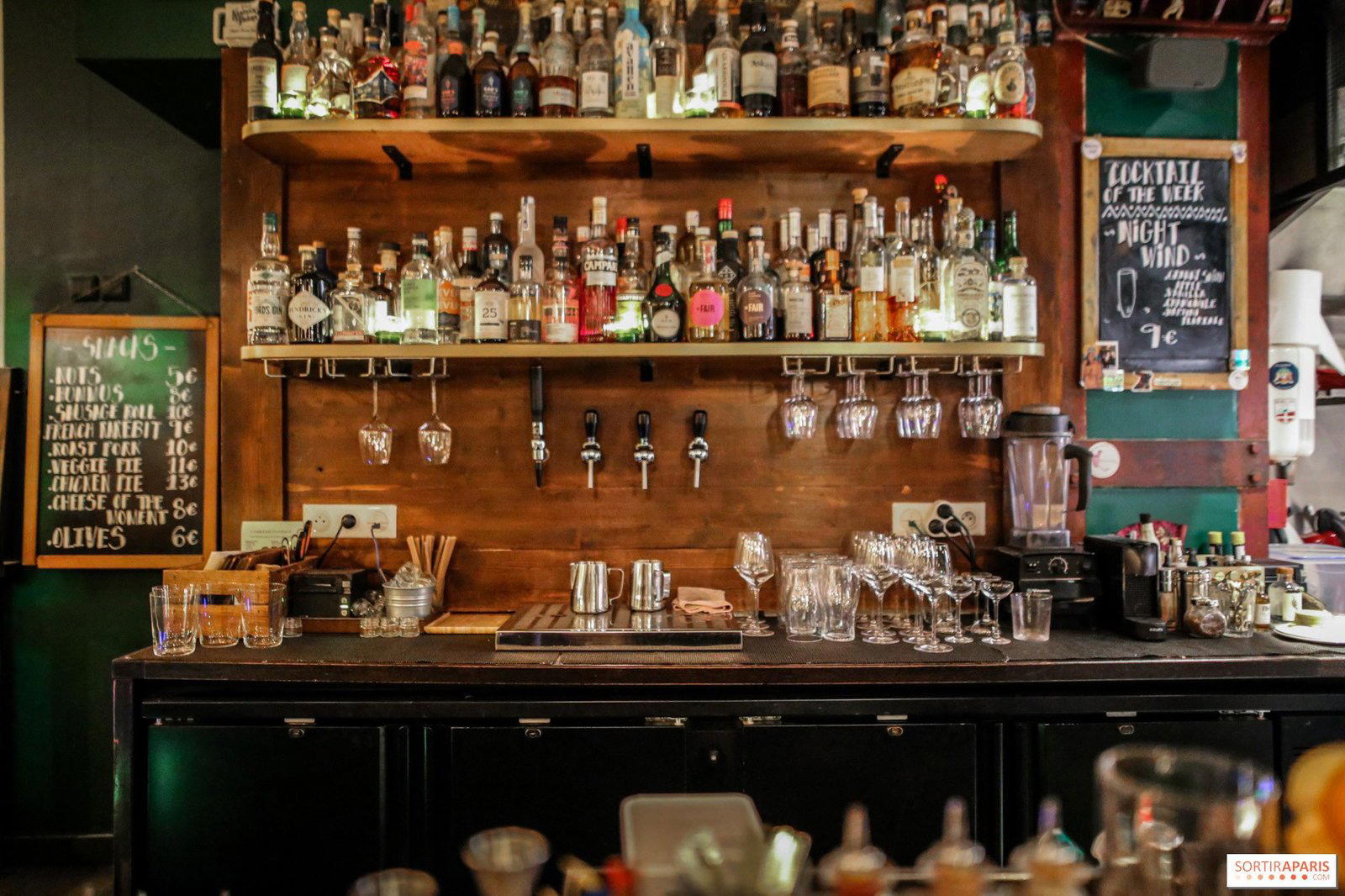
Hotels in Paris
Browse all →



At a Glance
- Romantic
- Cozy
- Intimate
- Retro
- Elegant
- Date Night
- Special Occasion
- Business Dinner
- Private Dining
- Craft Cocktails
Current opening hours
- Monday
- 7 PM–2 AM
- Tuesday
- 7 PM–2 AM
- Wednesday
- 7 PM–2 AM
- Thursday
- 7 PM–2 AM
- Friday
- 7 PM–2 AM
- Saturday
- 7 PM–2 AM
- Sunday
- Closed
Hours can change for holidays and private events. Last verified .
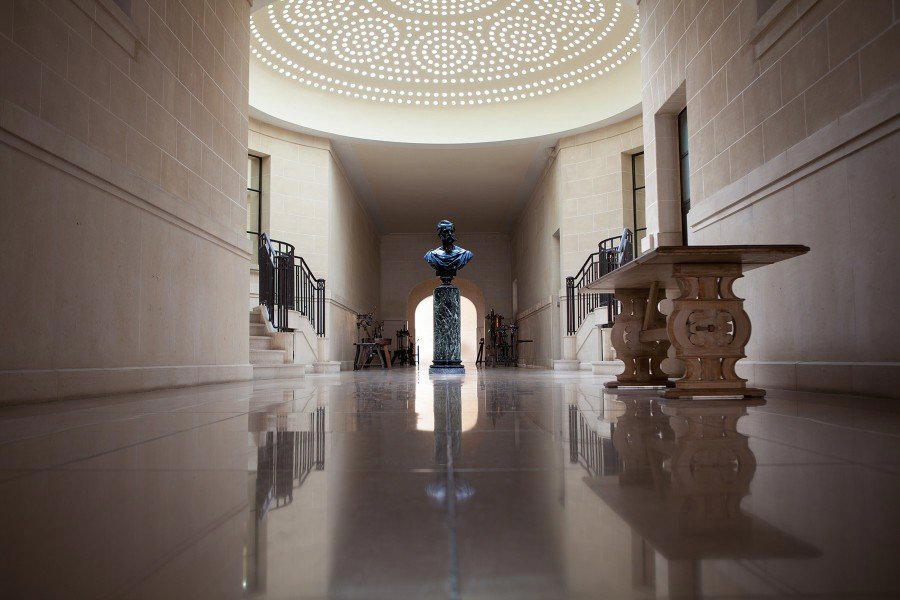
Warm, intimate atmosphere with retro touches, colorful and cozy lighting evoking bohemian romance.