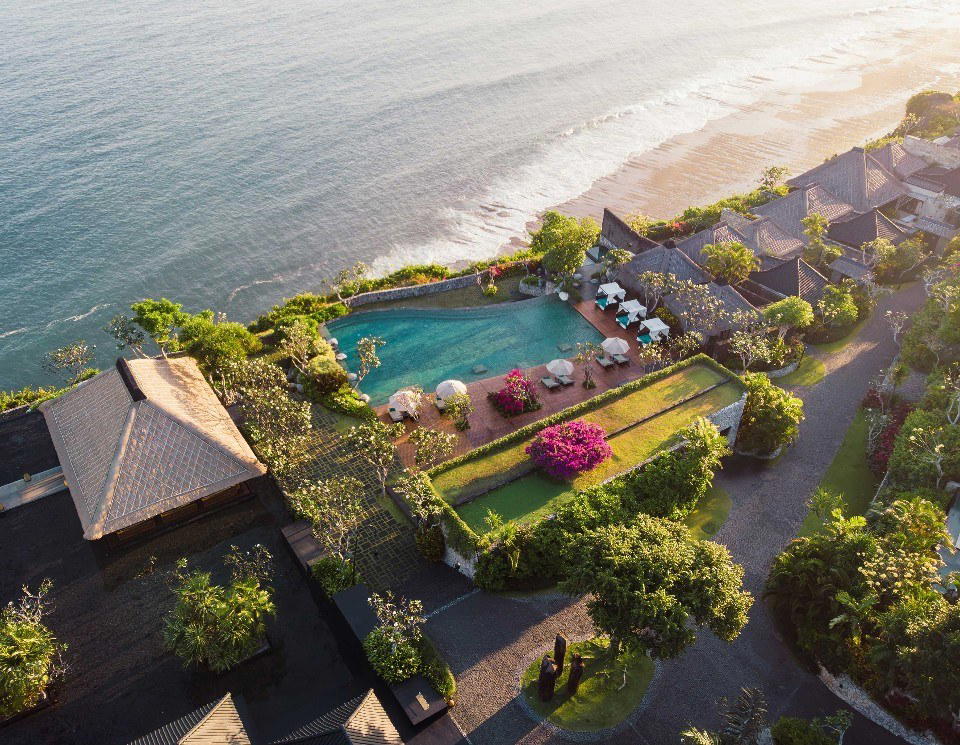
Set within AYANA Resort and Spa on Jimbaran's southern cliffs, Padi Restaurant draws its identity from the rice-paddy landscapes that define inland Bali as much as the coastline below. The setting places it firmly in the resort-dining tier, where sourcing, scenery, and a sense of place carry more weight than a standalone city address. For visitors staying along the Jimbaran peninsula, it represents a considered option within a competitive resort food-and-beverage programme.
Pearl is the En Primeur Club membership app — saves, bookings, and concierge access live there. Same editors, same standards.
- Address
- AYANA Resort and Spa, Jl. Karang Mas Sejahtera, Jimbaran, Kec. Kuta Sel., Kabupaten Badung, Bali 80364, Indonesia
- Phone
- +62 361 702222
- Directions
- Get directions
 Saves & bookings on Pearl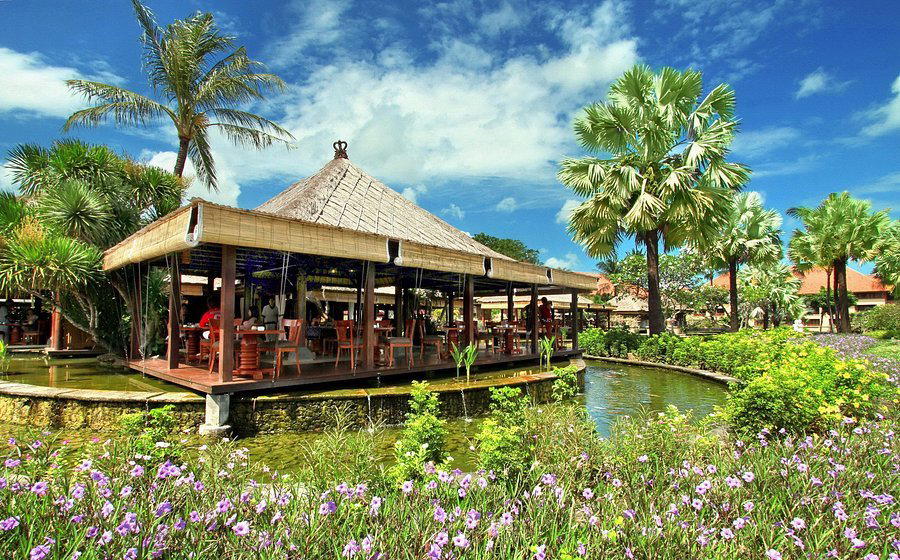
Where Rice Culture Meets the Cliff's Edge
Jimbaran's dining scene divides along a clear fault line: the seafood warungs clustered on the bay, where plastic chairs face the water and grilled fish arrives by weight, and the resort-anchored restaurants on the southern headland, where the setting is engineered and the sourcing logic runs deeper. Padi Restaurant, positioned within AYANA Resort and Spa in Jimbaran, belongs to the second category. Its name, padi is the Bahasa Indonesia word for unharvested rice, signals an explicit connection to agrarian Bali, the island's interior rather than its shoreline, and the staple crop that has shaped Balinese ceremony, calendar, and cuisine for centuries.
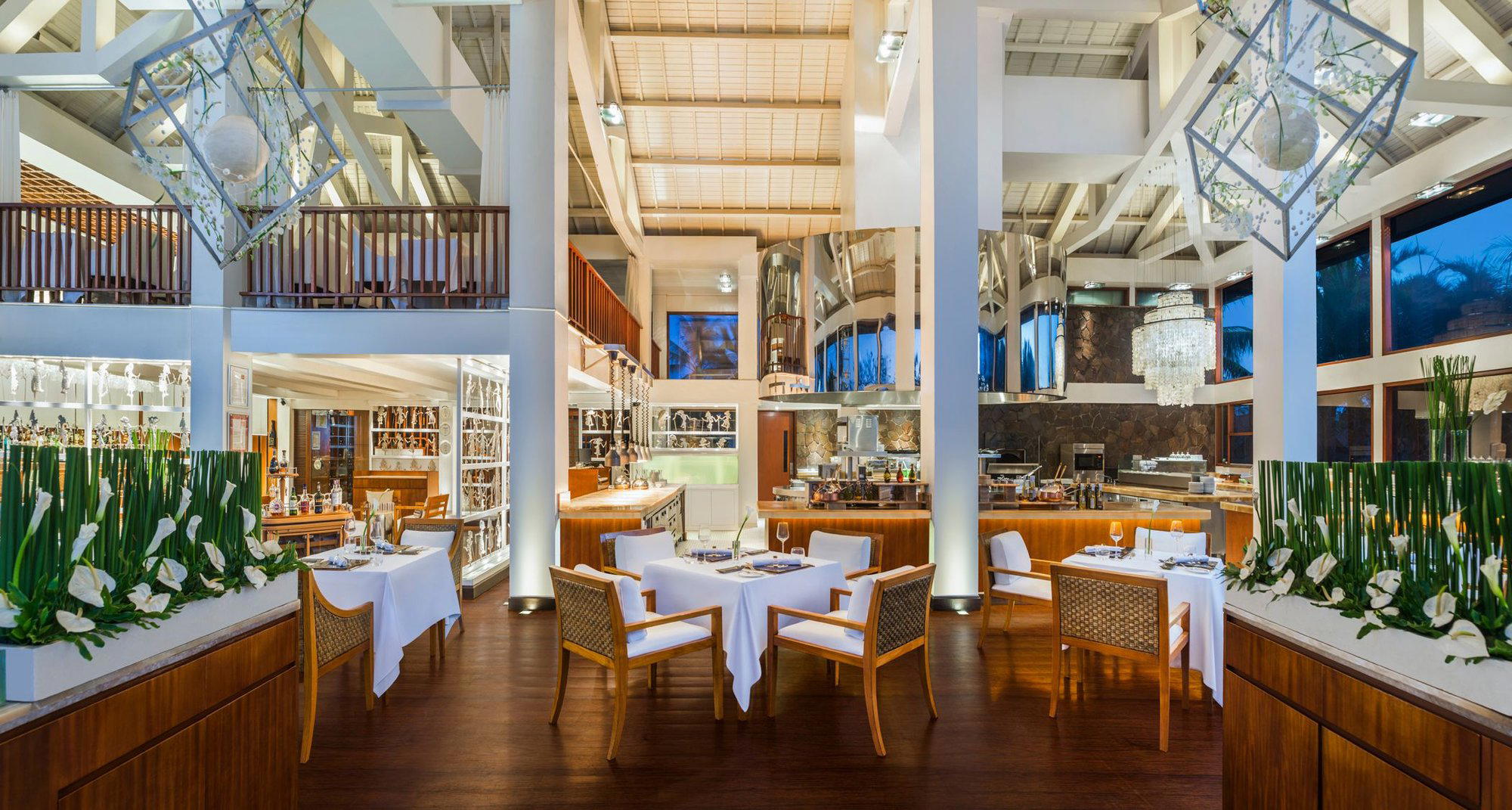
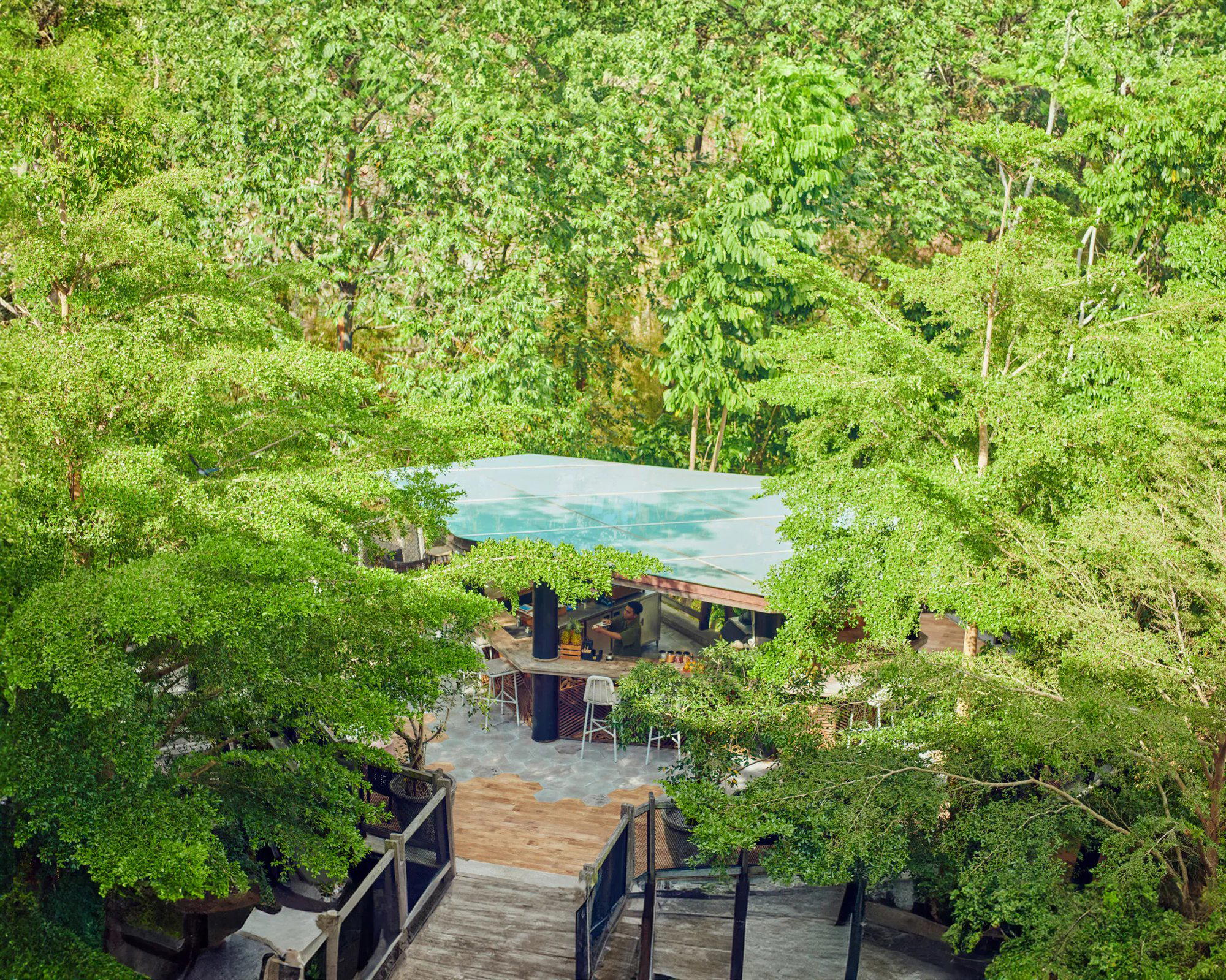
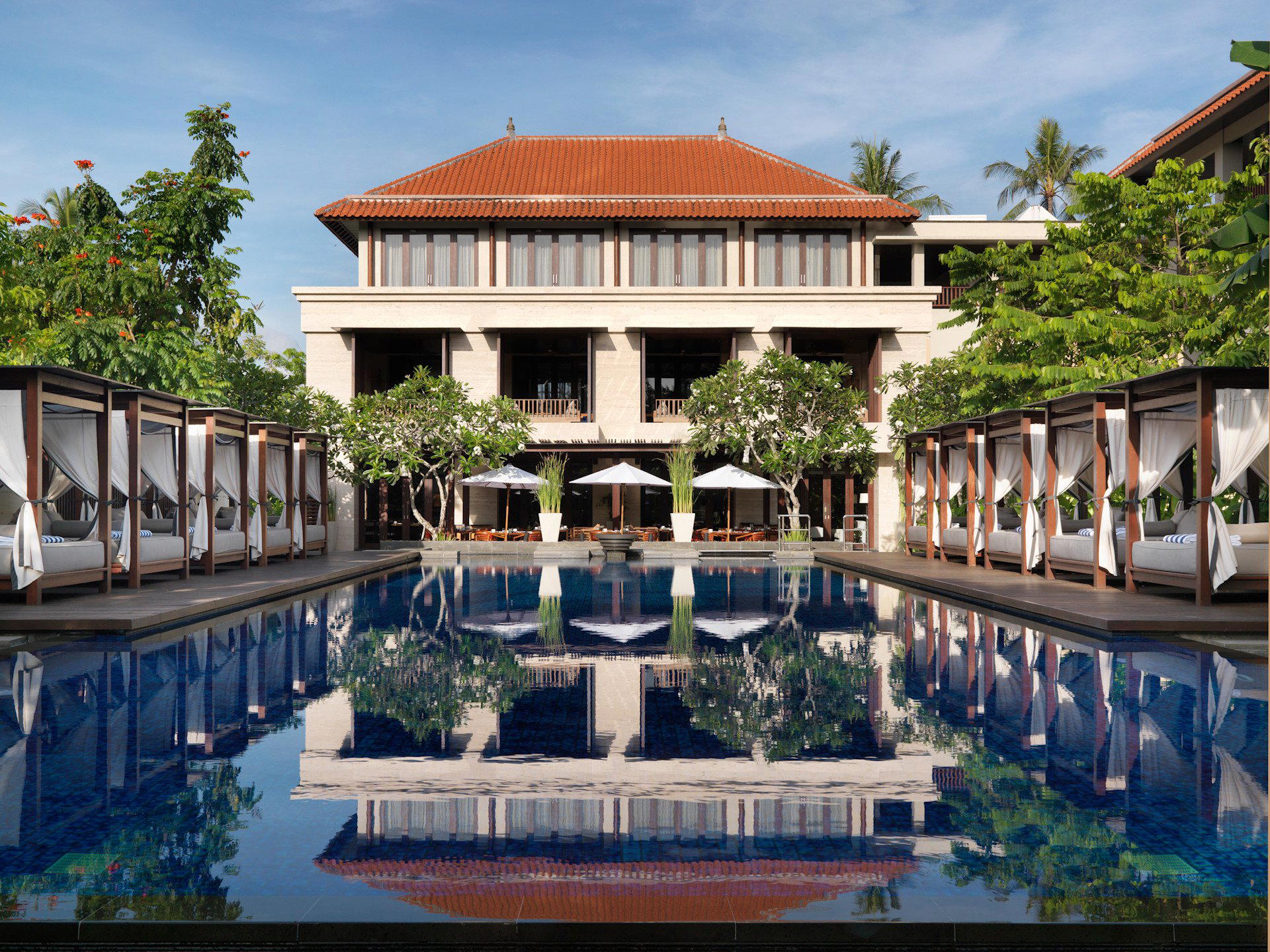
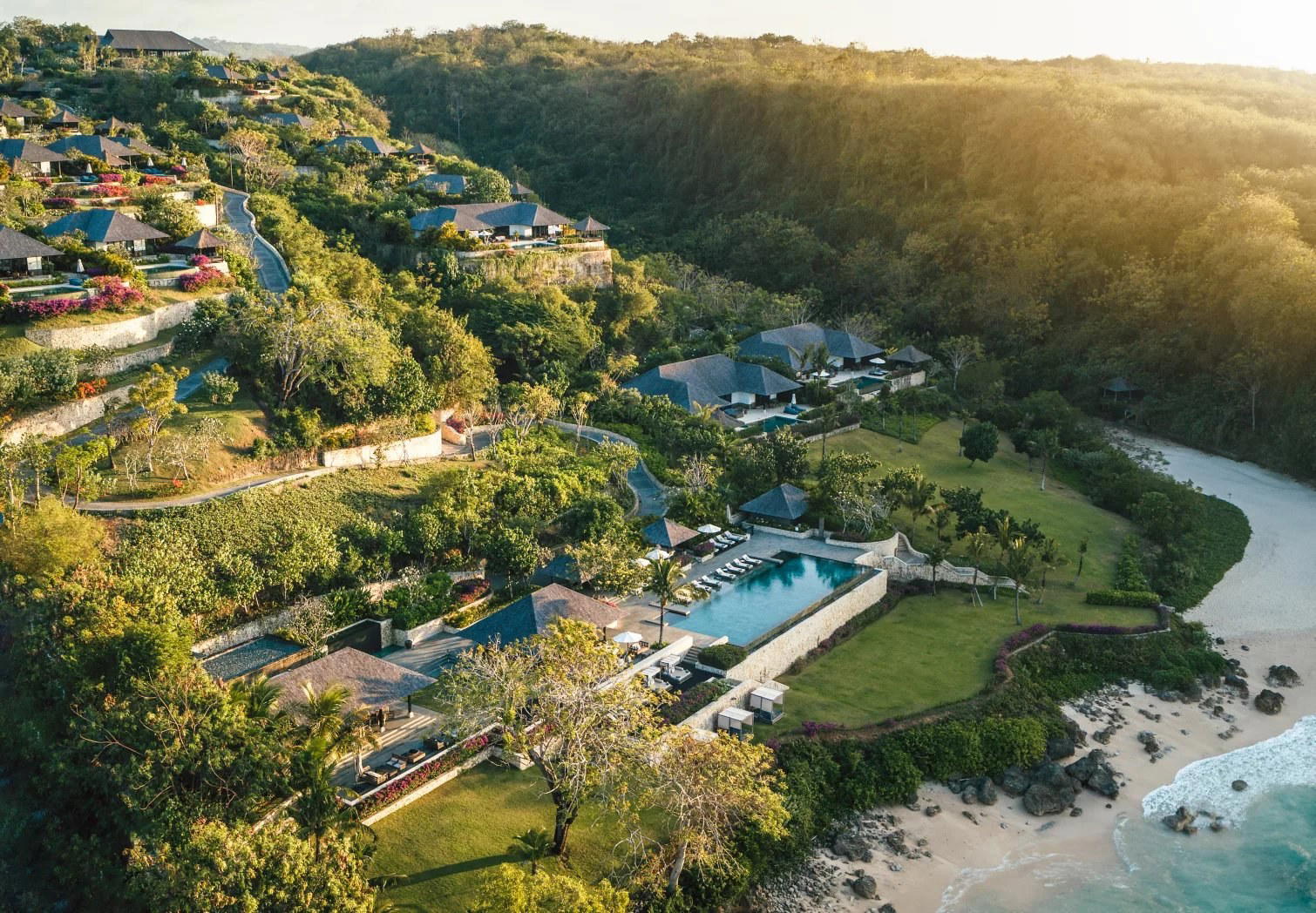
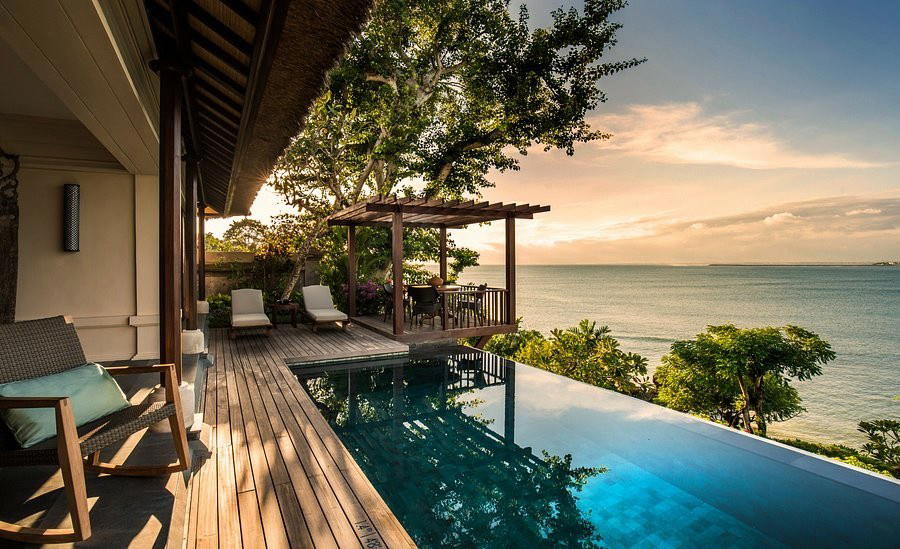
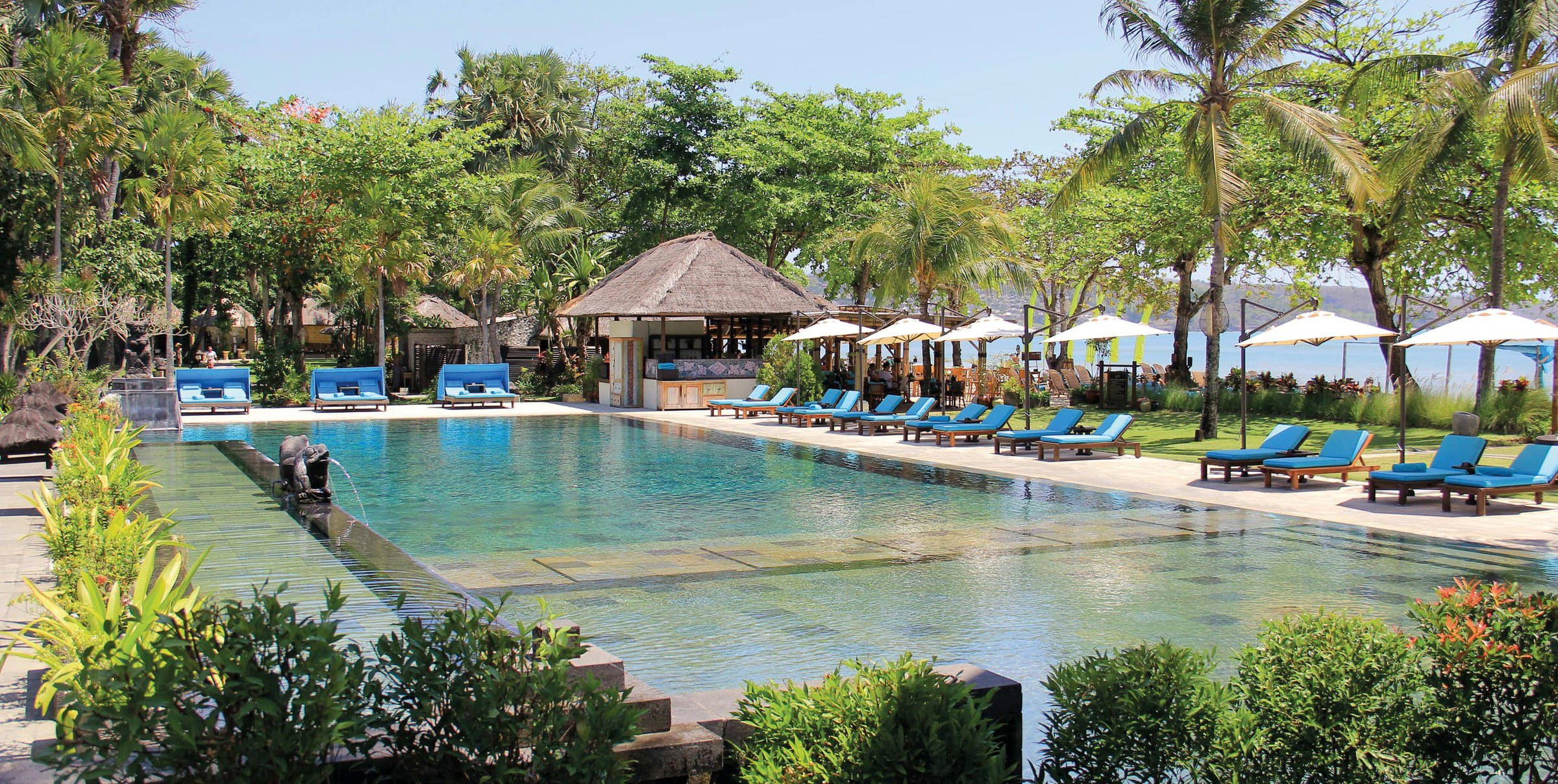
Approaching the restaurant, the resort's architecture gives way to open-sided pavilion structures framed by tropical planting. The sightlines shift between the rice-paddy reference embedded in the restaurant's identity and the Indian Ocean visible from the cliff below. It is a spatial argument: that Bali's food culture is not reducible to beachside grilling, but extends inland to volcanic soil, terraced fields, and the slow rhythms of agricultural production.
The Sourcing Logic Behind Balinese Resort Dining
In Bali's premium dining tier, the sourcing question has become the defining editorial one over the past decade. Restaurants like Locavore NXT in Ubud have staked a position on hyper-local ingredient procurement, working directly with small farmers, foragers, and coastal fishers to build menus that read as an index of what the island produces at a given moment in the calendar. That approach has set a standard that resort restaurants, operating at higher volumes and within the constraints of international guest expectations, find harder to replicate with the same consistency.
What resort dining in Jimbaran can do well, however, is draw on the supply chains that a large property's purchasing power makes accessible. AYANA's scale means sourcing relationships that smaller standalone restaurants cannot sustain. The padi framing at this restaurant implies rice sourced from Balinese fields rather than commodity imports, a distinction that matters on an island where subak, the traditional cooperative irrigation system, is a UNESCO-recognised cultural landscape.
For a wider read on how Indonesian kitchens across the archipelago approach sourcing and regional identity, the contrast between Gudeg Yu Djum in Yogyakarta and Kunyit Restaurant in Bandung is instructive, both anchor their identity in highly specific regional produce and preparation traditions, which is a different model from the broader Balinese-Indonesian synthesis that resort restaurants tend to pursue.
The Resort Dining Position in Jimbaran
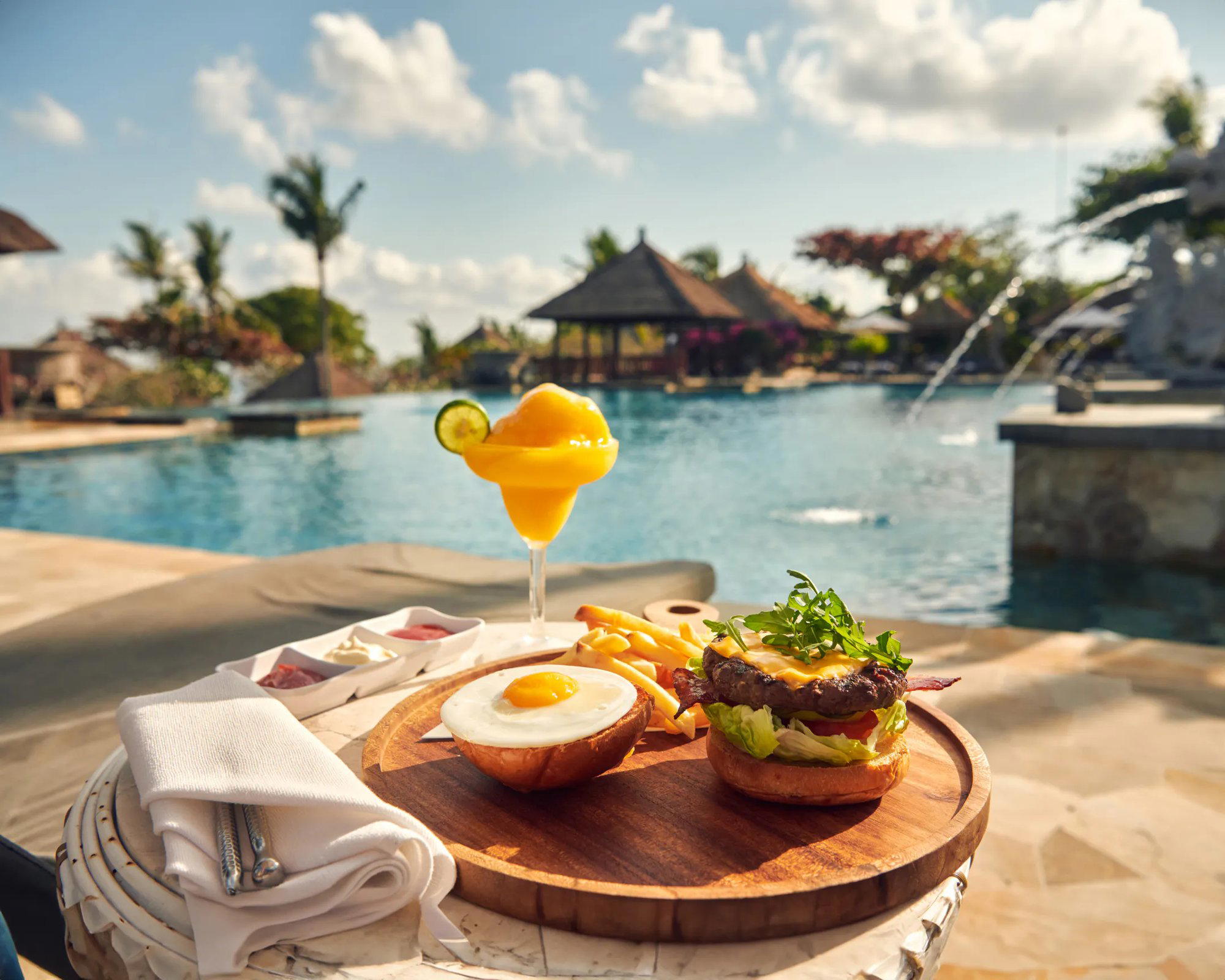
Jimbaran's restaurant offer has expanded considerably as the southern Bali luxury market has grown. Within the resort segment, Padi sits inside AYANA's wider food-and-beverage programme, which spans multiple outlets from the cliff-leading Rock Bar to more casual pool-adjacent dining. That programme structure means Padi is positioned as the property's more considered, cuisine-forward option rather than a convenience outlet, a distinction that shapes who books it and why.
Against that comparable set, the sourcing narrative and the specificity of the padi reference give it a clearer identity than generic pan-Asian resort menus. For guests comparing options within the resort itself, it represents the choice that rewards more attention to what is on the plate.
Locally, Rumari offers a comparable calibre of resort-aligned dining in the same neighbourhood. Outside the resort segment, Bikini Restaurant Bali in Badung and Jungle Fish Bali in Gianyar represent the design-led standalone restaurant tier that has grown alongside Bali's international dining reputation.
What Draws Diners Here
The Indonesian archipelago's restaurant scene has developed at pace across multiple cities. Programmes like August in Jakarta and the precision-focused work happening at Kita in Kecamatan Menteng point to a broader national conversation about Indonesian ingredients and technique. Bali, as the country's most internationally visible food destination, sits at the intersection of that local evolution and the expectations of a global visitor base.
Padi's position within that context is as a resort restaurant that takes the agrarian vocabulary of Balinese culture seriously as a source of menu identity, rather than deploying it as surface decoration. The distinction between using rice imagery as branding and actually building a menu around Balinese-sourced staples is one that attentive diners will notice. On an island where Kynd Community has built a following around a different but equally specific sourcing identity, the expectation that restaurants articulate and deliver on their ingredient claims has risen.
Planning a Visit
Padi Restaurant is accessible to both AYANA Resort guests and outside diners. Reservations are recommended, and the dress code is smart casual. Reservations are recommended.
For those building a broader Bali itinerary around considered dining, the island's range now extends from the warungs of the Jimbaran bay to the technically ambitious tasting-menu programmes of Ubud. Elsewhere in Indonesia, the dining range runs from the hotpot formats of Chongqing Liuyishou in South Jakarta and Hai Di Lao in Central Jakarta to the coffee-forward café culture represented by Agreya Coffee in Bogor. Padi sits at a different register from all of them, resort-anchored, scenically positioned, and framed by a sourcing identity that the name alone declares.
How It Stacks Up
Comparable venues nearby, for context on price, style, and recognition.
| Venue | Cuisine | Price | Notes |
|---|---|---|---|
| Padi RestaurantThis venue — the venue you are viewing | Asian Fusion with Indonesian Focus | $$$ | Not listed |
| Rumari | Modern Indonesian Fine Dining | $$$ | Jimbaran |
| Jungle Fish Bali | Mediterranean-Inspired Indonesian | $$ | Keliki |
| The Global Village Foundation Kafe | International Indonesian Cafe | $$ | Anturan, Lovina Beach |
| Lulu Bistrot | French Bistro | $$$ | Canggu |
| Bikini Restaurant Bali | Asian-inspired Modern Fusion | $$$ | Seminyak |


At a Glance
- Scenic
- Romantic
- Cozy
- Family
- Celebration
- Waterfront
- Open Kitchen
- Terrace
- Garden
Current opening hours
- Monday
- 6:30–11 AM, 8:30–11 PM
- Tuesday
- 6:30–11 AM, 8:30–11 PM
- Wednesday
- 6:30–11 AM, 8:30–11 PM
- Thursday
- 6:30–11 AM, 8:30–11 PM
- Friday
- 6:30–11 AM, 8:30–11 PM
- Saturday
- 6:30–11 AM, 8:30–11 PM
- Sunday
- 6:30–11 AM, 8:30–11 PM
Hours can change for holidays and private events. Last verified .
Open-air thatch-roofed pavilions with serene lotus pond views, providing a tranquil and enchanting setting.