Our verdict
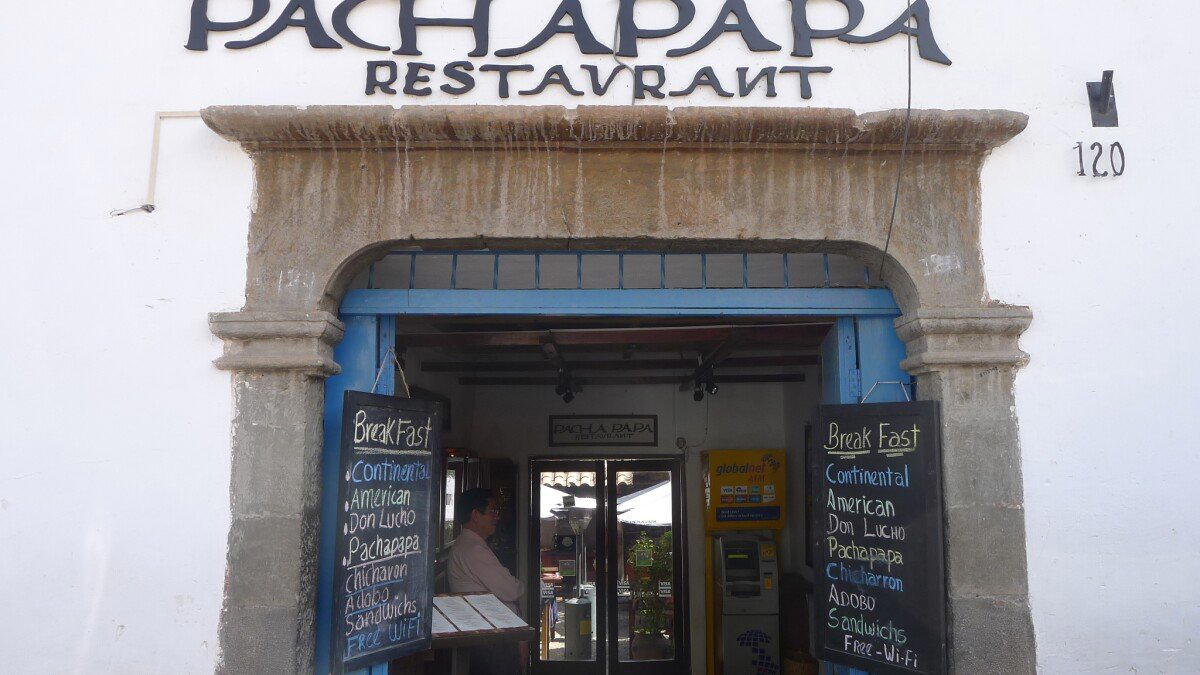
Pachapapa sits in the San Blas neighbourhood of Cusco, serving Andean cooking in a setting that puts the courtyard and the kitchen in direct conversation. The menu reads as a structured argument for highland ingredients, cuy, chicha, and native potato varieties, rather than a survey of Peruvian hits. For visitors orienting themselves in Cusco's dining scene, it functions as a reliable anchor for traditional cuisine before exploring the city's more contemporary registers.

Pearl is the En Primeur Club membership app, where members save venues, book tables and use the concierge.
The menu
What to order
- Cuy al horno
- Aji de gallina
- Anticuchos de alpaca
San Blas and the Architecture of Andean Eating
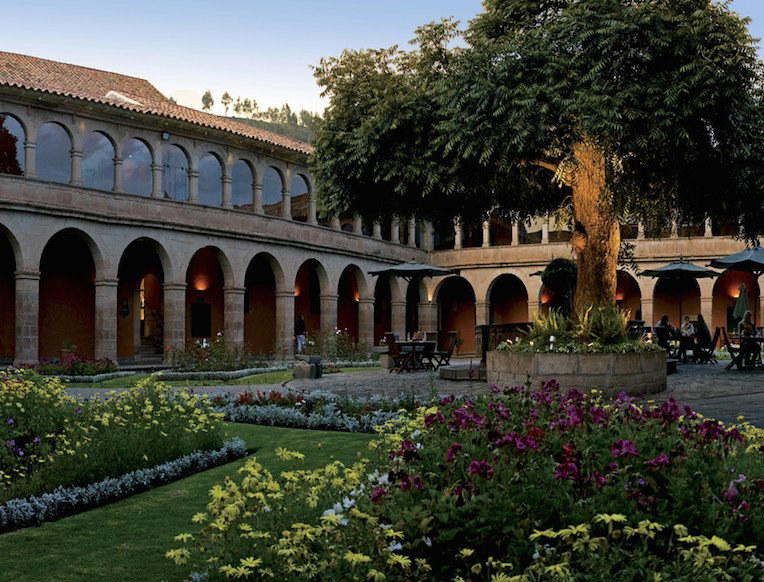
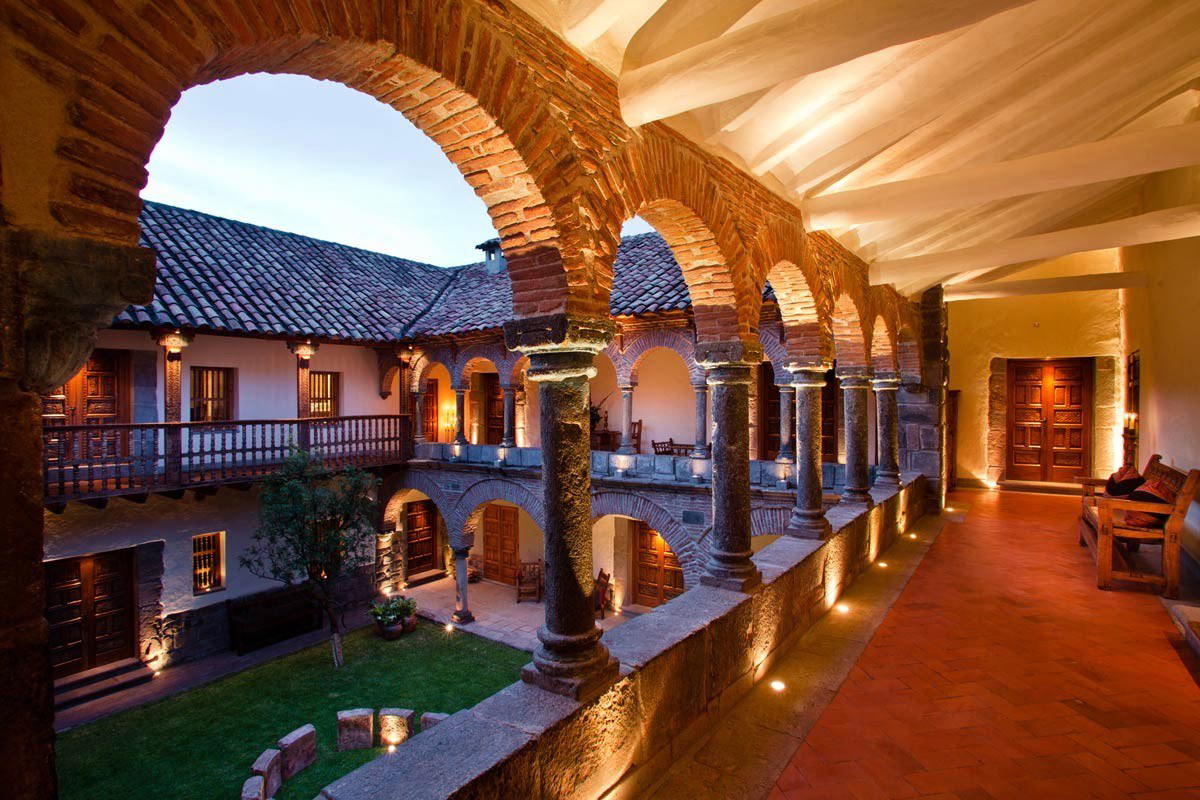
The San Blas neighbourhood sits above Cusco's Plaza de Armas, reached by stone staircases and narrow streets that narrow further as the altitude asserts itself. Restaurants here occupy former colonial residences, and the spatial logic of those buildings, rooms arranged around open courtyards, shapes how dining feels in this part of the city. At 3,400 metres above sea level, that means eating in full afternoon light or under the sharp Andean night, depending on when you arrive.
The neighbourhood context matters because San Blas functions as something of a barometer for how Cusco positions traditional cooking. While the lower sections of the city near the plaza have tilted increasingly toward tourist-formatted menus, San Blas has retained a stronger concentration of places anchored in regional Andean tradition. Pachapapa sits inside that tendency, making it a logical starting point for visitors who want to understand what Cusco's kitchen actually looks like before moving toward the more contemporary interpretations found elsewhere on the circuit.
What the Menu Reveals About Andean Priorities
Editorial angle most useful for reading Pachapapa is menu architecture: what a kitchen chooses to foreground, and in what sequence, tells you a great deal about its relationship to tradition versus reinvention. At Pachapapa, the menu reads as a deliberate argument for highland specificity. The ingredients that define Andean cooking, cuy (guinea pig), chicha de jora (fermented maize), native potato varieties, alpaca, and Andean herbs, appear not as novelties or nods to authenticity but as the structural core of what the kitchen produces.
This is worth contrasting with the broader Peruvian dining moment. Peru's international reputation has been built substantially on coastal and Nikkei-influenced cooking: the ceviches and tiraditos associated with Lima's Miraflores corridor, places like Costanera 700 in Miraflores or the fusion registers of Osaka Nikkei in San Isidro. The highland tradition operates from a different set of ingredients entirely: tubers rather than fish, slow-cooked proteins rather than raw preparations, and an emphasis on fermentation and smoke that reflects altitude, climate, and pre-Columbian foodways. Pachapapa's menu is structured around that second grammar, which puts it in a different conversation than the Lima-centric narrative of Peruvian cuisine.
Cuy al horno, roasted guinea pig, is the reference point against which highland Andean restaurants are often measured. It is a dish with deep ceremonial and cultural roots in the Andes, and its presence on a menu signals a kitchen willing to engage with ingredients that require explanation for international visitors rather than retreat to more familiar proteins. The same applies to preparations built around chicha, which in its various forms serves simultaneously as ingredient, marinade, and standalone drink. A menu that integrates chicha de jora into cooking rather than relegating it to the drinks list is making a structural statement about where Andean tradition sits relative to foreign palates.
For visitors arriving from Lima's more globally formatted restaurant scene, the shift in register here is deliberate and worth paying attention to. Astrid & Gastón in Lima articulates Peruvian cuisine at its most internationally oriented; Pachapapa operates at the other end of that spectrum, closer to what the cuisine looks like in its geographic origin.
Cusco's Dining Tiers and Where Pachapapa Fits
Cusco's restaurant scene has stratified considerably over the past decade. At one tier, you have the celebrity-chef outposts and globally ambitious menus: Chicha por Gastón Acurio carries the weight of Peru's most recognisable culinary name; Mil Centro in Moray operates as a research-driven kitchen anchored in Andean biodiversity at a Sacred Valley altitude. At another tier, places like Cicciolina and Fallen Angel occupy a sharply designed, scene-conscious middle ground where atmosphere is as engineered as the food. Cantina Vino Italiano addresses a different appetite entirely.
Pachapapa's position in this picture is as a traditional Andean anchor: not attempting to compete on innovation or production values with the top tier, but offering something those kitchens have largely moved away from, which is a direct, unfussy relationship with regional ingredients and technique. That positioning has its own value in a city where visitors are often seeking precisely that kind of unmediated encounter with Andean food culture before arriving at the more interpretive versions. For anyone building a Cusco itinerary, the sequence often works well in this direction: traditional highland cooking first, then the contemporary reframings. Our full Cusco restaurants guide maps that progression across the full scene.
For vegetarian visitors, the Andean kitchen's reliance on native potato varieties, Andean grains like quinoa and kiwicha, and preparations built around vegetables and legumes means there is typically more depth on the plant-based side than menus anchored in coastal proteins. That said, confirming current options directly with the restaurant is advisable, as Andean menus can shift seasonally. Green Point in Cusco operates as a dedicated vegetarian option if that is the primary priority. The courtyard format means the experience is weather-dependent: Cusco's dry season runs roughly May through October, when clear skies and lower rainfall make outdoor dining significantly more reliable. The rainy season, November through April, brings afternoon and evening showers that can complicate open-air settings. Arriving earlier in the evening rather than later gives more margin in uncertain weather. Checking current availability on arrival or asking at your accommodation is advisable during June through August, when tourist volumes in Cusco are at their seasonal peak.
Frequently asked questions
How do I find Pachapapa?
Pachapapa is located at Carmen Bajo 120, Cusco 08003, Peru, Cusco.
What makes Pachapapa different from other Peruvian restaurants in Cusco's San Blas neighbourhood?
Pachapapa's distinction within San Blas comes from the combination of its Carmen Bajo 120 address, deep inside the artisan quarter above the Plaza de Armas, and a menu architecture that foregrounds highland Andean cooking rather than the coastal Peruvian traditions that dominate internationally recognised Peruvian restaurants. Where many Cusco venues pivot toward ceviche and Nikkei crossovers for visiting audiences, Pachapapa holds to the cooking logic of the altiplano. That specificity of place and palate sets it apart from competitors working a broader, more tourist-facing register.
What should I eat at Pachapapa?
Pachapapa's menu is oriented around Andean staples: preparations built on native potato varieties, corn, and slow-cooked meats that reflect the culinary priorities of the Cusco highlands. The courtyard setting in San Blas frames this as regional cooking rather than fusion, so the menu reads as a document of place. Order according to what is seasonal and locally sourced on the day.
Can I walk in to Pachapapa?
The restaurant sits at Carmen Bajo 120 in San Blas, a neighbourhood reachable on foot from Cusco's Plaza de Armas via stone staircases. Walk-ins are possible, though the courtyard format has finite capacity and fills quickly during peak tourist season. Arriving early or outside standard lunch and dinner rushes improves your chances of a seat without advance planning.
What do critics highlight about Pachapapa?
Editorial coverage of Pachapapa consistently returns to two points: the San Blas location, which gives the experience a neighbourhood character absent from the more commercial dining strips near the Plaza, and the menu's fidelity to Andean ingredients rather than international hybridisation. The courtyard itself receives attention as a format that suits the unhurried pace the cooking asks of you.
Is Pachapapa good for vegetarians?
Andean cuisine at this register tends to feature potato, corn, quinoa, and legume preparations that translate naturally into vegetarian options, and Pachapapa's menu reflects that regional tradition. Specific dish availability changes with season and supply, so confirming on arrival is advisable. The kitchen's focus on native ingredients rather than protein-centred formats works in a vegetarian diner's favour.
Is Pachapapa worth the price?
Within Cusco's dining tiers, Pachapapa occupies a middle position: above the street-market stalls and below the internationally ambitious hotel restaurants. For what it delivers, a courtyard setting in San Blas and a menu grounded in genuine Andean cooking, the value proposition is solid for travellers who want regional specificity over global polish. Price per head reflects mid-range Cusco positioning rather than fine-dining tariffs.
Reputation First
Comparable venues nearby, for context on price, style, and recognition.
| Venue | Cuisine | Price | Awards | Notes |
|---|---|---|---|---|
| PachapapaThis venue (the venue you are viewing) | Traditional Cusquenian Peruvian | $20–30 | Not listed | Not listed |
| Cicciolina | Italian-Peruvian Fusion | $30–50 | Not listed | Plaza de Armas |
| Papacho's, Cuzco | Peruvian Gourmet Burgers | Not listed | Not listed | Plaza de Armas |
| Inkaterra La Casona | Traditional Peruvian Fine Dining | Not listed | Relais Chateaux Award | Plaza de las Nazarenas |
| MAP Café | Modern Peruvian Fusion | $50–100 | Not listed | Centro Histórico |
| LIMO Cocina Peruana & Pisco Bar | Peruvian Nikkei Fusion | $30–50 | Not listed | Plaza de Armas |
Continue exploring
More in Cusco
Restaurants in Cusco
All restaurants in Cusco →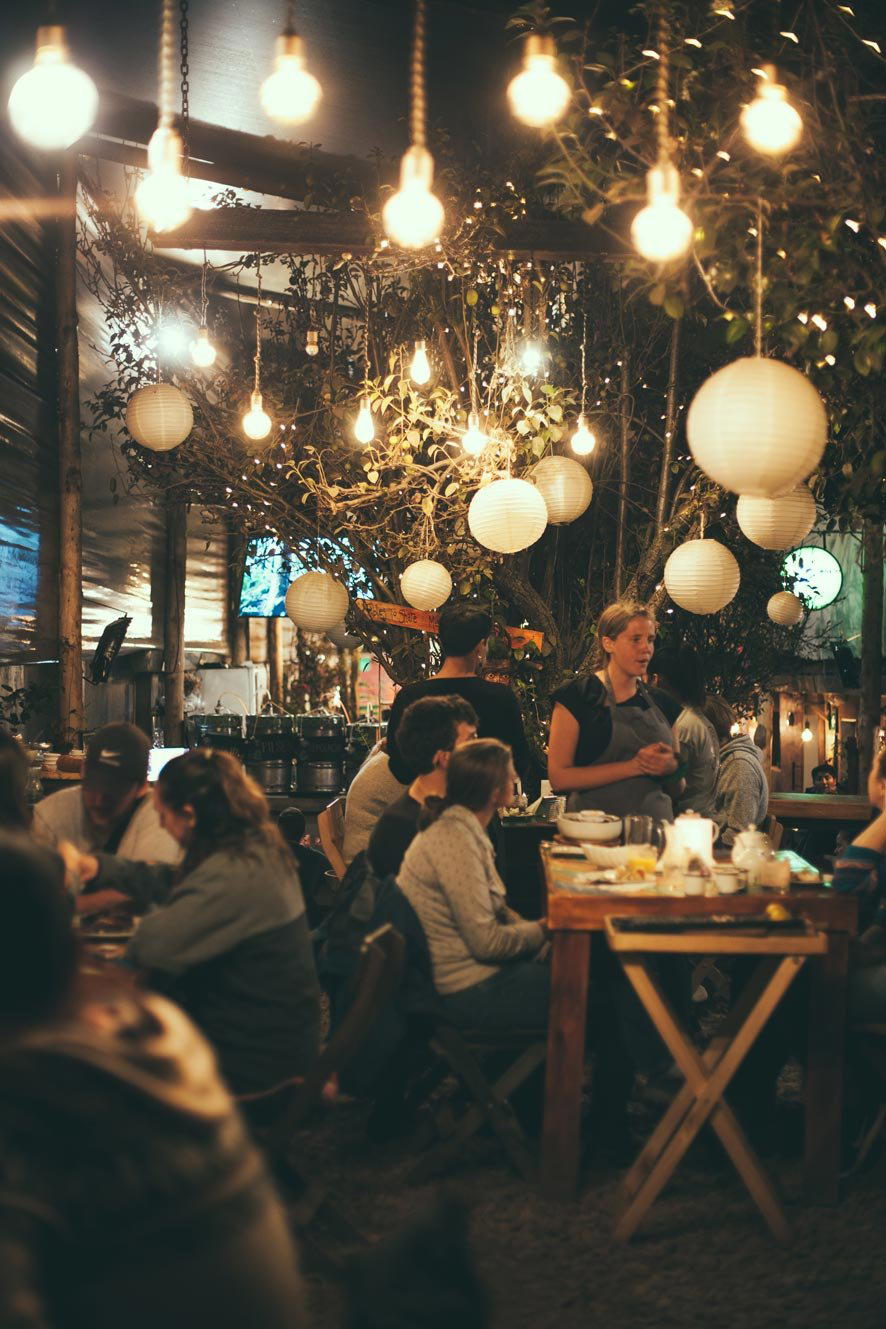

Bars in Cusco
Browse all →
Details
- Rustic
- Cozy
- Scenic
- Special Occasion
- Group Dining
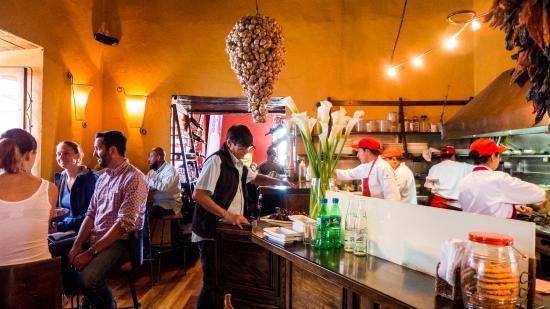
- Open Kitchen
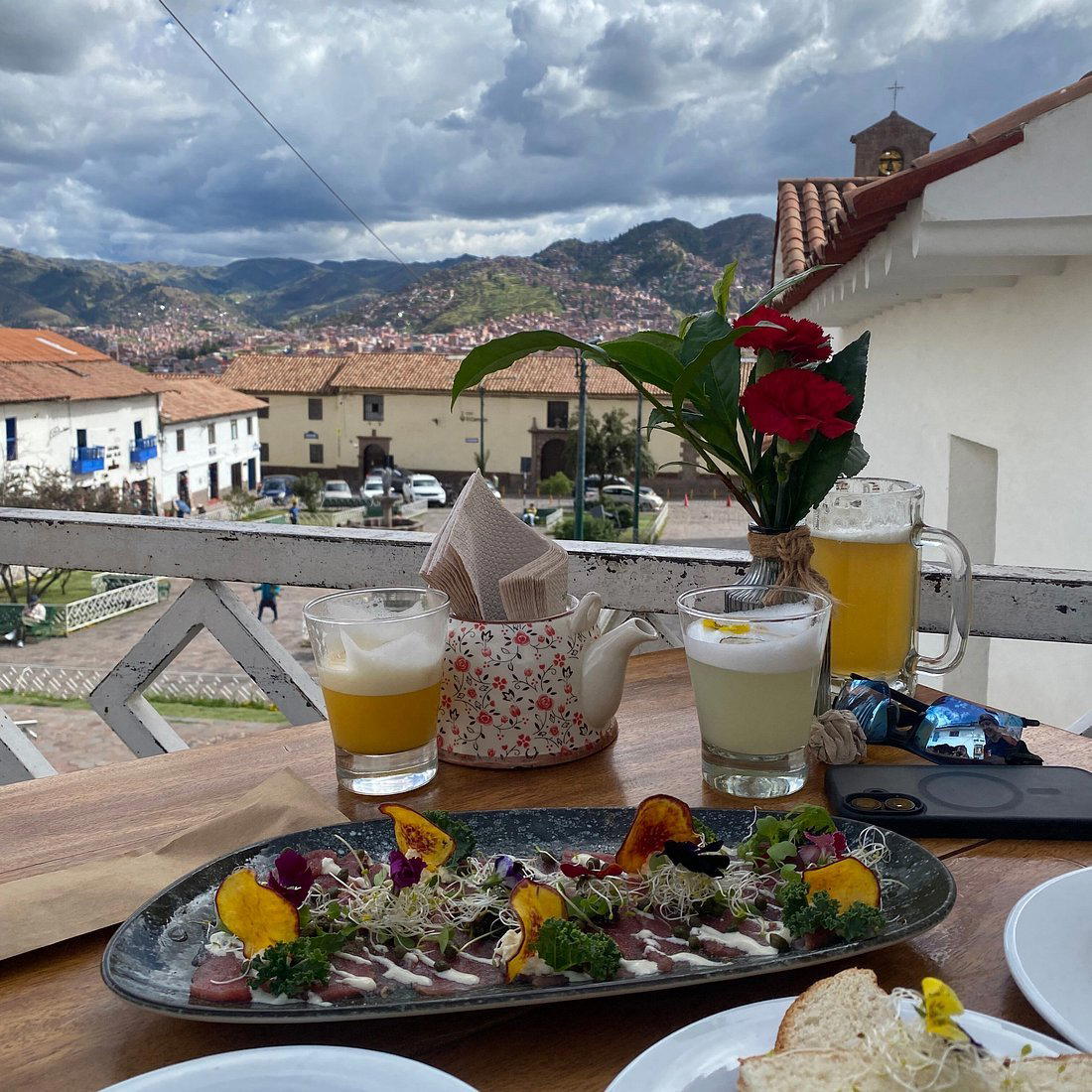
- Terrace
- Historic Building
- Local Sourcing
- Street Scene
- A La Carte
Current opening hours
- Monday
- 12–10 PM
- Tuesday
- 12–10 PM
- Wednesday
- 12–10 PM
- Thursday
- 12–10 PM
- Friday
- 12–10 PM
- Saturday
- 12–10 PM
- Sunday
- 12–10 PM
Hours can change for holidays and private events. Hours as of .
Rustic and atmospheric with colorful indoor decor, shaded outdoor courtyard warmed by heat lamps, and live music.