Pace Kitchen
On First Street in downtown Snohomish, Pace Kitchen occupies a spot in one of western Washington's most underrated small-city dining corridors. The kitchen works within a tradition of ingredient-driven cooking that the Pacific Northwest does better than almost anywhere else in the country, with proximity to Puget Sound farms, fisheries, and forest-floor foragers giving cooks here raw material that urban restaurants pay a premium to source.
Pearl is the En Primeur Club membership app — saves, bookings, and concierge access live there. Same editors, same standards.
- Address
- 1007 1st St, Snohomish, WA 98290
- Phone
- +14254594182
- Website
- pacekitchen.com
- Directions
- Get directions
 Saves & bookings on Pearl
First Street, Snohomish: What the Address Tells You
Pace Kitchen is a restaurant in Snohomish, Washington, at 1007 1st St, serving Seasonal American Small Plates at about $40 per person. The antique district along First Street draws weekend browsers rather than commuters, and the restaurants that survive here do so on local loyalty rather than tourism volume. That context matters when thinking about Pace Kitchen at 1007 1st St: a kitchen operating in a small-city environment where the supply chain is short, the customer base is consistent, and the incentive to source regionally is both economic and reputational.
Pacific Northwest small-city dining has quietly developed a credibility that the region's larger markets often drown out. While Seattle commands attention with its high-ticket omakase counters and tasting-menu formats, towns like Snohomish operate closer to the agricultural and fishing infrastructure that feeds the whole region. The farms of Snohomish County, the Puget Sound shellfish beds, and the network of small-scale producers threading through the Cascade foothills are not background detail here, they are the functional supply chain. A kitchen at this address has access to that network without the distribution markups that add cost and subtract freshness at the urban end.
The Ingredient Argument for This Corner of Washington
The case for ingredient-forward cooking in the Pacific Northwest is not difficult to make in the abstract, but it is worth making concretely. Snohomish County sits between saltwater and mountains in a band of agricultural productivity that produces dairy, berries, brassicas, and root vegetables at scale, alongside smaller specialty operations growing dry-farmed tomatoes, heritage grains, and cut-flower crops. The county's proximity to the Stillaguamish and Skykomish river systems historically supported salmon runs that, while diminished from their peak, still connect the region to one of the defining ingredients of Northwest cuisine. Chanterelles, morels, and hedgehog mushrooms come out of the surrounding forest during predictable seasonal windows that any kitchen paying attention can plan around.
This is the sourcing context that restaurants like Single Thread Farm in Healdsburg and Blue Hill at Stone Barns in Tarrytown have built national reputations on: a kitchen so close to its agricultural supply that the menu functions as a seasonal record. Those properties operate at price points and with staffing that a First Street address in Snohomish cannot replicate, but the underlying ingredient logic is the same. Proximity to source is an advantage that capital-intensive urban operations spend considerable money trying to approximate.
The difference is that in a market like Snohomish, that proximity is structural rather than aspirational. It does not require a dedicated farm partner agreement or a press release. It is simply the geography.
Small-City Kitchen, Pacific Northwest Supply Chain
Washington's farm-to-table moment arrived later and with less fanfare than California's, partly because the state's agricultural identity was long dominated by commodity crops, apples, wheat, hops, rather than the diversified produce culture that made Napa and Sonoma useful shorthand for the movement. That has shifted materially over the past fifteen years. Snohomish County in particular has seen a growth in small-acreage specialty farms that sell direct to restaurants, farmers markets, and CSA subscribers, building a distribution web that rewards kitchens willing to work with seasonal variability.
For context on how ingredient sourcing shapes dining culture at different price points, consider that kitchens like The French Laundry in Napa and Le Bernardin in New York City, both operating at the summit of their respective categories, invest heavily in sourcing relationships that justify price points well into four-digit territory per guest. Lazy Bear in San Francisco and Alinea in Chicago approach sourcing as a creative constraint that shapes the entire format. The editorial question for a kitchen like Pace Kitchen is not whether it competes with those properties, it does not, and that is not the point, but whether it applies the same underlying discipline to ingredient selection within the constraints of its market and format.
On that question, the geographical evidence is favorable. Few restaurant addresses in the state sit closer to the raw material of Pacific Northwest cooking.
Snohomish as a Dining Destination
The case for spending time at Snohomish's table rather than treating the town as a drive-through between Everett and the mountains is stronger than the city's profile suggests. Snoqualmie Gourmet Ice Cream, which has built a following on locally produced dairy. The corridor rewards walking rather than driving, which changes how a meal fits into a day.
For comparison points elsewhere in the Pacific Northwest and the wider American dining scene, the restaurants earning sustained attention on ingredient sourcing include Providence in Los Angeles, Addison in San Diego, Bacchanalia in Atlanta, Frasca Food & Wine in Boulder, Brutø in Denver, Causa in Washington, D.C., Emeril's in New Orleans, The Inn at Little Washington, Atomix in New York City, and 8 1/2 Otto e Mezzo Bombana in Hong Kong. Each of those operates in a different price tier, city, and culinary tradition, but all share a sourcing seriousness that distinguishes them from volume-driven competitors. That standard is what any kitchen working in ingredient-rich agricultural territory is measured against, regardless of city size.
Planning Your Visit
The restaurant is at 1007 1st St, Snohomish, WA 98290, on the main commercial strip of downtown. Snohomish is best reached by car from Seattle (approximately thirty miles) or Bellevue; the city does not sit on a major transit corridor. First Street parking is typically available within a block of the address on weekends, though the antique district draws significant foot traffic on Saturday afternoons. For current hours and reservations, check directly with the restaurant.
How It Stacks Up
Comparable venues nearby, for context on price, style, and recognition.
| Venue | Cuisine | Price | Notes |
|---|---|---|---|
| Pace KitchenThis venue — the venue you are viewing | Seasonal American Small Plates | $$ | Not listed |
| Snoqualmie Gourmet Ice Cream | Artisanal Ice Cream | $ | Downtown Snohomish |
| Oliver's Twist | American Gastropub with Cambodian Influences | $$ | Phinney Ridge |
| Volunteer Park Cafe & Pantry | American Bakery Cafe | $$ | Stevens |
| Lunchbox Laboratory | Gourmet Burgers & Shakes | $$ | Cascade |
| Wedgwood Broiler | Classic American Steakhouse | $$ | Wedgwood |
Continue exploring
More in Snohomish
Restaurants in Snohomish
Browse all →
Bars in Snohomish
Browse all →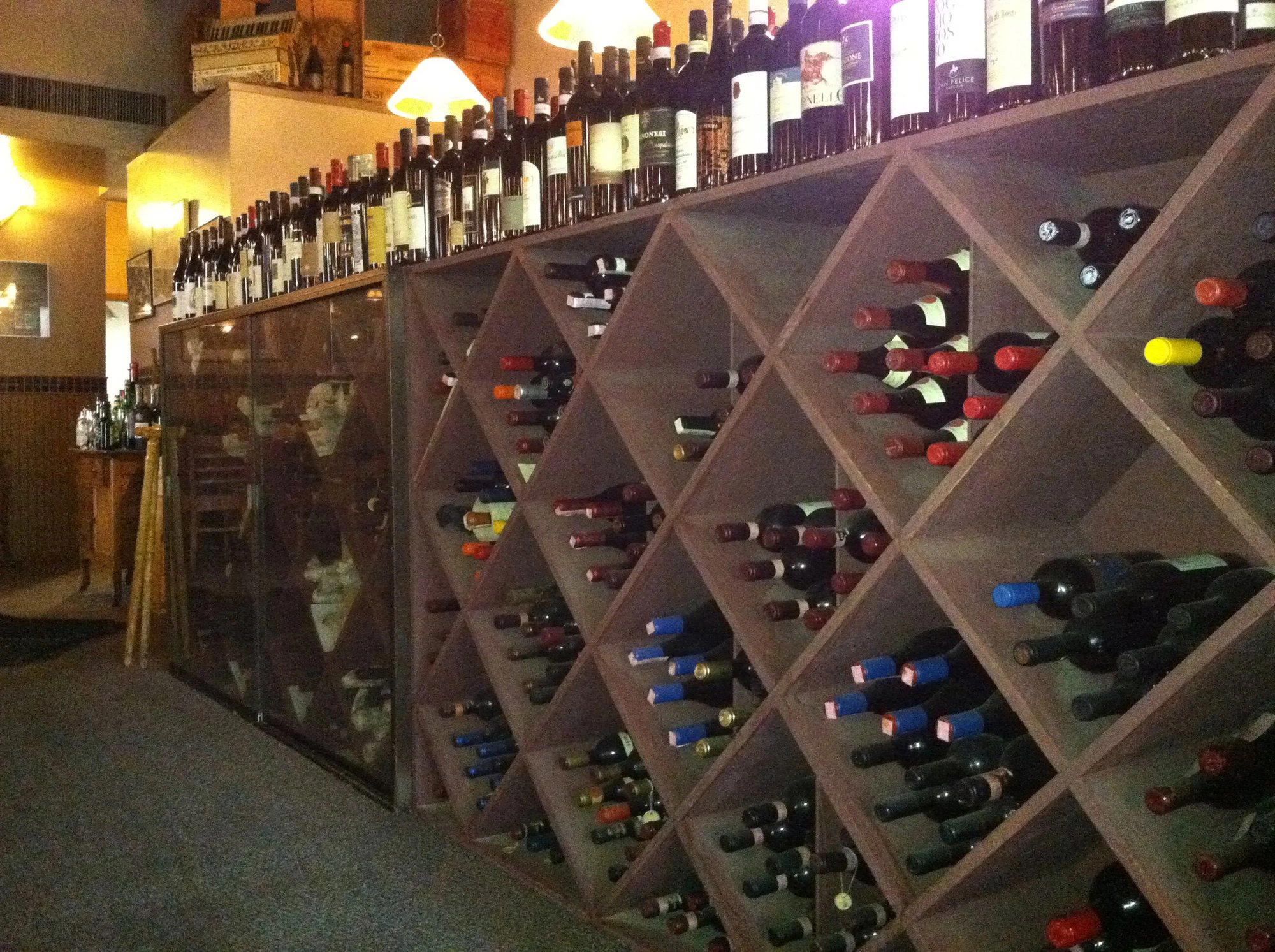
Hotels in Snohomish
Browse all →
At a Glance
- Cozy
- Intimate
- Date Night
- Casual Hangout
- Extensive Wine List
- Local Sourcing
Current opening hours
- Monday
- Closed
- Tuesday
- 3–7:30 PM
- Wednesday
- 3–7:30 PM
- Thursday
- 3–7:30 PM
- Friday
- 3–7:30 PM
- Saturday
- 1–7:30 PM
- Sunday
- Closed
Hours can change for holidays and private events. Last verified .
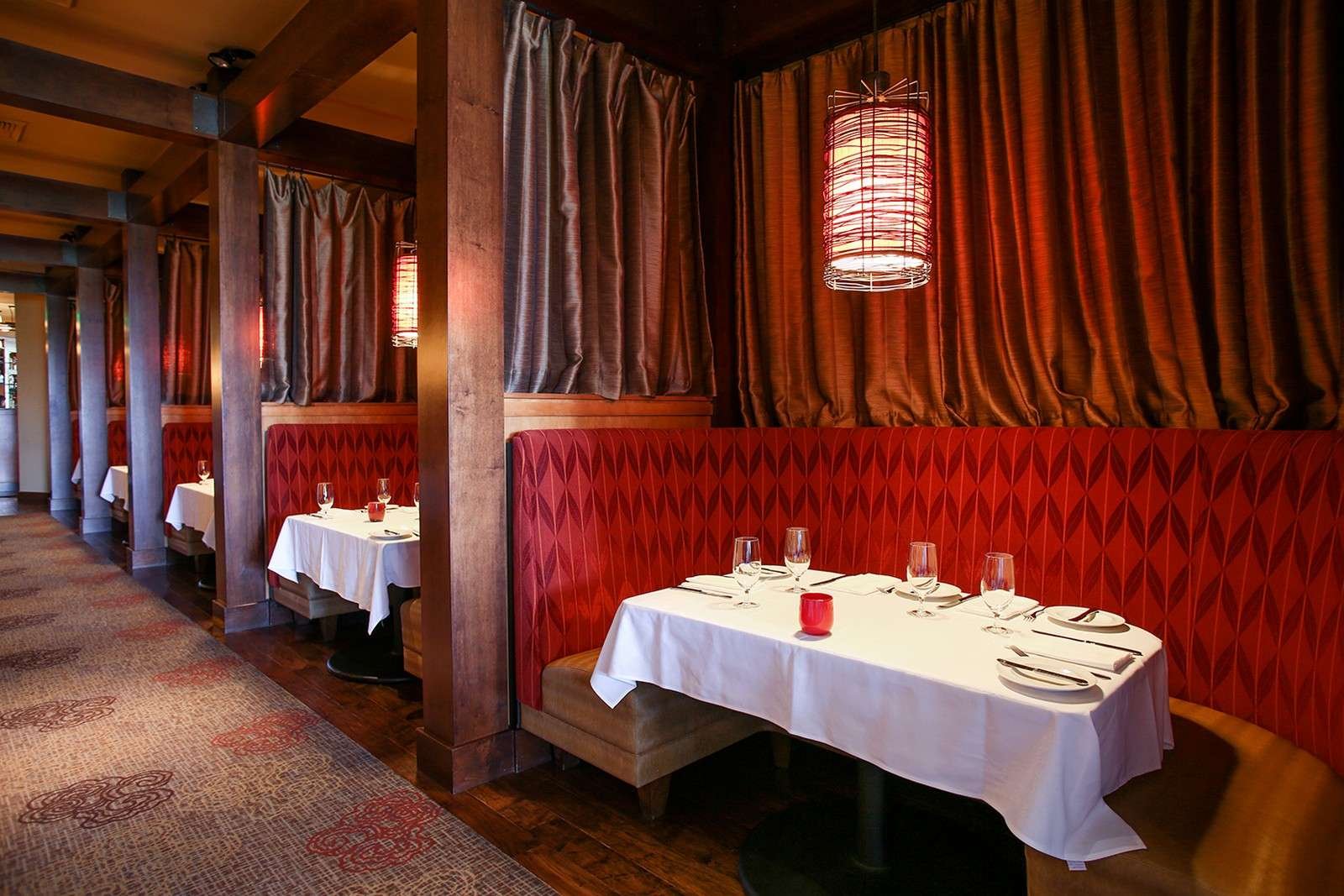
Cozy and intimate atmosphere focused on wine and chef-driven small plates.