Oystera

Michelin Plate
Our verdict
Oystera holds consecutive Michelin Plate recognition (2024 and 2025),500 reviews, making it the most credentialled seafood address in Todos Santos. The kitchen works with the Pacific waters of Baja California Sur, where the cold Humboldt-adjacent currents produce shellfish and fin fish of distinct character. For a town this size, the combination of sustained award recognition and volume of reviewer consensus is notable.

Pearl is the En Primeur Club membership app — saves, bookings, and concierge access live there. Same editors, same standards.
- Address
- Ignacio Zaragoza y Santos E, Calle Benito Juárez, Degollado, El Centro, 23300 Todos Santos, B.C.S., Mexico
- Phone
- +52 612 228 0621
- Hours
- Mon 12–8 PMTue–Sun 10 AM–9 PM
- Website
- santaterra.mx
- Directions
- Get directions
- Booking
- Book on OpenTable
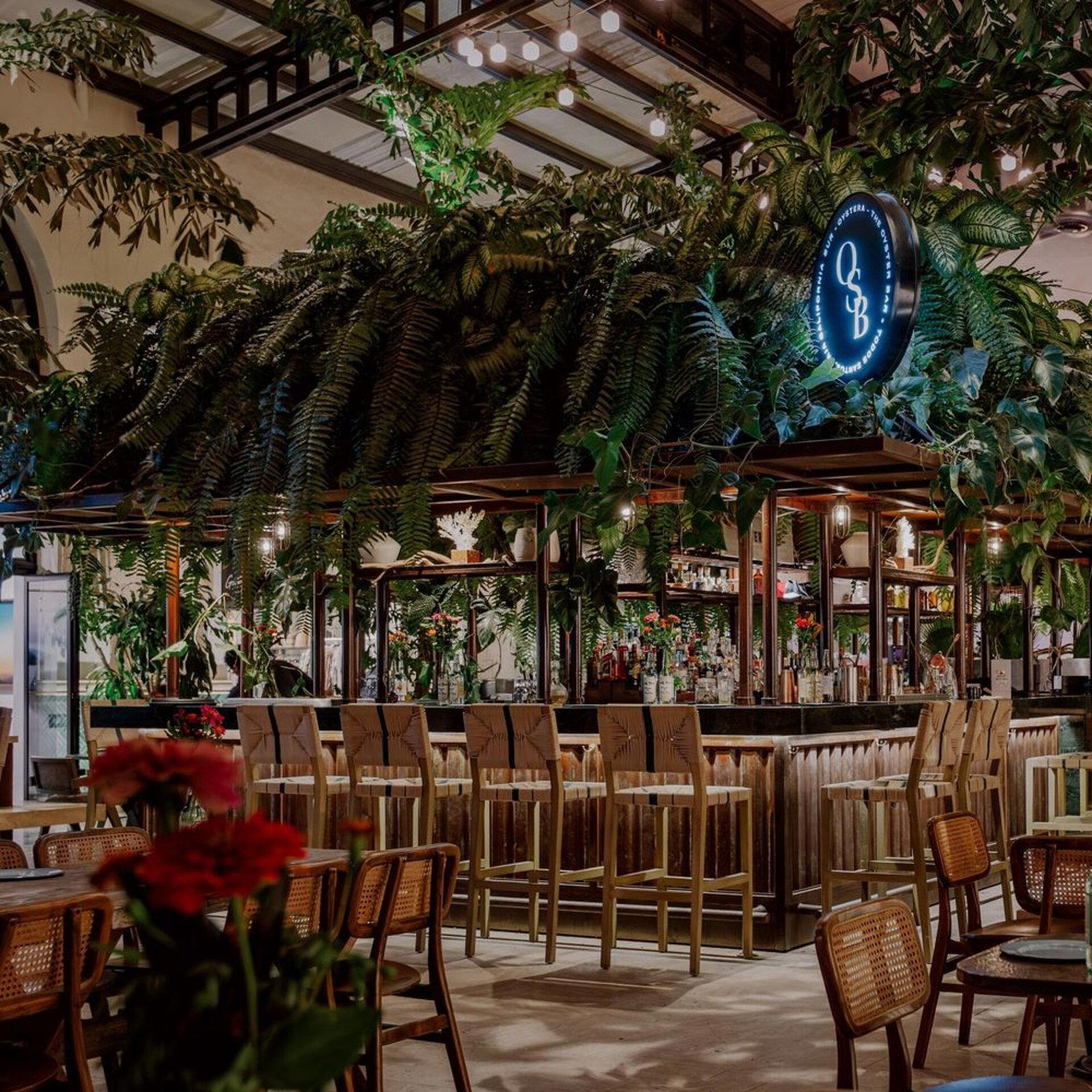
The menu
What to order
- Oysters
- Peruvian ceviche
- Tuna tostada
- Fried oysters
Where Baja's Pacific Coast Meets the Plate
Todos Santos sits at an unusual intersection: a desert town within a short drive of the Pacific, where the cold California Current sweeps south along the Baja peninsula and produces some of the richest shellfish waters in North America. That oceanographic fact underpins everything about the seafood tradition here. The cold, nutrient-dense upwellings that define the western Baja coast support mollusks, crustaceans, and fin fish with a flavour profile closer to the Pacific Northwest than to the warm-water Gulf catches that dominate the country's eastern seaboard. Oystera, on Calle Benito Juárez in El Centro, has built its identity around that geography. The address on Ignacio Zaragoza y Santos E places it squarely within the walkable historic centre, a neighbourhood where colonial-era facades and art gallery storefronts set a quieter register than the beach resort circuits further south on the peninsula.
The Seasonal Argument for Baja Shellfish
Oyster seasonality in Baja California Sur follows the same broad logic as cold-water oyster regions globally: the colder months, roughly October through April, produce firmer, more mineral-forward shellfish as water temperatures drop and the animals divert energy away from spawning and toward glycogen accumulation. The result is the dense, saline, clean-finishing oyster that oyster culture across the Pacific Rim prizes. Visitors arriving in Todos Santos during peak tourism season, December through March, are arriving at the convergence of ideal shellfish conditions and high demand, which means both the product and the queues are at their most concentrated.
The summer months shift the calculus. Water temperatures along the Pacific coast of Baja rise into ranges where spawning activity increases. Oysters in spawning condition are milky, softer-textured, and carry a different flavour register that some diners find less appealing in raw preparations. This is not a defect; it is the natural annual cycle. It does mean that the menu at a kitchen committed to working with the actual conditions of Baja's Pacific coast will read differently in August than it does in February. Fin fish, ceviche preparations, and cooked shellfish formats tend to carry more weight in the warmer half of the year, while the raw bar is at its most focused expression in the cool season.
This pattern connects Oystera to a broader movement in Mexican coastal cooking. From Animalón in Valle de Guadalupe to Olivea Farm to Table in Ensenada, Baja kitchens have increasingly organised themselves around the rhythms of their immediate coast and interior rather than maintaining static menus through sourcing from distant suppliers. The Michelin recognition that Oystera has received in both 2024 and 2025, the Plate designation in both cycles, signals that this approach has been evaluated and found coherent rather than merely fashionable.
Recognition in Context
The Michelin Plate, awarded in both 2024 and 2025, sits below the starred tier but above the general guide listing. It indicates food worth stopping for, assessed by inspectors who visit anonymously and without advance notice. For Todos Santos, a town whose dining scene is compact relative to Los Cabos or La Paz, consecutive Plate recognition carries particular weight. It signals that Oystera has been evaluated more than once and found consistent, which is often the more demanding standard. Consistency under anonymous inspection, across seasons and across years, is harder to maintain than a single strong performance.
In the context of the Todos Santos dining scene, which includes other high-price-tier operations like DŪM and TENOCH by Paradero Todos Santos More people have formed and recorded an opinion about Oystera than would be expected from a venue of its price tier in a market this small.
For comparison within Mexico's broader Michelin-recognised seafood field, the standard set by kitchens like Le Chique in Puerto Morelos or the coastal ingredient focus visible at Pujol in Mexico City reflects how seriously Mexican fine dining now engages with provenance. Oystera's position at the seafood-specialist end of the Baja peninsula is consistent with that national trajectory. Internationally, the model of a small-town seafood specialist built on regional catch and cold-water shellfish has clear antecedents in places like Gambero Rosso in Marina di Gioiosa Ionica and Alici on the Amalfi Coast, where geography is the primary organising principle of the menu.
Where Oystera Sits in Todos Santos
At the $$$$ price tier, Oystera occupies the same bracket as its immediate Todos Santos peers, but the cuisine type separates it clearly. DŪM and TENOCH work in Mexican territory, while Benno draws on Italian and Mexican traditions. Oystera's seafood specialism means it is not competing for the same diner in the same meal. A table at Oystera is a different decision from a table at TENOCH. They share a price tier but serve different dining intentions.
The El Centro address is accessible on foot from most of Todos Santos' accommodation within the historic centre. For visitors staying further out, the town is compact enough that the logistics are direct. Booking in advance is advisable during peak season, particularly December through March when accommodation in Todos Santos runs at high occupancy and restaurant demand across all price tiers intensifies.
Planning Your Visit
The $$$$ price classification places Oystera at the upper end of Todos Santos dining, consistent with its award standing and the cost of sourcing quality shellfish in a remote peninsula town. Visitors planning around the oyster season specifically should target October through April. Those visiting in summer should arrive with the expectation that the menu's weight will have shifted toward preparations that suit warmer-water product. Either season offers a coherent argument for the kitchen; the expression simply differs.
For a fuller picture of where Oystera sits within the town's overall food and drink offer, the full Todos Santos restaurants guide maps the scene across price tiers and cuisine types. The hotels guide covers accommodation, the bars guide addresses the drinking side, and the experiences guide and wineries guide round out the picture for those spending more than a single night in the area. For the wider Baja and Mexican fine dining context, the work being done at kitchens like Lunario in El Porvenir, KOLI Cocina de Origen in Monterrey, Pangea in San Pedro Garza García, and Levadura de Olla in Oaxaca provides useful calibration for what Michelin recognition means at this level of the Mexican dining market.
Frequently asked questions
Can I walk in to Oystera?
Walk-ins may be possible outside peak season, but consecutive Michelin Plate recognition in 2024 and 2025 draws visitors specifically to Todos Santos for this kitchen. At the $$$$ price tier, tables tend to fill with diners who have planned ahead. A reservation is the safer approach, particularly between November and March when Baja shellfish quality peaks.
What makes Oystera worth seeking out?
Consecutive Michelin Plate recognition across 2024 and 2025 is the most verifiable credential: anonymous inspectors assessed the kitchen on more than one occasion and rated it food worth a detour. In Todos Santos, where $$$$ dining options are few, Oystera's shellfish-focused identity sets it apart from the broader fine-dining peers in town. The sourcing logic is geographic: the cold California Current running south along Baja's Pacific coast produces shellfish with the same salinity and texture associated with premium cold-water oyster regions globally.
Cuisine-First Comparison
| Venue | Cuisine | Price | Awards | Notes |
|---|---|---|---|---|
| OysteraThis venue — the venue you are viewing | Contemporary Mexican Seafood Oyster Bar | $50–100 | Michelin Plate | Not listed |
| Benno | Contemporary Mexican-Mediterranean with Baja Seafood | $50–100 | Michelin Plate | Italian, Mexican |
| DŪM | Modern Mexican Fusion with Mediterranean & French Influences | Not listed | Michelin Plate · Wine Spectator Award of Excellence | Mexican |
| TENOCH by Paradero Todos Santos | Contemporary Mexican Fine Dining | $50–100 | Michelin Plate | Mexican |
Recognition history
Dated appearances from independent guides and award organizations, with the underlying list record or original source where available.
Michelin Plate
Michelin
Full recognition history (3 entries)
Michelin Plate
Michelin
Michelin Plate
Michelin
Continue exploring
More in Todos Santos
Restaurants in Todos Santos
Browse all →


Bars in Todos Santos
Browse all →



Details
- Elegant
- Rustic
- Romantic
- Scenic
- Sophisticated
- Date Night
- Special Occasion
- Celebration
- Brunch
- Open Kitchen
- Terrace
- Courtyard
- Historic Building
- Extensive Wine List
- Craft Cocktails
- Local Sourcing
- Sustainable Seafood
- Garden
- A La Carte
- Small Plates
- Wine
- Craft Beers
- Cocktails
- Gluten Free Options
Current opening hours
- Monday
- 12–8 PM
- Tuesday
- 10 AM–9 PM
- Wednesday
- 10 AM–9 PM
- Thursday
- 10 AM–9 PM
- Friday
- 10 AM–9 PM
- Saturday
- 10 AM–9 PM
- Sunday
- 10 AM–9 PM
Hours can change for holidays and private events. Last verified .
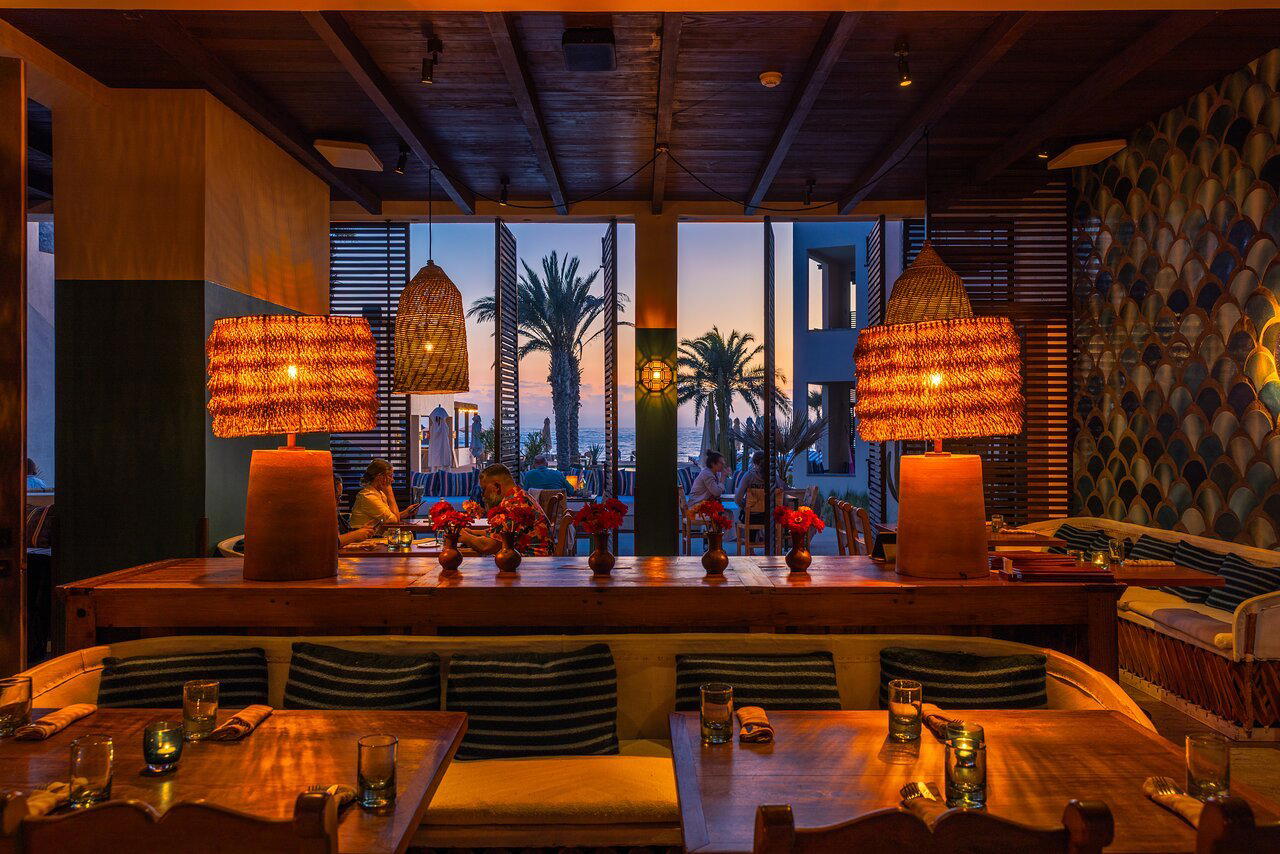
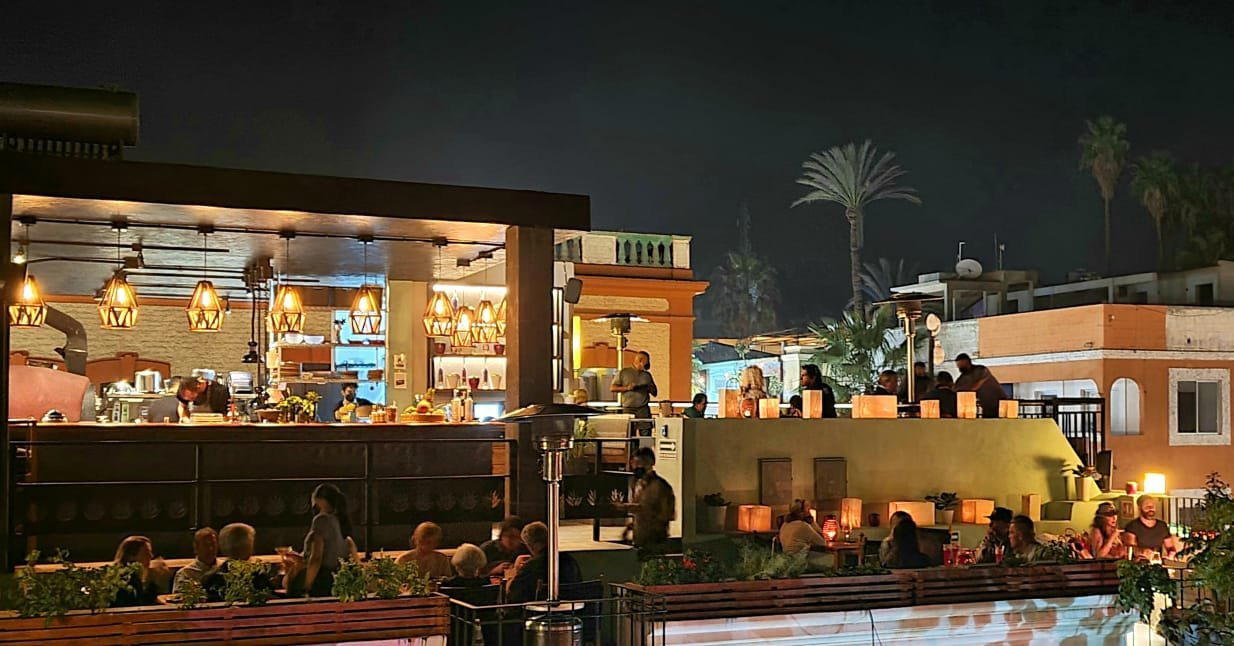
Modern open space in a grand historic sugar mill with dramatic archways, beautiful tilework, dramatic terrace, and garden atrium.