Overlook
Our verdict
Overlook occupies a corner of downtown Raleigh's South Salisbury Street corridor, where the city's dining scene has grown increasingly serious about provenance and practice. Set against a backdrop of mid-rise development and walkable civic infrastructure, it positions itself within a cohort of Raleigh restaurants rethinking what responsible sourcing looks like on a plate. For a city still defining its fine-dining identity, Overlook is a useful data point.

Pearl is the En Primeur Club membership app — saves, bookings, and concierge access live there. Same editors, same standards.
- Address
- 616 S Salisbury St, Raleigh, NC 27601
- Phone
- (919) 856-0017
- Hours
- Mon–Sat 5–10 PMSun Closed
- Website
- overlookraleigh.com
- Directions
- Get directions
- Booking
- Book on OpenTable
The menu
What to order
- Grilled Salmon
- Beef Tenderloin
- Vegetable Risotto
Where Downtown Raleigh's Sourcing Conversation Gets Serious
South Salisbury Street has quietly become one of downtown Raleigh's more consequential dining corridors. The address at 616 sits close enough to the Raleigh Convention Center and Moore Square to draw a mix of local regulars and visitors oriented by the city's growing reputation as a place worth eating seriously. Overlook lands in that geography at a moment when North Carolina's broader food culture, long underrated relative to its coastal and agricultural resources, is drawing the kind of attention that changes reservation calendars.
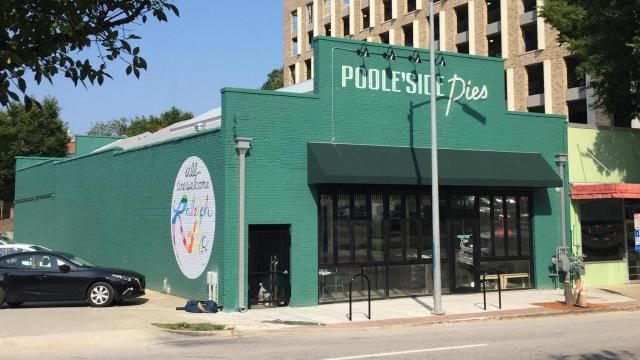
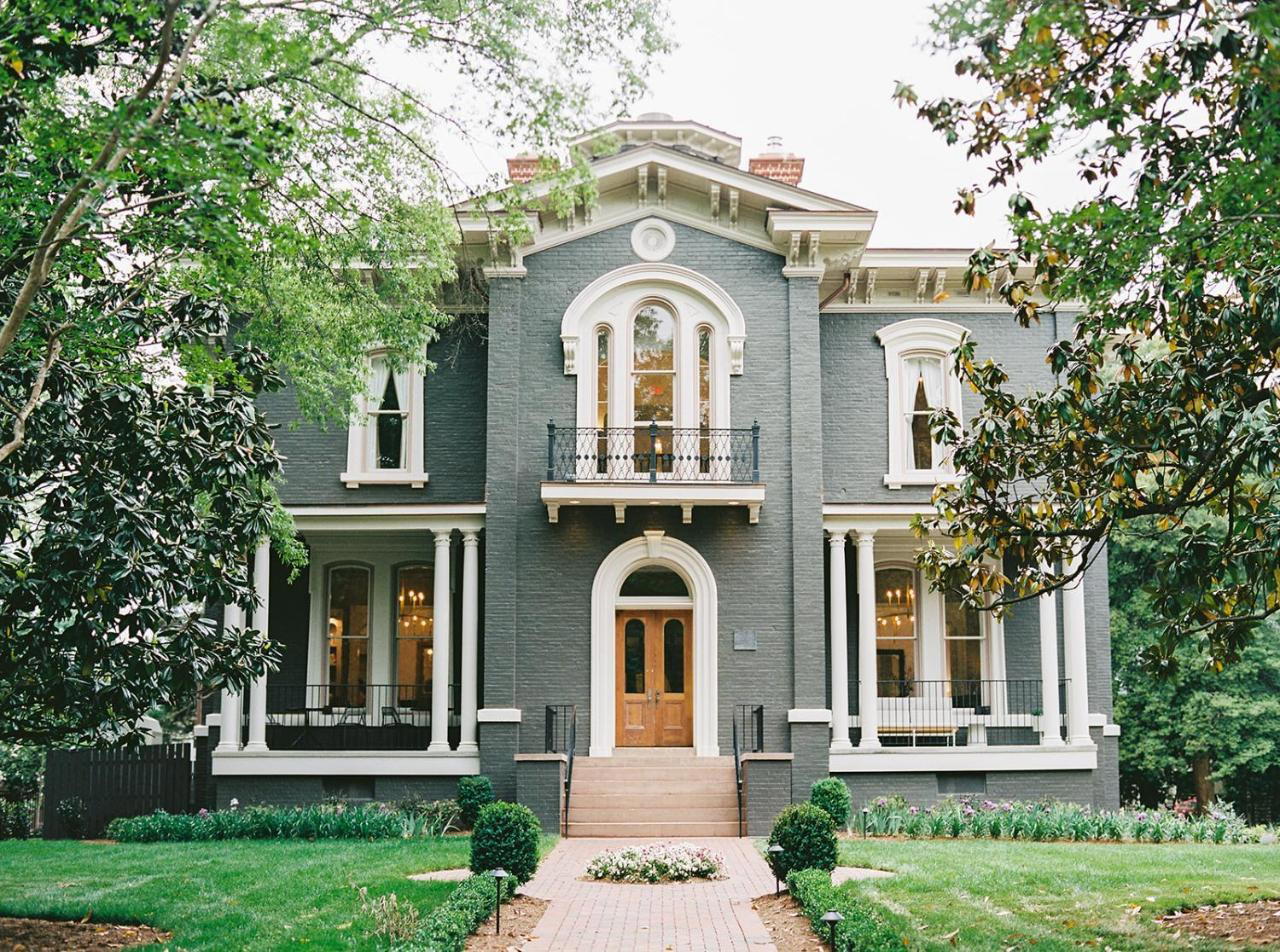
The physical approach matters here. Downtown Raleigh's streetscape in this section is still mid-transformation, a mix of civic-era architecture and newer commercial fills, which means a restaurant that reads with intention rather than accident tends to register quickly. Overlook's position on that block puts it in a spatial conversation with the city's ambitions more than its history.
The Sustainability Frame: Why Sourcing Is the Story
Across American fine dining, the restaurants that have held attention longest are not simply those with the most technically accomplished kitchens. The properties that matter, from Blue Hill at Stone Barns in Tarrytown to Single Thread Farm in Healdsburg, have built their reputations on a legible relationship between the land and the plate. That model, farmstead sourcing with an editorial point of view about waste and seasonality, has filtered into mid-tier American dining markets at varying degrees of seriousness.
Raleigh sits in an unusually strong position to participate in that conversation. North Carolina's agricultural output ranges from mountain trout and piedmont pork to coastal shellfish and tobacco-country vegetables with genuine seasonal character. A restaurant operating downtown with sustainability as a structural priority, rather than a marketing footnote, has access to a supply chain that few comparably sized American cities can match. The question, as it is at every address making that claim, is whether the kitchen program reflects that access with enough discipline to justify the framing.
The trend across American cities has been toward restaurants that treat ethical sourcing as infrastructure rather than accent. At Lazy Bear in San Francisco, the communal tasting format is inseparable from its procurement logic. Providence in Los Angeles has built a seafood-focused program around sustainability certifications that inform the menu structure itself. In each case, the sourcing story is not separate from the food, it organizes what is served and in what form. Overlook's address and positioning suggest an ambition that belongs in that current, even as the specifics of its program warrant direct verification before assuming full alignment with those reference points.
The Raleigh Context: A Scene in Formation
To understand where Overlook sits, it helps to map the broader Raleigh dining scene as it currently operates. The city's restaurant culture has been building credibility across a range of registers. Brewery Bhavana and Azitra have extended the conversation into Asian-influenced formats. Ajja, with its Mediterranean-Indian fusion approach, represents the kind of cross-cultural technical seriousness that signals a maturing dining public. On the Southern-anchored side, venues like Crawford and Sons and Death and Taxes have established that the city's comfort with regional cooking runs deeper than nostalgia.
Into that environment, a restaurant focused on sustainability and provenance carries a specific competitive logic. It is not competing primarily with Raleigh's Southern dining tradition, which operates on different sourcing assumptions, nor with the city's emerging ethnic-cuisine confidence, which draws credibility from cultural fidelity rather than environmental framing. It competes instead with a smaller cohort of American regional restaurants that have tried to make the farm-to-table premise structural rather than decorative.
For a wider look at where Overlook sits within Raleigh's full dining picture, the EP Club Raleigh restaurants guide maps the city's current tier structure with more granularity. Comparable addresses in the sourcing-conscious American regional tier, such as Addison in San Diego or The Inn at Little Washington, offer useful benchmarks for what fully realized versions of this approach look like at the national level.
Within Raleigh itself, the sustainability-forward fine dining tier is still forming. Venues like Barcelona Wine Bar and Anthony's La Piazza occupy adjacent price and occasion points but pursue different sourcing philosophies. Anthony's La Piazza Prime adds a steakhouse orientation that reflects a different supply-chain logic entirely. What that means for Overlook is that it is not crowded out of a position, but neither is it operating with the established peer validation that, say, Atomix in New York City or Le Bernardin draw from decades of documented critical consensus.
For a city that has produced credible national-level restaurants, including venues that draw favorable comparisons to the output of Alinea in Chicago or Emeril's in New Orleans in terms of ambition level, Overlook's positioning is a reasonable bet. Downtown Raleigh can support a sustainability-focused address at a serious price point. Whether the current program has the depth and consistency to hold that position is the operative question for anyone planning a visit around it.
Planning a Visit
Overlook's address at 616 S Salisbury Street places it within walking distance of the bulk of downtown Raleigh's hotel stock and transit points, which makes access direct whether arriving from RDU via rideshare or from a nearby property on foot. Given the venue's positioning, and the general pattern of sustainability-focused American restaurants at this tier, reservations in advance are advisable, particularly for Friday and Saturday service when downtown Raleigh's event calendar fills the adjacent blocks. Direct booking through current channels, confirming hours and format before arrival, is the most reliable approach given that specific operational details are subject to change at any independently operated address.
Frequently asked questions
Can I bring kids to Overlook?
Overlook's address on South Salisbury Street places it in the heart of downtown Raleigh, where most restaurants at this positioning are oriented toward adult dining occasions. The sourcing-focused format, which emphasizes seasonal constraint and menu evolution, tends to reward guests who engage with that framing. Families with older, food-curious children may find it worthwhile; those with younger kids should factor in the setting before booking.
How would you describe the vibe at Overlook?
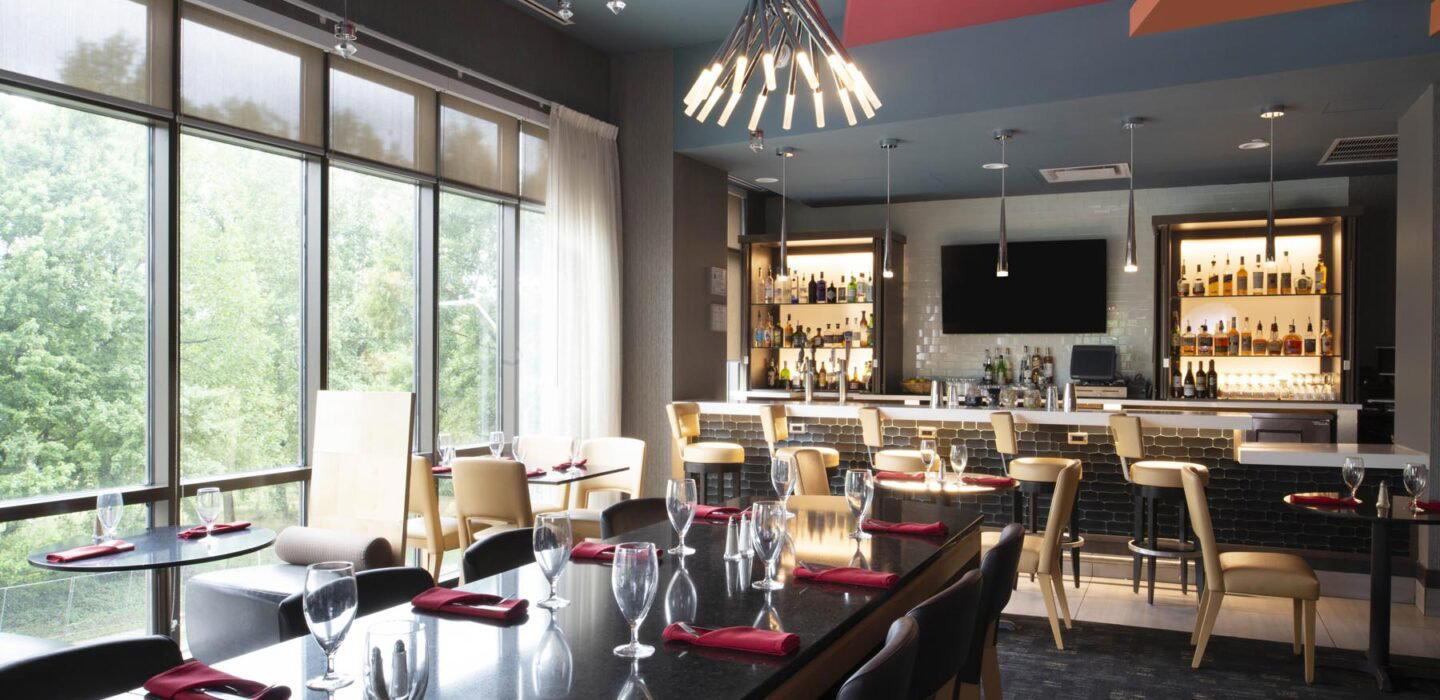
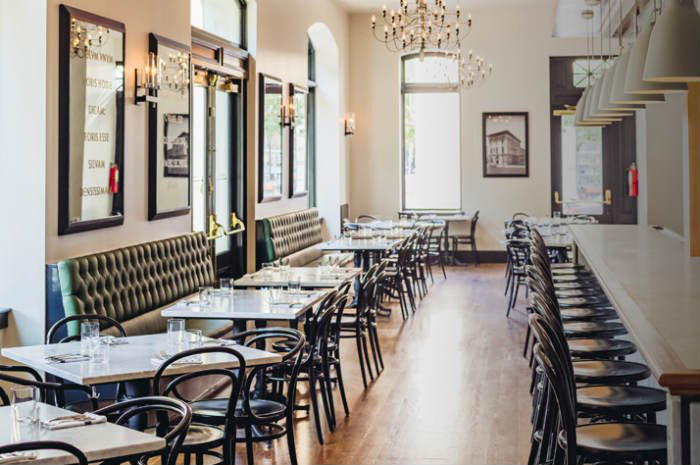
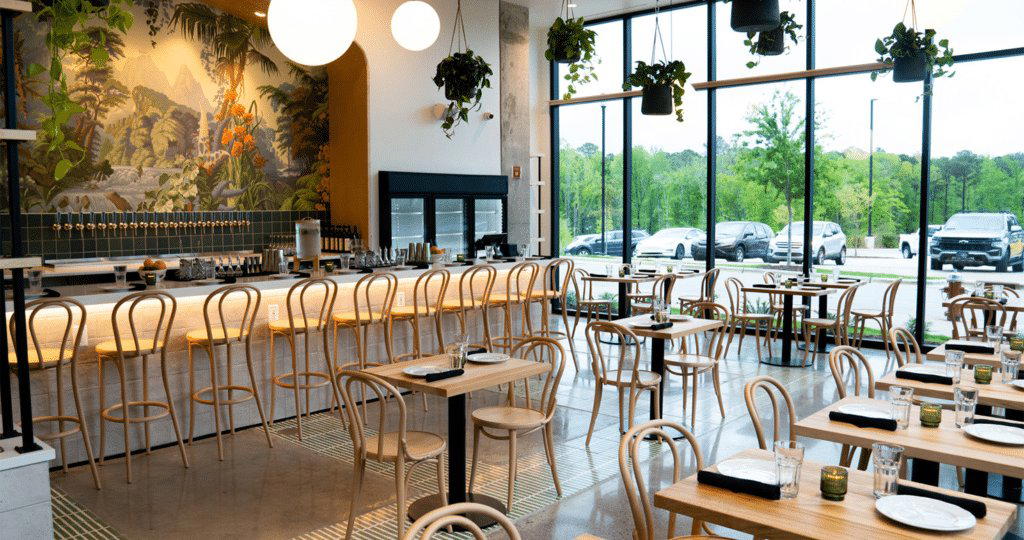
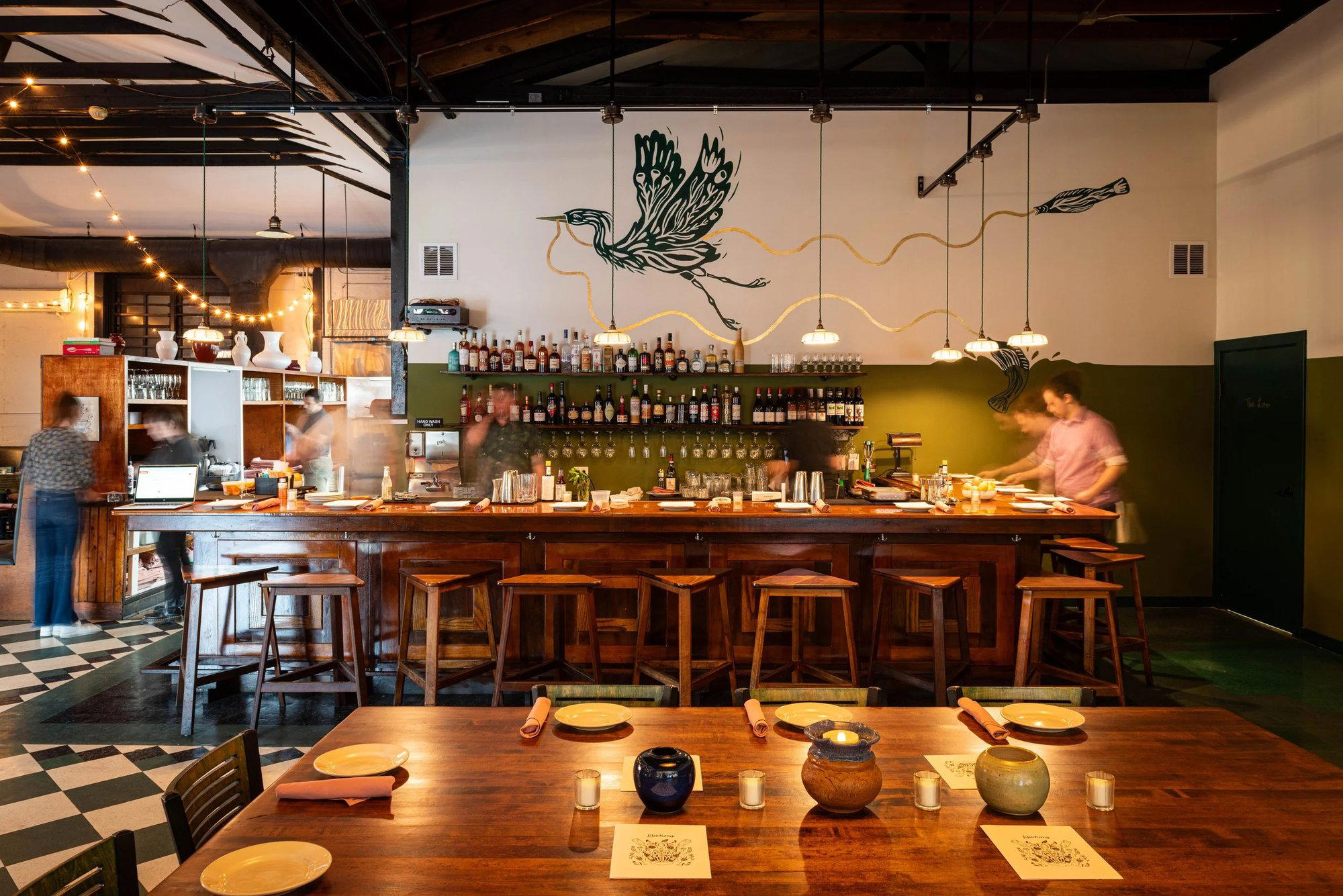
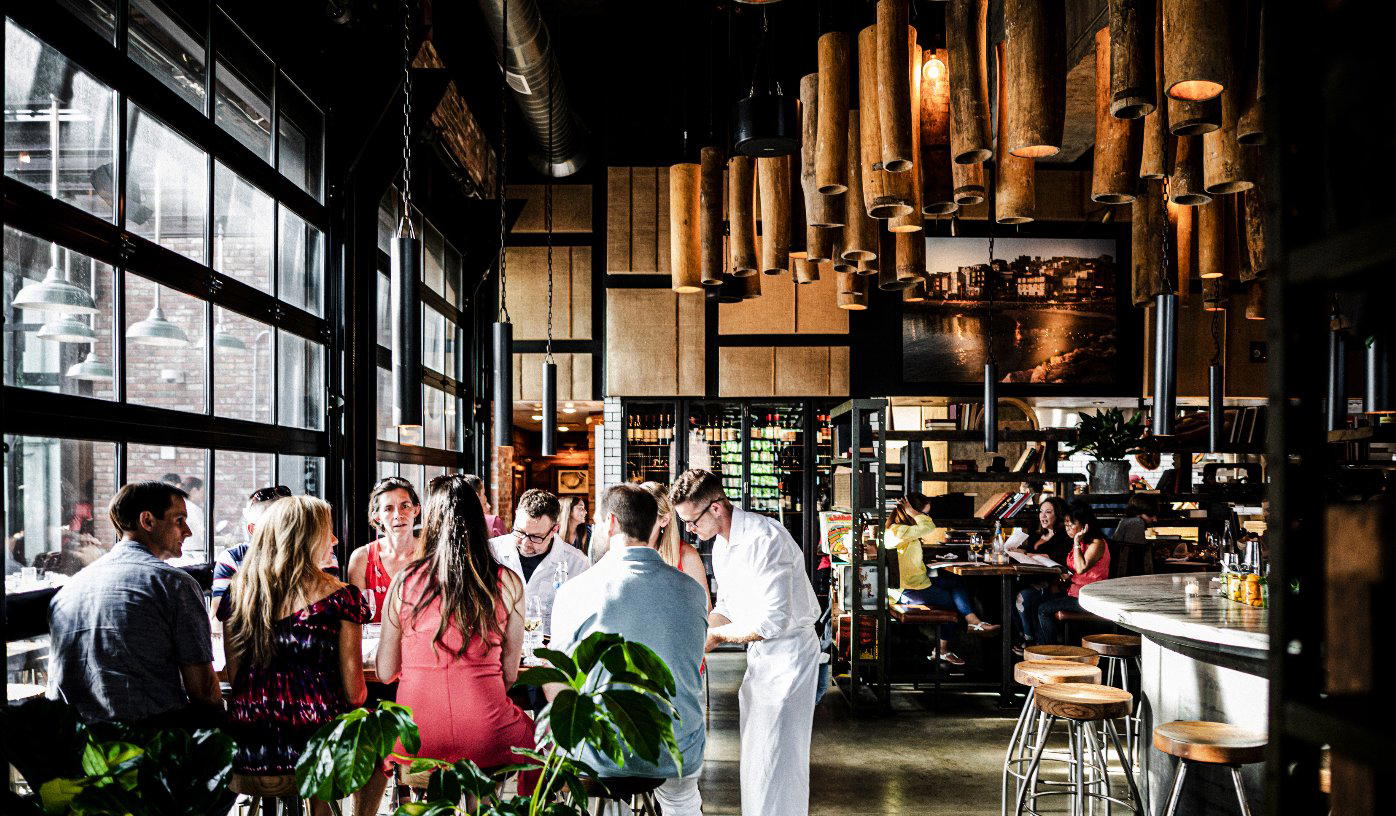
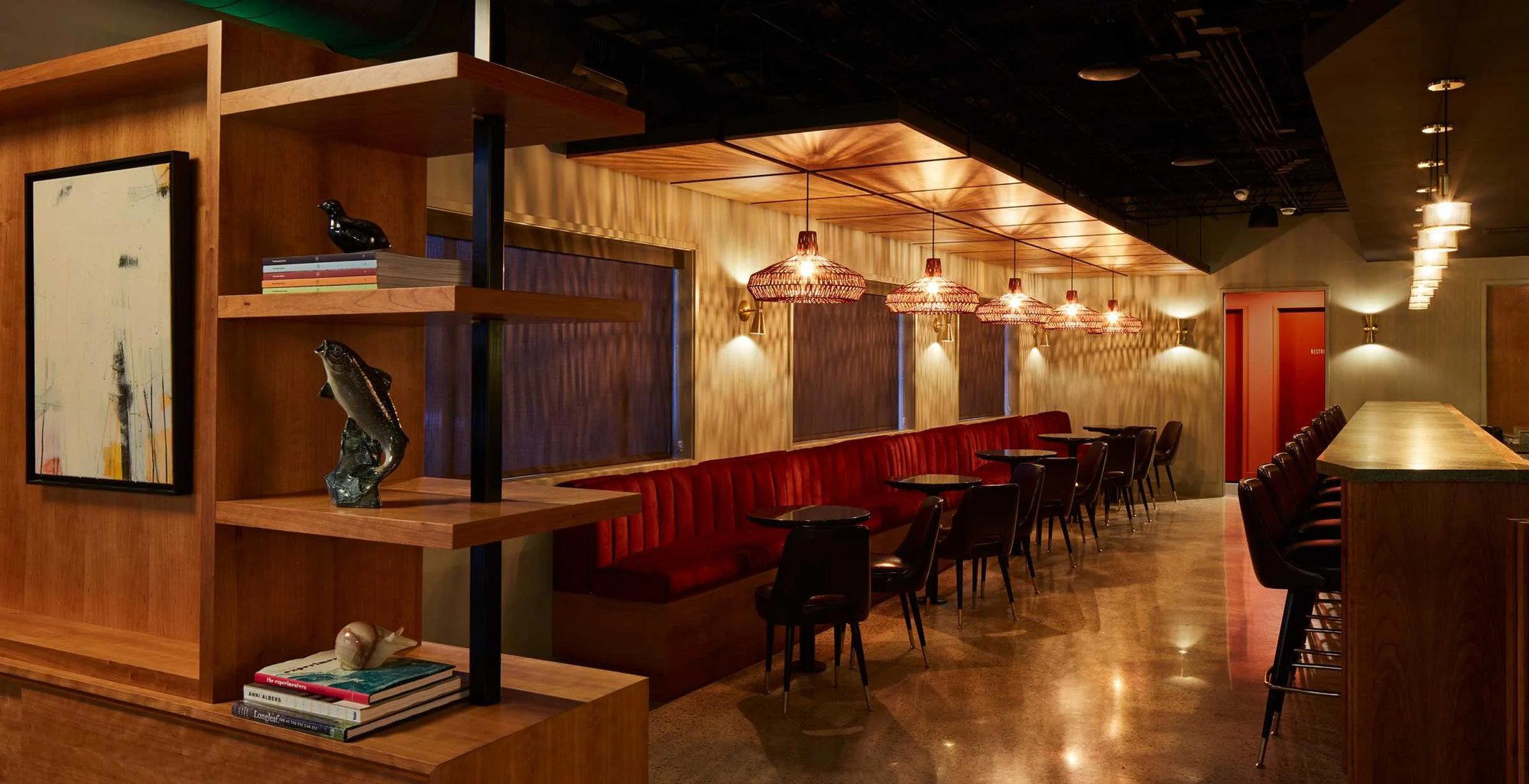
Overlook occupies a downtown Raleigh address where the conversation around sourcing and seasonality is taken seriously rather than used as marketing shorthand. Expect a room that reflects that focus: deliberate rather than theatrical, driven by what the kitchen has committed to rather than what looks good on a menu header. It reads as the kind of space where the food does the communicating.
Is Overlook connected to North Carolina's regional farm network, and how does that affect what's on the plate?
North Carolina has one of the more developed regional farm networks on the East Coast, with active relationships between Piedmont growers, mountain producers, and coastal fisheries that supply restaurants across the state. Overlook's position in downtown Raleigh places it squarely within that supply ecosystem. For a kitchen operating at this level in the city, those regional sourcing pipelines are the practical engine behind menu decisions, not a seasonal footnote.
What do people recommend at Overlook?
Given Overlook's position within Raleigh's sustainability-forward dining tier, the kitchen's output reflects what the current season and North Carolina's regional supply chain allow. Guests who approach the menu without fixed expectations, ordering around whatever the kitchen is emphasizing that week, tend to get the most from the experience. Checking current offerings directly with the venue before visiting is the practical move.
Where exactly is Overlook?
Overlook is located at 616 S Salisbury St, Raleigh, NC 27601, Raleigh.
What's the best way to book Overlook?
Overlook is located at 616 S Salisbury Street in downtown Raleigh. Walk-in availability varies by day and season.
What do critics highlight about Overlook?
At restaurants positioned within sustainability-focused American regional dining in cities like Raleigh, critical attention gravitates toward the credibility of sourcing relationships rather than technical showmanship. For Overlook on South Salisbury Street, the relevant question is how consistently the kitchen translates those farm and producer relationships into coherent plates across seasons. That sourcing integrity is the lens through which this address is most meaningfully evaluated.
The Essentials
Comparable venues nearby, for context on price, style, and recognition.
| Venue | Cuisine | Price | Notes |
|---|---|---|---|
| OverlookThis venue — the venue you are viewing | Globally Inspired Modern American | $30–50 | Not listed |
| Lakeside Kitchen | Southern Fusion | $10–20 | Trailwood, Southern Fusion |
| Element Gastropub | Plant-Based Comfort Food Gastropub | $20–30 | Fayetteville Street, Plant-Based Comfort Food Gastropub |
| Tenth & Terrace | Contemporary American Fusion | $30–50 | Warehouse District, Contemporary American Fusion |
| Northside Bistro Raleigh | Refined New American Bistro with Italian & French Influences | $30–50 | Wakeview, Refined New American Bistro with Italian & French Influences |
| Leo's Italian Social | Italian Social with Pizza and Pasta | $20–30 | Ramblestone, Italian Social with Pizza and Pasta |
Details
- Sophisticated
- Cozy
- Scenic
- Date Night
- Special Occasion
- Group Dining
- Terrace
- Open Kitchen
- Hotel Restaurant
- Craft Cocktails
- Extensive Wine List
- Local Sourcing
- Street Scene
- A La Carte
- Small Plates
- Craft Cocktails
- Wine
- Vegetarian Friendly
- Gluten Free Options
- Allergy Accommodating
Current opening hours
- Monday
- 5–10 PM
- Tuesday
- 5–10 PM
- Wednesday
- 5–10 PM
- Thursday
- 5–10 PM
- Friday
- 5–10 PM
- Saturday
- 5–10 PM
- Sunday
- Closed
Hours can change for holidays and private events. Last verified .
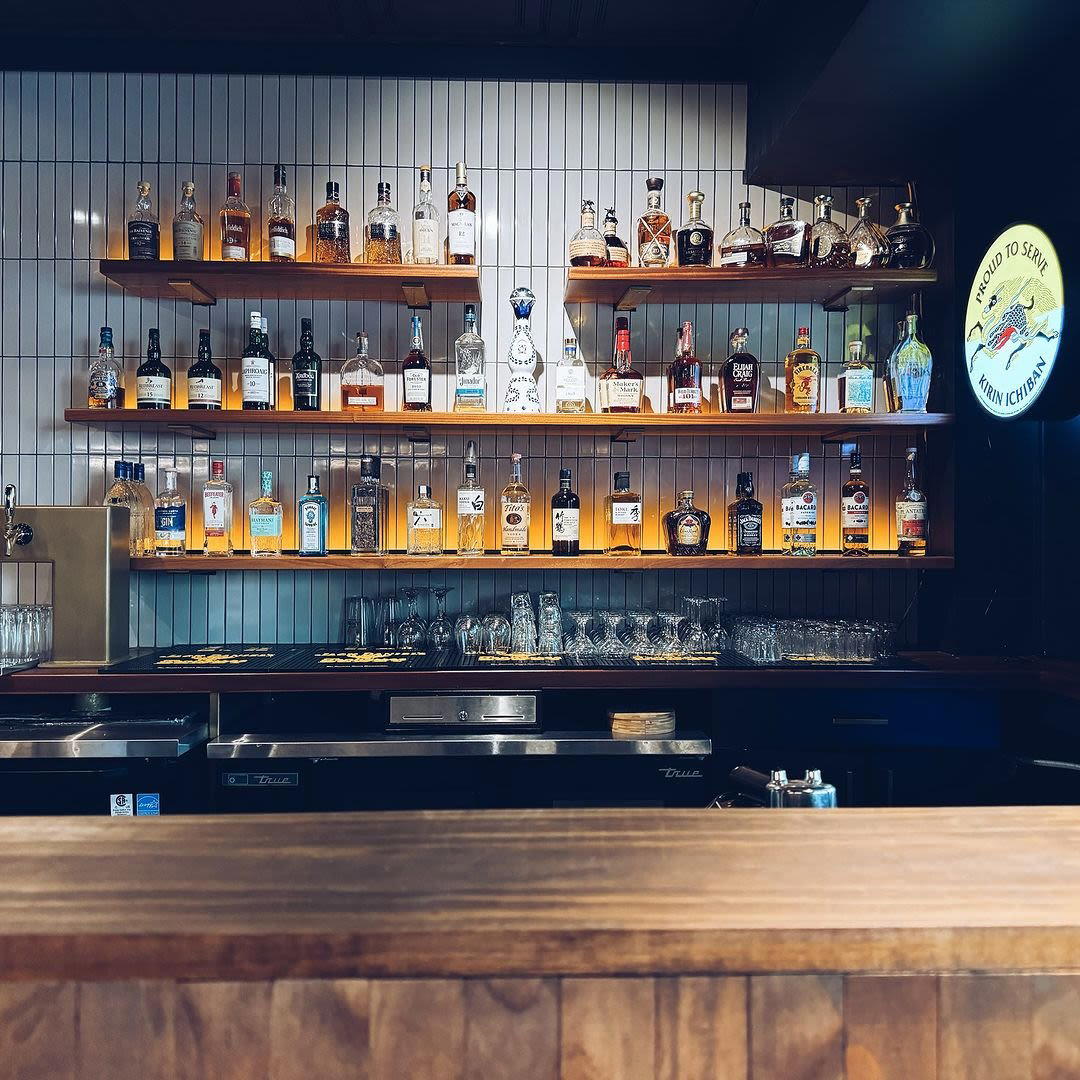
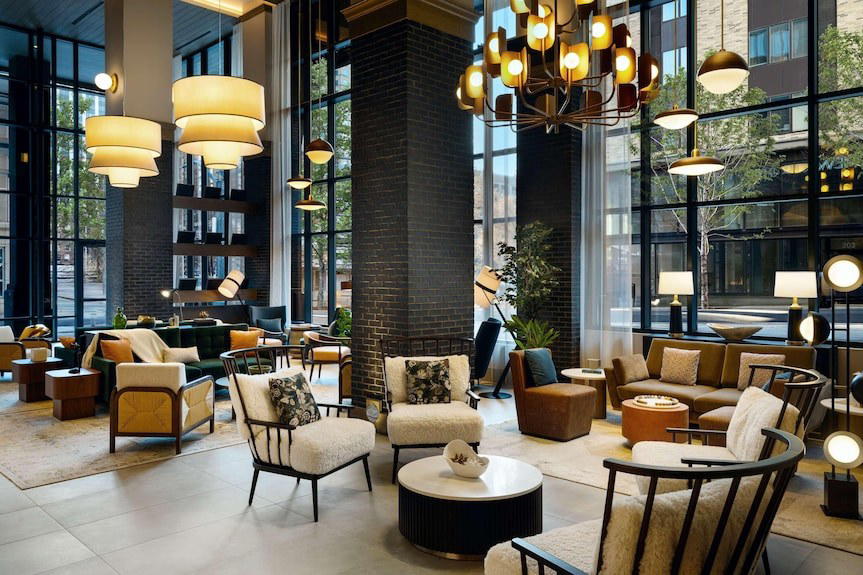
Relaxed yet sophisticated atmosphere with cozy dining lounge, open-air patio by the fire, and sweeping views above the oaks.