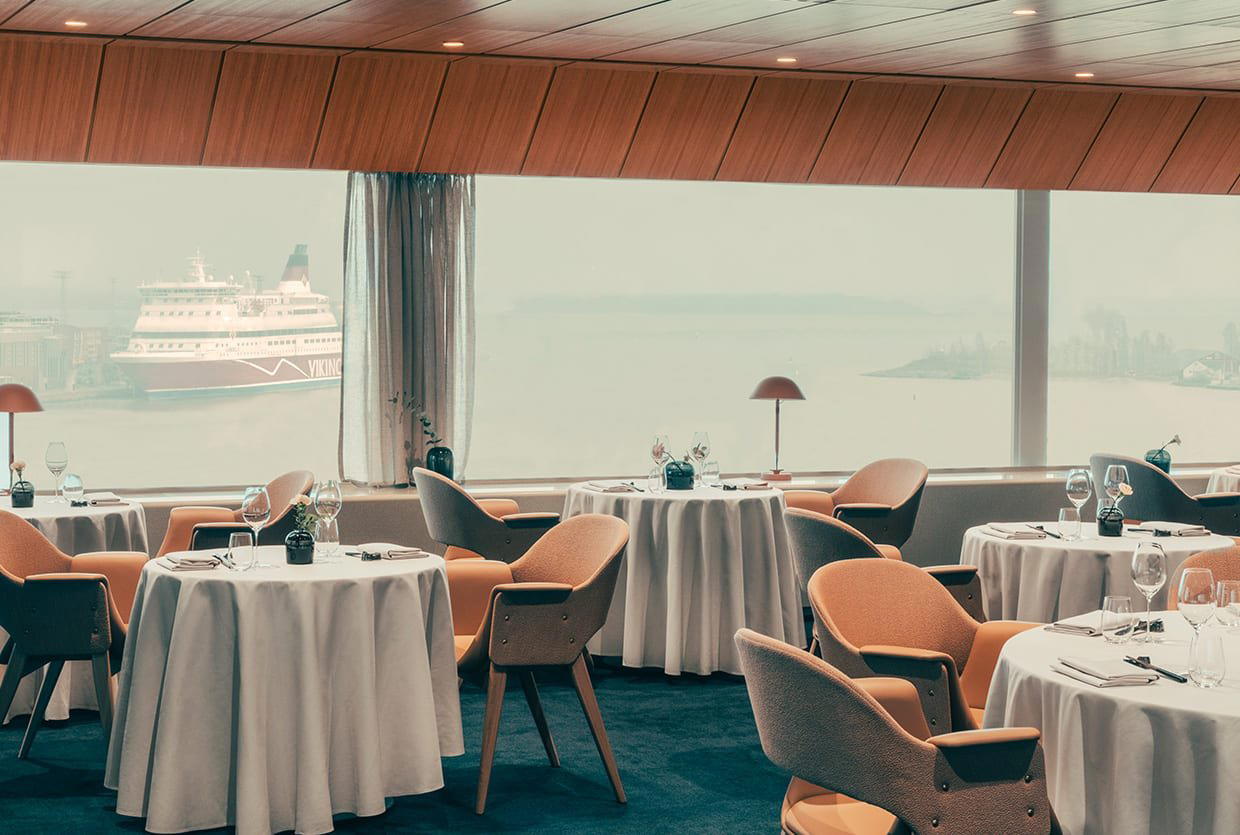
Situated at Kanavaranta 7 F along Helsinki's South Harbour waterfront, Oven occupies a position in the city's mid-to-upper dining tier where fire-based cooking and seasonal Finnish produce form the structural logic of the menu. The address places it within easy reach of the Design District and Senate Square, making it a practical anchor for an evening in the city's older core.
Pearl is the En Primeur Club membership app — saves, bookings, and concierge access live there. Same editors, same standards.
- Address
- Kanavaranta 7 F, 00160 Helsinki, Finland
- Phone
- +358961285600
- Website
- nokkahelsinki.fi
- Directions
- Get directions
 Saves & bookings on Pearl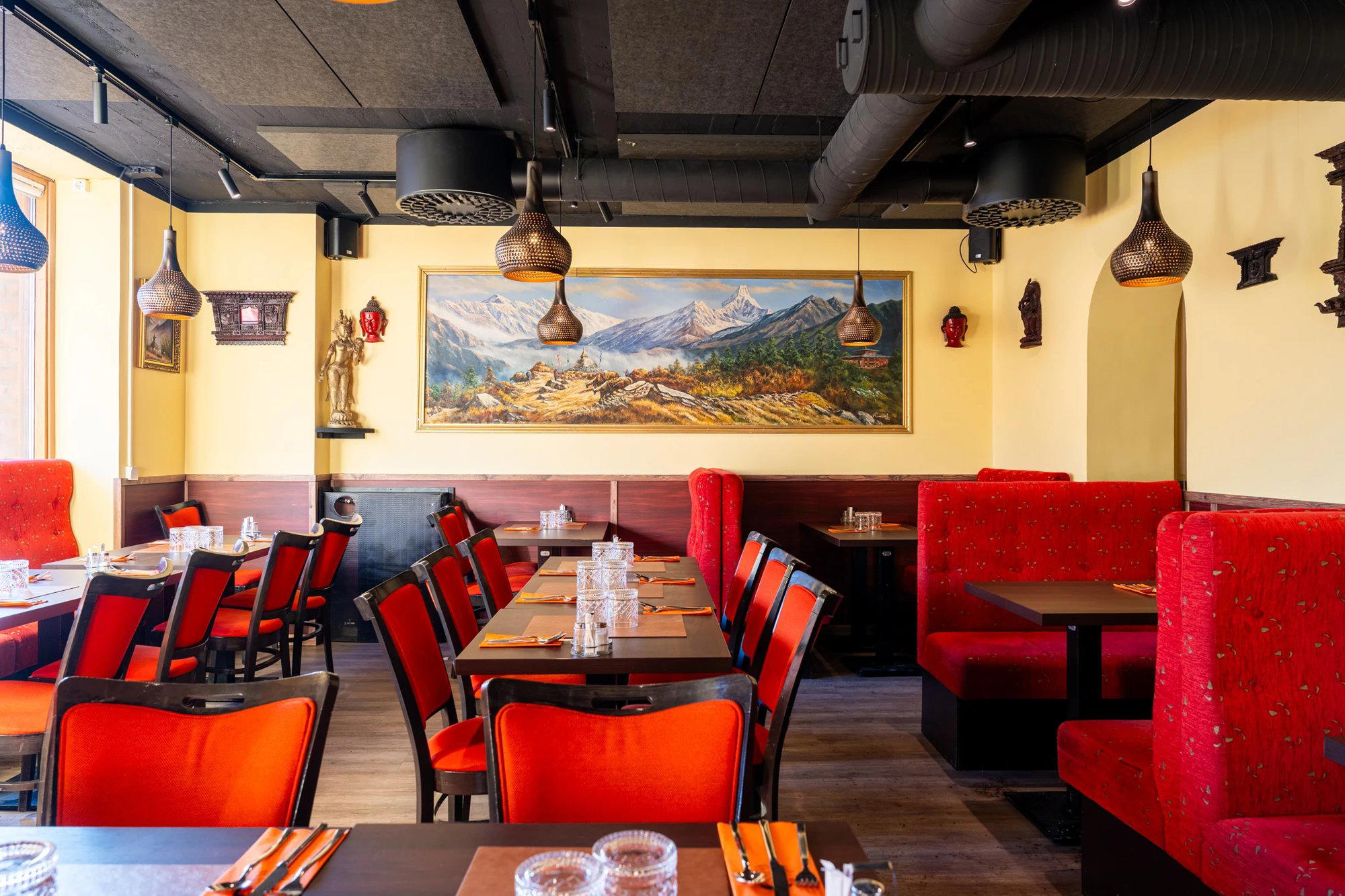
Fire, Structure, and the South Harbour Table
Helsinki's waterfront dining addresses have always carried a particular social weight. The South Harbour strip, running from the Market Square toward Katajanokka, concentrates some of the city's most considered restaurants within a few hundred metres of open water and nineteenth-century stone facades. Kanavaranta, the canal-side street where Oven operates, sits at the quieter eastern end of that corridor: less tourist-facing than the market stalls, more deliberately residential in pace. Arriving in the late afternoon, when the harbour light flattens and the canal reflects the brick warehouses opposite, positions the meal ahead of you as something worth taking slowly.
That sense of deliberateness is not incidental. In a city where the premium dining tier has consolidated around a handful of addresses, Palace commanding its rooftop perch, Grön operating its tightly controlled tasting format, Olo holding a long Michelin record in the Pohjoisesplanadi corridor, Oven's position on Kanavaranta offers a more casual waterfront setting. The neighbourhood itself does part of the editorial work.
What the Menu Architecture Reveals
The name is the thesis. Restaurants that foreground a single cooking method in their identity, rather than a region, a chef's name, or an abstract concept, are making an architectural claim about how the menu is organised. At Oven, that claim points toward dry heat, Maillard-driven flavour development, and the particular textural logic that comes from cooking at high temperature. In the broader context of Nordic restaurant culture, this places the venue in a lineage that runs from open-hearth Swedish cooking through the ember-focused techniques that have circulated across Scandinavian menus since the early 2010s.
Menu architecture built around a cooking method rather than a regional identity tends to produce menus where the ingredient list is deliberately constrained and the technique does the differentiating work. This is a different structural logic from the tasting-menu format deployed at addresses like Finnjävel Salonki, where the sequence and narrative of Finnish culinary heritage carry the conceptual weight, or the course-by-course precision of The ROOM by Kozeen Shiwan, where the chef's biographical range across culinary traditions structures each plate. At Oven, the heat source is the through-line, which means the menu reads as a series of arguments about what fire does to a given ingredient rather than a story told in courses.
This structural choice carries practical implications for how to read the menu. Dishes organised around technique reward attention to texture and char over complexity of sauce or garnish. The Finnish seasonal calendar provides the raw material, while the oven provides the method. What changes with the seasons is not the approach but the ingredient receiving it.
Helsinki's Fire-Cooking Cohort
Oven does not operate in isolation. Helsinki has developed a recognisable cohort of restaurants where live fire, wood, or high-heat oven cooking forms the technical foundation. This cohort sits across different price tiers and neighbourhood contexts, but shares a commitment to the kind of flavour development that electric and induction cooking cannot replicate. The broader Finnish affinity for smoke and preserved food, the sauna culture, the smoked fish tradition, the long history of root-cellar preservation, gives this cooking style a cultural grounding that prevents it from reading as imported trend. In Helsinki, fire cooking has indigenous logic.
Across Finland, the same instinct surfaces in different formats. Kaskis in Turku has built a sustained reputation around local produce cooked with similar directness. VÅR in Porvoo operates in a smaller city context but with comparable attention to seasonal Finnish material. Bistro Henriks in Tampere represents the mid-tier version of the same sensibility in Finland's third city. The pattern suggests that fire-forward cooking in Finland is less a restaurant trend than a persistent culinary orientation with roots older than any of the restaurants currently practising it.
Internationally, the comparison set for oven-centred menu architecture extends to restaurants where a single cooking apparatus defines the identity and the menu is built to showcase its range. New York provides useful reference points: Le Bernardin built its identity around a single protein category, seafood, and structured every menu decision through that lens; Atomix deploys Korean culinary architecture as its organising principle. The structural move is analogous even if the specific subject differs: commit to a constraint, then build depth within it rather than breadth across it.
The Address and What It Implies
Kanavaranta 7 F is a specific kind of Helsinki address: a lettered entrance in a multi-unit building, the sort of detail that rewards guests who have checked before arriving rather than those who assume a prominent street presence. This is common in the city's older commercial districts, where restaurants occupy ground-floor units in buildings whose primary identity is residential or office. The South Harbour area is well-connected by tram and the walk from the Senate Square area is under ten minutes, making pre- or post-dinner movement through the city centre direct.
For visitors building a Helsinki dining itinerary, Kanavaranta's position between the Design District and the harbour makes it a logical anchor for an evening that might begin with the waterfront and end in the bars of Punavuori. Those extending their Finland trip beyond the capital will find useful context in our coverage of Gösta in Mänttä, Figaro in Jyväskylä, Filipof in Joensuu, Hai Long in Rovaniemi, JJ's BBQ in Salo, Vintti in Hameenlinna, and Hejm in Vaasa, each operating within their own regional logic.
Practical Notes for Planning
Oven's hours are Monday through Thursday from 5 to 11 PM, Friday and Saturday from 5 PM to 12 AM, and Sunday is closed. Reservations are recommended. The Kanavaranta address is direct to reach from the central tram network. Given the address specificity, unit F within the building, arriving with the exact entrance confirmed ahead of time is advisable.
A Tight Comparison
Comparable venues nearby, for context on price, style, and recognition.
| Venue | Cuisine | Price | Notes |
|---|---|---|---|
| OvenThis venue — the venue you are viewing | Kruununhaka, Nepalese | $$ | Not listed |
| Runar | Kaartinkaupunki, Craft Cocktail Bar | $$ | Not listed |
| Liberty or Death | Kaartinkaupunki, Innovative Cocktail Bar | $$ | Not listed |
| murasaki | Etu-Toolo, Authentic Japanese Izakaya | $$ | Not listed |
| Lehtovaara | Not listed | $$$ | Taka-Toolo, Traditional Finnish Fine Dining |
| Gastrogrill Muré | Not listed | $$ | Kruununhaka, Finnish Charcoal Grill Steakhouse |
At a Glance
- Cozy
- Classic
- Casual Hangout
- Beer Program
Current opening hours
- Monday
- 5–11 PM
- Tuesday
- 5–11 PM
- Wednesday
- 5–11 PM
- Thursday
- 5–11 PM
- Friday
- 5 PM–12 AM
- Saturday
- 5 PM–12 AM
- Sunday
- Closed
Hours can change for holidays and private events. Last verified .
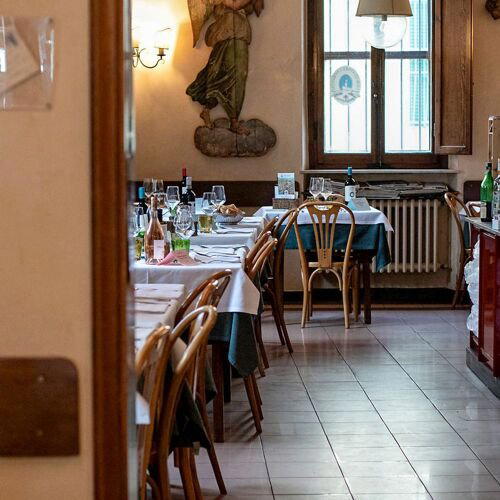
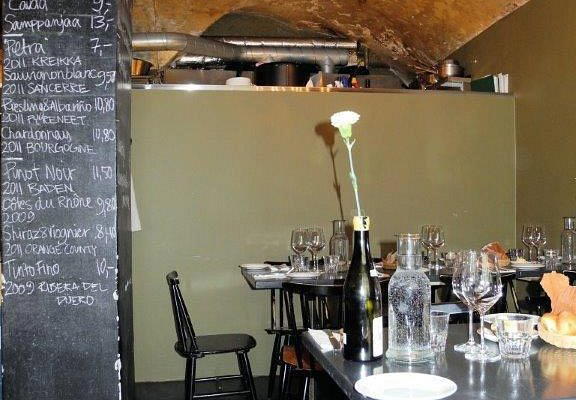
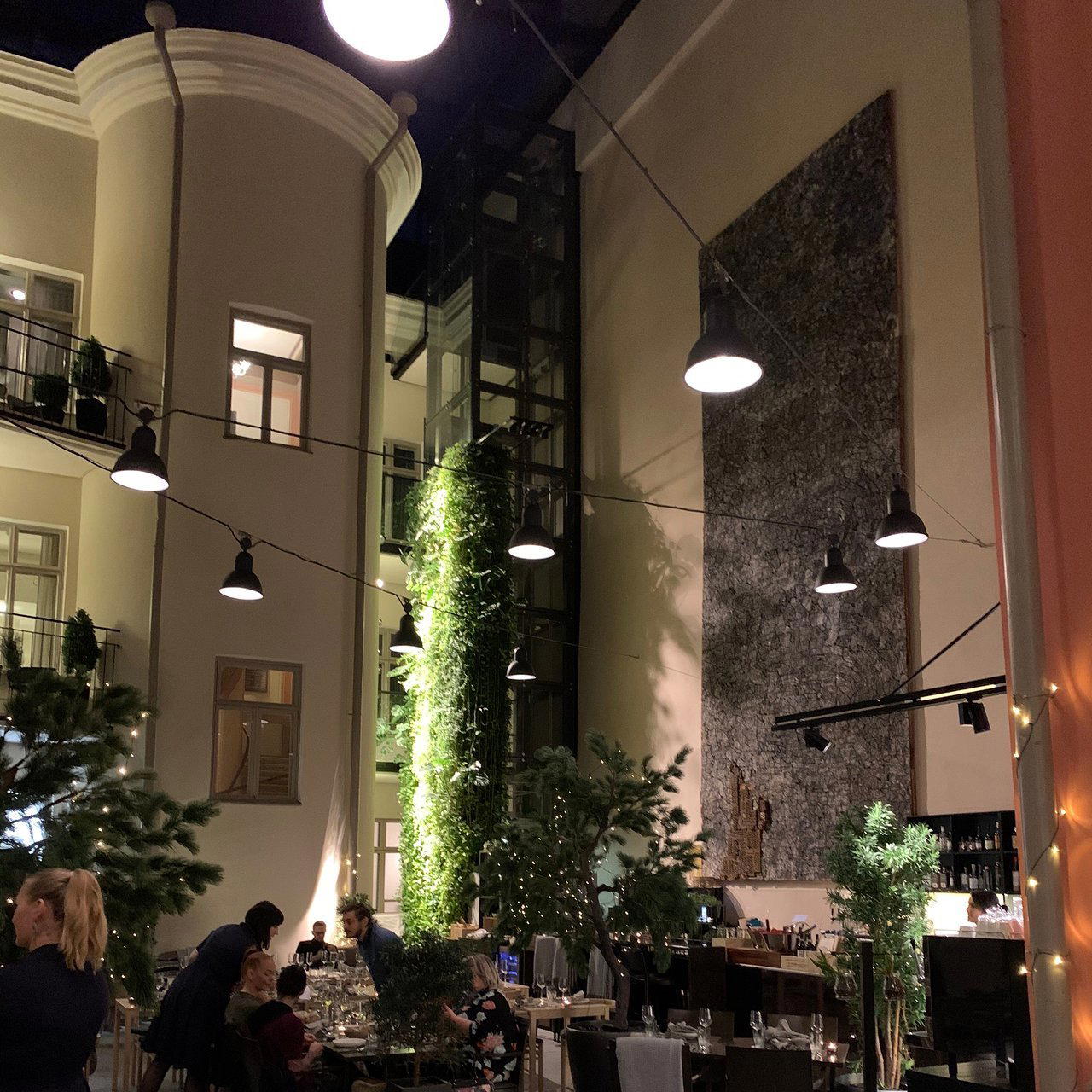
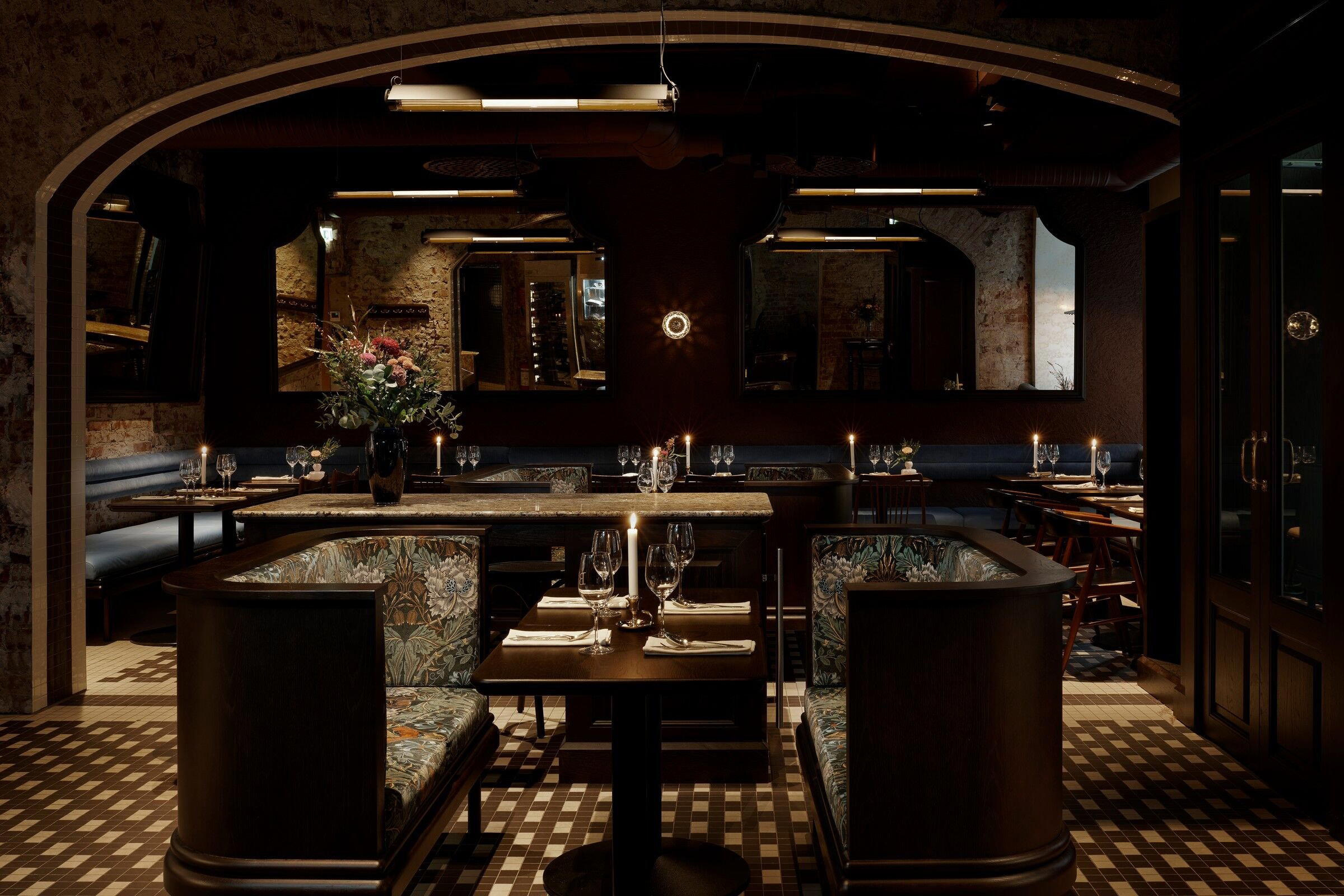
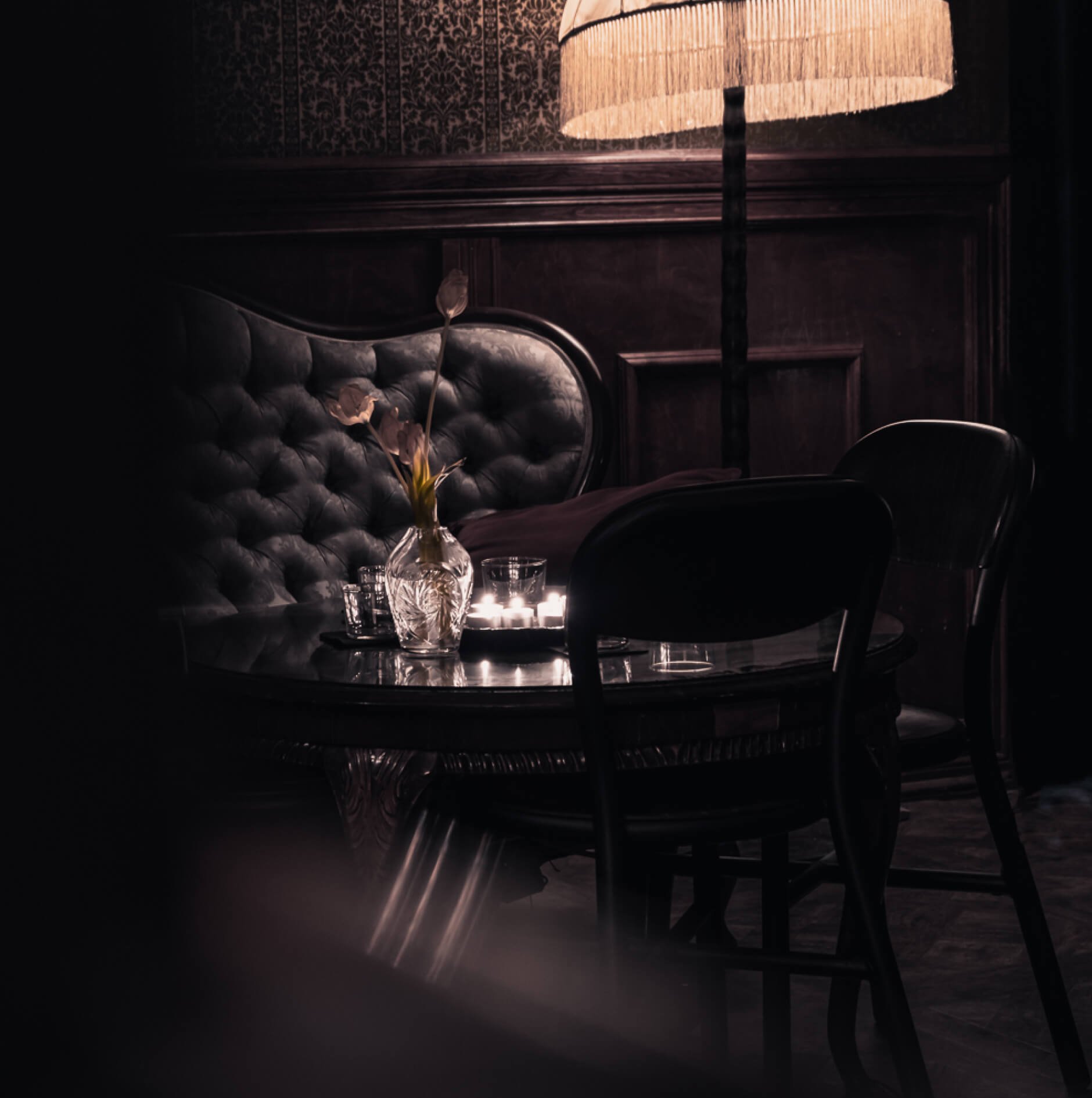
Comfortable environment with friendly service as described in guest reviews.