

Michelin Plate
Our verdict
On a quiet stretch of Boulevard Arago in the 13th arrondissement, Otto holds a Michelin Plate and a sharply risen profile on the Opinionated About Dining Casual Europe list, climbing from #575 in 2024 to #88 in 2023. Chef Vadim Otto Ursus runs a modern cuisine format priced at the accessible end of Paris's serious dining spectrum, making this one of the 13th's more compelling arguments for neighbourhood restaurants over destination temples.

Pearl is the En Primeur Club membership app — saves, bookings, and concierge access live there. Same editors, same standards.
The menu
What to order
- Lamb_kebab_gochujang_harissa
- Chimichurri_beef
- Aubergine_pomegranate
Where the 13th Arrondissement Makes Its Case
Paris's serious dining conversation tends to collapse around a handful of postcodes: the 8th, the 1st, occasionally the 7th. The 13th rarely enters the frame, which is part of what makes the concentration of considered cooking along its quieter boulevards worth tracking. Otto, on the southern reach of Boulevard Arago, belongs to a cohort of neighbourhood-anchored modern cuisine addresses that price and position themselves deliberately outside the grand boulevard circuit occupied by places like 114, Faubourg or Accents Table Bourse.
Lunch and Dinner: Two Different Registers
In Paris's modern cuisine bracket, the lunch-versus-dinner divide does more structural work than most cities. Lunch tends to compress: shorter menus, faster pacing, a different clientele mixing neighbourhood regulars with professionals on a schedule. Dinner opens the format up, inviting longer meals and more deliberate progression through courses. Otto follows this rhythm, which is consistent with how the Michelin Plate tier operates across the city. The award signals a kitchen operating at a sustained level of seriousness, but the €€ pricing places it firmly in the register where a two-course lunch remains a real proposition rather than a concession format.
For context, the gap between Otto's price bracket and the €€€€ rooms occupied by Mirazur in Menton or Troisgros in Ouches is not merely financial. Those addresses operate long, architected tasting sequences with dedicated wine programs and full brigade structures. Otto, like its peers in the accessible-serious tier, likely concentrates its ambition into fewer courses with tighter focus, which at lunch can read as a genuine advantage over the marathon format. Dinner here probably shifts toward a more complete expression of what Chef Vadim Otto Ursus is working through in the kitchen, with the room and the pacing to support it.
Reading the OAD Trajectory
Opinionated About Dining's Casual Europe list is a useful instrument for tracking kitchen momentum before Michelin's slower-moving machinery catches up. Otto appeared at #575 on the 2024 edition of that list, having ranked at #88 in 2023. That reversal in ranking direction is worth registering without over-interpreting: OAD lists shift with the voting pool's attention, and a drop from #88 to #575 doesn't necessarily signal a decline in cooking quality. It can reflect a dilution of votes across an expanding list, a change in reviewer composition, or simply the natural volatility of a list that covers a continent. The Michelin Plate in 2025, awarded or retained after the OAD movement, provides a steadier floor: it marks the kitchen as operating at a consistent level the Guide's inspectors consider worth noting.
For comparison, the broader modern cuisine category in Paris runs from neighbourhood plates like Otto through to the structured grand kitchens that define France's international reputation, represented at the leading end by addresses like Paul Bocuse's Auberge du Pont de Collonges and Bras in Laguiole. Otto is not in competition with those institutions; it operates in the tier where the question is whether the kitchen translates genuine technical intent into an accessible format. The evidence from the award record suggests it does.
Chef and Kitchen: Context Over Biography
Chef Vadim Otto Ursus gives the restaurant its name, which is not a coincidental detail. In Paris's modern cuisine scene, a chef-named address at the €€ level signals a particular kind of project: personal investment in the cooking rather than an operator formula, with the kitchen functioning as the direct expression of one cook's choices.
That structural independence tends to show up most clearly in the dinner service, where a chef-driven room has the latitude to take the menu further than the lunch formula typically allows. Compared to the Stockholm model represented by Frantzén, where modern cuisine operates at a far higher price point and with a full theatrical apparatus, Otto occupies the stripped-back end of the same broad category, where craft has to carry the room without ceremony doing half the work.
Neighbourhood and Positioning
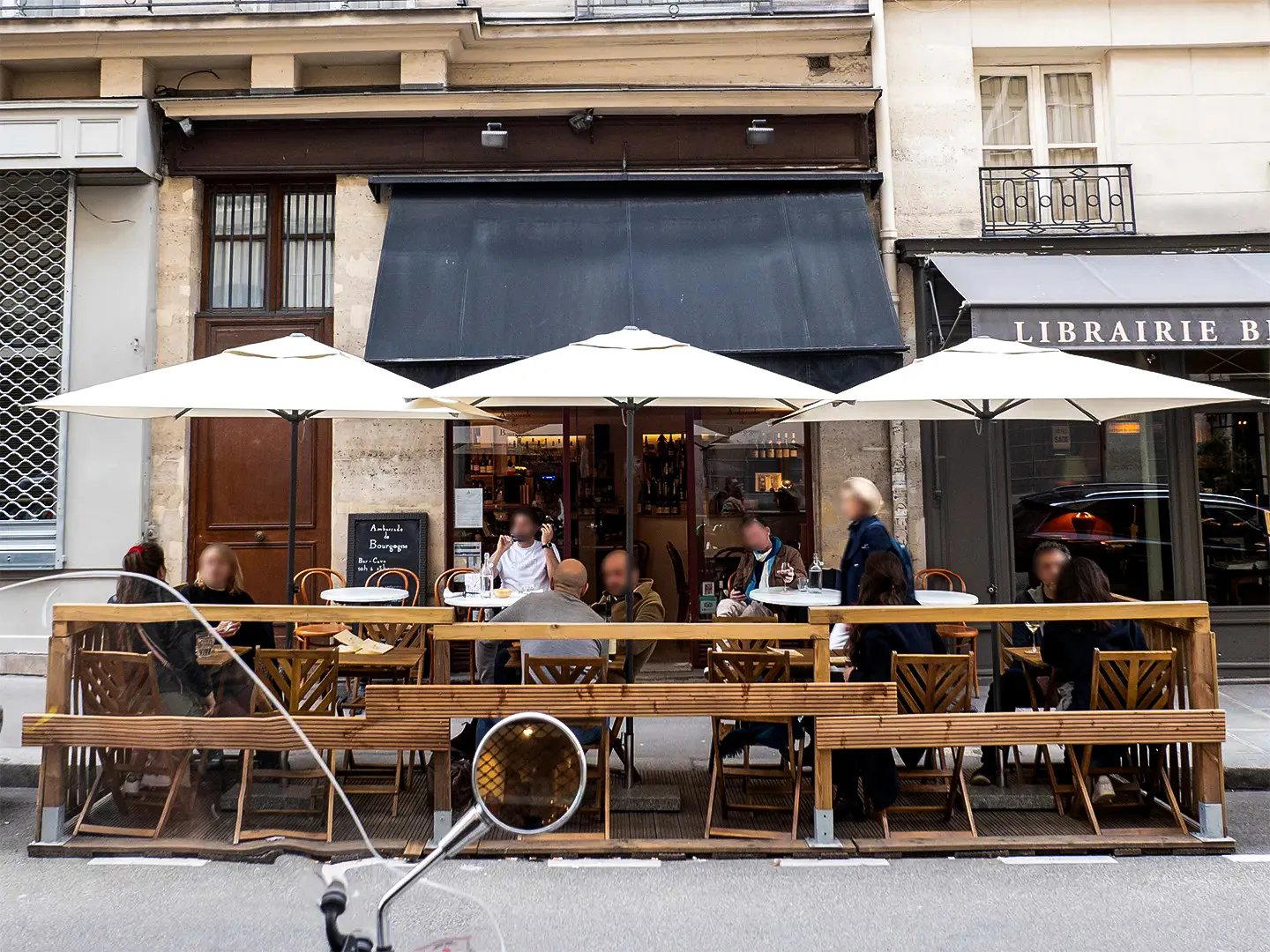
Boulevard Arago in the 13th runs parallel to the Gobelins quarter and sits within walking distance of the Jardin des Plantes. The arrondissement has a residential density that keeps its restaurant scene oriented toward locals rather than tourists, which shapes the room atmosphere at both lunch and dinner. Paris restaurants that operate primarily on neighbourhood custom tend toward less formal service registers, shorter wine lists, and smaller teams, all of which align with the €€ positioning and the Michelin Plate tier. Visitors who have spent time at more neighbourhood-facing addresses in the city, such as Anona or Amâlia, will recognise the format.
The 13th also sits at a remove from the density of international hotel dining that concentrates in the 8th, where addresses like Auberge de Montfleury operate within a different commercial logic. That distance is not a disadvantage; it tends to keep the pricing more honest and the service less performative. For visitors building a Paris itinerary across several meal types, Otto represents the neighbourhood serious-cooking slot rather than the destination-dining slot, and it fills that role with enough credential to justify the detour from the first arrondissement circuit.
For a fuller picture of where Otto sits within Paris's current dining map, our full Paris restaurants guide covers the city's key addresses by arrondissement and category. Those planning a broader stay can also reference our Paris hotels guide, our Paris bars guide, our Paris wineries guide, and our Paris experiences guide. For those interested in the regional French kitchen at its most ambitious, Flocons de Sel in Megève, Auberge de l'Ill in Illhaeusern, and FZN by Björn Frantzén in Dubai each represent distinct points on the modern cuisine spectrum worth knowing.
Planning Your Visit
Address: 53 bis Boulevard Arago, 75013 Paris. Budget: €€, placing this within reach of a weekday lunch without significant spend, with dinner likely sitting at the higher end of that bracket. Reservations:Getting there: The address is accessible from Les Gobelins or Place d'Italie on the metro. Timing: Lunch offers the more compressed, accessible entry point; dinner likely opens the menu format further and suits those wanting to spend more time with the kitchen's range.
Frequently asked questions
Does Otto have a Michelin star or similar recognition?
Otto has received recognition including: Michelin Plate (2025); Opinionated About Dining Casual in Europe Ranked #575 (2024); Opinionated About Dining Casual in Europe Ranked #88 (2023).
What should I eat at Otto?
Otto operates in the modern cuisine format under Chef Vadim Otto Ursus, whose name on the door signals personal investment in the kitchen's output. The Michelin Plate recognition in 2025 confirms consistent cooking quality, and the OAD Casual Europe ranking climbing from #575 in 2024 to #88 in 2023 points to a kitchen with a defined point of view rather than a menu chasing trends.
What's Otto's location?
Otto is located at 53 bis Bd Arago, 75013 Paris, France, Paris.
Same-City Peers
| Venue | Cuisine | Price | Awards | Notes |
|---|---|---|---|---|
| OttoThis venue — the venue you are viewing | Modern French Izakaya-Style Small Plates | $20–30 | Michelin Plate | Not listed |
| Alléno Paris au Pavillon Ledoyen | Modern French Fine Dining | $150–200 | 3 Michelin Stars · World's 50 Best #79 | Creative |
| Kei | Modern French with Japanese Influences | $300–500 | 3 Michelin Stars · World's 50 Best #93 | Contemporary French, Modern Cuisine |
| L'Ambroisie | Classic French Haute Cuisine | $300–500 | 2 Michelin Stars · World's 50 Best #23 | French, Classic Cuisine |
| Le Cinq - Four Seasons Hôtel George V | French, Modern Cuisine | Not listed | Not listed | Not listed |
| Plénitude | Modern French Sauce-Led Fine Dining | $300–500 | 3 Michelin Stars · World's 50 Best #14 | Contemporary French |
Recognition history
Dated appearances from independent guides and award organizations, with the underlying list record or original source where available.
Michelin Plate
Michelin
Opinionated About Dining Casual in Europe Ranked #575
Opinionated About Dining
Full recognition history (3 entries)
Opinionated About Dining Casual in Europe Ranked #88
Opinionated About Dining
Continue exploring
More in Paris
Restaurants in Paris
All restaurants in Paris →
Bars in Paris
All bars in Paris →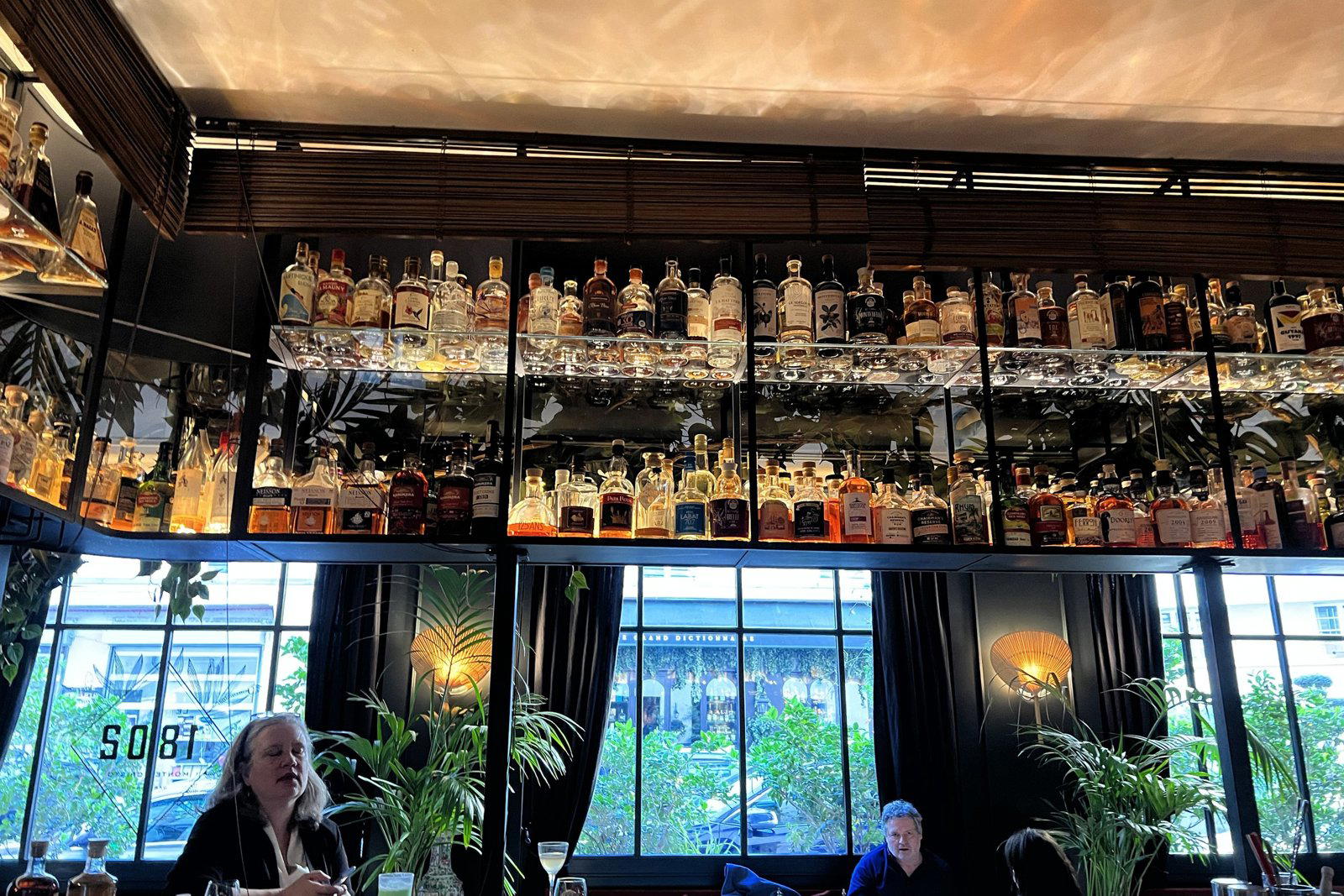



Details
- Modern
- Lively
- Minimalist
- Casual Hangout
- Group Dining
- Date Night
- Open Kitchen
- Extensive Wine List
- Small Plates
- A La Carte
- Vegetarian Friendly
Current opening hours
- Monday
- 12–2:15 p.m., 7–10:15 p.m.
- Tuesday
- 12–2:15 p.m., 7–10:15 p.m.
- Wednesday
- 12–2:15 p.m., 7–10:15 p.m.
- Thursday
- 12–2:15 p.m., 7–10:15 p.m.
- Friday
- 12–2:15 p.m., 7–10:15 p.m.
- Saturday
- 12–2:15 p.m., 7–10:15 p.m.
- Sunday
- 12–2:15 p.m., 7–10:15 p.m.
Hours can change for holidays and private events. Last verified .
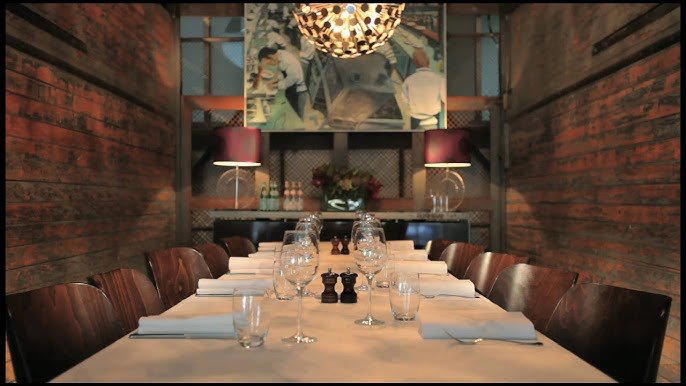
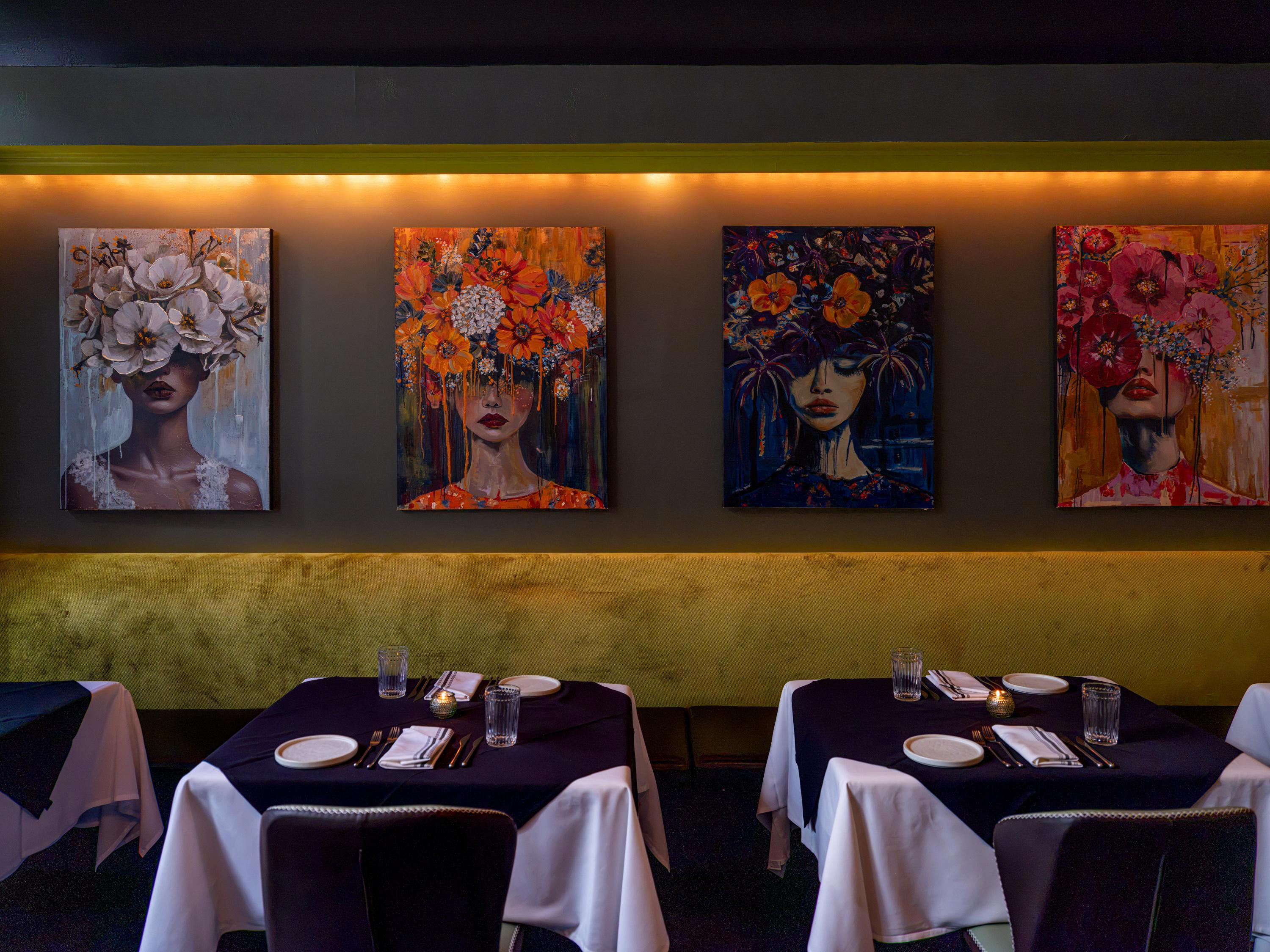
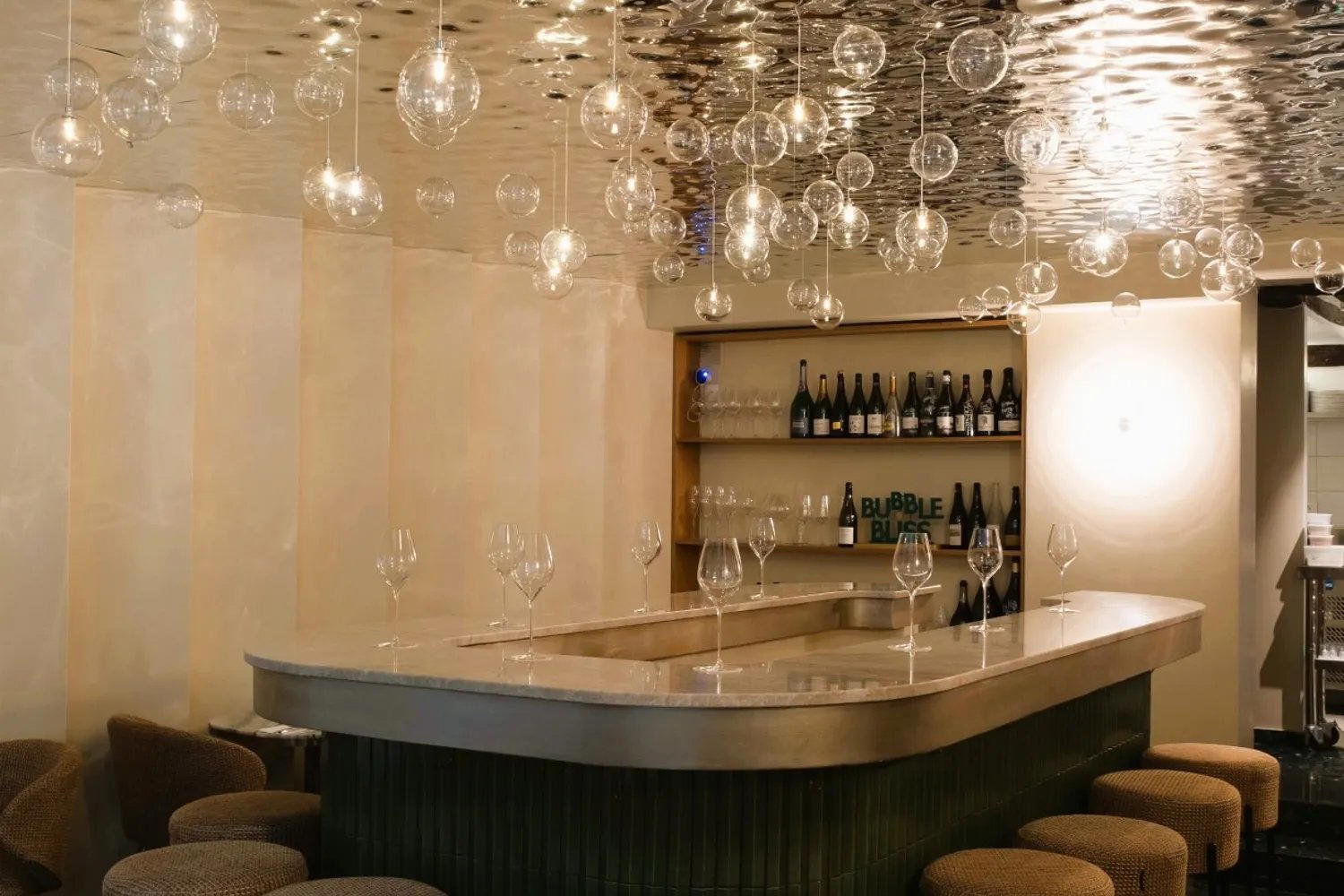
Minimalist decor with concrete floors and ceilings, open kitchen counter seating, lively atmosphere during peak hours.