Otaku Kitchen sits inside the Centre Commercial Domino retail complex in Douvaine, a small lakeside town between Geneva and the Haute-Savoie peaks. The name signals a Japanese-inflected sensibility operating far from any obvious dining hub, which is precisely what makes it an interesting data point in the wider story of how global food cultures are spreading into France's smaller market towns.
Pearl is the En Primeur Club membership app — saves, bookings, and concierge access live there. Same editors, same standards.
- Address
- Centre Commercial Domino, 9 Rue Domino, 74140 Douvaine, France
- Phone
- +33450357830
- Website
- otaku-kitchen.eatbu.com
- Directions
- Get directions
 Saves & bookings on Pearl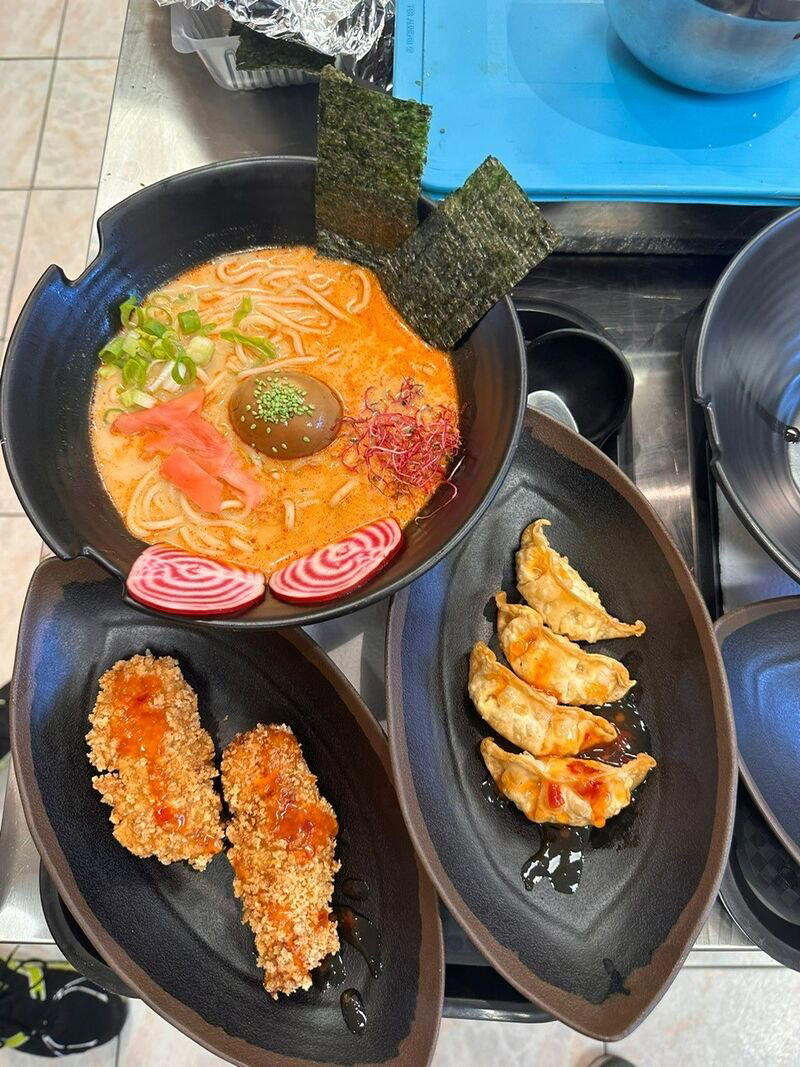
Where Retail Meets a Different Kind of Kitchen
Douvaine occupies a narrow band of French territory between Lake Geneva's southern shore and the foothills that climb toward Megève and the Mont Blanc massif. It is not a restaurant town in the way that nearby Annecy or Thonon-les-Bains are restaurant towns. The dining scene here runs mostly on pragmatism: brasseries serving the cross-border commuter crowd, pizza joints, and the kind of weekly-market rotisserie that fills a need rather than a desire. Against that backdrop, a venue trading under a name like Otaku Kitchen, parked inside the Centre Commercial Domino on Rue Domino, reads as a deliberate counter-signal. The name itself borrows from Japanese subculture slang, implying a specialist obsession rather than a generalist offer.
That positioning matters, because across France's smaller cities and market towns, a particular pattern has been playing out for the better part of a decade. Japanese-influenced kitchens, ramen counters, and fusion formats have moved steadily beyond Paris's 13th arrondissement and Lyon's left bank to colonise retail parks and secondary high streets in towns where, fifteen years ago, one exotic thing on the menu was a Thai curry. Douvaine, with its proximity to the Geneva conurbation and its above-average purchasing power from cross-border workers, is a logical if underreported stop on that route.
Ingredient Logic in a Landlocked Alpine Town
The editorial angle that makes a venue like Otaku Kitchen worth examining is not the décor or the branding, it is the sourcing logic that underpins any kitchen operating at the intersection of Japanese culinary codes and a French Alpine supply chain. That tension is genuinely interesting. Japanese cooking traditions, particularly in their more devoted expressions, demand specific things: rice with calibrated starch content, dashi built from kombu harvested at particular times of year, proteins treated with a precision that borders on the ceremonial. Translating that discipline into a retail-park kitchen in a French department of 800,000 people requires either importation at real cost or creative substitution using local produce.
The Haute-Savoie is not short of high-quality raw materials. The region produces some of France's most characterful dairy, foraged mushrooms that rival anything from the Périgord in seasonal depth, and freshwater fish from Lake Geneva that rarely makes it onto menus beyond the immediate lakeside. Whether a kitchen operating at Otaku Kitchen's apparent price tier and format engages with those local streams or defaults to a standardised import model is the question that determines whether the venue is a genuinely interesting hybrid or a themed shortcut.
For contrast, consider how France's most ingredient-obsessive kitchens handle similar geography-versus-cuisine tensions. Flocons de Sel in Megève has built its identity around Alpine micro-seasonality, treating elevation and latitude as culinary assets rather than constraints. Mirazur in Menton works a kitchen garden into its tasting architecture, making ingredient provenance structurally visible. Those are three-star operations with entirely different budgets and intentions, but they illustrate a principle that applies across all price tiers: interesting food in any French region tends to come from kitchens that read the local larder before writing the menu.
The Broader Scene Otaku Kitchen Enters
Japanese and Japanese-influenced dining in France has fragmented into at least three distinct tiers over the past decade. At the high end sit the Franco-Japanese fusion addresses in Paris, venues like Alléno Paris au Pavillon Ledoyen and the technically demanding work being done at places such as AM par Alexandre Mazzia in Marseille, where Japanese precision meets the full weight of classical French technique. In the middle tier, a wave of credible ramen and izakaya formats has landed in Lyon, Bordeaux, and the larger university cities, often staffed by cooks who trained or travelled seriously. At the entry level sits a much larger and more variable category: themed kitchens in commercial settings where the Japanese reference is more aesthetic than culinary.
Douvaine, as a town, puts the restaurant in the middle or lower end of that spectrum by default, not as a judgment, but as a geographic and commercial reality. The customer base here is families, commuters, and weekend visitors rather than the dedicated dining public that sustains a destination kitchen. That shapes everything from portion logic to menu pricing to the degree of sourcing complexity a kitchen can realistically maintain.
The comparison group for serious regional French cooking, Georges Blanc in Vonnas, Auberge de l'Ill in Illhaeusern, Bras in Laguiole, or Troisgros in Ouches, operates in a completely different register and should not be used as the yardstick here. The relevant comparable set is the casual Japanese and fusion market in secondary French towns, where the ceiling is set by local appetite and logistical access rather than ambition alone. Even Paul Bocuse's Auberge du Pont de Collonges and Auberge du Vieux Puits in Fontjoncouse serve as reminders that France's deep dining culture rewards specificity and rootedness, qualities that any kitchen, at any price point, can choose to pursue.
Planning Your Visit
The restaurant is located inside Centre Commercial Domino at 9 Rue Domino, 74140 Douvaine, making it direct to reach by car from the Geneva border crossings or from Thonon-les-Bains. The retail-park setting means parking is not a concern. The venue is walk-in friendly, and current hours are Tue to Fri 11:30 AM to 2 PM and 6 PM to 9:30 PM, with Saturday service from 11:30 AM to 9:30 PM.
For visitors building a wider itinerary around the Lake Geneva arc, the region also puts you within reach of the kind of high-end French dining that has no equivalent in the immediate area: Assiette Champenoise in Reims, Christopher Coutanceau in La Rochelle, L'Oustau de Baumanière in Les Baux, and Au Crocodile in Strasbourg all sit within a day's drive for travellers covering the wider Franco-Swiss corridor. For a purely New York parallel on what a serious Japanese-influenced kitchen can look like at the high end, Atomix in New York City and Le Bernardin represent the outer edge of that ambition.
Quick Comparison
Comparable venues nearby, for context on price, style, and recognition.
| Venue | Cuisine | Price | Awards | Notes |
|---|---|---|---|---|
| Otaku KitchenThis venue — the venue you are viewing | Asian Street Food Fusion | $$ | Not listed | Not listed |
| Ô Flaveurs | Modern French Fine Dining | $$$$ | Michelin 1 Star | Douvaine |
| Akatsuki | Authentic Japanese Izakaya | $$ | Not listed | Rue Coupée de Longvic |
| Chez mimo | French Bistro | $$ | Not listed | Margencel |
| L’aventure | French Mountain Grill | $$ | Not listed | Oz en Oisans |
| L'Outa | Traditional Savoyard Bistro | $$ | Not listed | Upper La Clusaz |
At a Glance
- Casual Hangout
- Terrace
Current opening hours
- Monday
- Closed
- Tuesday
- 11:30 AM–2 PM, 6–9:30 PM
- Wednesday
- 11:30 AM–2 PM, 6–9:30 PM
- Thursday
- 11:30 AM–2 PM, 6–9:30 PM
- Friday
- 11:30 AM–2 PM, 6–9:30 PM
- Saturday
- 11:30 AM–9:30 PM
- Sunday
- Closed
Hours can change for holidays and private events. Last verified .
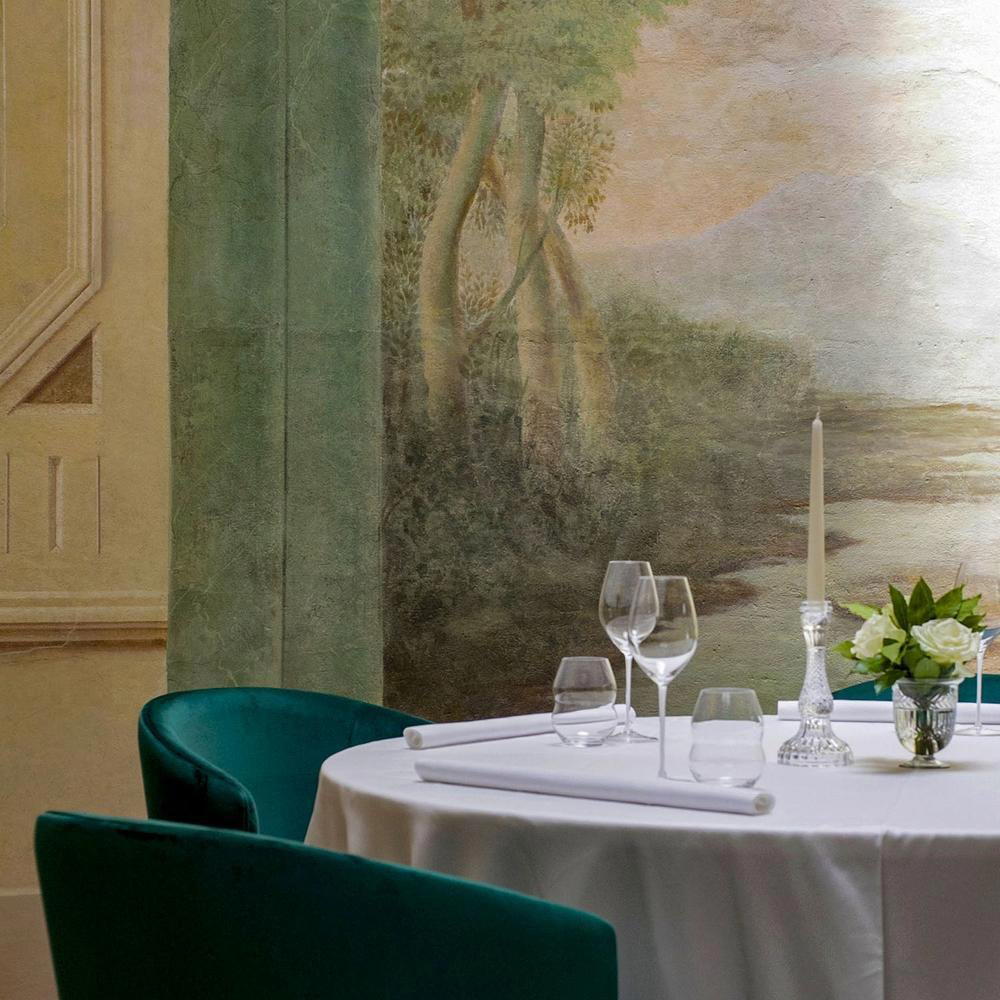
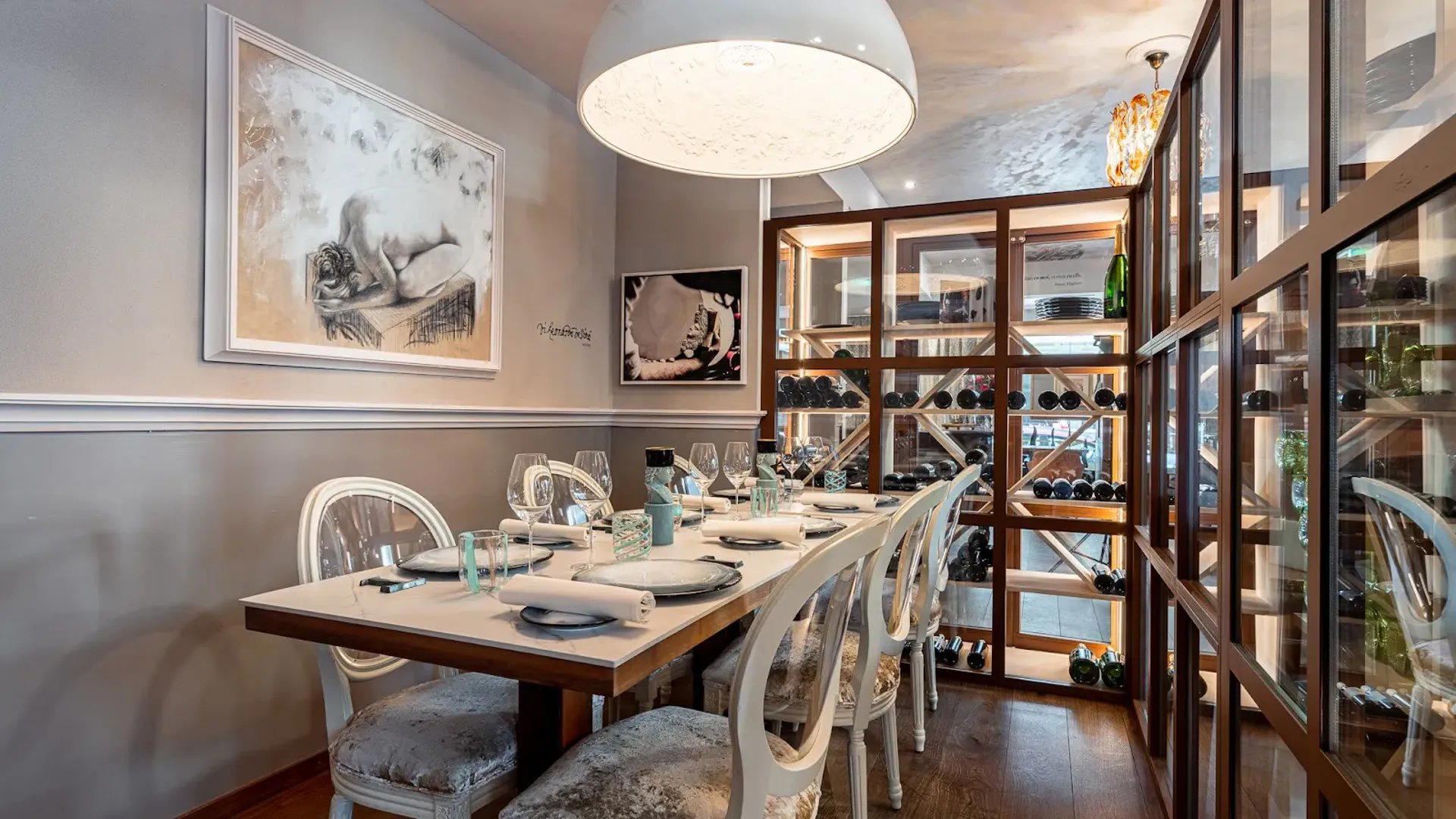
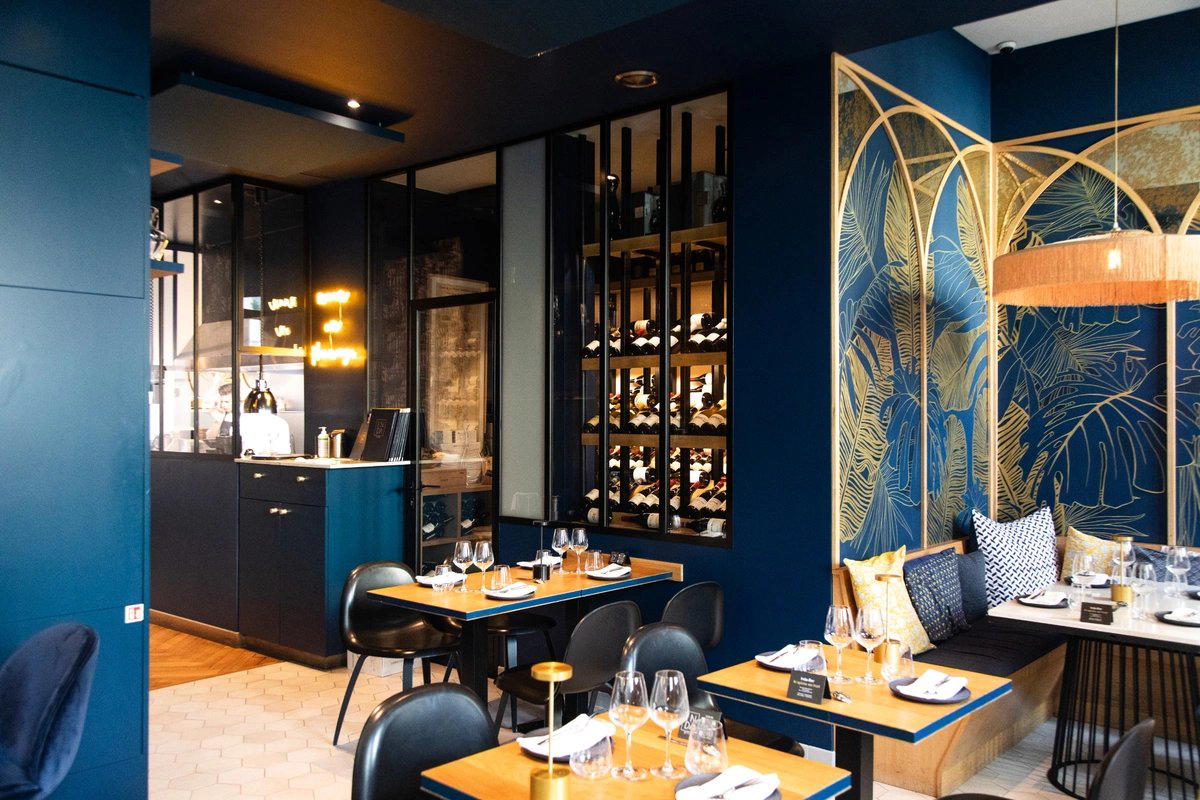
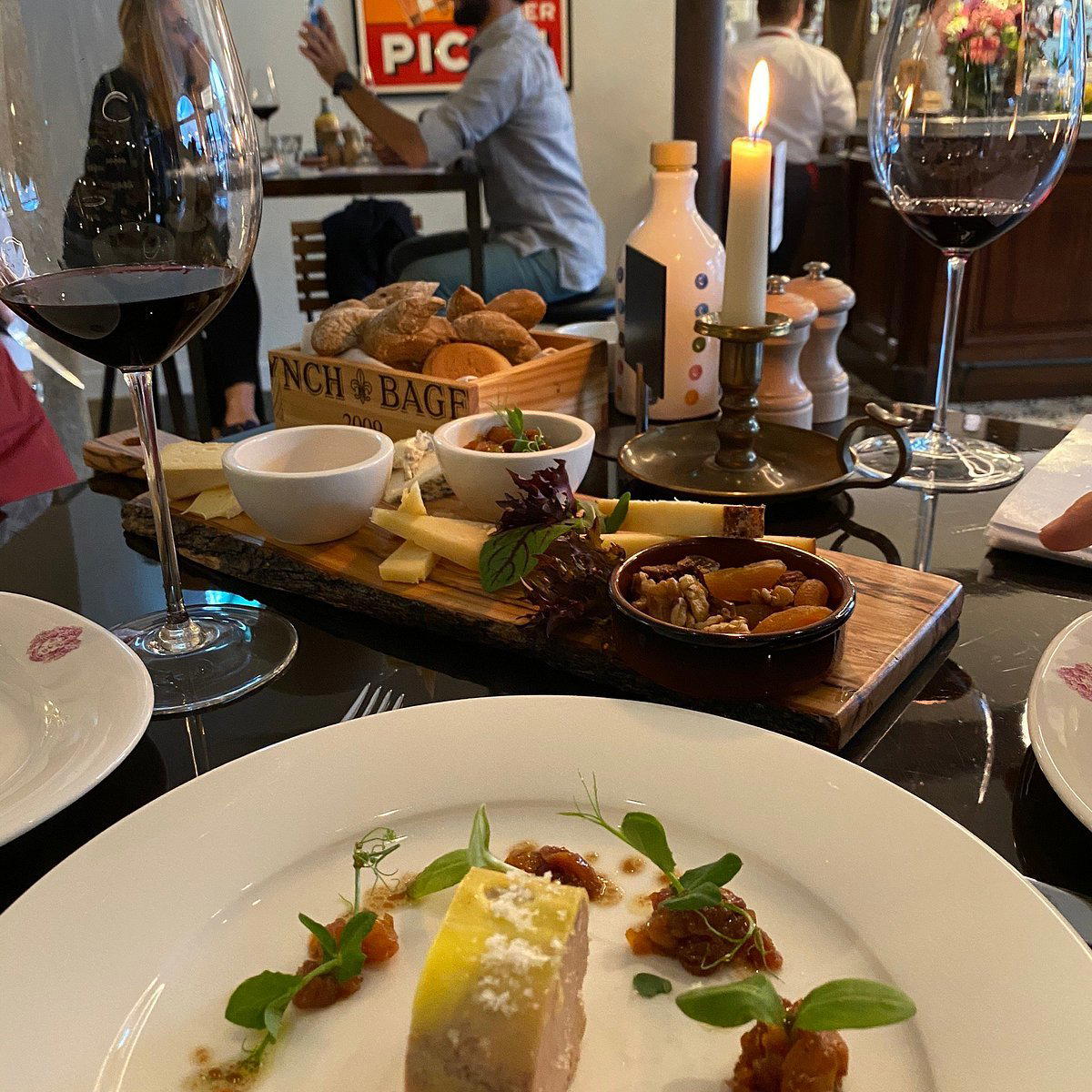
Casual fast-paced atmosphere in a commercial center with terrace seating.