MATI
MATI occupies a Monroe Street address in Detroit's Greektown district, a neighborhood whose culinary identity has been reshaping steadily as the city's dining scene diversifies. The restaurant sits at the intersection of local sourcing and technique-driven cooking, placing it alongside a broader Detroit movement that treats Midwestern ingredients as serious raw material rather than regional afterthought.
Pearl is the En Primeur Club membership app — saves, bookings, and concierge access live there. Same editors, same standards.
- Address
- 501 Monroe St, Detroit, MI 48226
- Phone
- +13133062221
- Website
- matidetroit.com
- Directions
- Get directions
 Saves & bookings on Pearl
Monroe Street, Greektown, and the Larger Question of What Detroit Cooking Looks Like Now
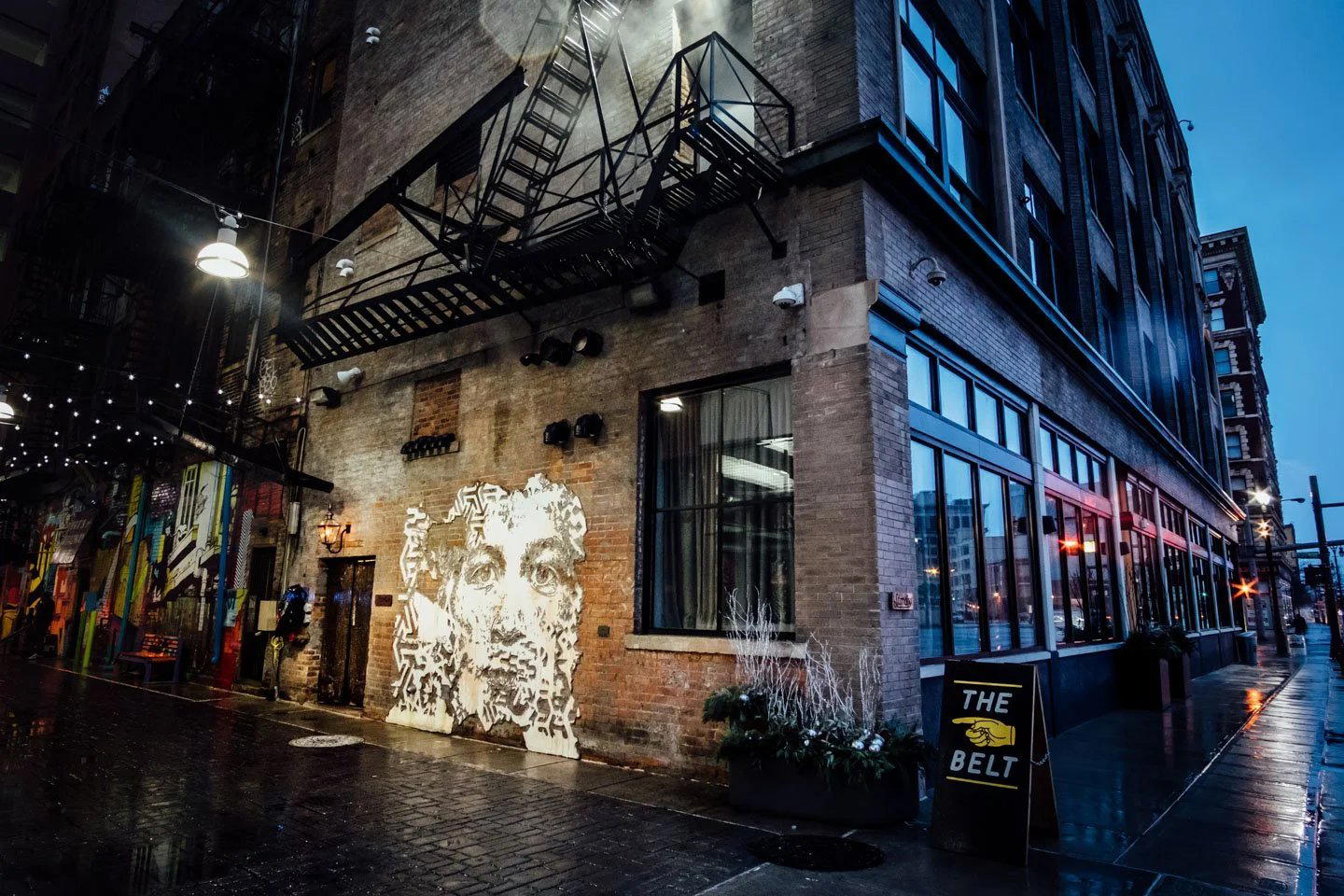
Greektown's Monroe Street corridor has never been a quiet strip. The neighborhood's identity was built on volume and tradition — open-late diners, saganaki flames, and the kind of hospitality that measured success in tables turned rather than courses deliberated over. That baseline is still there, but the blocks around 501 Monroe have been absorbing a different energy over the past several years, one that reflects Detroit's wider culinary reckoning with what it means to cook seriously in a Midwestern city with a complex industrial past and a genuinely diverse food culture. MATI enters that conversation from this address, and the address matters: it positions the restaurant at the edge of a district in transition, close enough to downtown foot traffic to be accessible, distinct enough from the Woodward corridor to suggest a different kind of ambition.
Detroit's dining scene has split, more cleanly than most observers predicted, into two recognizable camps. The first is the comfort-forward, neighborhood-identity school — the coney islands, the barbecue spots, the East African restaurants like Baobab Fare that have become reference points for the city's immigrant communities. The second is a technique-led, ingredient-focused tier that looks outward for method while insisting on regional sourcing as a point of differentiation. Restaurants like ADELINA and Alpino operate inside this second group. MATI appears to belong there too, though the sparse public record around the restaurant makes precise categorization premature.
Local Ingredients, Imported Discipline: The Approach That Defines the Category
The most interesting cooking happening in American cities right now, at venues ranging from Lazy Bear in San Francisco to Blue Hill at Stone Barns in Tarrytown, tends to share a structural logic: techniques developed in European or Asian fine-dining traditions applied to ingredients sourced from the immediate region, with the gap between those two poles treated as the creative space rather than a problem to be resolved. The result, when it works, is cooking that could only exist in one place at one time. When it doesn't, you get the familiar and slightly deflating experience of precision technique applied to ingredients that didn't need rescuing.
Michigan is well-positioned for this approach. The state's agricultural output is more diverse than its reputation suggests: Great Lakes whitefish, Traverse City cherries, Marquette-area wild game, morel mushrooms across the Lower Peninsula in spring, and a stone fruit season that runs through late summer. Any serious kitchen working from a Monroe Street base has access to raw material that can sustain a genuinely regional menu without reaching. The editorial question for a restaurant like MATI is whether the kitchen is treating those ingredients as a foundation or as a garnish, whether the sourcing logic runs through the menu's architecture or sits decoratively at the edge of a dish description.
Comparable programs at restaurants like Single Thread Farm in Healdsburg and Addison in San Diego have demonstrated that regional ingredient discipline and high technical precision are not competing priorities. The approach has also produced some of the more interesting results at Providence in Los Angeles and, in a different register, at Atomix in New York City, where Korean culinary grammar provides the structural logic and local sourcing fills the specific content. Detroit's own version of this conversation is still being written, and the Greektown address makes MATI a participant in that drafting process whether it intends to be or not.
The Detroit restaurants drawing the most serious attention right now tend to share certain structural features: they are small in scale, specific in focus, and resistant to the kind of general-crowd appeal that characterized the city's earlier revival-era dining. Selden Standard helped establish the template for ingredient-led New American cooking in the city. Vecino has demonstrated that modern Mexican technique can hold its own in the Midwest without softening its edges for a non-specialist audience. Amore da Roma and the casual end of the spectrum, including spots like 313 Cinnamon Rolls, show that the city's food culture has depth across formats and price points, not just at the top tier.
MATI occupies a less immediately legible position than some of these peers, partly because the public record is thin and partly because Monroe Street itself doesn't yet carry the automatic dining associations that Corktown or Midtown do. That ambiguity can work in a restaurant's favor: it places the burden of expectation on the food itself rather than on neighborhood cachet or existing category reputation. For comparison, American Coney Island has no ambiguity problem, its identity is fixed, its audience is clear, its role in the city's food story is settled. MATI is working from a less certain position, which means the cooking carries more weight.
At the highest level of American technique-forward dining, the conversation involves restaurants like Alinea in Chicago, Le Bernardin in New York City, The French Laundry in Napa, The Inn at Little Washington, and Emeril's in New Orleans. MATI is not in that conversation yet, and may not be aiming for it. But the structural logic of local-ingredient, global-technique cooking operates across price tiers and formats, from the counter-service end of the spectrum to the multi-course tasting menu room. What matters is whether the approach is genuine, whether the sourcing decisions are visible in the eating, and whether the technique serves the ingredient or the other way around. At 8 1/2 Otto e Mezzo Bombana in Hong Kong, the answer has always been that classical training provides the framework and the specific place provides the content. Detroit's culinary moment is generating the same question, and restaurants on Monroe Street are among those being asked to answer it.
Planning Your Visit
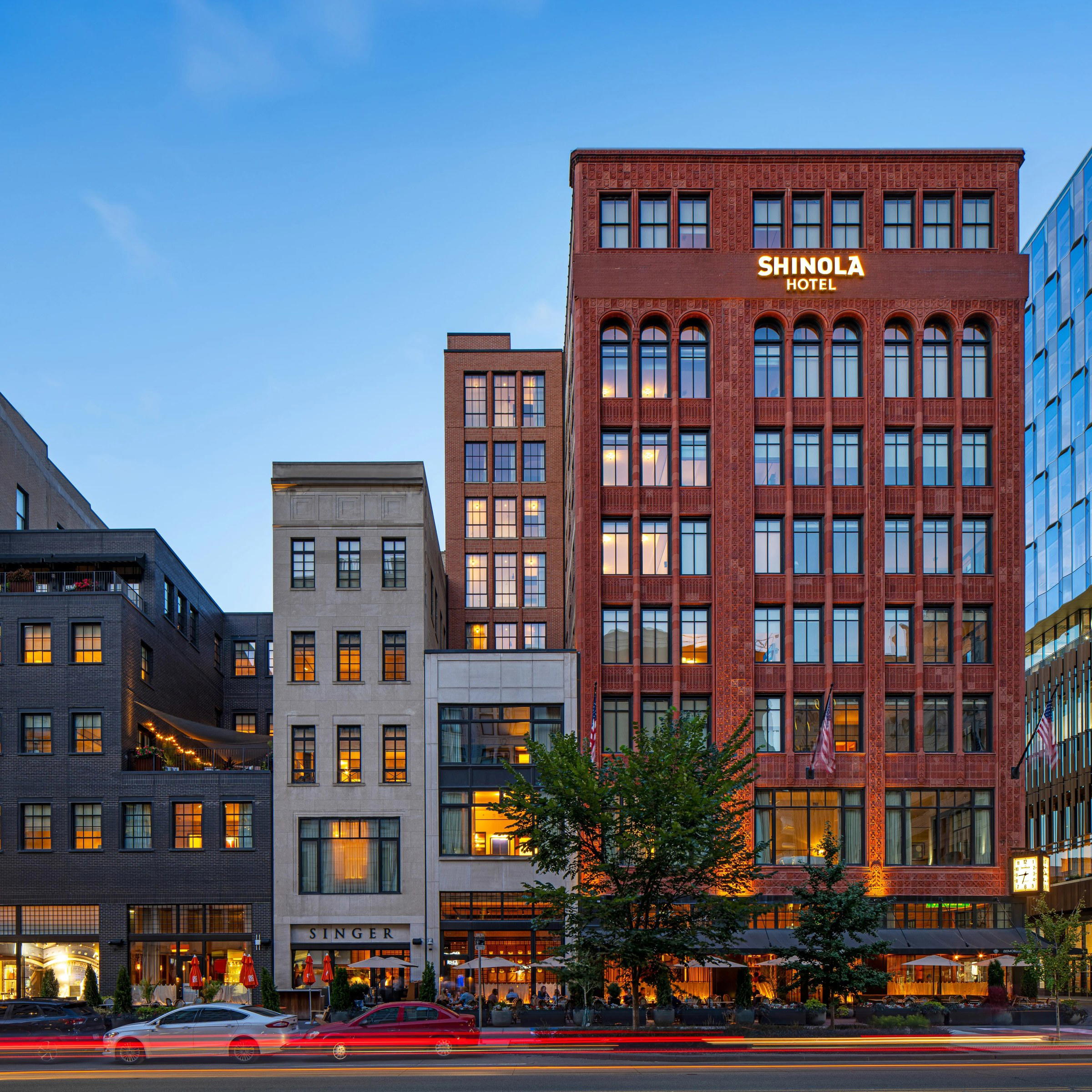
MATI is located at 501 Monroe St in Detroit's Greektown district, walkable from downtown and within easy reach of the Greektown Casino parking structure if you're driving in from the suburbs. The neighborhood is active on weekends and draws a mixed crowd of locals and visitors year-round, with the summer and early fall months seeing the heaviest foot traffic along Monroe. Given the limited public record on booking format and capacity, confirming reservation availability directly before planning a visit is advisable, particularly if you are visiting during a peak period or combining dinner with another Greektown evening. For a fuller picture of what Detroit's current dining moment looks like across neighborhoods and formats, the EP Club Detroit restaurants guide covers the broader field with the same editorial approach applied here.




At a Glance
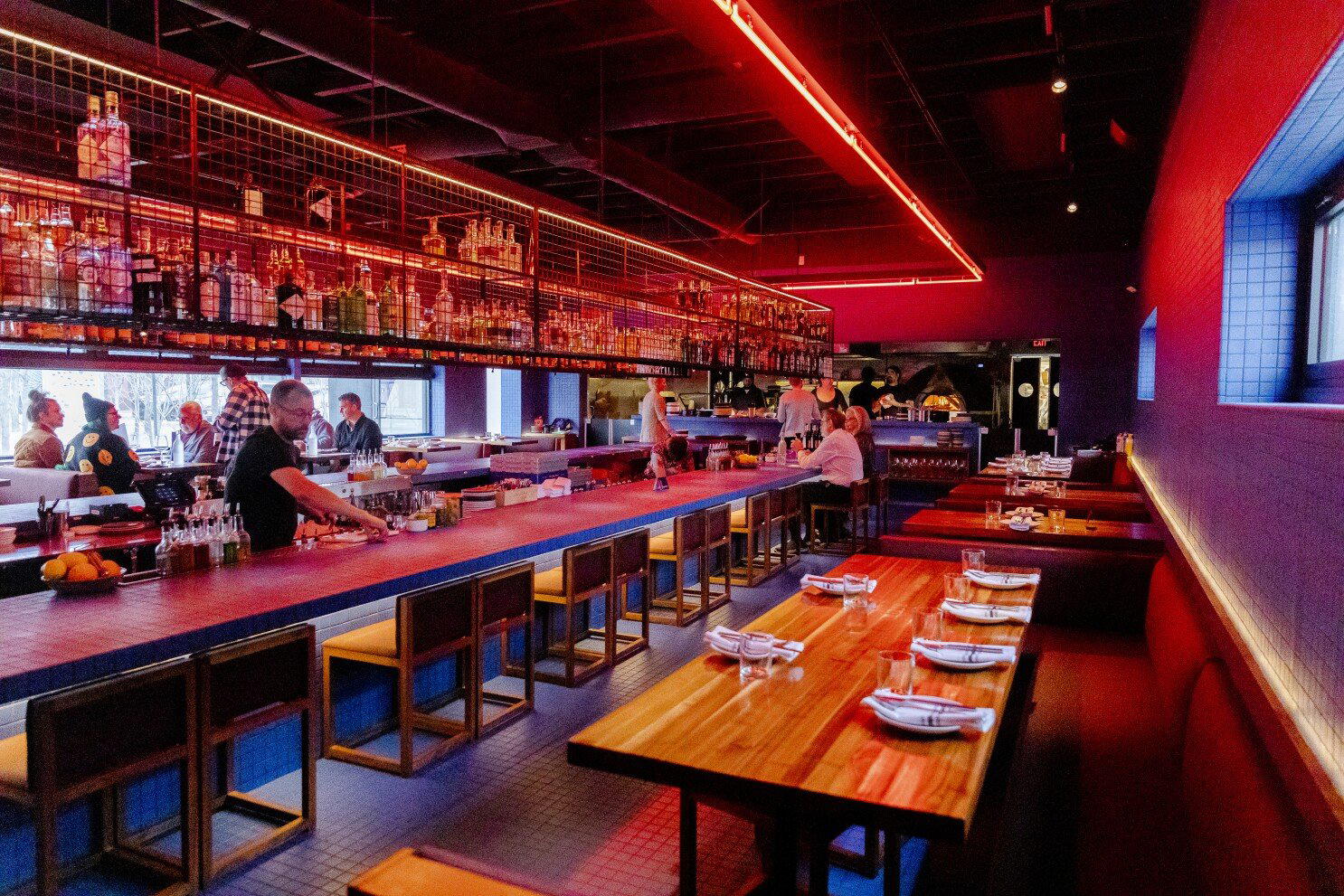
- Trendy
- Modern
- Elegant
- Sophisticated
- Date Night
- Special Occasion
- Group Dining
- Open Kitchen
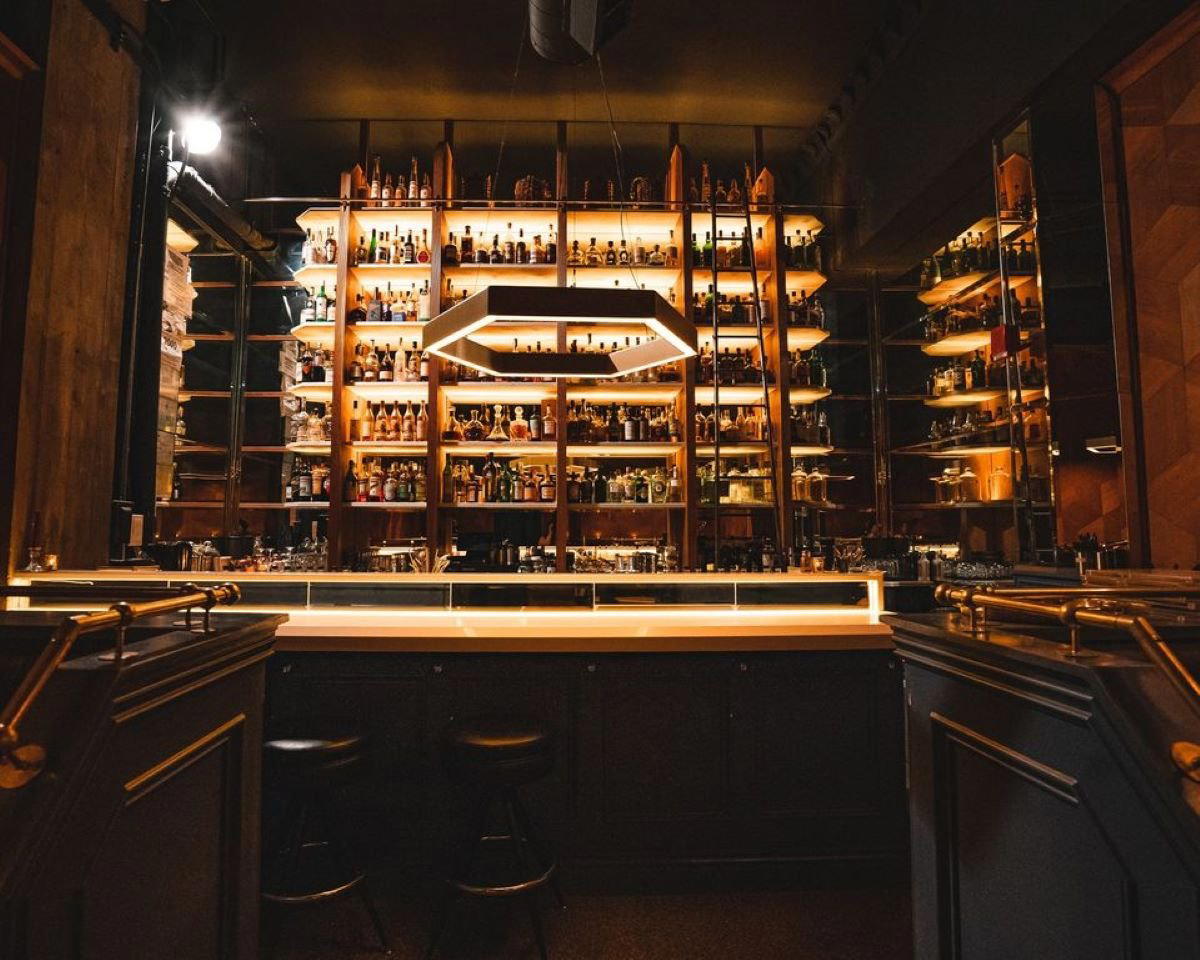
- Extensive Wine List
- Local Sourcing
Current opening hours
- Monday
- 4–10 PM
- Tuesday
- 4–10 PM
- Wednesday
- 4–10 PM
- Thursday
- 4–10 PM
- Friday
- 4 PM–12 AM
- Saturday
- 2 PM–12 AM
- Sunday
- 2–9 PM
Hours can change for holidays and private events. Last verified .
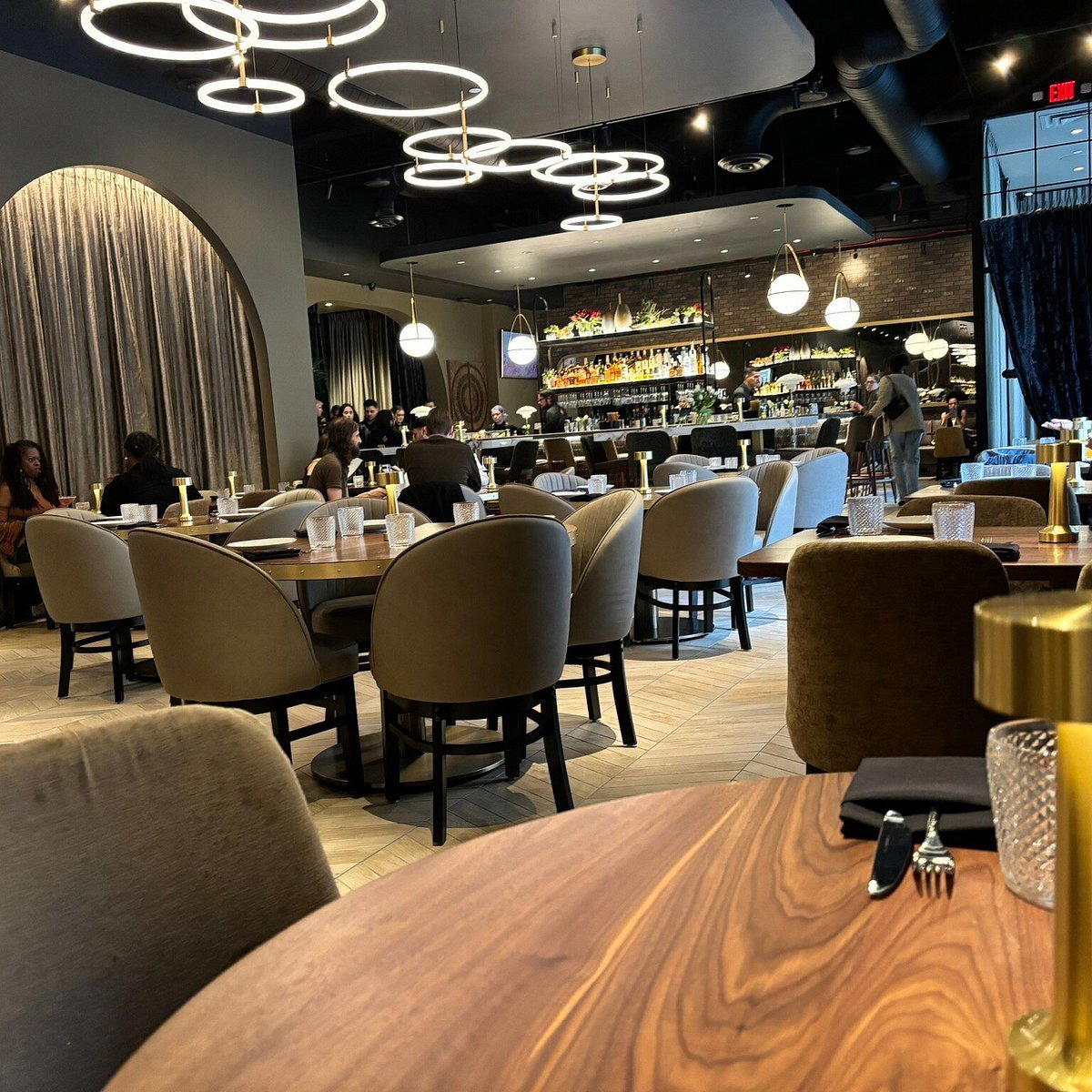
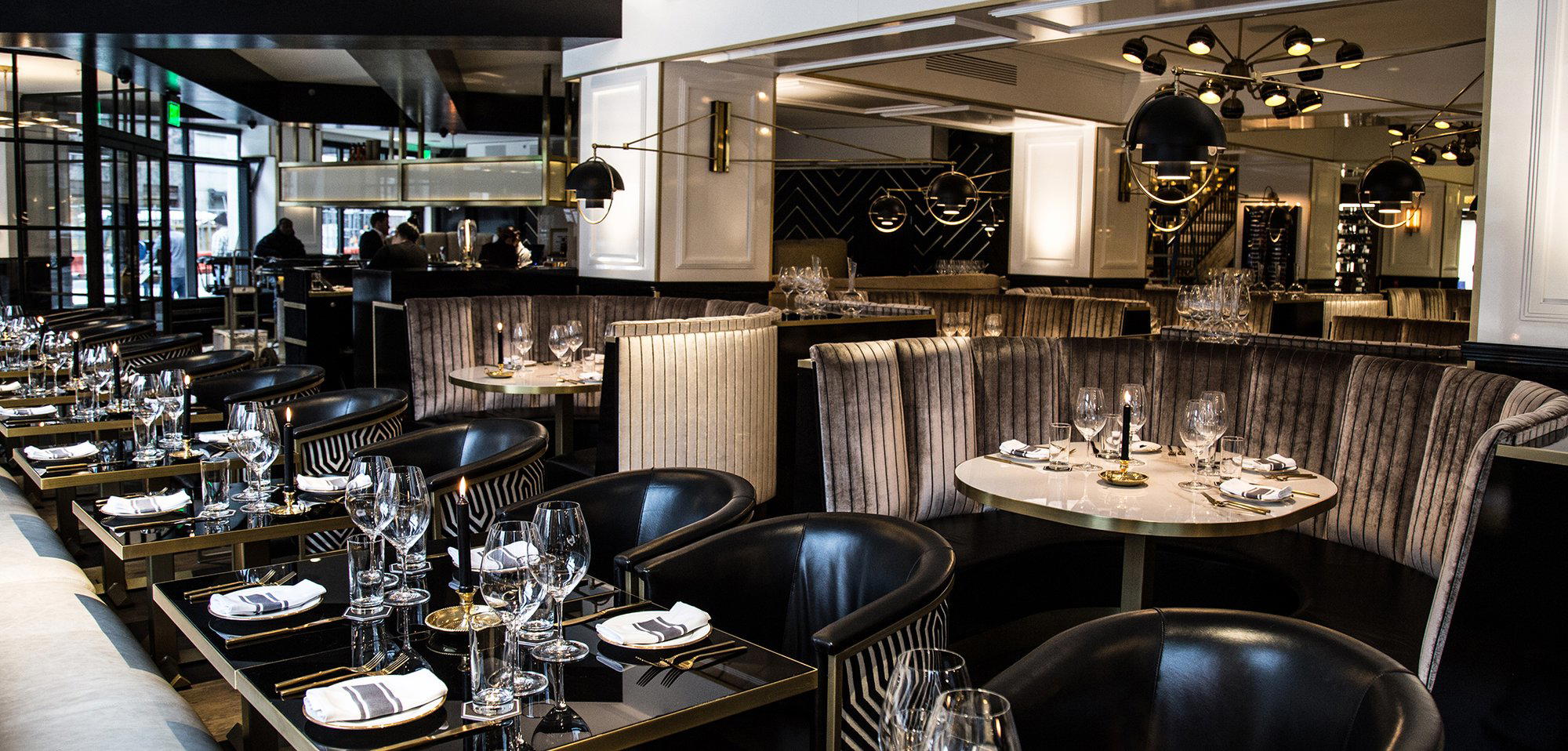
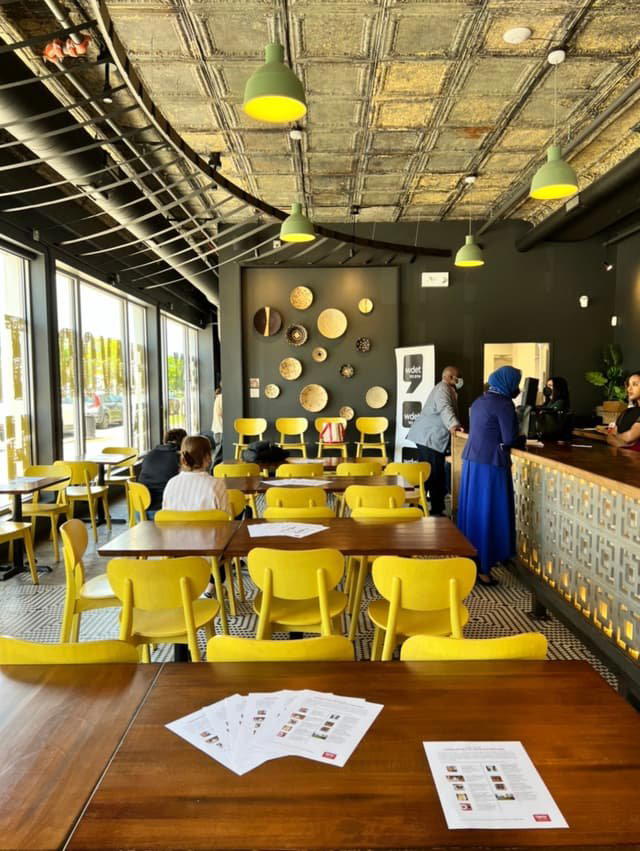
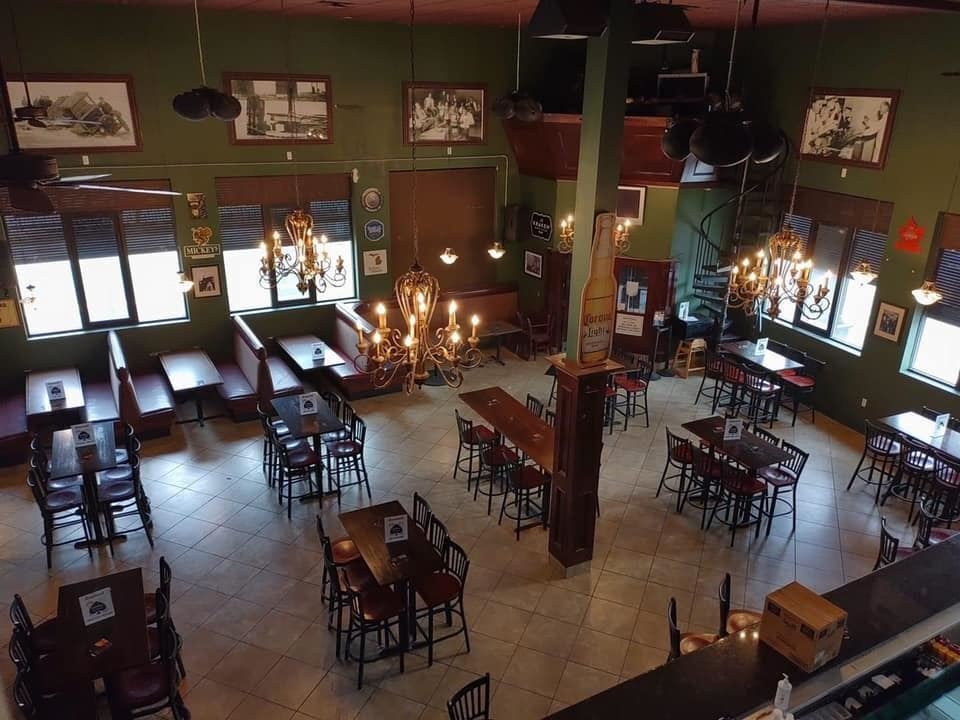
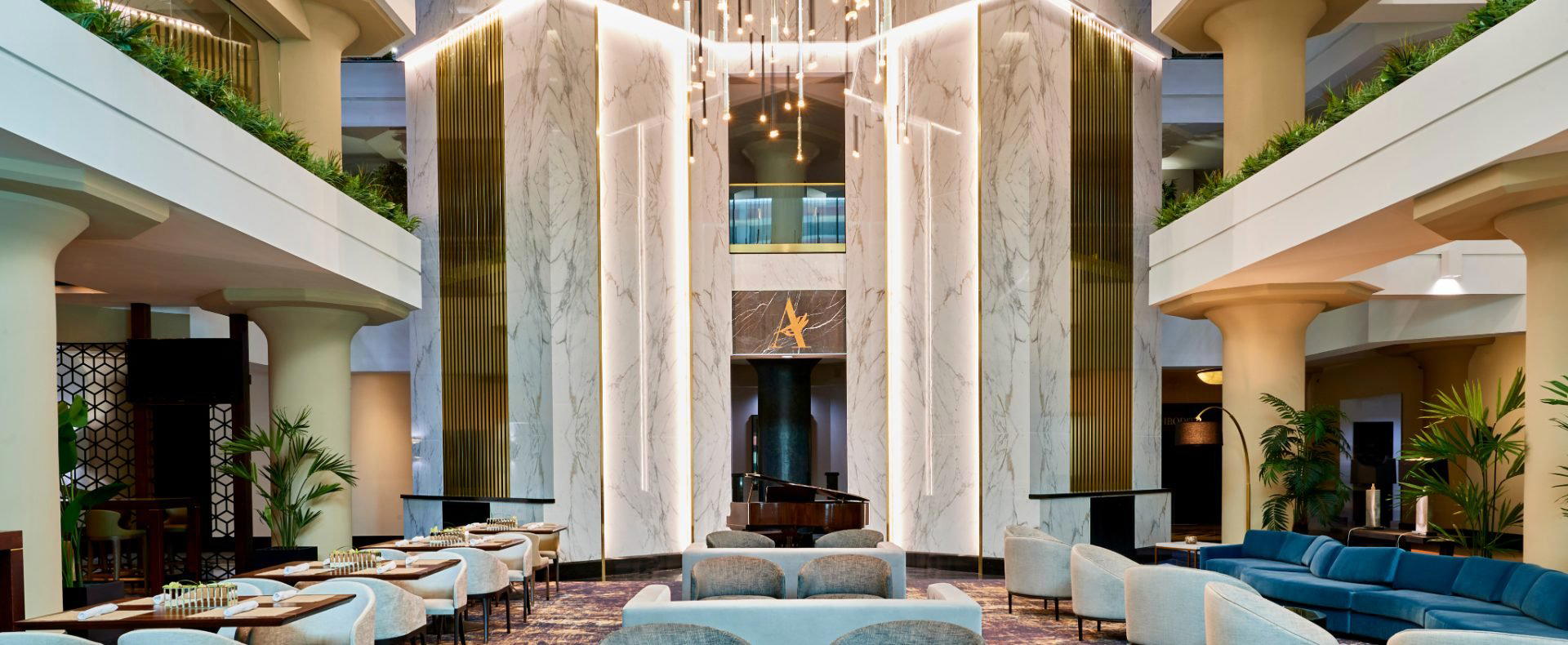
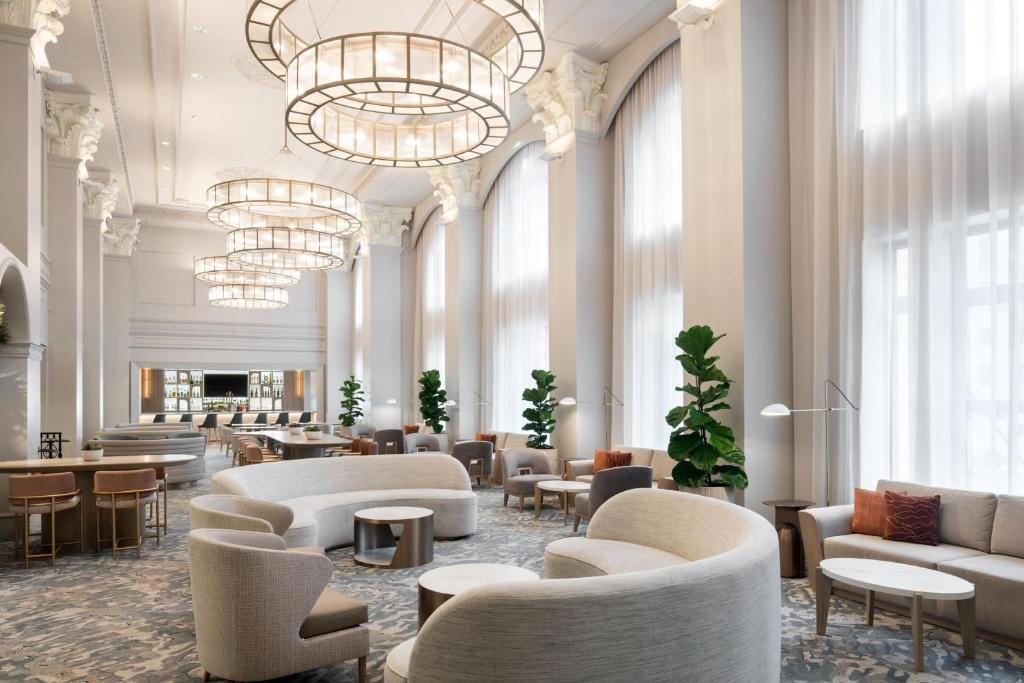
Moody lighting, stylish décor, and upscale Mediterranean vibes creating a trendy and welcoming atmosphere.
Know Before You Go
- Getting there
- 501 Monroe St, Detroit, MI 48226