Osteria Saporino
Our verdict
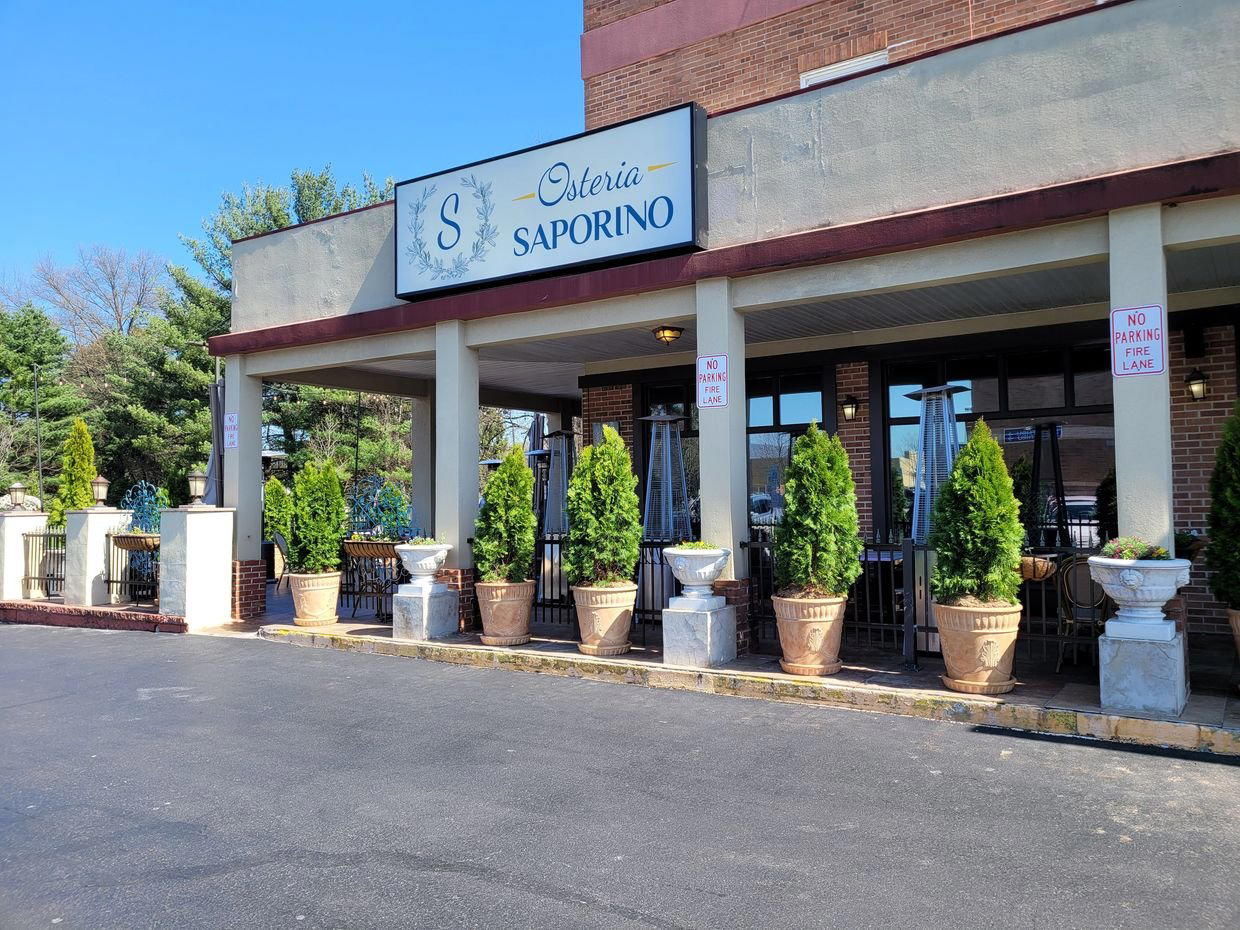
On County Line Road in Huntingdon Valley, Osteria Saporino brings the Italian osteria tradition to the suburban Philadelphia corridor, where the format sits between casual trattoria and destination dining. The address places it among a small cohort of independent Italian restaurants in the area, including La Strada Italian Restaurant, serving a community that rarely has to travel far for this kind of cooking.

Pearl is the En Primeur Club membership app — saves, bookings, and concierge access live there. Same editors, same standards.
- Address
- 1051 County Line Rd, Huntingdon Valley, PA 19006
- Phone
- (215) 355-5577
- Hours
- Mon–Thu 11:30 AM–3 PM, 4–9 PMFri–Sat 11:30 AM–3 PM, 4:30–10 PMSun 11:30 AM–3 PM, 4–9 PM
- Website
- osteriasaporino.com
- Directions
- Get directions
- Booking
- Book on OpenTable
The menu
What to order
- Burrata Saporino
- Veal Marsala
- Penne alla Vodka
The Osteria Format in Suburban America
The Italian osteria, at its root, was never a grand institution. It was a neighborhood room, focused on food that made sense with wine, built around regulars rather than tourists. That format has traveled unevenly across American dining: in major coastal cities it became a vehicle for import-heavy wine lists and chef pedigree, while in suburban corridors it has generally remained closer to the original function, feeding a community rather than performing for it. Huntingdon Valley sits in exactly that second category, a stretch of Montgomery County where independent Italian restaurants serve residents who want the cooking without the occasion of a Center City reservation.
Osteria Saporino, at 1051 County Line Road, occupies that space. The address is not a destination block in the way that Old City Philadelphia or Midtown Manhattan defines destination dining, but that is largely the point. The osteria tradition in Italy was never about destination geography; it was about consistency of execution in a place people returned to by habit. In a suburban American context, that dynamic plays out in rooms where the dining room is familiar, the menu does not need to explain itself, and the question of whether the kitchen can be trusted has already been settled by whoever is at the next table.
Italian Cooking in the Philadelphia Orbit
The Philadelphia metropolitan area has a long, documented relationship with Italian-American cooking, shaped by twentieth-century immigration patterns that settled heavily in South Philadelphia and spread outward through Montgomery, Bucks, and Delaware counties over subsequent generations. That history means the audience for Italian food in communities like Huntingdon Valley is not casual. Regulars in these rooms grew up eating this food at home, at church halls, at the tables of aunts and grandmothers, and they bring a comparative framework that most urban diners lack. A red sauce in Montgomery County gets evaluated against a lifetime of red sauces, not against the last Italian restaurant someone visited in a different city.
That context sets a different kind of standard than the one applied to, say, the Italian-inflected tasting menus at destination restaurants elsewhere in the country. Operations like Le Bernardin in New York City or The French Laundry in Napa are measured against international peer sets and award hierarchies. Suburban osterie are measured against lived memory. Both are legitimate forms of rigor; they simply apply to different formats and audiences.
For comparison, the Philadelphia-area Italian dining scene spans from fast-casual red-gravy institutions in South Philly through white-tablecloth Italian in the Main Line corridor and onto the more casual neighborhood rooms that anchor residential areas like Huntingdon Valley. Osteria Saporino falls into that last category alongside peers such as La Strada Italian Restaurant and The Cage in Huntingdon Valley, forming a small cluster of independent dining options in the area. For a fuller picture of what the local scene offers, the our full Huntingdon Valley restaurants guide maps the competitive set in more detail.
What the Format Implies About the Menu
Across American cities, the osteria format has generally organized itself around pasta, secondi driven by meat and fish, and a wine program weighted toward Italian regions. At the neighborhood end of the spectrum, that means readable menus, approachable price points relative to tasting-menu dining, and a kitchen whose strength is repetition rather than experimentation. The most respected neighborhood osterie in American cities are not the ones that reinvent the format each season; they are the ones that cook the same dishes with enough consistency that regulars can order without looking.
This is a meaningfully different proposition from what American fine dining has been building toward at its upper tier. Restaurants like Alinea in Chicago, Lazy Bear in San Francisco, and Atomix in New York City are structured around progressive, often multi-course formats that prioritize novelty and technical ambition. The osteria sits on the opposite pole: its currency is familiarity, and the measure of success is whether the carbonara tastes the way a carbonara should taste rather than whether it surprises anyone. For context on how Italian cooking at the more ambitious end of the American spectrum operates, 8 1/2 Otto e Mezzo Bombana in Hong Kong represents that upper register in the Italian fine dining category internationally.
Other American restaurants worth placing in this broader conversation include Blue Hill at Stone Barns in Tarrytown, Single Thread Farm in Healdsburg, Providence in Los Angeles, Addison in San Diego, The Inn at Little Washington in Washington, Bacchanalia in Atlanta, Brutø in Denver, Causa in Washington, D.C., and Emeril's in New Orleans. Each occupies a different price tier, format, and regional identity, and together they illustrate how far American restaurant culture has diverged in ambition and format from the neighborhood room that Osteria Saporino represents.
Planning Your Visit
Osteria Saporino is located at 1051 County Line Road in Huntingdon Valley, Pennsylvania, which places it in a suburban residential corridor roughly between Abington and Jenkintown, accessible by car from central Philadelphia in under thirty minutes under normal traffic conditions. Independently owned neighborhood osterie in the Philadelphia suburbs typically operate on a dinner-focused schedule, with limited lunch service on weekdays, though this should be verified for Osteria Saporino specifically.
Frequently asked questions
Where do I go for Osteria Saporino?
Osteria Saporino is located at î1051 County Line Rd, Huntingdon Valley, PA 19006, Huntingdon Valley.
What makes Osteria Saporino different from other Italian restaurants near Philadelphia?
Osteria Saporino operates under the osteria designation at 1051 County Line Road in Huntingdon Valley, placing it in a suburban residential corridor that sits between Philadelphia and Bucks County with relatively few sit-down Italian rooms at this specific format.
What should I eat at Osteria Saporino?
The osteria format, as practiced across the Philadelphia metropolitan area, centers on handmade pasta, meat and fish secondi, and a wine list weighted toward Italian regions. At a venue operating under the osteria name on County Line Road in Huntingdon Valley, that structure is the logical organizing principle. Arrive expecting pasta-forward plates rather than a broad multi-cuisine menu.
Do I need a reservation for Osteria Saporino?
For a suburban osteria on County Line Road in Huntingdon Valley, calling ahead is advisable on weekends, when neighborhood dining rooms at this scale typically fill without walk-in capacity. check the venue's official channels to confirm current availability.
What do critics highlight about Osteria Saporino?
The Philadelphia metro area has a well-documented Italian-American dining culture, and osteria-format venues in the region have drawn attention from local food press, but specific coverage of this address has not been indexed here.
Can Osteria Saporino accommodate dietary restrictions?
Traditional osteria menus are built around wheat-based pasta and animal proteins, which can limit options for guests with gluten intolerance or plant-based requirements. Contacting the restaurant at 1051 County Line Road directly before your visit is the most reliable step.
Is Osteria Saporino worth the price?
Pricing has not been confirmed for Osteria Saporino. In the suburban Philadelphia corridor, osteria-format restaurants generally position between casual Italian-American trattorie and full-service city dining rooms, making them a functional middle tier for the area. Whether the value holds depends on execution, which is best assessed against current local alternatives in Montgomery County.
Budget Reality Check
Comparable venues nearby, for context on price, style, and recognition.
| Venue | Cuisine | Price | Notes |
|---|---|---|---|
| Osteria SaporinoThis venue — the venue you are viewing | Modern Italian Trattoria | $30–50 | Not listed |
| La Strada Italian Restaurant | Northern Italian Fine Dining | $30–50 | Huntingdon Valley, Northern Italian Fine Dining |
| The Cage in Huntingdon Valley | Contemporary American Gastropub | $30–50 | Huntingdon Valley, Contemporary American Gastropub |
| Spasso Italian Grill | Italian Grill | Not listed | Old City, Italian Grill |
| Pizzeria Salvy | Modern Italian Pizzeria | $20–30 | Logan Square, Modern Italian Pizzeria |
| La Sera Italiana | Italian Trattoria | $20–30 | Rittenhouse Square, Italian Trattoria |
Continue exploring
More in Huntingdon Valley
Restaurants in Huntingdon Valley
Browse all →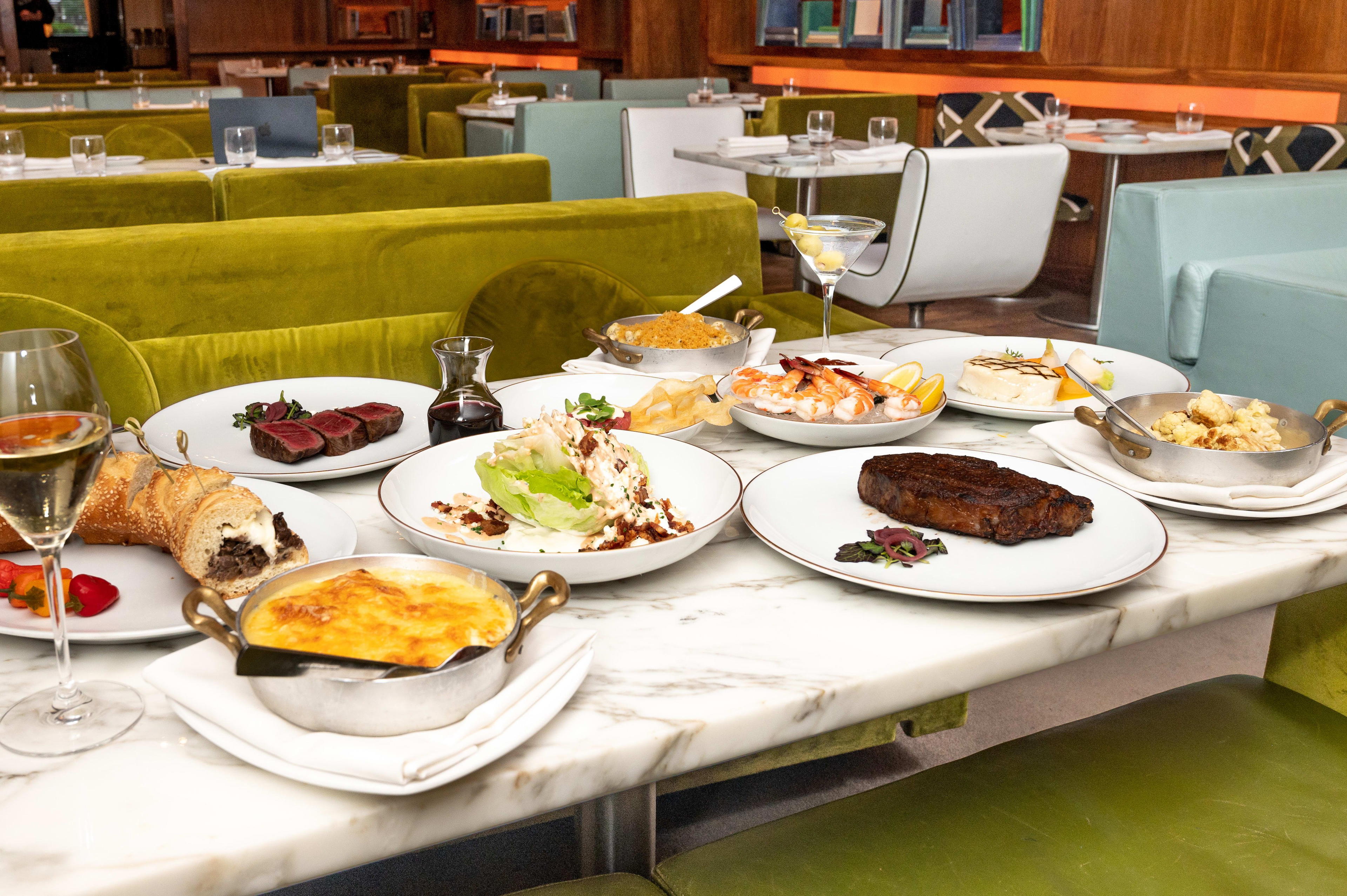
Bars in Huntingdon Valley
Browse all →
Hotels in Huntingdon Valley
Browse all →

Wineries in Huntingdon Valley
Browse all →
Details
- Cozy
- Rustic
- Elegant
- Date Night
- Business Dinner
- Group Dining
- Family
- Open Kitchen
- Private Dining
- Terrace
- Byob
- Local Sourcing
- A La Carte
- Byob
- Vegetarian Friendly
- Vegan Options
Current opening hours
- Monday
- 11:30 AM–3 PM, 4–9 PM
- Tuesday
- 11:30 AM–3 PM, 4–9 PM
- Wednesday
- 11:30 AM–3 PM, 4–9 PM
- Thursday
- 11:30 AM–3 PM, 4–9 PM
- Friday
- 11:30 AM–3 PM, 4:30–10 PM
- Saturday
- 11:30 AM–3 PM, 4:30–10 PM
- Sunday
- 11:30 AM–3 PM, 4–9 PM
Hours can change for holidays and private events. Last verified .
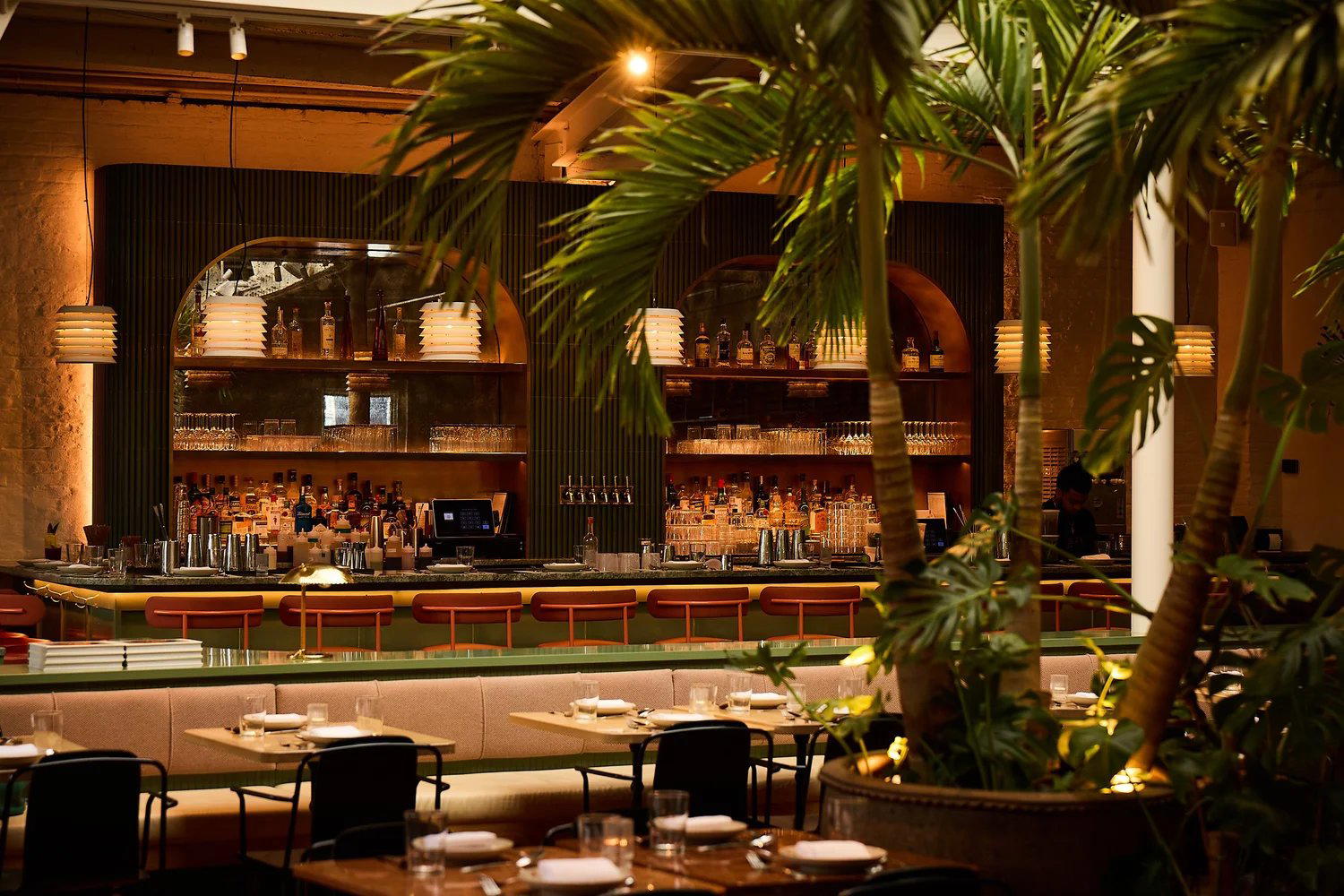
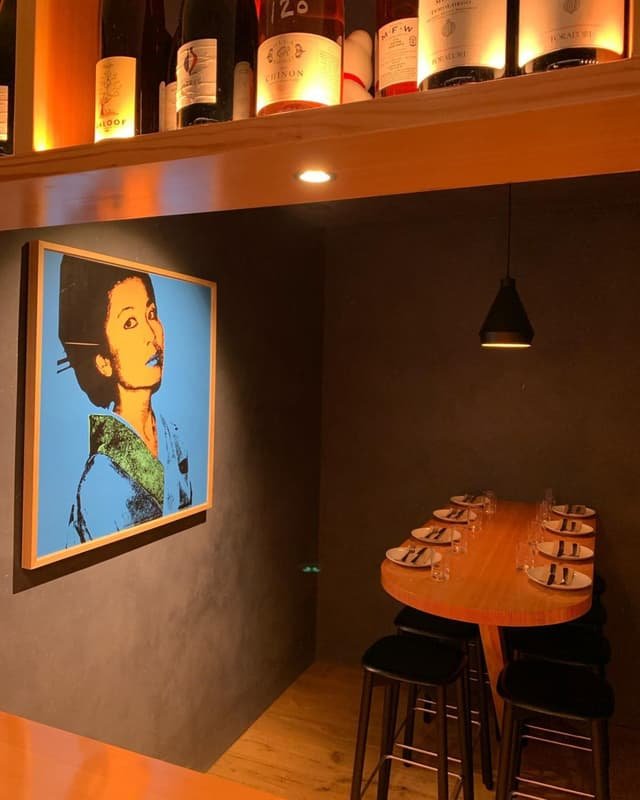
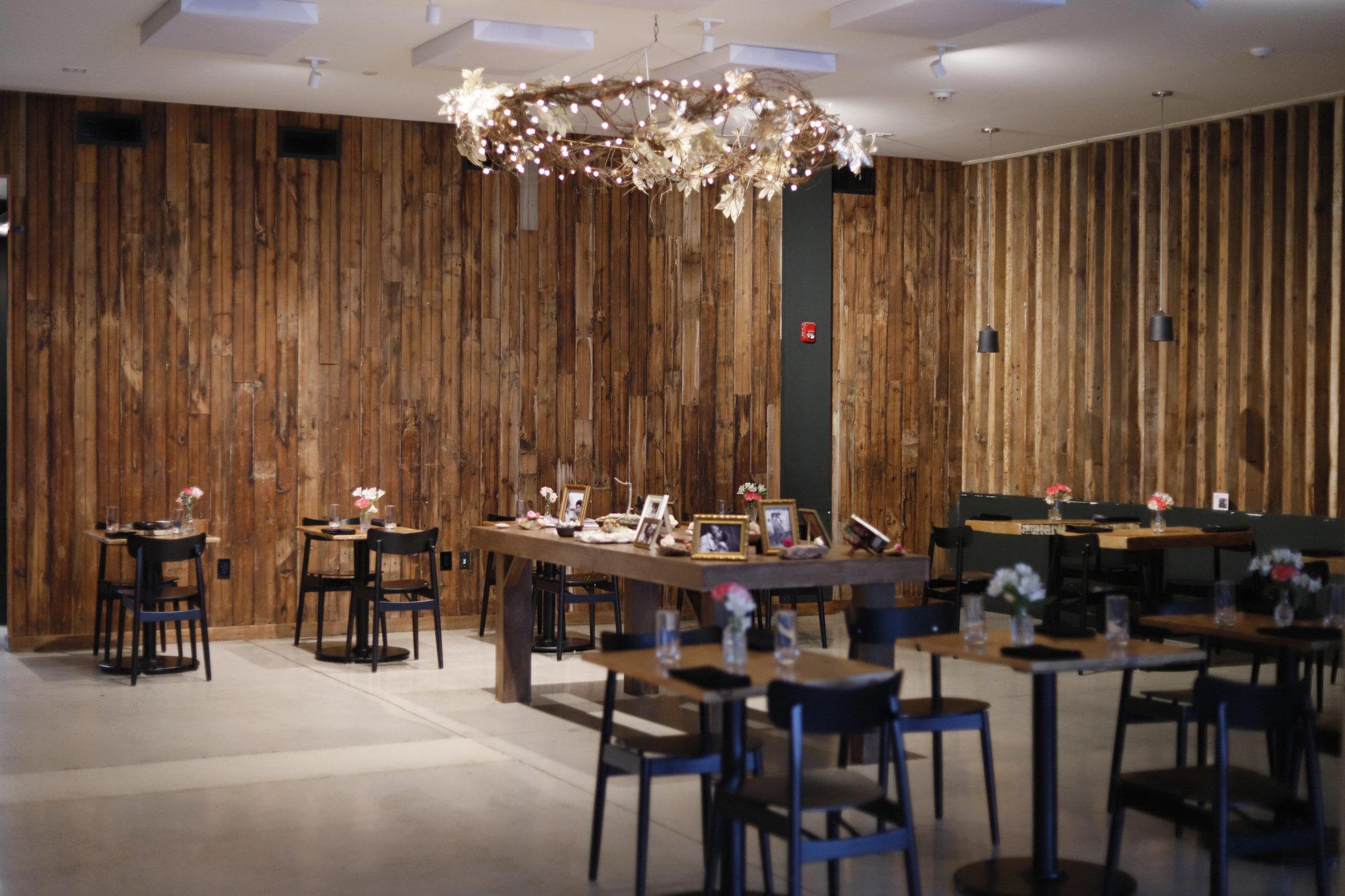
Welcoming atmosphere with spacious main dining area, open kitchen, and cozy private room.