Osteria San Giulio

Michelin Bib Gourmand
Our verdict
In a former rural abbey on the Novara plain, Osteria San Giulio holds a Michelin Bib Gourmand for two consecutive years running — recognition that its Piedmontese cooking earns on substance rather than spectacle. Agnolotti with roast meat sauce, panissa, and bunet anchor a menu priced well under €40 for the house set. This is the kind of place that reminds you what an osteria was always supposed to be.

Pearl is the En Primeur Club membership app — saves, bookings, and concierge access live there. Same editors, same standards.
- Address
- Via Dulzago, Snc, 28043 Bellinzago Novarese NO, Italy
- Phone
- +39 331 631 8747
- Hours
- Mon–Tue ClosedWed–Fri 7:45–9:30 PMSat 12:15–1:45 PM, 7:45–9:30 PMSun 12:15–1:45 PM
- Website
- osteriasangiulio.it
- Directions
- Get directions
The menu
What to order
- Antipastone Badia
- Paniscia
- Agnolotti piemontesi
A Hamlet, a Former Abbey, and the Discipline of Staying the Same
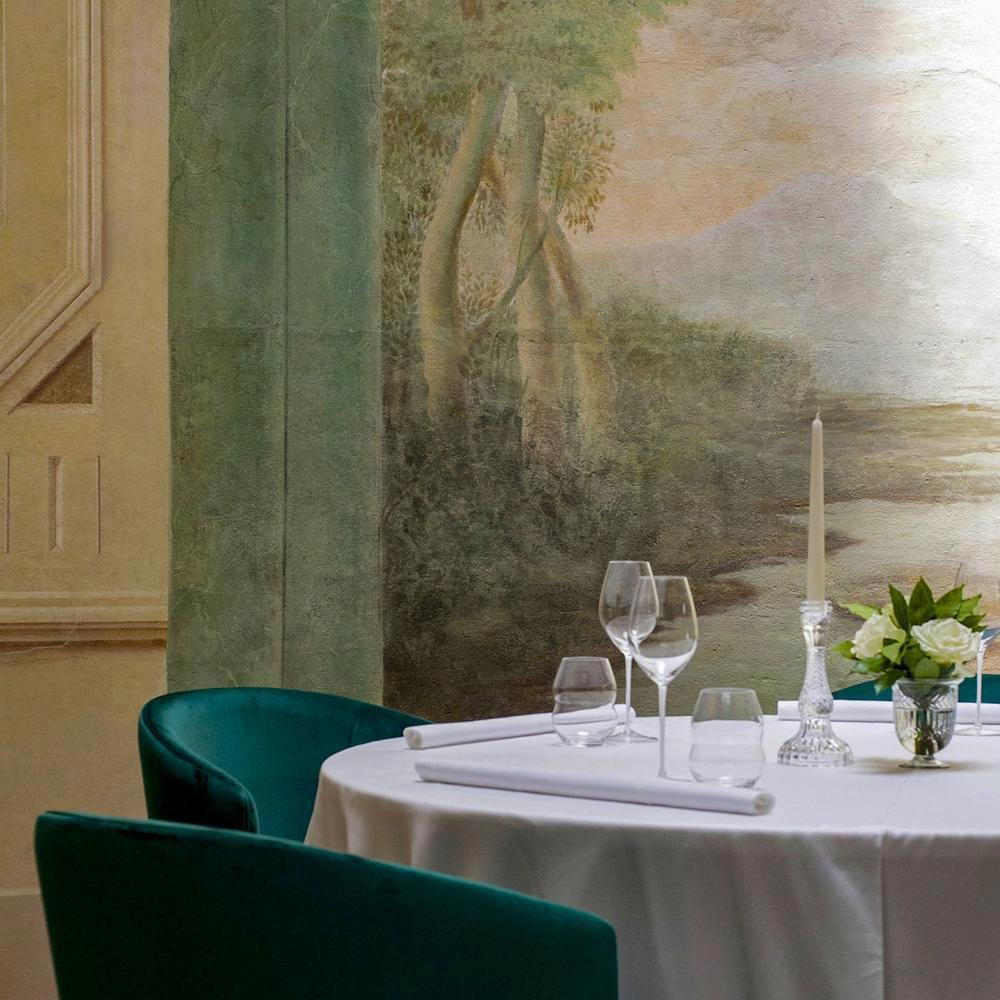
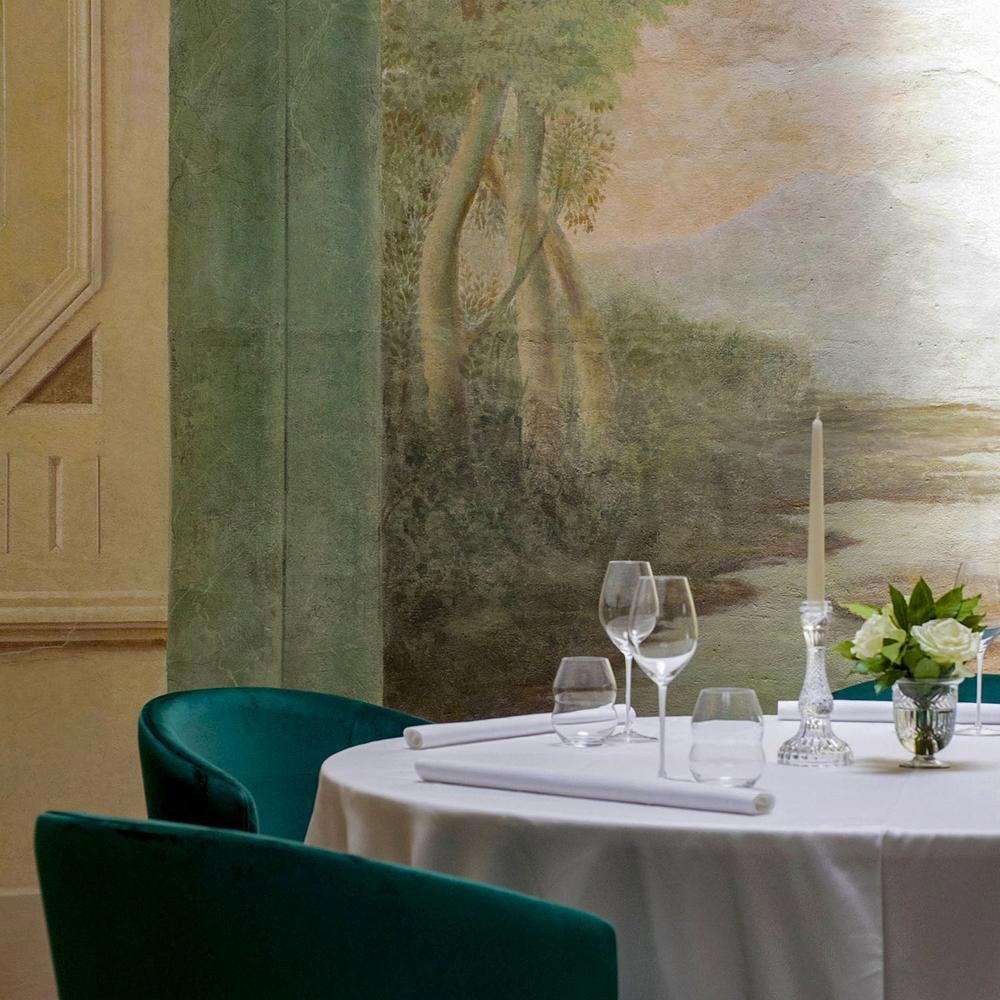
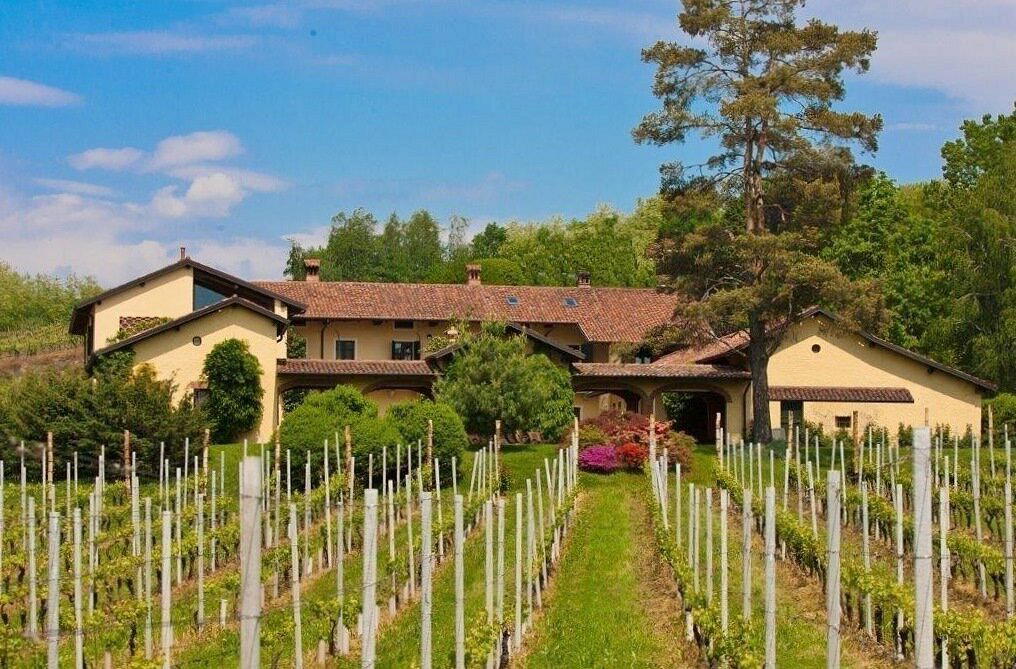
The road into Badia di Dulzago doesn't announce itself. The hamlet sits on the Novara plain in Piedmont's eastern lowlands, where the agricultural calendar still shapes daily life more visibly than in the Langhe hills to the south. The name itself — badia, meaning abbey — points to the ecclesiastical past of the settlement, and arriving at Osteria San Giulio, housed in structures that carry that monastic character, you feel the weight of that continuity. The stonework is plain, the atmosphere austere in the way that genuinely old rural buildings tend to be: nothing added for effect, nothing removed for modernity. This is a setting that precedes the concept of hospitality design by several centuries.
That atmosphere is not incidental to what the kitchen does. Across northern Italy, the most coherent regional cooking tends to emerge from places where the physical environment and the agricultural supply chain are still in direct conversation, where the cook is also, in some sense, a custodian of a landscape's produce. Osteria San Giulio operates in that tradition. The menu is short, Piedmontese in the strictest sense, and disciplined in a way that reflects the region's farming heritage rather than any contemporary drive toward innovation for its own sake.
What the Land Provides: A Menu Built on Agricultural Proximity
The editorial angle that makes Piedmontese osteria cooking legible is sourcing geography. Piedmont's food culture is distinct from Tuscany's or Emilia-Romagna's precisely because its ingredients are tightly bounded: the rice paddies of the Vercellese and Novarese, the pig-rearing traditions of the Po plain, the grain and root vegetables of the lowland farms. An osteria in Badia di Dulzago is drawing on a supply chain measured in kilometres, not regions.
Agnolotti, the filled pasta that defines Piedmont in a way that tortellini defines Emilia, appear here in their most traditional form, dressed with a roast meat sauce. This is not a modernised version with a restrained hand. The sauce is a direct product of the brasato and arrosto tradition that Piedmontese farmhouse cooking has maintained for generations: concentrated, unctuous, using the rendered fats and cooking liquids from meat roasted low and long. The agnolotti at this price point, under €40 for the Menù dell'Oste, exist because the kitchen is working with cuts and techniques that belong to a pre-luxury economy of whole-animal use.
Panissa occupies a similar position on the menu. The rice-and-bean dish, specific to the Novarese and Vercellese traditions, uses riso superfino grown in the paddies that dominate this part of the Po plain. Panissa is not fashionable in the way that Piedmontese Barolo-braised beef has become internationally recognisable, which is precisely what makes its presence here a measure of the kitchen's convictions. The same logic applies to the local cured meats and cheeses that open a meal: these are products whose producers are embedded in the same agricultural economy, not imports chosen to fill a charcuterie board.
Bunet, the chocolate and amaretto pudding that closes most traditional Piedmontese meals, rounds the menu into something that reads as a complete expression of a regional larder rather than an assemblage of dishes. Michelin awarded the Bib Gourmand to Osteria San Giulio in both 2024 and 2025, recognition that sits in the category for restaurants offering good cooking at prices accessible enough to represent genuine value. The Bib Gourmand is a signal about the relationship between quality and price, not a consolation prize for places that don't make the starred tier. At Italy's most-discussed addresses, Osteria Francescana in Modena, Enoteca Pinchiorri in Florence, or Enrico Bartolini in Milan, the conversation is about creative reinvention at €200 or more per head. Osteria San Giulio occupies a different and legitimate tier, one where the measure is fidelity to tradition and fairness of price. Within Piedmont specifically, the comparison set is also worth framing: Piazza Duomo in Alba and Antica Corona Reale in Cervere represent the region's fine dining expression, while Locanda Sant'Uffizio Enrico Bartolini in Cioccaro sits at the luxury-hotel end of Piedmontese hospitality. Osteria San Giulio draws on the same agricultural tradition as all three but makes no attempt to compete on those terms.
The Case for Seeking This Out
Italy has a chronic oversupply of restaurants claiming to be traditional and an undersupply of places that genuinely are. The distinction matters because a kitchen working from real proximity to its ingredients produces food that tastes and costs differently from one working from a romantic idea of tradition. The Bib Gourmand recognition for two consecutive years suggests Michelin's inspectors have drawn the same conclusion: this is a kitchen earning its reputation through consistency and material honesty.
Badia di Dulzago generates no meaningful tourist traffic. A thousand-plus reviews at this location represent people who made a deliberate journey to eat here, which is a different kind of endorsement. Compare that with the curve of destination dining further afield, Dal Pescatore in Runate, Le Calandre in Rubano, or Reale in Castel di Sangro, and you begin to understand that the osteria model, when it holds its nerve, builds a specific and durable following.
For readers approaching from a broader Italian context, the same pull-of-place applies to other regional-specialist addresses across the country: Casa Perbellini 12 Apostoli in Verona, Quattro Passi in Marina del Cantone, Uliassi in Senigallia, and Atelier Moessmer Norbert Niederkofler in Brunico each demonstrate how Italian regional cooking achieves distinction by going deeper into a specific territory rather than broader across influences. Osteria San Giulio does the same from the opposite end of the price spectrum.
Planning a Visit
Osteria San Giulio sits at Via Dulzago, Snc, in Bellinzago Novarese, the municipality that encompasses Badia di Dulzago, a drive of roughly 40 minutes east of Turin or 45 minutes from central Milan, making it reachable as a deliberate lunch or dinner destination rather than an incidental stop. The Menù dell'Oste runs under €40, which for a two-course Piedmontese lunch with local wine represents a price point that the regional food press treats as notable given the cooking's pedigree. Confirm opening days and availability directly before making the drive.
For a fuller picture of what the area offers around a visit, our [Badia di Dulzago restaurants guide]() covers the broader scene, while our guides to [hotels](), [bars](), [wineries](), and experiences in Badia di Dulzago round out the picture for anyone building a day in the Novarese.
Frequently asked questions
Is Osteria San Giulio good for families?
It works well for families. The menu stays within the Piedmontese canon — agnolotti, panissa, local cured meats, bunet — and the Menù dell'Oste comes in under €40 per person, which is rare for a Michelin Bib Gourmand venue. The rural setting in Badia di Dulzago is unhurried rather than formal.
What kind of setting is Osteria San Giulio?
The osteria occupies a hamlet built around a former rural abbey on the Novara plain in eastern Piedmont. The atmosphere is austere by design: agricultural, quietly historic, with none of the polished trappings of city dining. Michelin's Bib Gourmand recognition in both 2024 and 2025 confirms the cooking quality, but the room itself is genuinely plain.
Is Osteria San Giulio Michelin-listed?
Osteria San Giulio has received recognition including: A timeless atmosphere lingers in this hamlet, a former rural abbey that speaks to the region’s deep ties with agriculture and its enduring traditions. Those same roots are reflected in the menu of this humble, almost austere osteria: agnolo….
What should I eat at Osteria San Giulio?
The Michelin-cited menu centres on agnolotti with roast meat sauce, panissa, local cured meats and cheeses, and bunet for dessert — all cornerstones of the Novarese and broader Piedmontese table. The Menù dell'Oste, priced under €40, is the most direct way to work through the kitchen's range in a single sitting.
Comparable Spots, Quickly
| Venue | Cuisine | Price | Awards | Notes |
|---|---|---|---|---|
| Osteria San GiulioThis venue — the venue you are viewing | Traditional Piedmontese Osteria | $30–50 | Michelin Bib Gourmand | Not listed |
| Atelier Moessmer Norbert Niederkofler | Italian, Creative | Not listed | Michelin 3 Star | Not listed |
| Dal Pescatore | Italian, Italian Contemporary | Not listed | Michelin 3 Star | Not listed |
| Enoteca Pinchiorri | Contemporary Italian Fine Dining | $200–300 | 3 Michelin Stars · World's 50 Best #32 | Italian - French, Italian Contemporary |
| Enrico Bartolini | Creative | Not listed | Michelin 3 Star | Not listed |
| Osteria Francescana | Avant-Garde Italian Contemporary | $300–500 | 3 Michelin Stars · World's 50 Best #1 | Progressive Italian, Creative |
Recognition history
Dated appearances from independent guides and award organizations, with the underlying list record or original source where available.
Michelin Bib Gourmand
Michelin
Full recognition history (3 entries)
Michelin Bib Gourmand
Michelin
Michelin Bib Gourmand
Michelin
Continue exploring
More in Badia di Dulzago
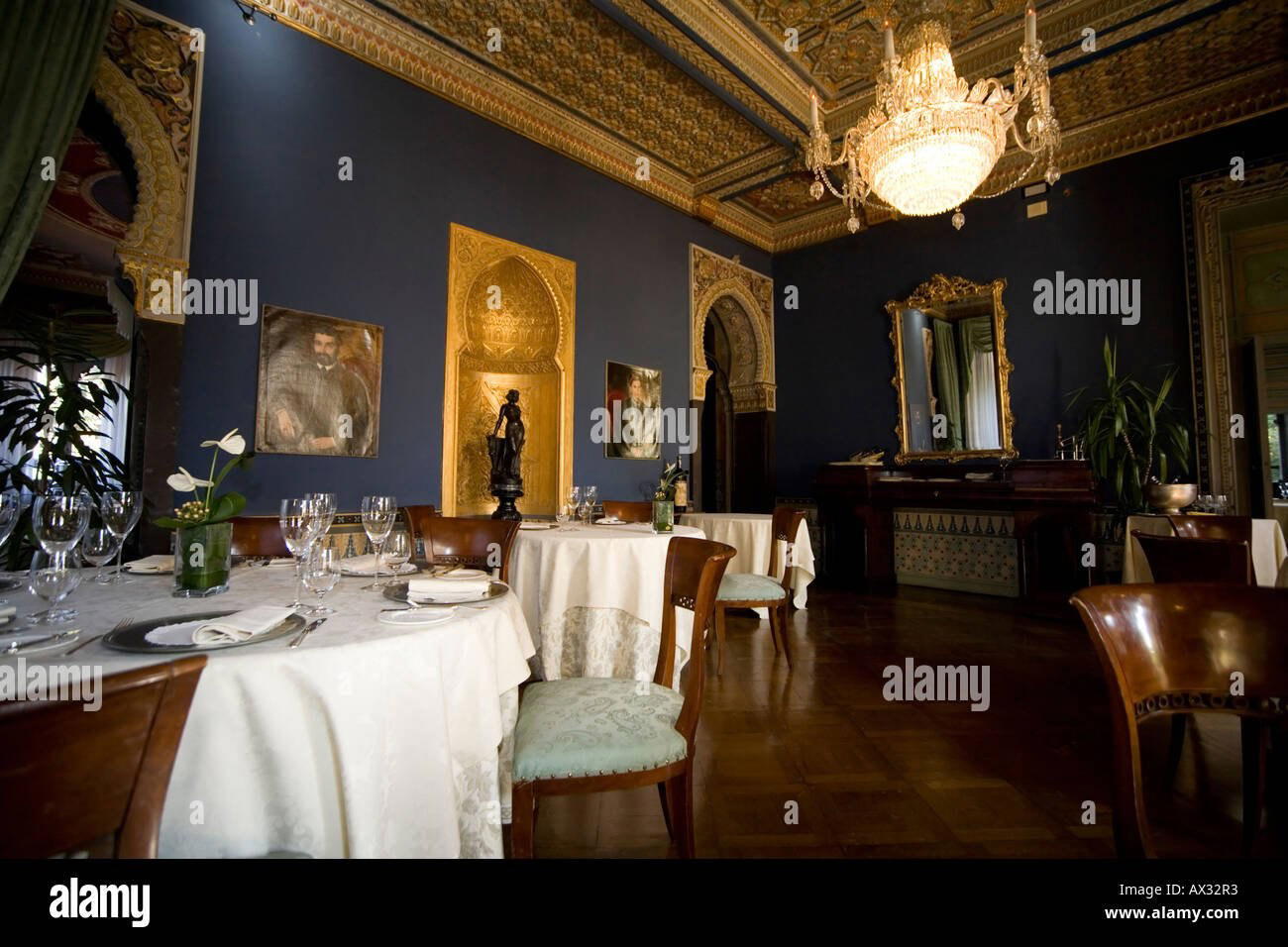
Restaurants in Badia di Dulzago
Browse all →
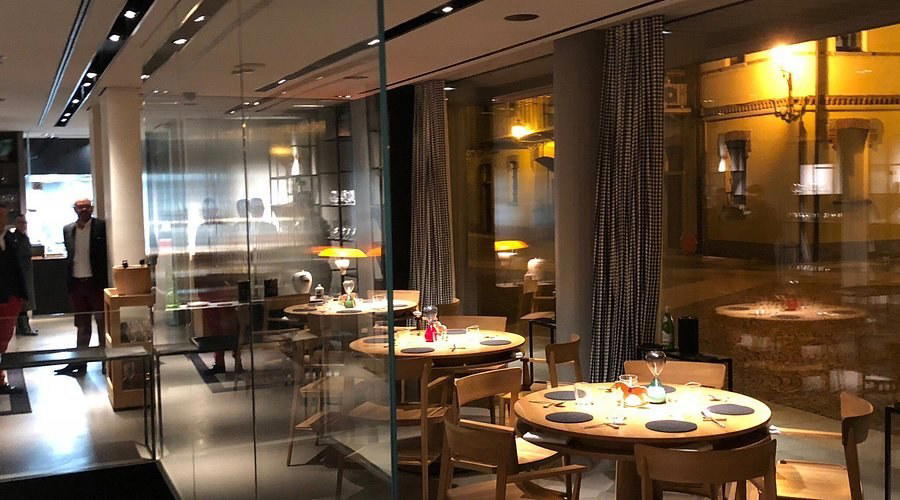
Bars in Badia di Dulzago
Browse all →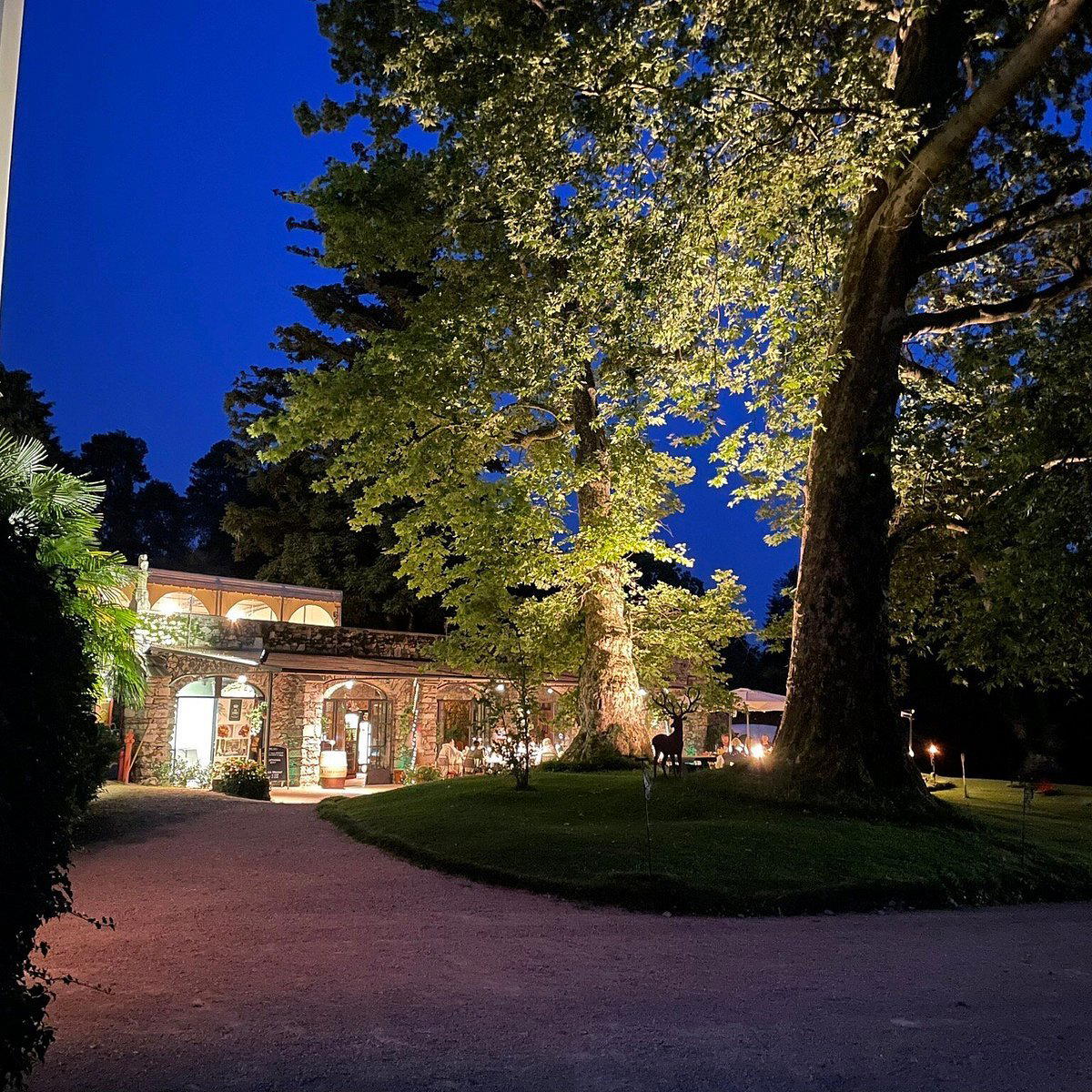
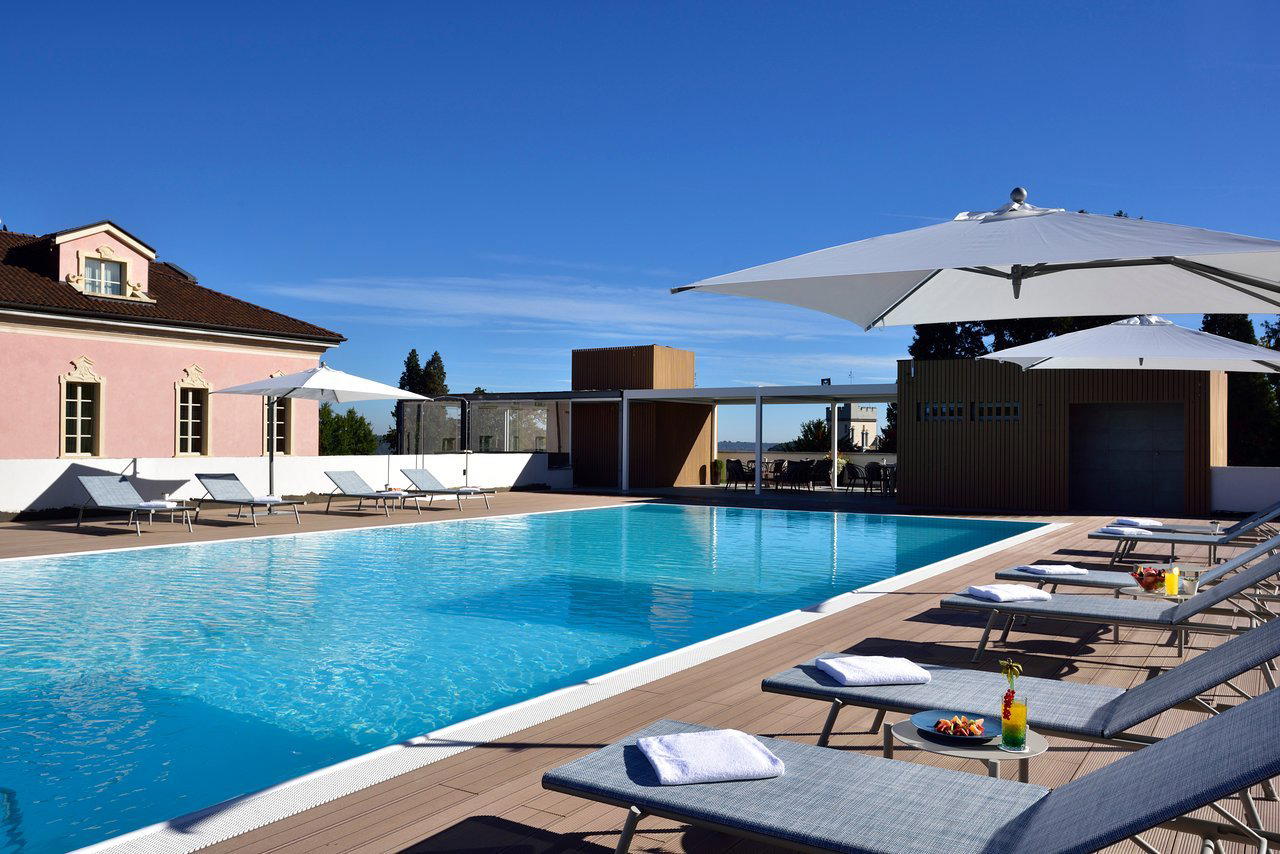

Hotels in Badia di Dulzago
Browse all →
Details
- Rustic
- Cozy
- Historic
- Intimate
- Family
- Special Occasion
- Historic Building
- Extensive Wine List
- Local Sourcing
- A La Carte
- Set Menu
- Vegetarian Friendly
Current opening hours
- Monday
- Closed
- Tuesday
- Closed
- Wednesday
- 7:45–9:30 PM
- Thursday
- 7:45–9:30 PM
- Friday
- 7:45–9:30 PM
- Saturday
- 12:15–1:45 PM, 7:45–9:30 PM
- Sunday
- 12:15–1:45 PM
Hours can change for holidays and private events. Last verified .
Humble, almost austere atmosphere in a historic rural abbey with a familial and welcoming feel.