
Michelin Plate
Our verdict
Among Stresa's mid-range dining options, Osteria Mercato earns consecutive Michelin Plate recognition (2024 and 2025) for a contemporary Italian menu that moves between land and sea with evident confidence. Situated just off the historical centre on Piazza Capucci, the restaurant sources local ingredients with care and pairs them with a kitchen that reads seasonal produce rather than tourist appetite.

Pearl is the En Primeur Club membership app, where members save venues, book tables and use the concierge.
Behind the Tourist Circuit, a Kitchen Worth Tracking
Stresa is a town that rewards visitors willing to walk one or two streets past the main lakefront promenade. The hotels facing Lake Maggiore dominate the view, but the more considered dining tends to happen in the lanes of the historical centre, where restaurants serve a clientele that includes local regulars alongside travellers who have done their research.
The approach at the €€ price point is worth contextualising. Stresa's mid-range dining tier is competitive. La Botte and Lo Stornello operate in the same band, offering modern and Mediterranean formats respectively. Verbano and Villa Pizzini occupy the €€€ tier above.
How the Menu Reads in the Context of Northern Italian Cooking
Contemporary Italian cooking in the lake districts north of Milan tends to pull between two poles: the pastoral tradition of mountain valleys, with their foraged plants and farmyard proteins, and the freshwater and Ligurian coast influences that flow up through Piedmont and Lombardy. Osteria Mercato's menu acknowledges both without forcing a synthesis that would read as contrived.
The ravioli filled with farmyard meats, nettles, and cardoncelli mushrooms is a useful illustration. Cardoncelli, the oyster mushrooms grown across southern Apennine regions but increasingly sourced by northern kitchens for their firm texture and clean flavour, represent the kind of ingredient decision that signals attention. Nettles read as a foraged element, placing the dish within a northern Italian vernacular that has existed long before the broader European revival of wild plants in restaurant cooking. The farmyard meat filling closes the loop: rusticity of ingredient, precision of format.
The sea side of the menu, represented by skewered octopus with mussels and saffron broth, shifts register entirely. Saffron broth in Italian cooking carries its own regional weight, most commonly associated with Lombard risotto tradition but used widely across coastal and lake preparations, and its presence here adds warmth and colour to a dish that might otherwise read as austere. The combination of octopus and mussels is technically demanding in terms of timing; both proteins require different treatment to reach a coherent plate. That Michelin assessors awarded a Plate, their signal of a kitchen producing food at a quality threshold worth noting, across consecutive years suggests this is not a kitchen relying on a single strong dish.
The Wine Question at a Lago Maggiore Table
Italian cooking and Italian wine are, at any serious table, a conversation rather than two separate decisions. In the lake district, the relevant regional references are close but not always obvious. Piedmont's production sits to the west, Gattinara, Ghemme, and the Novarese nebbiolo wines are within the same province as Stresa, and represent an often-overlooked alternative to the more commercially prominent Barolo and Barbaresco appellations. A Ghemme or a Boca at a table set for braised or roasted land proteins follows a logic that visitors from outside the region rarely apply unless prompted.
For the sea-leaning dishes, the choice naturally widens. Vermentino from Liguria, Verdicchio from the Marche, or one of the lighter Piedmontese whites offer structure without overwhelming delicate shellfish preparations. At a restaurant where the kitchen moves between these two registers within a single meal, the question of pairing sequence matters: does the menu build from lighter sea preparations toward heavier land courses, or does the kitchen treat each course as a self-contained event? The answer determines whether a single white wine can carry through a portion of the meal, or whether a glass-by-glass approach makes more sense. Given Osteria Mercato's evident confidence in balancing both directions, visitors would do well to ask about what the kitchen recommends alongside specific dishes, this is generally where a knowledgeable front-of-house earns its keep.
Across northern Italy more broadly, this is the category of decision that separates a restaurant visit from a routine meal. Venues like Dal Pescatore in Runate and Enoteca Pinchiorri in Florence have built entire reputations around the inseparability of their wine programs from their cooking. At a Michelin Plate level, the ambition is more modest, but the underlying principle, that regional wine paired with regional produce produces a more coherent meal than any imported selection, holds across price tiers. Osteria Mercato's commitment to local sourcing creates the conditions for that kind of conversation.
Setting and Seasonal Timing
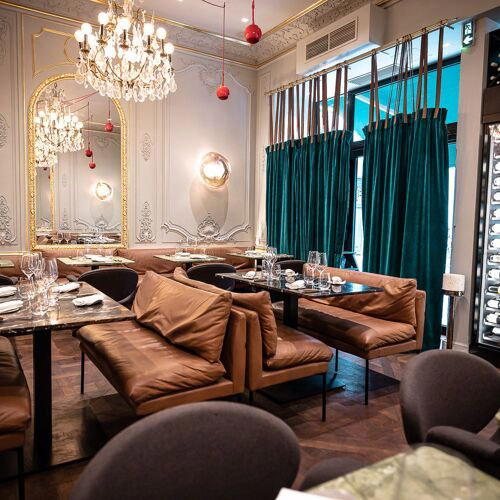
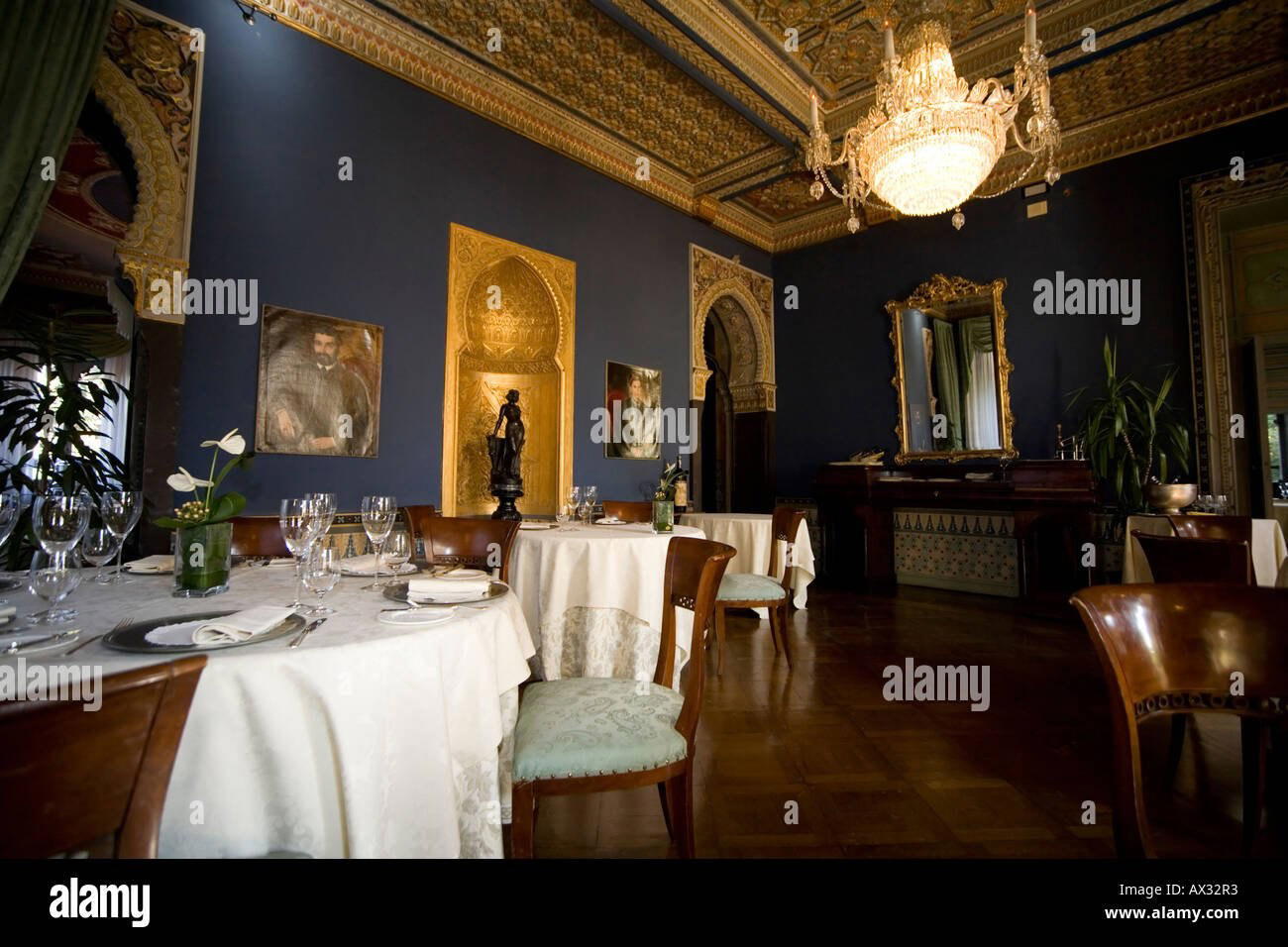
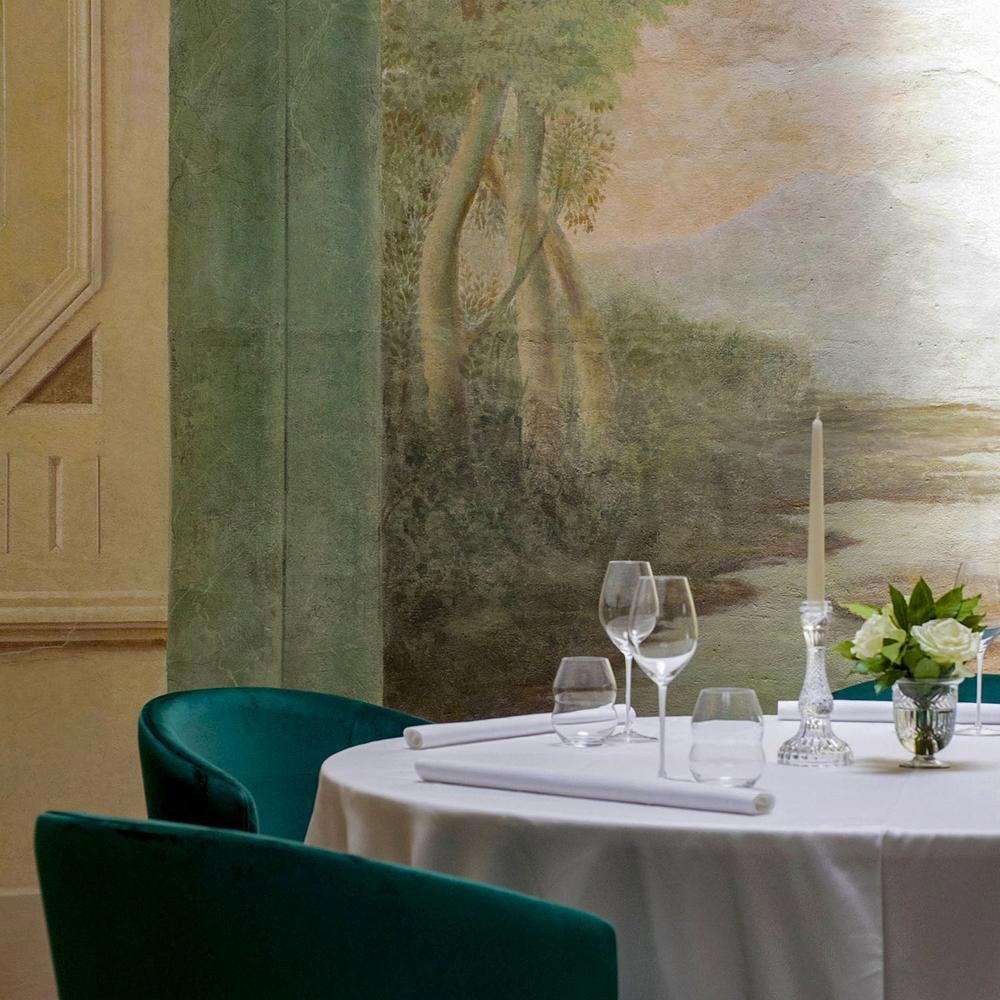
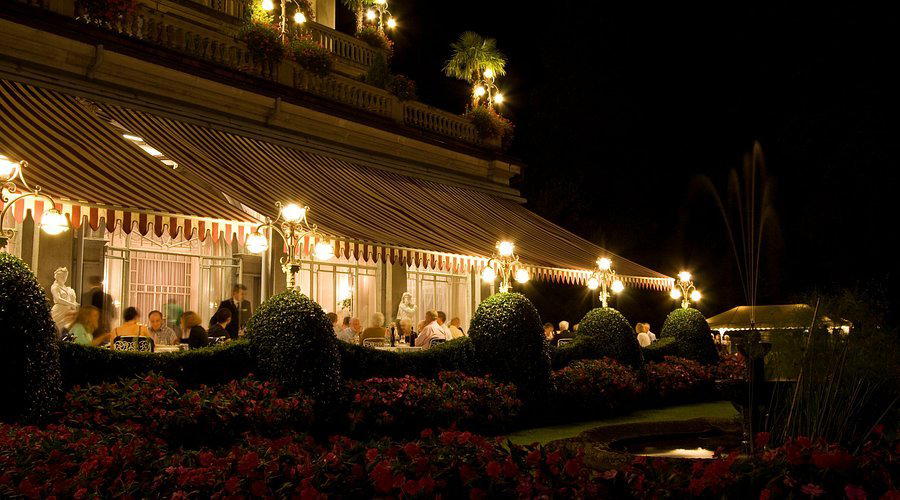
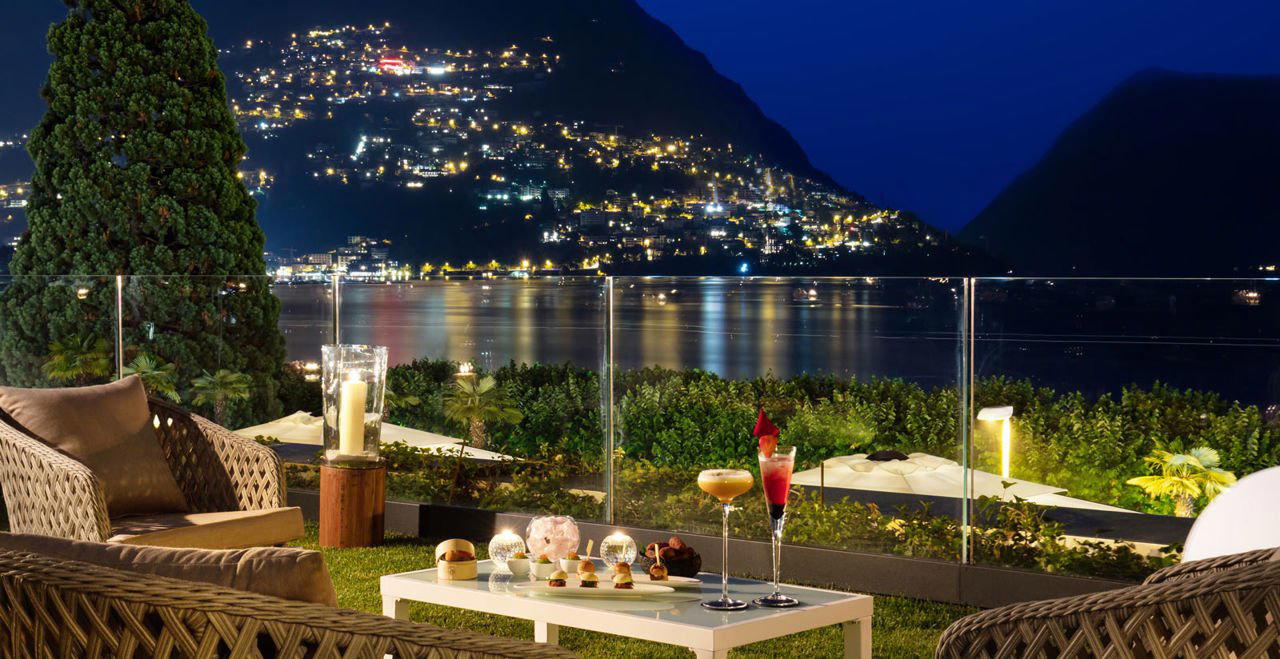
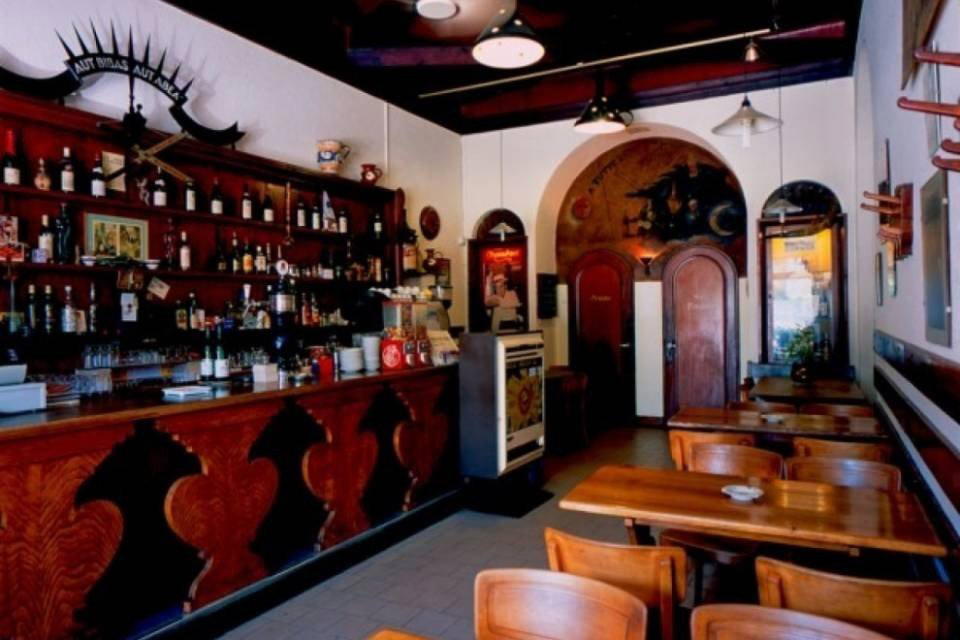
The interior presents a contemporary setting with customised décor, a deliberate departure from the more generic trattoria register that characterises much of the mid-market in Italian tourist towns. In warmer months, an outdoor terrace extends the experience, described as fresh and pleasant rather than the overheated lakefront terraces that can make summer dining in Stresa a test of patience rather than pleasure. For visitors planning around the season, the terrace shifts the calculation: the restaurant reads differently under open sky than in its enclosed contemporary room.
Stresa's tourist calendar concentrates from late spring through early autumn, which places the peak terrace months in the highest-traffic period. Reservations at this level of Michelin recognition, even at the Plate tier, tend to fill faster than visitors expect during those months. Planning ahead, especially for dinner on summer weekends, is practical advice rather than precaution.
Where Osteria Mercato Fits in a Stresa Itinerary
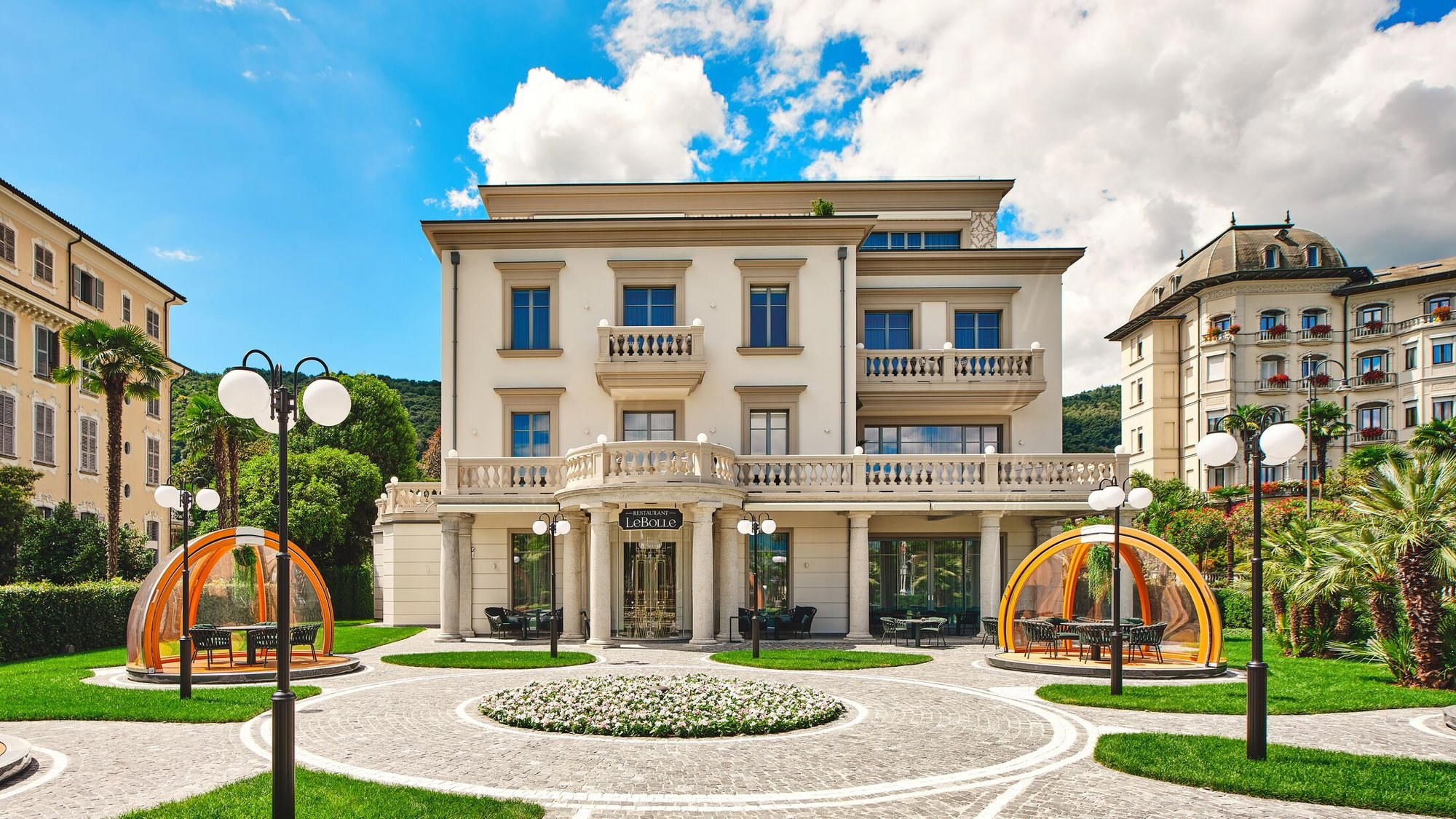
For visitors building a broader picture of Stresa's table, Osteria Mercato occupies a specific niche: contemporary technique, local sourcing, Michelin recognition, and mid-market pricing. LeBolle offers another angle on the town's dining. Those interested in how the wider Italian contemporary category performs at higher intensity can reference Enrico Bartolini in Milan, Osteria Francescana in Modena, or Agli Amici in Rovinj and L'Olivo in Anacapri as reference points for the broader format. For Italian seafood-forward contemporary cooking with a southern inflection, Quattro Passi in Marina del Cantone offers a useful contrast. At altitude, Atelier Moessmer Norbert Niederkofler in Brunico represents the northern Italian end of regionally committed fine dining.
Osteria Mercato is found at Piazza Capucci, 9, in Stresa's historical centre. The €€ pricing makes it accessible for a full multi-course dinner without the commitment of the tier above. For the full picture of eating and drinking in the area, see our full Stresa restaurants guide, along with resources on hotels, bars, wineries, and experiences in the area.
Frequently asked questions
What's Osteria Mercato's location?
Osteria Mercato is located at Piazza Capucci, 9, 28838 Stresa VB, Italy, Stresa.
What's the best way to book Osteria Mercato?
Osteria Mercato sits on Piazza Capucci, 9, in Stresa's historical center, a short walk from the main lakefront but outside the immediate tourist circuit. During summer, when Stresa's visitor concentration is highest and the outdoor terrace is in use, advance reservations are the sensible approach. No direct booking link or phone number is publicly listed at this time, so checking current reservation channels via the restaurant directly or through a concierge is advisable.
What do critics highlight about Osteria Mercato?
Michelin's 2024 and 2025 Plate recognition points to three consistent strengths: attentive local ingredient sourcing, a menu that moves credibly between land and sea preparations, and a contemporary interior that sets the restaurant apart from the more generic trattoria register common in the area. The outdoor terrace, described as fresh and pleasant in warmer months, also features in assessments of the overall experience.
At a Glance
| Venue | Cuisine | Price | Awards | Notes |
|---|---|---|---|---|
| Osteria MercatoThis venue (the venue you are viewing) | Modern Italian Seafood | Not listed | Michelin Plate | Not listed |
| La Botte | Modern Northern Italian Trattoria | $50–100 | Michelin Plate | Modern Cuisine |
| Lo Stornello | Modern Italian Bistro | Not listed | Michelin Plate | Mediterranean Cuisine |
| Verbano | Modern Italian Lake Fish Fine Dining | $50–100 | Michelin Plate | Italian |
| Villa Pizzini | Seasonal Italian Fine Dining | Not listed | Michelin Plate | Country cooking |
| LeBolle | Modern Mediterranean Fine Dining | Not listed | Michelin Plate | Not listed |
Recognition history
Dated appearances from independent guides and award organizations, with the underlying list record or original source where available.
Michelin Plate
Michelin
Full recognition history (3 entries)
Michelin Plate
Michelin
Michelin Plate
Michelin
Continue exploring
More in Stresa
Restaurants in Stresa
All restaurants in Stresa →
Bars in Stresa
All bars in Stresa →
Details
- Elegant
- Cozy
- Rustic
- Date Night
- Special Occasion
- Terrace
- Courtyard
- Extensive Wine List
- Local Sourcing
- A La Carte
- Vegetarian Friendly
- Vegan Options
- Gluten Free Options
Current opening hours
- Monday
- 12–2:30 PM, 7–11 PM
- Tuesday
- Closed
- Wednesday
- 12–2:30 PM, 7–11 PM
- Thursday
- 12–2:30 PM, 7–11 PM
- Friday
- 12–2:30 PM, 7–11 PM
- Saturday
- 12–2:30 PM, 7–11 PM
- Sunday
- 12–2:30 PM, 7–11 PM
Hours can change for holidays and private events. Hours as of .
Relaxed and calm atmosphere with pleasant terrace and courtyard, featuring contemporary customized décor.