Osteria La Muda Di San Boldo
Positioned at the Passo San Boldo in the Valmarino hills northeast of Treviso, Osteria La Muda Di San Boldo occupies a stretch of the Veneto where mountain road, local agriculture, and trattoria tradition converge. The setting alone shapes expectations: this is territory where proximity to the source has always been the primary credential, and the kitchen operates accordingly.
Pearl is the En Primeur Club membership app — saves, bookings, and concierge access live there. Same editors, same standards.
- Address
- Passo S. Boldo, 2, 31030 Cison di Valmarino TV, Italy
- Phone
- +39437757253
- Website
- lamudadisanboldo.it
- Directions
- Get directions
 Saves & bookings on Pearl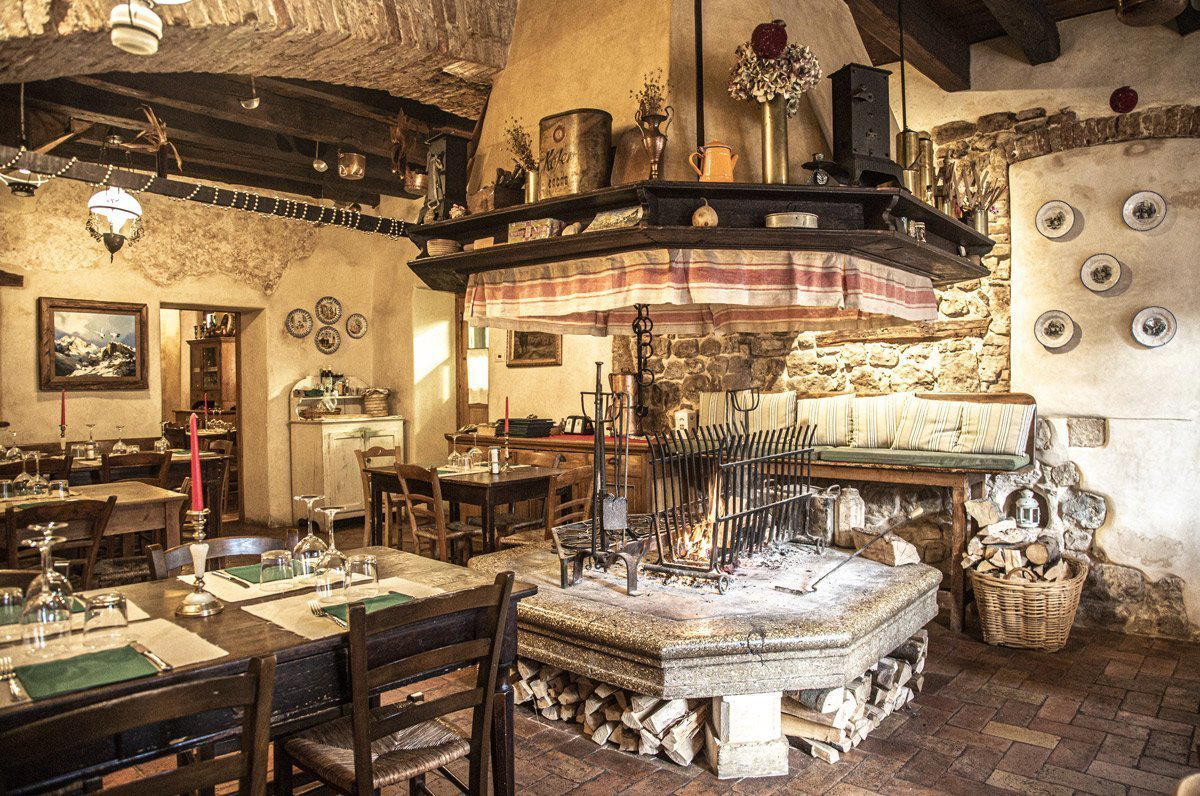
Where the Road and the Ingredient Converge
Positioned along the road that climbs through Passo San Boldo in the Treviso province hills, it sits squarely in that tradition.
The approach to the osteria tells you a great deal before you walk through the door. The Passo San Boldo is a mountain road with a specific history, tunnels blasted through rock, switchbacks threading between forested ridges, and the built environment around it carries that same quality of functional adaptation to place. It serves the people who live within the supply radius and visitors with enough intention to seek it out.
Veneto Hill Country and Its Ingredient Logic
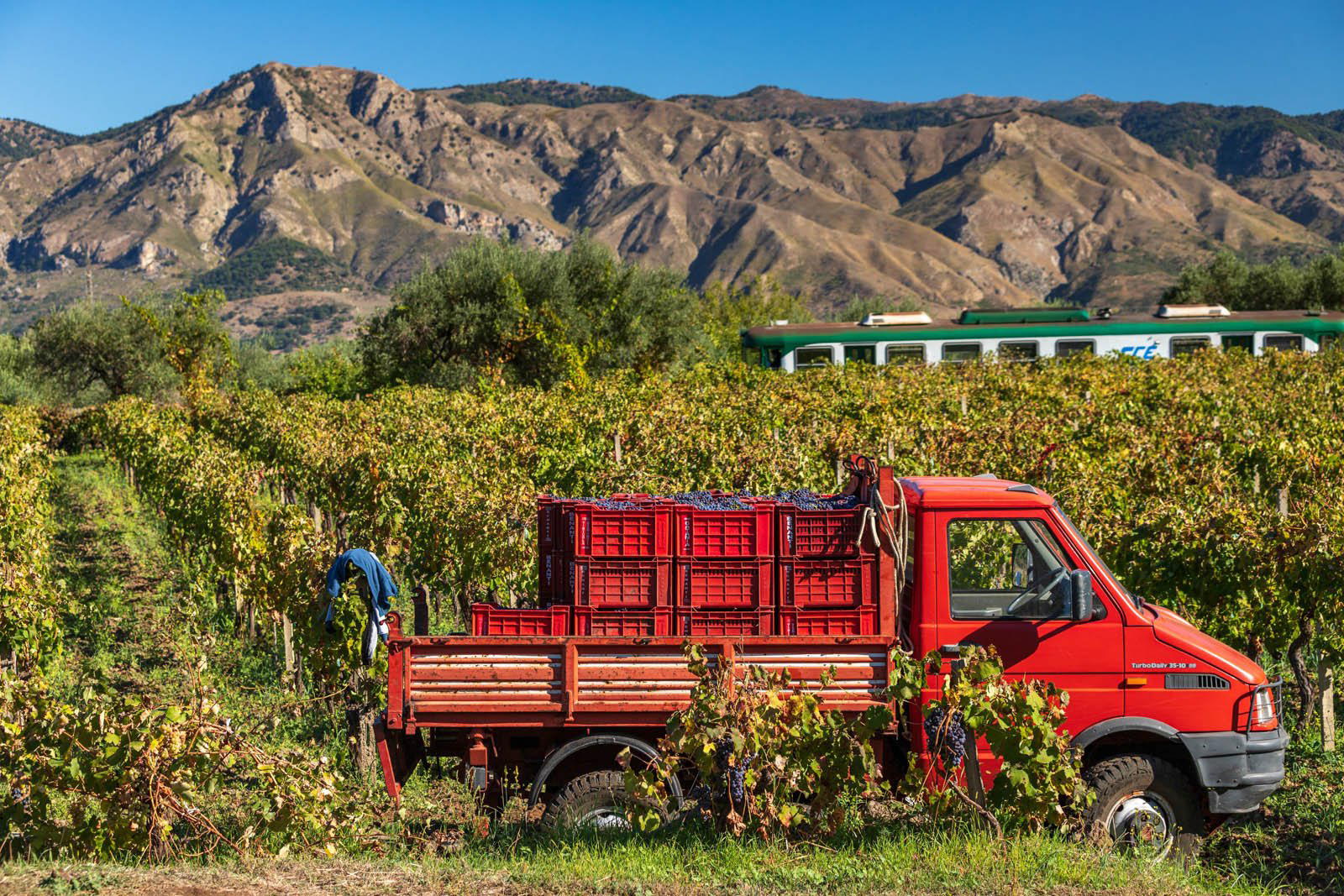
The northeastern Veneto, in the corridor running from the Dolomite foothills down through Treviso province to the lagoon, has one of the more coherent regional ingredient cultures in Italy. The discipline here has never been about abundance for its own sake. It has been about the specific: radicchio from Treviso and Castelfranco, mountain herbs from the higher pastures, game from managed forest, freshwater fish from the rivers threading through the valleys, and the soft-grain polenta that has anchored this kitchen tradition for centuries. The proximity of Cison di Valmarino to the Dolomite fringe tightens that ingredient logic further. Altitude affects what grows and when, and kitchens at this elevation have typically built their seasons around that compressed window.
This is the regional context that places like Dal Pescatore in Runate and Atelier Moessmer Norbert Niederkofler in Brunico have refined into explicit sourcing philosophies. At the osteria level, the same sourcing discipline operates without the formalized framework: the seasonal rotation is the menu, the local producer is the default rather than the talking point, and the dish descriptions tend toward the plain because the ingredient does not require elaboration.
The Osteria Format in a Northern Italian Context
Across northern Italy, the osteria has evolved along two distinct tracks. One leads toward the kind of sophisticated contemporary reinterpretation practiced at addresses like Piazza Duomo in Alba or Villa Crespi in Orta San Giulio, where the osteria label is a tonal choice rather than a structural one. The other track is the traditional community-anchored trattoria format, where continuity with regional technique is the point and the dining room serves as a practical meeting place for people already embedded in the surrounding landscape.
La Muda Di San Boldo operates in an area where that second tradition still holds. The mountain-pass geography keeps it at a meaningful distance from Treviso's urban dining circuit. That distance from the city also means fewer international visitors arriving with the same expectation set they might bring to Enoteca Pinchiorri in Florence or Enrico Bartolini in Milan. The register is different, and that difference is a feature of the format, not a limitation of it.
Sourcing and Seasonal Calendar
In the Italian osteria context, ingredient sourcing rarely requires a manifesto. The discipline is structural: the kitchen buys from the valley and the hillside, the menu reflects what that supply chain produces this week rather than last month, and the dishes shift with the season without announcement. At this elevation in the Treviso hills, that means a kitchen likely working with spring mushroom flushes, autumn game, the longer-grown brassicas and roots of the colder months, and the herbs and lighter greens that appear in the narrow shoulder seasons. The Veneto wine tradition, which runs from Prosecco Superiore DOCG, the Conegliano Valdobbiadene zone is the nearest major appellation, a short distance from Cison, through the Colli di Conegliano reds, provides the natural cellar companion to that seasonal ingredient calendar.
The relationship between mountain-sourced ingredients and the glass is one of the structural pleasures of eating in this part of the Veneto. The sparkling wines produced in the immediately surrounding hills have an acidity and mineral character shaped by the same elevation and soil composition that defines what grows in these kitchens. That correspondence is not contrived. It is simply geography expressing itself at the table.
Planning a Visit
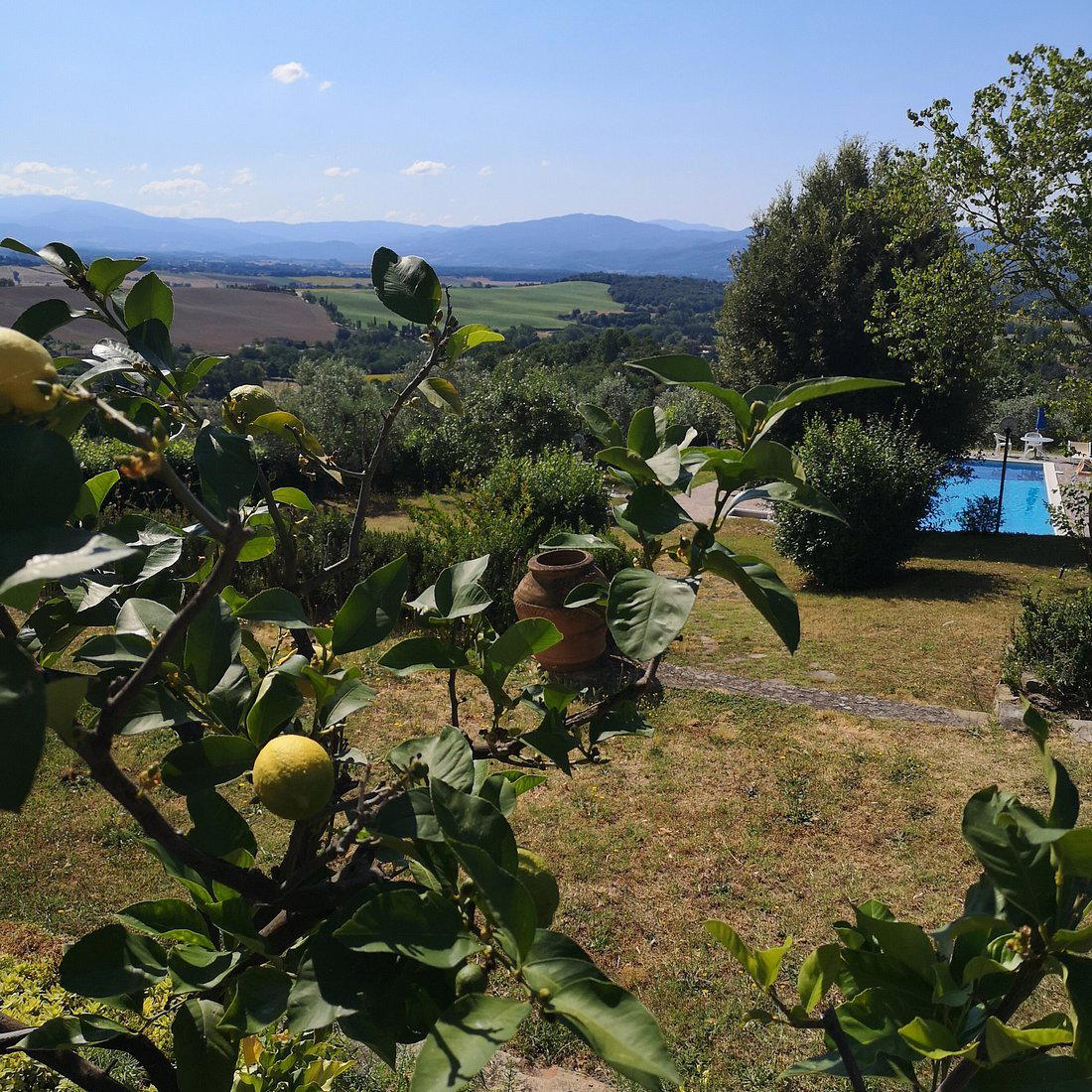
Cison di Valmarino is a small hill town in the Treviso province, reachable from Treviso itself in under an hour by road. The Passo San Boldo address places the osteria above the town center, on a route that requires deliberate navigation rather than passing traffic. For visitors combining this with broader Veneto and Dolomite itineraries, the area around Vittorio Veneto and the Valmarino valley offers a concentration of smaller production wineries and agriturismo accommodation that extends the rationale for the journey. Those exploring the full range of Italian dining will find the contrast instructive. The more formal end of the spectrum operates with documented booking windows and service structures. La Muda Di San Boldo occupies a different position on that spectrum, where the informality of arrival is part of the proposition. Reservations are recommended, particularly for groups. See Da Andreetta for another Cison option, and consult our full Cison Di Valmarino restaurants guide for broader context on eating in the area.
Eating here is a reminder that the sourcing discipline came first, and the narrative came much later. The ingredient was always local.
A Quick Peer Check
Comparable venues nearby, for context on price, style, and recognition.
| Venue | Cuisine | Price | Notes |
|---|---|---|---|
| Osteria La Muda Di San BoldoThis venue — the venue you are viewing | Traditional Veneto Osteria | $$ | Not listed |
| Da Andreetta | Traditional Treviso Regional Italian | $$$ | Rolle |
| Gelateria La Romana | Artisanal Italian Gelato | $$ | Sallustiano |
| Nogherazza | Traditional Italian Trattoria | $$ | Belluno countryside |
| Osteria Ai Promessi Sposi | Authentic Venetian Seafood Osteria | $$ | Santa Croce |
| Bigoleria Pizzeria San Marco | Traditional Italian Pizzeria & Bigoleria | $$ | Lido di Jesolo |
Continue exploring
More in Cison Di Valmarino
Restaurants in Cison Di Valmarino
Browse all →
Bars in Cison Di Valmarino
Browse all →
Hotels in Cison Di Valmarino
Browse all →
At a Glance
- Rustic
- Cozy
- Historic
- Intimate
- Special Occasion
- Family
- Historic Building
- Extensive Wine List
- Local Sourcing
- Mountain
Current opening hours
- Monday
- 12–3 PM
- Tuesday
- 12–3 PM
- Wednesday
- Closed
- Thursday
- 12–3 PM, 7:30–10 PM
- Friday
- 12–3 PM, 7:30–10 PM
- Saturday
- 9 AM–3 PM, 7:30–10 PM
- Sunday
- 9 AM–3 PM, 7:30–10 PM
Hours can change for holidays and private events. Last verified .
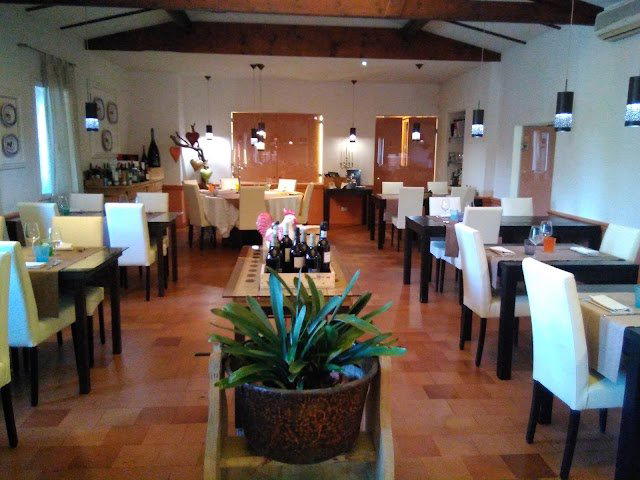
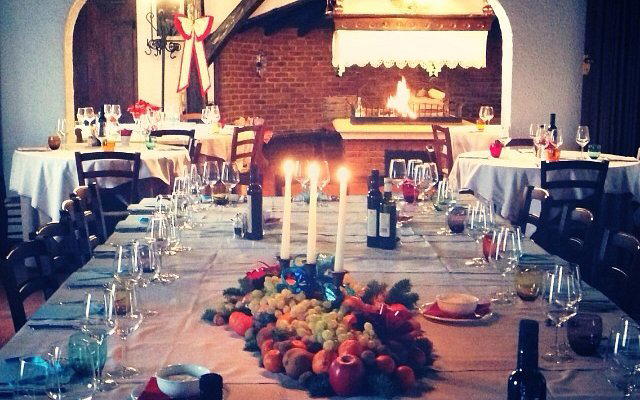
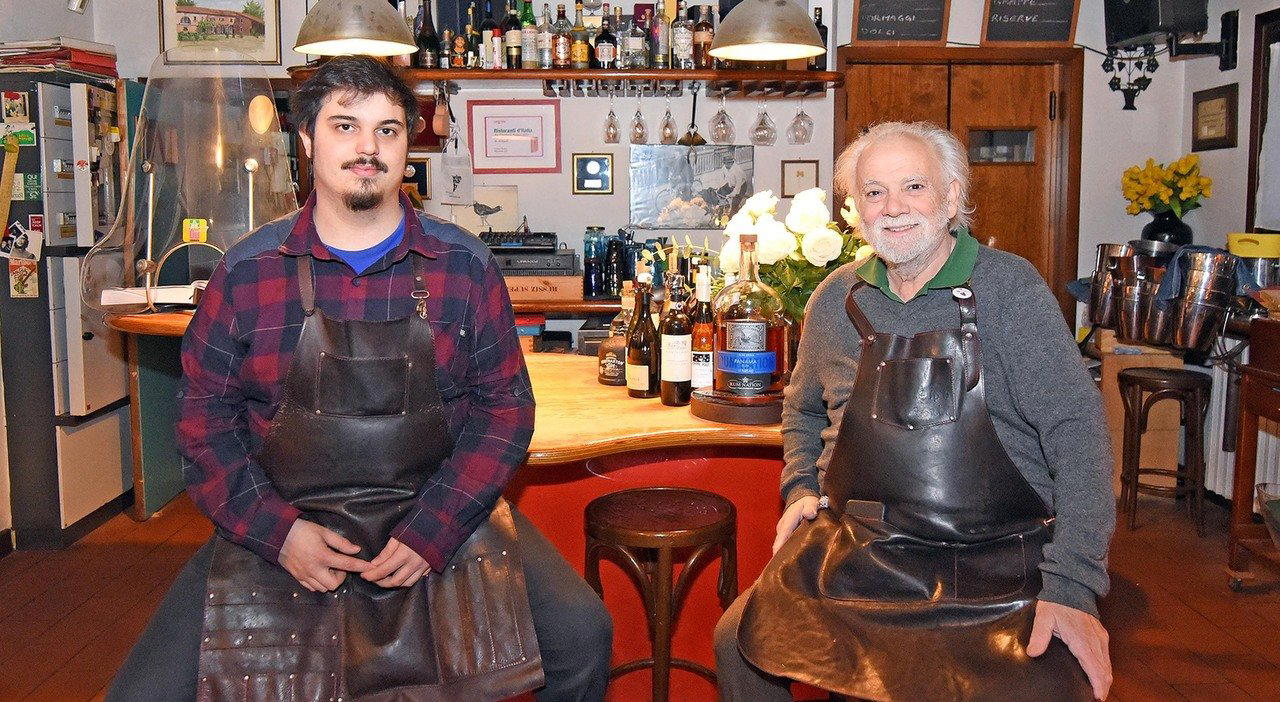
Cozy with two rooms featuring burning fireplaces, old furnishings, and a warm, welcoming historic atmosphere.