Michelin Plate
Our verdict
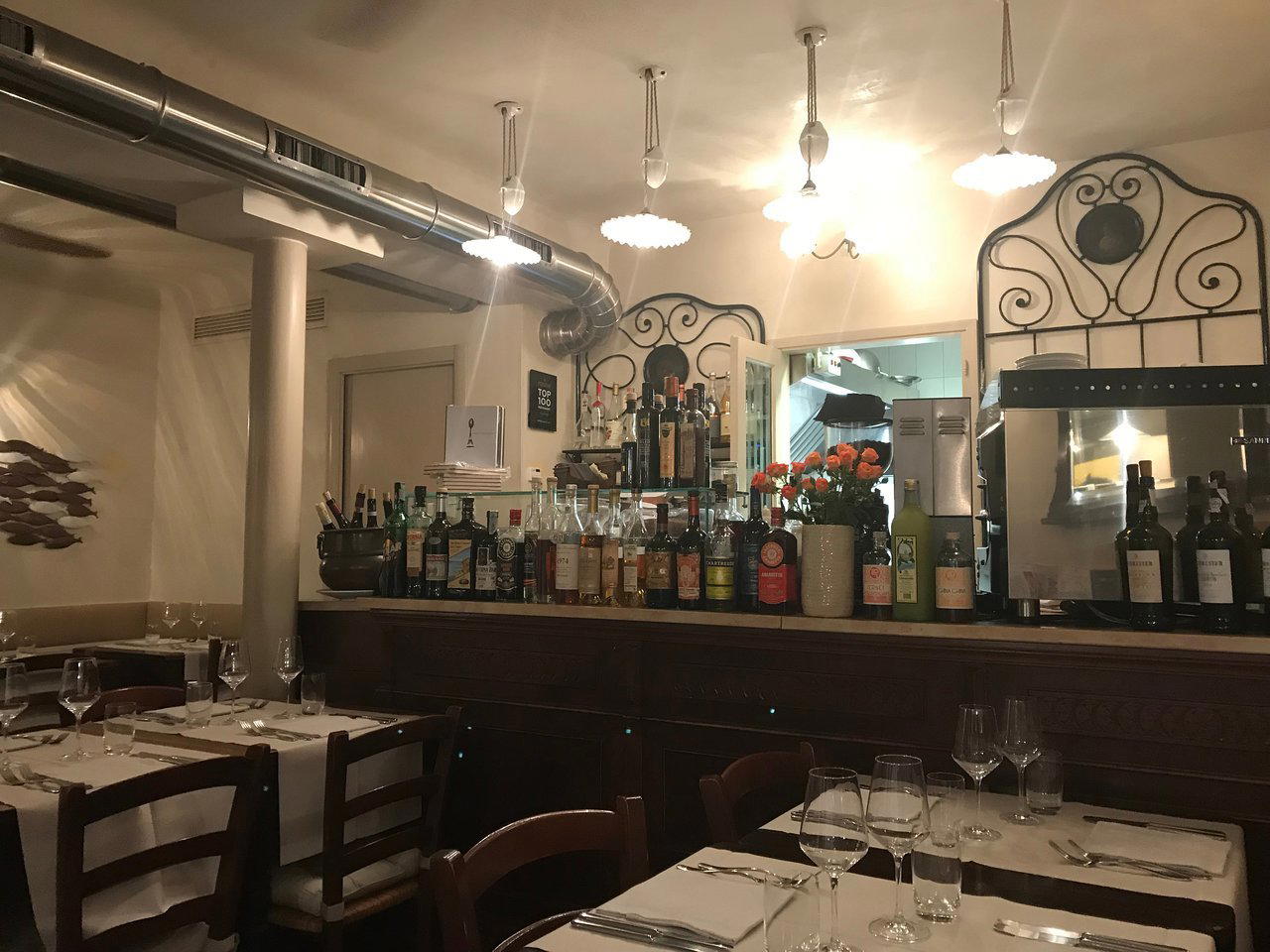
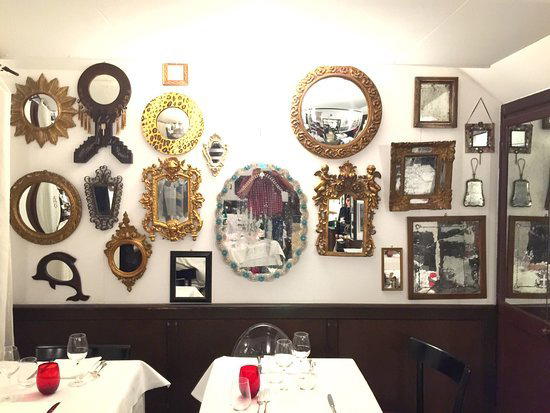
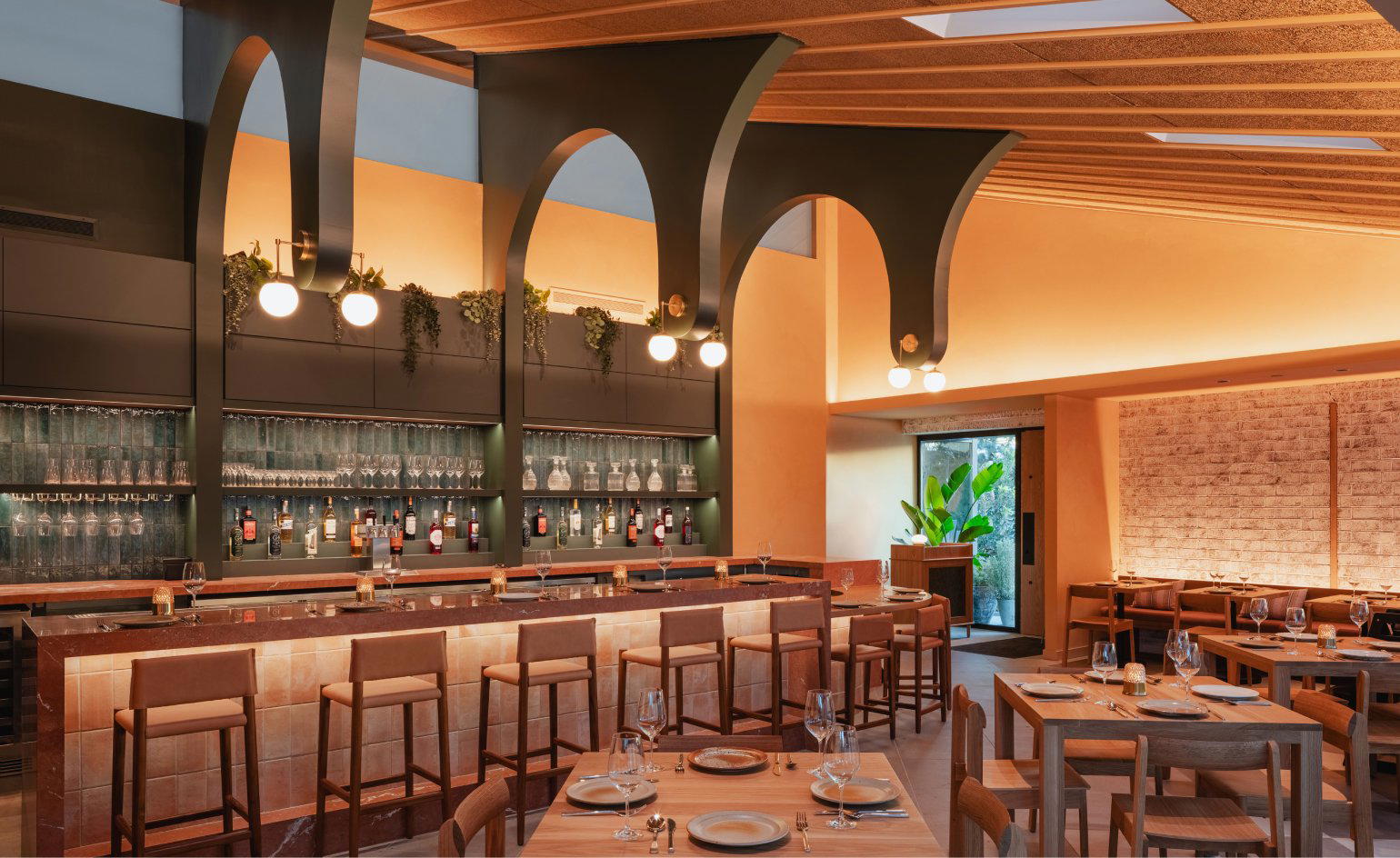
Steps from Campo Santi Apostoli, Osteria Giorgione da Masa merges Venetian cicchetti culture with homestyle Japanese technique in a format that defies the usual appetiser-to-dessert sequence. Dishes arrive all at once, or guided through a tasting selection if preferred.

Pearl is the En Primeur Club membership app, where members save venues, book tables and use the concierge.
The menu
What to order
- Gyoza
- Ramen
- Temaki
- Udon
- Cicchetti
Where Two Food Cultures Meet Without Apology
Venice has always absorbed outside influence slowly, and its restaurant scene reflects that. The cicchetti tradition, with its small bites, shared counters, and unhurried rhythms, sits so deeply in Venetian identity that most kitchens reinforce it rather than reshape it. Against that backdrop, the handful of restaurants operating at the intersection of Italian and Japanese cooking represent something genuinely specific: not fusion in the broad commercial sense, but kitchens where two food philosophies are applied to the same table simultaneously. Osteria Giorgione da Masa, on Calle Larga dei Proverbi near Campo Santi Apostoli, sits inside that narrow category.
The cross-cultural dining tradition in Italy is most visible in cities with strong contemporary fine dining credentials. At the higher end, restaurants like Glam Restaurant by Enrico Bartolini and Oro Restaurant work with international reference points while remaining anchored in Italian technique. What distinguishes Osteria Giorgione da Masa is a different operation: smaller in register, domestic in feeling, and structured around a service format that deliberately refuses the European hierarchy of courses.
The Format as an Argument
In most Venetian restaurants, the sequence runs to type: cicchetti at the bar, then a seated progression from antipasto through to dolce. Osteria Giorgione da Masa dissolves that structure. Here, dishes arrive all at once, without the ordering logic that typically organises an Italian meal. It is a format with clear Japanese precedent, where the table is set as a composed whole rather than assembled piece by piece. That approach places the venue in an interesting peer conversation. The kaiseki tradition in Japan builds a meal through disciplined sequence; the izakaya tradition encourages simultaneous sharing. What Masa's kitchen does is closer to the latter, translated through Venetian ingredients and sensibility.
For diners who prefer a guided experience, a tasting menu offers a structured selection across the available bites. That option matters particularly for occasion dining: when a table needs a shared framework, a set tasting sequence provides it without forcing rigid formality. Venice draws a significant share of visitors for anniversaries, milestone trips, and celebrations in spring and in December, when the city's atmosphere is at its most atmospheric without summer's volume. A format that can flex between structured and free-form suits those occasions well.
Reading the Menu Through Two Lenses
The kitchen applies homestyle Japanese traditions alongside Venetian cicchetti. Those are not opposing poles. Both traditions share a preference for small, considered portions, quality of ingredient over quantity of plate, and a service culture built around grazing and return rather than a single linear composition. Where they differ is in flavour grammar: Japanese cuisine works with umami depth, restraint, and precision; Venetian cooking is saltier, more acidic in its preserved fish and cured preparations, more comfortable with richness from seafood fat.
At Osteria Giorgione da Masa, those grammars are applied in the same kitchen to the same meal. It has become a reference point for what this kitchen is doing overall, and it sits as the kind of course that rewards an occasion meal: composed, unexpected, and specific enough to be memorable on its own terms.
Placing It in Venice's Dining Map
Venice's restaurant market divides broadly into three tiers. At the upper end, places like Ristorante Quadri and Local operate with formal service, higher price points, and menus built around contemporary technique. In the mid-range, the Venetian trattoria tradition holds strongly, with seafood-focused rooms operating at €€€ and built around proven regional recipes. Osteria Giorgione da Masa operates somewhat outside that typology, sharing the address structure of the mid-tier but with a format and cooking approach that doesn't map cleanly onto either bracket.
That positioning makes it a useful choice for occasions where the standard fine dining format feels too ceremonial but a direct trattoria doesn't fit the moment. A significant anniversary or a table of guests sharing a first evening in Venice benefits from somewhere with a point of view, and this kitchen has one. Comparable cross-cultural ambition at higher price points is visible in restaurants like Wistèria, though the formats and registers differ considerably.
Across Italy more broadly, the conversation about where Japanese and Italian technique intersect has produced some of the country's more interesting recent cooking. Osteria Francescana in Modena and Enoteca Pinchiorri in Florence operate at far higher price points and with different objectives, but they share an interest in pushing past the expected boundaries of Italian cuisine. At a more intimate scale, Osteria Giorgione da Masa is doing something analogous, in a neighbourhood that doesn't typically generate that kind of culinary conversation.
Campo Santi Apostoli and the Cannaregio Approach
The address on Calle Larga dei Proverbi places the restaurant in the Cannaregio sestiere, a few steps from Campo Santi Apostoli. Cannaregio runs along the northern edge of the city and connects the train station to the Rialto district. It is more residential than San Marco, less trafficked than the route between the two major tourist poles, and carries a quieter character through the evening. Reaching the restaurant from the train station or from Rialto is a walk of fifteen to twenty minutes along the main Strada Nova; from the vaporetto stop at Ca' d'Oro it is considerably shorter.
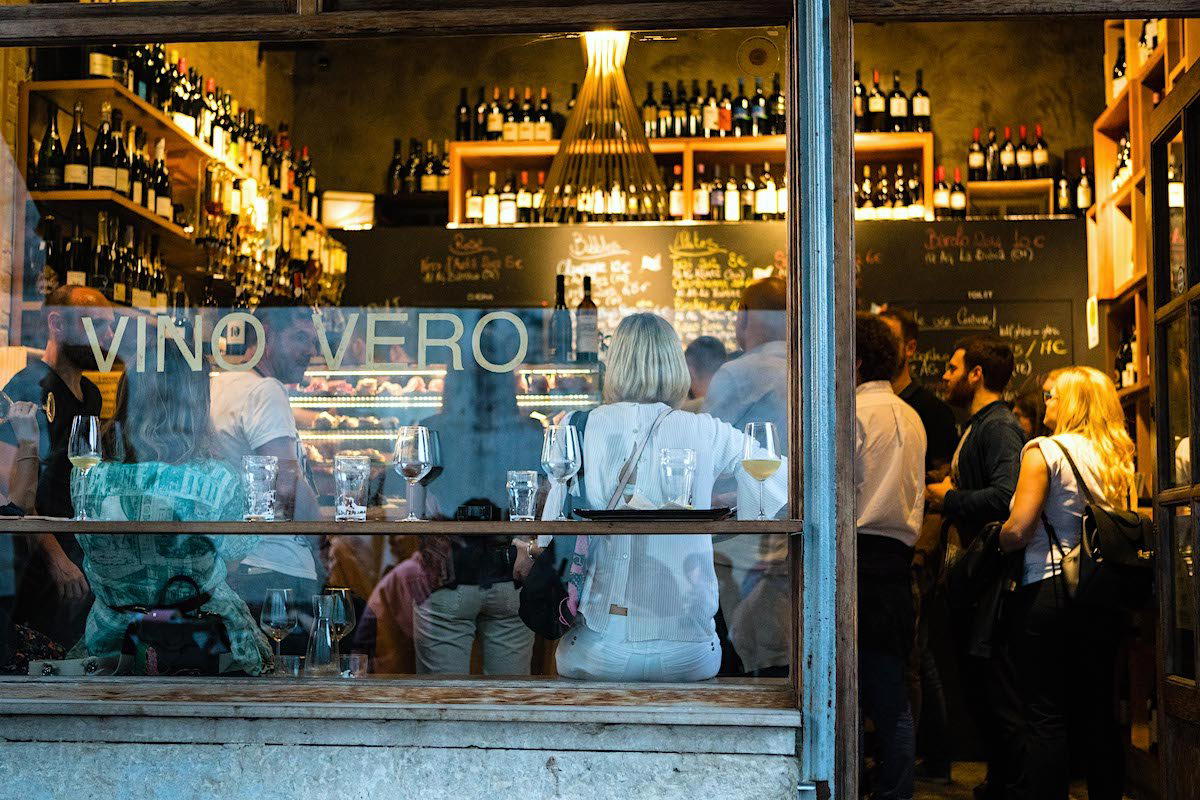
The neighbourhood has a cluster of well-regarded local restaurants that draw Venetian regulars rather than purely tourist traffic. That context shapes the atmosphere: the room tends toward the unhurried, and the all-at-once format suits a table that intends to stay and explore rather than turn quickly.
Planning Your Visit
Osteria Giorgione da Masa is positioned near Campo Santi Apostoli in Cannaregio, easily reached from the Ca' d'Oro vaporetto stop on the Grand Canal. Spring visits in April and May catch the city before peak-season density, and December brings a particular atmosphere to the neighbourhood streets that suits a celebratory meal. Those planning a special occasion dinner would do well to consider the tasting menu format for the shared structure it provides. Booking ahead is advisable for occasion dates, as the room's smaller character and the specificity of the format mean it attracts a defined following.
For a broader map of Venice's dining options across price points and styles, see our full Venice restaurants guide. Further reading on the city's hotels, bars, wineries, and experiences is available through our Venice hotels guide, our Venice bars guide, our Venice wineries guide, and our Venice experiences guide.
Frequently asked questions
Would Osteria Giorgione da Masa be comfortable with kids?
The all-at-once serving format works in families' favour: dishes land on the table without a prolonged sequence, which suits shorter attention spans. The homestyle register of the kitchen, drawing on both Japanese and Venetian cicchetti traditions, keeps the food approachable rather than ceremonial. That said, the venue is a compact Cannaregio osteria, not a family dining room, so a quieter midweek visit is a safer bet than a busy weekend evening.
Is Osteria Giorgione da Masa better for a quiet night or a lively one?
The format tilts toward conviviality. Dishes arrive simultaneously rather than in a structured sequence, which encourages sharing and conversation across the table. The Campo Santi Apostoli address in Cannaregio puts it in one of Venice's more lived-in neighbourhoods, away from the tourist-facing density of San Marco, so the room tends to reflect local rhythms rather than peak-hour tourist flux.
Is Osteria Giorgione da Masa Michelin-listed?
Osteria Giorgione da Masa has received recognition including: Just steps from Campo Santi Apostoli, Chef Masa weaves together homestyle Japanese traditions with Venetian cicchetti, transcending the classic distinction between courses: here, dishes arrive all at once, without rules. For those who prefe….
What's the must-try dish at Osteria Giorgione da Masa?
Beyond that, the kitchen's Japanese-Venetian cicchetti approach means the broader spread is worth exploring rather than anchoring to a single dish. For those who want structure, the tasting menu covers a wide range of bites and gives the kitchen's dual-tradition logic its clearest expression.
What's the address for Osteria Giorgione da Masa?
Osteria Giorgione da Masa is located at Calle Larga dei Proverbi, 4582/A, 30121 Venezia VE, Italy, Venice.
Where It Fits
Comparable venues nearby, for context on price, style, and recognition.
| Venue | Cuisine | Price | Awards | Notes |
|---|---|---|---|---|
| Osteria Giorgione da MasaThis venue (the venue you are viewing) | Japanese-Venetian Fusion | $30–50 | Michelin Plate | Not listed |
| Da Ivo | Traditional Venetian Trattoria | $100–150 | Not listed | San Marco |
| Bistrot de Venise | Historic Venetian Cuisine | $150–200 | Michelin Plate | San Marco |
| Ai Mercanti | Modern Venetian Gastrosteria | $50–100 | Michelin Plate | San Marco |
| Vini da Gigio | Traditional Venetian Osteria | $50–100 | Michelin Plate · Star Wine List | Santa Croce |
| Zanze XVI | Modern Venetian Fine Dining | $50–100 | Michelin Plate | Santa Croce |
Recognition history
Dated appearances from independent guides and award organizations, with the underlying list record or original source where available.
Michelin Plate
Michelin