Bar Longhi belongs to Venice’s more formal drinking circuit, useful for travellers who want a composed aperitivo or late drink rather than a bacaro crawl.

Pearl is the En Primeur Club membership app — saves, bookings, and concierge access live there. Same editors, same standards.
- Address
- Campiello Traghetto, 2467, 30124 Venezia VE, Italy
- Phone
- +39 041 794611
- Hours
- Daily 11 AM–1 AM
- Website
- thegrittipalace.com
- Directions
- Get directions
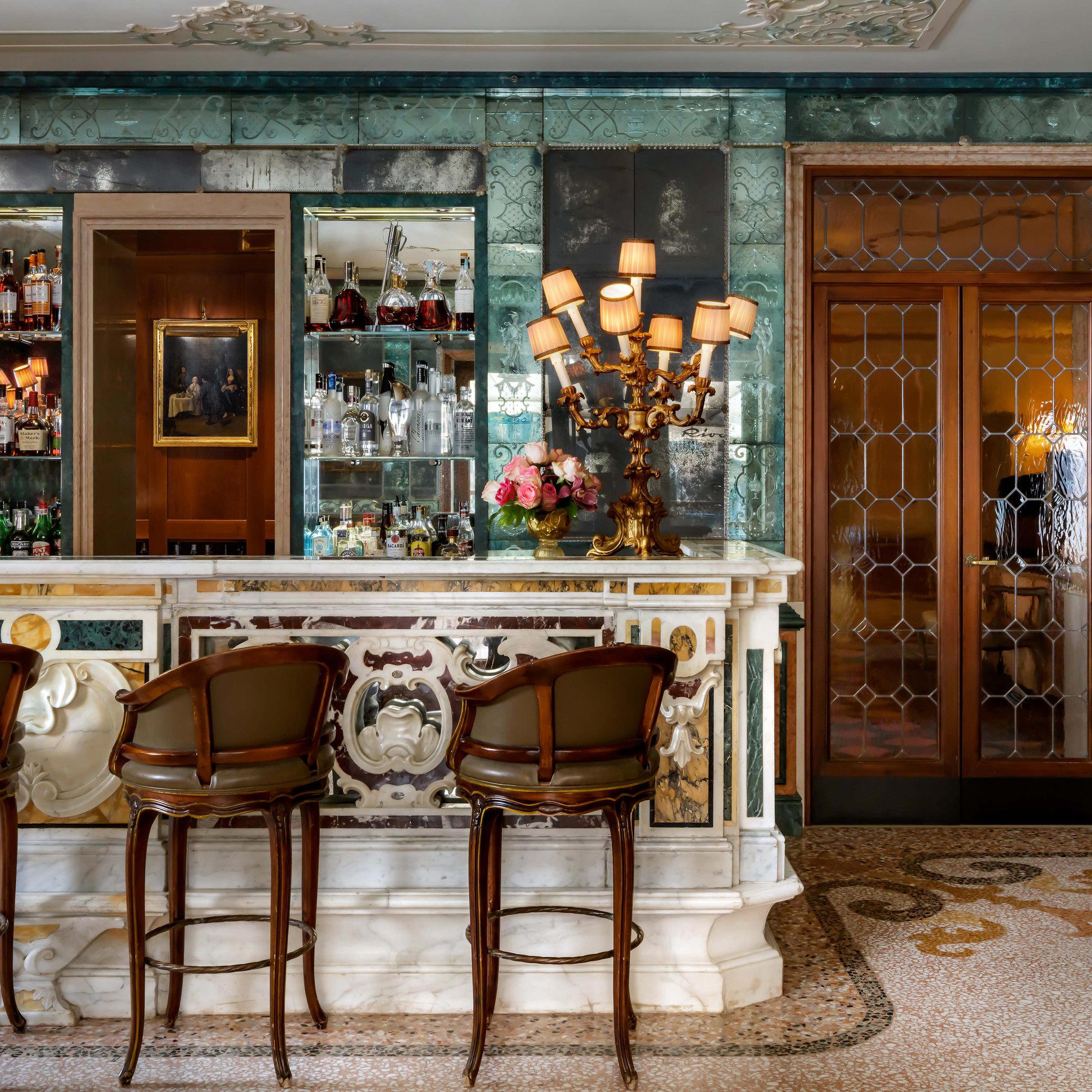
Venice drinking, when the room matters as much as the glass
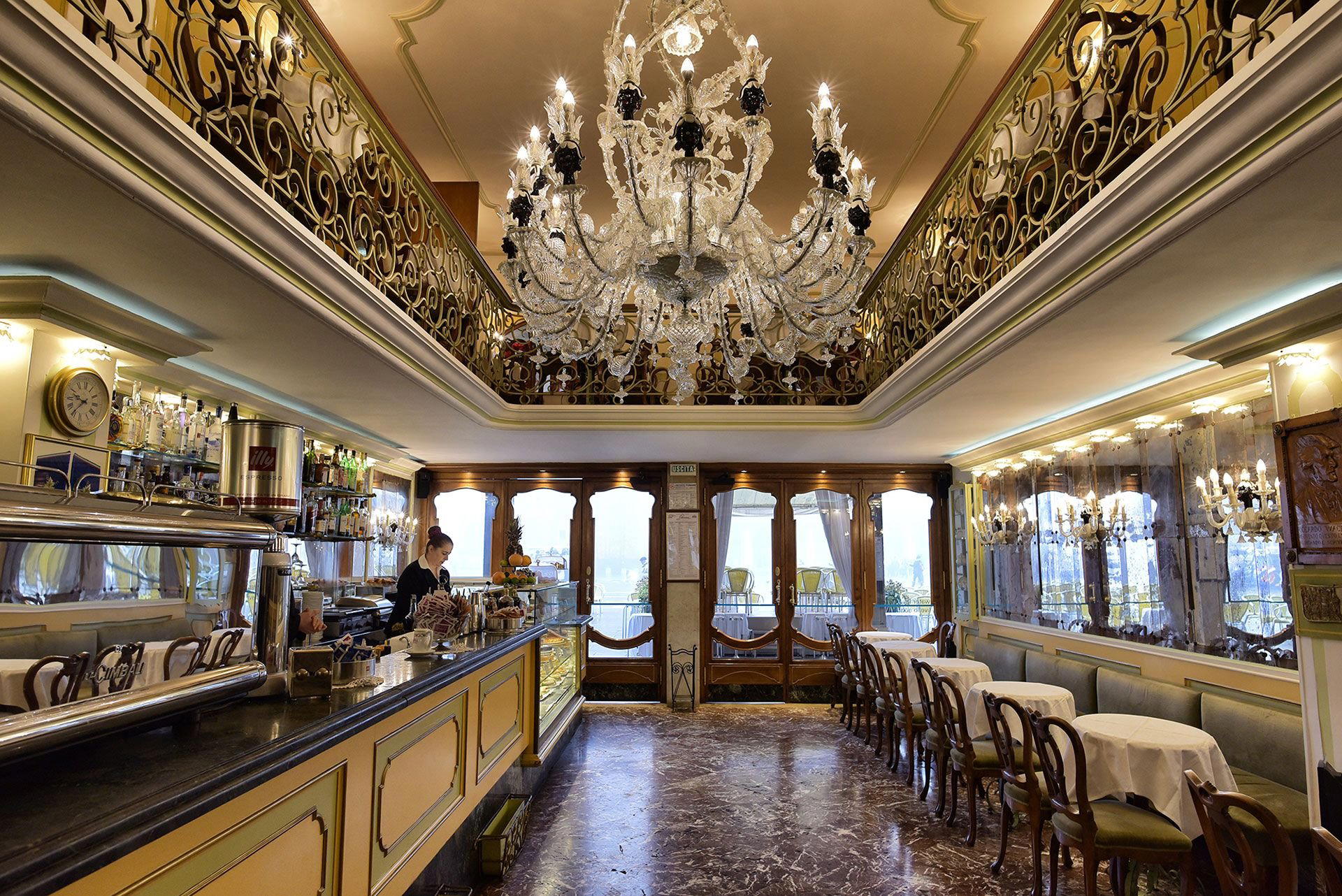
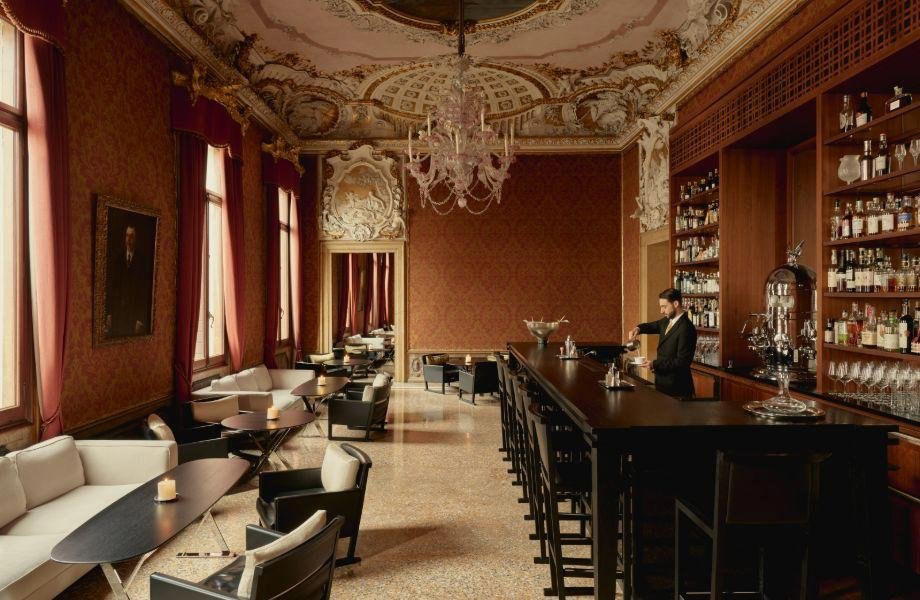
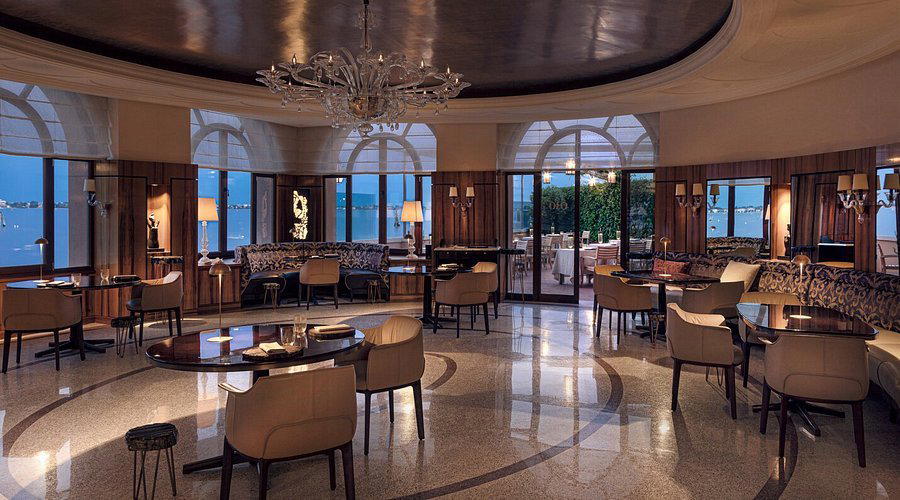
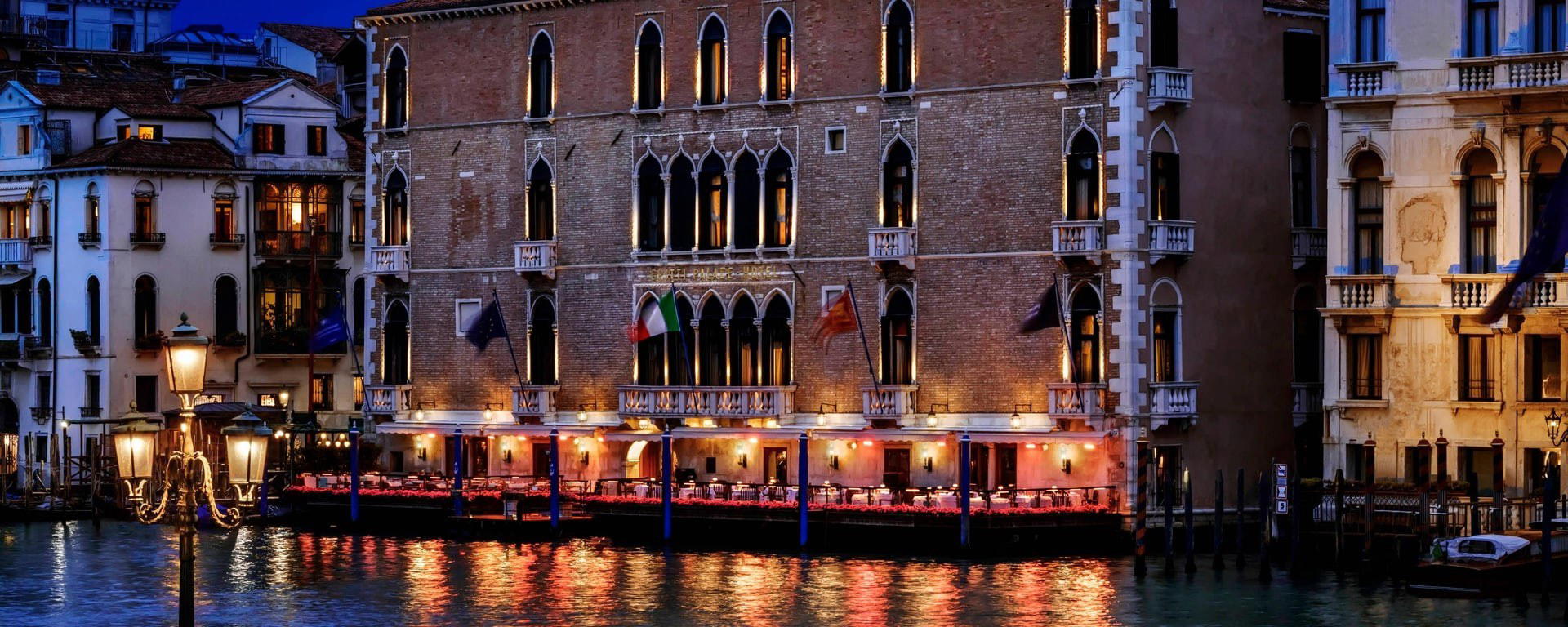
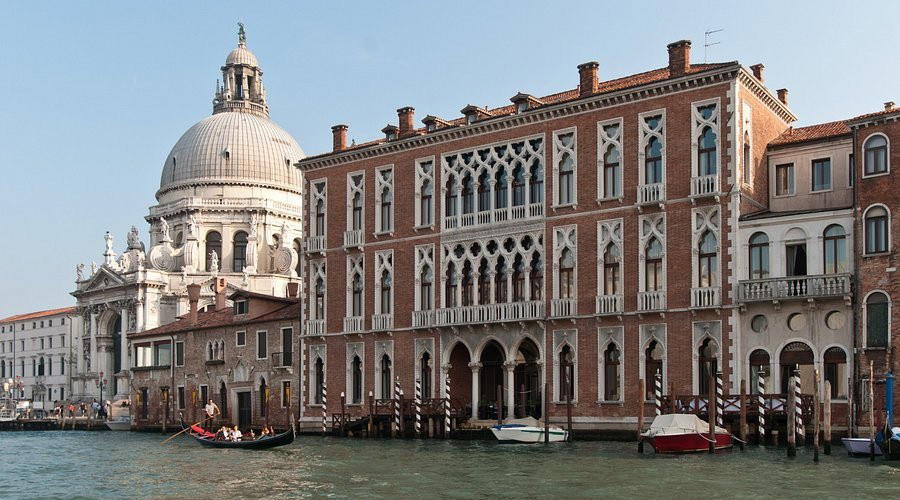
Approaching a bar in Venice is never a neutral act. The city makes arrivals theatrical without needing much assistance: a campiello, a narrow turn, a sudden opening toward water, the shift from stone underfoot to polished interiors. At Campiello Traghetto, 2467, Bar Longhi sits in the formal end of that spectrum, a long way from the standing spritz counters around the markets and closer to the Venetian habit of treating a drink as a pause in architecture, service, and tempo.
That distinction matters because Venice has several drinking cultures operating at once. There is the bacaro circuit, built on ombre, cicchetti, and fast turnover. There is the hotel-bar tradition, where the price of a drink reflects setting, glassware, service rhythm, and often a slower pace. There is also the contemporary cocktail lane, more visible in cities such as Milan, Rome, London, and Barcelona, where technique and menu authorship drive the conversation. Bar Longhi should be read through that Venetian filter rather than judged against a laboratory-style cocktail bar in a larger capital.
That absence is useful information rather than a gap to paper over. It places the bar in a category where the reader should assess it by occasion and setting first: a composed aperitivo, a pre-dinner drink, or a quieter close to the evening. For a broader look at the city’s drinking range, start with Our full Venice bars guide, then compare the city’s restaurant and hotel context through Our full Venice restaurants guide and Our full Venice hotels guide.
The cocktail programme, judged by Venice rather than New York
In Venice, cocktail seriousness does not always announce itself through a long list of clarified serves, guest shifts, or ranking badges. The city’s bar culture remains bound to aperitivo timing, hotel salons, and the economics of limited space. A programme can feel more conservative than a metropolitan cocktail counter and still serve its purpose well if the build quality, pace, and suitability to the room are consistent.
Bar Longhi is therefore less about chasing novelty and more about reading how a formal Venetian bar interprets the drinking hour. The key question is not whether the menu performs technical theatre, but whether it understands the city’s rhythm: earlier aperitivi before dinner, later digestivi after a longer meal, and enough range for guests who arrive in pairs rather than as a cocktail pilgrimage. The correct expectation is a setting-led bar experience, not a documented tasting menu for cocktails.
That positioning separates it from Venice addresses where the appeal is speed and street-level contact. Al Mercà, for example, belongs to the Rialto-adjacent, market-facing side of the city’s aperitivo culture. Al Covino sits in a different editorial frame, closer to the overlap between small-format dining and drinking. The point is not to rank them. The point is that Venice asks drinkers to choose a format before choosing a drink.
Why Venice resists the standard cocktail-city template
Cocktail cities usually advertise themselves through density: late licences, bartender networks, competition circuits, visiting shifts, and menus that change with public fanfare. Venice works differently. Its audience is transient, its daily movement is shaped by bridges and boats, and many of its serious addresses are folded into hotels, historic buildings, or small neighbourhood rooms. The city’s liquid identity is older than the modern cocktail revival and anchored in aperitivo, wine, bitters, and the social grammar of standing, sitting, or lingering.
This is why a Venice bar can be relevant without the same public signals found in London or Singapore. Awards help, but their absence does not automatically imply a weak programme. In a city with seasonal pressure, high visitor volume, and a limited late-night infrastructure, reliability and tone carry weight. A bar that offers a calmer cadence can be the right counterpoint to a day spent crossing San Marco, Dorsoduro, or Rialto on foot.
For travellers building a wider itinerary, the category comparison is instructive. Rome’s polished cocktail rooms often draw on lounge culture and design-led aperitivo; Salotto 42 in Rome is useful as a reference point for that urban salon mode. Milan’s drinking scene has leaned harder into hybrid restaurant-bar formats, a context that makes Moebius Milano in Milan a different kind of comparison. Across the Atlantic, Café La Trova in Miami shows how a bar can be driven by music, Cuban bartending lineage, and public energy. Venice rarely plays that same game. Its strongest drinking moments tend to be quieter, shorter, and more dependent on where the room places the guest in the city.
How to place it in a Venetian evening
The address, Campiello Traghetto, 2467, places the bar inside the central Venetian movement pattern rather than on the mainland or a peripheral island. The practical reading is simpler: this is a Venice address to fold into an evening already planned around the historic centre, not a destination that requires a separate day plan.
The strongest use case is before or after dinner, especially for travellers who prefer a seated, measured drink over a moving crawl. Venice rewards pacing. A bacaro run can be rewarding early in the evening, but it can also turn repetitive if every stop is built around the same quick glass and small bite. A formal bar changes the tempo. It gives the evening a point of stillness between restaurant reservations, hotel transfers, and the city’s heavy pedestrian flow.
That does not make it a substitute for the bacaro tradition. It is better understood as a different register. Visitors who want market proximity, low ceremony, and fast aperitivo culture should compare it with Rialto-facing bars. Travellers who want a quieter room, more service structure, and a less hurried drink will understand why hotel-style bars retain their place in Venice.
What the missing data tells the reader
Good editorial guidance depends as much on restraint as on description. Those details should not be invented. For a reader, that means three things.
- First, verify current opening hours through a live source before building the evening around the bar, especially outside high season.
- In Venice, room type and location can change the bill more than the drink category alone.
This is not a warning against the bar. It is a more honest way to place it. Venice is full of addresses where the public record trails the experience, particularly inside formal hospitality settings. The decision should come from matching occasion to format: quick aperitivo, dinner-adjacent drink, late salon, or cocktail-led night.
Seasonality and timing in Venice
Venice changes sharply across the calendar. Spring and autumn bring heavier cultural traffic around fairs, exhibitions, and long-weekend travel. Summer stretches the evening but can make central routes feel compressed by visitor volume. Winter, especially outside holiday periods and Carnival, gives the city a quieter register, though operating hours across hospitality can be less predictable.
For a bar like this, seasonality affects mood more than concept. A late-afternoon drink in a formal room can feel restorative after a crowded itinerary; a nightcap can work better after dinner when the day-tripper pressure has thinned. The essential logistical move is to confirm same-day status and avoid assuming that Venice hospitality follows the same public timetable across all months. When a record lacks hours, cautious planning is not fussiness. It is how to avoid losing an evening to a closed door or a room that is not serving at the time expected.
How it compares with the wider Venice edit
Venice benefits from being read by category. Bars, restaurants, hotels, wineries, and experiences overlap more tightly here than in larger cities because geography compresses the itinerary. A drink may be chosen because it sits between a museum and dinner. A hotel bar may matter because it offers a steadier pace than the street. A wine stop may compete with a cocktail depending on the hour.
For that reason, Bar Longhi fits into a broader city edit rather than a single-venue checklist. Readers planning food-led travel should cross-reference Our full Venice restaurants guide for dinner structure, then use Our full Venice bars guide to decide whether the evening needs a formal drink, a market-side aperitivo, or a contemporary cocktail address. Hotels shape drinking choices in Venice more than many travellers expect, so Our full Venice hotels guide adds context on where polished bar culture tends to gather. For cellar-led planning, Our full Venice wineries guide helps separate wine-focused detours from cocktail hours, while Our full Venice experiences guide is useful for pairing drinks with cultural pacing rather than treating the bar as an isolated stop.
Planning notes
Use the address exactly as listed: Campiello Traghetto, 2467, 30124 Venezia VE, Italy. Venice rewards early decisions during high-traffic periods, but it also rewards flexibility; if the evening is built around a fixed restaurant reservation, place the drink either close to that booking or after it, rather than inserting a cross-city transfer that depends on vaporetto timing or crowded pedestrian routes.
Given the formal-bar context, smart casual is the safest interpretation, but that should be treated as practical caution rather than a stated house rule. Seat count is also unavailable, so large groups should not assume easy accommodation. Couples and small parties will usually have more options in Venice’s compact rooms, especially when arriving outside the tight pre-dinner window.

Details
- Elegant
- Classic
- Romantic
- Scenic
- Sophisticated
- Ornate
- Date Night
- Special Occasion
- Celebration
- After Work
- Group Outing
- Solo
- Waterfront
- Terrace
- Panoramic View
- Historic Building
- Design Destination
- Hotel Bar
- Seated Bar
- Lounge Seating
- Outdoor Terrace
- Booth Seating
- Private Rooms
- Classic Cocktails
- Craft Cocktails
- Conventional Wine
- Zero Proof
- Waterfront
Current opening hours
- Monday
- 11 AM–1 AM
- Tuesday
- 11 AM–1 AM
- Wednesday
- 11 AM–1 AM
- Thursday
- 11 AM–1 AM
- Friday
- 11 AM–1 AM
- Saturday
- 11 AM–1 AM
- Sunday
- 11 AM–1 AM
Hours can change for holidays and private events. Last verified .
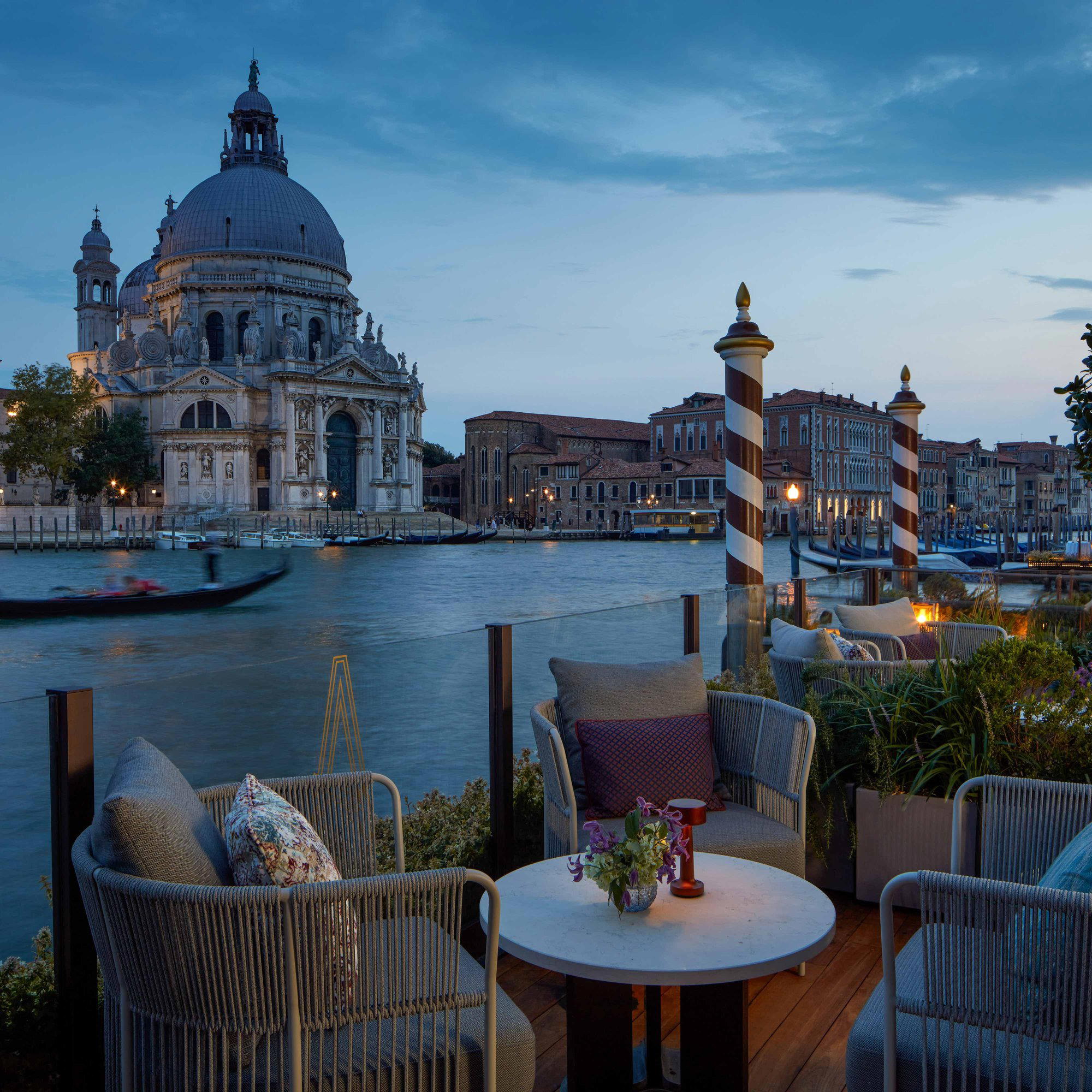
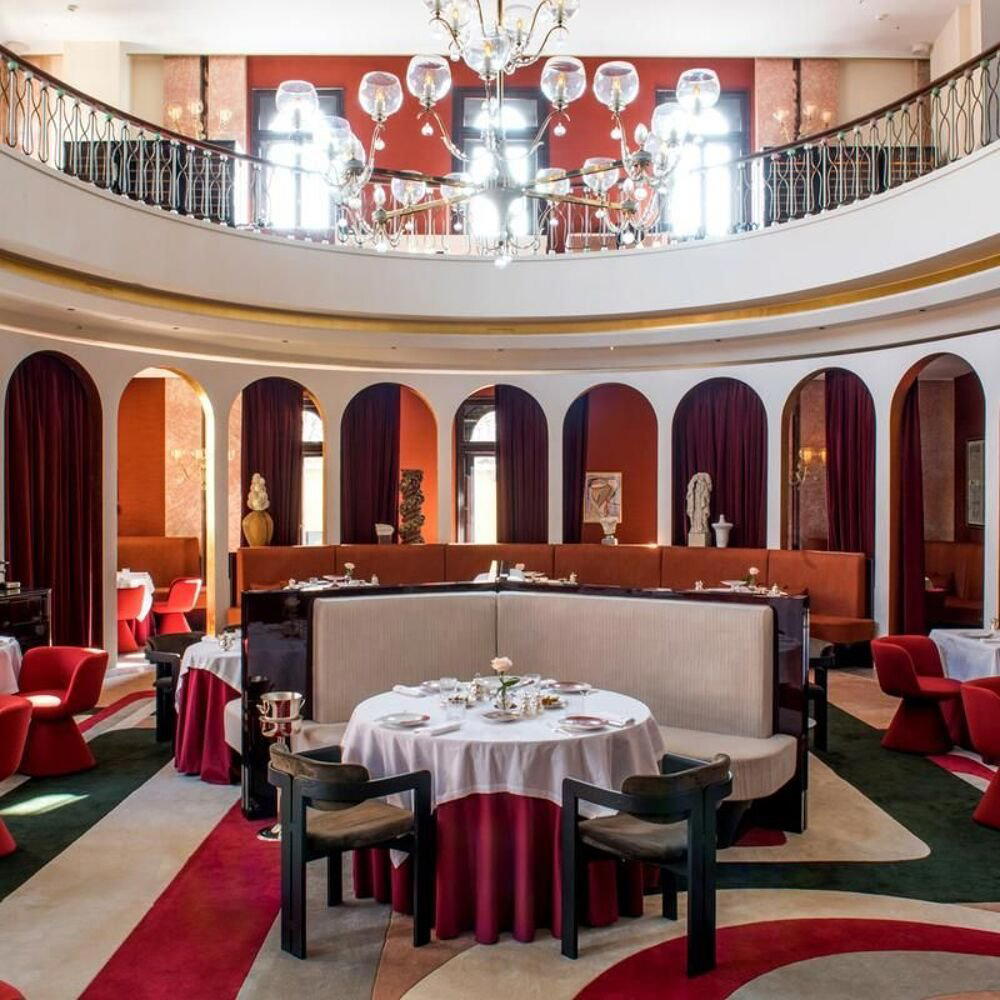
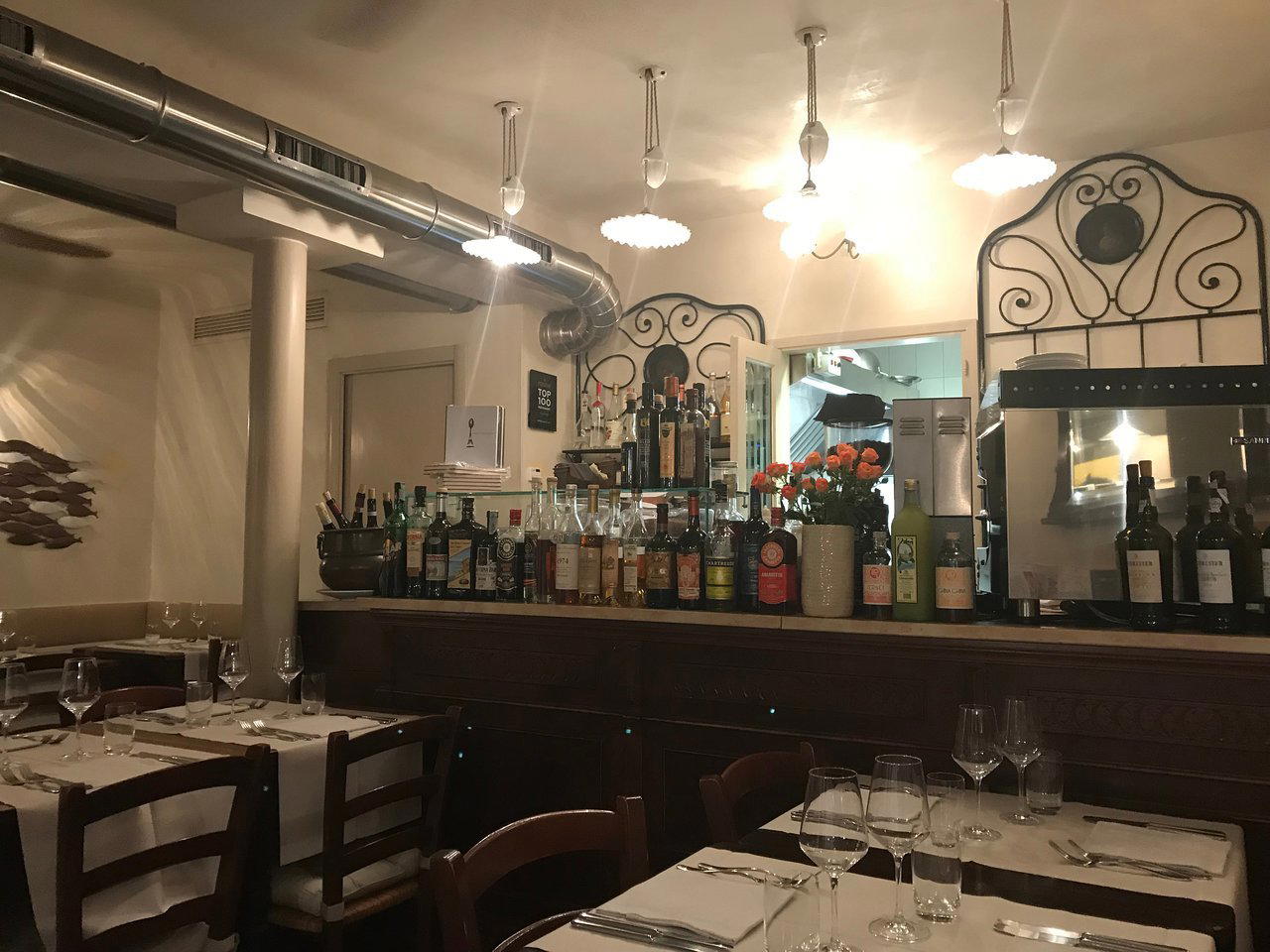
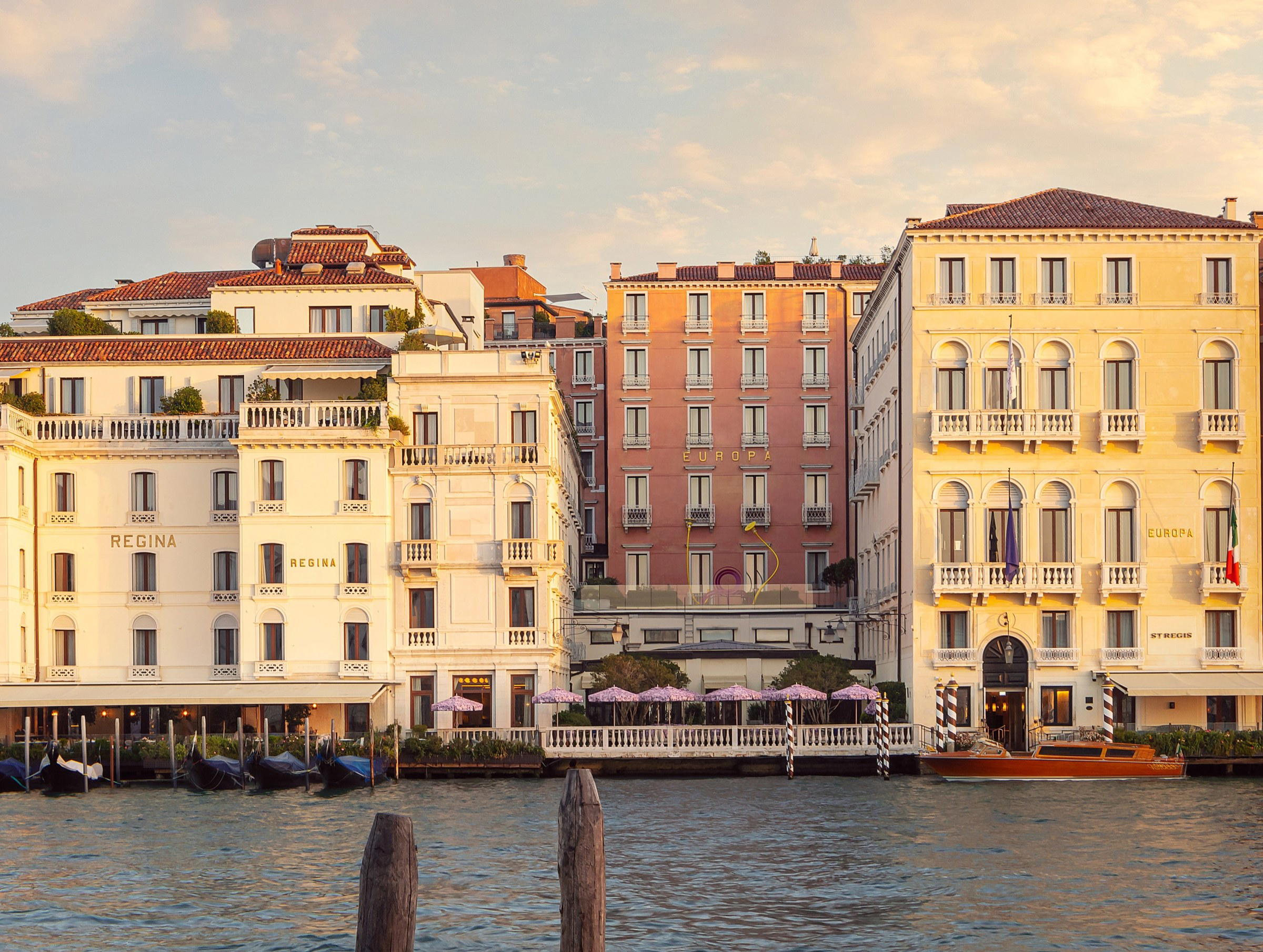
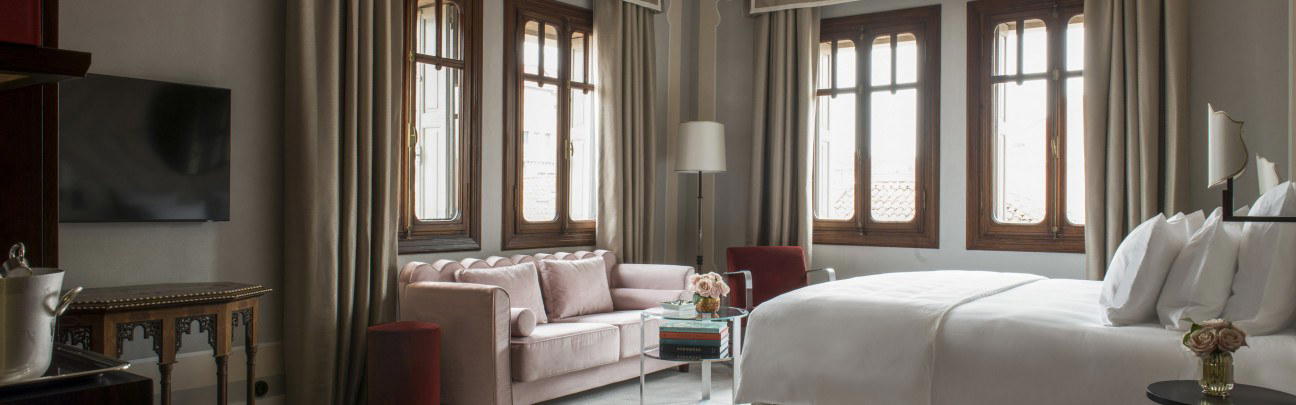
Intimate, candlelit and richly decorated with 18th‑century Longhi paintings and Murano glass, combining hushed, old‑world Venetian glamour inside with a romantic, buzzy terrace scene on the Grand Canal.