Drinking on the Other Side of the Canal Venice's bar culture divides sharply along geography. The sestieri of San Marco and Cannaregio absorb most of the tourist-facing trade, producing a circuit of spritz counters and wine bars that ranges from genuinely good to barely adequate. Cross to the Giudecca, and the registers shift. The island runs quieter, more residential, and the handful of drinking spots that operate there do so against a different backdrop: the southern lagoon rather than the Grand Canal's theatre, and a local clientele that hasn't been entirely displaced by short-stay visitors. Bacaro Dior sits inside that context, on an island where the default is calm and the competition is thin. The bacaro format itself is worth understanding before you arrive. These are Venice's neighbourhood wine bars, descended from a tradition of cheap-pour standing counters that served dock workers and market traders. They were never meant to be destinations. The leading ones still have that quality: slightly too small, drinks priced for repeat visits, food running to cured fish, soft cheese, and bread-based cicchetti rather than anything requiring a kitchen brigade. The format has been romanticised and, in parts of the city, commercialised to the point of parody. On the Giudecca, that commercialisation hasn't fully landed, which is part of the argument for making the trip. What the Setting Does to the Drink The physical approach to the Giudecca matters for understanding the experience at Bacaro Dior. The island is accessible only by water, served by the Alilaguna ferry or the public vaporetto on Line 2 from San Zaccaria. That short crossing, even on a crowded boat, produces a genuine psychological shift. The noise level drops. The architecture changes scale. You arrive somewhere that feels less performed than central Venice, which is an increasingly rare quality in a city that has become, in large parts, a living museum of itself. Venice has seen a wave of cocktail bar openings over the past decade that have moved the city's drinking culture toward something more technically ambitious. Venues across Cannaregio and Dorsoduro have built programmes around house-made vermouth, local botanical distillates, and drink formats borrowed from the broader Italian aperitivo tradition while pushing into more considered territory. Bacaro Dior, given its address and format, positions itself differently from that tier. This is a bacaro first, with the name suggesting an overlay of something more considered, but the structural identity of the place leans toward the counter-and-cicchetti model rather than the bartender-as-auteur format you find at the city's higher-profile cocktail addresses. That positioning is not a criticism. In a city where the fashion-house cocktail bar and the spritz counter have both been done to varying degrees of success, a bacaro on the Giudecca that holds to something closer to neighbourhood function serves a real purpose for the visitor who has already worked through the obvious options. For first-timers, the context for comparison is the spritz circuit: Aperol or Campari-based, served in big wine glasses, ubiquitous. For returning visitors, the interest in a place like this lies in what it keeps rather than what it adds. The Name and What It Implies The Dior in the name is worth a brief note, because it shapes expectations on arrival. Fashion-house bar concepts have become a category in their own right across Italian cities. In Florence, the Gucci Giardino operates at the high-design, high-price end of that model, translating brand identity into a physical space with enough editorial intent to justify the association. What a fashion name attached to a bacaro format produces is a specific kind of tension: the counter-culture informality of the Venetian tradition pulled against the implication of something curated and considered. Whether that tension resolves into something coherent is the question the visit answers. Across Italy's bar circuit more broadly, the most interesting spaces often exist in exactly that gap between format category and brand ambition. L'Antiquario in Naples operates with a similar layering of historical reference and contemporary drink programme. Moebius Milano in Milan holds its own version of that tension between concept name and what actually arrives in the glass. The comparison is useful because it frames what a name like Dior does and doesn't guarantee in terms of execution. Where It Sits in Venice's Drinking Circuit The Venice bar scene worth knowing for context includes a range of formats and price points. Al Covino and Al Mercà represent the tighter, wine-focused bacaro end of the market, both operating as counter-only or near-counter environments with serious cellar depth relative to their scale. Al Covo extends toward a fuller dining format while holding the same neighbourhood-first quality. Alchemia Bar operates in a more overtly cocktail-focused register. Bacaro Dior, across the water on the Giudecca, sits in a separate geography from all of these, which gives it a structural advantage: it is not competing directly for the same foot traffic, and it serves a different kind of visit. For visitors building a day that includes the Giudecca, the island also holds the Redentore church and the gardens associated with the Fortuny Foundation, which means there is a case for spending more than the ferry crossing's worth of time there. The logistics of the crossing also shape the rhythm of a visit: you go when you decide to go, and you stay until the boats run, rather than drifting in from a nearby street. Internationally, the low-volume neighbourhood bar format that operates against a premium or fashion-branded backdrop appears in cities from Nicosia to Miami and Nizza Monferrato, each negotiating its own version of the local-versus-concept balance. What separates the ones worth visiting from the ones that aren't is usually the degree to which the format serves the drink and the room rather than the brand identity. On that question, the Giudecca address is at least a structural argument in Bacaro Dior's favour. Planning the Visit The Giudecca is reachable on the Number 2 vaporetto from San Zaccaria, a crossing that takes under ten minutes and runs frequently through the day. Given the island's quieter pace and limited hospitality options, arriving with enough time to walk the fondamenta before or after makes the trip substantially better. The address is Giudecca, 10. For a broader map of where this fits among Venice's bars and restaurants, see our full Venice restaurants guide. Frequently Asked Questions

Pearl is the En Primeur Club membership app — saves, bookings, and concierge access live there. Same editors, same standards.
- Address
- Giudecca, 10, 30133 Venezia VE, Italy
- Hours
- Mon ClosedTue–Sun 6:30–11:30 PM
- Website
- belmond.com
- Directions
- Get directions
Drinking on the Other Side of the Canal
Venice's bar culture divides sharply along geography. The sestieri of San Marco and Cannaregio absorb most of the tourist-facing trade, producing a circuit of spritz counters and wine bars that ranges from genuinely good to barely adequate. Cross to the Giudecca, and the registers shift. The island runs quieter, more residential, and the handful of drinking spots that operate there do so against a different backdrop: the southern lagoon rather than the Grand Canal's theatre, and a local clientele that hasn't been entirely displaced by short-stay visitors. Bacaro Dior sits inside that context, on an island where the default is calm and the competition is thin.
The bacaro format itself is worth understanding before you arrive. These are Venice's neighbourhood wine bars, descended from a tradition of cheap-pour standing counters that served dock workers and market traders. They were never meant to be destinations. The leading ones still have that quality: slightly too small, drinks priced for repeat visits, food running to cured fish, soft cheese, and bread-based cicchetti rather than anything requiring a kitchen brigade. The format has been romanticised and, in parts of the city, commercialised to the point of parody. On the Giudecca, that commercialisation hasn't fully landed, which is part of the argument for making the trip.
What the Setting Does to the Drink
The physical approach to the Giudecca matters for understanding the experience at Bacaro Dior. The island is accessible only by water, served by the Alilaguna ferry or the public vaporetto on Line 2 from San Zaccaria. That short crossing, even on a crowded boat, produces a genuine psychological shift. The noise level drops. The architecture changes scale. You arrive somewhere that feels less performed than central Venice, which is an increasingly rare quality in a city that has become, in large parts, a living museum of itself.
Venice has seen a wave of cocktail bar openings over the past decade that have moved the city's drinking culture toward something more technically ambitious. Venues across Cannaregio and Dorsoduro have built programmes around house-made vermouth, local botanical distillates, and drink formats borrowed from the broader Italian aperitivo tradition while pushing into more considered territory. Bacaro Dior, given its address and format, positions itself differently from that tier. This is a bacaro first, with the name suggesting an overlay of something more considered, but the structural identity of the place leans toward the counter-and-cicchetti model rather than the bartender-as-auteur format you find at the city's higher-profile cocktail addresses.
That positioning is not a criticism. In a city where the fashion-house cocktail bar and the spritz counter have both been done to varying degrees of success, a bacaro on the Giudecca that holds to something closer to neighbourhood function serves a real purpose for the visitor who has already worked through the obvious options. For first-timers, the context for comparison is the spritz circuit: Aperol or Campari-based, served in big wine glasses, ubiquitous. For returning visitors, the interest in a place like this lies in what it keeps rather than what it adds.
The Name and What It Implies
The Dior in the name is worth a brief note, because it shapes expectations on arrival. Fashion-house bar concepts have become a category in their own right across Italian cities. In Florence, the Gucci Giardino operates at the high-design, high-price end of that model, translating brand identity into a physical space with enough editorial intent to justify the association. What a fashion name attached to a bacaro format produces is a specific kind of tension: the counter-culture informality of the Venetian tradition pulled against the implication of something curated and considered. Whether that tension resolves into something coherent is the question the visit answers.
Across Italy's bar circuit more broadly, the most interesting spaces often exist in exactly that gap between format category and brand ambition. L'Antiquario in Naples operates with a similar layering of historical reference and contemporary drink programme. Moebius Milano in Milan holds its own version of that tension between concept name and what actually arrives in the glass. The comparison is useful because it frames what a name like Dior does and doesn't guarantee in terms of execution.
Where It Sits in Venice's Drinking Circuit
The Venice bar scene worth knowing for context includes a range of formats and price points. Al Covino and Al Mercà represent the tighter, wine-focused bacaro end of the market, both operating as counter-only or near-counter environments with serious cellar depth relative to their scale. Al Covo extends toward a fuller dining format while holding the same neighbourhood-first quality. Alchemia Bar operates in a more overtly cocktail-focused register. Bacaro Dior, across the water on the Giudecca, sits in a separate geography from all of these, which gives it a structural advantage: it is not competing directly for the same foot traffic, and it serves a different kind of visit.
For visitors building a day that includes the Giudecca, the island also holds the Redentore church and the gardens associated with the Fortuny Foundation, which means there is a case for spending more than the ferry crossing's worth of time there. The logistics of the crossing also shape the rhythm of a visit: you go when you decide to go, and you stay until the boats run, rather than drifting in from a nearby street.
Internationally, the low-volume neighbourhood bar format that operates against a premium or fashion-branded backdrop appears in cities from Nicosia to Miami and Nizza Monferrato, each negotiating its own version of the local-versus-concept balance. What separates the ones worth visiting from the ones that aren't is usually the degree to which the format serves the drink and the room rather than the brand identity. On that question, the Giudecca address is at least a structural argument in Bacaro Dior's favour.
Planning the Visit
The Giudecca is reachable on the Number 2 vaporetto from San Zaccaria, a crossing that takes under ten minutes and runs frequently through the day. Given the island's quieter pace and limited hospitality options, arriving with enough time to walk the fondamenta before or after makes the trip substantially better. The address is Giudecca, 10. For a broader map of where this fits among Venice's bars and restaurants, see our full Venice restaurants guide.
Frequently Asked Questions
Continue exploring
More in Venice
Bars in Venice
Browse all →
Restaurants in Venice
Browse all →
Hotels in Venice
Browse all →
Details
- Elegant
- Romantic
- Sophisticated
- Scenic
- Date Night
- Special Occasion
- Celebration
- Waterfront
- Terrace
- Panoramic View
- Design Destination
- Hotel Bar
- Seated Bar
- Lounge Seating
- Outdoor Terrace
- Classic Cocktails
- Craft Cocktails
- Waterfront
Current opening hours
- Monday
- Closed
- Tuesday
- 6:30–11:30 PM
- Wednesday
- 6:30–11:30 PM
- Thursday
- 6:30–11:30 PM
- Friday
- 6:30–11:30 PM
- Saturday
- 6:30–11:30 PM
- Sunday
- 6:30–11:30 PM
Hours can change for holidays and private events. Last verified .
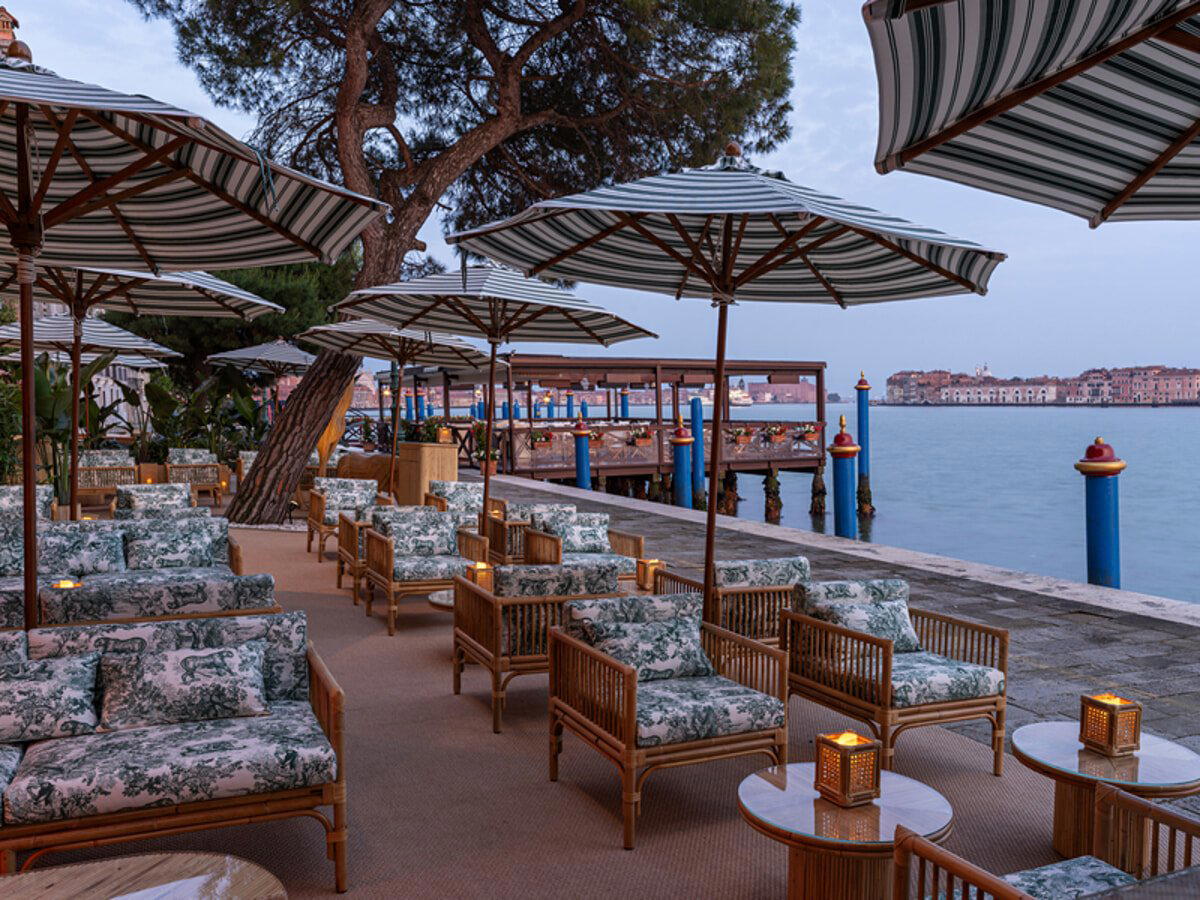
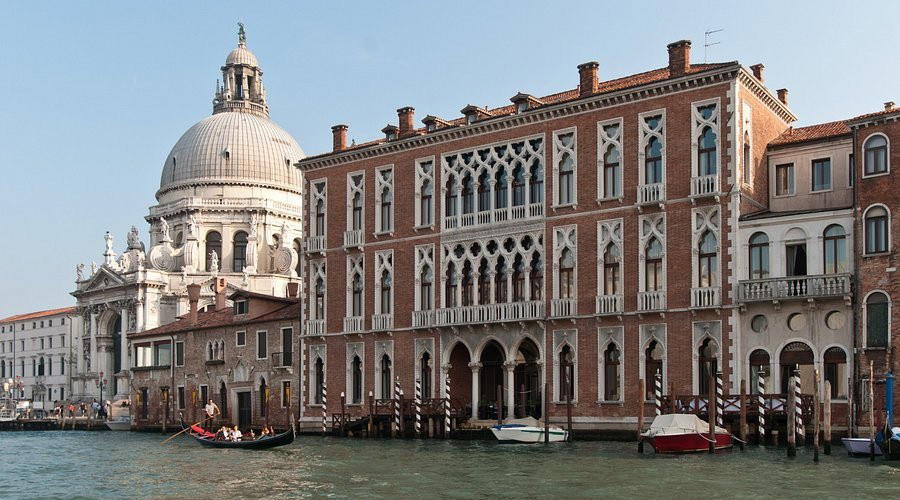
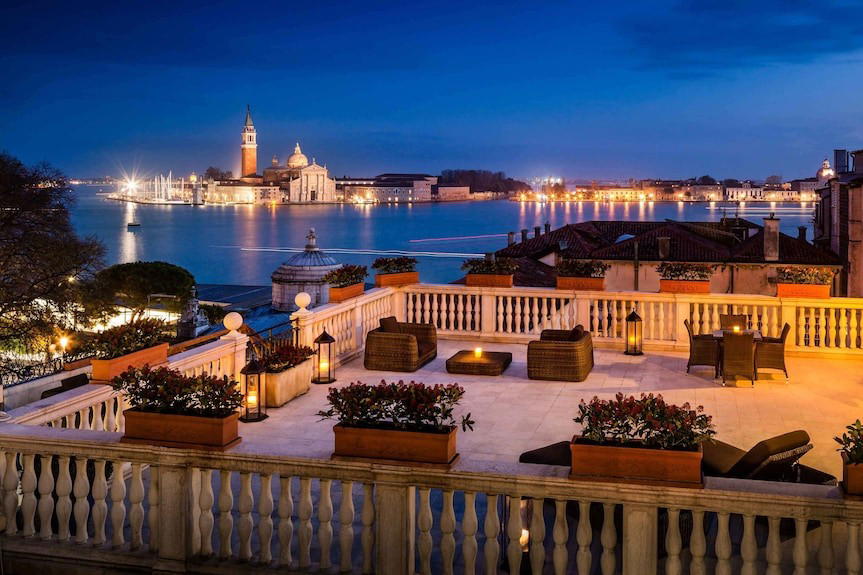
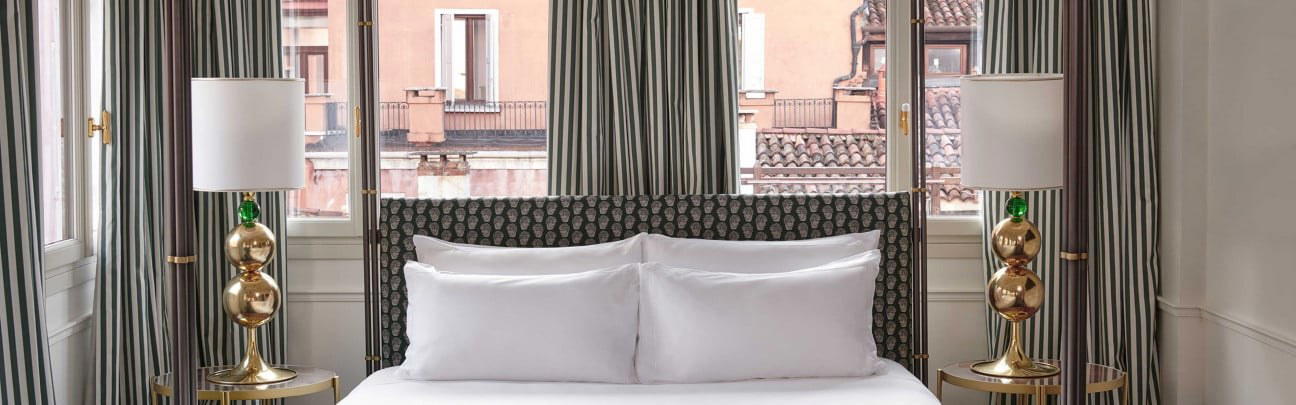
Elegantly appointed with Dior's well-known toile de Jouy patterns on sophisticated bamboo and rattan furniture, illuminated by golden hour light over the lagoon.