Barollo

Falstaff Winery - Listed
Barollo gives Preganziol a cellar-led Veneto stop shaped by marine soils, Adriatic influence and Dolomite air rather than by the heavier clichés of Italian wine tourism. The focus is on international varieties, vineyard context and a family-run tasting format with a mineral-leaning point of view.

Pearl is the En Primeur Club membership app — saves, bookings, and concierge access live there. Same editors, same standards.
- Address
- Preganziol, Veneto, Italien
- Directions
- Get directions
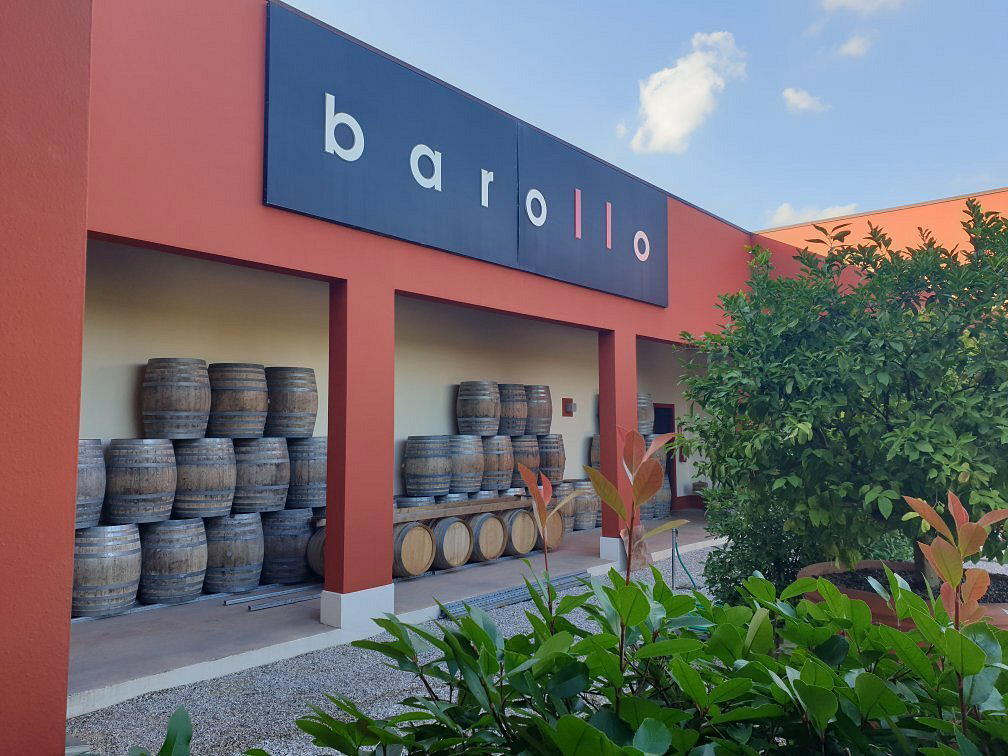
Approaching wine in Preganziol means entering a quieter Veneto register: lower-key than the postcard circuit, closer to the agricultural seam between Treviso and Venice, and defined by soils that carry a former seabed in their composition. Barollo belongs to that register. The point is not theatrical cellar design or trophy-label collecting, but a grounded reading of place: fossil material, marine sediments, limestone and clayey-marly earth, with breezes moving between the Adriatic and the Dolomites.
That geography matters because this part of Veneto can be misunderstood by travelers who arrive with either Prosecco-country expectations or Piedmont associations triggered by the name. Barollo is not a Nebbiolo house and not a Barolo detour. It is a Preganziol winery working with international varieties in a Doc Venezia context, where Chardonnay, Merlot, Pinot Noir and Cabernet Franc become a way to read the Treviso-Venice corridor rather than imitate another region’s grammar.
For broader trip planning, keep Barollo within the wine layer of the city rather than treating it as a restaurant substitute. The wider local map sits in Our full Preganziol wineries guide, while meals, aperitivo and overnight planning belong in Our full Preganziol restaurants guide, Our full Preganziol bars guide and Our full Preganziol hotels guide. Travelers building a fuller day around the area should also check Our full Preganziol experiences guide.
Marine soils give the cellar its argument
Veneto’s wine identity often gets flattened into volume, bubbles and familiar labels. Preganziol offers a different conversation: transitional climate, mineral soils and a position between mountain air and coastal influence. Barollo’s strongest editorial value is that it makes those physical conditions the frame for the tasting. The land’s former-seabed character is not decorative trivia; it explains why mineral language appears so often around the estate’s wines and why freshness, sapidity and structure matter more here than easy ripeness.
The grape choices sharpen that point. Chardonnay can show whether the site carries tension without needing aromatic excess. Cabernet Franc gives the red side a more angular lens than plush Merlot alone. Pinot Noir, always a demanding variety in warm or uneven sites, signals ambition but also restraint: it asks the vineyard to speak cleanly rather than loudly. Metodo Classico adds another technical register, useful for understanding how acidity and texture behave in this microclimate.
The estate’s SQNPI certification gives the sustainability claim an objective anchor. In Italy, integrated production is a formal system rather than a loose lifestyle phrase, and its presence here supports the broader agricultural reading of the place. For travelers, that means the visit is less about a generic tasting flight and more about how vineyard management, soil and variety intersect in a small Veneto setting.
A family-run tasting format rather than a spectacle
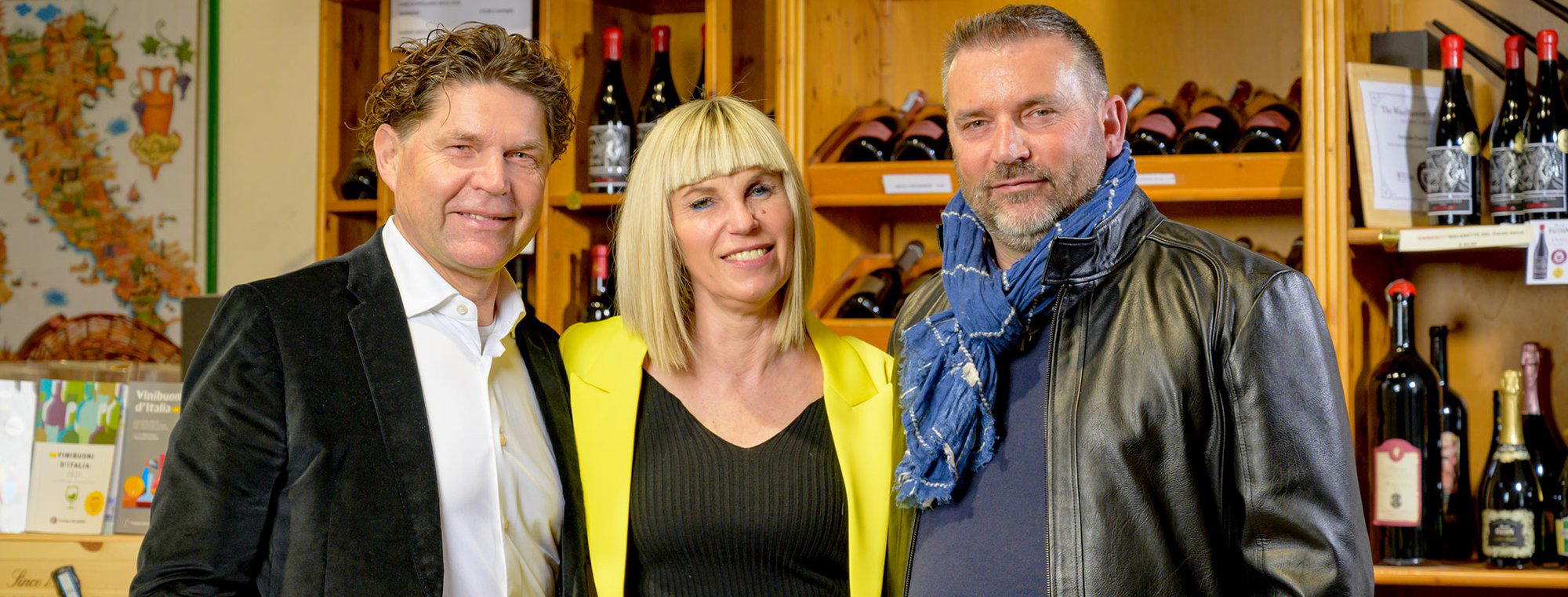
Hospitality style is informal, welcoming and cellar-focused, with the tone of a family-run producer rather than a high-volume tasting complex. That distinction matters in Veneto, where wine tourism ranges from polished group circuits to small appointments that reward attention. Barollo sits closer to the second category: vineyard and production context first, then the glass as evidence.
Two named tour formats structure the experience. Barollo 360° moves through the vineyards and winemaking areas, including the barrel cellar, before a six-wine tasting. Terre Nostre follows the same vineyard-and-cellar logic with a four-wine tasting. Both formats can be conducted in English, which makes the estate more accessible for international travelers without turning the visit into a scripted performance.
The inclusion of local products with guided tastings is a useful Veneto detail. In this region, wine rarely sits apart from the table; acidity, saltiness and texture make more sense against regional food than in isolation. The cellar’s mineral-leaning profile benefits from that context, especially for visitors trying to understand why the same grape varieties read differently here than they do in warmer, heavier interpretations elsewhere.
Barollo was established in 2002 by Marco and Nicola Barollo, a recent date by Italian wine standards but not a weakness. In younger estates, the interest often lies in how clearly they define a site before tradition hardens into formula. Here, the through-line is the decision to build a Veneto identity around international grapes, former-seabed soils and integrated viticulture rather than leaning on inherited regional shorthand.
How to place Barollo in a Veneto itinerary
Barollo works for travelers who want a compact, terroir-led stop near the Treviso-Venice axis rather than a grand estate performance. It is also a corrective for anyone who treats Veneto as a single wine idea. The region contains industrial scale, historic appellations, sparkling culture and small producers working outside the obvious tourist script; this winery belongs to the quieter end of that spectrum.
Because the format is guided and cellar-led, it suits visitors who listen for agricultural detail: soil composition, climate influence, vineyard choices and how an estate explains its varieties. It is less suited to travelers who want a walk-in bar mood or a long restaurant-style meal. Casual dress fits the setting, but the better preparation is intellectual: arrive ready to compare Chardonnay, Cabernet Franc, Merlot, Pinot Noir and Metodo Classico through the lens of place.
Those mapping Italian wineries beyond Preganziol can use Barollo as one Veneto reference point among a wider set of producer styles. Nearby and broader Italian entries include 3GP SRL in Treviso, 47 Anno Domini in Trebaseleghe, A Mano Wine in Noci, a6mani in Fragagnano, Abbadia Ardenga in Torrenieri, Abbazia di Crapolla in Neapel, Abbazia Monte Oliveto in Asciano and Abbazia Santa Anastasia in Castelbuono. For a wider European contrast, see »der Steiner« Hans Steiner in Podersdorf am See and & Handwein in Mannheim.
The critical read is simple: Barollo is strongest when treated as a terroir lesson rather than a trophy stop. Its value lies in the specificity of Preganziol, the marine-derived soil profile, the meeting of Adriatic and Dolomite influence, and a tasting structure that keeps the vineyard in view. For travelers tired of wine tourism that could happen anywhere, that specificity is the reason to pay attention.
Recognition history
Dated appearances from independent guides and award organizations, with the underlying list record or original source where available.
Falstaff Winery - Listed
Falstaff
Continue exploring
More in Preganziol
Wineries in Preganziol
Browse all →
Bars in Preganziol
Browse all →
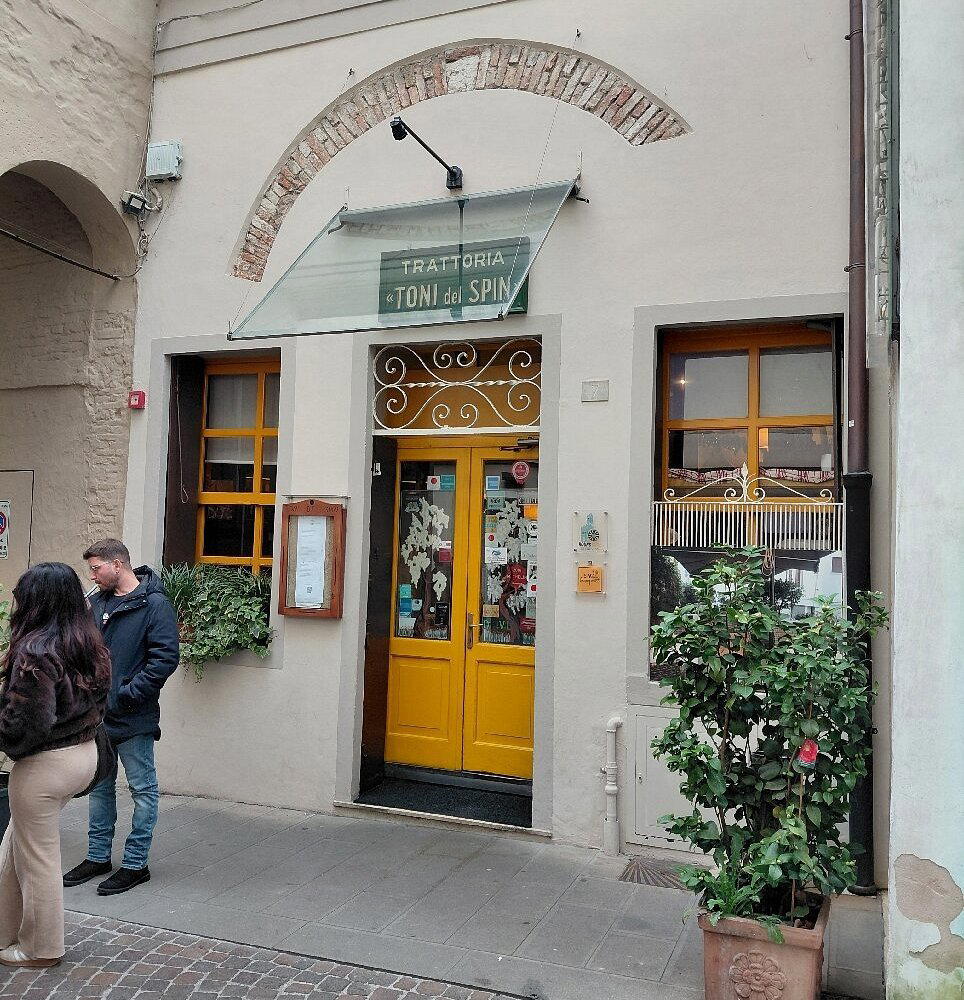
Restaurants in Preganziol
Browse all →
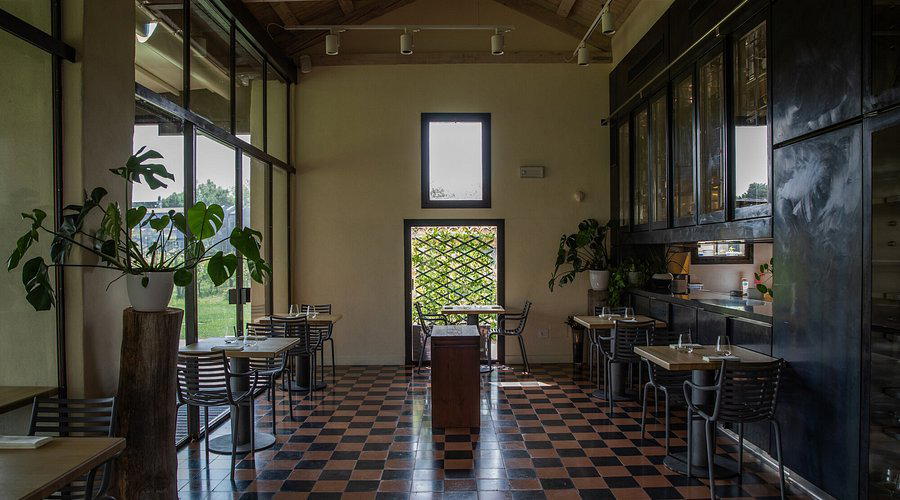
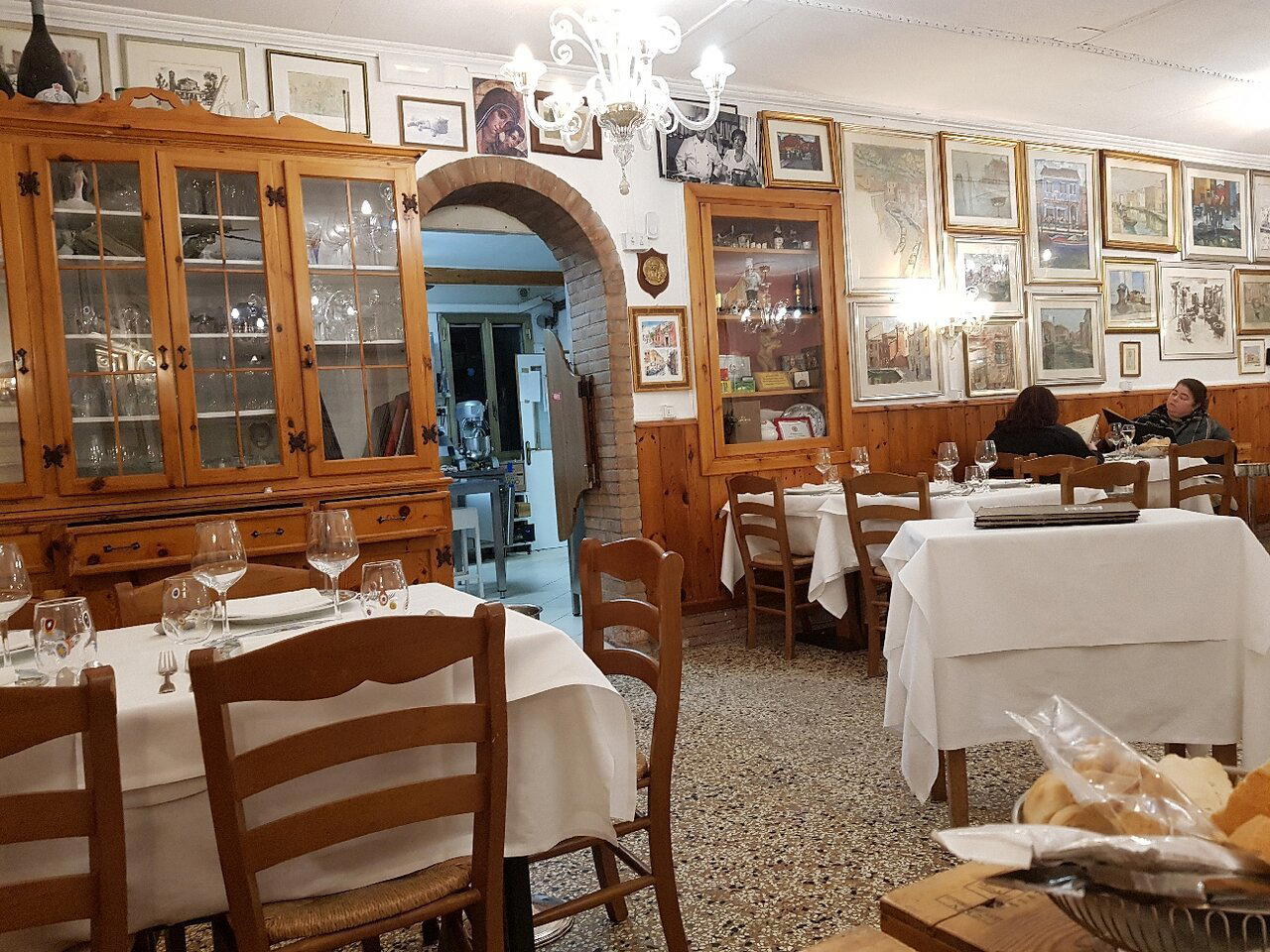
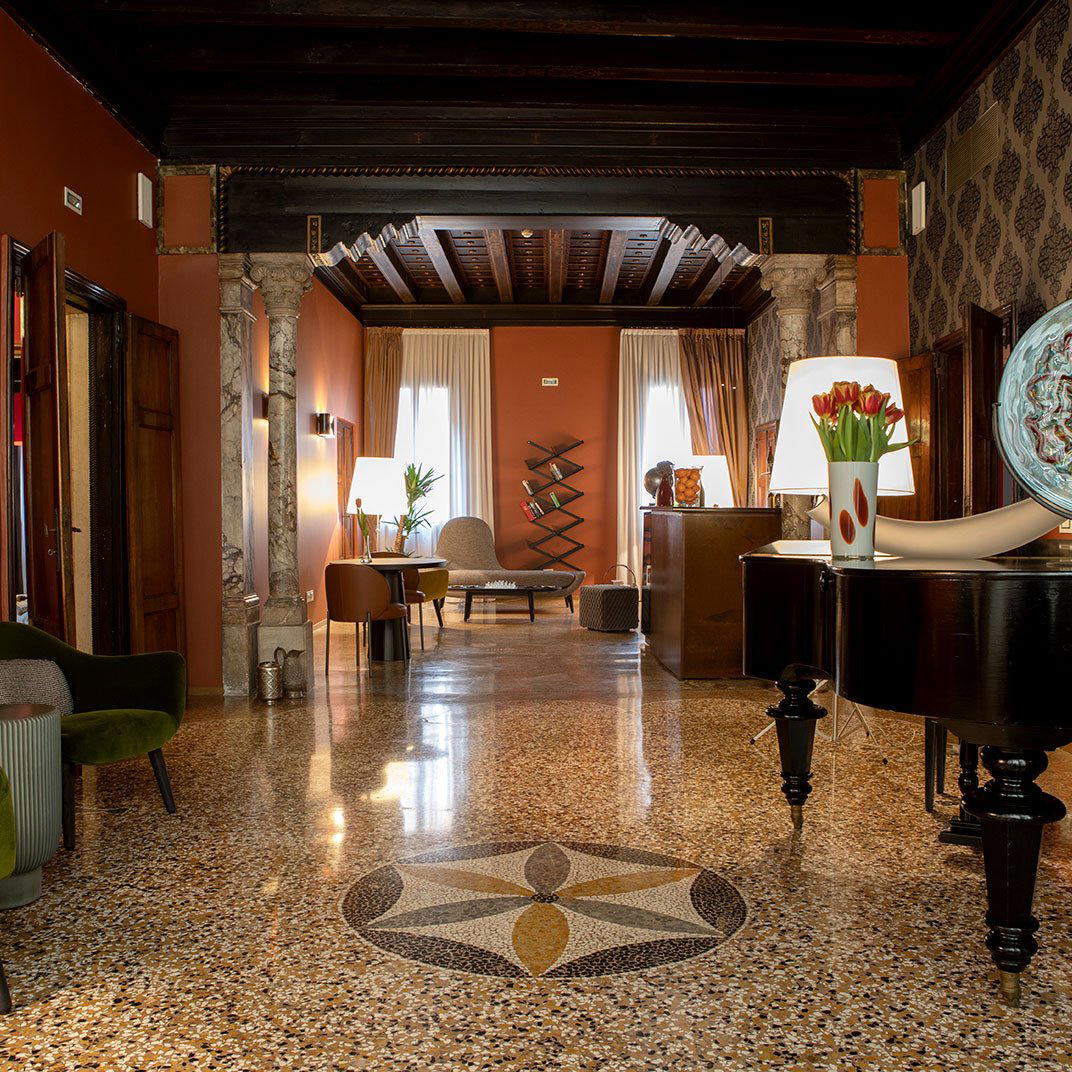
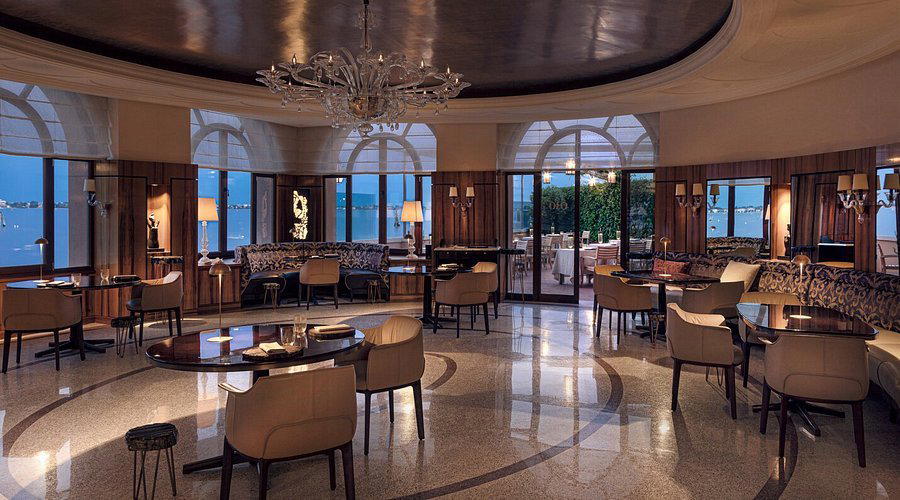
Details
- Quiet
- Rustic
- Cozy
- Wine Education
- Group Outing
- Special Occasion
- Corporate Event
- Vineyard Tour
- Estate Grounds
- Design Destination
- Private Tasting
- Sustainable
- Vineyard
- Chardonnay
- Merlot
- Pinot Noir
- Cabernet Franc
- Still White
- Still Red
- Sparkling
- Guided Tasting
- Wine Tasting With Local Products
- English
- Italian
Informal, welcoming, and mineral-leaning, with a family-run feel and a strong focus on the cellar and vineyard experience.