La Trattoria sits on Cours Soeur Amélie in Sartène, a granite hill town in southern Corsica that the French writer Prosper Mérimée once called particularly Corsican of Corsican towns. The address places it within a small cluster of restaurants serving a town where traditional cuisine and local produce remain the dominant frame. Contact details and booking information are best confirmed directly on arrival or through local inquiry.
Pearl is the En Primeur Club membership app — saves, bookings, and concierge access live there. Same editors, same standards.
- Address
- 9 Cr Soeur Amélie, 20100 Sartène, France
- Phone
- +33495278073
- Website
- fr.gaultmillau.com
- Directions
- Get directions
 Saves & bookings on Pearl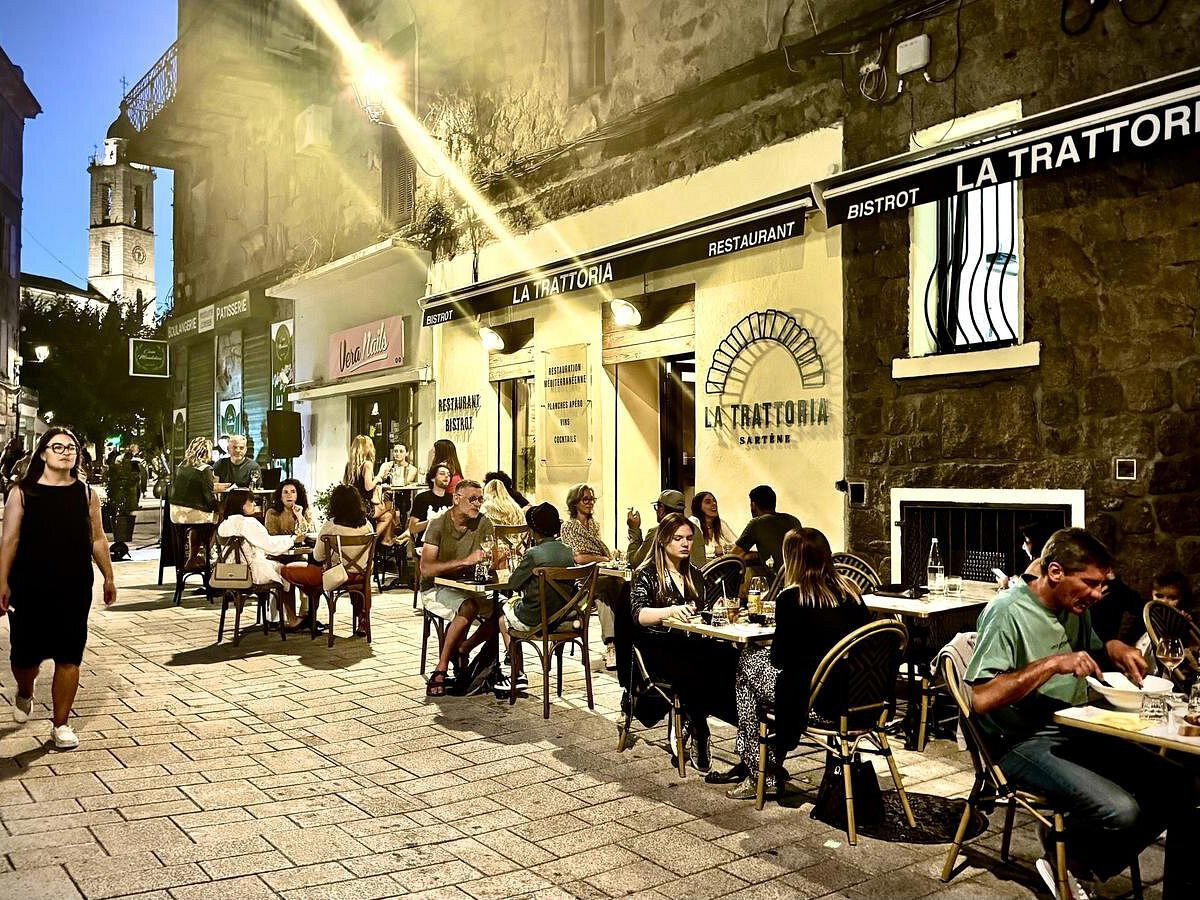
Sartène and the Tradition It Protects
Few towns in France carry their culinary identity as quietly as Sartène. Perched on a granite ridge above the Rizzanese valley in the southern Corse-du-Sud department, the town has resisted the coastal tourist pull that reshaped much of Corsica's restaurant culture from the 1980s onward. What remains is a dining scene anchored in the island's interior traditions: charcuterie cut from free-range porcu nustrale, aged brocciu cheese, chestnut flour preparations, and slow-cooked meats that reflect a pastoral economy rather than a seaside one.
The name itself signals a particular positioning. In Corsica, Italian culinary vocabulary has deep historical roots. Genoa administered the island for nearly four centuries before French sovereignty, and that legacy persists in dialect, architecture, and food culture alike. A trattoria format in Sartène reads less as an imported concept and more as a return to a shared Mediterranean baseline that predates any modern branding exercise. It is the kind of context that distinguishes Corsican restaurant culture from mainland French provincial dining, where Italian influence typically arrives as a borrowing rather than an inheritance.
Where La Trattoria Sits in Sartène's Dining Picture
Sartène's restaurant options are spread across a tight spectrum. At one end, Santu Pultru anchors the traditional cuisine tier at a €€ price point, serving the kind of honest Corsican cooking that requires little explanation. At the other end, La Table de la Plage reaches into Mediterranean territory at €€€€, signalling a different ambition and audience. Between those poles, La Table de la Grotte holds the Corsican cuisine brief at €€€, while Le Jardin de l'echauguette and La Table de la Ferme each occupy their own positions in a compact but genuinely varied local scene.
La Trattoria's price point sits at about $25 per person, which places it in a modest dining tier within the town. Cours Soeur Amélie is one of Sartène's central arteries, placing the restaurant in the town's main pedestrian orbit rather than on a rural road that would imply a destination-only model. That address suggests a venue calibrated for the town itself as much as for passing visitors.
For a broader sense of the Sartène restaurant scene, the town's options reward some advance research, particularly in summer when Corsica's interior towns draw visitors willing to move beyond the coastal resort circuit.
Corsican Cuisine as a Cultural Argument
Understanding what a restaurant in Sartène is actually doing requires some grounding in what Corsican cuisine means as a category. It is not a regional variation on Provençal cooking, despite the geographical proximity to the French mainland. The island's food culture developed under different agricultural conditions, different trade networks, and a different colonial history. Chestnut cultivation, for instance, shaped the interior diet for centuries, producing flour-based preparations that have no direct equivalent on the mainland. The island's pig breeds and curing traditions produced charcuterie styles, particularly figatellu and lonzu, that sit alongside but remain distinct from Italian and Iberian equivalents.
This means that a restaurant in Sartène operating within or adjacent to that tradition is making an implicit argument about provenance and specificity. Compelling dining experiences in Corsica's interior towns tend to be those that can demonstrate a direct relationship with local producers, because the island's small-scale agricultural economy makes that connection possible in ways that are harder to sustain in larger French cities. At Mirazur in Menton, one of France's most decorated restaurants, the garden-to-table model requires a specific infrastructure. In Sartène, proximity to producers is structural rather than aspirational.
The Broader French Restaurant Context
France's fine dining conversation tends to concentrate on a small number of well-documented addresses: Alléno Paris au Pavillon Ledoyen, Flocons de Sel in Megève, Troisgros in Ouches, Auberge de l'Ill in Illhaeusern, Bras in Laguiole, Paul Bocuse in Collonges-au-Mont-d'Or, AM par Alexandre Mazzia in Marseille, Assiette Champenoise in Reims, and Au Crocodile in Strasbourg. These are the institutions that generate the award cycles and critical coverage that shape how France is read as a dining destination internationally.
Sartène exists at a significant remove from that conversation, and that distance is not a deficit. The town's restaurant culture operates on a different logic, where the metrics are local sourcing, seasonal fidelity, and the kind of everyday competence that keeps a community returning rather than the kind of singular ambition that attracts a destination-dining audience from overseas. Visitors arriving from cities where international comparisons like Le Bernardin or Atomix set the reference point will need to recalibrate expectations accordingly. The value proposition in Sartène is different, and for many travellers specifically seeking Corsica's interior character, that difference is precisely the point.
Planning a Visit
Sartène sits approximately 80 kilometres south of Ajaccio via the N196, a drive of around one hour depending on conditions. The town is not served by rail, and car hire from Ajaccio or Figari airports is the practical approach for most visitors. La Trattoria's address on Cours Soeur Amélie is walkable from Sartène's central Piazza della Liberta, which also serves as the town's main orientation point. The restaurant is open Monday through Saturday from 11 AM to 10 PM and closed on Sundays, so planning around those hours is direct. Summer months, particularly July and August, bring increased visitor numbers to the Corse-du-Sud interior, so arriving at off-peak hours or checking availability early in the day is a reasonable precaution.
Booking and Cost Snapshot
Comparable venues nearby, for context on price, style, and recognition.
| Venue | Cuisine | Price | Awards | Notes |
|---|---|---|---|---|
| La TrattoriaThis venue — the venue you are viewing | Sartène, Traditional Corsican Trattoria | $$ | Not listed | Not listed |
| Le Jardin de l'echauguette | Sartene, Traditional Corsican Bistro | $$$ | Not listed | Not listed |
| Santu Pultru | Sartène, Traditional Corsican Farmhouse | $$ | Michelin Plate | Not listed |
| La Table de la Ferme | Not listed | $$$$ | Not listed | Vallée de l'Ortolo, Modern Corsican Fine Dining |
| La Table de la Plage | Not listed | $$$$ | Michelin Plate | Vallée de l'Ortolo, Mediterranean Beachside Fine Dining |
| La Table de la Grotte | Vallée de l'Ortolo, Traditional Corsican | $$$$ | Michelin 1 Star | Not listed |

At a Glance
- Lively
- Rustic
- Cozy
- Family
- Group Dining
- Casual Hangout
- Live Music
- Standalone
- Beer Program
- Local Sourcing
Current opening hours
- Monday
- 11 AM–10 PM
- Tuesday
- 11 AM–10 PM
- Wednesday
- 11 AM–10 PM
- Thursday
- 11 AM–10 PM
- Friday
- 11 AM–10 PM
- Saturday
- 11 AM–10 PM
- Sunday
- Closed
Hours can change for holidays and private events. Last verified .
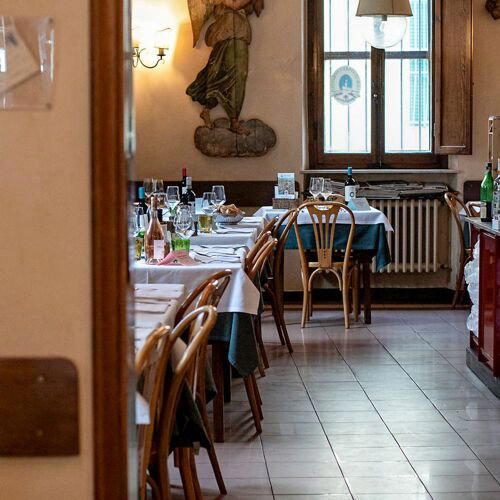
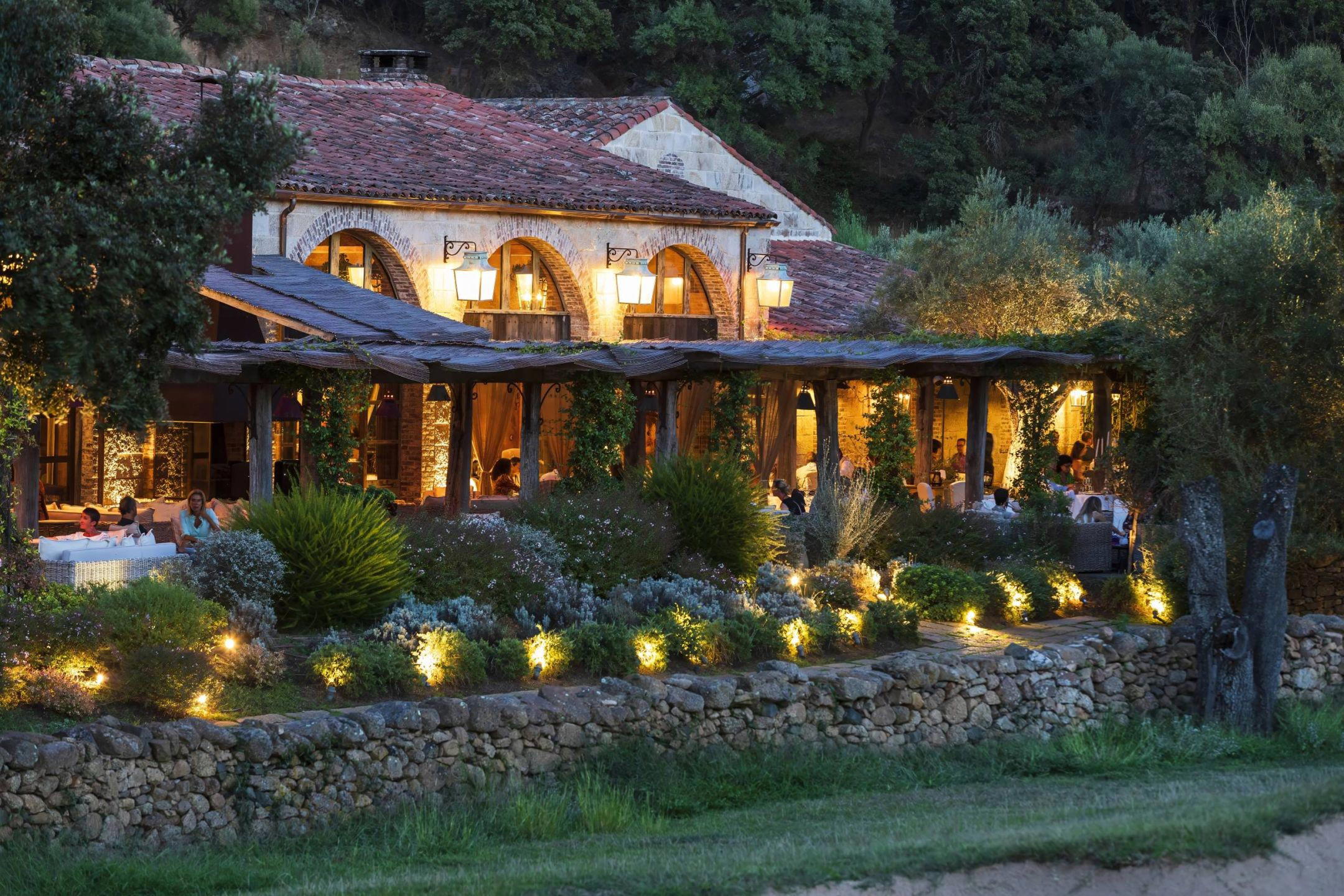
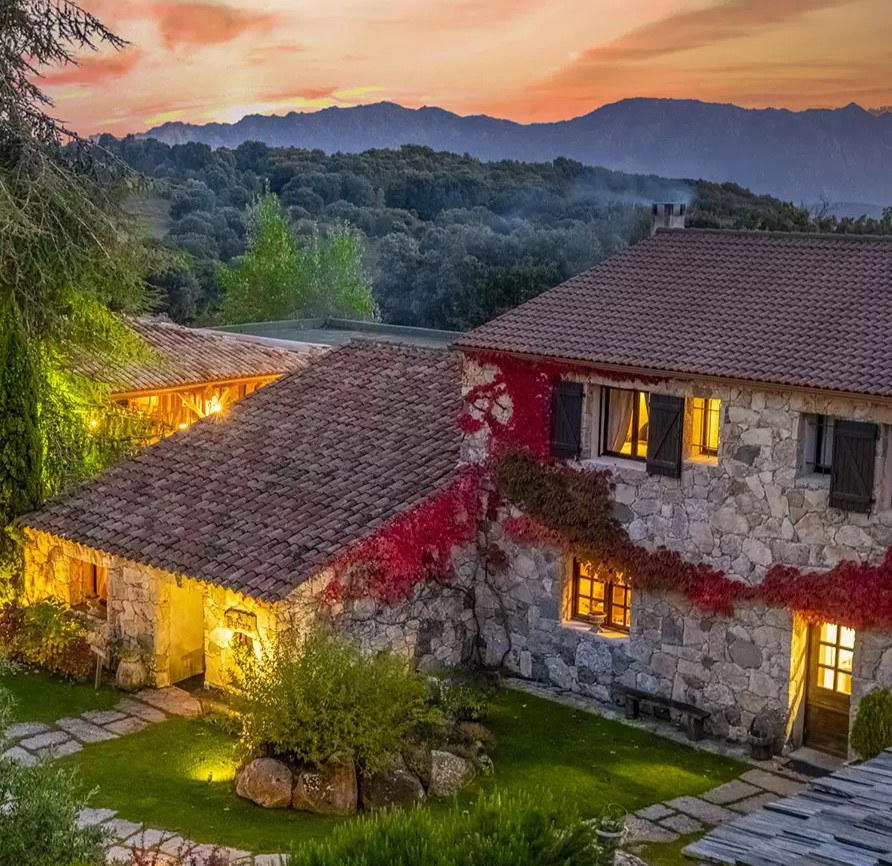
Warm and convivial with a family-oriented atmosphere; guests note that everyone smiles and the service is charming.