Our verdict
On Rue Doria in Bonifacio's historic haute ville, Stella D'Oro is one of the addresses that sets the pace for dining in this clifftop citadel. The restaurant sits within a dining scene shaped by Corsican tradition and continental ambition, where the rituals of the table matter as much as what arrives on it. Visitors planning time in the south of the island should place it alongside the town's most considered options.

Pearl is the En Primeur Club membership app — saves, bookings, and concierge access live there. Same editors, same standards.
- Address
- 7 Rue Doria, 20169 Bonifacio, France
- Phone
- +33495730363
- Directions
- Get directions
The menu
What to order
- Aubergines à la Bonifacienne
- Ravioli au Bruccio
- Moules Farcies
- Spaghetti with Lobster
- Saddle of Lamb
Dining at the Edge of the Cliff: How Bonifacio Sets the Table
Bonifacio occupies a position unlike most Corsican towns. The haute ville sits on a limestone promontory above the Strait of Bonifacio, its medieval streets narrowing to passages barely wide enough for two people to pass. On Rue Doria, one of those lanes that threads through the upper citadel, Stella D'Oro has its address. The approach matters here: you arrive on foot, through stone archways and past shuttered facades, which means that by the time you are seated, the pace of the town has already begun to reset your expectations about how a meal should unfold.
That physical context is not incidental. Bonifacio's restaurant culture has always been shaped by its geography. It draws visitors from the Italian mainland as readily as from metropolitan France, and the dining sensibility reflects both. Corsican cooking traditions, with their emphasis on charcuterie, brocciu cheese, chestnut preparations, and simply treated local fish, sit alongside more continental approaches. The town's better tables tend to hold that tension productively rather than resolving it in favour of one or the other.
The Ritual of the Meal in the Haute Ville
Across the dining tier that Stella D'Oro inhabits, the structure of a meal in Bonifacio follows a recognisable rhythm. Lunch in the upper town tends toward the leisurely: a long opening act of Corsican aperitivo or local wine before the menu proper begins. Dinner extends further, particularly in high summer when the light over the strait holds until well past nine. The expectation at addresses in this part of the city is that a table is taken for the duration, not turned.
That pacing is a form of hospitality with deep roots in island culture. Corsican meals have traditionally been communal and unhurried, structured around the table as a social institution rather than a transaction. The leading restaurants in the haute ville work within that tradition even when their cooking draws on broader French or Italian influences. Da Passano, which occupies the Corsican end of the spectrum, makes that tradition explicit in its format. Finestra by Italo Bassi and D'Amore by Italo Bassi move it toward a more Italian-inflected formal register, sitting at the €€€€ and €€€ tiers respectively and pricing against continental peers rather than local benchmarks.
Stella D'Oro's position within that field places it among addresses where the ceremony of service and the sequencing of courses are treated as part of the offer, not as incidental to it. In a town where the top end of the dining tier is genuinely competitive, that commitment to the meal as a ritual rather than a transaction is one of the clearer differentiators between a table that earns return visits and one that serves a single tourist season.
Corsican Dining Traditions and What They Ask of the Guest
Understanding how to sit at a Corsican table is useful preparation. The island's dining culture expects engagement from both sides: the kitchen sends dishes at its own pace, and the guest is expected to follow rather than dictate. Courses may arrive in a sequence that reflects the kitchen's judgment about what is ready and what will eat leading in succession, rather than conforming to a rigid formal structure. Wine is usually local where the list allows for it, and the Nielluccio and Vermentino of the island's appellations, particularly from the Patrimonio and Ajaccio zones, appear across Bonifacio's more considered lists.
For visitors arriving from the French mainland's more codified fine dining culture, this can feel like a loosening of formality rather than its absence. The comparison with the structured rituals of houses like Alléno Paris au Pavillon Ledoyen or the mountain precision of Flocons de Sel in Megève is instructive: those addresses operate in an explicitly codified register where every beat of service is choreographed. Bonifacio's better tables, including those competing in the same general tier as Stella D'Oro, tend toward a warmer, less scripted version of the same underlying respect for the guest's time at the table. The coastal Mediterranean parallel is perhaps closer: Mirazur in Menton has shown that a Mediterranean sensibility and serious culinary ambition can coexist without the rigidity of Parisian formality.
Placing Stella D'Oro in Bonifacio's Dining Field
Bonifacio's dining scene in the haute ville is small enough that each address occupies a reasonably distinct position. Aria Nova and Ciccio each bring their own angle to the upper town's offer. Stella D'Oro on Rue Doria sits within that cluster and draws visitors looking for a meal that reflects the character of the place rather than generic Mediterranean restaurant logic.
The address on Rue Doria is worth noting for planning purposes. The upper citadel is not accessible by car from all directions, and arriving in high season without a clear sense of the street layout adds unnecessary friction to the beginning of the evening. The town's peak months run from late June through August, when tables across the haute ville are at their most contested. Visiting in May, early June, or September changes the experience materially: fewer covers to compete with, cooler evenings on the terrace if there is one, and kitchen teams that are fully settled into service rather than managing the controlled chaos of August.
For a broader picture of where Stella D'Oro sits within the full range of options in the town, our full Bonifacio restaurants guide maps the field across price tiers and cuisine types. Those interested in how the south of France's coastal dining compares to higher-profile addresses might also look at AM par Alexandre Mazzia in Marseille for a sense of what the Mediterranean's more technically ambitious end currently looks like, or at Assiette Champenoise in Reims and Au Crocodile in Strasbourg for the contrast with France's more landlocked fine dining traditions. The depth of the French dining archive, from Troisgros - Le Bois sans Feuilles and Bras in Laguiole to the historical weight of Paul Bocuse - L'Auberge du Pont de Collonges and the Alsatian continuity of Auberge de l'Ill, makes clear how much regional character shapes what a serious meal looks like in each corner of the country. Corsica operates by its own rules, and Bonifacio's leading tables, Stella D'Oro among them, reflect that.
Planning Your Visit
Rue Doria sits within the walled upper city. Reaching it on foot from the lower harbour takes roughly ten to fifteen minutes depending on your route through the citadel. Reservations should be made directly through the restaurant; specific contact details are best confirmed through the town's current listings, as seasonal operations in Bonifacio sometimes adjust their booking channels year to year.
Frequently asked questions
Is Stella D'Oro good for families?
Bonifacio's haute ville restaurants, including Stella D'Oro on Rue Doria, operate within a neighbourhood defined by pedestrian lanes and terrace seating. The pace of the upper town is unhurried, which suits families travelling with children who can manage the walk up from the lower harbour. Confirming table configuration and seating options directly with the venue before visiting is advisable.
Is Stella D'Oro formal or casual?
Stella D'Oro sits within Bonifacio's haute ville dining tier, where the tone across the walled upper city leans toward relaxed rather than ceremonial. Corsican restaurants at this level tend to prioritise the quality of what arrives on the table over dress-code formality. Comfortable but considered clothing is a reasonable baseline for lunch or dinner in the old town.
What kind of dining experience does Stella D'Oro offer in Bonifacio's old town?
Stella D'Oro occupies a position on Rue Doria inside Bonifacio's medieval walled city, placing it within a small field of upper-town addresses that collectively define where serious eating happens above the harbour. The haute ville's limestone streets and clifftop setting shape the context of the meal as much as the kitchen does. For visitors based in or passing through Bonifacio, it represents a fixed address within the old city's dining circuit rather than a detour from it.
What's the signature dish at Stella D'Oro?
Corsican kitchens in Bonifacio's upper town typically draw on charcuterie, slow-cooked meats, and seafood from the surrounding strait, though what Stella D'Oro puts on the plate is best confirmed by contacting the restaurant or checking the address at 7 Rue Doria directly.
Where is Stella D'Oro in Bonifacio?
Stella D'Oro is located at 7 Rue Doria, 20169 Bonifacio, France, Bonifacio.
How far ahead should I plan for Stella D'Oro?
Bonifacio's haute ville dining options are limited by the town's geography and the walled city's compact scale, which concentrates demand across a small number of addresses. In peak Corsican summer months, tables in the upper town fill quickly. Reaching out to Stella D'Oro at 7 Rue Doria well in advance of a July or August visit is a practical precaution.
Cuisine and Awards Snapshot
Comparable venues nearby, for context on price, style, and recognition.
| Venue | Cuisine | Price | Awards | Notes |
|---|---|---|---|---|
| Stella D'OroThis venue — the venue you are viewing | Traditional Corsican | $50–100 | Not listed | Not listed |
| L'Archivolto | Authentic Corsican Mediterranean | $30–50 | Not listed | Upper Town Citadel |
| Le Voilier | Modern Mediterranean Seafood | $100–150 | Michelin Plate | Port de plaisance |
| Aria Nova | Modern Corsican Fine Dining | $50–100 | Not listed | Upper Town |
| L'An Faim | Modern Corsican-French Bistro | $50–100 | Michelin Plate | Citadella |
| Ciccio | Traditional Corsican Bistro | $20–30 | Not listed | Citadel |
Continue exploring
More in Bonifacio
Restaurants in Bonifacio
Browse all →
Bars in Bonifacio
Browse all →
Hotels in Bonifacio
Browse all →

Details
- Rustic
- Cozy
- Intimate
- Classic
- Date Night
- Family
- Group Dining
- Special Occasion
- Historic Building
- Standalone
- Local Sourcing
- A La Carte
- Vegetarian Friendly
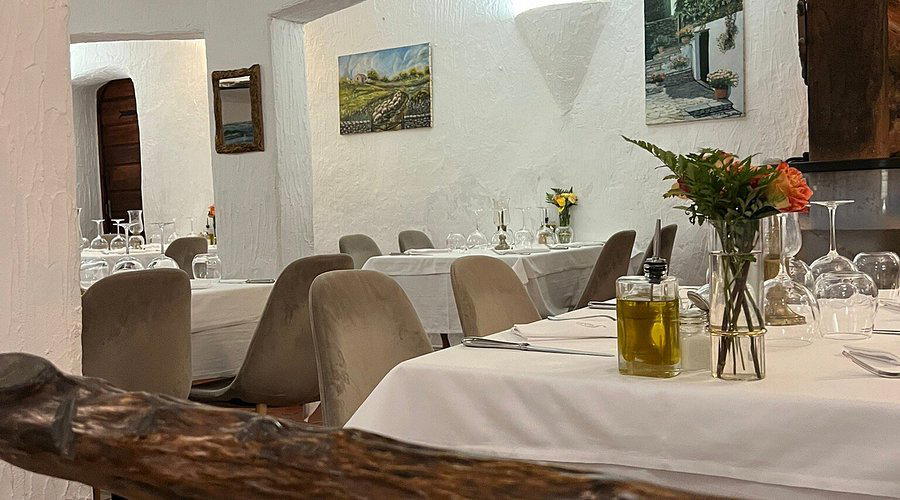
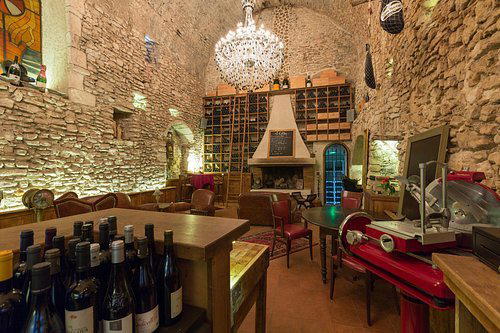
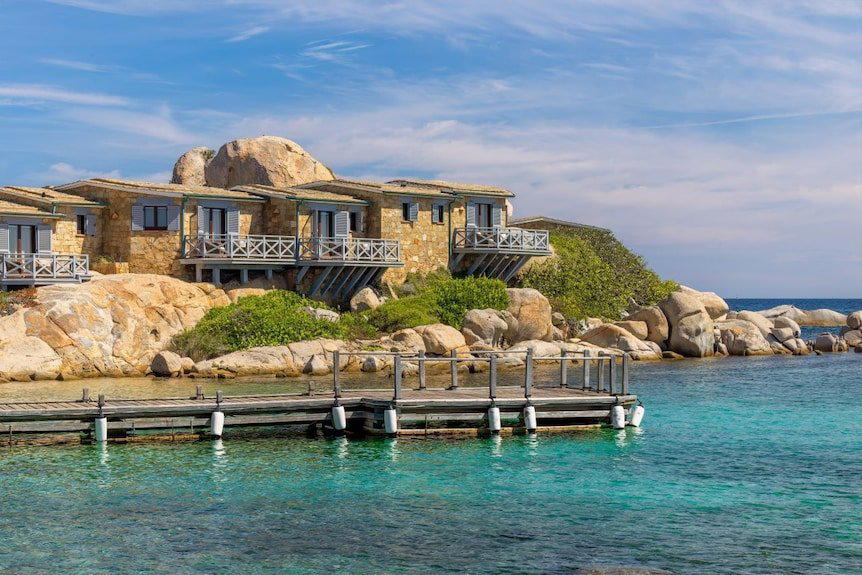
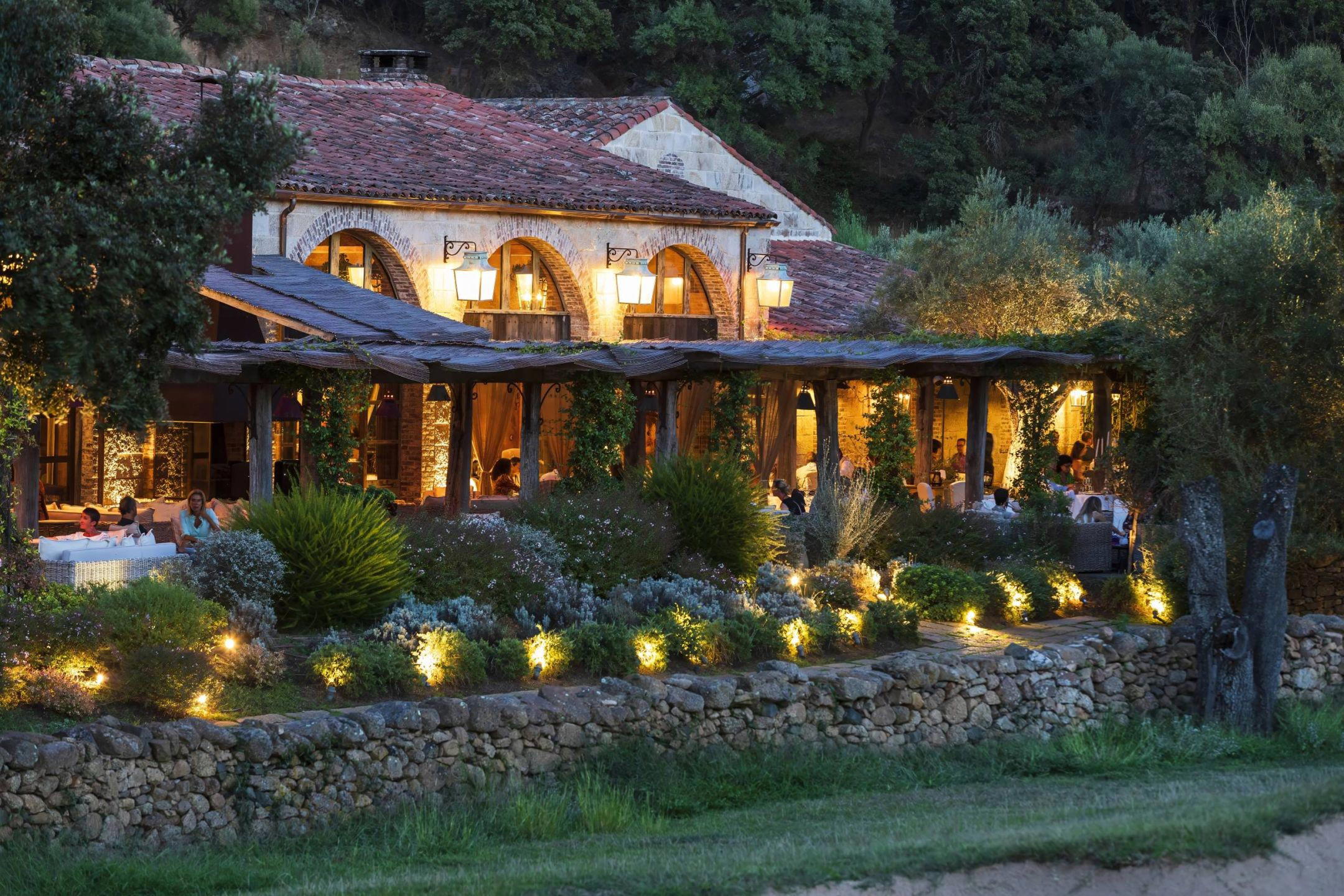
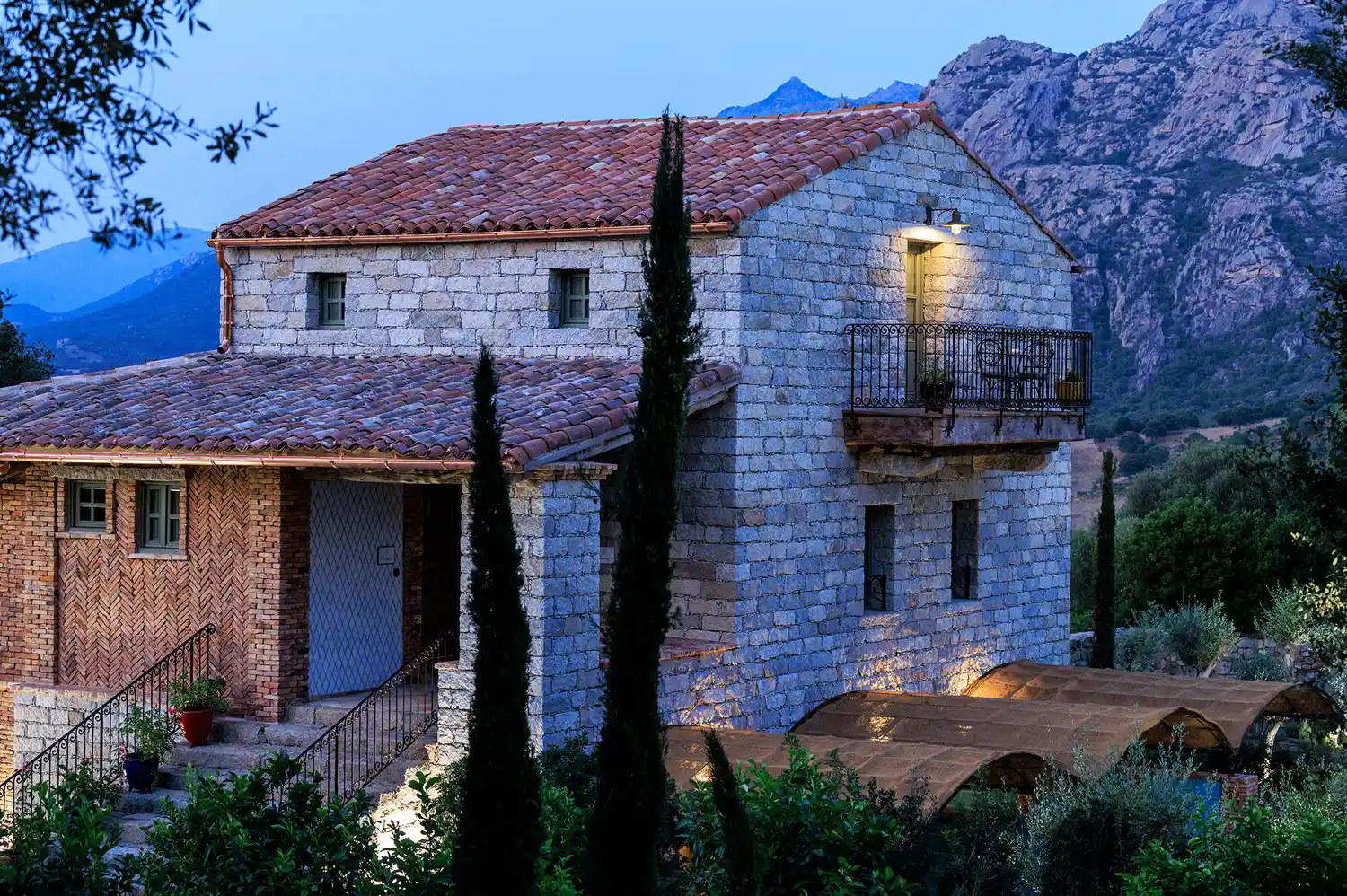
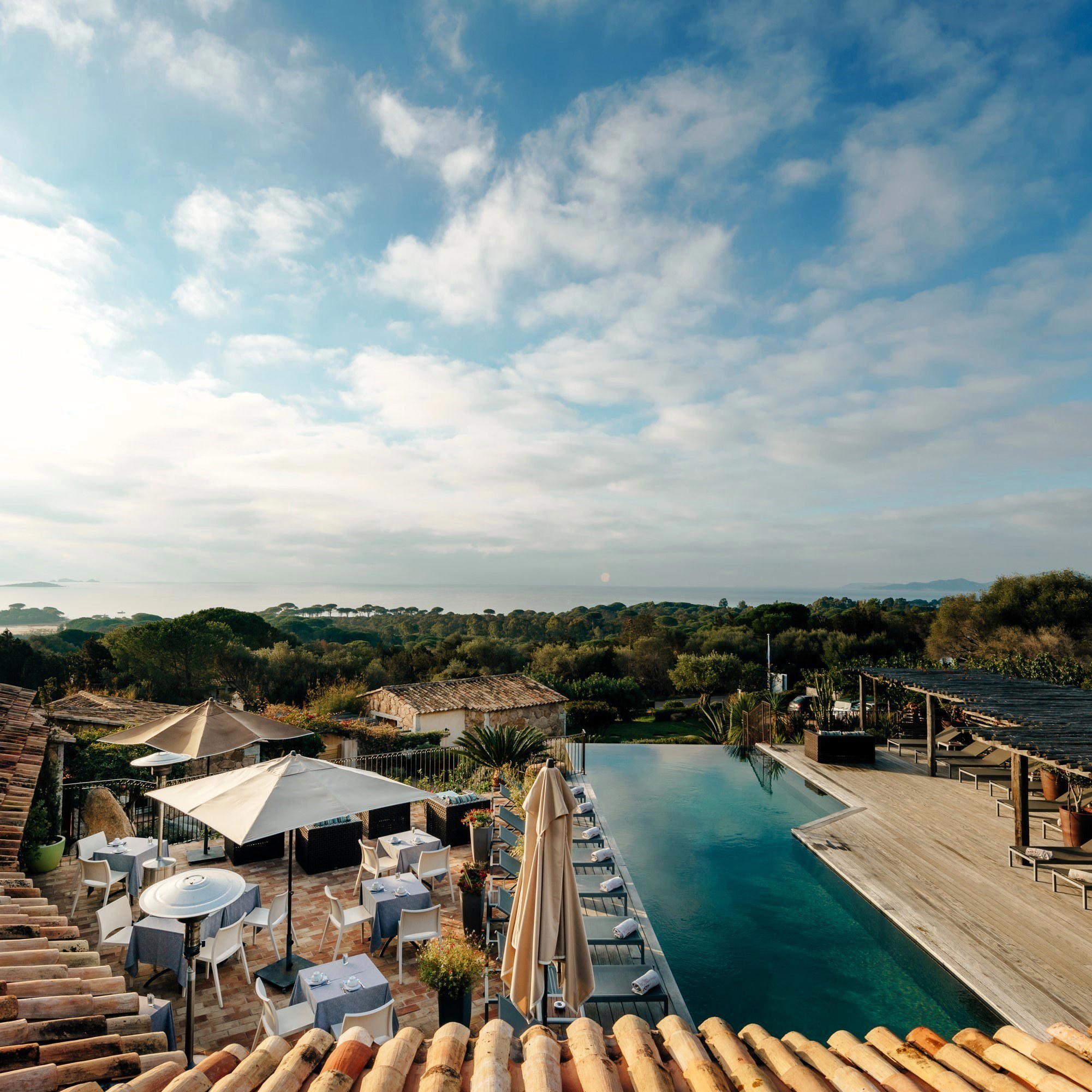
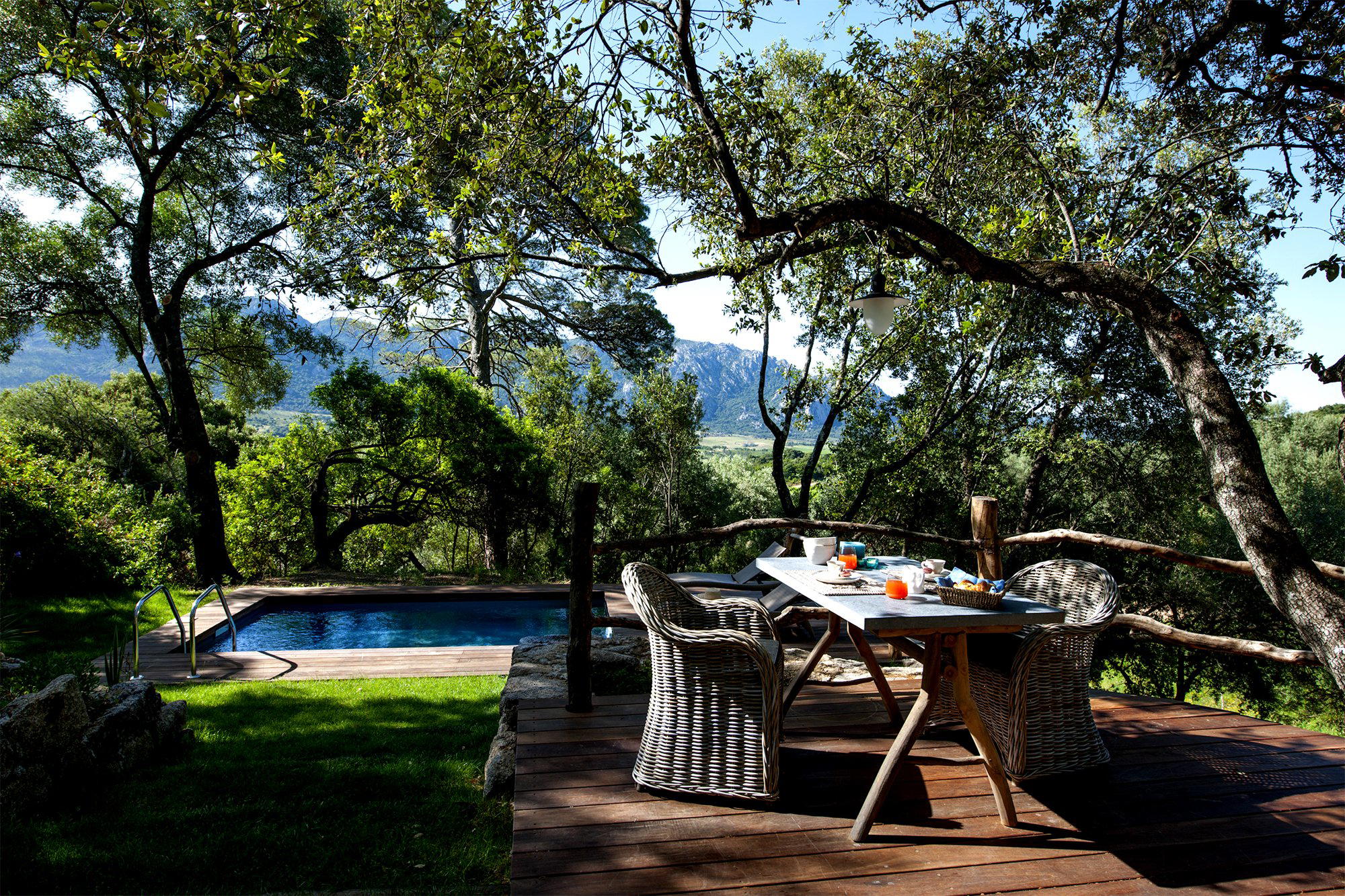
Warm, family-oriented atmosphere with rustic charm and original historic decor; intimate setting that evokes traditional Corsican hospitality.