Osteria Ai Barnabiti occupies a position on Piazza Garibaldi in central Udine, placing it within the city's established tradition of market-square dining that draws on Friulian ingredients and northern Italian osteria culture. The address puts it steps from the civic heart of a city that sits at the crossroads of Italian, Slovenian, and Austrian culinary influence, a geography that shapes what ends up on the plate across the neighbourhood.
Pearl is the En Primeur Club membership app — saves, bookings, and concierge access live there. Same editors, same standards.
- Address
- P.za Garibaldi, 3/A, 33100 Udine UD, Italy
- Phone
- +393943225150
- Directions
- Get directions
 Saves & bookings on Pearl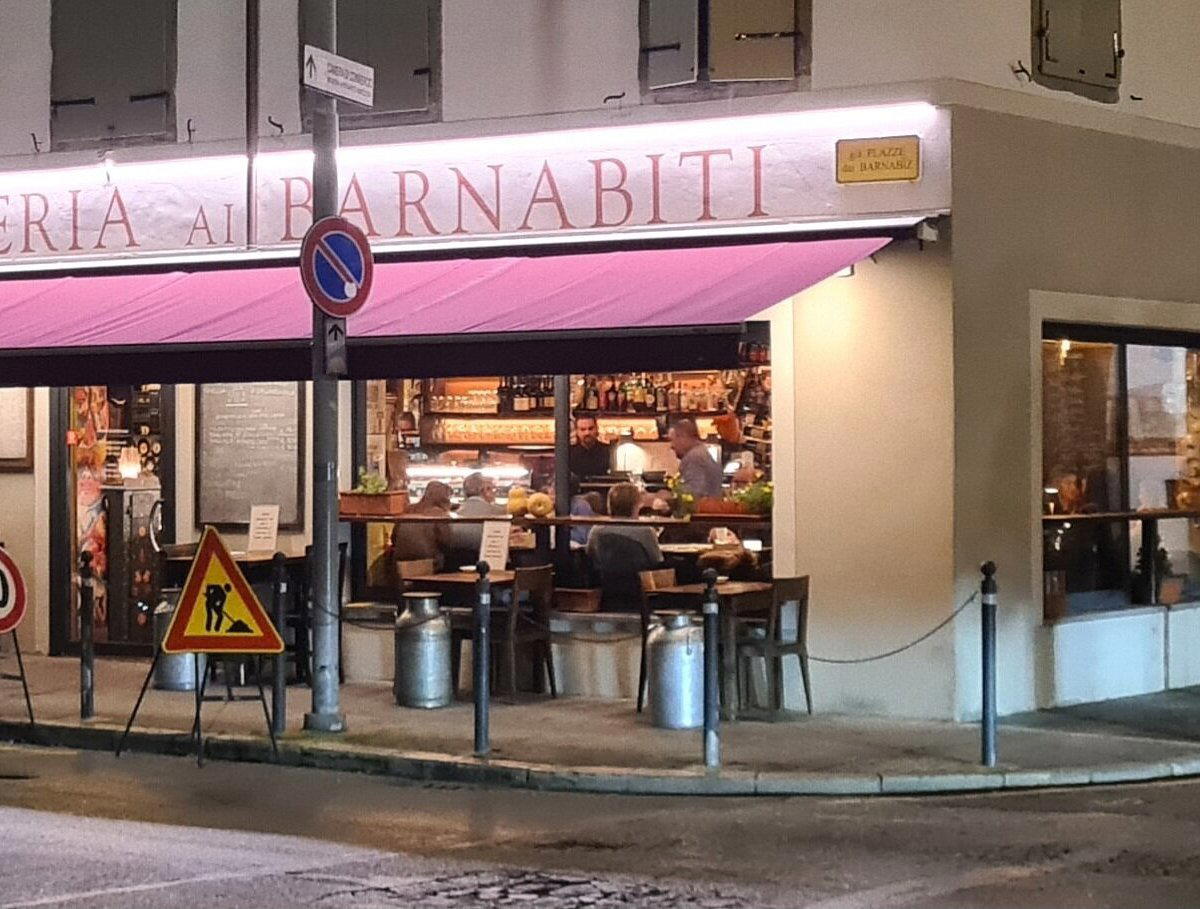
Piazza Garibaldi and the Osteria Tradition It Sustains
There is a particular kind of Italian dining room that the word osteria once described precisely: a place where wine came first, food followed, and the two were never quite separable from the company at the next table. Over the past two decades, the term has been stretched to cover everything from gastropubs to Michelin-adjacent tasting menus, but in Friuli Venezia Giulia, it retains more of its original meaning than almost anywhere else in Italy. Udine sits at the centre of this survival. The city's piazzas have hosted osterie in the older sense for centuries, and Piazza Garibaldi, one of the city's main civic squares, remains a working address for that tradition rather than a monument to it.
Osteria Ai Barnabiti is located at Piazza Garibaldi 3/A, a position that places it within the pedestrian rhythm of central Udine rather than in a peripheral neighbourhood discovered by out-of-towners. This matters because the Friulian osteria, at its most functional, is a place that serves the city it occupies: not a tourist format, not a destination concept, but a room that earns its regulars through consistency and honest calibration of what it does. Compare that to the institutional weight carried by venues like Osteria Francescana in Modena or the architectural ambition of Le Calandre in Rubano, and you understand how wide a range the Italian dining tradition spans, from three-Michelin-star monuments to square-facing rooms where the wine list is shorter than the conversation.
Friuli Venezia Giulia at the Table
Friuli Venezia Giulia is geographically and gastronomically distinct from the Italy that most international visitors carry in their heads. The region shares borders with Slovenia and Austria, and centuries of Habsburg administration left a culinary imprint that has never fully washed out. Smoked meats, barley soups, and brovada, fermented turnips braised with pork, sit alongside the more familiar northern Italian repertoire of risotto and grilled meats. The wines, particularly whites from Collio and Friuli Colli Orientali, carry an acidity and mineral precision that reflects the karst and moraine soils of the eastern reaches.
An osteria on Piazza Garibaldi, by geography alone, should be reading from this tradition. The crossroads character of Udine means that even a modest room has access to a larder that includes San Daniele prosciutto (produced roughly thirty kilometres to the west), montasio cheese from the alpine foothills, and river fish from the Tagliamento basin. How a kitchen interprets that supply is the story of the place. Across Udine, you find the same raw materials in different registers: Al Vecchio Stallo represents one mode of Friulian trattoria culture, while Alla Ghiacciaia and Ai Frati occupy their own positions in the city's mid-range dining tier. 1905 and Al Contadino extend the range further, together forming a city-level comparable set worth reading as a whole rather than in isolation.
Where Ai Barnabiti Sits in Udine's Dining Order
Udine does not have the density of recognised fine-dining addresses that cities like Milan or Florence carry. The region's higher-end culinary ambition is more likely to be found at altitude, in venues like Atelier Moessmer Norbert Niederkofler in Brunico, than in the Friulian capital itself. That creates a different kind of dining ecology in Udine: one where mid-market osterie and trattorie absorb the attention that in other cities would split between multiple tiers. Ai Barnabiti's Piazza Garibaldi address places it in the visible civic tier of that ecology, not tucked into a residential backstreet but on a square that local residents cross regularly.
Within that tier, the comparison set matters. Hostaria alla Tavernetta operates in the regional cuisine bracket at a price point comparable to Udine's established osterie. Vitello d'Oro pitches slightly higher with a seafood-forward identity and an €€€ positioning. Ai Barnabiti's spot on the piazza suggests a room calibrated for the lunch or early dinner habits of the city rather than a destination format built around long tasting menus. For readers building a serious itinerary around the Italian northeast, the broader EP Club Udine restaurants guide maps the city's options with more precision than any single address can.
The Friulian Osteria as Dining Format
The osteria format, when it functions correctly, compresses several decisions that tasting-menu restaurants spread over hours into a simpler sequence: a glass of local white, a board of cured meat, a pasta, a secondo if the room allows for it. The format works because it assumes that the wine and the food are both regional, that the kitchen is not attempting to reinterpret them, and that the job of the room is to get out of the way of a conversation. This is a markedly different operating logic from, say, Enoteca Pinchiorri in Florence or Enrico Bartolini in Milan, where the architecture of the meal is itself the point. Neither approach is superior; they answer different questions about what a restaurant is for.
At the international end of the same spectrum, Le Bernardin in New York City and Atomix in New York City represent the format where every element of the meal is a deliberate signal. Venues like Dal Pescatore in Runate, Uliassi in Senigallia, Quattro Passi in Marina del Cantone, Piazza Duomo in Alba, and Reale in Castel di Sangro demonstrate the range within Italy's own fine-dining tier. Understanding where a Piazza Garibaldi osteria sits relative to that national spread is useful precisely because it clarifies expectations: this is a room for Friulian food in a Friulian context, not a room competing with the Italian fine-dining circuit.
Planning a Visit
Ai Barnabiti's central Piazza Garibaldi address means arrival on foot from Udine's historic centre is the obvious approach; the square is within the pedestrian zone that defines the navigable heart of the city. Contacting the venue directly before visiting is advisable, particularly for weekend lunches when piazza-facing rooms in Italian cities tend to fill with locals rather than overnight guests. Dress expectations at an osteria of this type are almost always informal, though the civic square setting means that the midday crowd will generally lean toward the put-together end of casual.
Cost and Credentials
Comparable venues nearby, for context on price, style, and recognition.
| Venue | Cuisine | Price | Notes |
|---|---|---|---|
| Osteria Ai BarnabitiThis venue — the venue you are viewing | Centro, Traditional Friulian Osteria | $$ | Not listed |
| Al Contadino | Not listed | $$ | :null, Traditional Friulian Trattoria |
| Ai Frati | Not listed | $$$ | Historic Center, Traditional Friulian Trattoria |
| 1905 | Not listed | $$$$ | Viale Tricesimo, Modern Friulian Fine Dining |
| Astoria Italia | centro storico, Regional Italian | $$ | Not listed |
| Alla Ghiacciaia | Not listed | $$ | city center, Traditional Friulian Osteria |
Continue exploring
More in Udine
Restaurants in Udine
Browse all →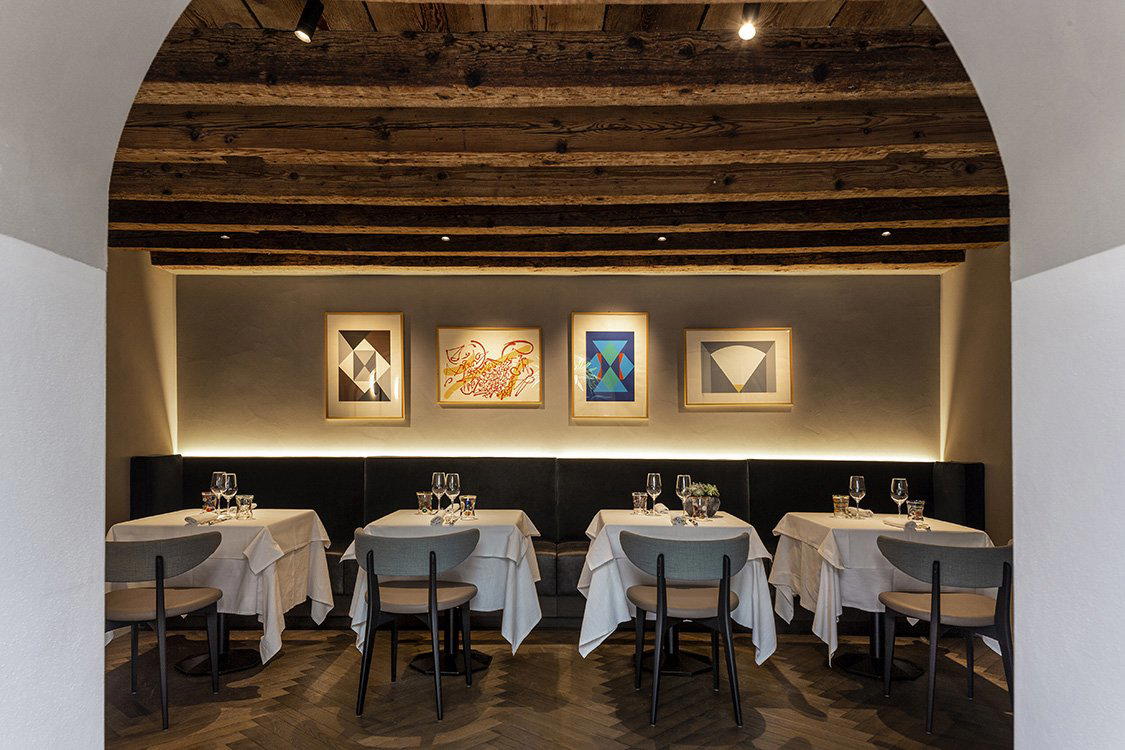
Bars in Udine
Browse all →
Hotels in Udine
Browse all →
At a Glance
- Cozy
- Rustic
- Classic
- Intimate
- Casual Hangout
- Date Night
- Historic Building
- Wine Cellar
- Extensive Wine List
- Local Sourcing
Current opening hours
- Monday
- 10 AM–3 PM, 5:30–11 PM
- Tuesday
- 10 AM–3 PM, 5:30–11 PM
- Wednesday
- 10 AM–3 PM, 5:30–11 PM
- Thursday
- 10 AM–3 PM, 5:30–11 PM
- Friday
- 10 AM–3 PM, 6 PM–12 AM
- Saturday
- 11 AM–3 PM, 5:30 PM–12 AM
- Sunday
- Closed
Hours can change for holidays and private events. Last verified .
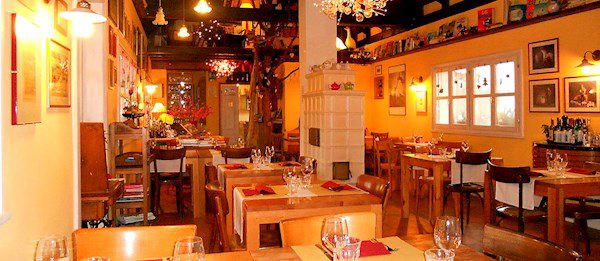
Cozy and inviting with rustic wooden beams, vintage rural charm, and warm atmosphere.