Google: 4.6 · 1,011 reviews
.png)
Operating from a narrow alleyway beside Bressanone's Duomo since the late 19th century, Oste Scuro - Finsterwirt is among the oldest continuously run restaurants in the Eisacktal valley. The Mayr family kitchen draws on South Tyrolean tradition, with Michelin Plate recognition in both 2024 and 2025, a menu that spans regional and Mediterranean registers, and a summer terrace that makes the most of the cathedral quarter's medieval geometry.
 Discover on Pearl
Pearl is the En Primeur Club membership app — saves, bookings, and concierge access live there. Same editors, same standards.
A Lane, a Cathedral, and a Century of Regional Cooking
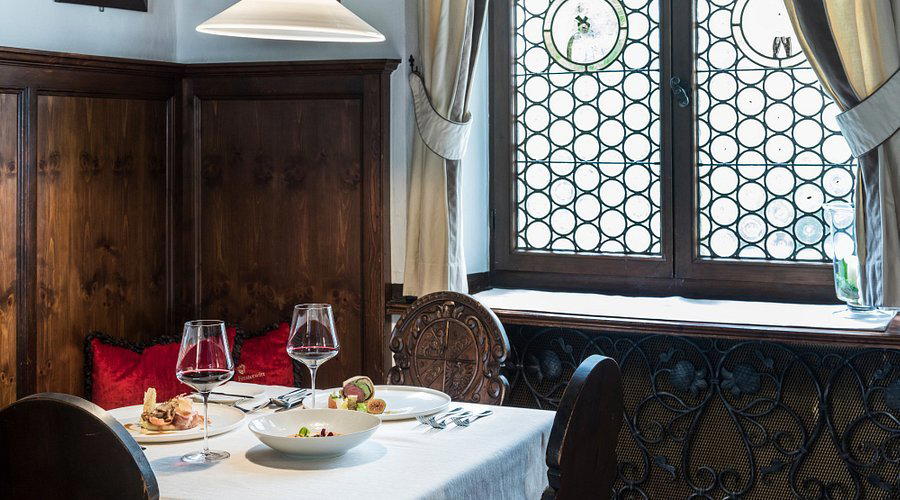
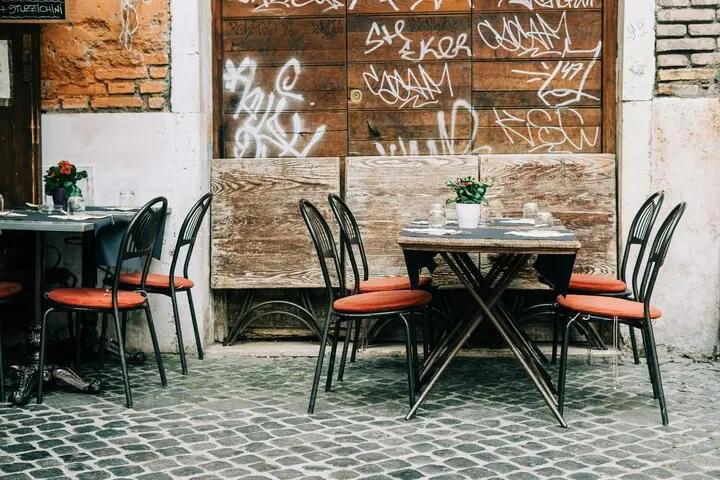
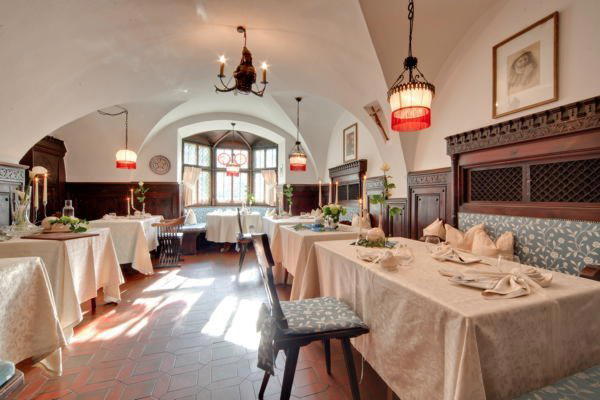
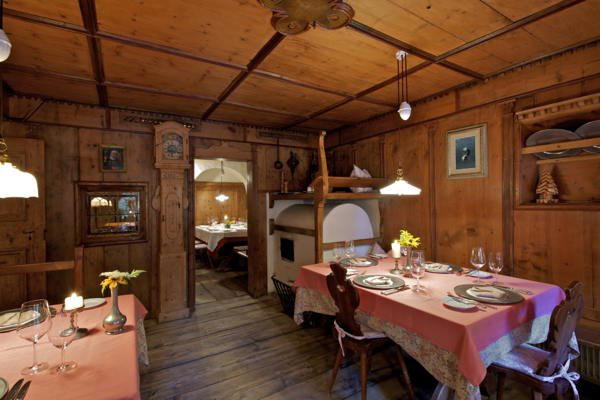
Bressanone's Vicolo del Duomo is the kind of side street that slows foot traffic to a standstill: a narrow passage in the cathedral quarter where the medieval fabric of the old city reasserts itself against the wider pedestrian zone. It is precisely this geography that frames a meal at Oste Scuro - Finsterwirt. The building has housed the restaurant since the late 19th century, and the physical address tells you something important about how the kitchen positions itself: not as a destination extracted from context, but as a place embedded in a specific urban and culinary tradition. Dining rooms decorated in a historic style carry the weight of that continuity without tipping into pastiche, and the summer terrace, opening onto the alleyway itself, makes the cathedral quarter the backdrop rather than just the approach.
That kind of rootedness is increasingly meaningful in South Tyrol, where the premium dining conversation tends to cluster around modern Alpine tasting menus and creative reinterpretation. Oste Scuro occupies a different position: a mid-range regional table, priced at the €€ tier, where the argument is for continuity and local craft rather than reinvention. Michelin's Plate recognition in both 2024 and 2025 reflects cooking that meets the guide's standard for quality without the high-intervention ambition of a starred kitchen.
Where Oste Scuro Sits in Bressanone's Dining Picture
Brixen's restaurant options span a reasonably wide range from a price and format perspective. At the leading end, Apostelstube (Creative) operates at the €€€€ tier with a creative programme that places it firmly in the upper bracket of South Tyrolean dining. Elephant (Classic Cuisine) sits at €€€ with a classic European format. Among the regional cuisine category, Vitis operates at the €€€ tier, while Alpenrose shares both Oste Scuro's regional cuisine focus and its €€ price bracket, making these two the accessible end of a recognisable local peer set.
That positioning matters for how a visit reads. At the €€ level, Oste Scuro is not competing with starred Alpine kitchens in the region, such as Atelier Moessmer Norbert Niederkofler in Brunico, where the format and price point are structured around a very different kind of occasion. Oste Scuro instead belongs to the tradition of the serious regional restaurant: a place where the food is grounded in local produce and technique, where the menu structure accommodates different appetites and budgets through tasting menus alongside à la carte options, and where the Mayr family's long tenure provides the operational consistency that often distinguishes this category from newer arrivals.
The Menu's Two Registers
South Tyrolean regional cooking sits at a particular cultural intersection: Germanic and Italian influences share the plate, with valley-specific ingredients adding a third layer of specificity. The Eisacktal, the valley in which Bressanone sits, has a wine culture built around cool-climate whites, and the kitchen at Oste Scuro draws on that directly. The soup made with Sylvaner wine from the Isarco valley is among the dishes the restaurant's Michelin record specifically highlights, a preparation where a local white with pronounced mineral character becomes a base rather than an accompaniment. Sylvaner from the Isarco valley is produced at altitude, typically between 650 and 900 metres, which gives it an acidity and aromatic precision that translates well into a savoury context.
The Tirtl, a fried pastry stuffed with ricotta, spinach and cinnamon, is the other specifically noted dish. This kind of preparation, where a familiar filling combination acquires a distinct local identity through pastry technique and spice, is characteristic of the broader South Tyrolean tradition of adapting pan-European cooking conventions into something recognisably regional. Cinnamon in a savoury ricotta filling reads as medieval in origin, a flavour pairing that persisted in Alpine cooking long after it was displaced in Italian cuisine further south.
The menu structure offers both tasting formats and à la carte ordering, which gives Oste Scuro a practical flexibility that not all Brixen restaurants at this price point maintain. Guests can move between traditional South Tyrolean dishes and Mediterranean-register options, accommodating tables with different preferences without the kitchen having to compromise its regional identity. For those exploring the region's wine identity in more depth, our full Brixen wineries guide maps the Isarco valley producers whose bottles appear on tables like this one.
The Mayr Family and the Long-Run Restaurant
Long-run family-operated restaurant is a specific category in European dining, and South Tyrol has a higher concentration of it than most Italian regions. In the broader Italian context, this model appears at several of the country's most recognised tables: Dal Pescatore in Runate is another family-run operation with multigenerational continuity and consistent recognition. The format tends to produce a particular kind of dining experience: menus that evolve incrementally rather than dramatically, service calibrated to repeat guests as much as first-time visitors, and a physical space that accumulates character over time rather than being designed for a single aesthetic moment.
At Oste Scuro, that continuity is institutional. Operating from the same address since the late 19th century, with the Mayr family as the consistent operational force, the restaurant carries a depth of local knowledge that newer openings cannot replicate through design alone. The recently renovated Adler Historic Guesthouse, run by the same owners and offering accommodation nearby, extends this logic: the Mayr operation functions as a small hospitality cluster in the cathedral quarter rather than a standalone restaurant. For visitors using Bressanone as a base for the Eisacktal, the combination of a meal at Oste Scuro and a stay at the Adler is worth considering as a coherent package. Our full Brixen hotels guide covers the wider accommodation picture if you are comparing options.
Planning a Visit
Oste Scuro's address at Vicolo del Duomo, 3 places it within easy walking distance of Bressanone's main sights and the pedestrian centre. The summer terrace is the more atmospheric seating option when weather permits, making the cathedral quarter's medieval architecture part of the meal's physical frame. The historic interior dining rooms provide the equivalent during cooler months. The Michelin Plate across consecutive years signals consistent execution at a price point where value is part of the critical equation, and the à la carte option means a visit does not require committing to a full tasting format. For the cathedral quarter specifically, arriving in the late afternoon or early evening in summer makes the most of the terrace before the alleyway gets crowded with evening foot traffic.
For those building a broader Brixen dining itinerary, our full Brixen restaurants guide maps the range from regional tables through to creative and classic formats. The Brixen bars guide and experiences guide round out the picture for a longer stay in the Eisacktal.
For context on how regional cuisine restaurants at this tier operate across the wider Alpine arc, Fahr in Künten-Sulz and Gannerhof in Innervillgraten provide useful comparison points in the same category. Further afield, restaurants such as Enoteca Pinchiorri in Florence, Enrico Bartolini in Milan, Osteria Francescana in Modena, Quattro Passi in Marina del Cantone, and Uliassi in Senigallia represent the upper tier of Italian regional cooking, against which the Eisacktal's mid-range regional tables define their own distinct register.
What's the Leading Thing to Order at Oste Scuro - Finsterwirt?
Two dishes are specifically noted in the restaurant's Michelin record and warrant particular attention. The Sylvaner wine soup, made with white wine from the Isarco valley, anchors the menu in the valley's specific wine culture and is among the more locally specific preparations available. The Tirtl, a fried pastry filled with ricotta, spinach and cinnamon, represents the South Tyrolean tradition of savoury pastry with spiced fillings, a preparation with deep regional roots. Both sit within the traditional register of the menu rather than the Mediterranean option, which makes them the logical starting point for anyone eating here primarily to understand what Eisacktal cooking actually tastes like. Google reviewers rate the restaurant 4.6 from 964 reviews, a sample size that reflects consistent performance over time rather than a single run of strong evenings.
A Minimal Peer Set
A quick look at comparable venues, using the data we have on file.
| Venue | Notes | Price |
|---|---|---|
| Oste Scuro - Finsterwirt | This venue | €€ |
| Apostelstube | Creative, €€€€ | €€€€ |
| Alpenrose | Regional Cuisine, €€ | €€ |
| Elephant | Classic Cuisine, €€€ | €€€ |
| Vitis | Regional Cuisine, €€€ | €€€ |
At a Glance
- Historic
- Cozy
- Rustic
- Intimate
- Elegant
- Date Night
- Special Occasion
- Business Dinner
- Historic Building
- Terrace
- Private Dining
- Extensive Wine List
- Local Sourcing
- Organic
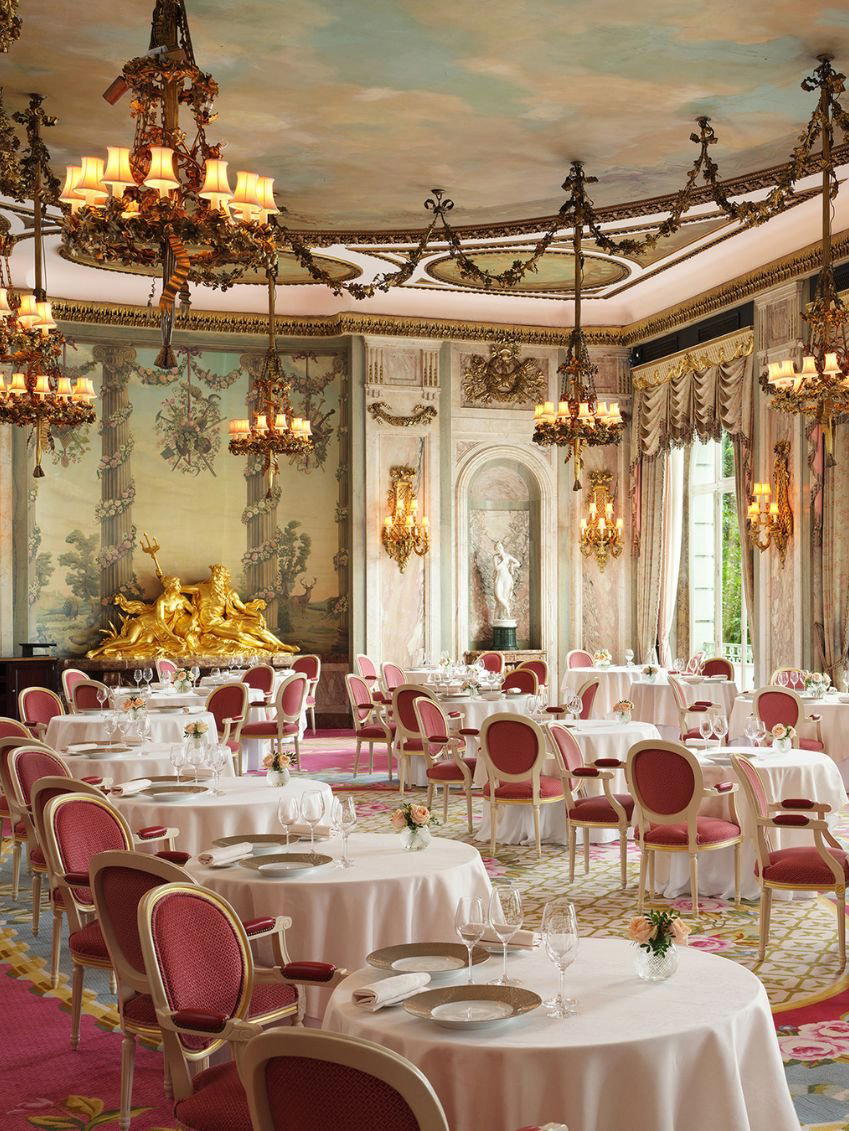
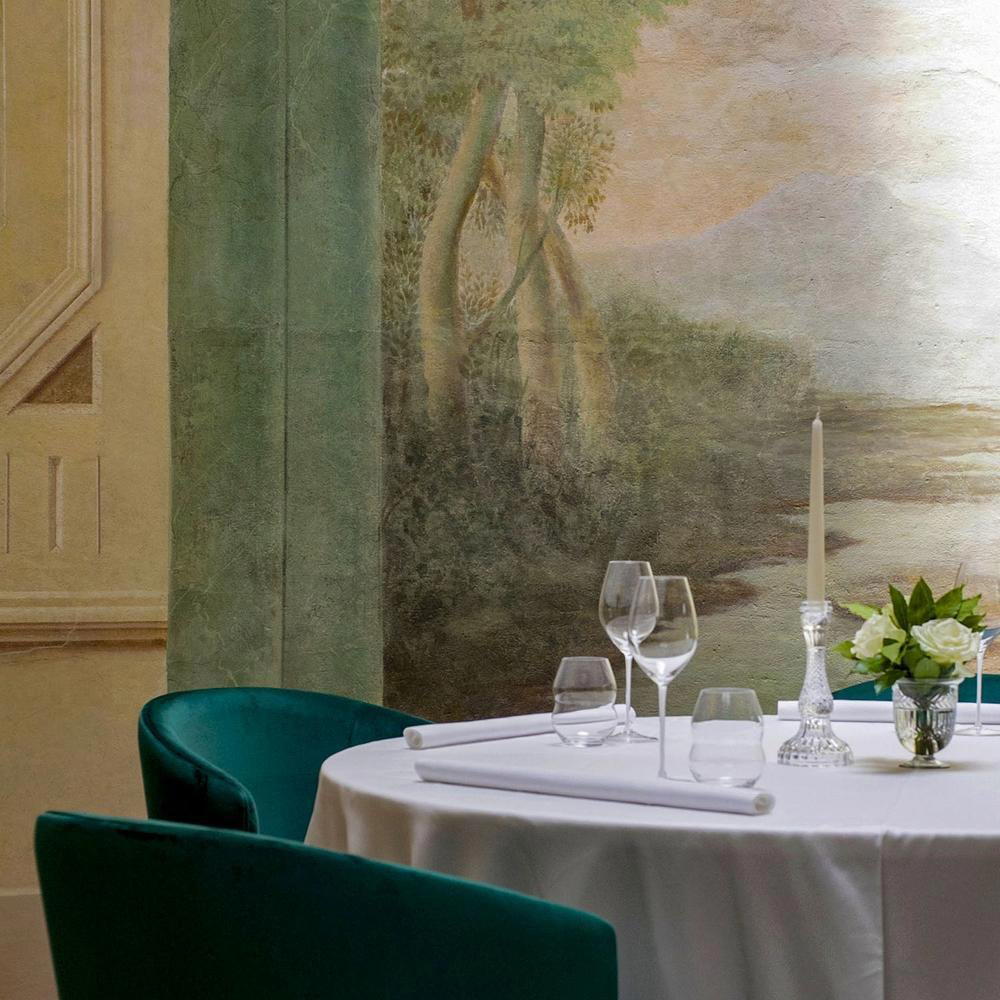
Historic wood-panelled Stube rooms with warm lighting and antique decor, plus a charming summer terrace.