Oseyo
Our verdict
On East Cesar Chavez Street, Oseyo occupies a stretch of Austin that has become one of the city's most closely watched dining corridors. The address puts it squarely in the East Austin cluster where Korean-influenced cooking has found some of its most serious local expression, making it a reference point for anyone tracing how the city's non-BBQ dining scene has matured.

Pearl is the En Primeur Club membership app, where members save venues, book tables and use the concierge.
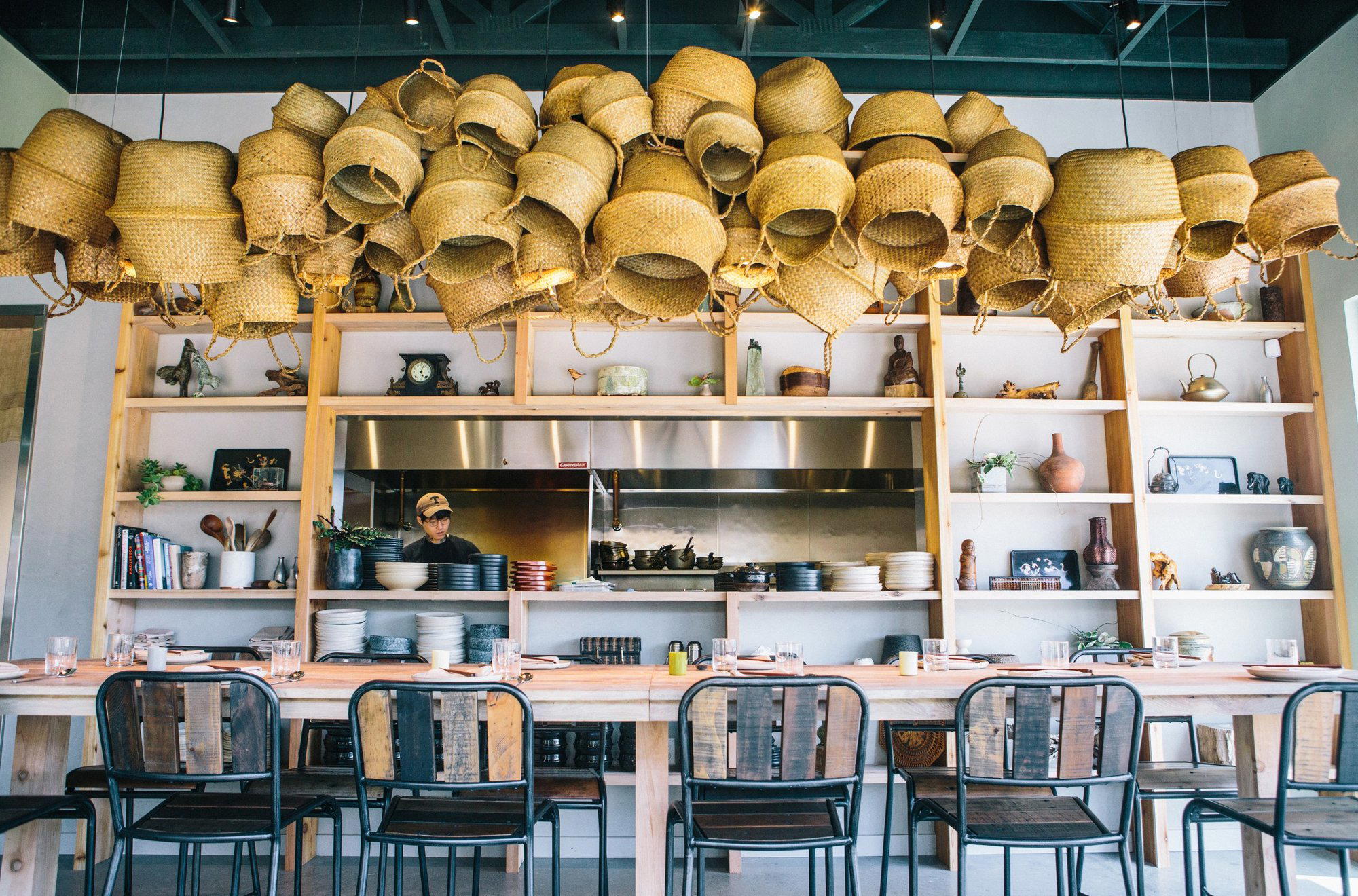
The menu
What to order
- Kalbi Bowl
- Tong Dak
- Gun Mandu
- Pa Jeon
- Bulgogi
- Bi Bim Bop
- Wood-fired Mackerel
East Austin's Korean Table and the Occasion That Fits
East Cesar Chavez Street has undergone the kind of gradual culinary densification that makes a neighborhood worth tracking. What began as a corridor of taquerias and corner stores now holds a more varied dining argument, with Korean-influenced kitchens among its most consequential additions. Oseyo, at 1628 E Cesar Chavez St, sits inside that broader shift, a restaurant whose address alone signals something about where Austin's dining ambition has migrated over the past decade.
In American cities with serious Korean dining scenes, the format tends to split between high-throughput BBQ halls oriented around group ritual and more restrained, chef-driven rooms that use Korean technique as a foundation for something less easily categorized. Austin's Korean dining conversation has followed a similar arc. Venues like Kemuri Tatsu-ya (izakaya, $$) have shown that Japanese-Korean crossover formats can hold serious local traction at accessible price points. Oseyo enters a slightly different register on East Cesar Chavez, where the neighborhood context encourages a more deliberate dining pace.
The Room and the Approach to an Occasion Meal
Occasion dining in Austin has historically defaulted to a short list of rooms: the fire-forward drama of Hestia, the hyper-local tasting format at Barley Swine, the kind of meal you plan weeks ahead. Oseyo fits into a different tier of occasion: not the anniversary-with-the-tasting-menu kind, but the dinner that marks something without requiring a bank transfer for the privilege. East Austin, by character, has always been better at that second category.
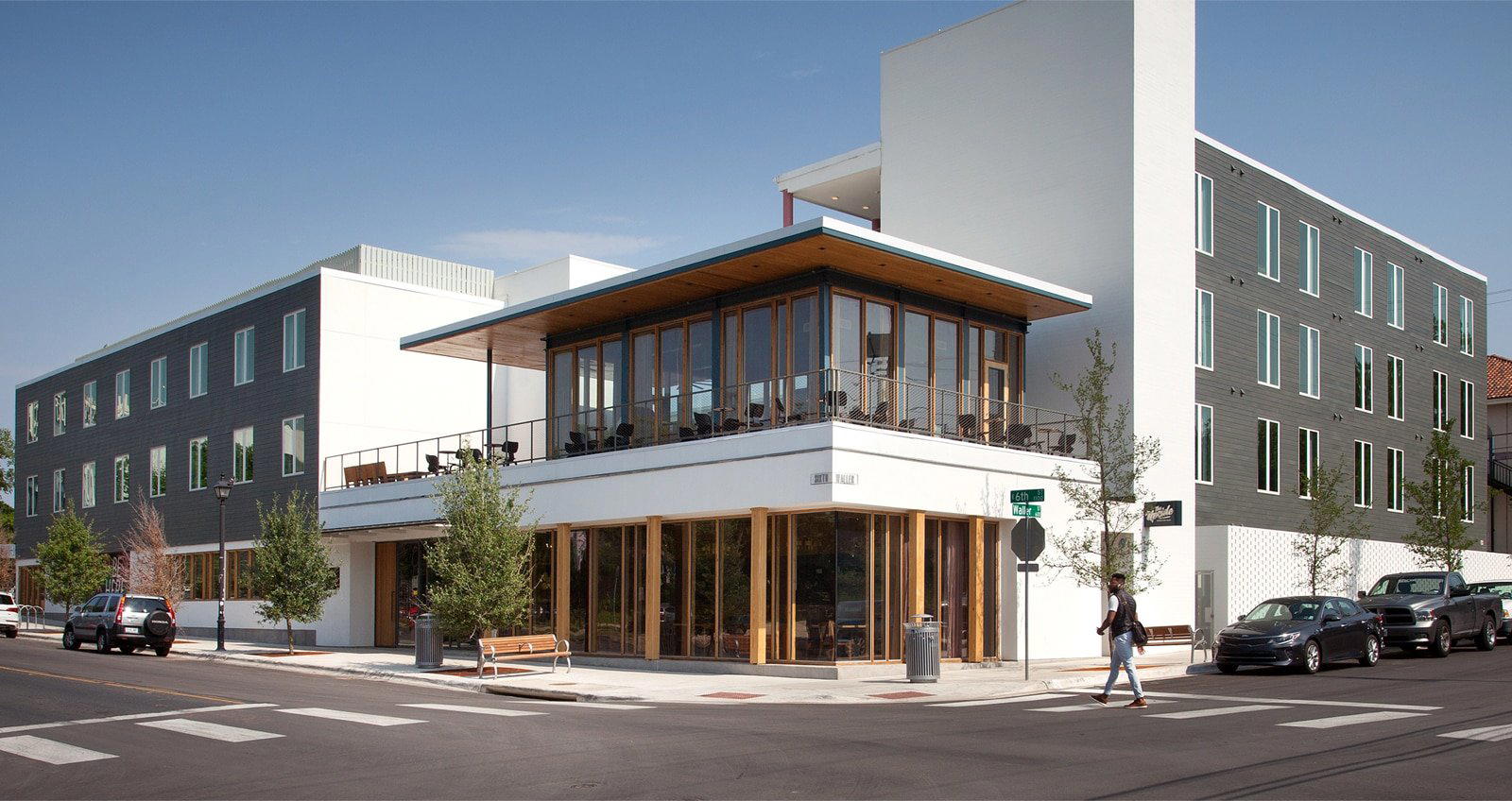
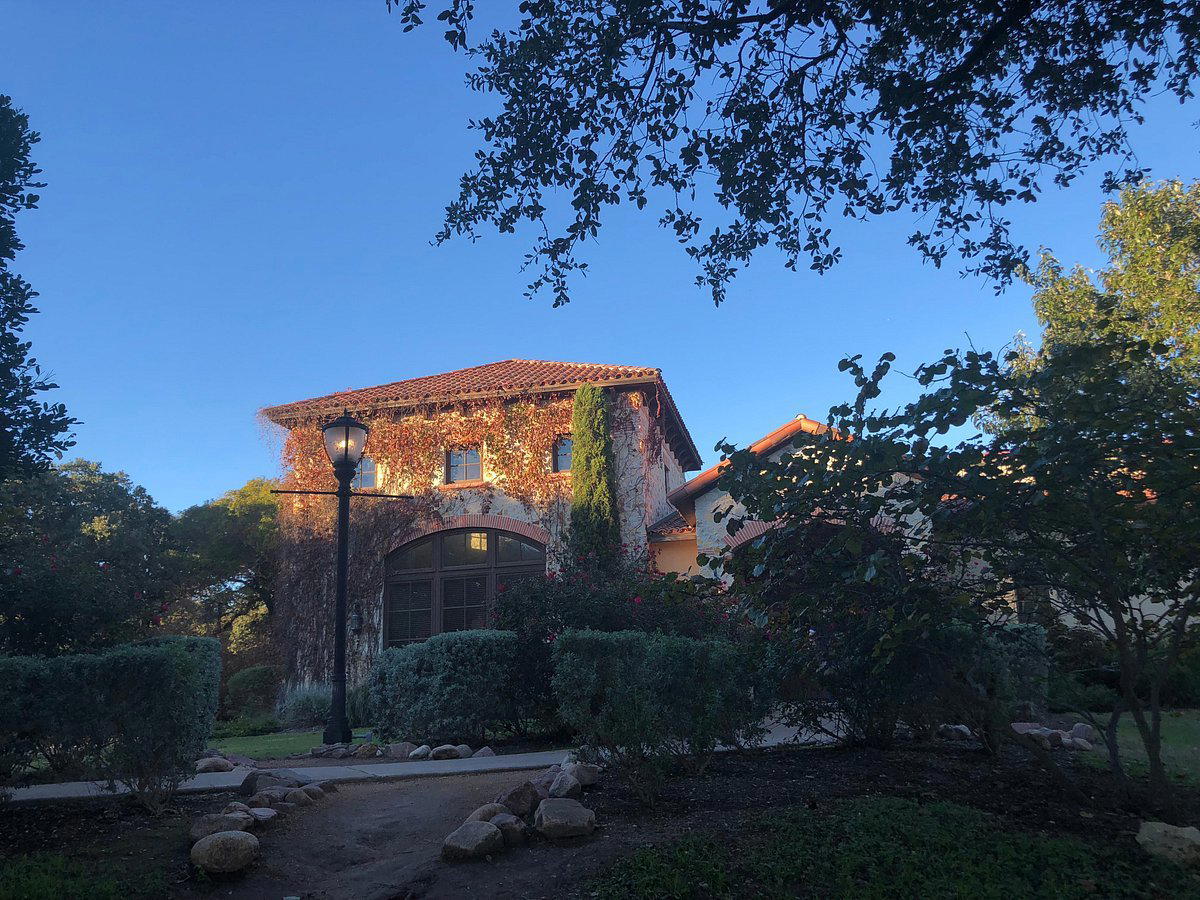
The physical experience of approaching Oseyo on East Cesar Chavez is shaped by the street itself, a block-level mix of murals, low-slung buildings, and the ambient energy of a neighborhood that has not fully resolved its identity, which gives any dinner there a slight edge of discovery. That context rewards a certain kind of celebrant: someone for whom the occasion is as much about the neighborhood as the plate.
Across American cities where Korean cooking has moved into serious dining territory, the tendency has been toward precision: fermentation programs, careful sourcing, banchan that functions as an editorial statement rather than a filler. The restaurants doing this work most credibly, including Atomix in New York City, which holds two Michelin stars and has become a reference for Korean fine dining in America, demonstrate that the cuisine holds more structural range than the BBQ hall format suggests. Austin's version of that argument is younger and less decorated, but the East Cesar Chavez address positions Oseyo within the conversation.
Where Oseyo Sits in Austin's Dining Tiers
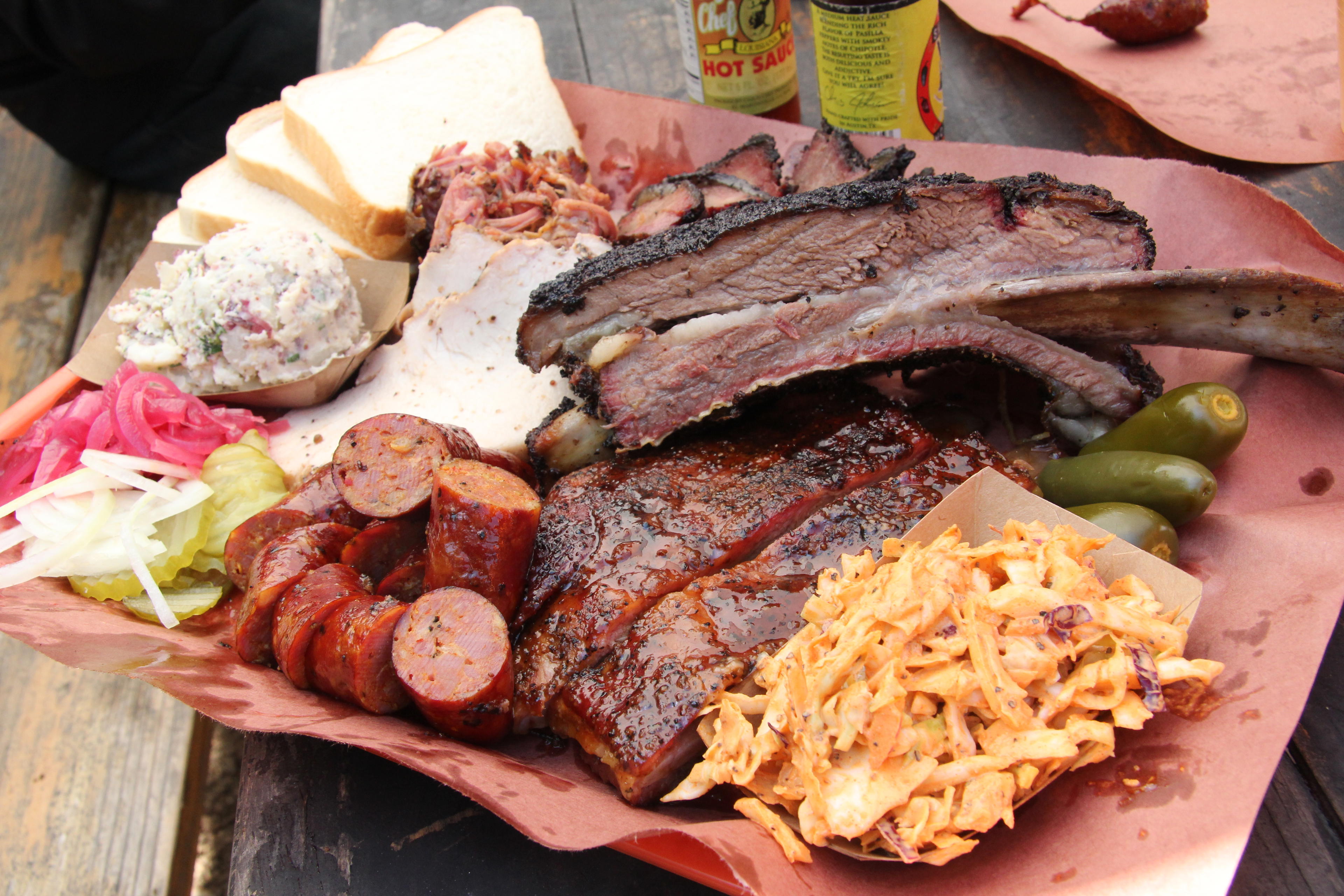
Austin's restaurant spectrum is anchored at one end by its barbecue institutions. la Barbecue ($$) and InterStellar BBQ represent that tradition at its most committed. At the other end sit the rooms where Austin competes with national fine dining circuits, Hestia and Barley Swine among them. Oseyo occupies the middle register: a restaurant with enough culinary intention to justify treating it as an occasion, but set in a neighborhood and at a scale that keeps it from tipping into ceremony.
That middle register is, arguably, where the most interesting occasion dining happens. The rooms that define American fine dining, The French Laundry in Napa, Alinea in Chicago, Le Bernardin in New York City, carry a weight of occasion that can overwhelm the meal itself. A restaurant like Oseyo, in a neighborhood like East Austin, offers occasion dining without that particular pressure. The milestone is there; the formality is not.
For comparison within Austin's Korean-adjacent dining tier, Kemuri Tatsu-ya's izakaya format ($$ price point) shows how that register can sustain serious repeat business and local loyalty. Oseyo reads as a step more deliberate in its occasion framing, which puts it closer to the $$$ tier represented by spots like Odd Duck (New American, American, $$$) and Olamaie (Southern, $$$) in terms of the kind of evening it produces, even if the cuisine sits in a different tradition.
Korean Cooking as Occasion Food: The Broader Case
Korean cuisine has a structural case for occasion dining that often goes underargued. The combination of fermented depth (from gochujang, doenjang, kimchi), high-heat cooking technique, and the communal architecture of a well-built Korean meal produces exactly the kind of sensory layering that makes a dinner feel marked. These are flavors with memory, the kind that give a milestone meal something to anchor to. The restaurants making this case most forcefully at a national level, from Atomix downward, have demonstrated that Korean cooking can carry the weight of a serious occasion without borrowing from European fine dining's vocabulary.
Austin's version of that argument is still developing. The city's Korean dining scene is younger and less formally recognized than those in Los Angeles, New York, or even Houston. But East Cesar Chavez, with its concentration of chef-driven addresses, is where that development is happening in real time. Oseyo's position on that street is not incidental.
For those planning meals around the city's wider occasion dining circuit, it is worth cross-referencing our full Austin restaurants guide, which maps the broader tiers from barbecue through fine dining. For American fine dining reference points at the highest tier, Blue Hill at Stone Barns in Tarrytown, Single Thread Farm in Healdsburg, Addison in San Diego, Providence in Los Angeles, Lazy Bear in San Francisco, The Inn at Little Washington, and Emeril's in New Orleans provide useful calibration. For a further international frame, 8 1/2 Otto e Mezzo Bombana in Hong Kong and Craft Omakase here in Austin show how different occasion dining formats play out at the counter-service end of the spectrum.
Planning the Visit
Oseyo is at 1628 E Cesar Chavez St, Austin, TX 78702, in the East Austin dining corridor that runs east from the I-35 underpass. The neighborhood is most accessible by car or rideshare; street parking exists but competes with the broader East Cesar Chavez dining traffic, particularly on weekend evenings when the area operates at its busiest. For occasion dinners, a Thursday or Friday visit tends to capture the room at full energy without the compressed weekend service that can affect pacing. Given the address's growing profile and the broader East Austin dinner crowd, advance contact to confirm hours and reservation availability is advisable before building an evening around it.
Frequently asked questions
What should I eat at Oseyo?
The venue's position within Austin's Korean-influenced dining tier suggests a menu built around fermented, high-heat, and produce-forward cooking, the structural pillars that define credible Korean-adjacent kitchens in American cities. For specific current dishes, checking directly with the restaurant is the reliable path, as menus in this category change with supply and season. Our Austin guide provides broader cuisine and chef context for the city.
Do I need a reservation for Oseyo?
In East Austin's current dining environment, where foot traffic on Cesar Chavez has increased alongside the neighborhood's culinary profile, planning ahead is the prudent approach for any occasion meal. If the dinner is tied to a specific date or milestone, confirming availability in advance removes the risk of a walk-in disappointment. Austin's mid-tier occasion dining rooms generally fill Thursday through Saturday; this address is no exception to that pattern.
What's the signature at Oseyo?
Korean-influenced kitchens at this level tend to anchor their identity in fermented preparations and high-heat technique rather than a single hero dish. That means the signature is often the cumulative effect of banchan, primary proteins, and sauce work rather than one plate. For current menu specifics, the restaurant is the authoritative source; Atomix in New York provides a national reference point for what Korean cooking looks like when it is operating at its most intentional.
Is Oseyo good for vegetarians?
Korean cooking has a historically strong vegetable and fermentation tradition, banchan, doenjang-based preparations, and fermented vegetable dishes give vegetarian diners substantial options in well-run Korean kitchens. Whether Oseyo's current menu fully supports a vegetarian occasion meal is best confirmed directly with the restaurant, as that varies by kitchen and season. Austin's dining scene broadly has become more vegetable-forward across its mid-tier and above, which works in this address's favor.
Is Oseyo worth it?
The East Cesar Chavez address, the Korean-influenced culinary tradition it represents, and the occasion-friendly format place Oseyo in a dining tier that justifies the trip for anyone tracking Austin's non-BBQ dining development. The value calculation ultimately depends on what you're comparing it against: relative to Austin's barbecue institutions like la Barbecue, it operates in a different register entirely; relative to the city's highest-tier tasting rooms, it offers occasion dining without the ceremonial overhead.
How does Oseyo compare to other Korean-influenced restaurants in Austin?
Austin's Korean and Korean-adjacent dining scene is still forming its upper tier, making East Cesar Chavez addresses like Oseyo early markers in that development. Kemuri Tatsu-ya's izakaya format has demonstrated that Japanese-Korean crossover cooking can build serious local loyalty in this city; Oseyo's more direct Korean framing operates in a slightly different register and speaks to a diner looking for that cuisine on its own terms rather than in a hybrid format. For the national calibration point, Atomix in New York shows the ceiling for Korean fine dining in America, Oseyo is a local chapter in that same longer story.
Similar Picks
Comparable venues nearby, for context on price, style, and recognition.
| Venue | Cuisine | Price | Notes |
|---|---|---|---|
| OseyoThis venue (the venue you are viewing) | Modern Korean-American | $20–30 | Not listed |
| Café No Sé | California-Inspired American Café | $20–30 | South River City |
| Josephine House | American Farm-to-Table | $30–50 | Old Enfield |
| Maudie's Cafe | Authentic Tex-Mex | $20–30 | Lions |
| Pinthouse Pizza | Artisan Pizza & Craft Beer | $20–30 | Rosedale |
| Farmand's Kitchen | Mediterranean Comfort Food | $20–30 | Northwest Austin |
Continue exploring
More in Austin
Restaurants in Austin
All restaurants in Austin →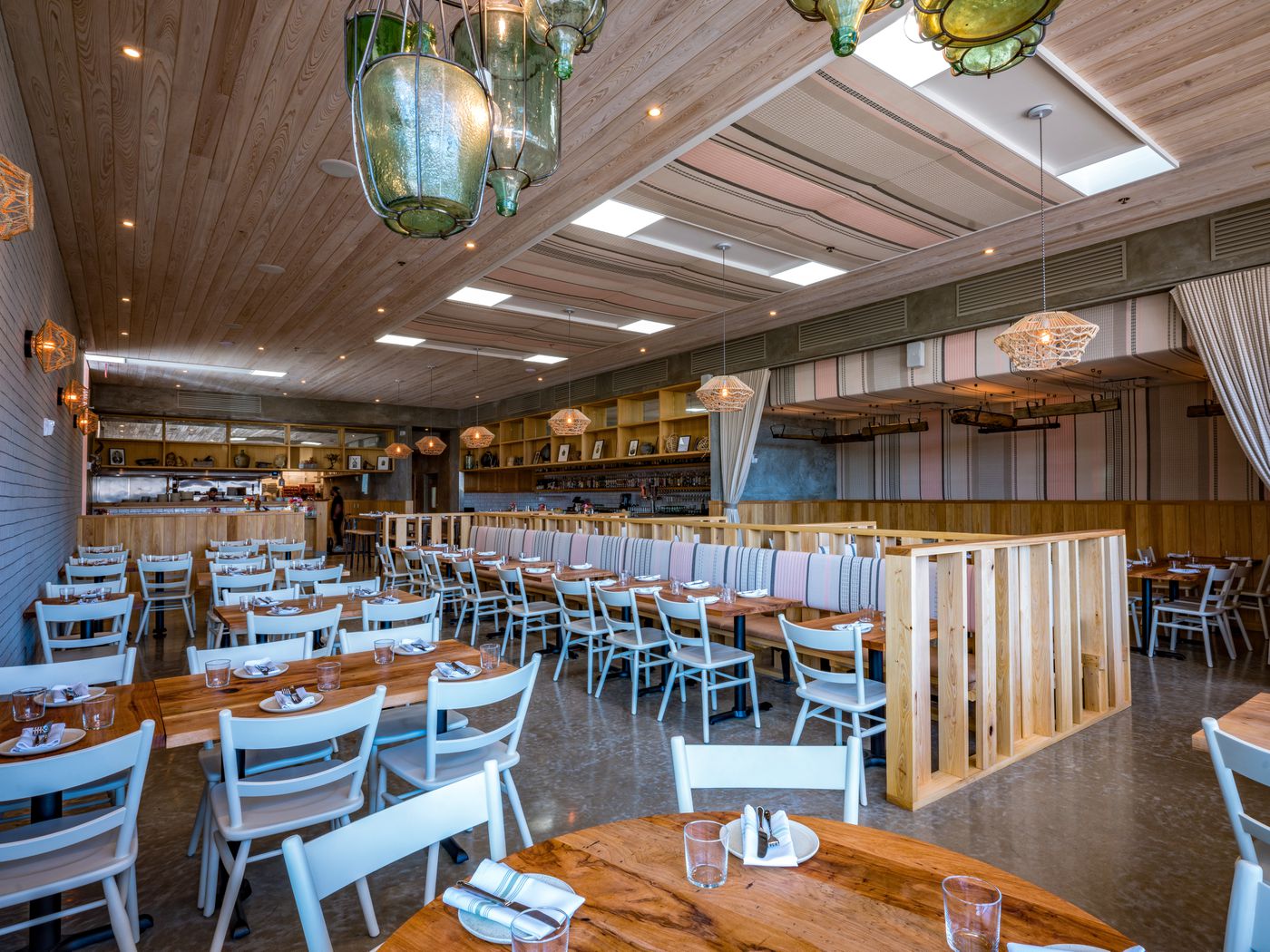
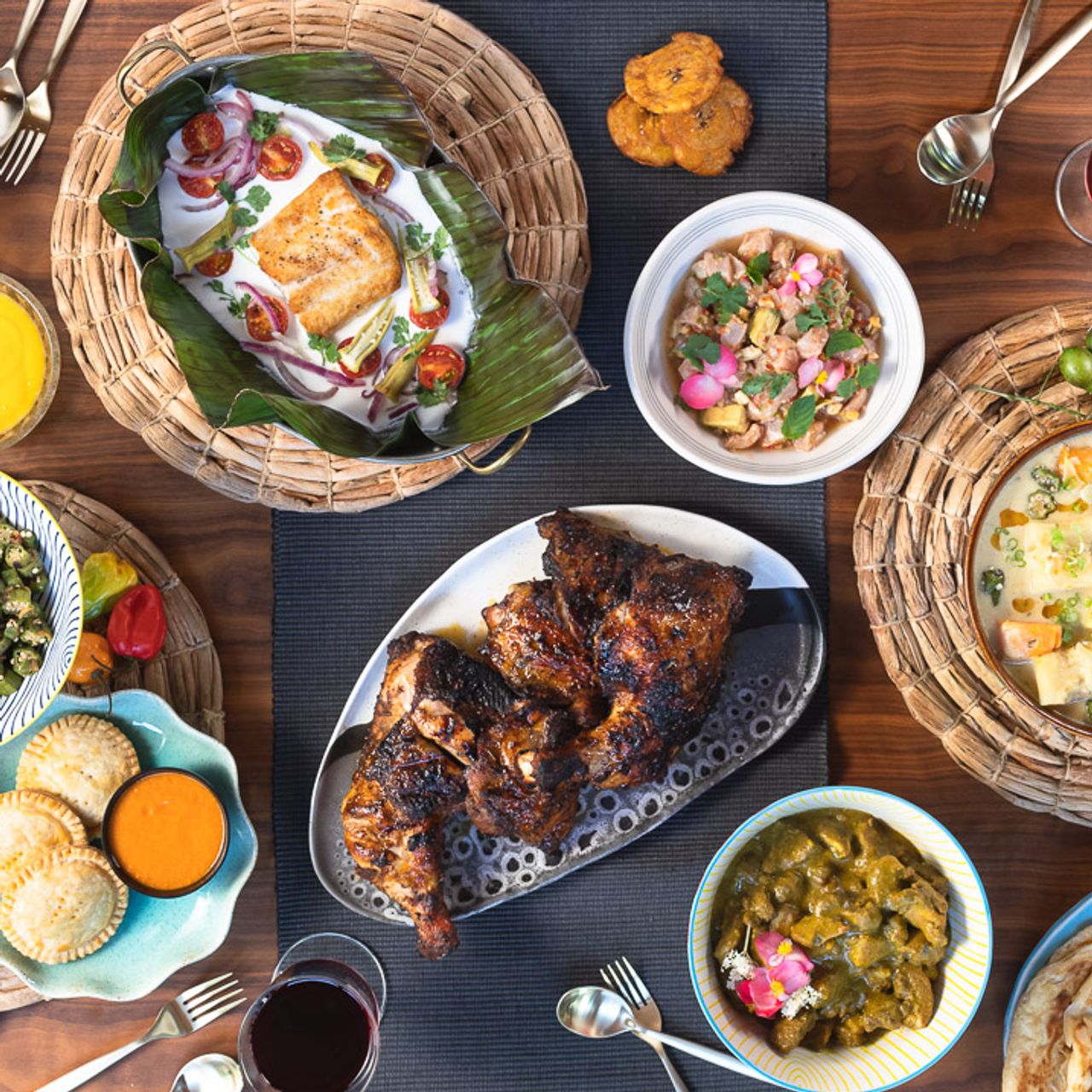
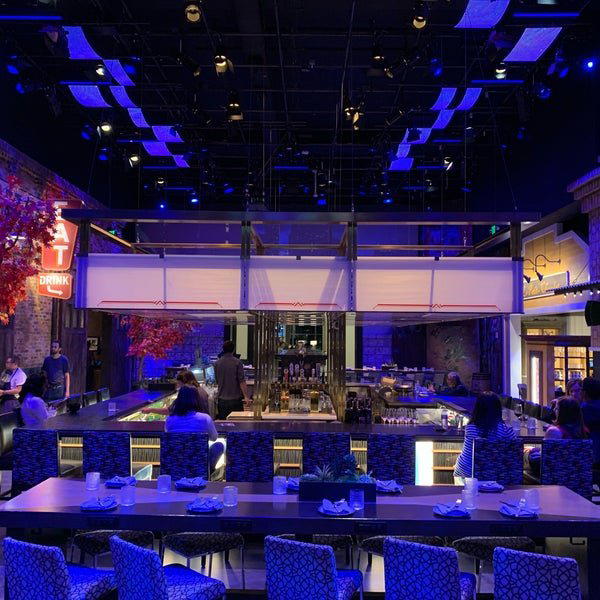
Bars in Austin
All bars in Austin →


Details
- Romantic
- Modern
- Rustic
- Elegant
- Date Night
- Group Dining
- Casual Hangout
- Family
- Courtyard
- Garden
- Open Kitchen
- Standalone
- Craft Cocktails
- Beer Program
- Farm To Table
- Garden
- Small Plates
- Family Style
- A La Carte
- Craft Cocktails
- Sake
- Soju
- Vegetarian Friendly
- Vegan Options
- Gluten Free Options
- Allergy Accommodating
Current opening hours
- Monday
- Closed
- Tuesday
- 11 AM–2:30 PM, 5–9 PM
- Wednesday
- 11 AM–2:30 PM, 5–9 PM
- Thursday
- 11 AM–2:30 PM, 5–10 PM
- Friday
- 11 AM–2:30 PM, 5–10 PM
- Saturday
- 11 AM–2:30 PM, 5–10 PM
- Sunday
- 11 AM–2:30 PM, 5–9 PM
Hours can change for holidays and private events. Hours as of .
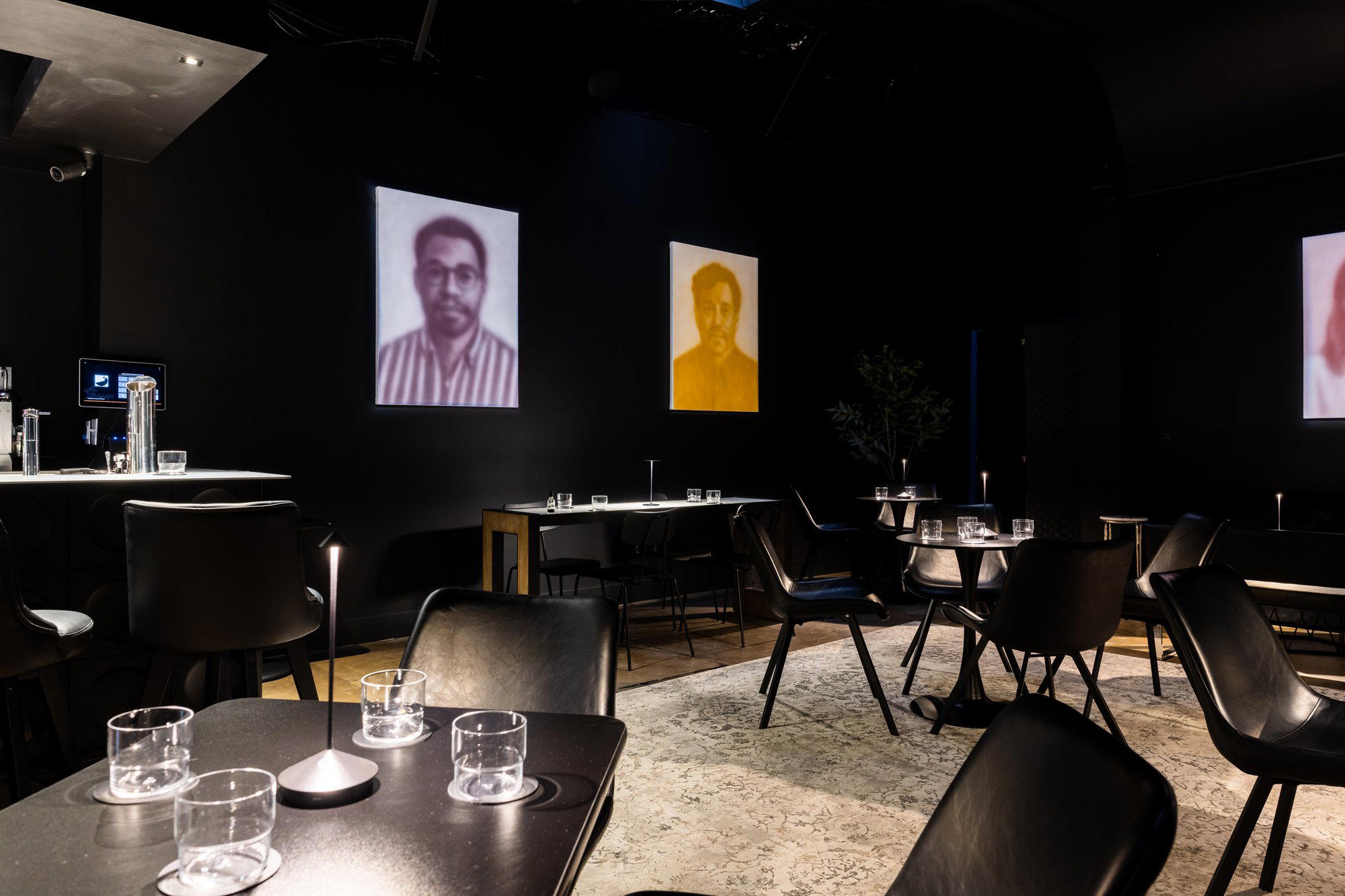
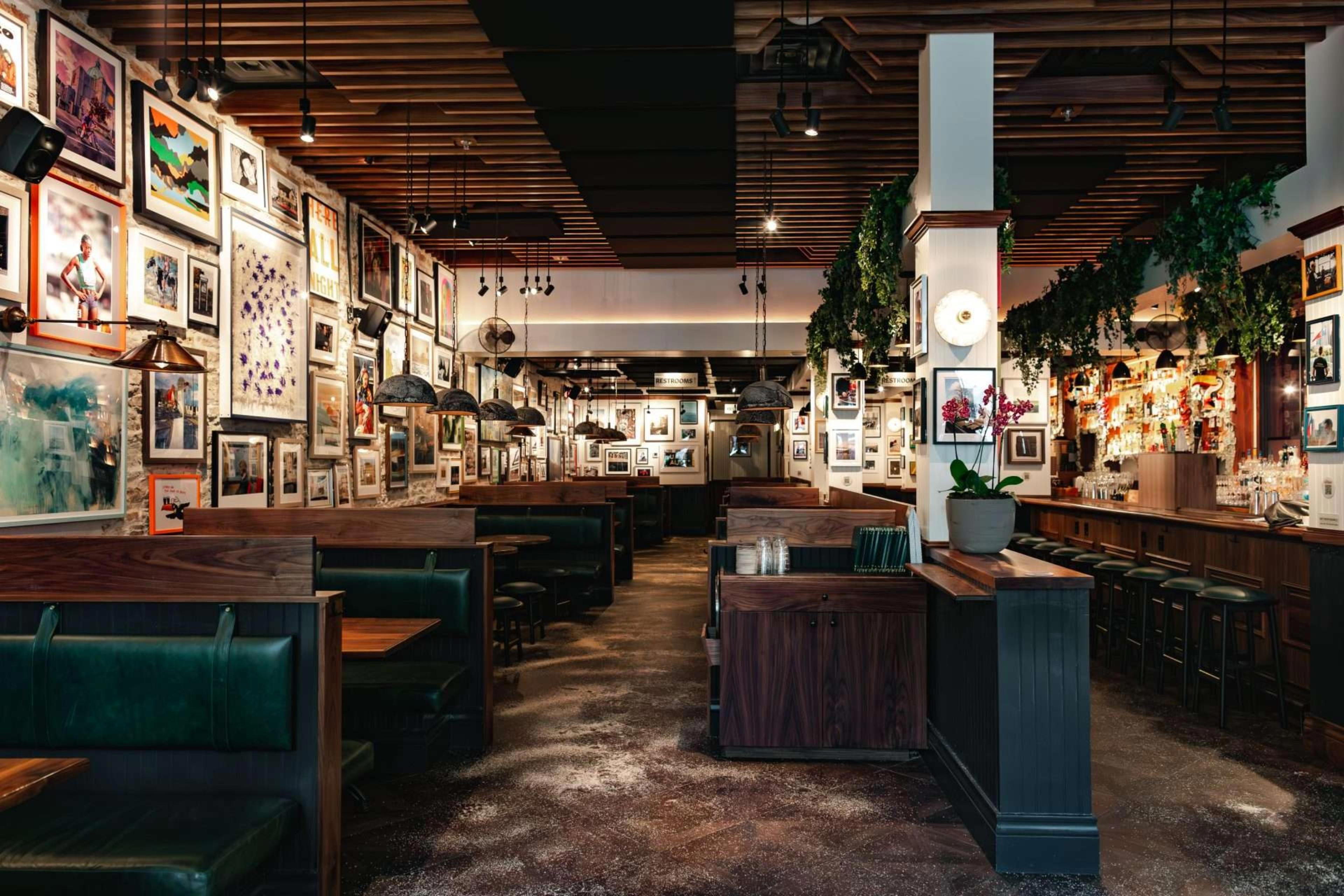
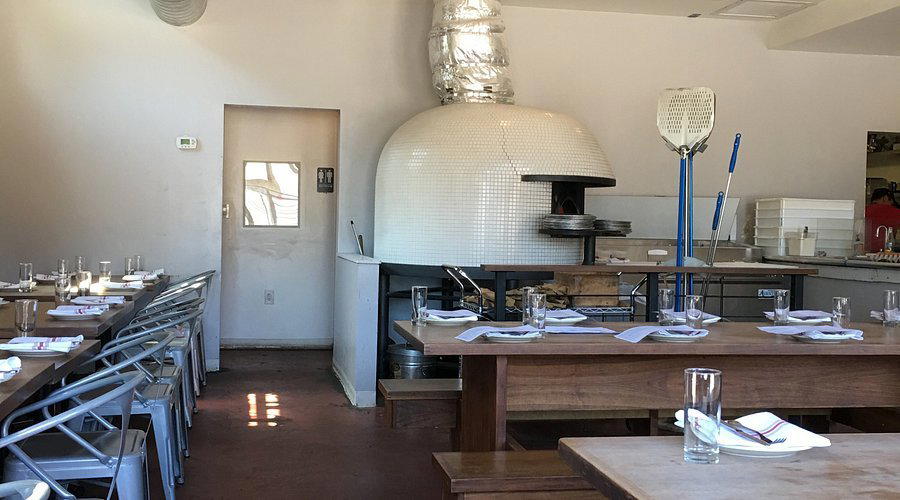
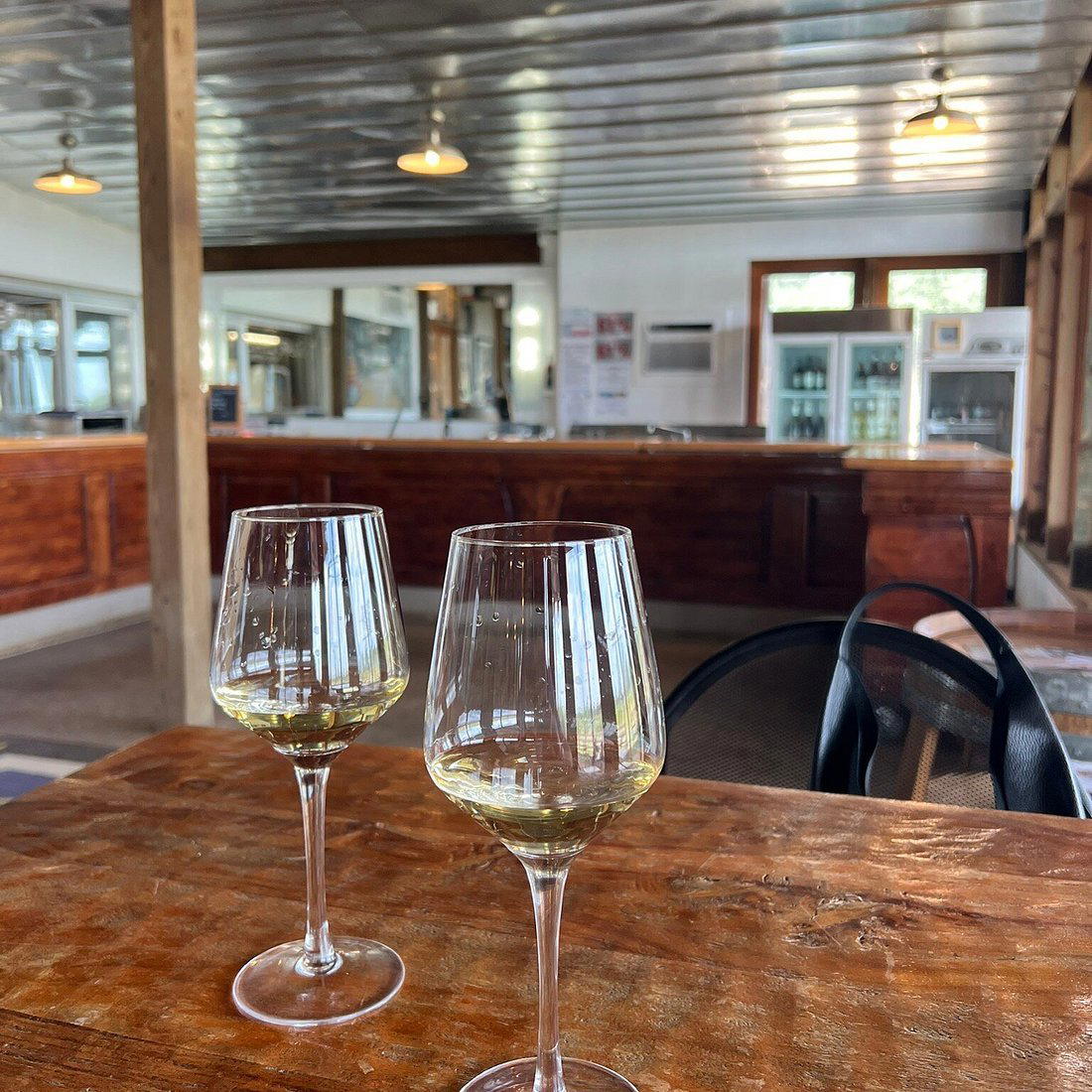
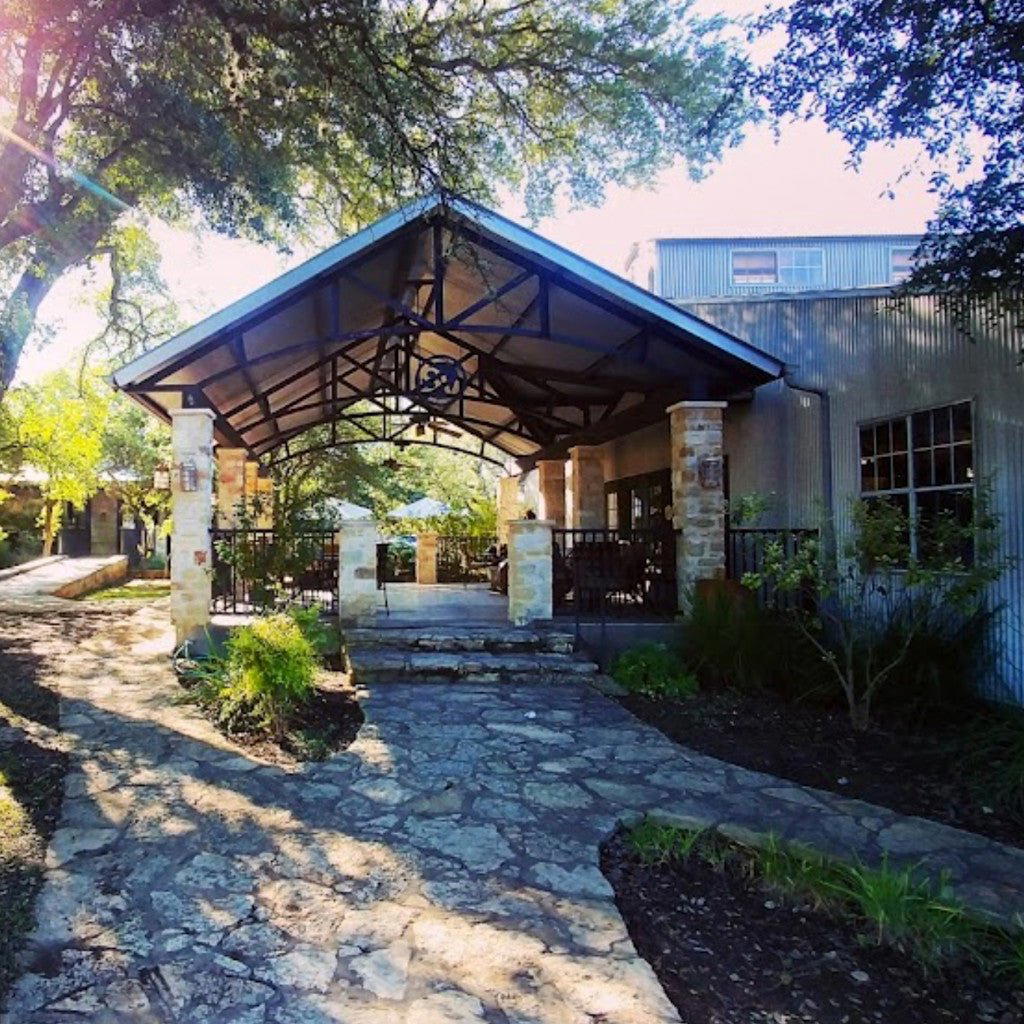
Dark and moody yet light and airy with warm rustic interiors, creating a sultry atmosphere well-suited for date nights while maintaining an inviting, contemporary feel.