Ortica Italian Plant Based
Our verdict
Plant-based Italian cooking in a suburb that rarely makes food headlines, Ortica sits on Flixton Road in Urmston and draws a loyal local following for its vegetables-first approach to a cuisine built around meat and dairy. The format strips Italian tradition down to its plant roots, asking what the cooking actually looks like when you remove the shortcuts. A neighbourhood address with a specific culinary argument.

Pearl is the En Primeur Club membership app, where members save venues, book tables and use the concierge.
The menu
What to order
- Porcini Mushroom Pizza
- Orecchiette ai Broccoli
A Suburb With Something to Say
Urmston does not appear in the usual Manchester dining conversation. The city's food press tends to orbit the Northern Quarter, Ancoats, and the inner ring, where mana and Skof operate at the higher end of the city's progressive cooking tier. Flixton Road is a different register entirely: residential, low-key, the kind of street where a restaurant succeeds or fails almost entirely on word of mouth. That context matters when you consider what Ortica Italian Plant Based is doing, because the concept requires a committed local audience rather than a transient one. Italian plant-based cooking is not a format that converts passing trade on novelty alone. It asks something of the diner.
In most British cities, plant-based restaurants have split into two legible types: the fast-casual bowl format aimed at lunch crowds, and the fine-dining tasting menu that uses plants as a technical challenge. Ortica sits closer to a third, quieter category: the neighbourhood trattoria reimagined without meat or dairy, where the cooking logic is still Italian but the ingredient base is not. That category is less common than either of the louder two, and it tends to generate the most durable regulars.
What Keeps the Regulars Coming Back
The anthropology of a loyal local clientele at a plant-based Italian restaurant is worth considering. These are not people who discovered the place via a top-ten list or a city-break itinerary. They arrived, most likely, through a neighbour's recommendation or a curiosity about what Italian food looks like when it is rebuilt from vegetables up rather than trimmed of meat at the edges. The distinction matters. A menu that simply removes animal products from existing Italian dishes tends to produce flat results: the pasta feels lean, the sauces lack body, the desserts taste corrective. A kitchen that thinks in plant terms from the start produces something structurally different, where pulses, alliums, fungi, and preserved vegetables do the work that stock and fat normally do.
Regulars at this type of restaurant are not necessarily vegan or even vegetarian by identity. The more interesting cohort is the one that returns because the cooking solved a problem they did not know they had: a version of Italian food that sits lighter but does not feel like a compromise. That is a harder brief than it sounds, and when a kitchen meets it consistently, the loyalty it generates tends to be disproportionate to the restaurant's profile.
For context on where Manchester's broader dining attention sits, the city's most-discussed addresses include 10 Tib Lane in the city centre and the rooftop-format 20 Stories, both of which operate in a different price tier and a very different demographic. Adam Reid at the French represents the city's more formal European tradition. Ortica operates outside all of those reference points, which is partly why it sustains its own audience rather than competing for the same one.
Italian Cooking Without the Usual Architecture
Italian cuisine in the UK has a particular shape in the public imagination: pasta, risotto, and protein, supported by bread, olive oil, and aged dairy. The challenge for a plant-based Italian kitchen is not simply substitution but reconstruction. Parmesan is not just a flavour but a texture and a seasoning system. Eggs in pasta are not incidental; they affect elasticity, colour, and how the dough holds sauce. A kitchen working in this space without those elements has to think structurally, not just flavour-by-flavour.
The broader movement in plant-based fine dining, visible at addresses like CORE by Clare Smyth in London and in the produce-first logic of L'Enclume in Cartmel, has demonstrated that vegetables can carry a tasting menu when the kitchen's technical depth is sufficient. What Ortica proposes is related but different: not a tasting menu showcase but a neighbourhood format where plant-based Italian cooking has to perform on every service, for a clientele that returns weekly rather than annually.
That is a more demanding test in some respects. The restaurants that succeed at it tend to develop what regulars describe as an unwritten menu: dishes they know will appear in some variation, preparations that feel reliable without being static. It is the same principle that sustains a good French bistro or a long-running Japanese izakaya. The cuisine's internal logic does the heavy lifting so individual dishes do not have to be revelations every time.
Urmston as a Dining Address
The postcode M41 places Ortica at a remove from central Manchester but within direct reach of the Trafford area. Urmston has a settled residential character, and the dining scene there is built around regulars rather than visitors. For anyone arriving from the city centre, the journey is worth framing as deliberate rather than incidental: this is not a venue you walk past. You go because you intend to.
That dynamic shapes the room in ways that a city-centre restaurant cannot replicate. The clientele tends to know each other, or to know the staff, in the way that characterises a genuine neighbourhood restaurant. The experience is socially different from dining at a destination address, regardless of food quality. Some diners find that warmer; others find it less stimulating. It is worth knowing which you are before booking.
For those building a broader Manchester itinerary, our full Manchester restaurants guide maps the city's dining by neighbourhood and price tier. Ortica belongs to a category that guide does not overpopulate: suburban, specific, and sustained by local loyalty rather than critical attention.
Where This Fits in the Wider UK Plant-Based Picture
The UK's serious plant-based restaurants remain concentrated in London, with a smaller cluster in cities like Bristol and Edinburgh. Manchester's contribution to that category is modest relative to its overall dining scene. Nationally, the higher-end conversation around vegetables-first cooking runs through Michelin-recognised kitchens: Moor Hall in Aughton, Midsummer House in Cambridge, and the seasonal produce logic at Le Manoir aux Quat'Saisons in Oxford all treat vegetable cookery with technical seriousness, even when their menus are not plant-exclusive.
Ortica operates in a different register from those addresses in terms of scale, price, and formality, but the underlying argument is related: that Italian or European cooking built around vegetables is not a lesser version of the cuisine but a specific expression of it. Internationally, this logic has been developed at venues like Atomix in New York, where produce sourcing is treated as a primary kitchen discipline rather than a secondary consideration. The cultural framing differs, but the structural commitment is comparable.
Planning Your Visit
Ortica is at 70 Flixton Road, Urmston, Manchester, M41 5AB. Given the neighbourhood format and the loyal regular base, tables at good times are likely in demand, so advance contact before making the journey from central Manchester is advisable, particularly for weekend evenings.
Frequently asked questions
Can I bring kids to Ortica Italian Plant Based?
Ortica sits on Flixton Road in Urmston, a settled residential suburb with a family-oriented demographic, which suggests a welcoming environment for children. Italian-format meals, shareable dishes, familiar flavour profiles, tend to translate well for younger diners, and a plant-based menu removes concerns around meat allergens.
How would you describe the vibe at Ortica Italian Plant Based?
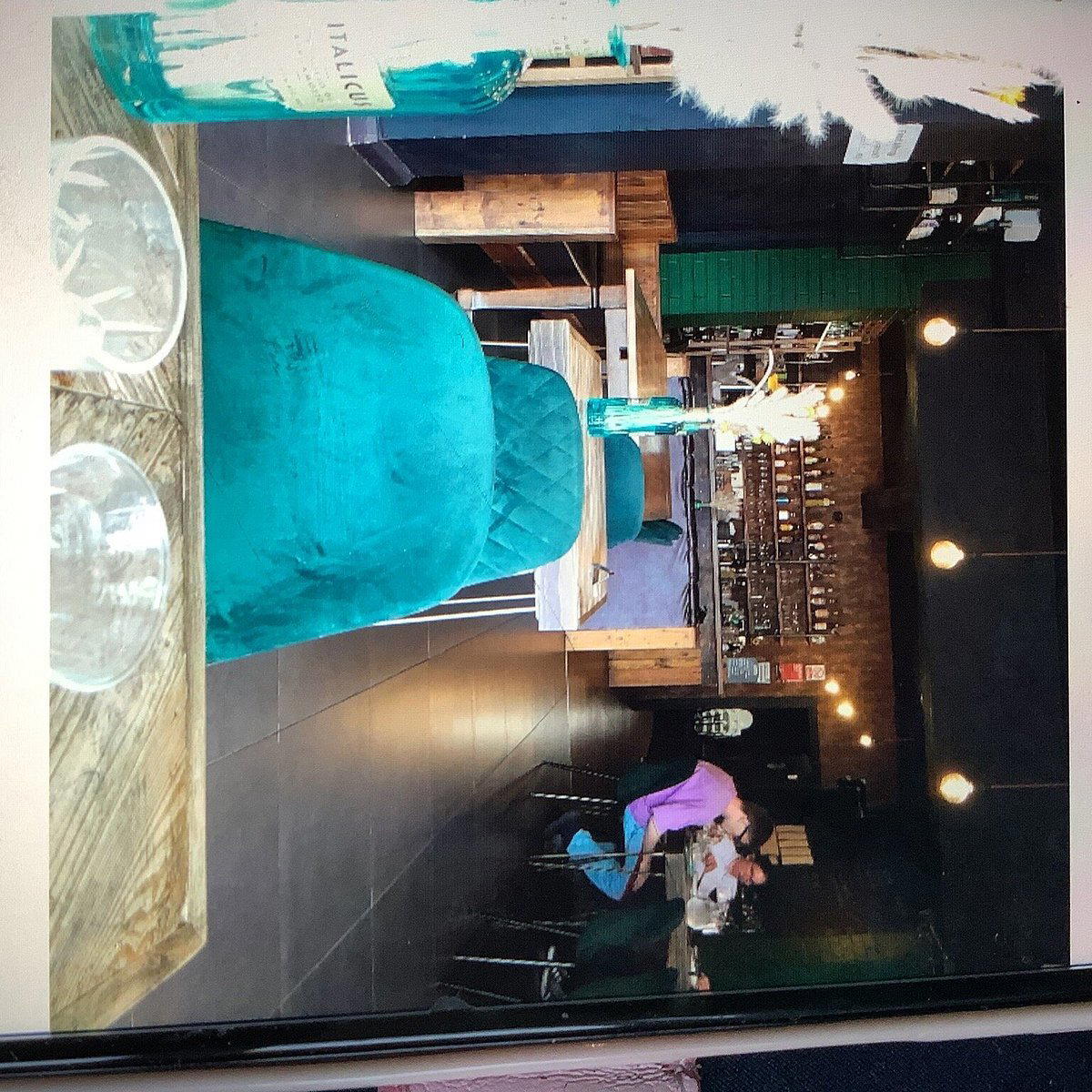
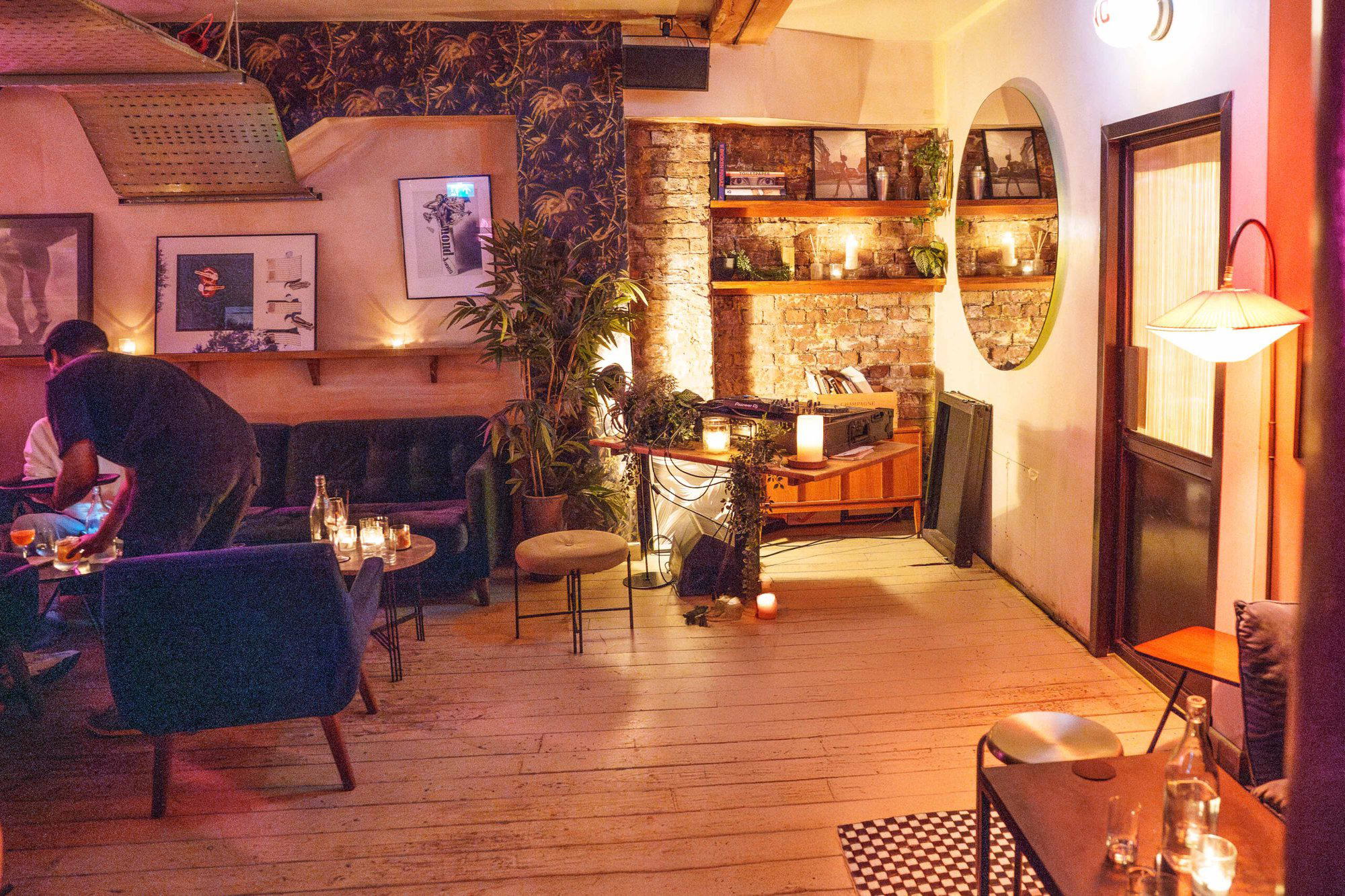
Ortica occupies a suburban Urmston address rather than a city-centre dining strip, which shapes the atmosphere considerably, expect a neighbourhood restaurant register rather than a scene-driven one. The plant-based Italian format suggests a kitchen focused on craft over occasion, and the local clientele tends to be regulars rather than tourists passing through Manchester. It reads as low-key and ingredient-led, closer to a trattoria sensibility than a concept restaurant.
Is Ortica Italian Plant Based one of the few dedicated plant-based Italian restaurants in Greater Manchester?
Serious plant-based Italian cooking remains rare outside London, where dedicated venues are concentrated, and Manchester's equivalent offering is limited. Ortica on Flixton Road, Urmston, occupies a specific gap: Italian cooking executed without meat or dairy, in a city where that combination is not yet common. That positioning, rather than any single award, is what distinguishes it within the Greater Manchester dining picture.
What's the signature dish at Ortica Italian Plant Based?
What the plant-based Italian format does signal is a kitchen working within the structural logic of Italian cooking, pasta, sauce, preserved and fermented elements, while removing dairy and animal protein from the equation. That constraint tends to push kitchens toward more considered vegetable technique, which is usually where the most interesting plates emerge.
Cuisine Context
Comparable venues nearby, for context on price, style, and recognition.
| Venue | Cuisine | Price | Notes |
|---|---|---|---|
| Ortica Italian Plant BasedThis venue (the venue you are viewing) | Plant-Based Italian | $20–30 | Not listed |
| Siena restaurant Swinton | Italian | Not listed | Swinton |
| Nell's NQ | New York-Style Pizza | $20–30 | Piccadilly |
| Bardez | Indian Street Food and Grill | $20–30 | Ardwick |
| Las Bombas | Latin American Tapas | $20–30 | Irlam |
| Asmara Bella Restaurant | Authentic Eritrean & Ethiopian | $20–30 | Piccadilly |
Continue exploring
More in Manchester
Restaurants in Manchester
All restaurants in Manchester →

Bars in Manchester
All bars in Manchester →
Details
- Cozy
- Modern
- Casual Hangout
- Family
- Open Kitchen
- Craft Cocktails
- A La Carte
- Small Plates
- Vegan Options
- Vegetarian Friendly
- Gluten Free Options
Current opening hours
- Monday
- Closed
- Tuesday
- Closed
- Wednesday
- Closed
- Thursday
- Closed
- Friday
- 5–10:30 PM
- Saturday
- 12–10:30 PM
- Sunday
- 12–6 PM
Hours can change for holidays and private events. Hours as of .
Warm and welcoming family atmosphere in a small Italian café deli bar.