Bardez
On Wilmslow Road in Rusholme, Bardez occupies a stretch of Manchester that has long served as the city's most concentrated corridor of South Asian dining. The address places it within a neighbourhood defined by its cooking traditions rather than its postcode, where menu architecture and kitchen ambition do the distinguishing work.
Pearl is the En Primeur Club membership app — saves, bookings, and concierge access live there. Same editors, same standards.
- Address
- 35 Wilmslow Rd, Rusholme, Manchester M14 5TB, United Kingdom
- Phone
- +441612484890
- Website
- bardez.co.uk
- Directions
- Get directions
 Saves & bookings on Pearl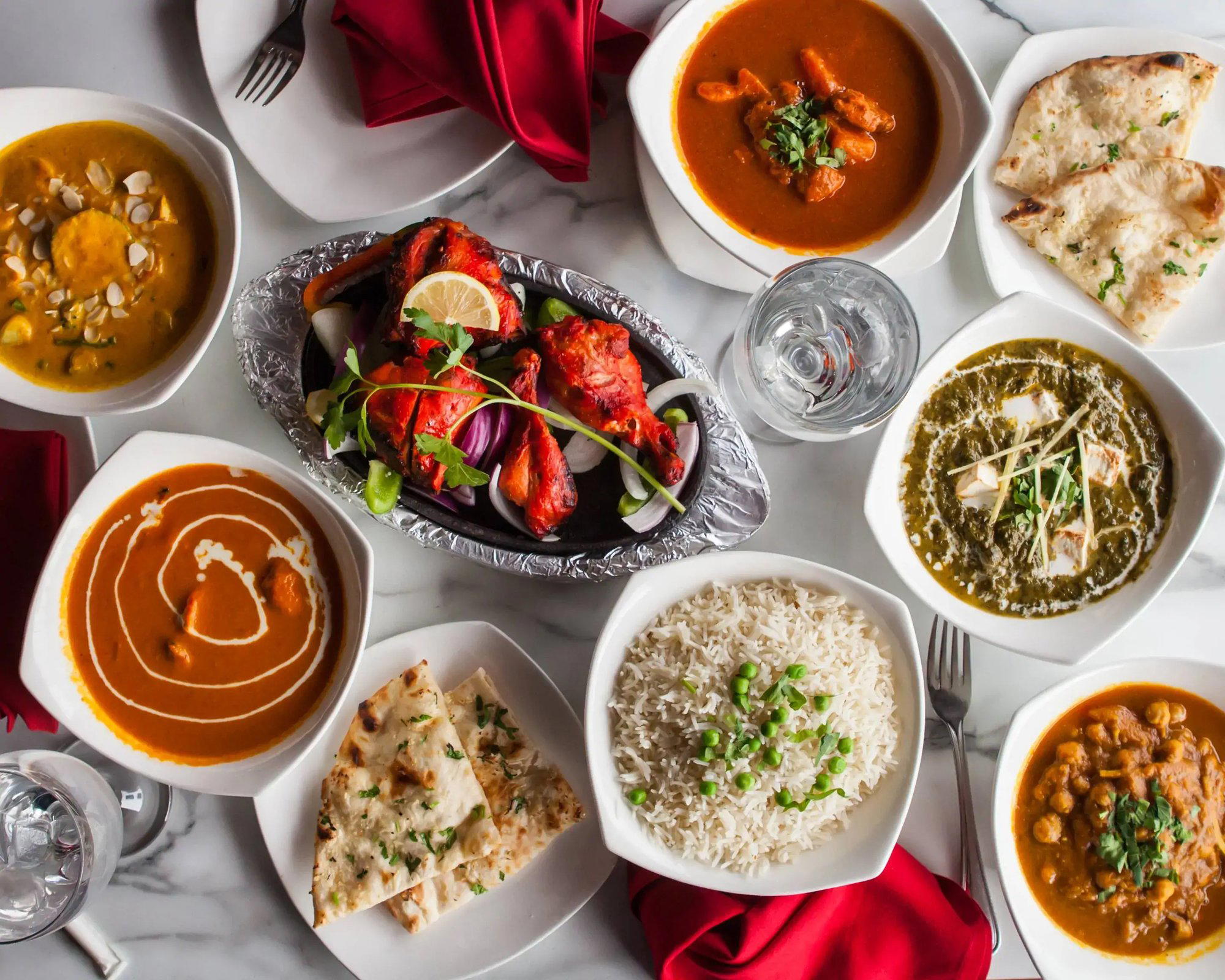
Rusholme and the Logic of a South Asian Dining Strip
Wilmslow Road through Rusholme is one of the more instructive stretches of eating in northern England. The density of South Asian restaurants along this corridor, often called the Curry Mile, reflects decades of settlement, community cooking traditions, and the kind of competitive kitchen environment that sharpens menus whether or not anyone outside the neighbourhood is paying attention. Bardez, at number 35, sits within that context rather than apart from it. The address is not incidental: it positions the restaurant inside an ecosystem where diners arrive with reference points, comparisons, and expectations shaped by years of eating along the same road.
That neighbourhood pressure tends to produce one of two outcomes: a race toward cheaper, faster, and broader, or a narrowing of focus toward something more specific. The menu architecture at a restaurant on this stretch is therefore a statement of intent. What a kitchen chooses to foreground, how it organises its dishes, and where it draws its regional or stylistic references are all signals about the competitive bet it is making.
Menu Architecture as Editorial Statement
The name Bardez itself is a geographic reference: Bardez is the northernmost taluka of Goa, a coastal district whose cuisine sits at a distinct remove from the Punjabi and Bangladeshi cooking that dominates much of the Curry Mile. Goan food draws on a longer history of Portuguese influence, coconut-based gravies, vinegar-spiked marinades, and seafood preparation techniques that diverge sharply from the tandoor-and-sauce template most casual diners associate with British-Indian restaurants. A kitchen signalling Goan identity through its name is making a deliberate structural choice: it is narrowing the menu's geographic scope to claim authority over a less-crowded category.
That kind of regional specificity has become one of the more reliable markers separating the serious end of British-Indian dining from the generic. Across the country, a tier of restaurants has moved away from pan-subcontinental menus in favour of focused regional cuisine: Keralan, Chettinad, Hyderabadi, and, increasingly, Goan. In Manchester specifically, where the Indian restaurant scene has historically skewed toward north Indian and Bangladeshi cooking, a Goan-focused kitchen represents a counter-programming decision. The city's more ambitious dining end includes addresses like Opheem in Birmingham which has used similar regional specificity to distinguish itself at a higher price tier. Rusholme operates at a different price point, but the structural logic is comparable.
What the Curry Mile Does and Does Not Offer
Diners approaching Rusholme for the first time sometimes treat the strip as uniform, which it is not. The corridor contains everything from late-night takeaway operations to sit-down restaurants with serious kitchens, and the differences between them are not always visible from the outside. Price rarely correlates with quality in the way it might at mana or Skof, both of which operate at the higher-investment end of Manchester dining where the price signal does more editorial work. On the Curry Mile, discernment requires knowing what to look for in the cooking itself.
A Goan kitchen signals specific things to an informed diner: expect vindaloo in its original form, a dish built on wine vinegar and Kashmiri chilli rather than the nuclear British-Indian version; expect xacuti, a roasted coconut and spice preparation with no close equivalent in north Indian cooking; expect dishes where sourness and acidity play a structural role rather than a corrective one. These are not the flavours that defined the Curry Mile's reputation, and their presence on a menu is a form of differentiation by substance rather than by decor or price.
Manchester's dining scene has matured considerably over the past decade. The city now supports a range of ambitious addresses: Adam Reid at the French operates at the formal Modern European end, 20 Stories occupies the accessible premium tier, and 10 Tib Lane represents the kind of neighbourhood-focused bistro that has become a reliable category across the city. Rusholme sits outside that particular conversation, but it is not disconnected from the broader shift toward specificity and kitchen credibility that defines where Manchester dining has moved.
Regional Specificity in British-Indian Cooking: The Wider Picture
The move toward regional Indian cuisine in British restaurants is one of the more significant shifts in the country's dining culture over the past fifteen years. Historically, British-Indian restaurants operated under a menu logic inherited from the 1970s and 1980s, when broad accessibility and familiar names mattered more than geographical authenticity. The shift toward Goan, Keralan, and other regionally specific cooking reflects both a more travelled British dining public and a second and third generation of British-Indian restaurateurs with deeper personal connections to specific culinary traditions.
That shift has produced some of the most decorated restaurants in the country. Midsummer House in Cambridge and the starred tier of British cooking more broadly have absorbed influences from across the subcontinent. The Michelin-recognised end of British fine dining, represented by addresses like Waterside Inn in Bray, CORE by Clare Smyth in London, and L'Enclume in Cartmel, operates in a different category entirely, but the underlying principle, that specificity and focus produce better cooking than breadth, applies equally whether the kitchen is working in Cartmel or Rusholme.
The comparison extends internationally. Restaurants that have built reputations on focused, technically disciplined regional cooking, from Le Bernardin in New York City with its seafood specificity to Lazy Bear in San Francisco with its counter-format discipline, demonstrate that narrowing scope is a credibility signal, not a limitation. Moor Hall in Aughton, Gidleigh Park in Chagford, Hand and Flowers in Marlow, hide and fox in Saltwood, and Ynyshir Hall in Machynlleth all operate on the same underlying premise: a kitchen that knows exactly what it is doing, and refuses to dilute that with a broader offer, earns trust through restraint.
Planning a Visit
Bardez is on Wilmslow Road in Rusholme, a short distance south of Manchester city centre and accessible by bus from Piccadilly. The address is 35 Wilmslow Road, M14 5TB. Contact details and current hours are best confirmed directly, as the venue data available to us does not include phone or website information at this time. For those building a longer Manchester itinerary across multiple restaurants and neighbourhoods, our full Manchester restaurants guide maps the city by dining character and price tier.
How Bardez Manchester compares with similar nearby venues.
| Venue | Cuisine | Price |
|---|---|---|
| The Walled Gardens Underground Restaurant | Vegetarian | Not listed |
| MAYA | Mexican, Modern Cuisine | ££ |
Continue exploring
More in Manchester
Restaurants in Manchester
Browse all →
Bars in Manchester
Browse all →
At a Glance
- Lively
- Trendy
- Casual Hangout
- Group Dining
- Open Kitchen
Current opening hours
- Monday
- 12–10:30 PM
- Tuesday
- 12–10:30 PM
- Wednesday
- 12–10:30 PM
- Thursday
- 12–10:30 PM
- Friday
- 12–11 PM
- Saturday
- 12–11 PM
- Sunday
- 12–10:30 PM
Hours can change for holidays and private events. Last verified .
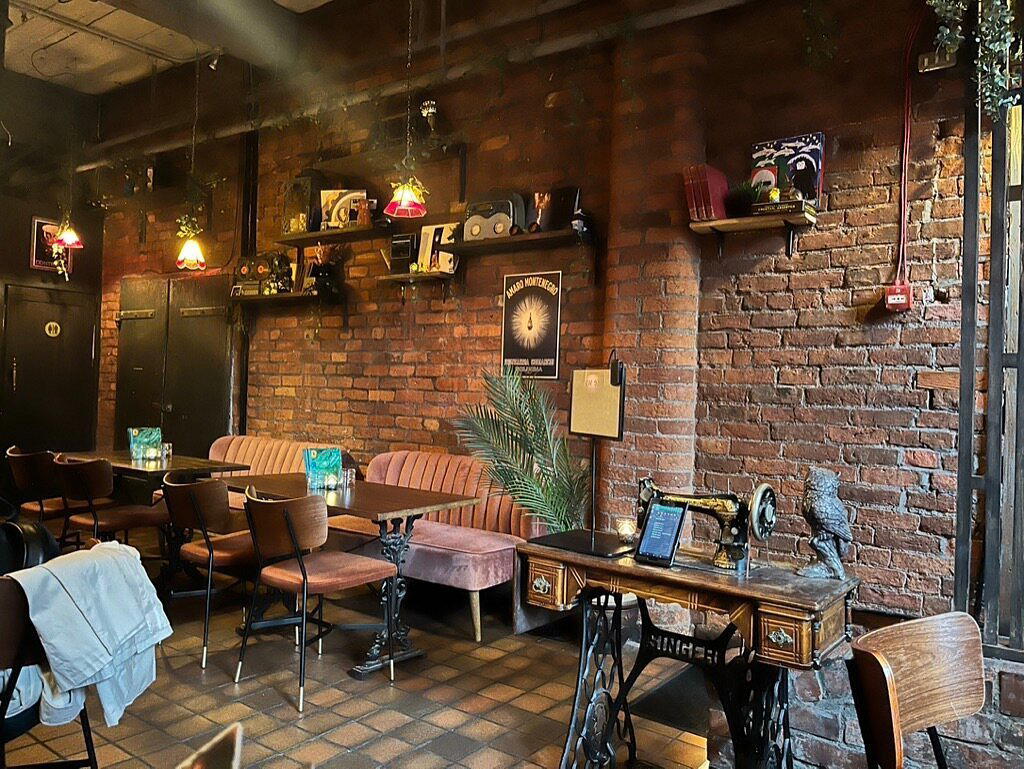
Cozy yet refined atmosphere with warm and attentive service.
Know Before You Go
- Getting there
- 35 Wilmslow Rd, Rusholme, Manchester M14 5TB, United Kingdom