20 Stories

The Good Food Guide GFG Good
Our verdict
Perched on the twentieth floor of No 1 Spinningfields, 20 Stories pairs panoramic views stretching to the Pennines with a kitchen that takes North Country produce seriously. The à la carte runs from braised lamb shoulder to pan-roasted cod, while a wine list drawing from 600 bins across five Eurocave fridges gives the room genuine depth. Set lunches and pre-theatre menus make the altitude accessible at different price points.

Pearl is the En Primeur Club membership app, where members save venues, book tables and use the concierge.
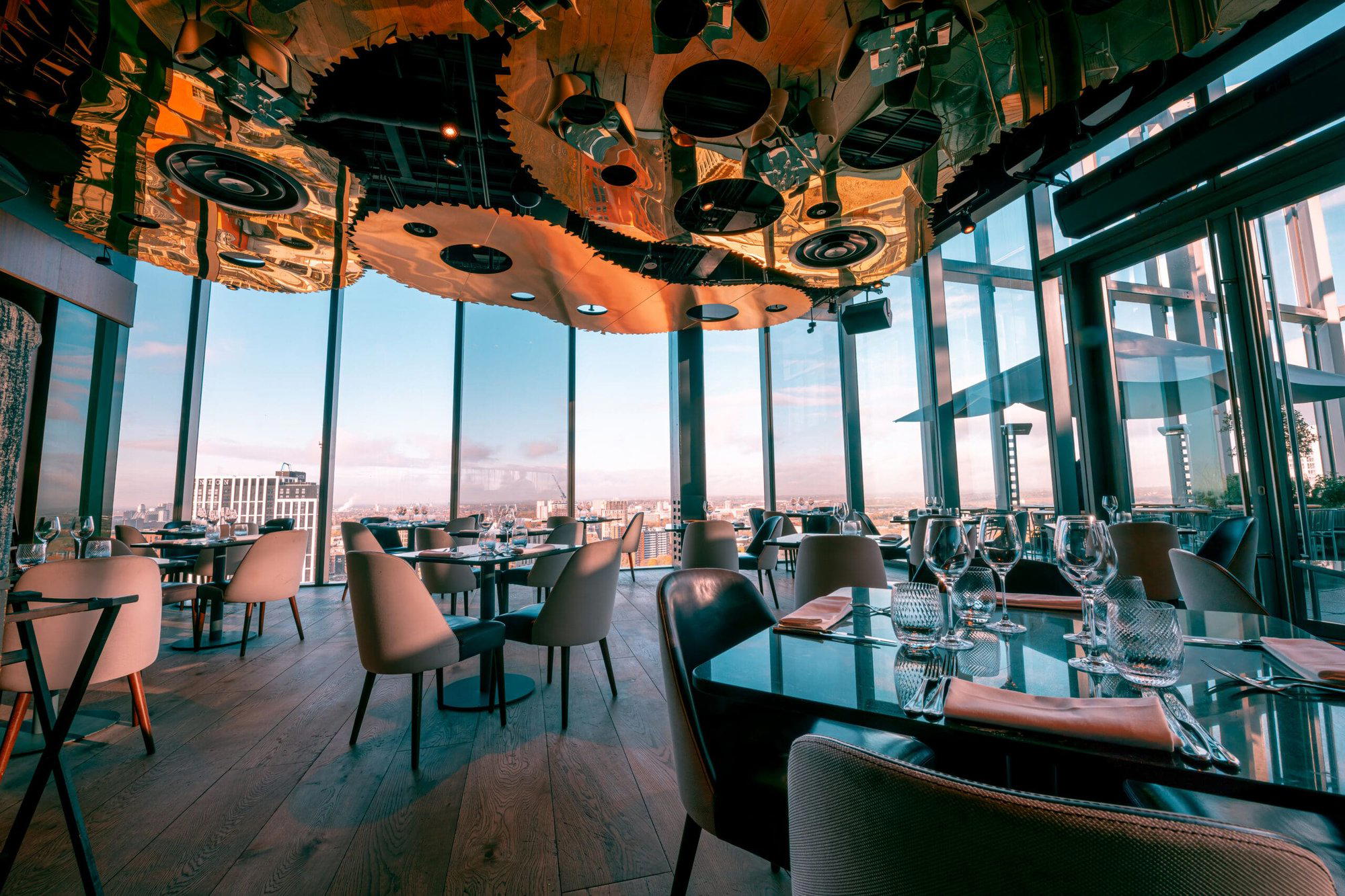
Above the Roofline: Spinningfields and the Vertical Dining Shift
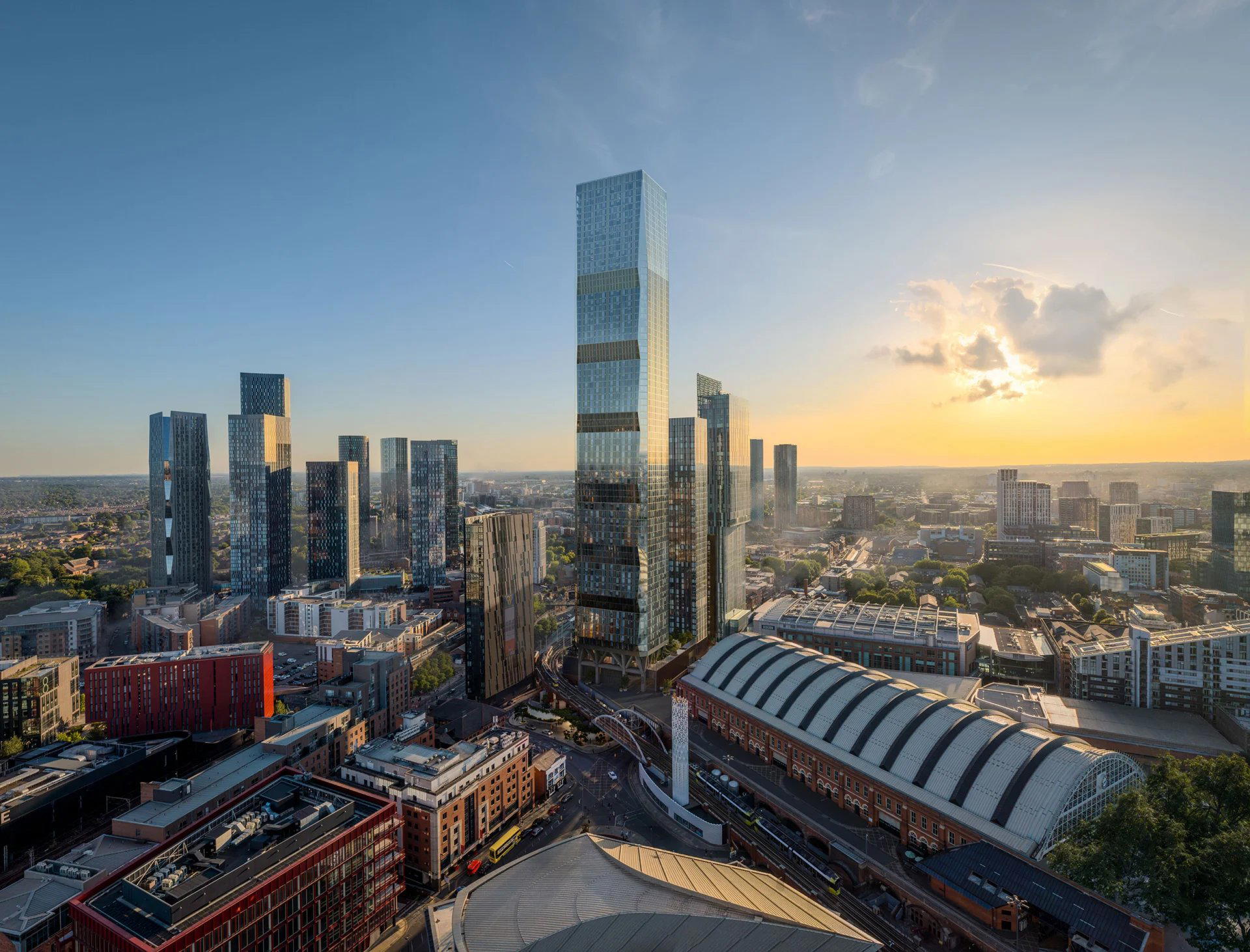
Manchester's restaurant scene has, over the past decade, split along a familiar urban axis: ground-floor neighbourhood rooms with tight menus and destination-dining rooms that trade partly on spectacle. 20 Stories belongs to the second category, occupying the twentieth floor of No 1 Spinningfields and positioning itself at the more theatrical end of the city's dining offer. The panorama from up here, across the city grid and out toward the Pennines, is the kind that changes the terms of a meal before the menu arrives. It frames what follows, and in Spinningfields, where The Ivy occupies street level with its own brand of polished brasserie comfort, the vertical separation is also a competitive one. 20 Stories sits above its nearest neighbour in a fairly literal sense, and the expectation that comes with altitude is something the kitchen has had to work to justify.
That question, can the food hold its own against a view this distracting? is the real one for any rooftop restaurant in a British city. The answer at 20 Stories is, on balance, yes. The kitchen works with good North Country produce and applies technique that goes beyond the safe centre ground expected of a room this prominent. That puts it in a different tier from much of the Spinningfields offer, though it operates in a broader Manchester context that now includes serious operators like mana (Progressive Cuisine, Creative British at the ££££ tier) and Skof (Creative, ££££). Against those rooms, 20 Stories is doing something categorically different: it is a full-format destination restaurant with rooftop cocktails, bottomless brunches, afternoon teas, and Sunday roasts alongside its à la carte. The breadth is a commercial choice, and it shapes what the room is.
Northern Produce, British Technique
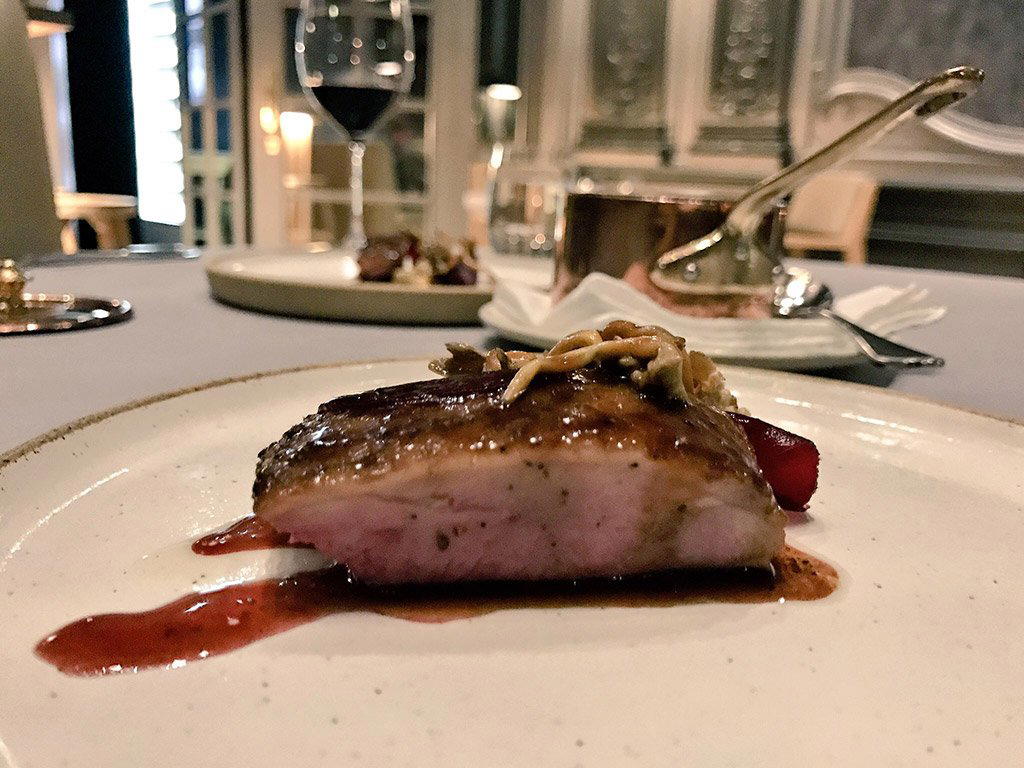
The cultural context for 20 Stories' kitchen is the broader tradition of modern British cooking that has used regional provenance as its organising principle since at least the mid-2000s. That movement, which produced rooms like Moor Hall in Aughton and L'Enclume in Cartmel at its most rigorous, has filtered down into a wider tier of restaurants that take Northern produce seriously without pursuing the tasting-menu format. 20 Stories sits in that broader tier. The à la carte includes dishes like braised lamb shoulder with grilled heritage squash, barbecued sprouts, and chestnuts, a combination that reads as confident rather than conservative, with the lamb's long cook playing against charred vegetable bitterness. Pan-roasted cod with cauliflower, fennel, orange, and red wine sauce is the kind of plate that requires real understanding of acidity and fat balance to land correctly. These are not simple dishes made to look ambitious.
The dessert section deserves particular attention. Caramelised pear cheesecake, a peach frangipane slice with apricot sorbet, and the house signature, described as the '20 Stories wonderland', suggest a pastry programme with genuine range. In many rooms operating at this scale, desserts are where ambition drops off; that does not appear to be the case here.
For context on how the kitchen sits within the wider national conversation about British cooking, the comparison is not naturally to The Ledbury in London or Waterside Inn in Bray, those rooms operate in a register of pure culinary focus that a multi-format destination restaurant is not attempting to occupy. A closer frame might be the kind of serious but commercially-minded operation exemplified by Hand and Flowers in Marlow, where good produce and grounded technique coexist with a room that wants to please broadly. 20 Stories has more formats in play than that, but the underlying kitchen seriousness is in a similar spirit.
The Wine Programme and Its Limits
A wine list drawn from 600 bins stored in five Eurocave temperature-controlled fridges is, by any measure, a significant commitment for a restaurant of this type. Most rooftop destination rooms in British cities, rooms that lead with cocktails and views, treat wine as an afterthought, with lists that are short, safe, and margin-heavy. The scale here signals something different: a genuine interest in wine as part of the offer, not just an accompaniment to cocktails. The storage arrangement also matters. Eurocave fridges at scale suggest wines held at proper conditions, which in turn implies a list with some bottle age and depth at the upper end.
The criticism worth noting, that the list could benefit from a broader range at the lower end, is the standard tension in ambitious wine programmes operating inside high-overhead rooms. Premium storage and a large selection carry costs that tend to push the accessible entry point upward. That is a real consideration for guests who want to drink well without committing to the upper tiers of the list. The set lunch and pre-theatre menus, which frame themselves around value, are worth exploring alongside house pours if budget management matters. For those exploring the city's wine-forward rooms, 10 Tib Lane and Another Hand operate in a different register, with shorter, more wine lists at accessible price points.
Format Range and When to Visit
The multi-format structure, à la carte, set lunch, pre-theatre, bottomless brunch, afternoon tea, Sunday roast, is not a weakness so much as a deliberate positioning choice. Rooms at this height and with this level of fixed overhead need to generate covers across different day-parts and guest types. The Sunday roast framed as a 'festive family' format extends the room's reach into a segment that few high-floor city restaurants address. Bottomless brunches and afternoon teas bring in guests who might not self-select for a full à la carte dinner. The practical effect for a visitor deciding when to go is that the room's character shifts with the day-part: a weekday set lunch gives access to the view and the kitchen's technique at a more accessible price, while an evening à la carte is the fuller expression of what the room can do.
Pre-theatre and set lunch menus include dishes like seared salmon with courgettes, orzo, and basil, and a flat iron steak with skinny fries, described as 'well-made classics', which is an honest framing. These are not the same plates as the à la carte, but they are executed with care and represent a sound way to assess the kitchen before committing to a full evening visit.
Planning ahead is advisable. A room of this prominence in Spinningfields, the financial and commercial heart of central Manchester, draws both business and leisure traffic across the week. Weekend evenings and Sunday brunch slots at a room with panoramic views tend to book out further in advance than the equivalent ground-floor table in the same city. Contacting the venue directly or checking availability online well ahead of the visit is the practical approach.
Manchester in the Wider Frame
20 Stories sits in a Manchester dining scene that has materially changed in character since the mid-2010s. Adam Reid at the French (Modern European) represents the city's more austere fine-dining strand, while the Ancoats cluster around mana and its neighbours has brought the city into conversation with operators at a different register entirely. The comparison to rooms in other countries, Le Bernardin in New York City or Emeril's in New Orleans, is less about equivalence than about illustrating how a city's gastronomic identity develops around anchor institutions. 20 Stories is not in the same category as those rooms, but it functions as a recognisable anchor for a certain kind of Manchester dining experience: ambitious enough to satisfy, spectacular enough to mark an occasion, and broad enough in format to absorb different types of visit.
For a fuller picture of where this restaurant sits within the city's offer, our full Manchester restaurants guide maps the scene in detail. Those planning a wider stay will also find relevant context in our Manchester hotels guide, our Manchester bars guide, our Manchester wineries guide, and our Manchester experiences guide. Gidleigh Park in Chagford rounds out the regional picture for those travelling the wider North and West.
Planning Your Visit
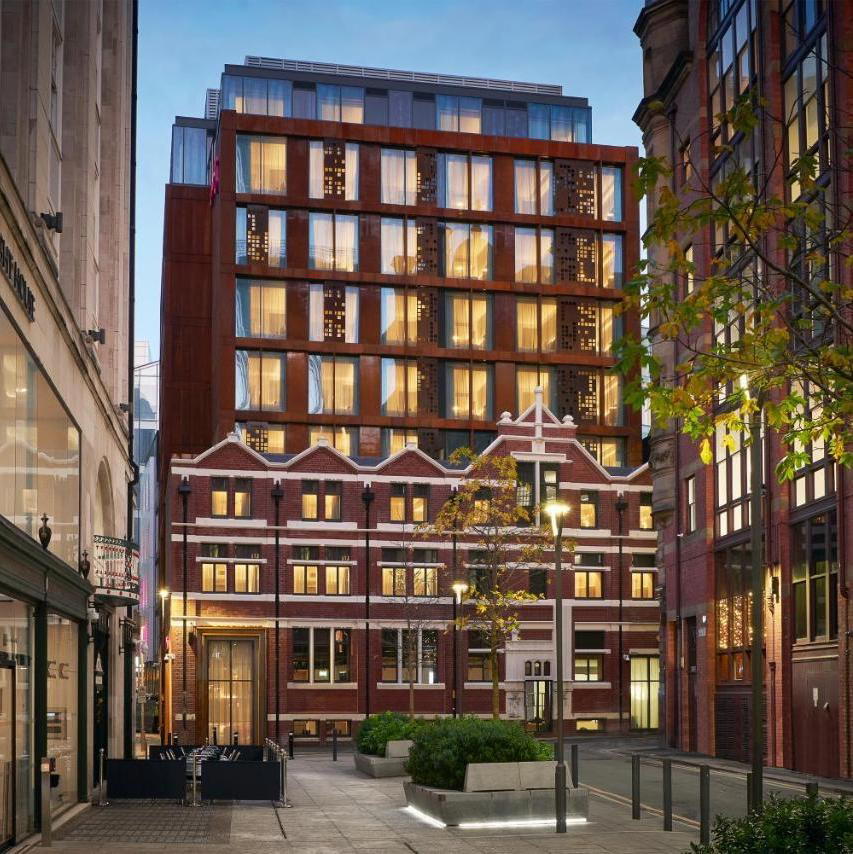
20 Stories is located at No 1 Spinningfields, 1 Hardman Square, Manchester, M3 3EB, positioned within easy reach of Deansgate station and the broader Spinningfields complex. The set lunch and pre-theatre deals represent the most accessible entry point to both the kitchen and the view; booking these earlier in the week tends to give more flexibility on timing. For allergy queries and specific dietary requirements, contacting the venue directly ahead of the visit is the advised route, as the kitchen's use of North Country produce across multiple formats means menu compositions vary. The wine list's upper tiers reward prior research if you intend to drink from the 600-bin selection; arriving with a category or region in mind makes the list more navigable.
Frequently asked questions
Is 20 Stories Michelin-listed?
20 Stories has received recognition including: With ‘incredible’ panoramic views stretching over the city to the Pennines beyond, 20 Stories can be an eye-popping experience. Literally towering above its nearest rival when it comes to sheer glitz (ahoy down there, The Ivy Spinningfields….
Where is 20 Stories in Manchester?
20 Stories is located at No 1 Spinningfields, 1 Hardman Square, Manchester, M3 3EB, United Kingdom, Manchester.
What should I eat at 20 Stories?
The à la carte gives the clearest picture of what the kitchen can do. Braised lamb shoulder with heritage squash, barbecued sprouts, and chestnuts shows the kitchen applying solid technique to Northern produce, as does pan-roasted cod with cauliflower, fennel, orange, and red wine sauce. Desserts are a consistent strength, the caramelised pear cheesecake and the signature '20 Stories wonderland' are both worth ordering. If budget is a consideration, the set lunch and pre-theatre menus offer well-made dishes such as seared salmon with orzo or flat iron steak with skinny fries at a more competitive price point.
How far ahead should I plan for 20 Stories?
Weekend evenings and Sunday brunch slots at No 1 Spinningfields tend to fill quickly given the room's prominence in Manchester's Spinningfields quarter and the draw of panoramic views stretching to the Pennines. Booking at least two to three weeks ahead for Friday or Saturday dinner is advisable, with more lead time around seasonal events. Weekday set lunches and pre-theatre windows are generally more accessible for shorter-notice visits.
What has 20 Stories built its reputation on?
The room's recognition rests on two things working together: a kitchen that applies genuine technique to Northern produce, and a physical position that delivers panoramic views over Manchester toward the Pennines. The wine programme, drawn from 600 bins stored in five Eurocave temperature-controlled fridges, adds a third layer of credibility, though reviewers have noted the list could offer more range at accessible price points. Across formats from bottomless brunch to Sunday roast, the consistency of execution is what keeps it ahead of comparable Spinningfields neighbours.
How does 20 Stories handle allergies?
Specific allergen and dietary information for 20 Stories is best confirmed directly with the venue ahead of your visit, as the kitchen operates across multiple formats including à la carte, afternoon tea, and Sunday roasts. The address for written enquiries is No 1 Spinningfields, 1 Hardman Square, Manchester, M3 3EB. Contacting the restaurant in advance of booking gives the team time to accommodate requirements across whichever format you are planning.
Is the wine list at 20 Stories worth exploring beyond house selections?
The list draws from 600 bins held across five Eurocave temperature-controlled fridges, which represents a serious depth of selection for a rooftop restaurant in Manchester's Spinningfields. Reviewers have flagged that the range at lower price points could be broader, so visitors who want to explore without committing to premium bottles may find the list skews toward the upper end. That said, the sheer scope means there is material for serious wine interest if you are willing to ask the floor team for guidance.
Price and Positioning
Comparable venues nearby, for context on price, style, and recognition.
| Venue | Cuisine | Price | Awards | Notes |
|---|---|---|---|---|
| 20 StoriesThis venue (the venue you are viewing) | Modern British | $50–100 | The Good Food Guide GFG Good | Not listed |
| Hispi | Modern British Bistro | $50–100 | The Good Food Guide GFG Good | Didsbury East, Modern British Bistro |
| Winsome | Modern British Bistro | $50–100 | Michelin Plate · National Restaurant Awards Top 100 #67 | Piccadilly, Modern British Bistro |
| Adam Reid at the French | Modern British Fine Dining | $150–200 | Michelin Plate · Star Wine List | Deansgate, Modern British Fine Dining |
| Fred's | Northern British Cafe | $10–20 | Not listed | Piccadilly, Northern British Cafe |
| Walled Garden Supper Club | Innovative Modern Vegetarian | $50–100 | Not listed | Whalley Range, Innovative Modern Vegetarian |
Recognition history
Dated appearances from independent guides and award organizations, with the underlying list record or original source where available.
The Good Food Guide GFG Good
The Good Food Guide
Continue exploring
More in Manchester
Restaurants in Manchester
All restaurants in Manchester →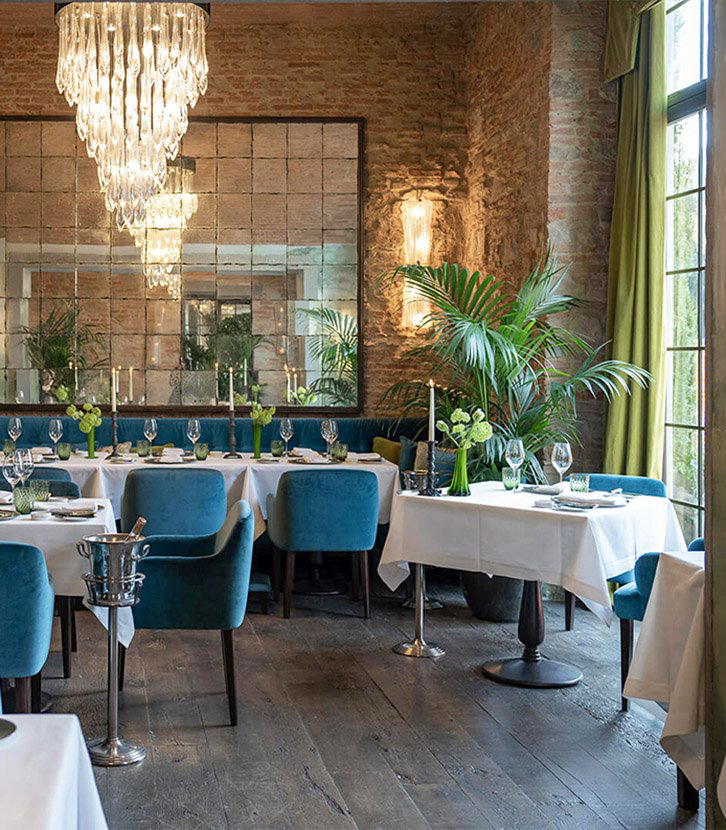
Details
- Lively
- Modern
- Elegant
- Sophisticated
- Trendy
- Date Night
- Special Occasion
- Celebration
- Rooftop
- Panoramic View
- Terrace
- Live Music
- Extensive Wine List
- Craft Cocktails
- Skyline
- A La Carte
- Set Menu
- Vegetarian Friendly
Current opening hours
- Monday
- 12 PM–12 AM
- Tuesday
- 12 PM–12 AM
- Wednesday
- 12 PM–12 AM
- Thursday
- 12 PM–12 AM
- Friday
- 12 PM–1 AM
- Saturday
- 12 PM–1 AM
- Sunday
- 12–11 PM
Hours can change for holidays and private events. Hours as of .
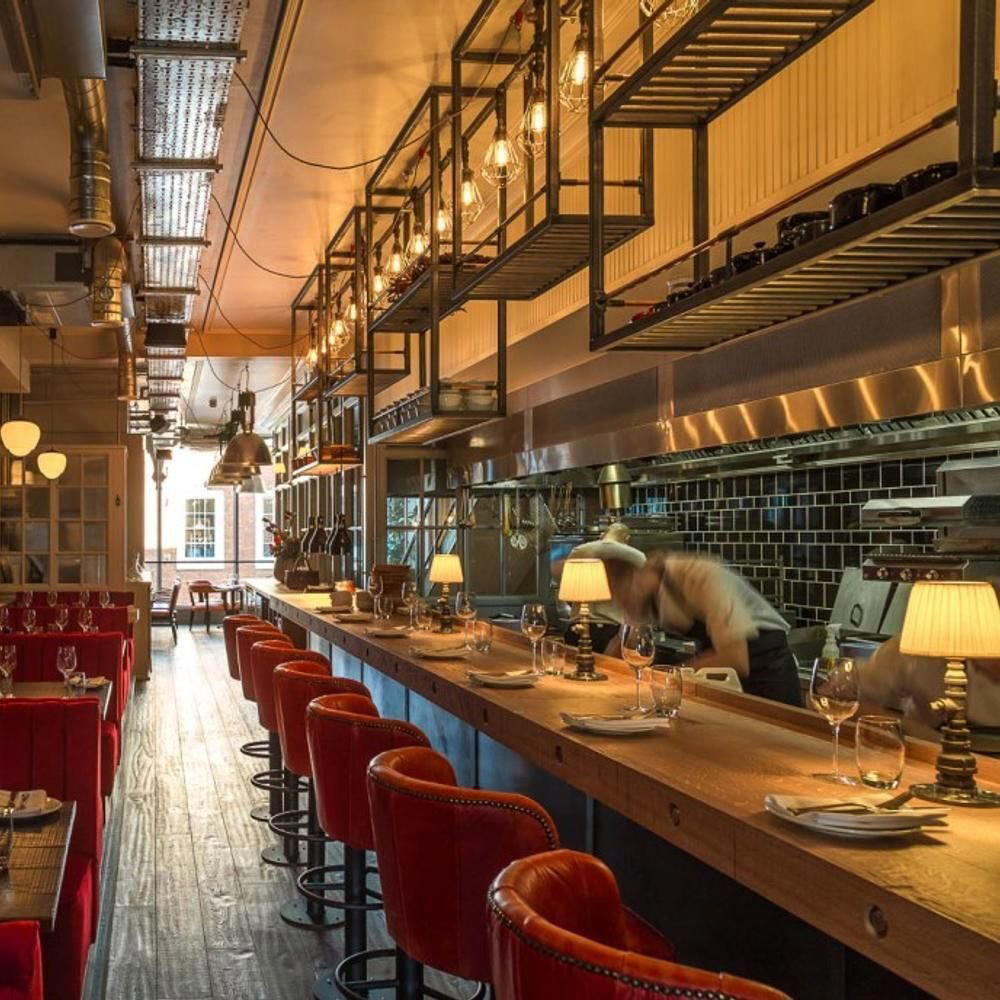
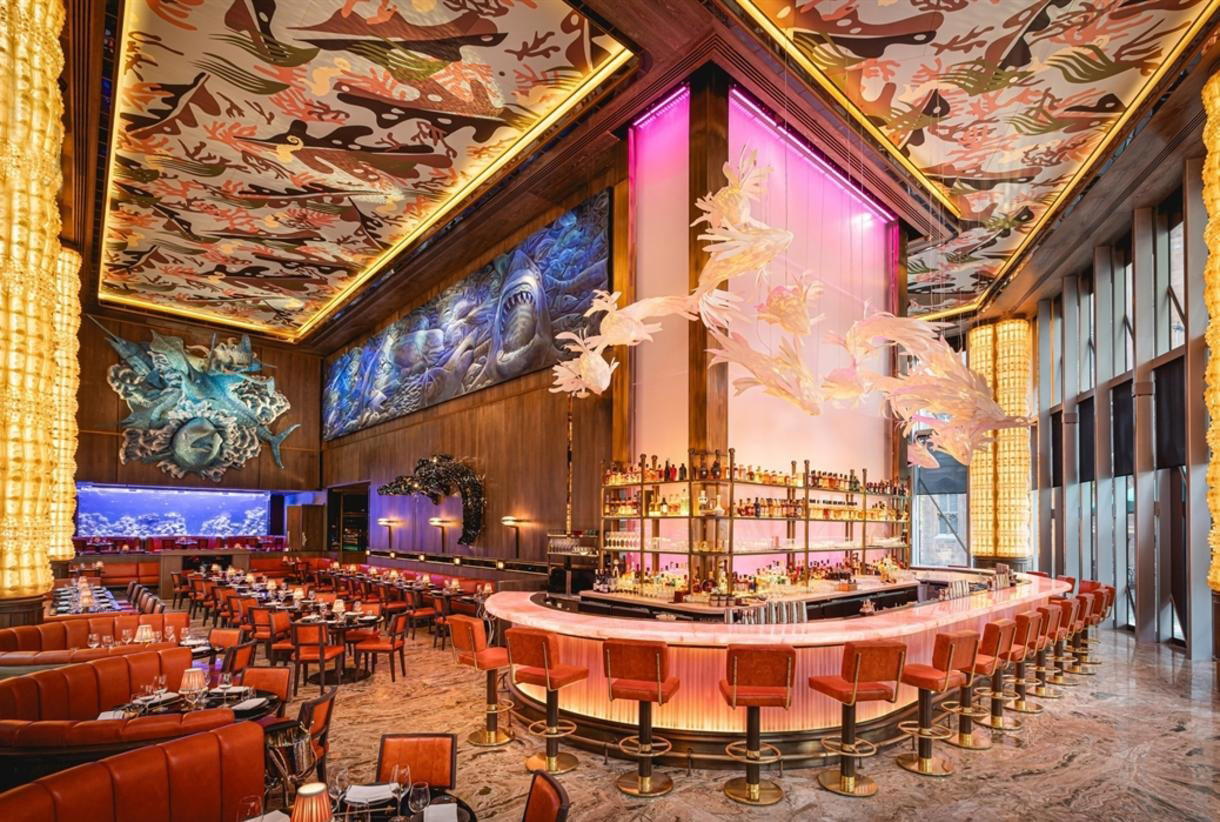
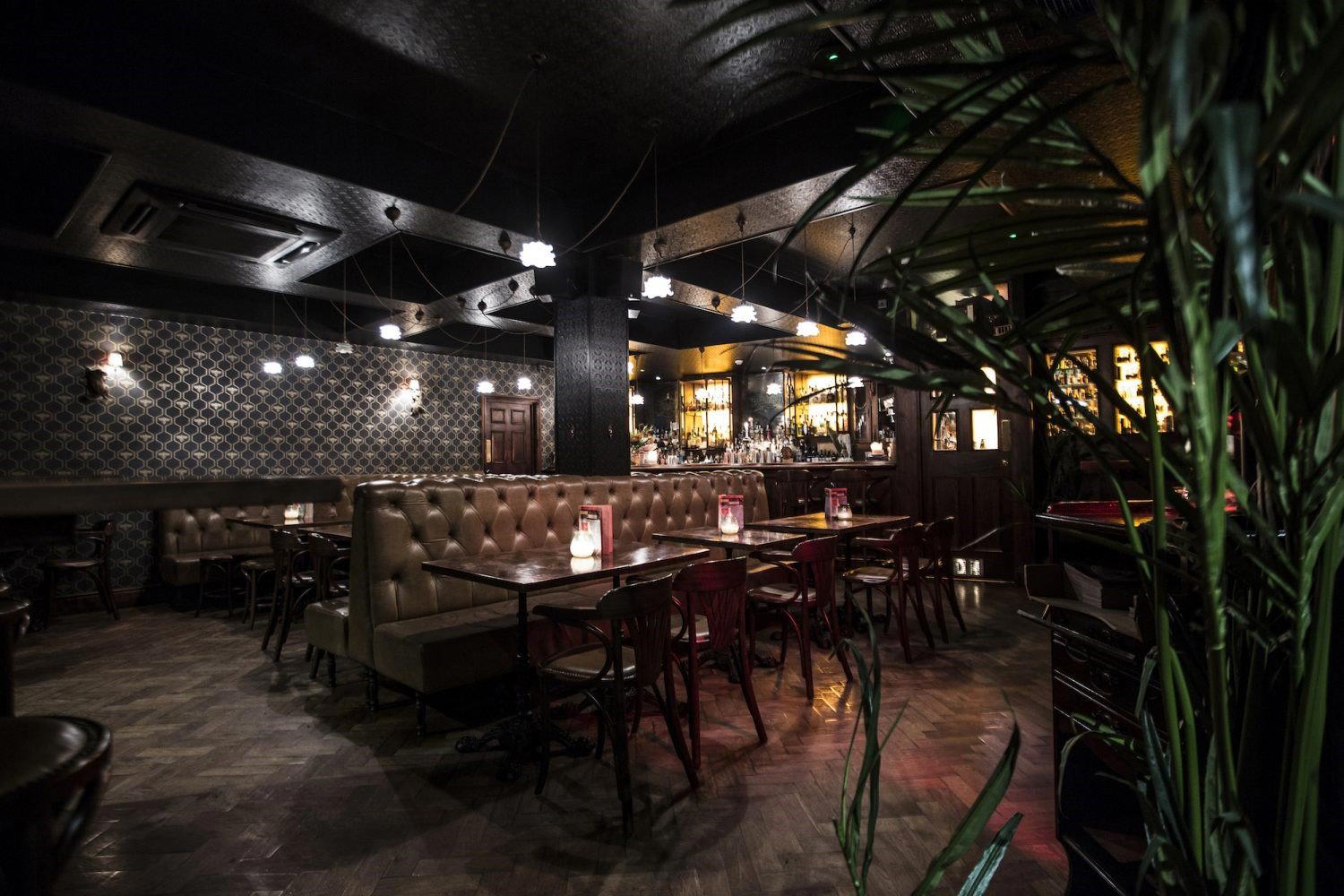
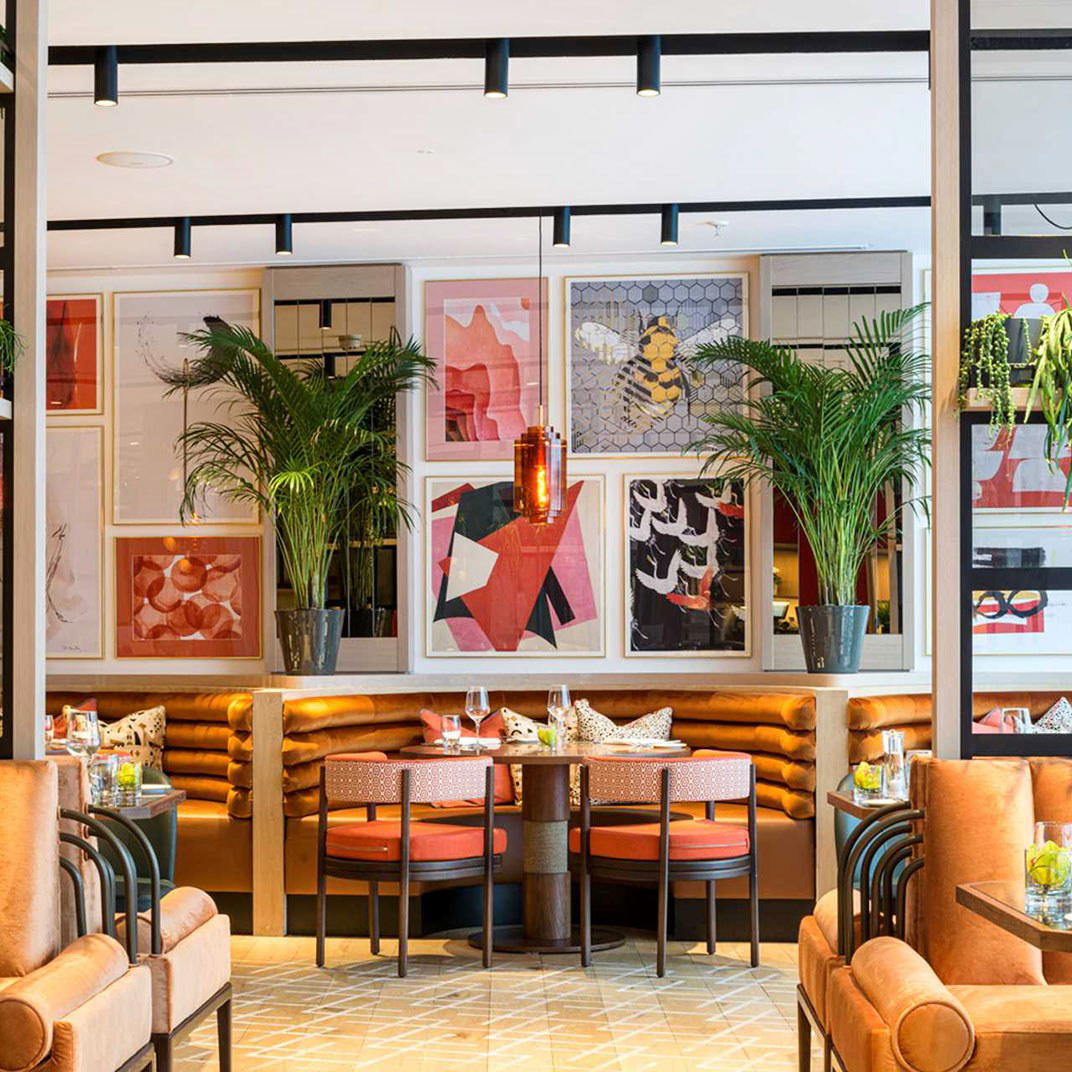
Ornate and stylish with dramatic lighting, lively and buzzy atmosphere enhanced by live music and city views, though occasionally noted as loud.