Asmara Bella Restaurant
On Port Street in Manchester's Northern Quarter, Asmara Bella Restaurant sits within a dining corridor that has grown considerably more competitive over the past decade. The address places it among independent operators working a neighbourhood defined by its distance from the city's more formal dining rooms. For visitors oriented around the area's eating and drinking culture, it warrants attention alongside the broader Port Street cluster.
Pearl is the En Primeur Club membership app — saves, bookings, and concierge access live there. Same editors, same standards.
- Address
- 37 Port St, Manchester M1 2EQ, United Kingdom
- Phone
- +441614606773
- Website
- asmarabella.co.uk
- Directions
- Get directions
 Saves & bookings on Pearl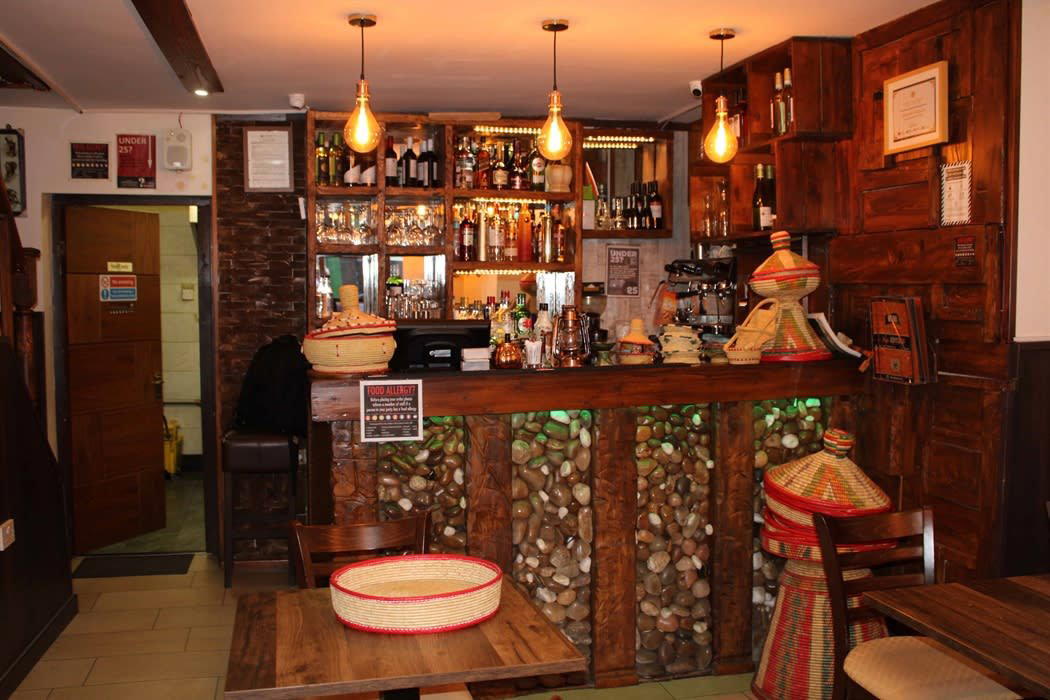
Port Street and the Northern Quarter's Independent Dining Corridor
Manchester's Northern Quarter has operated as the city's most reliably independent dining zone for the better part of two decades. Where Spinningfields consolidated corporate hospitality and Deansgate absorbed the larger branded operations, the Northern Quarter absorbed something harder to manufacture: a density of small, owner-operated rooms that shift cuisines and formats without the overhead of hotel dining or group backing. Port Street, specifically, sits at the eastern edge of that zone, where the neighbourhood transitions from its densest retail stretch toward Ancoats and the canal-side developments that have changed Manchester's hospitality character considerably since the mid-2010s.
Asmara Bella Restaurant, addressed at 37 Port Street, occupies that transition point. The location is neither the heart of the Northern Quarter's most photographed blocks nor the newer Ancoats corridor that now houses some of the city's more formally ambitious kitchens. It sits between those two gravitational pulls, which gives it a neighbourhood identity that is genuinely its own: walkable from Piccadilly Gardens to the south, close enough to the Northern Quarter's bar density to draw an evening crowd, and far enough from the Ancoats concentration to operate outside that comparison set entirely.
Where Asmara Bella Sits in Manchester's Current Dining Picture
Manchester's restaurant scene has stratified noticeably. At the upper end, mana (Progressive Cuisine, Creative British) holds Michelin recognition and operates at a price point and format discipline that removes it from casual comparison. Skof (Creative) and Adam Reid at the French (Modern European) anchor the city's serious tasting-menu tier. Below that, the mid-range independent sector has grown in both ambition and number, with rooms like 10 Tib Lane demonstrating that careful sourcing and format can carry a restaurant without award infrastructure. 20 Stories operates at a different register entirely, its rooftop positioning doing as much work as its kitchen.
Asmara Bella sits outside all of those competitive sets by geography and apparent intent. The Port Street address signals an independent operator serving a neighbourhood rather than positioning for critical recognition or tourist capture. That is not a weakness in Manchester's current climate. The city's most durable independents have generally been the ones that resisted the city-centre performance mode and built around a specific, repeatable offer for a local audience.
For the wider context of what serious dining looks like across the UK's regions, the reference points extend well beyond Manchester. L'Enclume in Cartmel and Moor Hall in Aughton set the benchmark for what the North of England can produce at the highest level. Further afield, Waterside Inn in Bray, CORE by Clare Smyth in London, and Midsummer House in Cambridge represent the tier at which sustained awards attention reshapes a venue's competitive identity entirely. Asmara Bella is not in conversation with those rooms, which is precisely the point: it is a neighbourhood restaurant on a neighbourhood street, and the expectations that apply to it are different accordingly.
The Port Street Block: Approaching the Address
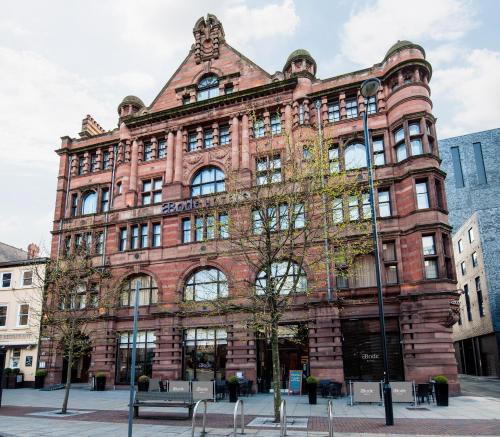
Port Street functions as one of the Northern Quarter's quieter through-roads during the day, more active in the early evening as it connects foot traffic between the Piccadilly end of the city and the bar-dense blocks around Tib Street and Oldham Street. The physical character of the street is mid-Victorian brick with street-level commercial units that have cycled through uses as the neighbourhood has changed. Arriving at number 37 on foot from Piccadilly Gardens takes roughly eight to ten minutes; from Manchester Piccadilly station, the walk runs slightly longer depending on the route taken through the city's pedestrian network.
That walkability is relevant because it shapes who uses the room. Northern Quarter independents at this address type draw primarily from the surrounding residential and working population rather than from destination diners who have planned a visit weeks in advance. The dynamic differs materially from the pre-booked tasting-menu audience that rooms like Opheem in Birmingham or Ynyshir Hall in Machynlleth serve, where the booking itself is part of the experience's logic.
Planning a Visit: What to Expect and How to Approach It
Because the venue database does not carry confirmed hours, phone details, or booking method for Asmara Bella, the practical approach is to cross-reference current listings directly before visiting. Port Street restaurants at this price tier and footprint typically operate without the multi-week advance booking windows that the city's tasting-menu rooms require, but confirming availability for a specific evening is always worth doing, particularly on weekends when the Northern Quarter's bar and restaurant traffic peaks.
For visitors already planning a broader Manchester eating itinerary, the full Manchester restaurants guide maps the city's dining across price tiers and neighbourhoods in more detail. Pairing a visit to the Port Street area with time in Ancoats, where the density of newer openings has concentrated significantly, gives a clearer picture of how Manchester's independent dining has evolved across different postcodes.
Internationally, the format of a small independent room serving a local urban neighbourhood is well represented at both ends of the quality spectrum. Rooms like Lazy Bear in San Francisco and Le Bernardin in New York City operate on entirely different scales of formality and recognition, but the underlying principle of neighbourhood anchoring applies across formats. The question for any independent is always whether the offer is consistent enough to sustain a regular audience. On Port Street, where the bar for repeat custom is set by the neighbourhood's own rhythms rather than national press cycles, that consistency matters more than any single visit's impression.
Venues at comparable addresses in other UK cities offer a useful frame of reference. Gidleigh Park in Chagford, Hand and Flowers in Marlow, and hide and fox in Saltwood each demonstrate what a strong regional independent can achieve when the kitchen, the setting, and the audience align over time. The trajectory for Port Street operators depends on the same alignment, scaled to an urban neighbourhood rather than a destination village.
- Injera
- Zighni
- Lamb Shekla Tibsi
- Mosob
- Bebe Ai Netu
- Shiro
The Essentials
Comparable options at a glance, pulled from our tracked venues.
| Venue | Cuisine | Price |
|---|---|---|
| Asmara Bella RestaurantThis venue — the venue you are viewing | Not listed | Not listed |
| mana | Progressive Cuisine, Creative British | ££££ |
| Skof | Creative | ££££ |
| Erst | Wine Bar, British Contemporary | £££ |
| Higher Ground | Modern British | ££ |
| MAYA | Mexican, Modern Cuisine | ££ |
Continue exploring
More in Manchester
Restaurants in Manchester
Browse all →
Bars in Manchester
Browse all →
At a Glance
- Cozy
- Rustic
- Intimate
- Group Dining
- Casual Hangout
- Date Night
- Family
- Standalone
- Beer Program
- Local Sourcing
Current opening hours
- Monday
- 5–11 PM
- Tuesday
- 5–11 PM
- Wednesday
- 5–11 PM
- Thursday
- 5–11 PM
- Friday
- 1–11 PM
- Saturday
- 1–11 PM
- Sunday
- 1–11 PM
Hours can change for holidays and private events. Last verified .
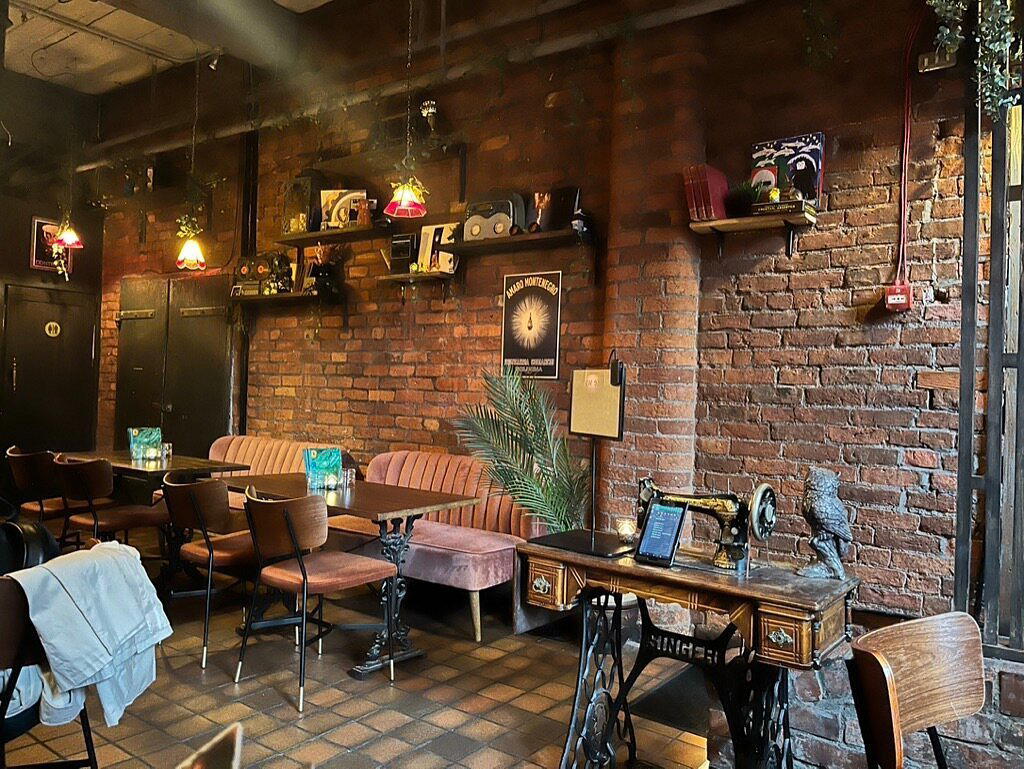
Warm and homely with dark woods, tiled floors, and walls decorated with Eritrean art featuring cultural portraits and landscapes; relaxed café-like setting with a snug bar.
Know Before You Go
- Getting there
- 37 Port St, Manchester M1 2EQ, United Kingdom