Our verdict
The address alone signals a certain intent: this is a restaurant for regulars and those who plan ahead, not passing trade. Münster's dining scene has quietly developed serious ambition, and Orléans sits within that trajectory.

Pearl is the En Primeur Club membership app, where members save venues, book tables and use the concierge.

The menu
What to order
- Quiche Lorraine
- Bœuf Bourguignon
- Escargots
- Französische Zwiebelsuppe
Münster has built a dining culture that rewards this kind of neighbourhood commitment. The city's university population keeps the lower end of the market perpetually busy, but above that tier, a smaller and more deliberate cluster of restaurants has developed over the past decade, offering serious cooking to an audience that eats out with intention. Orléans sits within that cluster, on an address that requires a modest journey from the centre but returns the guest to a room that operates on its own terms.
The Rhythm of the Meal
German fine dining has moved steadily away from the formality that once defined it. The heavy trolleys, the ceremonial carving, the rigid choreography between courses, these have given way, in many rooms, to something more attentive and less theatrical. The pace of a meal at a restaurant like Orléans reflects that broader shift: courses arrive with enough space between them for conversation to develop, but without the long gaps that signal an understaffed kitchen. The ritual of the meal, when it functions well, is invisible to the guest. You notice it only when it breaks.
What distinguishes the better rooms in Münster's mid-to-upper dining tier is precisely this calibration of pace and hospitality. Coeur D'Artichaut operates at the Modern French end of that register, while BOK Restaurant Brust oder Keule approaches the dining ritual through a farm-to-table framework that grounds the meal in seasonal and regional produce. Spitzner adds another Modern French reference point in the same city. Each of these places takes the structure of the meal seriously as a form, not as performance, but as the architecture within which food and company can work together. Schwarzwaldstube in Baiersbronn and Waldhotel Sonnora in Dreis anchor the Black Forest and Moselle region traditions respectively. Further south, JAN in Munich and ES:SENZ in Grassau extend Bavaria's serious restaurant credentials. Victor's Fine Dining by Christian Bau in Perl and Schanz in Piesport hold the Saarland and Moselle wine country. In Berlin, CODA Dessert Dining has carved out a format that defies conventional course structure entirely. Hamburg's Restaurant Haerlin represents the grand hotel dining tradition at its most sustained.
Münster sits outside that constellation of nationally recognised destinations, which means restaurants here compete primarily on local and regional terms. That is not a diminishment. It means the guest relationship is different: regulars matter, consistency matters more than spectacle, and the kitchen's output is judged against a community's expectations rather than a critic's annual sweep.
For international comparison, rooms like Le Bernardin in New York City and Atomix in New York City illustrate how the dining ritual can be formalised into an almost architectural structure, though both operate with levels of resource and recognition that are simply not in play at the Münster level. The comparison is useful for calibration, not equivalence. Guests arriving by train will find a taxi or tram connection more practical than walking, depending on their starting point within the city. For guests travelling from outside Münster, the city is served by regular rail connections from Dortmund, Osnabrück, and the broader North Rhine-Westphalia network.
Other restaurants in the area worth knowing include Acacia and Alem Mar, both of which operate within Münster's broader dining spread and offer different points of reference for a visit to the city. For a fuller orientation to what the city's restaurant scene offers across price points and cuisines, the EP Club Münster restaurants guide covers the current range in detail.
Planning Your Visit
Weekday visits typically offer more flexibility. Arriving with a clear idea of pacing, whether you want a shorter, sharper meal or a longer evening, is worth communicating at the point of booking, as kitchens at this level calibrate service accordingly.
Frequently asked questions
Is Orléans suitable for children?
The address on Weseler Strasse places Orléans in a residential, everyday corridor of Münster rather than the tourist-facing centre, which typically signals a neighbourhood restaurant with a local clientele rather than a child-specific offer. Whether children fit comfortably depends on the pace and format of the meal. For families, contacting the restaurant directly before booking is the practical step.
What kind of setting is Orléans?
Orléans occupies a street-level position at Weseler Strasse 65 in the 48151 postcode, west of Münster's old town and the Dom. That location puts it outside the pedestrian-zone restaurant cluster, in a district where the clientele tends to be Münster residents rather than visitors. The address alone suggests a room oriented toward regulars rather than occasion tourism.
Is Orléans in Münster easy to reach without a car?
Weseler Strasse runs west from Münster's central station, meaning guests arriving by rail have a direct route without passing through the old town. The 48151 postcode is served by Münster's tram and bus network, making the address reachable by public transport for those staying in the city centre. Checking the current Stadtwerke Münster route map before your visit is the practical step.
What's the signature dish at Orléans?
What the Weseler Strasse address does suggest is a kitchen working for a local audience rather than a rotating visitor crowd, which in Münster's considered dining tier typically means a focused, seasonally adjusted menu rather than a broad offer.
What part of town is Orléans in?
Orléans is located at Weseler Str. 65, 48151 Münster, Germany, Münster.
How far ahead should I plan for Orléans?
Across Münster's restaurants with an established local following, Thursday through Saturday evenings typically require at least one to two weeks' notice, and often more during university term time when the city's population density increases.
What's the defining dish or idea at Orléans?
That context tends to produce cooking built around consistency and repeat satisfaction rather than theatre.
Cuisine Lens
Comparable venues nearby, for context on price, style, and recognition.
| Venue | Cuisine | Price | Notes |
|---|---|---|---|
| OrléansThis venue (the venue you are viewing) | Traditional French Bistro | Not listed | Not listed |
| Les Cèdres | Authentic Lebanese | $20–30 | Westhues |
| Giverny | Classic French Bistro | Not listed | Spiekerhof |
| Rotkehlchen Speise-& Cocktailbistro | Modern German Bistro with Cocktails | $50–100 | Innenstadt |
| Alem Mar | Portuguese Tapas | $20–30 | Neubrückenstraße area |
| Acacia | Authentic Japanese Sushi and Omakase | $50–100 | Not listed |
Continue exploring
More in Münster
Restaurants in Münster
All restaurants in Münster →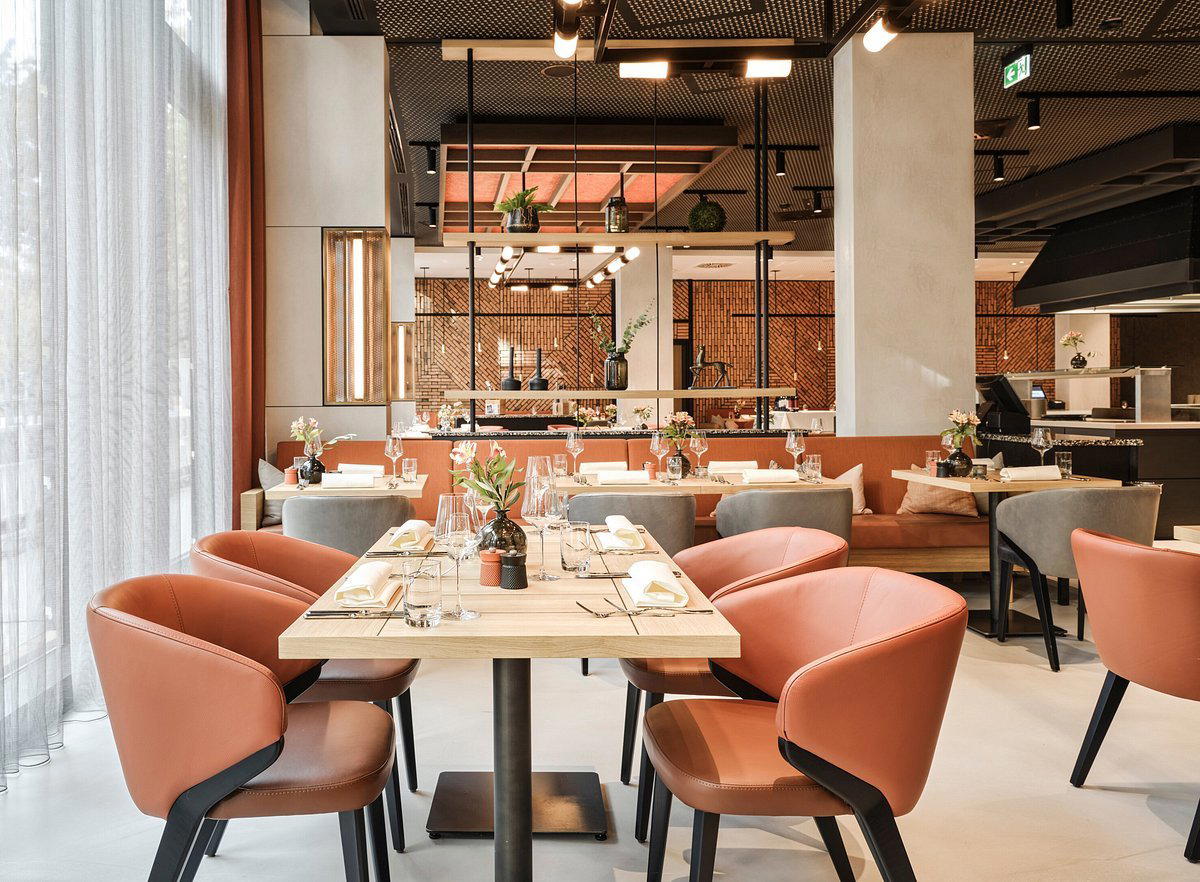
Hotels in Münster
All hotels in Münster →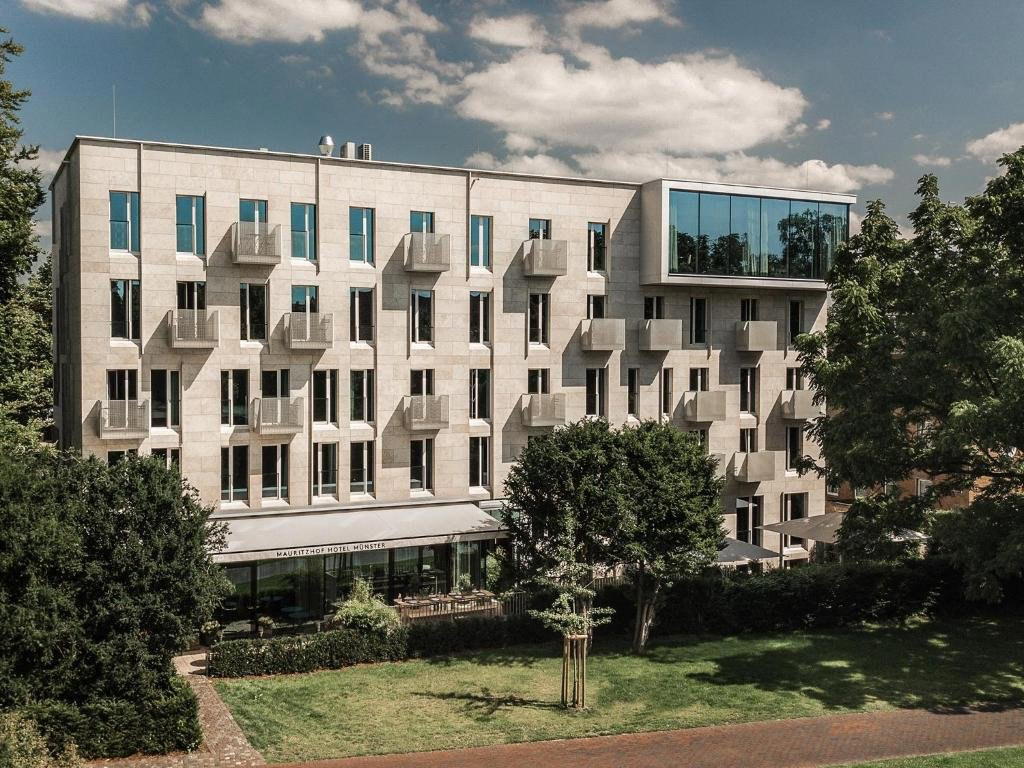
Wineries in Münster
Browse all →
Details
- Cozy
- Classic
- Intimate
- Date Night
- Special Occasion
- Standalone
- Extensive Wine List
- A La Carte
Current opening hours
- Monday
- Closed
- Tuesday
- Closed
- Wednesday
- 5:30–11 PM
- Thursday
- 5:30–11 PM
- Friday
- 5:30–11 PM
- Saturday
- 5:30–11 PM
- Sunday
- 5:30–11 PM
Hours can change for holidays and private events. Hours as of .
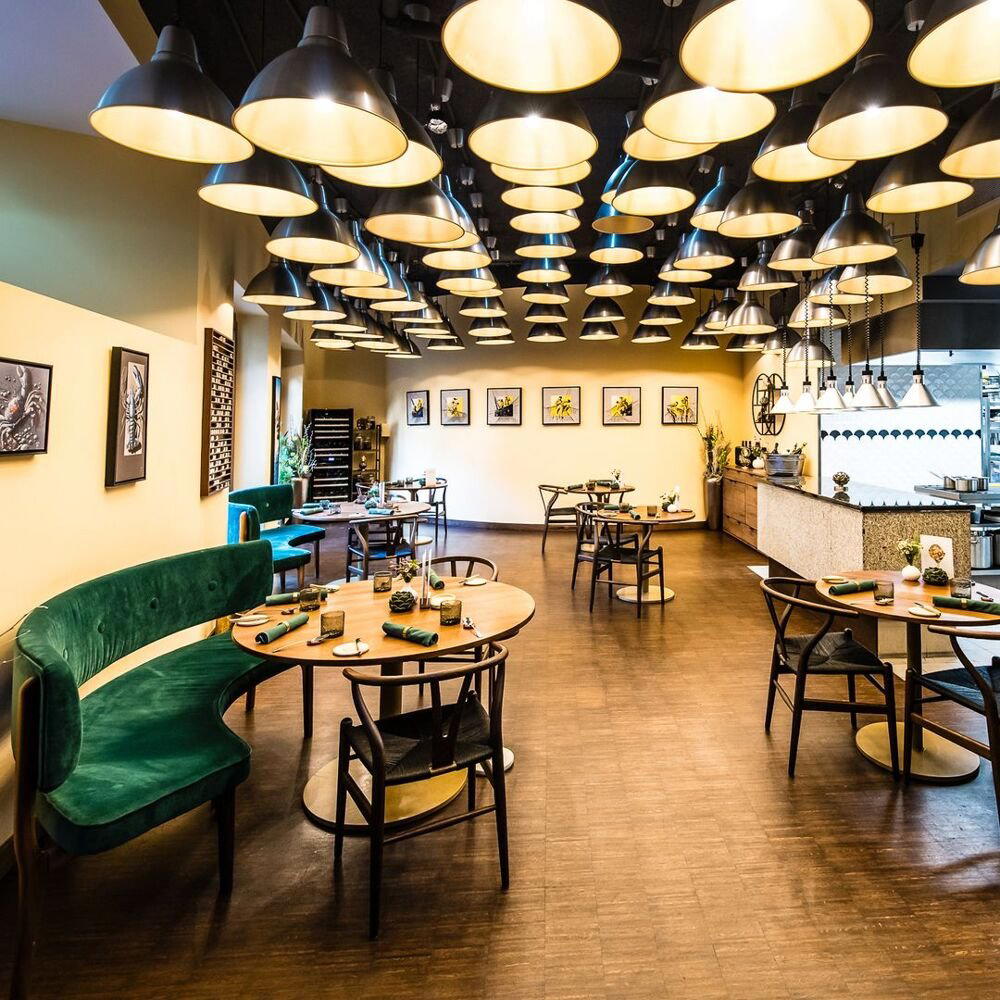
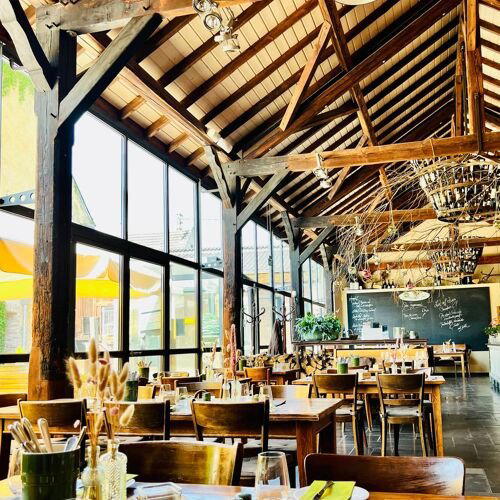
Cozy and stylish ambiance with a charming, intimate setting praised for its warm and gemütlich atmosphere.