
Tabelog 100 #69
Our verdict
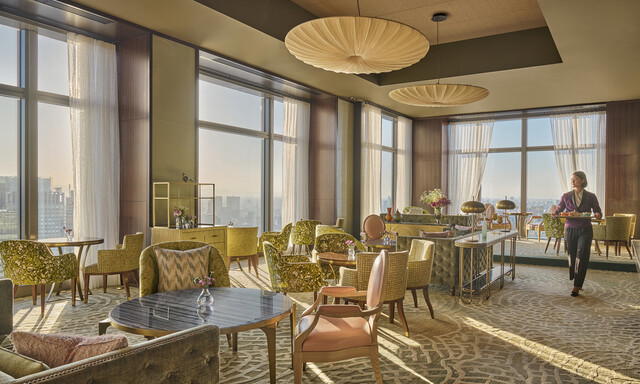
Oriental Lounge sits in Tokyo’s high-altitude hotel-lounge tier, where afternoon tea, cocktails, live music and skyline views carry as much weight as the food. Its 2025 Tabelog Cafe EAST “Tabelog 100” selection and 82-seat scale place it closer to a polished social room than a conventional cafe.

Pearl is the En Primeur Club membership app, where members save venues, book tables and use the concierge.
The menu
What to order
- Matcha Afternoon Tea
- Afternoon Tea Set
- Crab cakes
- Cheese plate
- Sandwiches
Tokyo lounges and premium cafe-bars work on a different rhythm from the city’s counter restaurants. The appeal is not speed, chef proximity or the theatre of a tasting menu; it is time, comfort, service choreography and the permission to stay longer than a cafe would usually allow. Oriental Lounge belongs to that category: a Tokyo room where the point is as much the wider setting as the cake stand, glassware or late-evening drink.
That matters in Tokyo because the premium cafe category has split into two camps. One side is design-led and compact, built around novelty and fast turnover. The other is slower, pricier and more useful for travellers who need a room that can carry several occasions: afternoon tea, a date, family catch-up, business pause or nightcap. For readers mapping the broader city, Our full Tokyo restaurants guide gives the wider dining picture, while Our full Tokyo hotels guide explains why luxury hotels in Tokyo often function as dining districts in their own right.
A lounge where the setting is part of the spend
The value proposition here is not about low spend. It is about what is bundled into a higher cafe-and-bar ticket: a composed setting, table comfort, drinks range and a more measured atmosphere than a quick street-level stop. The 2025 Tabelog Hyakumeiten recognition gives the room a clear external signal inside a category that can otherwise be hard to judge from photographs alone, alongside a listed score of 3.67.
The format also explains why Oriental Lounge sits apart from cheaper cafe stops in the same city. Some Tokyo cafes are easier to read as visual concepts; the lounge model is less about quick novelty and more about duration, service polish and the ability to move from tea to cocktails without changing venue. In the same broader Tokyo luxury orbit, The Mandarin Oriental Gourmet Shop operates as a different kind of cafe stop, while SIGNATURE and Tapas Molecular Bar sit in more formal restaurant territory. The lounge occupies the middle ground: less ceremonial than a full dining room, more structured than a casual cafe.
That middle ground is useful in Tokyo, where the city’s serious eating often asks guests to choose between precision and flexibility. Counter restaurants and specialist rooms can be tightly focused; a lounge is broader by design. For contrast, other Tokyo dining rooms may make sense through a narrower culinary lens. Oriental Lounge makes sense when the table has mixed needs and the setting carries part of the bill.
Afternoon tea, cocktails and the Tokyo social-lounge brief
Tokyo’s afternoon-tea culture has become a serious subcategory, especially among travellers who want a scheduled pause rather than another multi-course meal. Oriental Lounge fits that brief with cafe and bar positioning. The category matters: it is what lets the room shift from daytime tea to evening lounge without becoming a different proposition.
The strongest use case is a planned social booking rather than a spontaneous snack. The listed budget is Dinner: JPY 8,000 - JPY 9,999; Lunch: JPY 8,000 - JPY 9,999, so this is best approached as a deliberate premium stop rather than an incidental coffee. That combination says a lot about the room: accessible in concept, but still polished enough to reward planning.
Compared with other Tokyo options, the room is less about chasing a single dish than choosing a controlled environment. Travellers building a fuller itinerary might pair this kind of stop with sharper, more specialised meals elsewhere, or use Our full Tokyo bars guide when the night calls for a bar-first address rather than a lounge. For non-restaurant planning, Our full Tokyo experiences guide and Our full Tokyo wineries guide help separate food stops from the rest of the day.
Who gets the most from the room
This is a strong choice for travellers who value seating comfort, Tokyo context and composed service over culinary narrowness. It is less compelling for diners who want a chef-led counter, a low-cost cafe crawl or a room built around a single speciality. That is not a criticism; it is the reason to choose it carefully. Tokyo rewards precision, and here the precision is in occasion-matching rather than menu obsession.
For a date or family gathering, the case is clear: the cafe-and-bar format gives the room more breadth than many specialist Tokyo counters, while the polished setting keeps the experience composed. For a solo traveller, it works better as a planned reset between appointments than as a destination meal. For visitors comparing Japan more widely, the contrast with other regional cafe and restaurant formats underlines how different the lounge category is from more specialised dining styles.
The practical read is simple: come when the room’s built-in advantages matter. If the plan is a drink, afternoon tea, a Tokyo pause or a polished meeting place, Oriental Lounge earns its premium. If the goal is culinary intensity, the city offers sharper tools across unnamed specialist dining rooms. International readers looking at Japanese drinking and casual-food culture beyond Japan can also compare the category with equivalent venues abroad, though those belong to different city logics entirely.
How It Stacks Up
Comparable venues by price and recognition.
| Venue | Cuisine | Price | Awards | Notes |
|---|---|---|---|---|
| Oriental LoungeThis venue (the venue you are viewing) | Hotel lounge with afternoon tea, cocktails, and international light bites | $50–100 | Tabelog 100 #69 | Not listed |
| Mikawaya | Classic Ginza Yoshoku (Japanese-style Western) | $100–150 | Tabelog 100 #52 | Chūō |
| Royal Bar | Classic hotel cocktail bar | $50–100 | World's 50 Best #28 · Tabelog 100 #68 | Chiyoda |
| Le Parang | Cocktail Bar | $50–100 | Tabelog 100 #4 | Shinjuku |
| seiohtei Shinjuku ten | Japanese-style Western (Yoshoku) | $30–50 | Tabelog 100 #79 | Shinjuku |
| Bar ODIN | Cocktail & Whisky Bar | $50–100 | Tabelog 100 #83 | Shibuya |
Recognition history
Dated appearances from independent guides and award organizations, with the underlying list record or original source where available.
Tabelog 100 #69 · No. 69
Tabelog · Tabelog 100 - Cafe - EAST - 2025
Continue exploring
More in Tokyo
Restaurants in Tokyo
All restaurants in Tokyo →

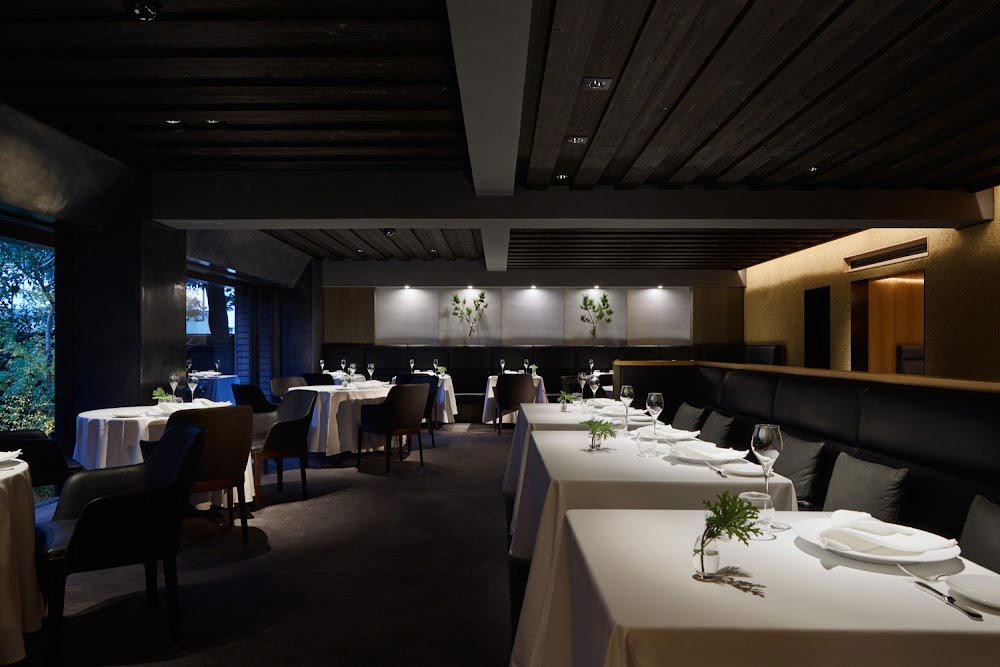
Bars in Tokyo
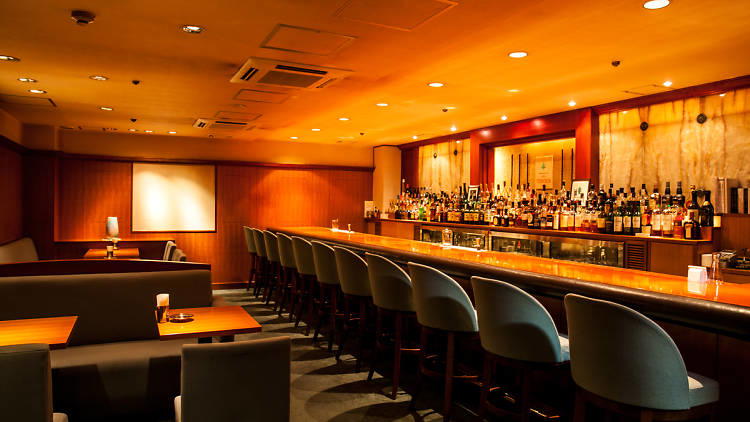
All bars in Tokyo →





Details
- Elegant
- Sophisticated
- Scenic
- Modern
- Romantic
- After Work
- Date Night
- Business Dinner
- Solo
- Celebration
- Special Occasion
- Late Night
- Panoramic View
- Hotel Restaurant
- Design Destination
- Craft Cocktails
- Skyline
- A La Carte
- Set Menu
- Cocktails
- Coffee
- Tea
- Spirits
Current opening hours
- Monday
- 12–9 PM
- Tuesday
- 12–9 PM
- Wednesday
- 12–9 PM
- Thursday
- 12–9 PM
- Friday
- 12 PM–12 AM
- Saturday
- 12 PM–12 AM
- Sunday
- 12–9 PM
Hours can change for holidays and private events. Hours as of .
Located just off the main lobby on the 38th floor, the lounge has warm original ceiling lights and floor‑to‑ceiling windows framing Tokyo’s city lights, creating an elegant, calm yet lively hotel‑lounge atmosphere suited to tea, drinks, and quiet conversation.